
Sports
Discover What Marcus Rashford’s Net Worth Really Is in 2025
Uncover the riches behind the Manchester United star as he navigates football, philanthropy, and financial power.

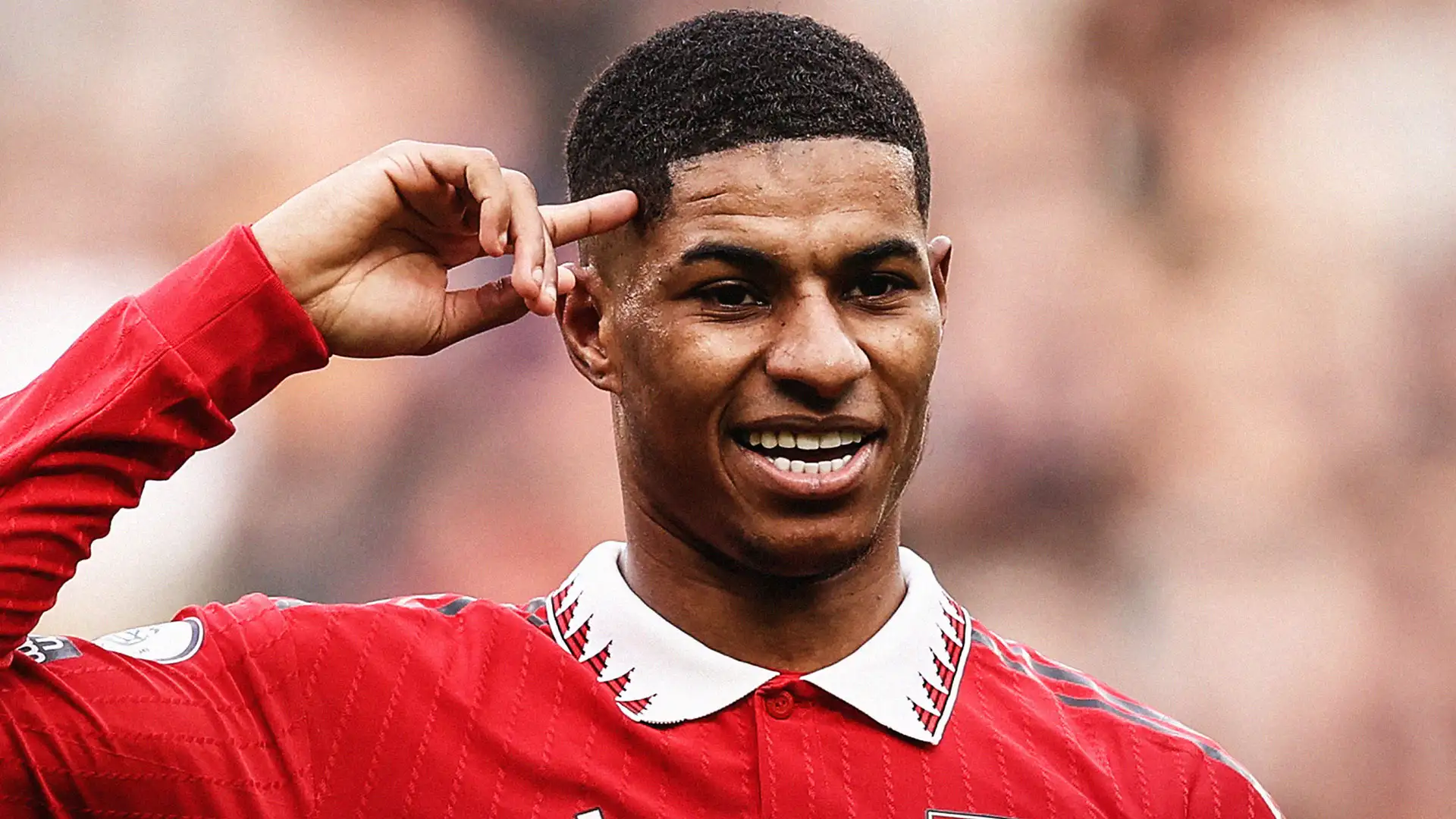
Marcus Rashford has become a household name—in more ways than one. Known initially for his electric speed and clinical strike rate on the pitch, the England star is now making headlines off it, especially regarding the size of his bank account. Recent estimates place the net worth of Marcus Rashford at an astonishing $80 million, equivalent to roughly £63 million . However, other sources present a more modest picture, pegging his wealth closer to $25 million —highlighting how figures can vary widely depending on the methodology used.
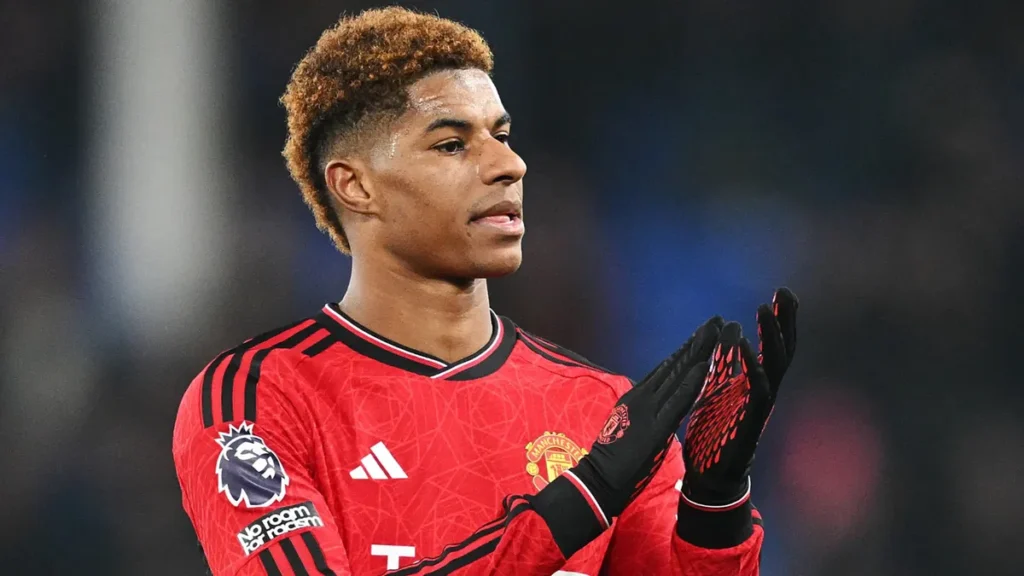
According to some analysts, much of Rashford’s fortune comes from his hefty salary at Manchester United, endorsement contracts, and savvy investments. One reputable sports salary tracker suggests he earns around £300,000 per week, translating to approximately £15.6 million annually, and estimates his total wealth at around £76 million . His 2023 contract extension reportedly upped his pay to £325,000 weekly, securing his financial standing into 2028
Behind the headlines, Rashford has earned every penny. Since bursting onto the scene in 2016, he’s accumulated silverware with Manchester United and gained fame with England, notching goals and breaking records . Off the field, he’s also a powerful philanthropist—pushing for free meals in schools and literacy projects, efforts which earned him an MBE and stirred national policy shifts . These crusades have only reinforced his public persona, turning personal success into social dividends.
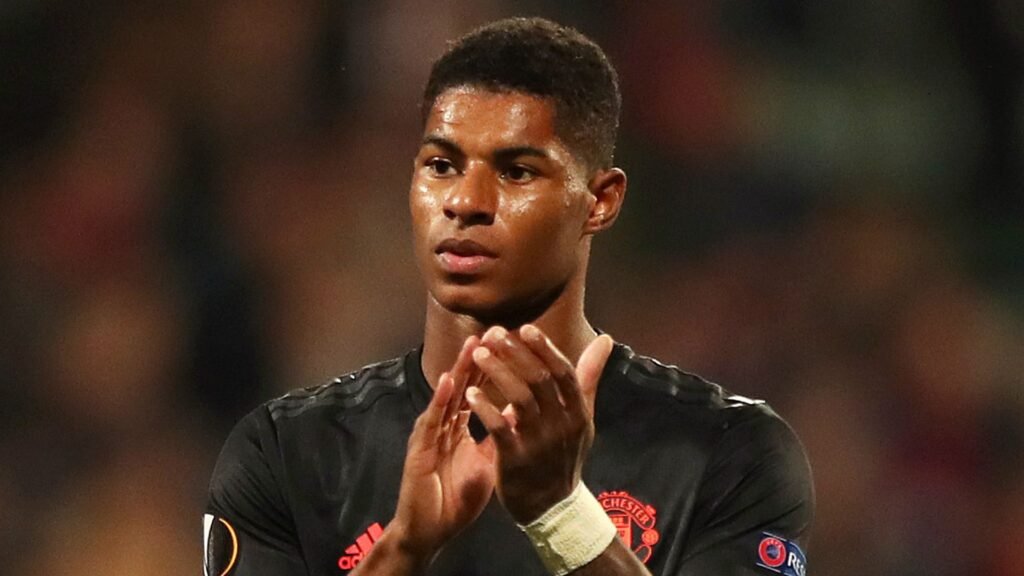
But what fuels the discrepancy in his net worth? The differences stem from diverse valuation models. Some outlets include brand endorsements, property investments, and future contracts when estimating total worth, while others stick to verified figures like salary and bonuses. Acknowledging both perspectives reveals a range—from $25 million up to $80 million—suggesting Rashford’s true net worth likely falls between £60 million and £80 million.
As he embarks on a new chapter—on loan at Aston Villa before deciding his future—Rashford’s earning power remains intact . And whether he stays at United or moves on, his income potential looks set to continue its upward spike.
For savvy fans tracking career earnings and financial influence, Rashford’s story is more than goals and assists; it’s a lesson in personal branding, social activism, and strategic growth. No wonder his net worth is now a hot topic. But one thing’s clear: this is a young athlete who understands the value of leveraging every opportunity—on and off the pitch.








Sports
Tom Brady Slaps Logan Paul? Viral Fanatics Fest Video Leaves Internet Divided
A viral clip claiming to show Tom Brady slapping Logan Paul at Fanatics Fest has sparked widespread debate, with fans questioning whether the moment was real, staged, or digitally manipulated.
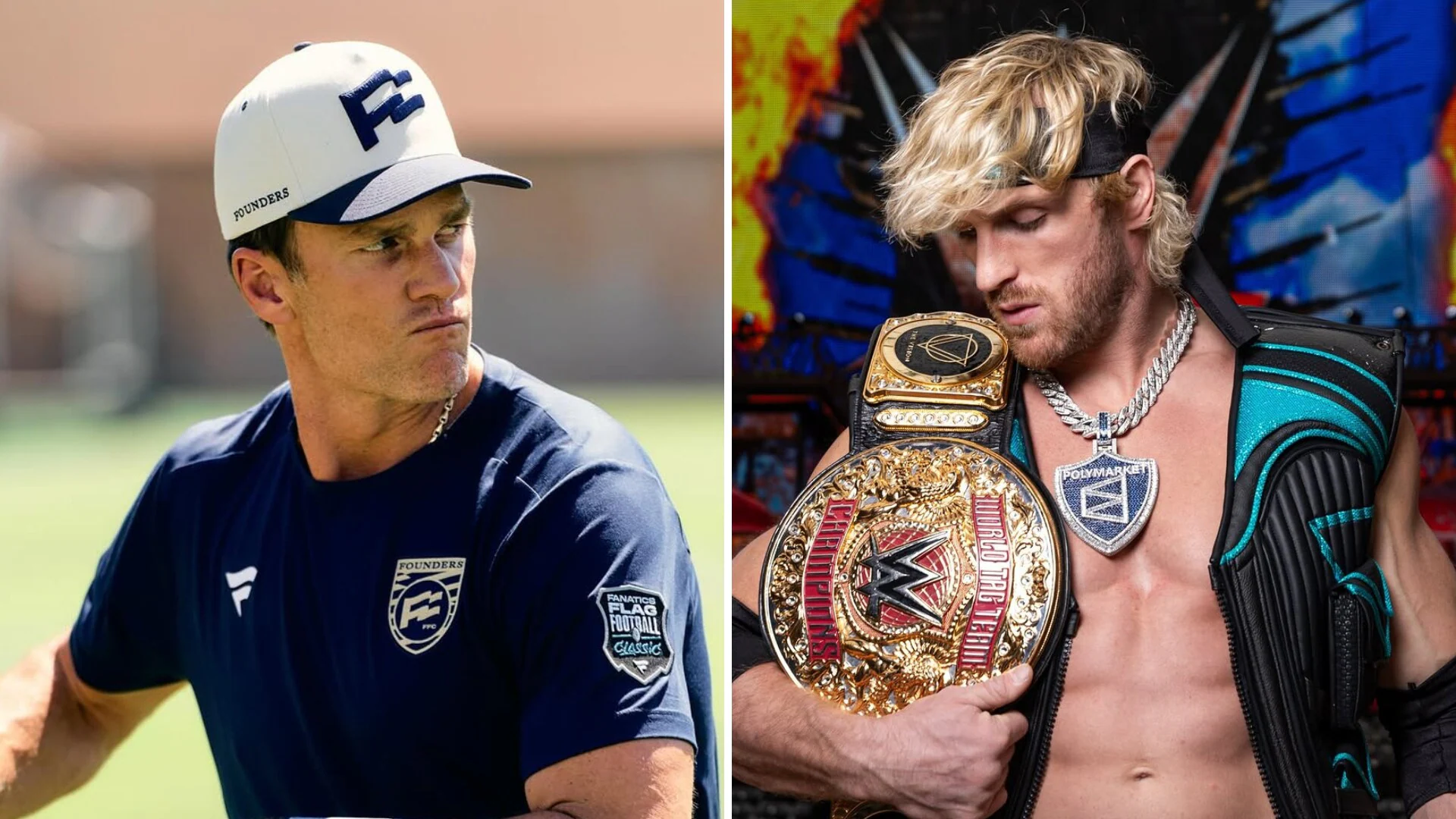
A shocking moment involving Tom Brady and Logan Paul has taken social media by storm after the two stars appeared to get into a heated confrontation during Fanatics Fest. The exchange quickly escalated, culminating in Brady seemingly slapping Logan Paul in front of a stunned crowd.
The incident instantly became one of the most talked-about moments from the event, with videos spreading across social media within minutes. Fans were left wondering whether they had just witnessed a genuine clash or an expertly staged spectacle.
The confrontation began with an intense verbal exchange between the seven-time Super Bowl champion and the social media personality turned WWE superstar. As tensions appeared to rise, Brady suddenly reached out and slapped Paul across the face, drawing loud reactions from those in attendance.
ALSO READ : Sen. Elizabeth Warren Calls It a ‘Cesspool of Corruption’ — Here’s Why Senators Are Now Fighting Back Against the DOJ’s Live Nation Deal That Left Every Fan Betrayed…
While the moment looked authentic on camera, many viewers quickly questioned its legitimacy. The debate intensified because only hours earlier, Brady had jokingly expressed interest in stepping into WWE as a “villain” while speaking about Logan Paul’s world of sports entertainment.
That earlier comment has fueled speculation that the entire sequence may have been designed to entertain fans rather than reflect any real-life animosity. WWE is well known for blending scripted storylines with live performances, making it difficult for audiences to separate fiction from reality.
Despite the growing buzz, neither Brady nor Logan Paul immediately confirmed whether the confrontation was genuine. The uncertainty only added to the viral appeal, with millions of users sharing clips and theories across multiple platforms.
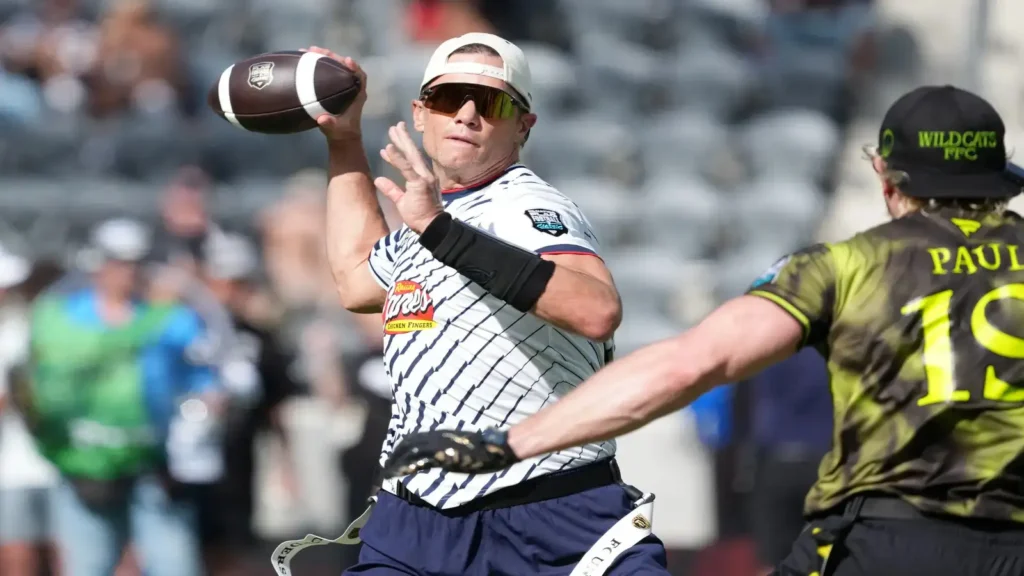
For Brady, widely regarded as one of the greatest quarterbacks in NFL history, the appearance offered a rare glimpse of his playful side after retirement. Meanwhile, Logan Paul has continued to establish himself as a major attraction in WWE, earning praise for his athletic performances while maintaining his massive online following.
The crossover between professional sports and sports entertainment has become increasingly common, and Fanatics Fest has positioned itself as a venue where athletes, celebrities, and entertainers interact in unexpected ways. This latest viral exchange perfectly captured that blend of competition and showmanship.
Whether the slap was real or simply another memorable performance, one thing is certain: Tom Brady and Logan Paul succeeded in creating one of the biggest talking points of the event. Until either star reveals what truly happened behind the scenes, fans will continue debating one question—was it an authentic confrontation or the beginning of a new entertainment storyline?
Daily Global Diary will continue to follow the story as more details emerge.
Sports
Cubs Shock MLB With Kevin Gausman Trade From Blue Jays: The Playoff Move That Could Change Everything…
Chicago lands an experienced ace-level starter ahead of the trade deadline, adding Kevin Gausman’s postseason pedigree and elite splitter to a rotation chasing October dreams.


Chicago Cubs Make Their Biggest Pitching Move Yet, Landing Kevin Gausman From Blue Jays
The Chicago Cubs have made their intentions clear—they are not waiting for the postseason race to decide their fate.
In a major trade deadline move, the Cubs have acquired veteran right-handed pitcher Kevin Gausman from the Toronto Blue Jays, adding a proven playoff performer to strengthen their starting rotation.
According to reports, Chicago sent Triple-A outfielder Brett Bateman and Class-A infielder Ty Southisene to Toronto in exchange for the 35-year-old pitcher.
The move gives the Cubs exactly what they were searching for—a reliable starter capable of handling high-pressure games when the calendar turns to October.
A Proven Arm Built for Big Moments
Gausman enters Chicago with years of experience against elite competition. While his 2026 numbers show some recent struggles, his overall body of work remains impressive.
The veteran right-hander has posted a 4.38 ERA this season with 127 strikeouts and owns a career postseason ERA of 3.83 across 14 playoff appearances.
His greatest weapon has always been his devastating splitter and powerful fastball combination. During the Statcast era, Gausman has recorded more splitter strikeouts than any other pitcher, becoming one of the most dominant users of the pitch in modern baseball.
Why the Cubs Wanted Him
Chicago’s rotation has dealt with injuries throughout the season, making additional pitching depth a priority.
Gausman joins a rotation featuring Matthew Boyd and Shota Imanaga, while recently acquired left-hander David Peterson has also provided strong performances.
The Cubs currently find themselves chasing the Milwaukee Brewers in the standings, trailing by 6.5 games ahead of the trade deadline.
Adding a pitcher with more than 1,000 career innings and extensive playoff experience signals that Chicago believes it can still make a serious postseason push.
A Contract That Delivered More Than Expected
Gausman originally signed a five-year, $110 million contract, and despite recent inconsistency, his production over that period has been among the best in baseball.
Since signing the deal, he has accumulated approximately 20.1 WAR, ranking him among the most valuable pitchers in the league during that stretch.
However, the timing of the trade comes during a difficult personal stretch for the pitcher. Gausman has recorded a 6.47 ERA over his last eight starts, including a rough outing at Wrigley Field where he allowed seven runs in only two innings.
But his final start with Toronto showed signs of improvement, as he gave up just one run over 5⅔ innings.

Blue Jays Receive Two Promising Prospects
While Chicago gains immediate pitching help, Toronto adds young talent for the future.
Brett Bateman, a 24-year-old outfielder selected in the eighth round of the 2023 draft, was hitting .312 in Triple-A before the trade.
Ty Southisene, a 21-year-old infielder drafted in the fourth round of the 2024 draft, impressed with his speed and athleticism, collecting 31 stolen bases across Class-A levels this season.
The Blue Jays now hope the two prospects can become part of their next generation of talent.
Could Gausman Be the Missing Piece for Chicago?
The Cubs have been searching for the kind of experienced postseason arm that can change the direction of a playoff series.
Kevin Gausman brings exactly that: a veteran presence, elite strikeout ability, and the confidence that comes from years of pitching against the best hitters in baseball.
The upcoming matchup between the Cubs and Blue Jays at Wrigley Field could potentially mark Gausman’s Chicago debut, adding an immediate storyline to an already important stretch of the season.
For Cubs fans, this trade represents more than just another roster addition—it is a message that October baseball remains the goal.
Sports
Lionel Messi Returns Home After Argentina’s Heartbreaking World Cup Final Defeat to Spain
The Argentina captain received an emotional welcome in his hometown as fans reflected on the team’s narrow loss in the FIFA World Cup 2026 final.
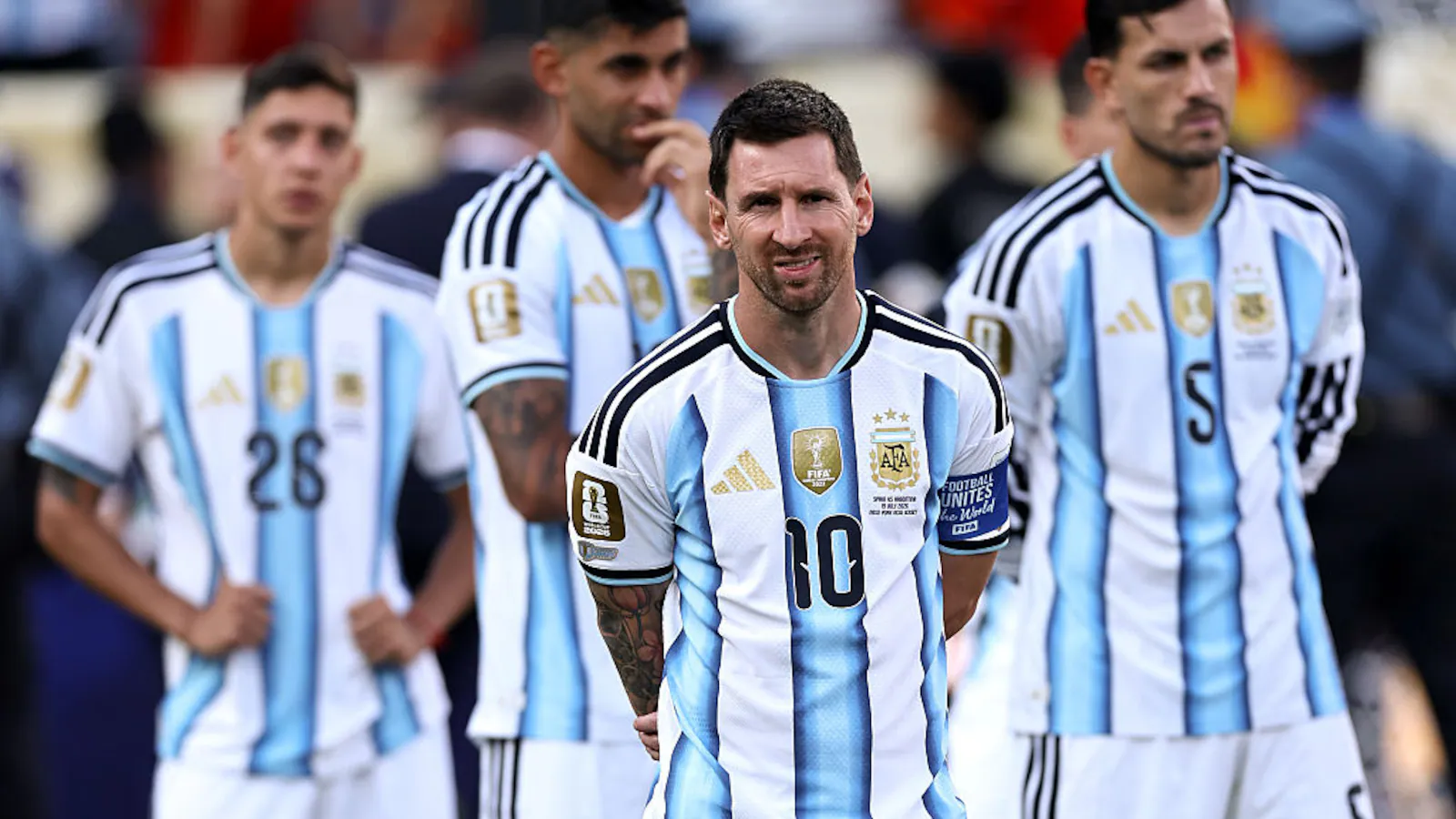
Argentina captain Lionel Messi returned to his hometown on Tuesday following one of the most emotional moments of his illustrious career. Just days after Argentina suffered a heartbreaking 1-0 extra-time defeat to Spain in the FIFA World Cup 2026 final, the football icon arrived home for a brief period of rest and recovery.
The World Cup final ended Argentina’s hopes of retaining the biggest prize in international football. While Spain celebrated a historic triumph, Messi and his teammates were left to reflect on a campaign that came agonisingly close to another world title.
A Quiet Return After a Painful Defeat
Unlike the jubilant scenes that often accompany World Cup success, Messi’s return was a low-key affair. The Argentine superstar chose to head back to his hometown to spend a few days with family after an intense and emotionally demanding tournament.
The 39-year-old carried Argentina’s expectations throughout the competition, once again proving why he remains one of football’s greatest players. Despite the disappointment of the final, his performances earned praise from fans and football experts around the world.
ALSO READ : Lionel Messi vs Diego Maradona: Is Argentina’s World Cup Hero Finally Above The Legend? Bhaichung Bhutia Gives His Verdict…
World Cup Journey Ends in Heartbreak
Argentina entered the final with hopes of adding another chapter to its rich football history. However, Spain produced a disciplined display and secured a narrow victory in extra time to lift the FIFA World Cup trophy.
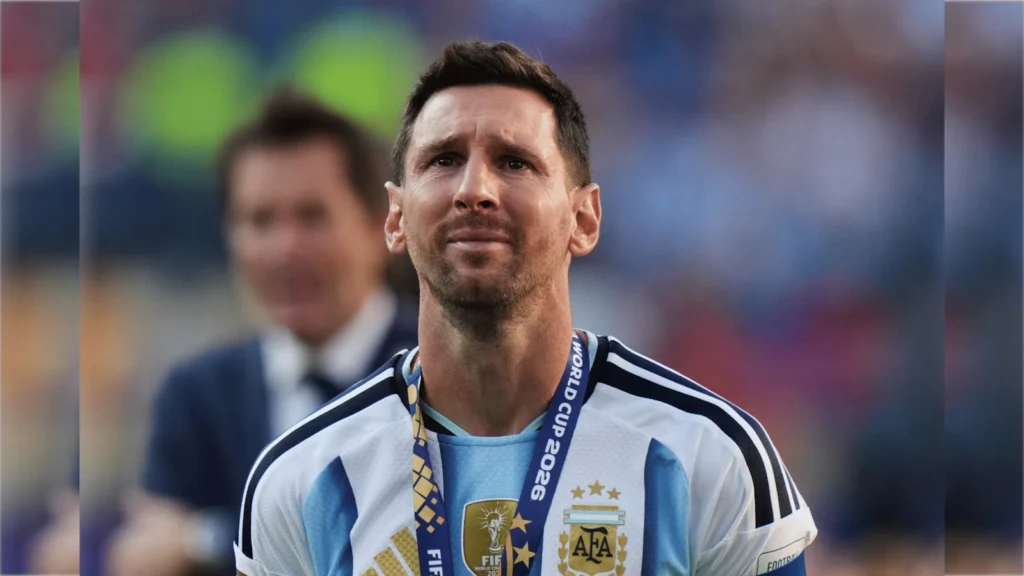
Messi battled throughout the tournament, leading from the front with his creativity, experience and leadership. Although the result did not go Argentina’s way, his contribution remained one of the defining stories of the competition.
Focus Now Shifts to Club Football
After spending a few days in Argentina, Messi is expected to return to Inter Miami CF to resume club duties.
The short break will allow him to recover from the physical and mental demands of the World Cup before rejoining his teammates. Supporters will now be eagerly waiting to see the eight-time Ballon d’Or winner back in action as Inter Miami continues its campaign.
Legacy Remains Untouched
Although the World Cup final ended in disappointment, Messi’s legacy remains firmly intact. His leadership, consistency and influence on world football continue to inspire millions across generations.
For Argentina, the defeat will be painful to accept, but for Messi, another chapter now begins as he turns his attention back to club football while reflecting on yet another memorable World Cup journey.

How ‘Southern Hospitality’ Quietly Became Bravo’s Secret Powerhouse and Why Everyone Is Talking About Season 4 Drama

Steven Spielberg’s ‘Disclosure Day’ Sparks Massive Debate Critics Say It Is ‘Bold… but Divisive’ as Early Reactions Pour In

Paramount+ Makes Power Move Signing Matt Shakman to Direct Legal Thriller ‘Discretion’ as Hollywood Buzz Intensifies

Is 24 Jump Street Finally Happening… Jonah Hill and Channing Tatum Set to Return as Ice Cube Talks Heat Up

Himesh Patel’s Unexpected Journey From ‘Yesterday’ to Christopher Nolan’s Next Big Adventure

1-Iran Issues Dire Warning to Israel and Defies Trump on Nukes: “We’re Ready to Strike Deep Inside”

Sen. Elizabeth Warren Calls It a ‘Cesspool of Corruption’ — Here’s Why Senators Are Now Fighting Back Against the DOJ’s Live Nation Deal That Left Every Fan Betrayed…

Donald Trump’s net worth reveals the fortune behind the former US President and business mogul

“She Never Made It Out…” Albany House Fire Claims Woman’s Life as Family Pleads for Help to Bring Her Home

“Tomás Rodríguez Net Worth 2025: Panama’s Gold Cup Goal‑Machine’s Surprising Fortune Revealed”

Miss Jamaica Suffers Terrifying Fall Off Miss Universe Stage; Rushed to Hospital on Stretcher in Viral Video

Moana Live-Action Teaser Sparks Outrage as Fans Call Disney’s Move a ‘Clear Money Grab’ — What Went Wrong?

Ryan Gosling’s Project Hail Mary Trailer Stuns Fans with a Mysterious Alien Ally and a Mission That Could Save Earth

Apple delays Jessica Chastain thriller The Savant about domestic extremism after recent US violence

Avatar 3, Fire and Ash trailer reveals Jake Sully’s family facing terrifying new Na’vi enemies with deadly fire powers
-
 Politics1 week ago
Todd Blanche Clears Major Senate Hurdle After Scrapping $1.8 Billion Fund—Will Confirmation Finally Move Forward?
-

 Entertainment1 week ago
Netflix’s Below Starring Josh Hartnett Debuts First Teaser Packed With Ocean Horror
-
 Politics1 week ago
James Carville Warns “I’m Out of Here” If Hasan Piker Becomes Democratic Party’s New Face…
-

 Entertainment1 week ago
Hollywood’s Biggest Union Opposes Paramount-Warner Bros. Merger, Calls for Stronger Worker Protections
-

 Entertainment1 week ago
Megan Moroney Has Seen Every TikTok Comment About Her… Country Star Reveals Why Online Opinions No Longer Affect Her
-

 Entertainment1 week ago
Greta Lee Reflects on Her Rise to Stardom and the Opportunities Shaping Her Future
-

 Entertainment1 week ago
Tom Holland returns as Spider-Man in Spider-Man: Brand New Day, a film earning enthusiastic early reactions following its world premiere.
-

 Sports1 week ago
Cubs Shock MLB With Kevin Gausman Trade From Blue Jays: The Playoff Move That Could Change Everything…