
Entertainment
“Former WWE Star Mike Rotunda Placed in Hospice Care — Family and Wrestling World Offer Prayers”
WWE legend Mike Rotunda, best known as IRS, has been moved to hospice care at 67, sparking an outpouring of love and prayers from fellow wrestlers and fans.


The professional wrestling world is rallying around Mike Rotunda , the beloved former WWE star famously known as Irwin R. Schyster (IRS), after news broke that the 67-year-old has been placed in hospice care.
The revelation came from Rotunda’s brother-in-law and wrestling icon Barry Windham , who shared the difficult update during an interview with journalist Bill Apter.
“It’s kinda tough right now. Mike is in hospice right now,” Windham said, his voice filled with emotion. “He was just a good boy. He was such a good person, never got in trouble his whole life. He’s a good boy.”
Rotunda’s health decline has not been publicly detailed, but the announcement has deeply affected the wrestling community. Soon after the news broke, former WWE legend Leilani Kai took to X (formerly Twitter) to share her heartbreak.
“It breaks my heart to share that my friend Mike Rotunda has been placed under hospice care,” she wrote. “This photo was from earlier this year — a moment I’ll treasure. Please keep Mike and the Rotunda family in your prayers. We love you, Mike.”

A Storied Wrestling Legacy
Mike Rotunda’s career in professional wrestling spans decades, and his impact on the industry is undeniable. He made his debut in the early 1980s, performing for organizations such as World Wrestling Federation (WWF) and World Championship Wrestling (WCW).
Rotunda was best known for his IRS persona — a smug, rule-enforcing taxman who famously demanded his opponents pay their “fair share.” His in-ring persona was both entertaining and iconic, making him a memorable heel character during the golden era of wrestling.
As part of the U.S. Express tag team alongside Barry Windham, Rotunda captured the WWF Tag Team Championship twice. The duo’s chemistry, combined with their American pride theme, made them fan favorites during the mid-1980s.
Later, Rotunda teamed up with Ted DiBiase to form the infamous Money Inc., a villainous tag team that went on to win the WWF Tag Team Titles three times. Together, they embodied the greed and arrogance that made for classic wrestling storytelling.
A Wrestling Family Through Generations
Beyond his own accomplishments, Mike Rotunda’s legacy extends through his children. He is the father of the late Bray Wyatt , whose untimely death in 2023 devastated the wrestling community, and Bo Dallas , who continues to wrestle professionally.
Rotunda was inducted into the WWE Hall of Fame in 2024, a fitting tribute to his long-standing contributions to sports entertainment.
Fans and Friends React Worldwide
The news of Rotunda’s condition quickly went viral, with fans across platforms like X and Instagram expressing their sorrow and support. Hashtags such as #PrayForRotunda and #IRSForever began trending, reflecting how deeply his work and personality touched millions.
Fellow wrestlers, including Mick Foley and Kevin Nash , also posted heartfelt messages. “Mike was one of the most genuine guys backstage,” Foley wrote. “A true professional who always put others first.”
As of now, Rotunda’s family has not issued a formal statement on his health, but they have requested privacy and continued prayers from fans.

A Legacy Beyond the Ring
Mike Rotunda’s career is a testament to old-school wrestling grit — a generation defined by storytelling, charisma, and respect for the sport. Whether as a rule-following tax collector or a loving father, Rotunda’s name is etched into wrestling history.
For fans who grew up watching him in the 1980s and 1990s, he represents an era where every character, every feud, and every promo mattered. As he battles this latest fight, the wrestling world stands united — remembering not just the IRS gimmick, but the man behind it: Mike Rotunda, the mentor, the father, and the gentleman of the squared circle.
For more Update http://www.dailyglobaldiary.com







Entertainment
Jon Stewart Applauds Christopher Nolan’s ‘The Odyssey’ Following Early Screening
The comedian and host shares praise for Nolan’s latest epic, adding to the growing anticipation surrounding the upcoming film.


When Jon Stewart speaks about a movie, audiences often pay attention — but his latest reaction to The Odyssey has created major excitement among film fans.
The former host of The Daily Show recently shared his overwhelming reaction to **Christopher Nolan’s upcoming epic, describing the experience with a powerful phrase: “Holy sh*t, it’s staggering.”
Stewart praised the scale, ambition, and visual impact of Nolan’s adaptation of The Odyssey, one of the most influential works of ancient literature.
The film is expected to bring Homer’s legendary tale of Odysseus to a new generation, following the warrior king’s dangerous journey home after the Trojan War. The story has fascinated audiences for thousands of years, and Nolan’s interpretation has become one of the most anticipated cinematic projects.
ALSO READ : Sen. Elizabeth Warren Calls It a ‘Cesspool of Corruption’ — Here’s Why Senators Are Now Fighting Back Against the DOJ’s Live Nation Deal That Left Every Fan Betrayed…
According to Stewart, the movie stands out because of Nolan’s ability to combine massive cinematic spectacle with deeply human storytelling. The filmmaker has built a reputation for creating complex, visually ambitious films that challenge audiences while delivering unforgettable experiences.
Nolan’s previous works, including Interstellar, Dunkirk, and Oppenheimer, have established him as one of the most respected directors working today.
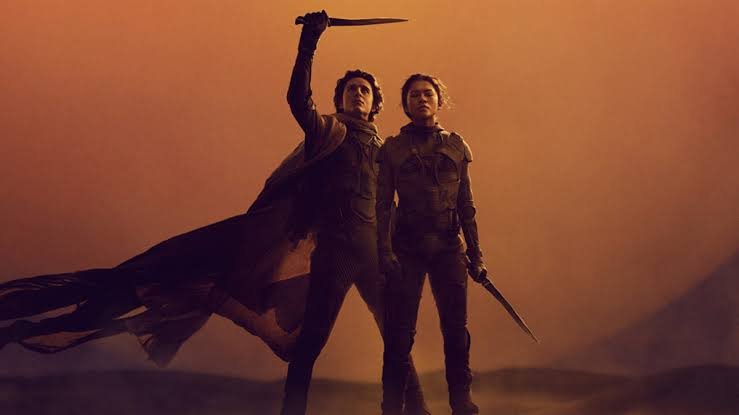
The reaction from Stewart adds even more anticipation around “The Odyssey,” which already has significant attention due to its impressive cast and Nolan’s reputation for practical filmmaking.
The movie represents a major challenge for any filmmaker. Adapting a story that has survived for nearly 3,000 years requires balancing historical mythology with modern storytelling expectations.
Fans are especially curious to see how Nolan handles the epic battles, mythical encounters, and emotional themes of loyalty, courage, and homecoming that define Homer’s masterpiece.
With Stewart’s enthusiastic response adding fuel to the excitement, “The Odyssey” is shaping up to be one of the biggest cinematic events of its release year.
For Nolan, the project is another opportunity to push the boundaries of filmmaking. For audiences, it could be a rare chance to experience one of humanity’s oldest stories on a massive modern canvas.
Entertainment
Hunter Doohan’s Horror Breakthrough: From Netflix’s ‘Wednesday’ to ‘Evil Dead Burn’ Stardom
The young actor continues his Hollywood rise, moving from a breakout streaming role to a major place in the horror genre.

Hollywood’s next horror favorite may have already arrived. Hunter Doohan is entering a major new phase of his career, moving from a breakout role in Netflix’s hit series Wednesday to a leading appearance in the long-running horror universe of Evil Dead.
After more than a decade of auditions, supporting roles, and steady work, Doohan’s career is finally reaching the spotlight many performers spend years chasing. His journey reflects a classic Hollywood story — a young actor building his craft quietly before landing roles that introduce him to a global audience.
Doohan became widely recognized for his role as Tyler Galpin in “Wednesday,” the Netflix series led by Jenna Ortega. The show became a worldwide sensation, turning its young cast into some of the most talked-about names in entertainment.
Now, with ‘Evil Dead Burn’, Doohan is stepping into a darker and more intense genre that has built a loyal fan base for decades.
ALSO READ : Sen. Elizabeth Warren Calls It a ‘Cesspool of Corruption’ — Here’s Why Senators Are Now Fighting Back Against the DOJ’s Live Nation Deal That Left Every Fan Betrayed…
From Small Roles To A Major Breakthrough
Before becoming a familiar face to millions of viewers, Doohan spent years appearing in television projects and short-form roles while developing his acting skills.
His performances gradually earned attention, proving that patience and consistency can create opportunities in an industry known for sudden success stories.
His appearance in Your Honor alongside Bryan Cranston also helped showcase his ability to handle serious dramatic roles before his international breakthrough.
‘Wednesday’ Changed The Game
The arrival of “Wednesday” transformed Doohan’s career trajectory. The series became one of Netflix’s most successful original shows, with fans around the world becoming invested in its characters and mysterious storyline.
Working alongside Jenna Ortega gave Doohan exposure on a global scale, introducing him to a massive audience that had previously not known his work.
The success of the show also opened doors for the actor to take on bigger projects and explore different genres.
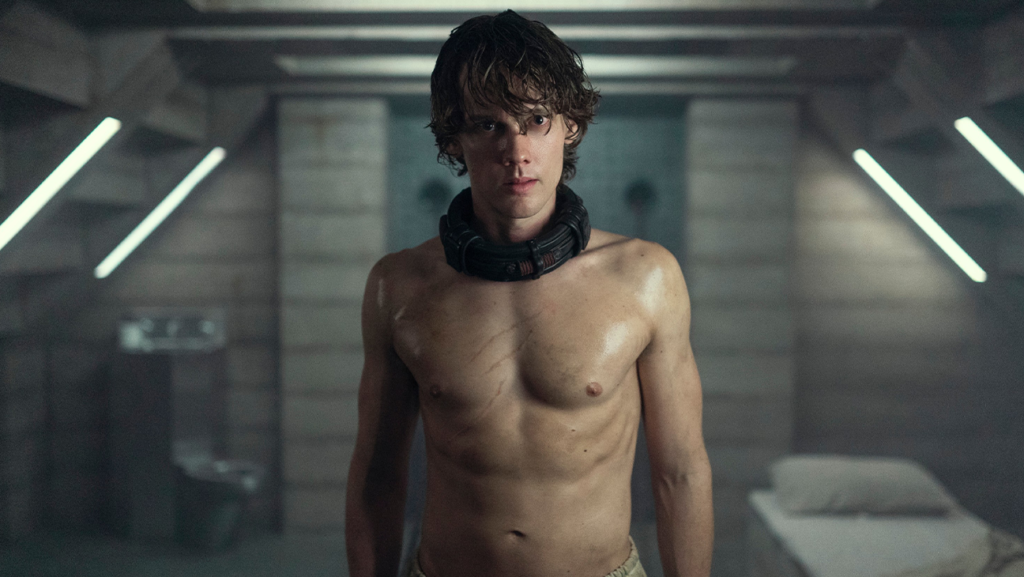
Entering The World Of ‘Evil Dead’
Joining the ‘Evil Dead’ franchise represents a major milestone for Doohan. The horror series, which began with filmmaker Sam Raimi’s original 1981 film, has remained one of the most influential names in horror cinema.
The franchise is known for its mix of terrifying moments, dark humor, and unpredictable storytelling. For Doohan, the role offers a chance to prove his versatility beyond teen drama and mystery-based entertainment.
Fans are now watching closely to see how he handles the pressure of joining such a respected horror legacy.
A New Era For Hunter Doohan
At 32, Doohan’s rise shows that success in Hollywood does not always happen overnight. His career has been built through years of persistence, preparation, and taking every opportunity seriously.
With ‘Wednesday’ establishing his name and ‘Evil Dead Burn’ pushing him into a new genre, Hunter Doohan appears ready for a bigger place in the entertainment industry.
The actor’s journey from background roles to franchise recognition is becoming one of Hollywood’s most interesting success stories — and his next chapter may be his biggest one yet.
Entertainment
‘Scrubs’ Season 2 Brings Major Cast Changes With Ava Bunn’s Promotion and Two Exits
The upcoming season will introduce a new dynamic as Ava Bunn takes on a bigger part following the departures of Joel Kim Booster and X Mayo.

The halls of Sacred Heart are getting some new energy as Scrubs prepares for its second season, with major cast changes announced ahead of the show’s return.
Actress Ava Bunn has officially been promoted to a series regular for Season 2, marking a significant step forward for the rising performer. Meanwhile, Joel Kim Booster and X Mayo will not be returning as regular cast members for the upcoming season.
The casting update comes as the beloved medical comedy continues its new chapter while maintaining connections to the original series. Fan favorites Zach Braff, Sarah Chalke and Donald Faison are all set to return, bringing back the chemistry that made the original show a television favorite.
Bunn’s promotion highlights the show’s commitment to developing its newer characters and expanding the world of Scrubs. Her increased role in Season 2 suggests that audiences will see more of her character’s journey as the series continues balancing fresh faces with familiar personalities.
ALSO READ : Sen. Elizabeth Warren Calls It a ‘Cesspool of Corruption’ — Here’s Why Senators Are Now Fighting Back Against the DOJ’s Live Nation Deal That Left Every Fan Betrayed…
The departures of Booster and Mayo represent a shift in the show’s ensemble. Both actors brought their own comedic styles to the revival, and their exits will likely lead to changes in the storytelling approach for the upcoming episodes.

Originally created by Bill Lawrence, Scrubs became one of the most popular medical comedies of the 2000s by blending workplace humor with emotional storytelling. The series stood out for its unique mix of comedy, friendship, and realistic moments surrounding life in a hospital.
The revival has attempted to capture the spirit of the original while introducing a new generation of characters. Bringing back Braff, Chalke and Faison allows longtime viewers to reconnect with familiar personalities, while younger cast members help push the story into new territory.
Season 2 is expected to continue exploring the challenges faced by medical professionals, combining the show’s trademark humor with heartfelt moments. The balance between nostalgia and fresh storytelling remains one of the biggest factors behind the revival’s appeal.
While fans will certainly notice the absence of Booster and Mayo, the promotion of Ava Bunn signals that the creative team is confident in the direction of the series moving forward.
With returning stars, evolving characters and a renewed focus on its ensemble, Scrubs Season 2 is shaping up to be another important chapter in the franchise’s long-running legacy.

Jon Stewart Applauds Christopher Nolan’s ‘The Odyssey’ Following Early Screening

Hunter Doohan’s Horror Breakthrough: From Netflix’s ‘Wednesday’ to ‘Evil Dead Burn’ Stardom

‘Scrubs’ Season 2 Brings Major Cast Changes With Ava Bunn’s Promotion and Two Exits

Maitreyi Ramakrishnan Hints ‘Elle’ Season 2 Will Showcase a New Side of Her Acting

New ‘Onwards and Sideways’ Images Tease Laura Linney and Rhys Ifans’ Emotional TIFF Debut

1-Iran Issues Dire Warning to Israel and Defies Trump on Nukes: “We’re Ready to Strike Deep Inside”

Donald Trump’s net worth reveals the fortune behind the former US President and business mogul

Sen. Elizabeth Warren Calls It a ‘Cesspool of Corruption’ — Here’s Why Senators Are Now Fighting Back Against the DOJ’s Live Nation Deal That Left Every Fan Betrayed…

“She Never Made It Out…” Albany House Fire Claims Woman’s Life as Family Pleads for Help to Bring Her Home

“Tomás Rodríguez Net Worth 2025: Panama’s Gold Cup Goal‑Machine’s Surprising Fortune Revealed”

Miss Jamaica Suffers Terrifying Fall Off Miss Universe Stage; Rushed to Hospital on Stretcher in Viral Video

Moana Live-Action Teaser Sparks Outrage as Fans Call Disney’s Move a ‘Clear Money Grab’ — What Went Wrong?

Ryan Gosling’s Project Hail Mary Trailer Stuns Fans with a Mysterious Alien Ally and a Mission That Could Save Earth

Apple delays Jessica Chastain thriller The Savant about domestic extremism after recent US violence

Avatar 3, Fire and Ash trailer reveals Jake Sully’s family facing terrifying new Na’vi enemies with deadly fire powers
-

 Entertainment1 week ago
Paramount-Warner Bros. Merger Faces Legal Setback as Court Temporarily Halts Deal
-
 Sports1 week ago
Lionel Messi’s Heartwarming Gift to Cape Verde Hero Vozinha’s Family After World Cup Thriller Leaves Fans Emotional
-

 Sports1 week ago
Caitlin Clark Makes WNBA History Again as NBA 2K27 Cover Reveal Adds Another Huge Milestone to Her 2026…
-

 Entertainment1 week ago
‘Deadpool’ Is Back: Ryan Reynolds Officially Confirms Another Marvel Adventure
-
 Business1 week ago
Alphabet’s Earnings Looked Strong… So Why Did Google’s Parent Company Shock Investors?
-

 Sports1 week ago
Argentina Fan Demands World Cup 2026 Final Replay The Petition’s Reason Is Dividing Football Fans
-
 Entertainment1 week ago
Kevin Feige Reflects on Adam Driver’s Long History of Declining Marvel Roles
-

 Sports1 week ago
‘Where Is Fair Play?’ Spain Star Gavi’s Surprise Message to FIFA After Argentina’s World Cup Final Scuffle Leaves Fans Talking