
Entertainment
‘Resident Evil’ Review: A Daring Reinvention That Mostly Pays Off
Austin Abrams leads a fearless new chapter that embraces the games while carving out its own terrifying identity.


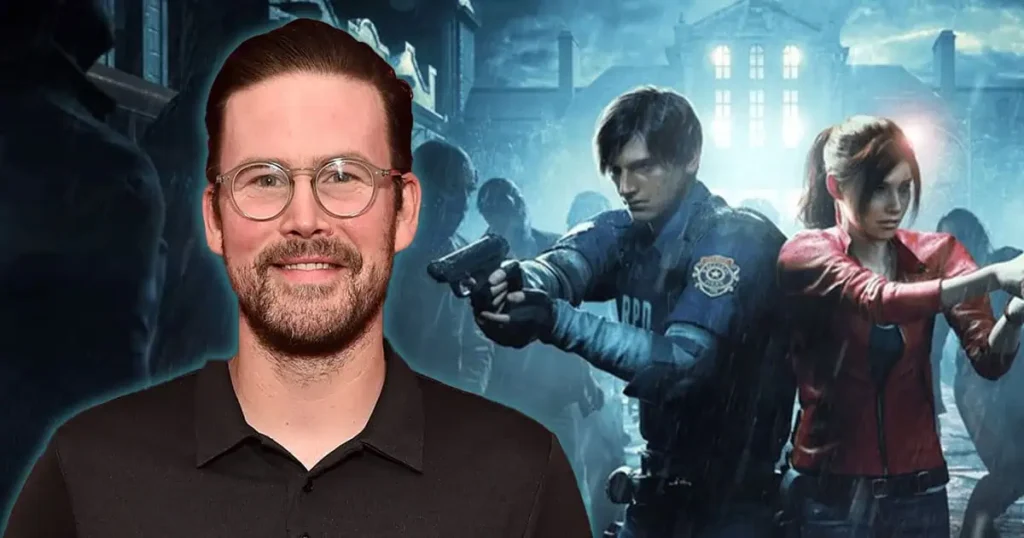
There is a moment early in Resident Evil when it becomes clear that Zach Cregger is not interested in simply dusting off another familiar horror property. His new film does not arrive burdened by a grand mythology lesson, nor does it expect viewers to memorise decades of games, movies and television adaptations.
Instead, it throws one deeply unprepared man into a terrible night and watches him scramble to stay alive.
That straightforward approach proves to be the reboot’s greatest strength. Following the inventive unease of Barbarian and the carefully controlled chaos of Weapons, Cregger gives this exhausted franchise something it has needed for years: a genuine sense of momentum.
An ordinary courier enters a very abnormal nightmare
The film follows Bryan, played with anxious, everyman charm by Austin Abrams. He is a medical courier making one final delivery through a dangerous snowstorm, tempted by the promise of extra money despite having neither the vehicle nor the confidence for such a journey.
His destination is Raccoon City.
Before Bryan can fully understand what is happening, a mysterious woman appears on the icy road and his routine assignment collapses into a desperate fight for survival. A viral outbreak linked to the sinister Umbrella Corporation is transforming people into grotesque, violent creatures, while the package Bryan is carrying may be far more important than he realises.
ALSO READ : Sen. Elizabeth Warren Calls It a ‘Cesspool of Corruption’ — Here’s Why Senators Are Now Fighting Back Against the DOJ’s Live Nation Deal That Left Every Fan Betrayed…
It is a clean, almost video-game-like setup: move from one location to another, survive increasingly dangerous enemies and somehow protect the mission-critical item.
Cregger, who co-wrote the screenplay with Shay Hatten, understands that simplicity can be an advantage. Rather than getting trapped in exposition, the film keeps moving. New threats arrive before Bryan—or the audience—has time to feel comfortable.
Austin Abrams is the reboot’s secret weapon
Bryan is not the kind of hero audiences usually encounter in a zombie blockbuster. He is not a trained soldier, fearless police officer or unstoppable action machine. He hesitates, panics, complains and makes mistakes that occasionally leave viewers wondering how he has survived for so long.
That is precisely what makes him interesting.
Abrams plays Bryan as a fundamentally decent but spectacularly ill-equipped young man. His nervous muttering and flashes of misplaced confidence bring humour to the story without completely puncturing its tension. Even when surrounded by monsters, Bryan remains worried about the smaller indignities of his increasingly disastrous night.
It would have been easy to turn him into a one-note joke. Abrams finds something more recognisably human beneath the clumsiness. Bryan keeps trying to help people even when doing so makes his situation considerably worse. He may be hopeless with a weapon, but he is not without courage.
The supporting cast—including Zach Cherry, Kali Reis and Paul Walter Hauser—adds personality to the madness. Still, this is largely Abrams’ movie, and his performance gives the relentless action a surprisingly warm centre.
Cregger turns the movie into a playable nightmare
Visually, the reboot embraces its gaming origins without feeling like a collection of empty references. Cinematographer Dariusz Wolski frequently keeps the camera close to Bryan, following his eyeline and placing viewers just behind his shoulder as he investigates dark rooms, narrow corridors and abandoned spaces.
The perspective creates the uncomfortable sensation of controlling a character who has entered a dangerous level without learning the buttons.
Cellphone lights, car headlights and dim artificial illumination cut through the darkness, revealing just enough to make every unexplored corner feel threatening. The film’s snowy opening soon gives way to bloodier, more claustrophobic environments as Bryan moves deeper into the outbreak.
Cregger also proves that the traditional jump scare is not dead. The film uses several, including at least one beautifully timed shock that feels earned rather than mechanically inserted.
This version of Resident Evil gradually moves beyond conventional zombie horror and becomes a full creature feature. The mutations grow stranger, the encounters become more elaborate and the practical-looking physical effects give the monsters a satisfyingly unpleasant presence.
The humour helps—until it begins competing with the horror
Cregger’s background in comedy remains visible throughout the movie. Bryan’s exhausted reactions often generate laughs precisely because the danger surrounding him is so extreme. For much of the film, that combination works beautifully: the humour releases tension without destroying it, allowing the next scare to land even harder.
The balance becomes less precise in the second half.
As the film grows louder and more action-heavy, Bryan’s constant commentary occasionally weakens the fear that Cregger has worked so carefully to create. Some viewers may enjoy the increasingly playful tone, while those expecting an uncompromising horror experience could find that the comedy arrives too frequently.
The finale also feels slightly abrupt. Bryan is given the outline of a meaningful personal journey, but the film stops before fully completing it. After spending so much time turning him into a character worth caring about, the story appears more interested in reaching its final set piece than examining how the night has changed him.
It is not a disastrous ending, but it prevents a thrilling movie from becoming a truly great one.
A reboot that finally understands the assignment
Based on the celebrated survival-horror games created by Capcom, Resident Evil has previously produced six films starring Milla Jovovich, the 2021 reboot Welcome to Raccoon City and a short-lived Netflix series.
Cregger wisely avoids trying to recreate any of them.
His movie tells an original story inside the recognisable Resident Evil world, using the games’ atmosphere and progression rather than merely repeating their plots. Long-time players will notice familiar imagery and ideas, but newcomers are never made to feel as though they have arrived halfway through the story.
Produced by companies including Constantin Film and PlayStation Productions, and distributed by Sony Pictures, the film is scheduled to reach theatres on September 18, 2026.
Cregger may not have delivered the deepest film of his career, but he has created one of the most enjoyable Resident Evil adaptations yet. It is lean, gruesome, energetic and anchored by an endearing lead performance from Abrams.
After years of diminishing returns, this is a franchise that finally feels dangerously alive again.













Entertainment
How ‘Avengers: Endgame’ Returned to Cinemas and Reclaimed Box Office Glory
Renewed ticket sales send Marvel’s 2019 finale past ‘Avatar’ to lead the all-time global chart again.

Seven years after its original release, Avengers: Endgame has unfinished business at the box office.
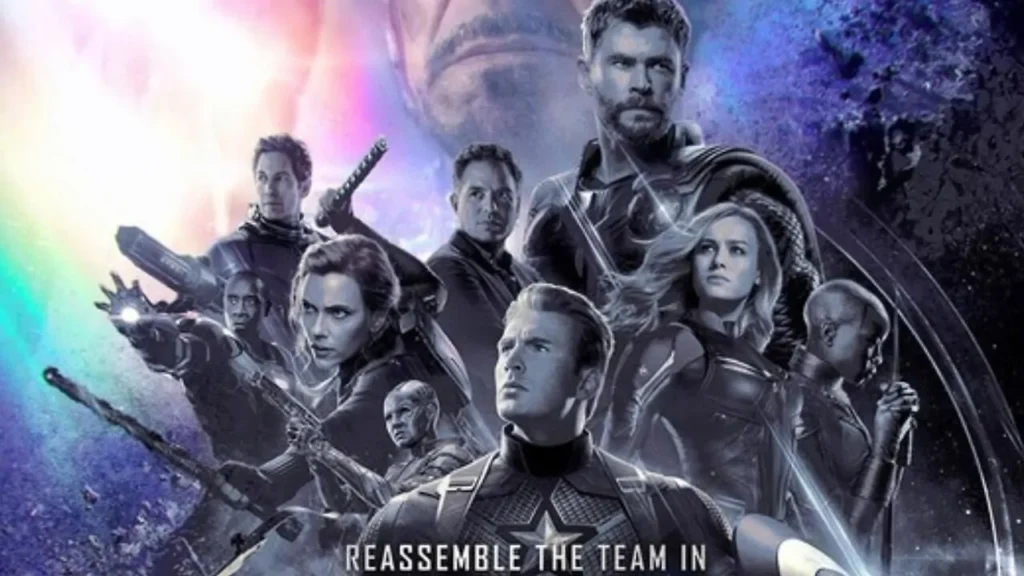
The Marvel Studios blockbuster has overtaken James Cameron’s Avatar to become the highest-grossing film worldwide once again. According to The Walt Disney Company’s October 4 announcement, Endgame now holds an estimated $2.9255 billion, narrowly ahead of Avatar’s $2.9237 billion. That puts just $1.8 million between two of cinema’s biggest hits.
The lead is small. The comeback, however, is substantial: a film released in 2019 has drawn enough fresh ticket sales to rewrite the all-time chart.
The ‘Encore’ release that tipped the balance
The latest theatrical run, titled Avengers Endgame: Encore, has earned $126 million worldwide, according to TheWrap. That includes $36.2 million in North America and $89.8 million from international markets—the extra business that pushed the film back into first place.
Audiences also had a reason to return beyond revisiting a familiar blockbuster. TheWrap reports that the reissue features a modified ending and three new scenes during and after the credits, connected to Avengers: Doomsday. The release therefore serves two purposes: bringing an established favourite back to cinemas and giving viewers a bridge to the next Avengers story.
ALSO READ : Emmy Nominations Announcement Gets a Star Twist… Liza Colón-Zayas & Jeff Hiller Set to Reveal 2026 TV Nominees
A rivalry with a history of reversals
This is another change of leadership in a box office contest that has lasted for years.
Endgame first displaced Avatar in 2019. Cameron’s science-fiction epic regained the crown following its Chinese re-release in 2021. Now, another theatrical return has swung the result in Marvel’s favour. Re-releases have become a decisive part of the competition, extending both films’ earning lives well beyond their original runs.
The distinction matters: this is the record for worldwide theatrical revenue without adjustment for inflation, including re-release earnings. It measures money collected rather than the number of tickets sold.
Why ‘Endgame’ matters to ‘Doomsday’
The timing gives Marvel’s comeback an added significance. Avengers: Doomsday is scheduled to reach cinemas on December 18, 2026, and Disney has positioned Endgame as an important foundation for that next chapter.
Explaining the connection, Anthony Russo said: “You really need to pick the story up from where you left it in Endgame.”
That makes this return more than a victory lap. A film remembered for closing a major chapter of Marvel’s story is now helping introduce the next one—and, along the way, has taken back Hollywood’s most closely watched box office title.
Entertainment
Tom Cruise’s ‘Digger’ Faces a Tough Opening: Could ‘Verity’ Take the Lead?
Cruise’s star power meets a fresh box office challenge as the Colleen Hoover adaptation emerges as a formidable rival.
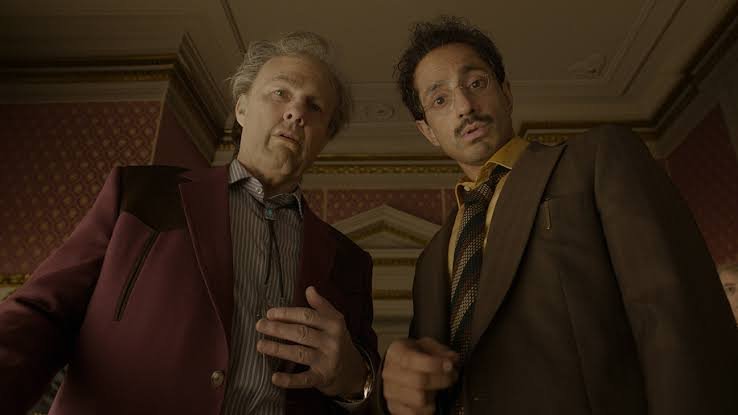
Tom Cruise has spent years persuading audiences to watch him attempt the impossible. With Digger, the challenge is different: convincing moviegoers to embrace an eccentric, darkly comic character who bears little resemblance to his familiar action heroes.
Directed by Alejandro González Iñárritu, the film arrives in US cinemas on October 2, 2026, carrying considerable expectations. Cruise plays Digger Rockwell, an oil tycoon confronting a catastrophe connected to his company’s actions. It is a conspicuous departure for an actor whose recent screen identity has been shaped by spectacular stunts and blockbuster franchises.
Yet the conversation before release has increasingly turned from Cruise’s transformation to a more uncomfortable question: how many people will buy a ticket?
ALSO READ : Emmy Nominations Announcement Gets a Star Twist… Liza Colón-Zayas & Jeff Hiller Set to Reveal 2026 TV Nominees
A costly film facing a modest opening
According to Koimoi’s September 30 report, Digger was tracking for a North American opening below $15 million, against a reported production cost of approximately $125 million. These are reported estimates, rather than confirmed earnings or a final accounting of the film’s costs.
That gap explains the concern surrounding Warner Bros.. An expensive production needs sustained attendance, and a subdued debut would place greater pressure on subsequent weekends and overseas markets.
An opening forecast cannot establish a film’s eventual profit or loss. It can, however, reveal how much work remains for the campaign.
Reviews have complicated the pitch
The critical response has been sharply divided. People reported reactions ranging from admiration for the film’s audacity and Cruise’s commitment to criticism of its scale, coherence and tone.
For potential ticket buyers, that creates an uncertain proposition. Cruise’s presence attracts attention, but attention does not automatically translate into enthusiasm for an unfamiliar kind of film.

The promotional campaign has leaned into that disagreement. The Guardian described advertising that places harsh reactions alongside praise, using the controversy itself to generate interest. Whether that approach encourages curiosity or deepens hesitation remains an open question.
Why ‘Verity’ makes the weekend more intriguing
The Hollywood Reporter expects Digger to open substantially behind Verity, the Amazon MGM Studios adaptation of Colleen Hoover’s novel. hollywoodreporter.com
Starring Anne Hathaway, Dakota Johnson and Josh Hartnett, Verity is also scheduled to open on October 2. Its psychological-thriller premise centres on a writer who discovers a disturbing manuscript while completing another author’s book series.
From a marketing perspective, an established novel and a recognisable thriller setup could offer a more immediate hook. Digger, by comparison, asks audiences to take a greater leap into unfamiliar territory.
The audience verdict is still ahead
Cruise has clearly committed to that leap. At the London premiere, Reuters reported that his transformation involved prosthetics and a padded bodysuit, alongside a demanding performance.
The commercial outcome remains unresolved. Strong audience recommendations could give Digger momentum beyond its initial forecasts. A weak response would make its financial challenge harder.
For now, the film’s biggest suspense lies beyond the screen: whether curiosity about Cruise’s unusual gamble becomes an opening-weekend ticket purchase.
Entertainment
‘Verity’ Could Outopen ‘Digger’: Why Tom Cruise Faces a Tough Contest
The competing releases raise a compelling question: which film will persuade more audiences to buy a ticket?

Tom Cruise has spent years persuading audiences to watch him attempt the impossible. With Digger, the challenge is different: convincing moviegoers to embrace an eccentric, darkly comic character who bears little resemblance to his familiar action heroes.
Directed by Alejandro González Iñárritu, the film arrives in US cinemas on October 2, 2026, carrying considerable expectations. Cruise plays Digger Rockwell, an oil tycoon confronting a catastrophe connected to his company’s actions. It is a conspicuous departure for an actor whose recent screen identity has been shaped by spectacular stunts and blockbuster franchises.
Yet the conversation before release has increasingly turned from Cruise’s transformation to a more uncomfortable question: how many people will buy a ticket?
ALSO READ : Emmy Nominations Announcement Gets a Star Twist… Liza Colón-Zayas & Jeff Hiller Set to Reveal 2026 TV Nominees
A costly film facing a modest opening
According to Koimoi’s September 30 report, Digger was tracking for a North American opening below $15 million, against a reported production cost of approximately $125 million. These are reported estimates, rather than confirmed earnings or a final accounting of the film’s costs.
That gap explains the concern surrounding Warner Bros.. An expensive production needs sustained attendance, and a subdued debut would place greater pressure on subsequent weekends and overseas markets.
An opening forecast cannot establish a film’s eventual profit or loss. It can, however, reveal how much work remains for the campaign.
Reviews have complicated the pitch
The critical response has been sharply divided. People reported reactions ranging from admiration for the film’s audacity and Cruise’s commitment to criticism of its scale, coherence and tone.
For potential ticket buyers, that creates an uncertain proposition. Cruise’s presence attracts attention, but attention does not automatically translate into enthusiasm for an unfamiliar kind of film.
The promotional campaign has leaned into that disagreement. The Guardian described advertising that places harsh reactions alongside praise, using the controversy itself to generate interest. Whether that approach encourages curiosity or deepens hesitation remains an open question.
Why ‘Verity’ makes the weekend more intriguing
The Hollywood Reporter expects Digger to open substantially behind Verity, the Amazon MGM Studios adaptation of Colleen Hoover’s novel. hollywoodreporter.com
Starring Anne Hathaway, Dakota Johnson and Josh Hartnett, Verity is also scheduled to open on October 2. Its psychological-thriller premise centres on a writer who discovers a disturbing manuscript while completing another author’s book series.
From a marketing perspective, an established novel and a recognisable thriller setup could offer a more immediate hook. Digger, by comparison, asks audiences to take a greater leap into unfamiliar territory.
The audience verdict is still ahead
Cruise has clearly committed to that leap. At the London premiere, Reuters reported that his transformation involved prosthetics and a padded bodysuit, alongside a demanding performance.
The commercial outcome remains unresolved. Strong audience recommendations could give Digger momentum beyond its initial forecasts. A weak response would make its financial challenge harder.
For now, the film’s biggest suspense lies beyond the screen: whether curiosity about Cruise’s unusual gamble becomes an opening-weekend ticket purchase.

How ‘Avengers: Endgame’ Returned to Cinemas and Reclaimed Box Office Glory

Tom Cruise’s ‘Digger’ Faces a Tough Opening: Could ‘Verity’ Take the Lead?

‘Verity’ Could Outopen ‘Digger’: Why Tom Cruise Faces a Tough Contest

‘Endgame’ Returns to No. 1 ‘Avatar’ Loses Its Box Office Throne

Mark Zuckerberg Faces a New Hollywood Reckoning Why Aaron Sorkin’s Film Hits Closer to Home

1-Iran Issues Dire Warning to Israel and Defies Trump on Nukes: “We’re Ready to Strike Deep Inside”

Sen. Elizabeth Warren Calls It a ‘Cesspool of Corruption’ — Here’s Why Senators Are Now Fighting Back Against the DOJ’s Live Nation Deal That Left Every Fan Betrayed…

Gucci bets on Demna to revive fading glamour as Milan fashion week opens with bold film surprise

Donald Trump’s net worth reveals the fortune behind the former US President and business mogul

“Tomás Rodríguez Net Worth 2025: Panama’s Gold Cup Goal‑Machine’s Surprising Fortune Revealed”

Miss Jamaica Suffers Terrifying Fall Off Miss Universe Stage; Rushed to Hospital on Stretcher in Viral Video

Moana Live-Action Teaser Sparks Outrage as Fans Call Disney’s Move a ‘Clear Money Grab’ — What Went Wrong?

Ryan Gosling’s Project Hail Mary Trailer Stuns Fans with a Mysterious Alien Ally and a Mission That Could Save Earth

Apple delays Jessica Chastain thriller The Savant about domestic extremism after recent US violence
