
Entertainment
“I Owe a Large Part of My Career to Him…” How Rob Reiner’s Quiet Genius Still Shapes Today’s Comedy
From When Harry Met Sally to Jury Duty, filmmakers say Rob Reiner’s people-first storytelling continues to guide modern comedy — even decades later.


In an industry that often chases the next loud joke or viral moment, the most enduring influence sometimes comes from something far quieter: character. That lesson, many of today’s comedy creatives say, was mastered by Rob Reiner — and it’s one they’re still carrying forward.
For Jake Szymanski, the director behind the breakout comedy experiment Jury Duty, Reiner’s impact isn’t abstract. It’s personal. Growing up with Reiner’s films looping at home, Szymanski recently found himself revisiting that legacy in a very modern way — by directing the widely talked-about 2025 Super Bowl commercial that reunited Meg Ryan and Billy Crystal at New York’s iconic Katz’s Delicatessen.
The ad paid affectionate tribute to one of cinema’s most quoted scenes from When Harry Met Sally, and for Szymanski, it became something more than a nostalgic callback.
“The best part for me was getting to ask them questions and hear stories about making When Harry Met Sally — and about Rob,” Szymanski shared. “He was incredibly collaborative. He let comedians do their thing.”
ALSO READ : “She Never Made It Out…” Albany House Fire Claims Woman’s Life as Family Pleads for Help to Bring Her Home
That philosophy, Szymanski believes, explains why Reiner’s work doesn’t age out. Rather than overpowering performers with rigid direction, Reiner trusted them — allowing individual voices to breathe within a singular vision. “He made movies that could only be his,” Szymanski says, “while still letting performers fully sound like themselves.”
A Legacy Built on People, Not Punchlines
Hollywood has recently been forced into reflection following the tragic deaths of Reiner and his wife, Michele Reiner, who were found at their Brentwood home. The loss has reopened conversations about Reiner’s creative footprint — not just among those who worked with him, but among writers, directors, and performers shaped by his films from afar.
Across genres and decades, Reiner’s filmography reads like a masterclass in human-centered storytelling. Whether it was the mock-rock authenticity of This Is Spinal Tap, the romantic sincerity of When Harry Met Sally, the fairy-tale warmth of The Princess Bride, or the moral gravity of A Few Good Men, his projects were anchored in recognizable emotions.
Comedy writer Andy Jones, known for his work on It’s Always Sunny in Philadelphia, puts it simply: Reiner’s films endure because they’re about people first.
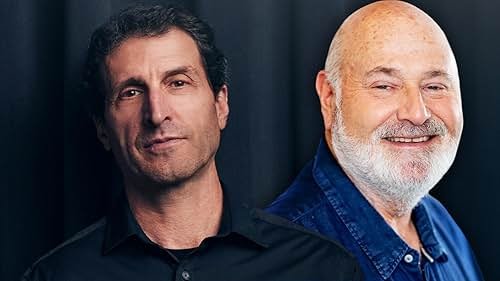
“Movies like When Harry Met Sally and The Princess Bride are timeless because they’re built around people, not punchlines,” Jones explains.
That focus, he argues, quietly rewired modern television comedy.
The Blueprint for Modern Rom-Coms and Sitcoms
The central dynamic of When Harry Met Sally — a man and woman trying (and failing) to remain platonic despite undeniable chemistry — became a storytelling template. Decades later, it resurfaced in shows like New Girl, where Zooey Deschanel’s Jess and Jake Johnson’s Nick danced around the same emotional tension.
The connection wasn’t accidental. Reiner even appeared on New Girl as Jess’s father — a subtle reminder that the genre’s present was still conversing with its past.
What makes Reiner’s influence especially striking is how seamlessly it adapts. Shows like Jury Duty — blending reality, scripted comedy, and empathy — echo his belief that humor lands best when it grows organically from character behavior rather than forced gags.
Why Rob Reiner Still Matters
In an era dominated by algorithms, short attention spans, and hyper-polished content, Reiner’s approach feels almost radical. He trusted audiences to care about people. He trusted actors to shape moments. And he trusted that sincerity would outlast trends.
For creators like Szymanski, that lesson is career-defining. “I owe a large part of my career to him,” he admits — a sentiment quietly shared by countless writers and directors who may never have met Reiner, but learned from him all the same.
As Hollywood continues to mourn, it’s clear that Rob Reiner’s true legacy isn’t just a collection of beloved films. It’s a philosophy — one that insists comedy works best when it listens, observes, and ultimately, understands the human heart.


Entertainment
Ella Hunt’s Breakout Year: How the Rising Star Is Conquering TV and Music
From a major role in Mindy Kaling’s new Hulu comedy to the launch of her most personal music yet, Ella Hunt is quickly becoming one of entertainment’s most talked-about talents.
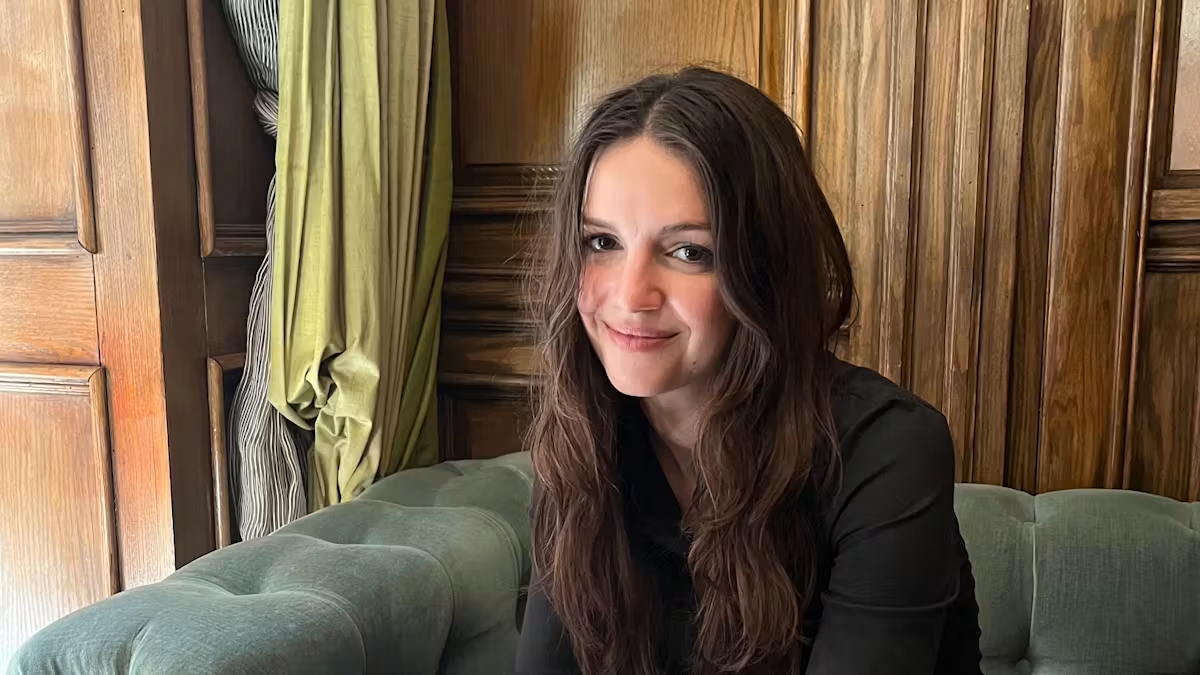
If it feels like Ella Hunt is appearing everywhere lately, that’s because the British actress and musician is enjoying a career-defining moment that spans both television and music.
From headlining the upcoming Hulu comedy Not Suitable For Work to unveiling her emotionally charged debut album Blindspot, Hunt has quickly emerged as one of the industry’s most exciting young talents. Her recent projects have not only expanded her fan base but also showcased a creative range that few performers manage to achieve simultaneously.
A Major Opportunity in Mindy Kaling’s New Comedy
One of the biggest reasons Hunt has become a frequent topic of conversation is her starring role in Not Suitable For Work, the highly anticipated Hulu comedy created by Mindy Kaling.
Kaling, known for acclaimed projects such as The Office, Never Have I Ever, and The Mindy Project, has built a reputation for discovering and elevating fresh talent.
For Hunt, joining a project led by one of television’s most influential creative voices represents a significant milestone in an already impressive career.
ALSO READ : Emmy Nominations Announcement Gets a Star Twist… Liza Colón-Zayas & Jeff Hiller Set to Reveal 2026 TV Nominees
Industry observers believe the Hulu series could become a breakout platform for several members of its young ensemble cast, with Hunt positioned at the center of the conversation.
More Than Just an Actress
While many viewers know her from film and television, Hunt is also making a strong impression in the music world.
The actress recently released her debut album, Blindspot, a project she has described as deeply personal and reflective of her own experiences.
Unlike many celebrity music ventures, Blindspot is being praised for its authenticity and emotional honesty. Through the album, Hunt explores themes of identity, vulnerability, self-discovery, and personal growth.
The project offers fans a more intimate glimpse into the artist behind the screen performances, helping her establish a distinct voice beyond acting.
Building on an Impressive Foundation
Before her current surge in popularity, Hunt had already earned recognition through several notable performances.
She attracted widespread attention for her role in Anna and the Apocalypse, the cult-favorite musical horror comedy that introduced audiences to her acting and singing abilities.
She later appeared in the Apple TV+ series Dickinson, starring alongside Hailee Steinfeld. The show helped further establish Hunt as a versatile performer capable of handling both dramatic and comedic material.
These projects laid the groundwork for the breakout moment she appears to be experiencing today.
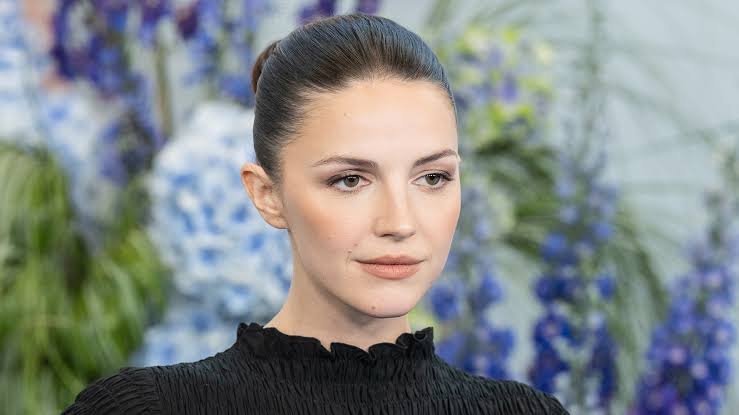
The Rise of a Multi-Hyphenate Talent
Hollywood has increasingly embraced performers who move seamlessly between multiple creative disciplines, and Hunt fits that mold perfectly.
Her ability to balance acting, songwriting, and music performance has positioned her among a new generation of artists who refuse to be confined to a single category.
At a time when audiences are drawn to authenticity and personal storytelling, Hunt’s willingness to share both her professional ambitions and personal experiences has helped her stand out in a crowded entertainment landscape.
A Star Entering a New Chapter
Whether through her leading role in Not Suitable For Work or the introspective songs on Blindspot, Ella Hunt is clearly entering a transformative phase of her career.
The combination of a high-profile television project and a deeply personal music release has introduced her to new audiences across multiple platforms.
For now, the question is no longer why Ella Hunt is everywhere. The bigger question may be how far her momentum can take her as she continues to build a career that bridges television, film, and music.
If recent months are any indication, audiences will be seeing much more of her in the years ahead.
Entertainment
Rosalía Turned the Kia Forum Into a Movie Set… Inside the Stunning ‘Lux’ Tour Performance That Left Los Angeles Spellbound
Spanish music sensation Rosalía delivered a visually breathtaking and emotionally charged performance in Los Angeles, bringing her acclaimed Lux Tour to a sold-out crowd at the Kia Forum and proving once again why she remains one of the most innovative artists of her generation.

For one unforgettable night in Southern California, Rosalía transformed the Kia Forum into something far beyond a concert venue.
The Spanish singer-songwriter brought her highly acclaimed Lux Tour to Los Angeles, captivating thousands of fans with a performance that blended music, storytelling, choreography, and cinematic visuals into a single immersive experience.
Performing to a sold-out audience during the second of two consecutive nights at the iconic Inglewood arena, Rosalía showcased tracks from her groundbreaking album Lux while also revisiting fan-favorite hits that have helped define her extraordinary career.
A Concert That Felt Like Cinema
From the opening moments, it became clear that the evening would be much more than a traditional live show.
Known for pushing creative boundaries, Rosalía constructed a performance that unfolded with the pacing and visual ambition of a feature film. Massive screens, dramatic lighting, carefully crafted stage design, and emotionally charged performances combined to create an atmosphere that felt both intimate and epic.
Each song appeared to function as a chapter in a larger story, drawing the audience deeper into the world she has built through her music.
ALSO READ : Emmy Nominations Announcement Gets a Star Twist… Liza Colón-Zayas & Jeff Hiller Set to Reveal 2026 TV Nominees
Fans responded enthusiastically, singing along to every lyric while embracing the emotional highs and lows of the performance.
The Power of ‘Lux’
At the heart of the evening was Lux, the album that has further solidified Rosalía’s reputation as one of the most daring and influential voices in contemporary music.
The project blends elements of pop, flamenco, electronic music, experimental production, and global influences, creating a sound that is distinctly her own.
Throughout the concert, songs from the album received some of the loudest reactions of the night. Their live arrangements showcased Rosalía’s vocal versatility while highlighting the sophisticated production that has become a hallmark of her artistry.
The performance demonstrated why critics and fans alike have praised Lux as a significant milestone in her evolving musical journey.
A Global Star at the Height of Her Powers
Over the past decade, Rosalía has emerged from Spain’s music scene to become an international phenomenon.
Projects such as El Mal Querer and Motomami helped establish her as an artist willing to challenge conventions and experiment with new sounds.
Her willingness to merge traditional Spanish influences with cutting-edge production has earned her worldwide recognition, including multiple industry awards and a passionate global fan base.
The Los Angeles performances served as another reminder of how effectively she connects with audiences across cultures and languages.
Los Angeles Embraces Rosalía
The city has long been regarded as one of the world’s most important entertainment capitals, and audiences there are accustomed to seeing major artists deliver ambitious productions.
Even by those standards, Rosalía’s Lux Tour stop stood out.
Fans packed the venue hours before showtime, eager to witness one of the most anticipated concerts of the season. By the end of the night, many attendees described the experience as one of the most visually impressive live performances they had ever seen.

The sold-out crowd rewarded the artist with thunderous applause throughout the evening, creating an atmosphere that reflected both admiration and appreciation.
More Than a Concert
What separates Rosalía from many contemporary performers is her commitment to creating complete artistic experiences rather than simply presenting a collection of songs.
The Lux Tour exemplifies that philosophy.
Every visual element, costume change, musical transition, and stage movement appeared carefully designed to support a larger narrative. The result was a performance that felt personal, theatrical, and emotionally resonant all at once.
A Night Fans Won’t Soon Forget
As the final notes echoed through the Kia Forum, the sense of awe among concertgoers was unmistakable.
Rosalía’s Los Angeles stop on the Lux Tour delivered everything fans had hoped for—powerful vocals, innovative production, emotional storytelling, and unforgettable visuals.
In an era where audiences increasingly seek experiences rather than just entertainment, Rosalía continues to demonstrate why she remains one of the most compelling live performers in music today.
For those fortunate enough to attend, the concert was not simply a show. It was a cinematic journey brought to life on stage.
Entertainment
Dustin Hoffman Reveals How ‘The Graduate’ Changed His Life… ‘It Was an Accident,’ Says Hollywood Icon
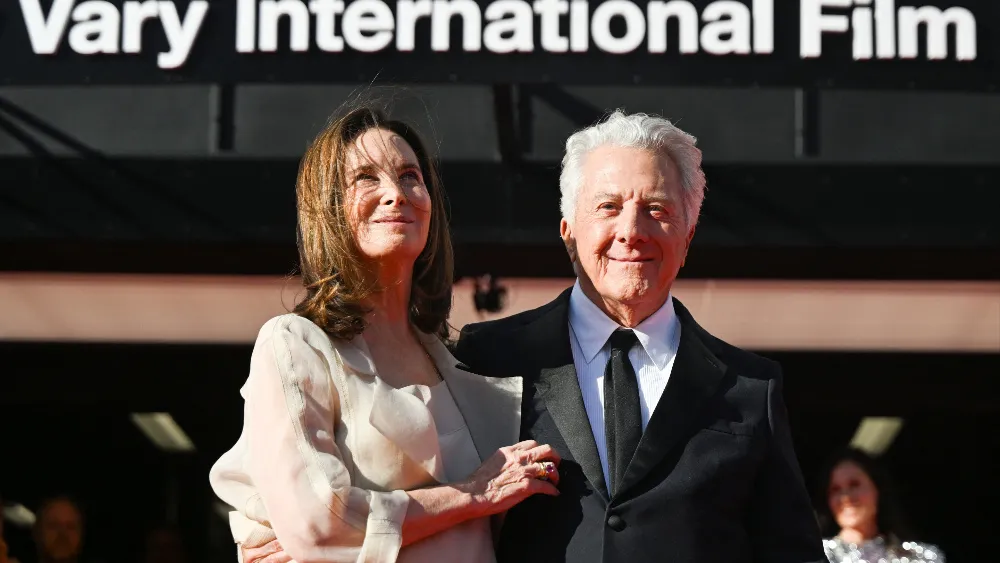
While receiving a prestigious honor at the Karlovy Vary International Film Festival, legendary actor Dustin Hoffman reflected on America’s growing divisions and shared the surprising story behind landing his career-defining role in ‘The Graduate.’
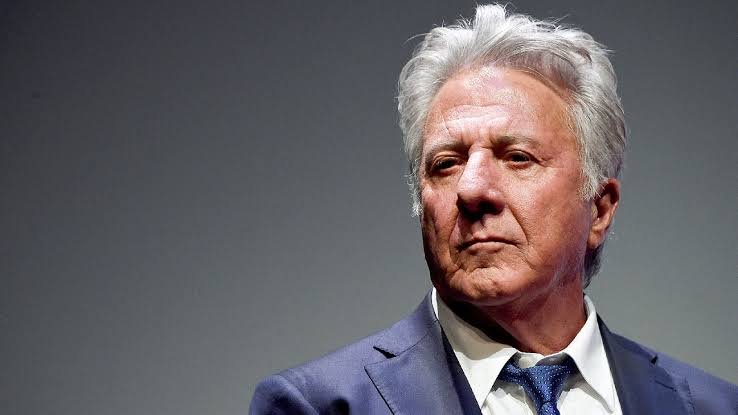
Few actors in the history of cinema have left as lasting an impact as Dustin Hoffman, and the Hollywood legend recently gave fans a rare glimpse into both his career and his views on modern society.
Speaking at the renowned Karlovy Vary International Film Festival in the Czech Republic, Hoffman reflected on the state of contemporary America and revisited one of the most important moments of his professional journey—the casting of ‘The Graduate’, the film that transformed him into an international star.
The veteran actor was honored with the festival’s prestigious Crystal Globe for Outstanding Artistic Contributions to World Cinema, recognizing decades of remarkable performances that have shaped generations of filmmakers and movie lovers.
ALSO READ : Emmy Nominations Announcement Gets a Star Twist… Liza Colón-Zayas & Jeff Hiller Set to Reveal 2026 TV Nominees
A day after receiving the award, Hoffman introduced a special screening of ‘The Graduate’, the 1967 classic that remains one of the most influential films in Hollywood history. During his appearance, the actor surprised many attendees by describing his casting in the film as something that happened almost by chance.
According to Hoffman, landing the role was “an accident,” a statement that drew interest from cinema enthusiasts attending the festival. The revelation offered a reminder that some of the most iconic moments in film history can emerge from unexpected circumstances.
At the time of its release, ‘The Graduate’ became a cultural phenomenon, earning critical acclaim and helping redefine modern American filmmaking. Hoffman’s portrayal of Benjamin Braddock resonated with audiences and established him as one of the leading actors of his generation.
Beyond discussing his career, Hoffman also touched upon broader social issues, including what he described as a deeply divided America. The actor reflected on the challenges facing society today and the increasing polarization visible across political and cultural conversations.
His remarks echoed concerns expressed by many public figures who have observed growing divisions in public discourse. While Hoffman did not focus on specific political figures, his comments highlighted the importance of dialogue and understanding during a period of heightened national tensions.
The event attracted significant attention from film fans and industry professionals, many eager to hear stories from one of cinema’s most celebrated performers. Throughout his career, Hoffman has delivered unforgettable performances in films such as ‘Rain Man,’ ‘Tootsie,’ ‘Kramer vs. Kramer,’ and ‘Midnight Cowboy,’ earning widespread respect for his versatility and dedication to the craft.
The honor bestowed upon him at Karlovy Vary further cements his status as a global cinematic icon. For attendees, the combination of a lifetime achievement award, personal reflections, and behind-the-scenes stories from ‘The Graduate’ created one of the festival’s most memorable moments.
As audiences continue to rediscover classic films and celebrate legendary performers, Hoffman’s candid remarks served as a powerful reminder that even the most extraordinary careers can begin with unexpected opportunities—and a little bit of luck.

Ella Hunt’s Breakout Year: How the Rising Star Is Conquering TV and Music

Rosalía Turned the Kia Forum Into a Movie Set… Inside the Stunning ‘Lux’ Tour Performance That Left Los Angeles Spellbound

Great American State Fair Turns Into a Health Emergency: Several Visitors Critical as Washington Heatwave Forces Shutdown

Dustin Hoffman Reveals How ‘The Graduate’ Changed His Life… ‘It Was an Accident,’ Says Hollywood Icon

Beyoncé Ends Two-Year Music Silence With ‘Morning Dew’ Is a New Album Next?

1-Iran Issues Dire Warning to Israel and Defies Trump on Nukes: “We’re Ready to Strike Deep Inside”

Sen. Elizabeth Warren Calls It a ‘Cesspool of Corruption’ — Here’s Why Senators Are Now Fighting Back Against the DOJ’s Live Nation Deal That Left Every Fan Betrayed…

Donald Trump’s net worth reveals the fortune behind the former US President and business mogul

Gucci bets on Demna to revive fading glamour as Milan fashion week opens with bold film surprise

“Tomás Rodríguez Net Worth 2025: Panama’s Gold Cup Goal‑Machine’s Surprising Fortune Revealed”

Miss Jamaica Suffers Terrifying Fall Off Miss Universe Stage; Rushed to Hospital on Stretcher in Viral Video

Moana Live-Action Teaser Sparks Outrage as Fans Call Disney’s Move a ‘Clear Money Grab’ — What Went Wrong?

Ryan Gosling’s Project Hail Mary Trailer Stuns Fans with a Mysterious Alien Ally and a Mission That Could Save Earth

Apple delays Jessica Chastain thriller The Savant about domestic extremism after recent US violence

Avatar 3, Fire and Ash trailer reveals Jake Sully’s family facing terrifying new Na’vi enemies with deadly fire powers
-

 Entertainment1 week ago
Mariska Hargitay Lands the 2026 Emmy Hosting Gig… and Her Historic Selection Is Already Turning Heads
-

 Entertainment1 week ago
Authorities have concluded their investigation, confirming that the actress’s death resulted from accidental drug toxicity.
-

 Entertainment1 week ago
Political Pressure and Legal Risks: Inside California’s Paramount–Warner Bros. Retreat
-
 Entertainment1 week ago
California Promised to Stop Paramount-Warner Bros. Merger So Why Did It Suddenly Back Down?
-

 Entertainment7 days ago
Chuck Lorre Praised for Philanthropy, Then Challenges Both Sides of Politics
-

 Entertainment1 week ago
Harvey Weinstein Sentenced to 15 Years in New York Sexual Assault Case
-

 Entertainment1 week ago
Harvey Weinstein Sentenced to 15 Years in New York Sexual Assault Case
-

 Entertainment1 week ago
Weinstein spoke about his mistakes in court as the case reached its latest turning point.