
Entertainment
“It’s f*ing wrong…” 35 Years Later, Silence of the Lambs Star Ted Levine Speaks Out on Transphobia Criticism**
As the Oscar-winning thriller turns 35, the team behind Silence of the Lambs reflects on regret, representation and the complicated legacy of Buffalo Bill


Thirty-five years after it first unsettled audiences, The Silence of the Lambs remains one of the most celebrated psychological thrillers in cinematic history. Directed by Jonathan Demme, adapted from the novel by Thomas Harris, and powered by unforgettable performances from Jodie Foster and Anthony Hopkins, the film swept the “Big Five” Academy Awards — a rare achievement.
But alongside its accolades, the film has long carried controversy.
Now, as the thriller marks its 35th anniversary, actor Ted Levine, who portrayed the serial killer Buffalo Bill, is reflecting candidly on the criticism that has followed the film for decades — particularly accusations that it contributed to harmful portrayals of transgender individuals.
And his words are unflinching.
“It’s unfortunate that the film vilified that,” Levine has said in recent interviews. “And it’s f***ing wrong.”
ALSO READ : “She Never Made It Out…” Albany House Fire Claims Woman’s Life as Family Pleads for Help to Bring Her Home
A Landmark Film With a Complicated Shadow
When The Silence of the Lambs premiered in 1991, audiences were captivated by its psychological intensity. The cat-and-mouse dynamic between Clarice Starling and Hannibal Lecter entered pop culture instantly. Lines were quoted. Scenes were dissected. The film earned its place in Hollywood canon.
Yet even at the time of its release, advocacy groups raised concerns about the depiction of Buffalo Bill — a character who murders women and attempts to fashion a “suit” from their skin. Critics argued that the character’s gender confusion narrative risked reinforcing damaging stereotypes about transgender people.
Defenders of the film have long pointed out that the script includes dialogue clarifying that Buffalo Bill is “not really” transgender. However, many activists and scholars contend that the nuance was overshadowed by imagery that associated gender nonconformity with violence.
That tension has never fully disappeared.
Ted Levine’s Personal Reckoning
For Levine, the role was never intended as a statement about gender identity. It was, at the time, an acting challenge — a descent into psychological darkness.
“I was playing a human being who was profoundly damaged,” Levine has explained. “It was about pathology, not identity.”
But with the benefit of hindsight, the actor acknowledges that intent does not erase impact.
“It’s unfortunate that the film vilified that,” he reiterated, expressing regret over how the portrayal may have been interpreted or internalized by audiences.
Levine’s reflection arrives in a different cultural climate than 1991. Conversations around representation, LGBTQ+ visibility and media responsibility have evolved dramatically over the past three decades.
Art, Intent and Cultural Context
One of the ongoing debates surrounding The Silence of the Lambs is whether art should be judged solely by the standards of its time — or reexamined through modern understanding.
Director Jonathan Demme reportedly met with LGBTQ+ advocacy groups during the film’s release, attempting to clarify the character’s narrative. Yet protests occurred, and discussions around representation continued.
Today, the film is often taught in cinema studies programs not only for its craft — its editing, performances and narrative tension — but also for its cultural implications.
The question isn’t whether the film is influential. It undeniably is.
The question is how that influence is understood.
A Film That Changed Careers — and Conversations
For Jodie Foster, the role of Clarice Starling cemented her as one of her generation’s most formidable actresses. For Anthony Hopkins, Hannibal Lecter became an iconic character studied and referenced across decades of film and television.
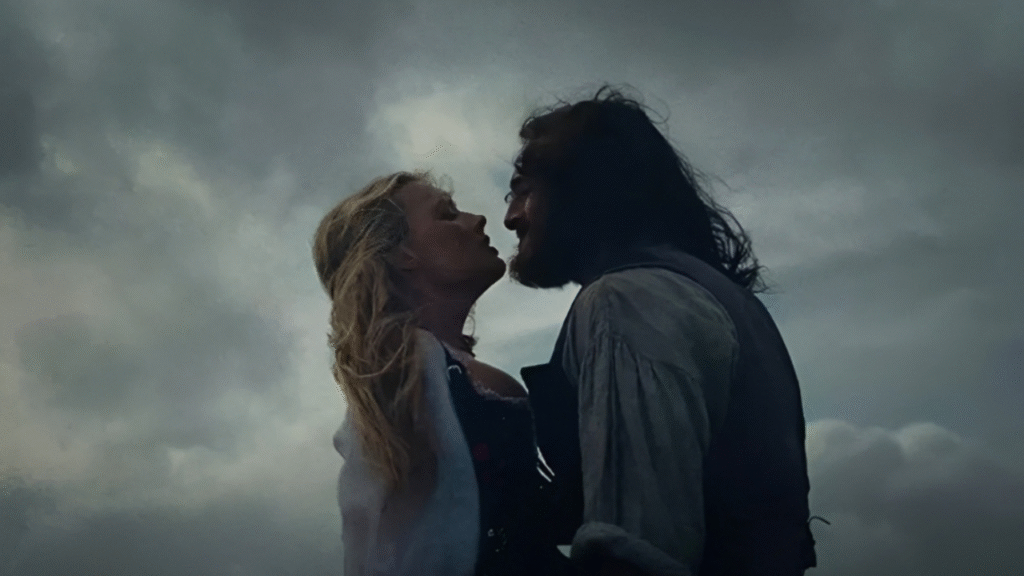
And for Levine, Buffalo Bill became a performance that audiences could never quite forget.
Yet fame can come with weight. Levine has spoken before about how the role followed him, how viewers struggled to separate actor from character.
Now, that weight includes cultural responsibility.
Representation Then and Now
In 1991, mainstream Hollywood offered limited and often stereotypical portrayals of LGBTQ+ characters. Visibility was sparse, and nuanced storytelling rarer still.
In 2026, audiences are more attuned to the impact of representation. Filmmakers face greater scrutiny — and rightly so, many argue — regarding how marginalized identities are portrayed.
Levine’s recent comments don’t attempt to rewrite history. Instead, they reflect an awareness that even landmark films can have blind spots.
“It’s unfortunate,” he said plainly. “And it’s wrong.”
Those words carry more weight than defensiveness ever could.
Can a Classic Be Both Great and Flawed?
As The Silence of the Lambs turns 35, its legacy feels layered.
It remains a masterclass in suspense, character development and psychological tension. Few thrillers have matched its cultural footprint. The film’s Oscar sweep — Best Picture, Best Director, Best Actor, Best Actress and Best Adapted Screenplay — still stands as a milestone.
Yet acknowledging artistic achievement does not mean ignoring criticism.
In fact, part of a film’s endurance may lie in its ability to provoke ongoing discussion — even uncomfortable ones.
The Ongoing Dialogue
Cinema evolves. So do audiences.
Levine’s willingness to engage with criticism underscores how cultural conversations have shifted. Instead of dismissing concerns outright, he has chosen reflection.
That doesn’t erase the film’s controversy. Nor does it diminish its achievements.
But it does open space for nuance — a reminder that art exists within social context, and that context changes.
Thirty-five years later, The Silence of the Lambs is still being talked about.
And perhaps that, more than anything, explains its enduring power.




Entertainment
How ‘Avengers: Endgame’ Returned to Cinemas and Reclaimed Box Office Glory
Renewed ticket sales send Marvel’s 2019 finale past ‘Avatar’ to lead the all-time global chart again.
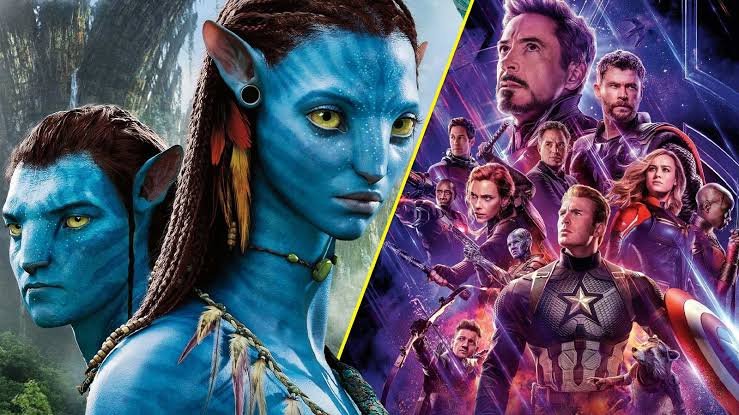
Seven years after its original release, Avengers: Endgame has unfinished business at the box office.
The Marvel Studios blockbuster has overtaken James Cameron’s Avatar to become the highest-grossing film worldwide once again. According to The Walt Disney Company’s October 4 announcement, Endgame now holds an estimated $2.9255 billion, narrowly ahead of Avatar’s $2.9237 billion. That puts just $1.8 million between two of cinema’s biggest hits.
The lead is small. The comeback, however, is substantial: a film released in 2019 has drawn enough fresh ticket sales to rewrite the all-time chart.
The ‘Encore’ release that tipped the balance
The latest theatrical run, titled Avengers Endgame: Encore, has earned $126 million worldwide, according to TheWrap. That includes $36.2 million in North America and $89.8 million from international markets—the extra business that pushed the film back into first place.
Audiences also had a reason to return beyond revisiting a familiar blockbuster. TheWrap reports that the reissue features a modified ending and three new scenes during and after the credits, connected to Avengers: Doomsday. The release therefore serves two purposes: bringing an established favourite back to cinemas and giving viewers a bridge to the next Avengers story.
ALSO READ : Emmy Nominations Announcement Gets a Star Twist… Liza Colón-Zayas & Jeff Hiller Set to Reveal 2026 TV Nominees
A rivalry with a history of reversals
This is another change of leadership in a box office contest that has lasted for years.
Endgame first displaced Avatar in 2019. Cameron’s science-fiction epic regained the crown following its Chinese re-release in 2021. Now, another theatrical return has swung the result in Marvel’s favour. Re-releases have become a decisive part of the competition, extending both films’ earning lives well beyond their original runs.
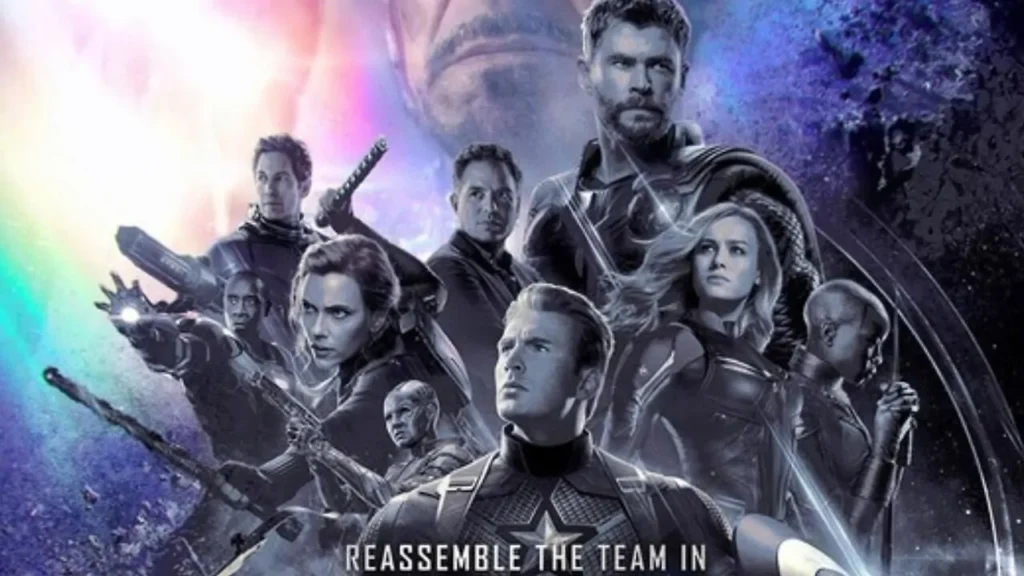
The distinction matters: this is the record for worldwide theatrical revenue without adjustment for inflation, including re-release earnings. It measures money collected rather than the number of tickets sold.
Why ‘Endgame’ matters to ‘Doomsday’
The timing gives Marvel’s comeback an added significance. Avengers: Doomsday is scheduled to reach cinemas on December 18, 2026, and Disney has positioned Endgame as an important foundation for that next chapter.
Explaining the connection, Anthony Russo said: “You really need to pick the story up from where you left it in Endgame.”
That makes this return more than a victory lap. A film remembered for closing a major chapter of Marvel’s story is now helping introduce the next one—and, along the way, has taken back Hollywood’s most closely watched box office title.
Entertainment
Tom Cruise’s ‘Digger’ Faces a Tough Opening: Could ‘Verity’ Take the Lead?
Cruise’s star power meets a fresh box office challenge as the Colleen Hoover adaptation emerges as a formidable rival.
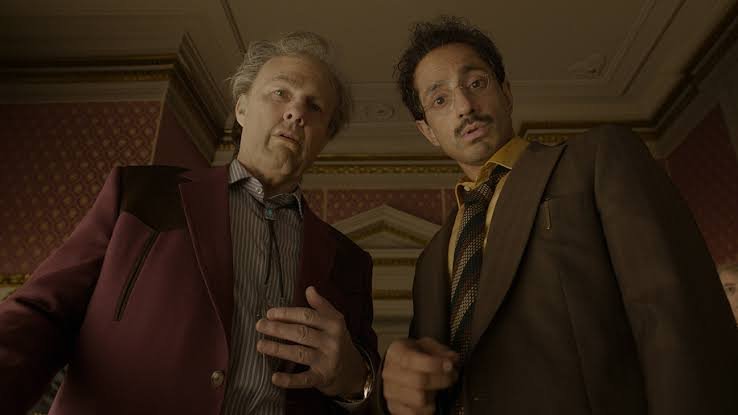
Tom Cruise has spent years persuading audiences to watch him attempt the impossible. With Digger, the challenge is different: convincing moviegoers to embrace an eccentric, darkly comic character who bears little resemblance to his familiar action heroes.
Directed by Alejandro González Iñárritu, the film arrives in US cinemas on October 2, 2026, carrying considerable expectations. Cruise plays Digger Rockwell, an oil tycoon confronting a catastrophe connected to his company’s actions. It is a conspicuous departure for an actor whose recent screen identity has been shaped by spectacular stunts and blockbuster franchises.
Yet the conversation before release has increasingly turned from Cruise’s transformation to a more uncomfortable question: how many people will buy a ticket?
ALSO READ : Emmy Nominations Announcement Gets a Star Twist… Liza Colón-Zayas & Jeff Hiller Set to Reveal 2026 TV Nominees
A costly film facing a modest opening
According to Koimoi’s September 30 report, Digger was tracking for a North American opening below $15 million, against a reported production cost of approximately $125 million. These are reported estimates, rather than confirmed earnings or a final accounting of the film’s costs.
That gap explains the concern surrounding Warner Bros.. An expensive production needs sustained attendance, and a subdued debut would place greater pressure on subsequent weekends and overseas markets.
An opening forecast cannot establish a film’s eventual profit or loss. It can, however, reveal how much work remains for the campaign.
Reviews have complicated the pitch
The critical response has been sharply divided. People reported reactions ranging from admiration for the film’s audacity and Cruise’s commitment to criticism of its scale, coherence and tone.
For potential ticket buyers, that creates an uncertain proposition. Cruise’s presence attracts attention, but attention does not automatically translate into enthusiasm for an unfamiliar kind of film.

The promotional campaign has leaned into that disagreement. The Guardian described advertising that places harsh reactions alongside praise, using the controversy itself to generate interest. Whether that approach encourages curiosity or deepens hesitation remains an open question.
Why ‘Verity’ makes the weekend more intriguing
The Hollywood Reporter expects Digger to open substantially behind Verity, the Amazon MGM Studios adaptation of Colleen Hoover’s novel. hollywoodreporter.com
Starring Anne Hathaway, Dakota Johnson and Josh Hartnett, Verity is also scheduled to open on October 2. Its psychological-thriller premise centres on a writer who discovers a disturbing manuscript while completing another author’s book series.
From a marketing perspective, an established novel and a recognisable thriller setup could offer a more immediate hook. Digger, by comparison, asks audiences to take a greater leap into unfamiliar territory.
The audience verdict is still ahead
Cruise has clearly committed to that leap. At the London premiere, Reuters reported that his transformation involved prosthetics and a padded bodysuit, alongside a demanding performance.
The commercial outcome remains unresolved. Strong audience recommendations could give Digger momentum beyond its initial forecasts. A weak response would make its financial challenge harder.
For now, the film’s biggest suspense lies beyond the screen: whether curiosity about Cruise’s unusual gamble becomes an opening-weekend ticket purchase.
Entertainment
‘Verity’ Could Outopen ‘Digger’: Why Tom Cruise Faces a Tough Contest
The competing releases raise a compelling question: which film will persuade more audiences to buy a ticket?
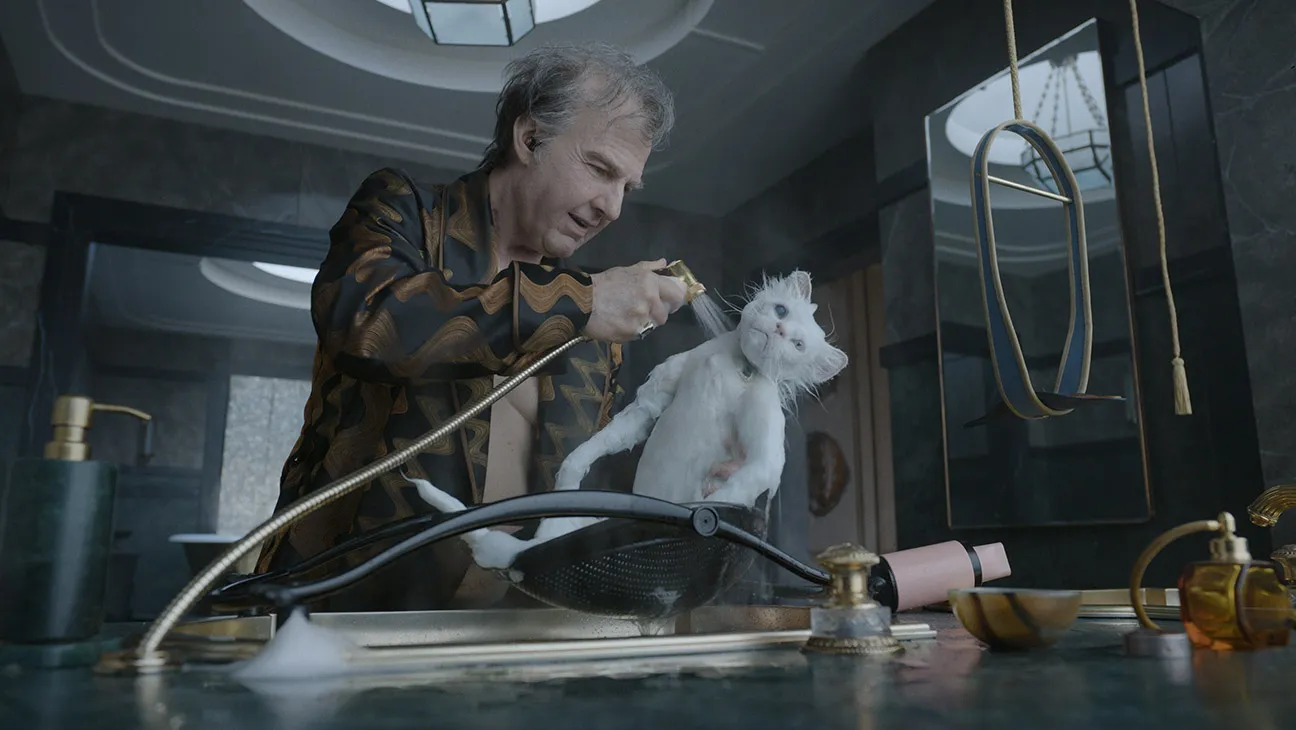
Tom Cruise has spent years persuading audiences to watch him attempt the impossible. With Digger, the challenge is different: convincing moviegoers to embrace an eccentric, darkly comic character who bears little resemblance to his familiar action heroes.
Directed by Alejandro González Iñárritu, the film arrives in US cinemas on October 2, 2026, carrying considerable expectations. Cruise plays Digger Rockwell, an oil tycoon confronting a catastrophe connected to his company’s actions. It is a conspicuous departure for an actor whose recent screen identity has been shaped by spectacular stunts and blockbuster franchises.
Yet the conversation before release has increasingly turned from Cruise’s transformation to a more uncomfortable question: how many people will buy a ticket?
ALSO READ : Emmy Nominations Announcement Gets a Star Twist… Liza Colón-Zayas & Jeff Hiller Set to Reveal 2026 TV Nominees
A costly film facing a modest opening
According to Koimoi’s September 30 report, Digger was tracking for a North American opening below $15 million, against a reported production cost of approximately $125 million. These are reported estimates, rather than confirmed earnings or a final accounting of the film’s costs.
That gap explains the concern surrounding Warner Bros.. An expensive production needs sustained attendance, and a subdued debut would place greater pressure on subsequent weekends and overseas markets.
An opening forecast cannot establish a film’s eventual profit or loss. It can, however, reveal how much work remains for the campaign.
Reviews have complicated the pitch
The critical response has been sharply divided. People reported reactions ranging from admiration for the film’s audacity and Cruise’s commitment to criticism of its scale, coherence and tone.
For potential ticket buyers, that creates an uncertain proposition. Cruise’s presence attracts attention, but attention does not automatically translate into enthusiasm for an unfamiliar kind of film.
The promotional campaign has leaned into that disagreement. The Guardian described advertising that places harsh reactions alongside praise, using the controversy itself to generate interest. Whether that approach encourages curiosity or deepens hesitation remains an open question.
Why ‘Verity’ makes the weekend more intriguing
The Hollywood Reporter expects Digger to open substantially behind Verity, the Amazon MGM Studios adaptation of Colleen Hoover’s novel. hollywoodreporter.com
Starring Anne Hathaway, Dakota Johnson and Josh Hartnett, Verity is also scheduled to open on October 2. Its psychological-thriller premise centres on a writer who discovers a disturbing manuscript while completing another author’s book series.
From a marketing perspective, an established novel and a recognisable thriller setup could offer a more immediate hook. Digger, by comparison, asks audiences to take a greater leap into unfamiliar territory.
The audience verdict is still ahead
Cruise has clearly committed to that leap. At the London premiere, Reuters reported that his transformation involved prosthetics and a padded bodysuit, alongside a demanding performance.
The commercial outcome remains unresolved. Strong audience recommendations could give Digger momentum beyond its initial forecasts. A weak response would make its financial challenge harder.
For now, the film’s biggest suspense lies beyond the screen: whether curiosity about Cruise’s unusual gamble becomes an opening-weekend ticket purchase.

How ‘Avengers: Endgame’ Returned to Cinemas and Reclaimed Box Office Glory

Tom Cruise’s ‘Digger’ Faces a Tough Opening: Could ‘Verity’ Take the Lead?

‘Verity’ Could Outopen ‘Digger’: Why Tom Cruise Faces a Tough Contest

‘Endgame’ Returns to No. 1 ‘Avatar’ Loses Its Box Office Throne

Mark Zuckerberg Faces a New Hollywood Reckoning Why Aaron Sorkin’s Film Hits Closer to Home

1-Iran Issues Dire Warning to Israel and Defies Trump on Nukes: “We’re Ready to Strike Deep Inside”

Sen. Elizabeth Warren Calls It a ‘Cesspool of Corruption’ — Here’s Why Senators Are Now Fighting Back Against the DOJ’s Live Nation Deal That Left Every Fan Betrayed…

Gucci bets on Demna to revive fading glamour as Milan fashion week opens with bold film surprise

Donald Trump’s net worth reveals the fortune behind the former US President and business mogul

“Tomás Rodríguez Net Worth 2025: Panama’s Gold Cup Goal‑Machine’s Surprising Fortune Revealed”

Miss Jamaica Suffers Terrifying Fall Off Miss Universe Stage; Rushed to Hospital on Stretcher in Viral Video

Moana Live-Action Teaser Sparks Outrage as Fans Call Disney’s Move a ‘Clear Money Grab’ — What Went Wrong?

Ryan Gosling’s Project Hail Mary Trailer Stuns Fans with a Mysterious Alien Ally and a Mission That Could Save Earth

Apple delays Jessica Chastain thriller The Savant about domestic extremism after recent US violence
