
Entertainment
From Curry Barker to Guillermo del Toro: Hollywood’s Genre Masters Take Charge
Rising talents and legendary auteurs are using bold genre films to bring audiences back to cinemas.


The traditional Hollywood blockbuster may still command enormous budgets, but some of the industry’s most exciting work is currently happening in darker, stranger and far less predictable corners of cinema.
A new feature published by The Hollywood Reporter has spotlighted 30 filmmakers helping to keep movie theatres relevant in 2026. The selection stretches from emerging internet-era directors such as Curry Barker to celebrated cinematic visionary Guillermo del Toro.
It is a fascinating mix of generations, budgets and filmmaking backgrounds. What connects these directors is their understanding that audiences will still leave home for a movie—provided it offers an experience that feels bold, distinctive and impossible to reproduce on a television screen.
Curry Barker’s astonishing leap from YouTube to Hollywood
Few filmmakers represent the changing face of genre cinema more clearly than Curry Barker.
Barker initially attracted attention through online comedy and independently produced horror. His microbudget film Milk & Serial, reportedly made for just $800 and released for free on YouTube, demonstrated how an inventive concept could travel without a conventional studio campaign.
ALSO READ : Sen. Elizabeth Warren Calls It a ‘Cesspool of Corruption’ — Here’s Why Senators Are Now Fighting Back Against the DOJ’s Live Nation Deal That Left Every Fan Betrayed…
His feature film Obsession transformed that early promise into a remarkable theatrical success. Produced for approximately $750,000, the twisted horror story became one of 2026’s biggest box-office surprises. Its success established Barker as an important Gen Z filmmaking voice and showed studios that online creators can make a convincing transition to cinemas.
Barker’s rapid ascent is not merely a story about viral popularity. It also reflects a wider shift in Hollywood, where executives are searching beyond film schools and traditional studio pipelines for directors who already understand how younger audiences discover and discuss entertainment.
Guillermo del Toro remains the master of beautiful monsters
At the opposite end of the career spectrum stands Oscar-winning Mexican filmmaker Guillermo del Toro.
The director behind Pan’s Labyrinth, The Shape of Water and Frankenstein has spent decades transforming monsters into emotionally complex characters. His films frequently blend horror, fantasy, tragedy and romance, giving supernatural creatures the humanity that conventional stories often deny them.
Del Toro’s inclusion alongside much younger filmmakers is significant. It suggests that genre cinema is not being revived by one age group or creative movement. Instead, established auteurs and first-time directors are feeding the same renewed appetite for imaginative filmmaking.
While Barker represents the speed and accessibility of the digital era, del Toro represents craftsmanship built over an entire career. Both approaches can bring viewers into theatres.
Lee Cronin and the return of uncompromising studio horror
Irish filmmaker Lee Cronin has also emerged as a major force in contemporary horror.
After earning attention with The Hole in the Ground, Cronin reached a much larger audience through Evil Dead Rise. Rather than softening the franchise for mainstream viewers, he embraced its brutality and claustrophobic atmosphere.
Cronin subsequently brought that same unsettling sensibility to Lee Cronin’s The Mummy. The project demonstrated why studios increasingly want filmmakers with a strong personal style behind familiar properties. A recognisable title may attract initial interest, but a director’s creative identity can prevent a revival from feeling like another routine reboot.
Michael Chaves understands the machinery of a franchise
Michael Chaves represents another valuable kind of genre filmmaker: a director capable of operating confidently inside a large cinematic universe.
Through films connected to The Conjuring Universe, including The Curse of La Llorona, The Conjuring: The Devil Made Me Do It, The Nun II and The Conjuring: Last Rites, Chaves developed an instinct for delivering carefully timed scares without losing sight of the characters.

Franchise filmmaking can easily become mechanical, especially when audiences know the formula. Chaves’ work illustrates the importance of directors who can respect an established world while still finding fresh visual and emotional tension within it.
Rob Savage turned digital anxiety into cinematic fear
British director Rob Savage became internationally recognised after making Host, the inventive lockdown-era horror film presented through a video call.
Its premise could have been dismissed as a temporary novelty. Instead, Savage used the format to capture something painfully familiar: the fear that technology connecting people can also leave them exposed and powerless.
He later expanded into studio filmmaking with The Boogeyman and continued his horror journey with Other Mommy. Savage’s rise demonstrates that technical limitations can become creative advantages when a filmmaker understands exactly what frightens a contemporary audience.
Na Hong-jin proves genre cinema has no borders
The list’s international reach is equally important. South Korean filmmaker Na Hong-jin built a global following through The Chaser, The Yellow Sea and The Wailing, films that resist simple categorisation.
His 2026 science-fiction thriller Hope pushed that ambition further, combining large-scale spectacle with horror, action and dark humour. Na’s work reinforces the fact that some of the most adventurous genre filmmaking is now coming from outside Hollywood.
Audiences have become increasingly comfortable watching international stories that move between languages, cultures and tones. For theatres searching for genuine event films, that global appetite offers an opportunity that extends well beyond traditional American franchises.
Scott Derrickson keeps returning to character-driven fear
Scott Derrickson has long understood that supernatural horror works best when its characters feel vulnerable before anything frightening appears.
From The Exorcism of Emily Rose and Sinister to The Black Phone films, Derrickson has repeatedly combined accessible storytelling with disturbing imagery. Even when working with familiar horror ingredients, his films remain grounded in emotional stakes, particularly childhood trauma, family relationships and survival.
That combination makes his work commercially attractive without stripping it of personality—an increasingly valuable balance in a risk-conscious studio system.
Why genre filmmakers matter more than ever
The renewed importance of these directors arrives at a difficult moment for cinemas. Streaming has changed viewing habits, production costs remain high and audiences are increasingly selective about which films deserve a theatrical ticket.
Genre movies offer a practical answer. Horror can generate enormous interest without a superhero-sized budget. Science fiction and fantasy can provide the visual scale audiences expect from theatres. Most importantly, these categories give filmmakers permission to take creative risks that conventional dramas may struggle to accommodate.
They are also producing intense competition behind the scenes. Original genre scripts with strong concepts can now trigger bidding wars because studios recognise how quickly an unexpected horror or science-fiction success can become a cultural event—and potentially launch a franchise.
The most encouraging part of 2026’s genre boom is that there is no single formula behind it. Barker’s scrappy online beginnings, del Toro’s handcrafted dark fantasy, Cronin’s brutal studio horror and Na Hong-jin’s international spectacle all offer different routes to the same destination.
Hollywood has spent years asking what might persuade audiences to return to cinemas. These filmmakers appear to have found an answer: give viewers something daring enough to make staying home feel like missing out.





Entertainment
Hunter Biden vs Nick Fuentes: Behind the Scenes of the Interview That Almost Turned Into a Physical Confrontation…
Alien Mystery Goes Viral: James Franco’s TikTok Posts Have Fans Searching for Answers
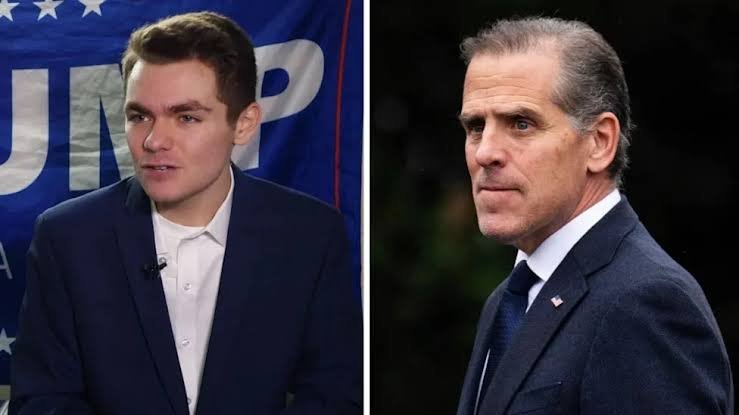
A highly anticipated and controversial conversation between Hunter Biden and Nick Fuentes reportedly took an unexpected turn when tensions escalated during the interview, with sources claiming the discussion nearly became physical.
The meeting was reportedly arranged by independent journalist Andrew Callaghan, known for his street interviews and documentary-style conversations. The sit-down was expected to create a headline-making discussion between two figures with sharply different public images and political viewpoints.
According to reports, the conversation grew increasingly heated as the two exchanged strong opinions on various controversial topics. The situation allegedly reached a point where the atmosphere became tense enough that those present had to step in before the confrontation went further.
ALSO READ : Sen. Elizabeth Warren Calls It a ‘Cesspool of Corruption’ — Here’s Why Senators Are Now Fighting Back Against the DOJ’s Live Nation Deal That Left Every Fan Betrayed…
A Conversation That Quickly Became Controversial
Both Hunter Biden and Nick Fuentes have attracted significant public attention for different reasons. Hunter Biden, the son of former U.S. President Joe Biden, has frequently been in the spotlight due to political controversies and media scrutiny surrounding his personal and professional life.
Meanwhile, Nick Fuentes has built a following through provocative political commentary and has been a highly debated figure in American media circles.

The interview immediately sparked discussions online, with viewers debating whether the intense exchange represented a genuine clash of personalities or a reflection of the broader political divisions in the United States.
Viral Moment Creates Online Debate
Andrew Callaghan’s interview style often focuses on bringing together people with opposing perspectives, creating unscripted conversations that can sometimes become unpredictable.
The reported tension between Biden and Fuentes has added further attention to the interview, with many waiting to see the full conversation and judge the exchange for themselves.
While the exact details of what happened during the discussion remain the subject of reports and reactions, the incident has already become one of the most talked-about political media moments online.
For now, the interview continues to fuel debate — with audiences asking whether it was a genuine confrontation, a heated exchange of ideas, or simply another viral moment in today’s attention-driven media landscape.
Entertainment
Christopher Nolan Rejects Matt Damon’s Claim That ‘The Odyssey’ Is Hollywood’s “Last of Its Kind”
The filmmaker says he disagrees with the idea that epic theatrical experiences like ‘The Odyssey’ are becoming a thing of the past.

Christopher Nolan has never been one to shy away from challenging conventional wisdom, and this time, the acclaimed filmmaker is responding to a surprising comment from one of his closest collaborators, Matt Damon.
During recent discussions surrounding their upcoming epic The Odyssey, Damon reportedly described the film as the “last of its kind,” suggesting that Hollywood may never again produce a project of such enormous scale and ambition. Nolan, however, made it clear that he doesn’t share that outlook.
“There’s a defeatist aspect of viewing it that way that I don’t agree with,” Nolan said, pushing back against the idea that The Odyssey marks the end of an era.
Rather than seeing the film as a farewell to grand cinematic storytelling, Nolan believes the future of filmmaking remains full of possibilities. According to the director, assuming that audiences or studios are no longer willing to embrace ambitious projects underestimates the industry’s ability to adapt and innovate.
ALSO READ : Sen. Elizabeth Warren Calls It a ‘Cesspool of Corruption’ — Here’s Why Senators Are Now Fighting Back Against the DOJ’s Live Nation Deal That Left Every Fan Betrayed…
The comments offer an interesting contrast between two longtime collaborators. Damon, who has worked with Nolan on major productions, appeared to frame The Odyssey as a rare achievement that may become increasingly difficult to replicate in today’s entertainment landscape. Nolan, meanwhile, sees no reason why bold filmmaking cannot continue to thrive.
The upcoming adaptation of The Odyssey, one of the most influential works of ancient literature, is already generating enormous anticipation among moviegoers. Known for his visually immersive storytelling and preference for practical filmmaking techniques, Nolan is expected to bring a fresh cinematic vision to the timeless tale.

The project also continues Nolan’s streak of high-profile productions following the massive critical and commercial success of Oppenheimer, which cemented his status as one of the most influential directors working today. His films have consistently demonstrated that audiences are still willing to support original, large-scale stories when they are backed by compelling storytelling and technical excellence.
Industry observers have frequently debated whether the rise of streaming platforms, changing audience habits, and soaring production costs have made ambitious theatrical releases increasingly risky. Nolan’s latest remarks suggest he rejects that narrative, arguing that believing epic filmmaking has reached its endpoint only limits the industry’s imagination.
For Nolan, the future of cinema is not defined by pessimism but by creative ambition. While The Odyssey may become one of the biggest cinematic events of its generation, the director insists it should inspire more filmmakers—not convince them that such achievements are no longer possible.
As excitement builds around the film, Nolan’s response serves as a reminder that great storytelling has continually reinvented itself across generations. If his vision proves correct, The Odyssey may not be the last of its kind at all—it could simply be the beginning of another chapter for epic filmmaking.
Entertainment
Comedy’s Biggest Stars Unite as New York Comedy Festival Unveils 2026 Lineup
Fans can expect a major showcase of humor and live performances as the New York Comedy Festival prepares for its next edition.

Comedy lovers in New York are preparing for a major week of laughter as the New York Comedy Festival returns with a star-studded lineup featuring some of the biggest voices in modern comedy.
The festival is set to feature performances from acclaimed comedians including Marc Maron, Ilana Glazer, Jordan Klepper, and Ms. Pat.
Running from November 6 to November 15, the festival will bring more than 200 comedians to venues across New York City, with over 100 shows planned throughout the event.
A Celebration of Comedy’s Biggest Voices
The New York Comedy Festival has become one of the most important comedy events in the United States, attracting established performers, rising talents, and fans from around the world.
ALSO READ : Sen. Elizabeth Warren Calls It a ‘Cesspool of Corruption’ — Here’s Why Senators Are Now Fighting Back Against the DOJ’s Live Nation Deal That Left Every Fan Betrayed…
The festival was launched by Caroline Hirsch, the founder of the legendary Carolines on Broadway comedy club, which played a major role in shaping New York’s stand-up comedy scene.
Over the years, the festival has hosted some of the biggest names in entertainment, making it a key event for comedians looking to connect with audiences on one of the world’s most competitive comedy stages.
From Stand-Up Legends to New Generation Talent
This year’s lineup highlights the wide range of comedy styles that continue to attract audiences. From political satire and storytelling to personal experiences and observational humor, the festival aims to showcase the diversity of modern stand-up.

Jordan Klepper, known for his political comedy and work on The Daily Show, brings a unique perspective, while Marc Maron’s long-running podcast and stand-up career have made him one of comedy’s most recognizable voices.
Meanwhile, Ilana Glazer and Ms. Pat represent a new generation of performers who have expanded comedy beyond traditional stages through television, podcasts, and digital platforms.
New York Becomes the Comedy Capital Once Again
With hundreds of performers and shows spread across the city, the festival is expected to transform New York into a hub for comedy fans.
Organizers believe the event will once again highlight why the city remains one of the most influential places for comedians and entertainers.
As anticipation builds, fans are looking forward to a festival filled with unforgettable performances, surprise appearances, and the unique energy that has made New York comedy famous worldwide.

Hunter Biden vs Nick Fuentes: Behind the Scenes of the Interview That Almost Turned Into a Physical Confrontation…

Christopher Nolan Rejects Matt Damon’s Claim That ‘The Odyssey’ Is Hollywood’s “Last of Its Kind”

Comedy’s Biggest Stars Unite as New York Comedy Festival Unveils 2026 Lineup

The Odyssey Opens to $124M Worldwide, Marking Christopher Nolan’s Biggest Global Debut

Fandango Unveils Major Makeover to Take On Tubi and Pluto TV

1-Iran Issues Dire Warning to Israel and Defies Trump on Nukes: “We’re Ready to Strike Deep Inside”

Sen. Elizabeth Warren Calls It a ‘Cesspool of Corruption’ — Here’s Why Senators Are Now Fighting Back Against the DOJ’s Live Nation Deal That Left Every Fan Betrayed…

Donald Trump’s net worth reveals the fortune behind the former US President and business mogul

“Tomás Rodríguez Net Worth 2025: Panama’s Gold Cup Goal‑Machine’s Surprising Fortune Revealed”

“She Never Made It Out…” Albany House Fire Claims Woman’s Life as Family Pleads for Help to Bring Her Home

Miss Jamaica Suffers Terrifying Fall Off Miss Universe Stage; Rushed to Hospital on Stretcher in Viral Video

Moana Live-Action Teaser Sparks Outrage as Fans Call Disney’s Move a ‘Clear Money Grab’ — What Went Wrong?

Ryan Gosling’s Project Hail Mary Trailer Stuns Fans with a Mysterious Alien Ally and a Mission That Could Save Earth

Apple delays Jessica Chastain thriller The Savant about domestic extremism after recent US violence

Avatar 3, Fire and Ash trailer reveals Jake Sully’s family facing terrifying new Na’vi enemies with deadly fire powers
-

 Entertainment1 week ago
Venice Film Festival Picks ‘Dio Ride’ As Closing Film: Giovanni Veronesi’s Historical Drama Set To End Prestigious Event…
-
 Entertainment1 week ago
David Ellison Leads New Push for Federal Film Tax Credits in Washington
-

 Entertainment1 week ago
PEN America Crisis Deepens… Jewish Writers Report Sparks Internal Fallout as President Resigns in Protest
-

 games1 week ago
Twitch Faces Major Outage After GTA 6 Trailer Drops: Did Gaming’s Biggest Hype Overload the Platform?
-

 Entertainment1 week ago
AI Meets Hollywood: ‘Sharknado’ and ‘Doctor Who’ Creatives Lead Promise AI’s New Film Slate
-

 Entertainment1 week ago
Stephen Chow’s Kung Fu Soccer Crosses $200 Million in China, Eyes Potential $450 Million Box Office Run
-

 Entertainment1 week ago
Made on a $10,000 Budget, ‘Toronto Apartment’ Turns Housing Crisis Into Dark Comedy Gold
-

 Entertainment1 week ago
Kehlani Hospitalized and Cancels Two Tour Shows: ‘Unable to Swallow’ Singer Says ‘I’m So Sorry’