
Sports
Jets rookie Mason Taylor set for emotional Miami return… to face the same team his Hall of Fame father once starred for
As Mason Taylor prepares for a Monday night clash against the Miami Dolphins, the rookie tight end reflects on childhood memories of his father, Jason Taylor, one of the franchise’s greatest legends.


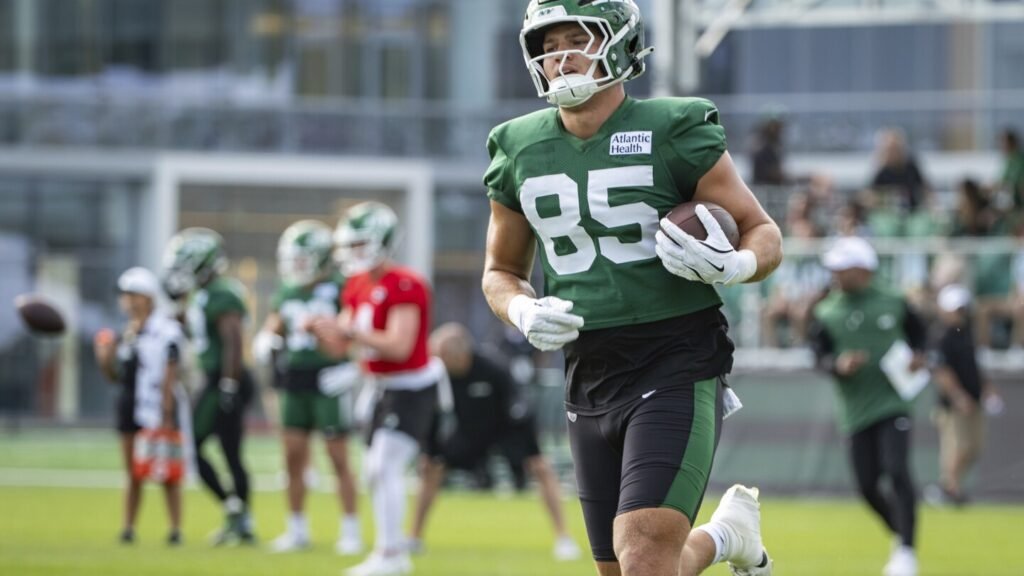
When Mason Taylor (Wikipedia) jogs onto the turf at Hard Rock Stadium on Monday night, he won’t just be another rookie tight end suiting up for the New York Jets. For him, it’s personal.
The 21-year-old is set to play against the Miami Dolphins, the team where his father, Jason Taylor, became a Hall of Famer and franchise icon.
Taylor’s last vivid memory in the stadium came back in January 2012, when he was only six. That day, he watched his dad get carried off the field by teammates after his final NFL game—a moment immortalized in Dolphins lore. “That was probably my last memory [of the stadium], but definitely a lot of cool memories there as a kid,” Mason said this week.
Now, the son returns, not as a fan but as a player, with the Jets desperate to change their fortunes.

A Quiet Start but Big Expectations
Taylor’s rookie campaign has been understated so far—just six catches for 43 yards. But the coaching staff is determined to give him a bigger role.
Head coach Aaron Glenn made it clear: “We have to get Mason the ball, we have to get Breece Hall the ball. Those guys are good playmakers for us.”
The Jets drafted Taylor in the second round, 42nd overall, with the hope that he can ease the load on star receiver Garrett Wilson , whose staggering 37.2% target share is among the highest in the league.
Taylor, unfazed by the pressure, said: “Whether I’m blocking 40 snaps a game or having 12 receptions, it’s whatever I have to do to help this team win.”
Family Ties and Familiar Faces
The Dolphins game also brings back more subplots. The Jets haven’t won in Miami since 2014, when Rex Ryan coached his final game for New York.
They’ll also be up against a familiar face: former Jets quarterback Zach Wilson now the Dolphins’ backup after a rocky stint in New York and a trade to the Denver Broncos.
For Mason Taylor, though, the reunion is more sentimental. Walking into the same stadium where his father built a legacy, this Monday is more than just Week 4—it’s a homecoming.
Front Office Moves and Defensive Questions
Away from Taylor’s storyline, Jets general manager Darren Mougey continues reshaping the roster. His strategy of swapping late-round picks for established players has already brought in cornerback Jarvis Brownlee Jr., and defensive tackles Harrison Phillips and Jowon Briggs.
Brownlee, acquired from the Tennessee Titans, brings toughness but also concerns about discipline—he has drawn 11 penalties in 19 games. “I just love hitting,” Brownlee said. “I feel some type of way when I miss a tackle.”
But while the Jets’ defense adds pieces, one glaring issue remains: turnovers. Along with Miami, they are among the rare teams to start 0-3 without a single takeaway, a drought that has raised questions about playmaking ability on defense.
A Slim Path Forward
The Jets’ playoff chances sit at just 7.3%, according to ESPN’s Football Power Index. But receivers coach Shawn Jefferson reminded players that the 1992 San Diego Chargers pulled off the improbable, making the playoffs after starting 0-4.
He likened it to Buster Douglas shocking Mike Tyson in the boxing ring: “You’re going to get knocked down a little bit, but you have to keep pounding.”
For more Update http://www.dailyglobaldiary.com







Sports
Cubs Cruise Past Diamondbacks 7-0 as Conforto and Kelly Go Back-to-Back: Gausman Delivers a Statement Start
Michael Conforto and Carson Kelly broke open a tight game with consecutive sixth-inning homers, while Kevin Gausman shut down Arizona over seven dominant innings.
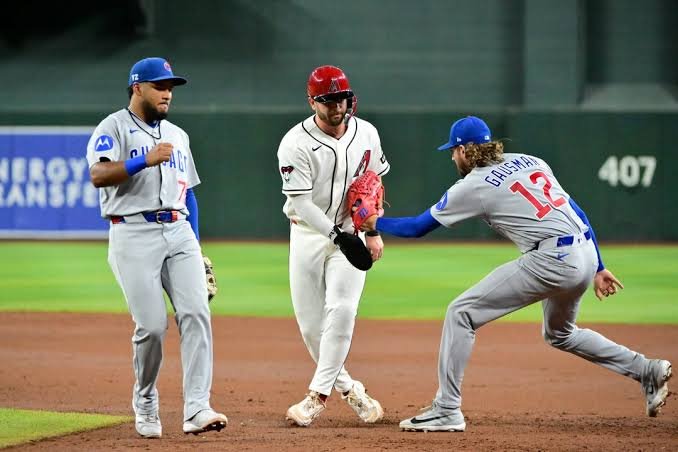
The Chicago Cubs didn’t need a late rally or a dramatic finish in Phoenix. They simply took control and never let go.
Behind a dominant seven-inning performance from Kevin Gausman and back-to-back home runs from Michael Conforto and Carson Kelly, the Cubs cruised to a 7-0 victory over the Arizona Diamondbacks on Monday night.
**Kevin Gausman** delivered one of his strongest outings since joining Chicago, while **Carson Kelly** and **Michael Conforto** provided the power.
The win moved Chicago to within 5½ games of the Milwaukee Brewers for the NL Central lead, with Milwaukee idle on Monday.
Conforto and Kelly deliver the knockout blow
For much of the night, the game remained relatively close. That changed in the sixth inning.
With two outs, **Michael Conforto** stepped to the plate against Arizona reliever Taylor Clarke and launched a two-run homer to right field, extending Chicago’s advantage to 4-0.
Then came **Carson Kelly**.
The former Diamondbacks catcher followed Conforto with a solo shot to left. The consecutive home runs immediately transformed a competitive game into a comfortable Cubs lead.
It was a particularly satisfying moment for Kelly, who spent several seasons with Arizona before joining Chicago.
Gausman puts Arizona’s offense on ice
While the Cubs’ offense supplied the fireworks, **Kevin Gausman** made sure Arizona never found a way back into the contest.
The right-hander allowed only three hits and one walk across seven innings, striking out six while throwing just 94 pitches.
It was a major step forward for Gausman following his move to Chicago from the Toronto Blue Jays at the trade deadline.
The right-hander consistently kept Arizona’s hitters under control, and the Diamondbacks never managed to put together a sustained offensive threat.

Conforto reaches base four times
Conforto wasn’t just responsible for one of the game’s biggest hits.
He reached base four times, collecting a single, a double and a home run while also drawing a walk.
Ian Happ and Pedro Ramírez also contributed two hits apiece as Chicago steadily built its lead.
The Cubs opened the scoring in the second inning when Ramírez ripped a triple down the right-field line, bringing Happ home.
Chicago added another run in the fifth. Seiya Suzuki doubled off the left-field wall, allowing Conforto to score and putting the Cubs ahead 2-0.
Then came the sixth-inning power surge that effectively ended the contest.
Arizona struggles to create offense
The Arizona Diamondbacks were unable to generate any meaningful response.
Arizona finished with only five hits, and every one of them was a single. There were no extra-base hits to seriously threaten Chicago’s pitching staff.
Corbin Carroll did manage to steal two bases, but those efforts couldn’t translate into runs.
Arizona starter Merrill Kelly was charged with the loss after allowing three runs on five hits and three walks over 5⅔ innings. He struck out four.
The Cubs’ pitching, however, remained firmly in command once Gausman departed.
Cubs continue the chase in the NL Central
The 7-0 victory gives Chicago another important result as it tries to close the gap on Milwaukee in the National League Central.
With the Brewers not playing Monday, the Cubs had an opportunity to make up ground — and they did so in convincing fashion.
Gausman’s performance provides an especially encouraging sign for Chicago. A strong start from a recently acquired veteran combined with timely power from Conforto and Kelly gives the Cubs plenty to build on.
For Arizona, meanwhile, the night was one to forget.
The Diamondbacks couldn’t solve Gausman, couldn’t capitalize on their limited baserunners and couldn’t stop Chicago’s offense once the sixth inning arrived.
In the end, the Cubs had the perfect formula: seven shutout innings from their starter, timely hitting and two consecutive home runs that broke the game wide open.
Sports
Cal Raleigh Explodes for 3 Home Runs as Mariners Crush Phillies 9-2: ‘Hard to Fathom’ Night in Seattle
The Seattle catcher snapped out of a season-long slump with the first three-homer game of his career, ending Philadelphia’s nine-game winning streak in emphatic fashion.
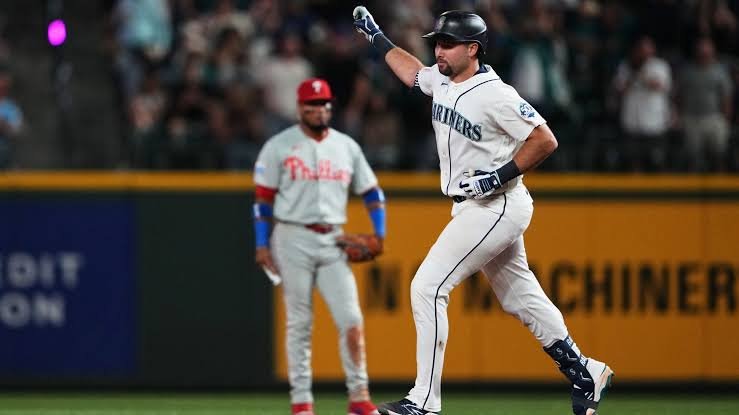
The slump was becoming hard to ignore. Then Cal Raleigh changed the entire story in one spectacular night.
The Seattle Mariners catcher smashed a career-high three home runs as Seattle defeated the Philadelphia Phillies 9-2 on Monday, ending Philadelphia’s season-best nine-game winning streak.
**Cal Raleigh** delivered one of the biggest offensive performances of his career, going 3-for-3 with a walk and three homers. The switch-hitter entered the game batting just .159, but by the end of the night, he had provided the spark Seattle desperately needed.
“I had never done that before — at any level. So, hard to fathom, and it was a fun night,” Raleigh said.
Raleigh sets the tone early
Raleigh wasted little time making his presence felt.
The Mariners jumped out to a five-run first inning, with Raleigh capping the rally by launching a two-run home run against Zack Wheeler, one of Philadelphia’s most reliable starting pitchers.
**Zack Wheeler** struggled to contain Seattle’s attack. Raleigh and Cole Young then opened the fifth inning with back-to-back home runs, forcing Wheeler out of the game.
Raleigh wasn’t finished.
He connected for his third homer of the night in the seventh inning, this time against reliever Chase Shugart, taking his season total to 17 home runs.
The three blasts all went to right field, making Raleigh only the 13th player in Mariners franchise history to hit three home runs in a single game.
A much-needed breakthrough
The performance was particularly significant because Raleigh had been fighting through a difficult season at the plate.
He began the night with a .159 batting average and a 31.2% strikeout rate. After going 3-for-3 with a walk, his average climbed to .167.
Rather than treating the slump as something to panic about, Raleigh said he had been concentrating on getting his hands into position earlier and maintaining a steady mindset.
“I’ve been feeling better in the box,” Raleigh explained, emphasizing the importance of staying optimistic without becoming too high or too low.
That approach finally paid off in a major way.
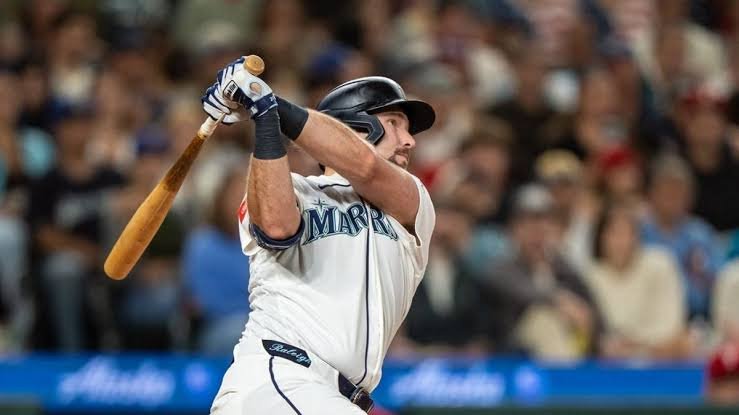
Seattle’s history-making night
Raleigh’s three-homer performance placed him in an exclusive group in Seattle baseball history.
The last Mariners player to hit three home runs in one game was teammate Dominic Canzone, who accomplished the feat on September 16 last year.
There is an even more interesting connection behind the achievement. Raleigh became only the second Seattle catcher to hit three home runs in a game, joining current Mariners manager Dan Wilson, who did it in April 1996.
The significance wasn’t lost on Wilson.
“Finding the barrel more often, taking his walks more often, swinging at better pitches more often,” Wilson said of Raleigh’s recent progress.
He added that seeing Raleigh produce such a performance — and enjoy the moment — was especially rewarding after the work he had put in.
Phillies’ nine-game winning streak comes to an end
For Philadelphia, the defeat brought an abrupt end to a nine-game winning streak.
The Phillies had been enjoying their best winning run of the season, but Seattle’s early offensive explosion proved too much to overcome.
The defeat was particularly painful for Wheeler, who was chased after Raleigh and Young went deep consecutively in the fifth.
Meanwhile, Seattle’s pitching and offense combined to keep Philadelphia from mounting a serious comeback.
**Philadelphia Phillies** had entered the contest riding significant momentum, but the Mariners flipped the script almost immediately.
Raleigh knows what a hot bat can mean for Seattle
Raleigh’s importance to Seattle goes beyond one spectacular box score.
He finished last season as one of baseball’s biggest power threats, leading the majors with 60 home runs and driving in 125 runs. He also finished runner-up for the American League MVP Award as the Mariners reached the American League Championship Series.
That made his early struggles this season particularly noticeable.
Now, one explosive night has given both Raleigh and Seattle something valuable: confidence.
Mariners starting pitcher Logan Gilbert summed up the potential impact of Raleigh finding his rhythm again.
“That’s just huge, I think, for confidence and for [getting] rolling,” Gilbert said.
For Seattle, the hope is simple — Monday’s three-homer eruption wasn’t just an unforgettable individual performance, but the beginning of a much-needed turnaround for one of the team’s most important bats.
And if Raleigh really is getting hot again, the rest of the American League may have just received a warning.
Sports
49ers Owner Jed York Pleads No Contest in Ohio Case: NFL Now Reviewing Arrest Under Conduct Policy
San Francisco 49ers owner Jed York was sentenced after pleading no contest to misdemeanor disorderly conduct and criminal-tools charges following his arrest in Ohio.
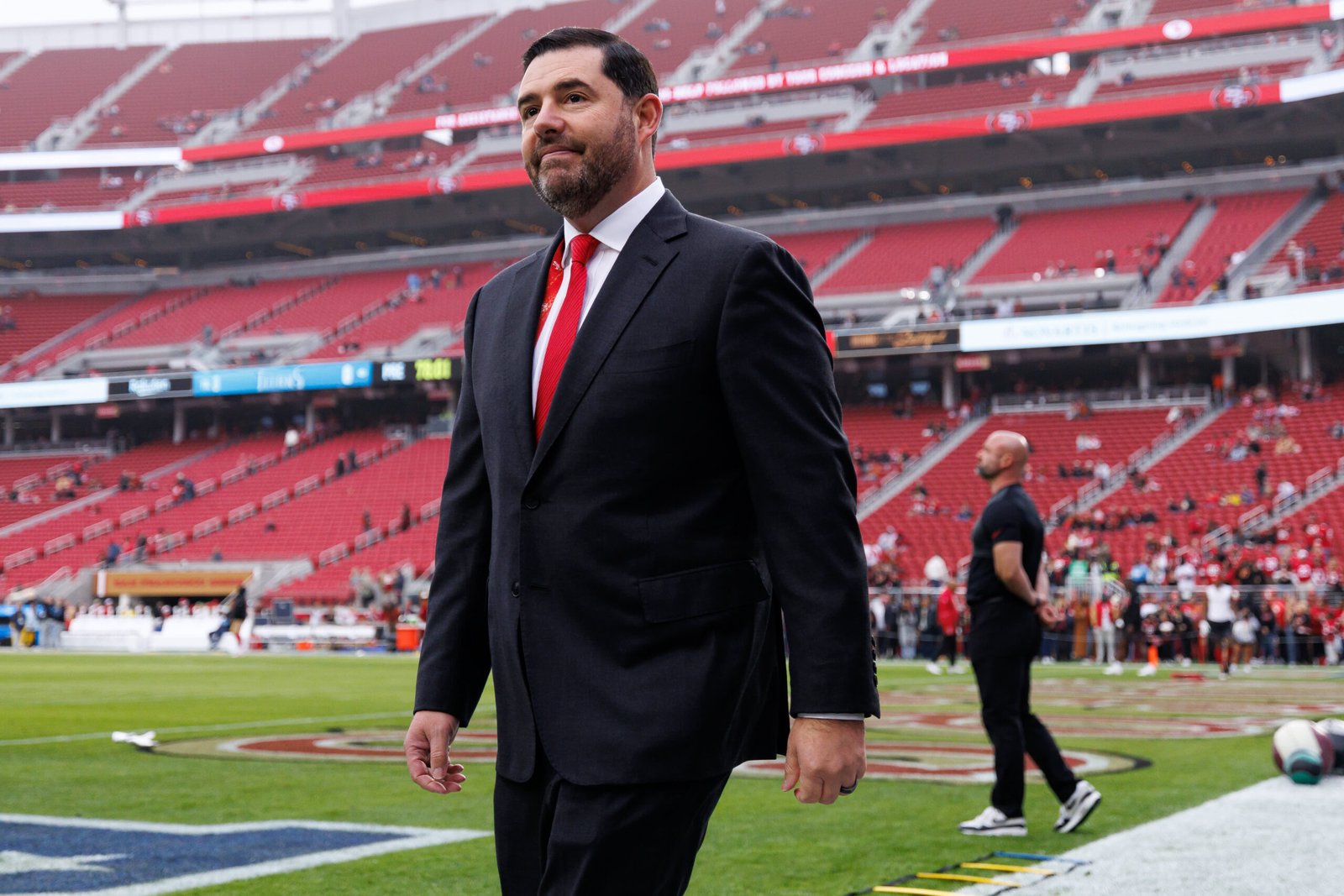
San Francisco 49ers owner Jed York has pleaded no contest to two misdemeanor charges in Ohio following his arrest over the weekend.
York initially faced a charge related to engaging in prostitution, but prosecutors later amended that allegation to disorderly conduct. He also pleaded no contest to possessing criminal tools, with prosecutors alleging that his cellphone was used to respond to an undercover online prostitution advertisement.
The case unfolded in East Palestine, Ohio, a community near Youngstown where York was born and raised.
What happened to Jed York?
According to court records, York was arrested Sunday morning at a mobile home community in East Palestine.
He was subsequently released after posting a $5,000 bond.
York appeared in court Monday morning and entered no-contest pleas to the two misdemeanor charges. He was sentenced to one day in jail for the offenses, with the sentences running concurrently, but received credit for the day already served.
He was also ordered to pay $1,150 in fines and completed an online course as part of the resolution of the case.
Court records further show that York’s cellphone was returned to him. Authorities had also seized $160, which, under the plea agreement, was to be given to the Mahoning Valley Human Trafficking Task Force.
Prostitution allegation was changed
One of the more significant developments in the case was the amendment of the original charge.
York was initially accused of engaging in prostitution. Prosecutors later amended that charge to disorderly conduct.
The second charge, possessing criminal tools, was connected to the alleged use of his phone to communicate with an undercover officer responding to an online prostitution advertisement.
Columbiana County Prosecutor Vito Abruzzino explained that cases of this nature frequently result in plea agreements, although each case is considered individually.
He said prosecutors take into account the specific facts, evidence supplied by police, input from the arresting officer, a defendant’s criminal history and what the court will permit when deciding how a case should proceed.
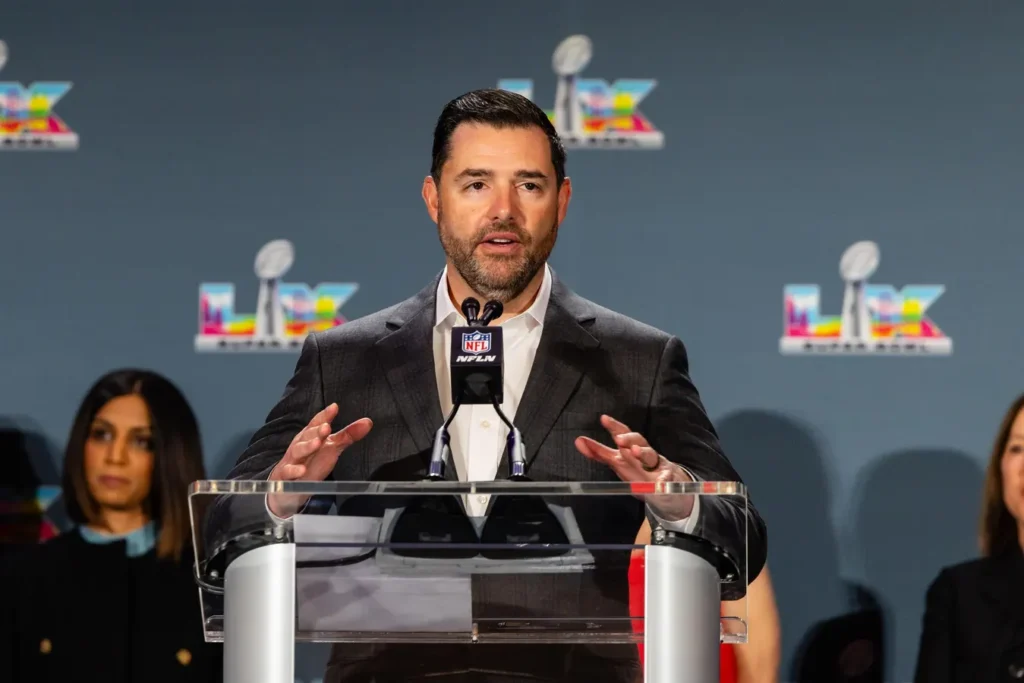
NFL aware of the arrest
The case could have consequences beyond the Ohio courtroom.
The NFL confirmed that it is aware of York’s arrest and will review the matter under its Personal Conduct Policy.
NFL owners are subject to the league’s conduct rules and can potentially face disciplinary action, including fines or suspensions, depending on the circumstances of a case.
That means the legal resolution in Ohio does not necessarily represent the end of the matter for York.
The league’s review could determine whether any additional action is warranted under its internal policies.
Previous NFL owner cases
The NFL has dealt with similar situations involving team owners in the past.
One prominent example involved Robert Kraft, owner of the New England Patriots.
Kraft was arrested in Florida in 2019 in a case involving allegations that he paid for sex at a massage parlor. The charges were ultimately dropped after a court determined that police had violated the rights of Kraft and other customers through the use of secretly installed cameras inside the massage rooms.
The NFL investigated Kraft but did not discipline him.
York’s situation is separate, and the league’s review will depend on the facts and circumstances of his case.
A significant moment for the 49ers organization
York has been a central figure in the 49ers organization for years and has overseen the franchise during a period that included multiple playoff appearances and trips to the Super Bowl.
His arrest and subsequent court proceedings therefore put the team’s ownership under an unusual level of scrutiny.
For now, York has resolved the Ohio criminal case through his no-contest pleas and sentencing. However, the NFL’s separate review means the story may not be finished.
The league has yet to announce whether York will face any disciplinary action under its Personal Conduct Policy.

Cubs Cruise Past Diamondbacks 7-0 as Conforto and Kelly Go Back-to-Back: Gausman Delivers a Statement Start

Cal Raleigh Explodes for 3 Home Runs as Mariners Crush Phillies 9-2: ‘Hard to Fathom’ Night in Seattle

NBC4 Anchor Joseph Olmo Announces Exit After Nearly a Decade: “I’ve Got Just One More Story for You”

Taylor Swift Looks Back at Her Country Roots: “I Want to Honor Them More and More”

Target Apologizes and Pulls Halloween Costume After Backlash: “We Know We Got This Wrong”

1-Iran Issues Dire Warning to Israel and Defies Trump on Nukes: “We’re Ready to Strike Deep Inside”

Sen. Elizabeth Warren Calls It a ‘Cesspool of Corruption’ — Here’s Why Senators Are Now Fighting Back Against the DOJ’s Live Nation Deal That Left Every Fan Betrayed…

Donald Trump’s net worth reveals the fortune behind the former US President and business mogul

“Tomás Rodríguez Net Worth 2025: Panama’s Gold Cup Goal‑Machine’s Surprising Fortune Revealed”

“She Never Made It Out…” Albany House Fire Claims Woman’s Life as Family Pleads for Help to Bring Her Home

Miss Jamaica Suffers Terrifying Fall Off Miss Universe Stage; Rushed to Hospital on Stretcher in Viral Video

Moana Live-Action Teaser Sparks Outrage as Fans Call Disney’s Move a ‘Clear Money Grab’ — What Went Wrong?

Ryan Gosling’s Project Hail Mary Trailer Stuns Fans with a Mysterious Alien Ally and a Mission That Could Save Earth

Apple delays Jessica Chastain thriller The Savant about domestic extremism after recent US violence

Avatar 3, Fire and Ash trailer reveals Jake Sully’s family facing terrifying new Na’vi enemies with deadly fire powers
-

 Entertainment1 week ago
‘Reacher’ Star Alan Ritchson Sparks Debate With Bold Remarks on Epstein Files Controversy
-

 Entertainment1 week ago
Disney+ Officially Orders ‘Afterlife With Archie’ Series From ‘Riverdale’ Creators
-

 Entertainment1 week ago
Michael J. Fox Confirms ‘Shrinking’ Return, Says Acting “Prolonged My Life” Amid Parkinson’s Battle
-

 Entertainment1 week ago
Apple TV+ One Tony Away From Historic EGOT Achievement With Schmigadoon!
-

 Sports4 days ago
Nick Chubb Retires at 30: Browns Star Walks Away After Injuries Cut Short a Career That Looked Hall of Fame-Bound
-

 Entertainment5 days ago
Ben Folds Says Trump-Era Kennedy Center Changes Led to His Exit
-

 Entertainment1 week ago
Locarno to Honor James Gray With Career Leopard: Why the Festival Calls Him ‘The Last Great Novelist of American Cinema’…
-

 Entertainment1 week ago
‘It’s Become a Tradition’: Kevin Feige Reveals Adam Driver Has Turned Down Multiple Marvel Roles…