
Sports
Savannah Bananas Announce 45-State Mega Tour and Historic New Teams — “We Were Told It Would Fail, But the Fans Proved Otherwise”
From selling a handful of tickets to filling NFL stadiums — Jesse Cole’s Banana Ball empire expands with two new teams and a 45-state U.S. tour in 2026.

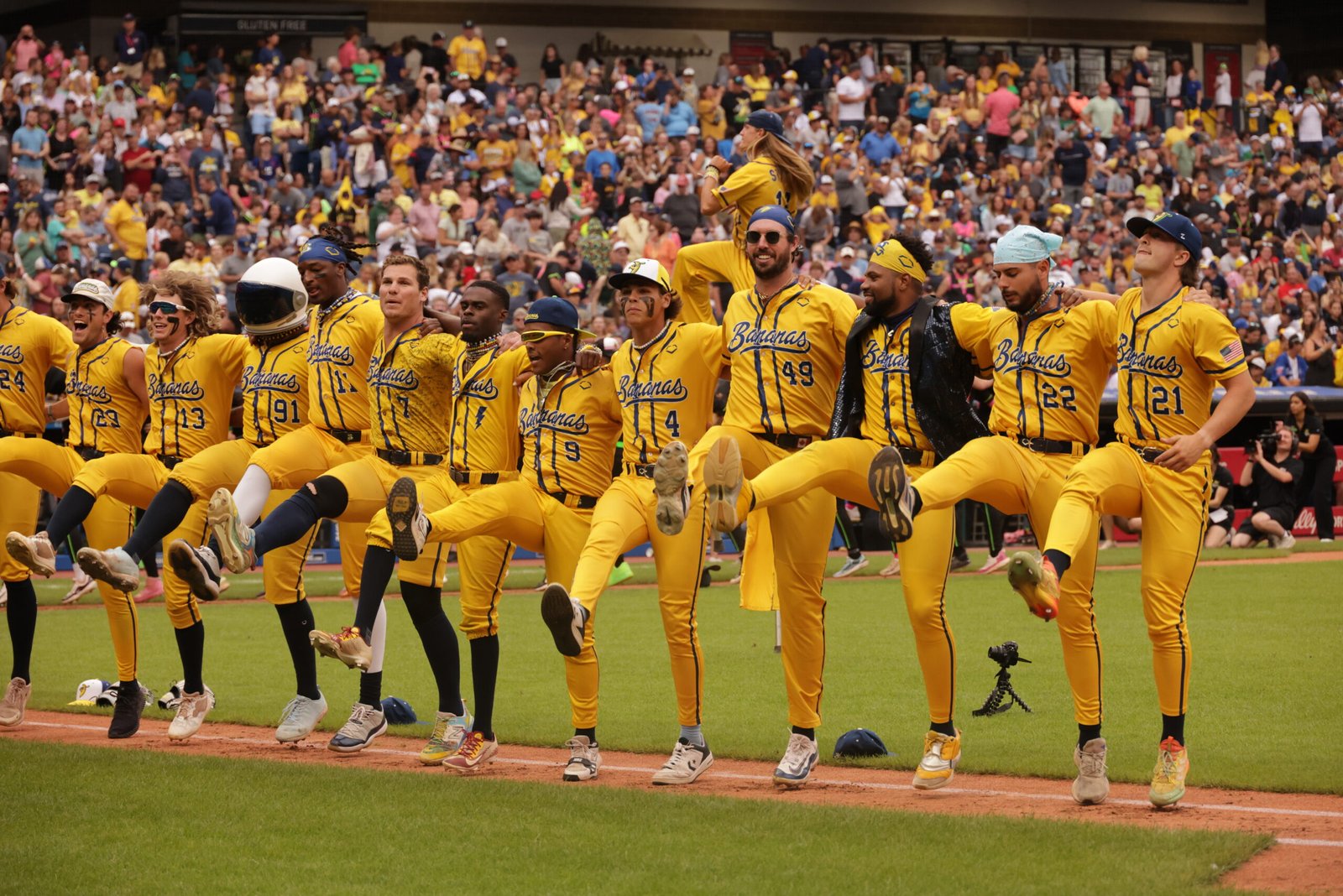
When Jesse Cole (LinkedIn) started the Savannah Bananas in 2016, few believed the team would become a cultural phenomenon. The former Coastal Plain League collegiate club struggled to sell even a few tickets in its first season. Cole and his wife sold their home, drained their savings, and slept on an air mattress just to keep their dream alive.
But nine years later, that dream has turned into a nationwide movement. With Banana Ball — an electrifying mix of baseball, showmanship, and heart — the Bananas have sold out 17 Major League Baseball stadiums, drawn over 2 million fans, and built a reputation as America’s most entertaining team.
And now, they’re going even bigger.
A 45-State Tour That Redefines the Game
On Thursday, Cole announced on ESPN2 that the Banana Ball Championship League will debut in 2026, expanding to 75 stadiums across 45 states — including 14 MLB parks and 10 football stadiums.
Two of those venues are among the largest in the country: Texas A&M’s Kyle Field (capacity 102,000) and Tennessee’s Neyland Stadium (capacity 101,000). Even smaller cities will get a taste of the spectacle, like Dehler Park in Billings, Montana, which will host just 3,000 fans — the smallest crowd in Banana Ball history.
“We were told it would fail. That it wasn’t real baseball,” said Cole. “But you know what I focus on? The fans who love it. We want Banana Ball to reach every corner of America.”
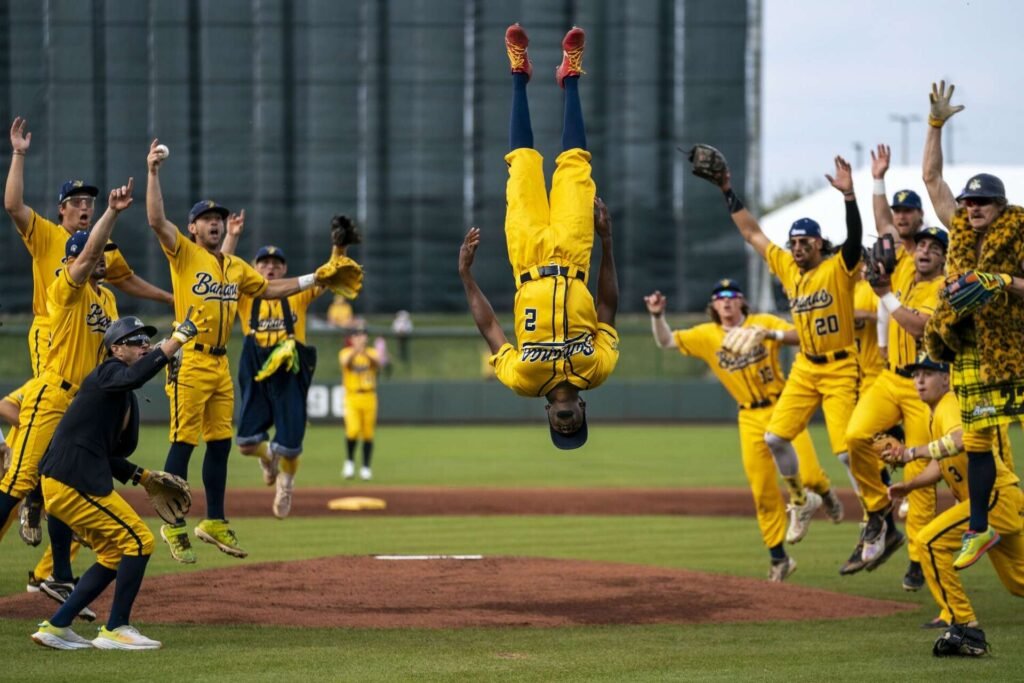
New Teams: Loco Beach Coconuts and Indianapolis Clowns
The league’s expansion also introduces two new teams with powerful stories and historic resonance.
1. Loco Beach Coconuts — led by Shane Victorino
Two-time World Series champion Shane Victorino will serve as the “prime-time coach” for the Loco Beach Coconuts, a team inspired by surf culture and Hawaiian flair.
“That island pride, that aloha spirit — it’s in everything I do,” Victorino said. “Banana Ball is about heart, fun, and bringing joy back to the game. This is a dream.”
The Coconuts will play primarily in coastal regions, promising to “bring the beach” to stadiums nationwide with a bright, tropical theme.
2. Indianapolis Clowns — honoring Negro Leagues history
The second addition, the Indianapolis Clowns, carries deep baseball heritage. Originally formed in 1935, the Clowns were part of the Negro Leagues, combining athletic excellence with comedic flair — often compared to the Harlem Globetrotters of baseball.
They were also the first professional team to sign Hank Aaron , one of baseball’s most legendary figures.
In partnership with the Negro Leagues Baseball Museum, led by president Bob Kendrick , Cole revived the Clowns to pay tribute to the pioneers who made baseball inclusive and entertaining.
“The rebirth of the Indianapolis Clowns is historically relevant,” Kendrick said. “It honors a team that was at the forefront of blending baseball and entertainment — something the Bananas have now taken to new heights.”
Former NL MVP and World Series champion Ryan Howard (Wikipedia) will serve as the Clowns’ prime-time coach.
“They were rock stars before the world called ballplayers that,” Howard said. “Flash, innovation, community — that’s what the Negro Leagues brought to the game, and that’s what Banana Ball is all about.”
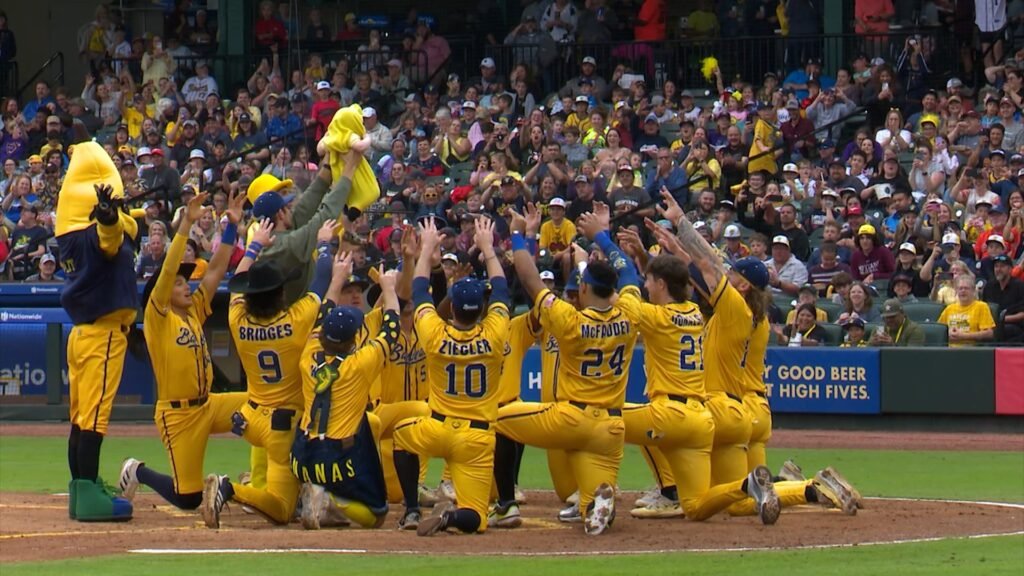
The Championship League: A New Era of Fun and Competition
The 2026 Banana Ball Championship League will feature the Bananas, Firefighters, Party Animals, Tailgaters, and the two new teams.
The season kicks off in February with 11 preseason games, followed by a 50-game regular season from April through September. The Banana Bowl, the league’s grand finale, is set for October 10, 2026.
Cole also introduced the “Equalizer Rule” — a creative twist where teams can earn extra points for executing more trick plays.
“We want every inning to matter,” Cole said. “This isn’t just about fun. It’s about competition, energy, and innovation.”
Fans First: No Price Hike, Just More Smiles
Despite skyrocketing demand, Cole confirmed that ticket prices will remain the same. The Bananas expect over 3 million ticket lottery sign-ups in the first 48 hours after the announcement — yet Cole insists the game should remain accessible.
“We’re not raising prices,” he said flatly. “This is about fans — that’s why we exist.”
Cole’s vision extends beyond U.S. borders, with plans to take Banana Ball global. But for now, he says, the focus remains on America.
“There are still towns across this country that have never seen Banana Ball,” he added. “We want every fan to be within a few hours’ drive of the magic.”
A Legacy That’s Just Getting Started
From humble beginnings to nationwide stardom, the Savannah Bananas have rewritten the rulebook on what sports entertainment can be.
Cole’s philosophy, rooted in Fans First Entertainment, has transformed baseball into a joyful carnival — one where the crowd cheers as much for a backflip catch as for a home run.
“We’ve been criticized every step of the way,” Cole said. “But we’ve built something that makes people smile. That’s what matters.”
And as the yellow suits, dance routines, and wild celebrations hit 45 states next year, one thing is clear: Banana Ball isn’t just surviving — it’s thriving.
For more Update http://www.dailyglobaldiary.com





Sports
Player Power, Ownership Shake-Ups, and the Breakout Moments Defining Sports in 2026
From superstar fallouts and franchise-shaking sales to a near-collapse of women’s basketball, these bold 2026 predictions hint at a sports world on the edge of transformation.


If the past few years have taught fans anything, it’s that modern sports no longer move in straight lines. Power shifts quickly. Heroes fall fast. Institutions once thought untouchable suddenly look fragile. As 2026 approaches, contributors across the sports world see fault lines forming — some subtle, others ready to snap.
Here are the bold predictions that could define the year ahead.
Luka Dončić and JJ Redick become the NBA’s loudest feud
The uneasy alliance between Luka Dončić and rookie head coach JJ Redick is expected to fracture publicly. Redick’s push for defensive accountability and conditioning clashes with Dončić’s ball-dominant style, creating tension inside the Los Angeles Lakers locker room.
With LeBron James nearing the end of his career, any chemistry issues will be magnified. League insiders already whisper that this could become the NBA’s modern version of Allen Iverson vs Larry Brown — only this time, the argument won’t be about practice, but defense.
The Auston Matthews era quietly ends in Toronto
Despite wearing the captain’s ‘C’, Auston Matthews may be nearing the end of his chapter with the Toronto Maple Leafs. Injuries, mounting pressure, and an increasingly impatient fan base have created a relationship that feels more strained than celebrated.
Toronto’s relentless media microscope hasn’t helped. While Matthews recently re-signed, 2026 could be the year both player and franchise accept that a fresh start elsewhere might be inevitable.

Audi Crooks becomes women’s basketball’s next crossover star
Few athletes are rising faster than Audi Crooks. The Iowa State Cyclones star is dominating Division I with historic scoring nights and an old-school low-post game rarely seen in today’s era.
But Crooks’ appeal goes beyond stats. Her humility, community work, and joy on the court have turned her into a symbol of women’s basketball’s next phase — mainstream, marketable, and powerful. By the end of 2026, her name may be as familiar as the game’s biggest icons.
Major colleges begin dropping sports altogether
The financial model of college athletics is cracking. NIL deals, transfer portal chaos, coast-to-coast travel, and direct athlete payments are pushing many institutions to the brink. In 2026, at least one major college is expected to either drop sports entirely or retreat to Division III.
Once that happens, others may follow. The arms race has become unsustainable, and the idea that “every school must compete at the top” is starting to collapse under its own weight.
The myth of infinite growth in sports finally breaks
For decades, sports thrived as recession-proof entertainment. But the streaming era may be where the growth curve flattens. As leagues scatter across Netflix, Apple, and subscription-heavy platforms, fans are being asked to pay more for less convenience.
The result? Fragmented audiences, slower fan regeneration, and advertisers losing interest. In 2026, sports leagues may be forced to reckon with a simple truth: attention is no longer guaranteed.
MLB avoids a lockout — barely
Despite ominous talk of a 2027 work stoppage, Major League Baseball is expected to play through the looming labor deadline. Owners pushing for a salary cap and players standing firm against it will come dangerously close to disaster.
But fresh momentum from a blockbuster World Series and the World Baseball Classic should keep both sides at the table. Too much money is flowing to shut it all down.
Public stadium funding faces its biggest backlash yet
The public financing of private stadiums may finally face organized resistance. Deals like the Kansas City Chiefs’ publicly backed mega-project have reignited anger among voters.
As political tides shift, 2026 could see grassroots campaigns turning stadium subsidies into electoral liabilities — especially as studies continue to show minimal economic return for taxpayers.
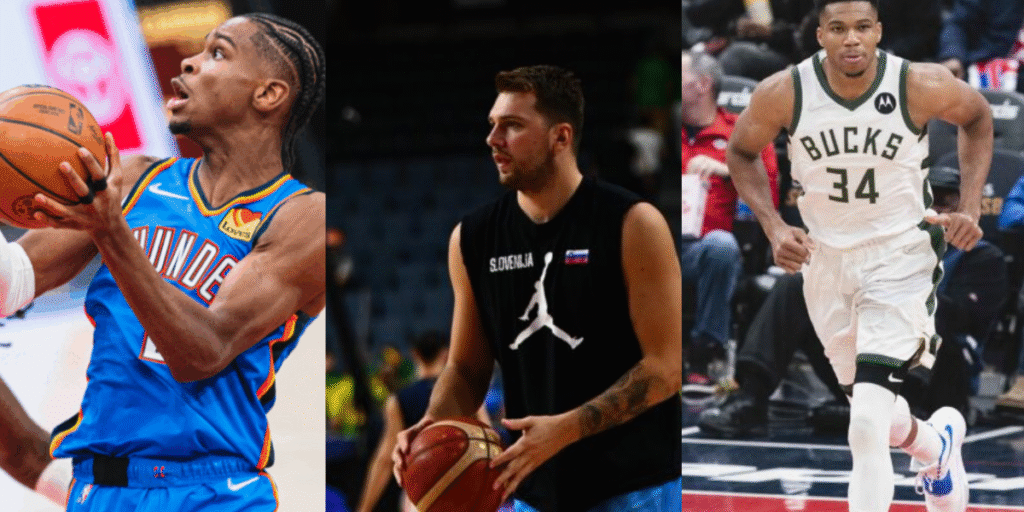
Miriam Adelson sells the Dallas Mavericks
After the stunning Luka Dončić trade fallout, Miriam Adelson may decide that owning the Dallas Mavericks isn’t worth the reputational damage. Fans already forced out former executive Nico Harrison, but the deeper wound remains.
A sale wouldn’t heal everything — but it could offer Dallas something rare in modern sports: moral closure.
The WNBA nearly collapses — then survives
The WNBA is heading toward its most dangerous standoff yet. Without a finalized CBA and expansion plans hanging in limbo, 2026 may begin with real fears of a lost season.
Players, empowered by alternatives like Unrivaled, now believe they have leverage. That belief alone could reshape negotiations. The season will happen — but only after a bruising confrontation that permanently shifts power toward players.
Sports
The Balance of Power Is Breaking How 2026 Could Redefine Sports Forever
From superstar fallouts and franchise-shaking sales to a near-collapse of women’s basketball, these bold 2026 predictions hint at a sports world on the edge of transformation.
If the past few years have taught fans anything, it’s that modern sports no longer move in straight lines. Power shifts quickly. Heroes fall fast. Institutions once thought untouchable suddenly look fragile. As 2026 approaches, contributors across the sports world see fault lines forming — some subtle, others ready to snap.
Here are the bold predictions that could define the year ahead.
Luka Dončić and JJ Redick become the NBA’s loudest feud
The uneasy alliance between Luka Dončić and rookie head coach JJ Redick is expected to fracture publicly. Redick’s push for defensive accountability and conditioning clashes with Dončić’s ball-dominant style, creating tension inside the Los Angeles Lakers locker room.
With LeBron James nearing the end of his career, any chemistry issues will be magnified. League insiders already whisper that this could become the NBA’s modern version of Allen Iverson vs Larry Brown — only this time, the argument won’t be about practice, but defense.
The Auston Matthews era quietly ends in Toronto
Despite wearing the captain’s ‘C’, Auston Matthews may be nearing the end of his chapter with the Toronto Maple Leafs. Injuries, mounting pressure, and an increasingly impatient fan base have created a relationship that feels more strained than celebrated.
Toronto’s relentless media microscope hasn’t helped. While Matthews recently re-signed, 2026 could be the year both player and franchise accept that a fresh start elsewhere might be inevitable.
Audi Crooks becomes women’s basketball’s next crossover star
Few athletes are rising faster than Audi Crooks. The Iowa State Cyclones star is dominating Division I with historic scoring nights and an old-school low-post game rarely seen in today’s era.
But Crooks’ appeal goes beyond stats. Her humility, community work, and joy on the court have turned her into a symbol of women’s basketball’s next phase — mainstream, marketable, and powerful. By the end of 2026, her name may be as familiar as the game’s biggest icons.
Major colleges begin dropping sports altogether
The financial model of college athletics is cracking. NIL deals, transfer portal chaos, coast-to-coast travel, and direct athlete payments are pushing many institutions to the brink. In 2026, at least one major college is expected to either drop sports entirely or retreat to Division III.
Once that happens, others may follow. The arms race has become unsustainable, and the idea that “every school must compete at the top” is starting to collapse under its own weight.
The myth of infinite growth in sports finally breaks
For decades, sports thrived as recession-proof entertainment. But the streaming era may be where the growth curve flattens. As leagues scatter across Netflix, Apple, and subscription-heavy platforms, fans are being asked to pay more for less convenience.
The result? Fragmented audiences, slower fan regeneration, and advertisers losing interest. In 2026, sports leagues may be forced to reckon with a simple truth: attention is no longer guaranteed.
MLB avoids a lockout — barely
Despite ominous talk of a 2027 work stoppage, Major League Baseball is expected to play through the looming labor deadline. Owners pushing for a salary cap and players standing firm against it will come dangerously close to disaster.
But fresh momentum from a blockbuster World Series and the World Baseball Classic should keep both sides at the table. Too much money is flowing to shut it all down.
Public stadium funding faces its biggest backlash yet
The public financing of private stadiums may finally face organized resistance. Deals like the Kansas City Chiefs’ publicly backed mega-project have reignited anger among voters.
As political tides shift, 2026 could see grassroots campaigns turning stadium subsidies into electoral liabilities — especially as studies continue to show minimal economic return for taxpayers.
Miriam Adelson sells the Dallas Mavericks
After the stunning Luka Dončić trade fallout, Miriam Adelson may decide that owning the Dallas Mavericks isn’t worth the reputational damage. Fans already forced out former executive Nico Harrison, but the deeper wound remains.
A sale wouldn’t heal everything — but it could offer Dallas something rare in modern sports: moral closure.
The WNBA nearly collapses — then survives
The WNBA is heading toward its most dangerous standoff yet. Without a finalized CBA and expansion plans hanging in limbo, 2026 may begin with real fears of a lost season.
Players, empowered by alternatives like Unrivaled, now believe they have leverage. That belief alone could reshape negotiations. The season will happen — but only after a bruising confrontation that permanently shifts power toward players.
Sports
Caleb Williams Impresses, but the Bears’ Late-Game Decisions Raise Eyebrows
One impossible touchdown changed everything — but Chicago’s season may have been decided by what happened next
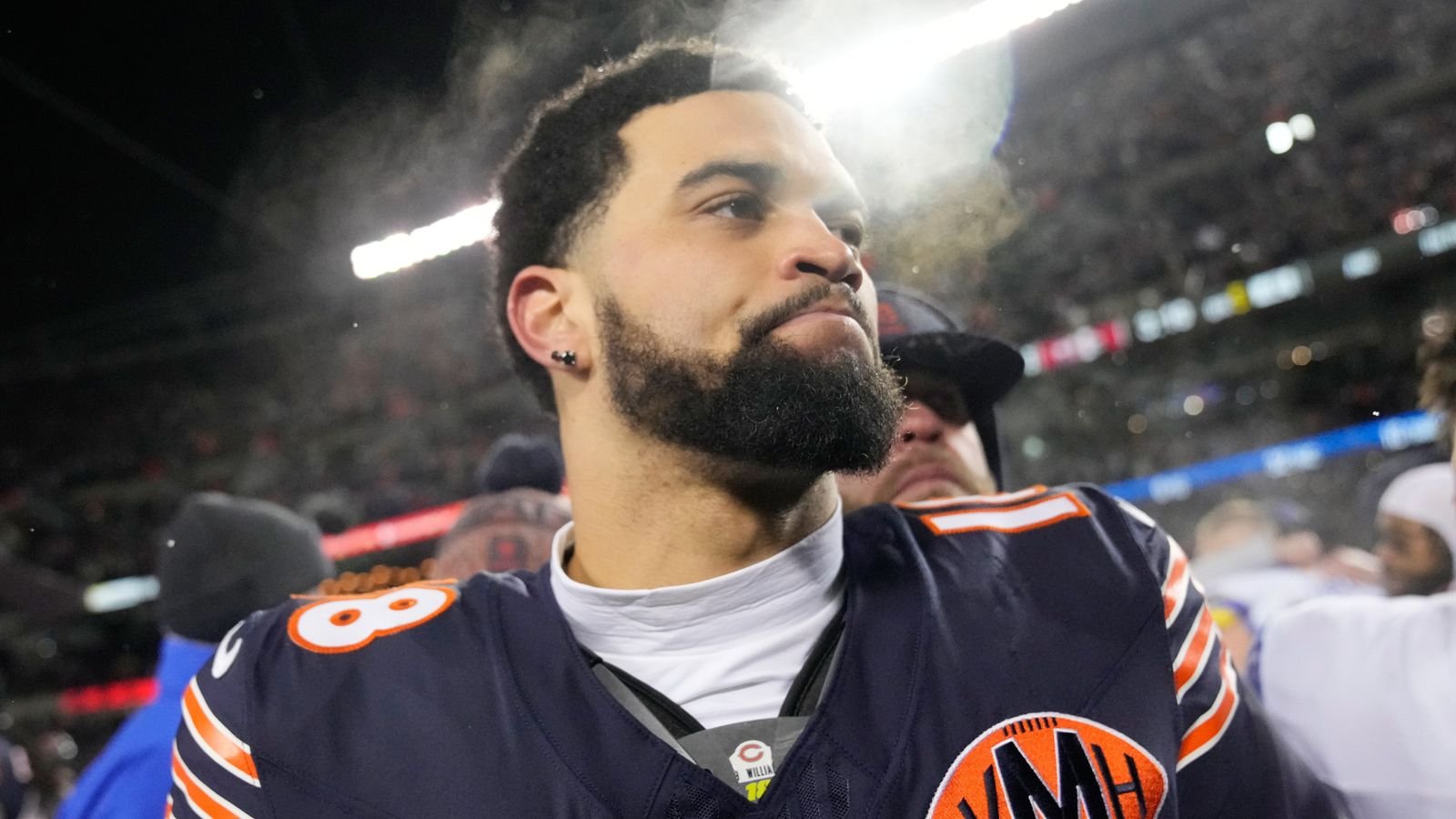
For one breathtaking moment, football stopped making sense.
With seconds left in a divisional-round playoff game, Caleb Williams launched a prayer — a 50-plus-yard, off-balance, back-foot moon shot — and somehow, impossibly, it found Cole Kmet in the end zone. It was the kind of touchdown that instantly joins NFL folklore, the sort of play fans remember for decades.
Suddenly, the Chicago Bears were one extra point away from tying the Los Angeles Rams — a scenario no one could have imagined just moments earlier.
And that’s when the question arrived, loud and unavoidable:
Why not go for two?
The dream-big argument
If Chicago converts the two-point try, the Rams are done. Season over. The Bears move one game away from the Super Bowl, potentially facing either a second-year quarterback or an injury replacement in the AFC. No matchup in the NFL is easy, but this was a window — and those windows don’t stay open long.
Ask Aaron Rodgers or Dan Marino how rare Super Bowl chances truly are. Between them, 38 seasons, one Super Bowl appearance each. Even greatness doesn’t guarantee multiple shots.
Momentum, belief, shock value — everything screamed end it now. One play. One decision. Push all the chips to the middle.
But football decisions aren’t made in the clouds. They’re made in film rooms.
Why Chicago didn’t gamble
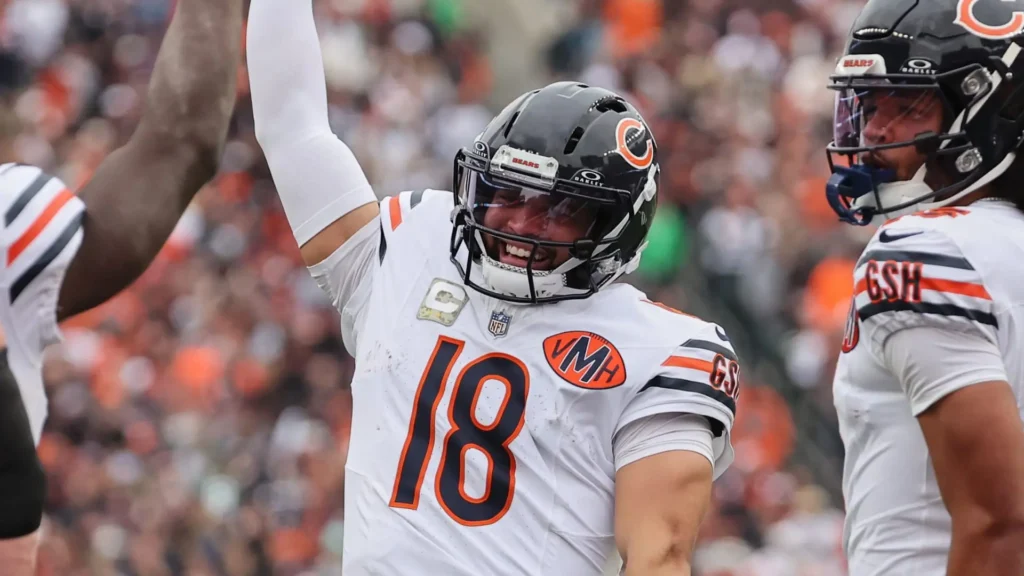
Offensive coordinator Ben Johnson didn’t flinch. Replays showed him calm, unmoved, almost indifferent to the miracle unfolding. He knew the touchdown created options — but also responsibility.
Because miracles don’t stack.
Just minutes earlier, Chicago had first-and-goal at the Rams’ 5-yard line. Three ineffective runs by De’Andre Swift and a failed fourth-down pass told Johnson everything he needed to know about his short-yardage confidence.
After the game, Johnson explained it plainly.
“Our goal-to-go situations hadn’t gone very cleanly,” he said. “Our inside-the-5 plan hadn’t worked out like we hoped. I just felt better about taking our chances in overtime.”
There was also time left — 13 seconds and two Rams timeouts. One explosive play, maybe a penalty, and Los Angeles could still have stolen it with a field goal even after a failed conversion.
So Chicago chose survival over glory.
How it unraveled anyway
The Bears lived to fight in overtime — and then watched their season collapse anyway. A brutal interception. A defensive breakdown. Game over.
And just like that, Williams-to-Kmet joined a heartbreaking fraternity: iconic plays that didn’t change the ending. Think Kurt Warner to Larry Fitzgerald in Super Bowl XLIII. Think Julio Jones and that impossible toe-tap in Super Bowl LI.
Legendary moments — frozen in time — attached to losses.
So… was it the wrong call?
Emotionally? Maybe.
Strategically? Probably not.
Coaches don’t get paid to chase vibes. They get paid to trust evidence. And Chicago’s evidence said a single, all-or-nothing snap wasn’t the best bet.
That doesn’t make it satisfying. It just makes it honest.

What this moment really means for Chicago
The Bears don’t leave this game empty-handed. They leave with something rarer than a win: belief.
You can’t build a franchise on miracle throws — but you can build a culture on refusing to quit. This team fought until the very last second, and that matters more than fans often admit.
Williams will be just 24 entering the 2026 season. Think about what he might look like at 27, 28, 29. There are no guarantees — Rodgers and Marino taught us that — but this is as good a foundation as any team could ask for.
Years from now, if Chicago is lucky, Williams-to-Kmet won’t be remembered as a cruel “what if.”
It will be remembered as the beginning.

Player Power, Ownership Shake-Ups, and the Breakout Moments Defining Sports in 2026

Everyone Is Watching 2026—and the Movie Lineup Explains Why

The Man Who Predicted Trump’s Kennedy Center Takeover Bought the Domain That Mocked It
The Balance of Power Is Breaking How 2026 Could Redefine Sports Forever

Enola Holmes 3 Gets Its First Look as Netflix Plans a Special Moment for Lewis Pullman Fans

1-Iran Issues Dire Warning to Israel and Defies Trump on Nukes: “We’re Ready to Strike Deep Inside”

Donald Trump’s net worth reveals the fortune behind the former US President and business mogul

Caitlin Clark Sidelined with Quad Strain, Set to Miss Two Weeks of WNBA Action

Elon Musk Breaks Ranks with Trump Over ‘Big, Beautiful’ Tax Bill

“Tomás Rodríguez Net Worth 2025: Panama’s Gold Cup Goal‑Machine’s Surprising Fortune Revealed”

Miss Jamaica Suffers Terrifying Fall Off Miss Universe Stage; Rushed to Hospital on Stretcher in Viral Video

Moana Live-Action Teaser Sparks Outrage as Fans Call Disney’s Move a ‘Clear Money Grab’ — What Went Wrong?

Ryan Gosling’s Project Hail Mary Trailer Stuns Fans with a Mysterious Alien Ally and a Mission That Could Save Earth

Apple delays Jessica Chastain thriller The Savant about domestic extremism after recent US violence

Avatar 3, Fire and Ash trailer reveals Jake Sully’s family facing terrifying new Na’vi enemies with deadly fire powers
-
 Entertainment1 week ago
He-Man Wears a Suit Now… Nicholas Galitzine’s ‘Masters of the Universe’ Trailer Drops a Shock Fans Didn’t See Coming
-
 Entertainment1 week ago
“Comedy Needs Courage Again…”: Judd Apatow Opens Up on Mel Brooks, Talking to Rob Reiner, and Why Studio Laughs Have Vanished
-

 Entertainment1 week ago
Oscars Go Global in a Big Way as This Year’s Nominations Signal a New Era: ‘The Academy Is Finally Looking Beyond Hollywood…’
-

 Entertainment1 week ago
“Dangerously Kinky… and Darkly Funny”: Olivia Wilde and Cooper Hoffman Push Boundaries in ‘I Want Your Sex’
-
 Entertainment1 week ago
“She Did Bring It All on Herself…”: Sony Executives Break Silence on Blake Lively Fallout Around It Ends With Us
-
 Crime1 week ago
Man Accused in Tupac Shakur Killing Asks Judge to Exclude Critical Evidence
-

 Politics1 week ago
Why Bari Weiss Says Pulling a ‘60 Minutes’ Story Was the Right Call — Even If It Looked Radical
-
Entertainment1 week ago
Olivia Wilde and Cooper Hoffman Go Bold in I Want Your Sex—A Dark Comedy That Dares