
Entertainment
BAFTA Breakthrough 2025 shocks industry: “Future Florence Pugh?” Rising U.K. talents revealed… here’s who to watch
From film and TV to gaming, BAFTA’s latest Breakthrough list introduces creatives on the brink of global stardom — with Netflix backing their rise.

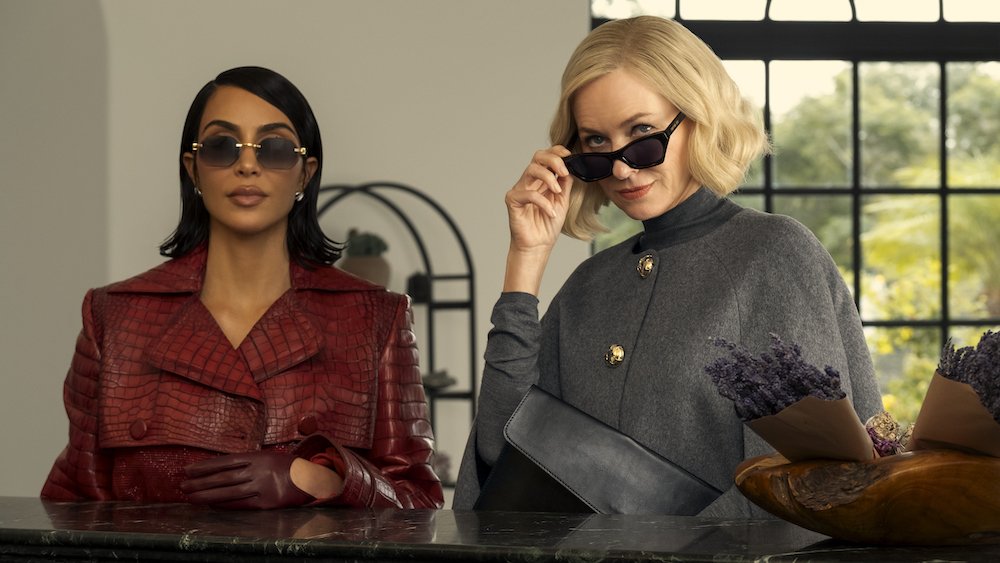
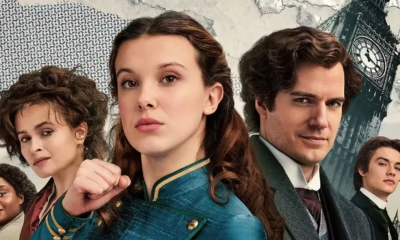
Every year, the BAFTA Breakthrough program turns quiet industry whispers into roaring career breakthroughs, and 2025 appears no different. The newly announced U.K. cohort has already stirred excitement among producers, casting directors and streaming platforms — prompting many insiders to ask whether this group could produce the next Florence Pugh or Tom Holland.
Supported once again by Netflix, the initiative focuses on creatives who are “on the cusp of a breakthrough moment,” offering them career development, mentorship, networking opportunities and exposure across global industries.
Rising names creating buzz
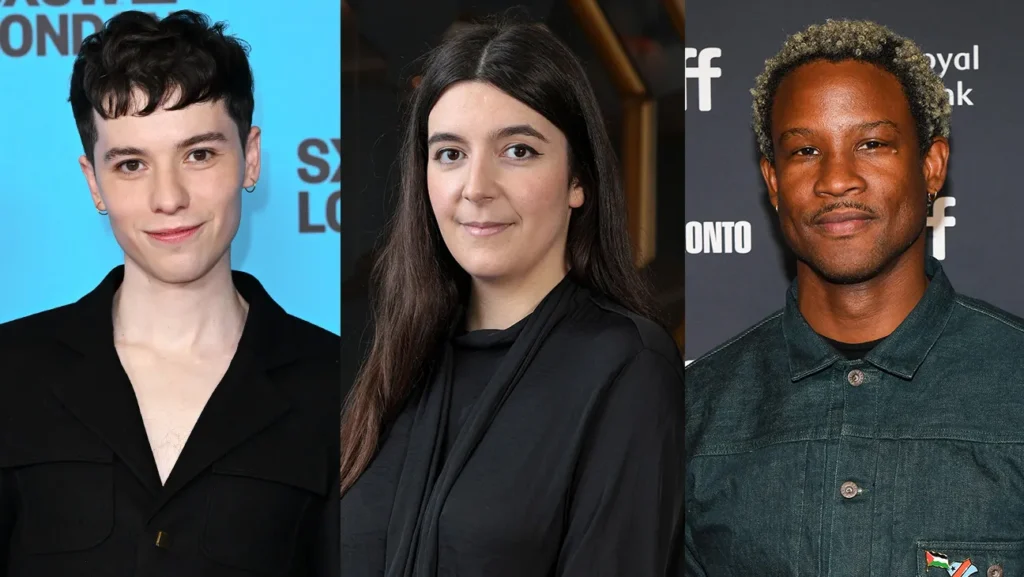
Among the standout selections this year is Ellis Howard, known for their powerful performance in What It Feels Like for a Girl. Critics have compared their emotional intensity to early Josh O’Connor, who previously appeared on the Breakthrough list before becoming a major awards contender.
ALSO READ: Bangladesh Earthquake Kills Six; Strong Tremors Shake Kolkata and Northeast India
Writer-director Laura Carreira, whose work On Falling has garnered international acclaim, also joins the list. Her storytelling approach, blending intimate realism with striking visual language, has caught the attention of streaming executives and festival curators alike.
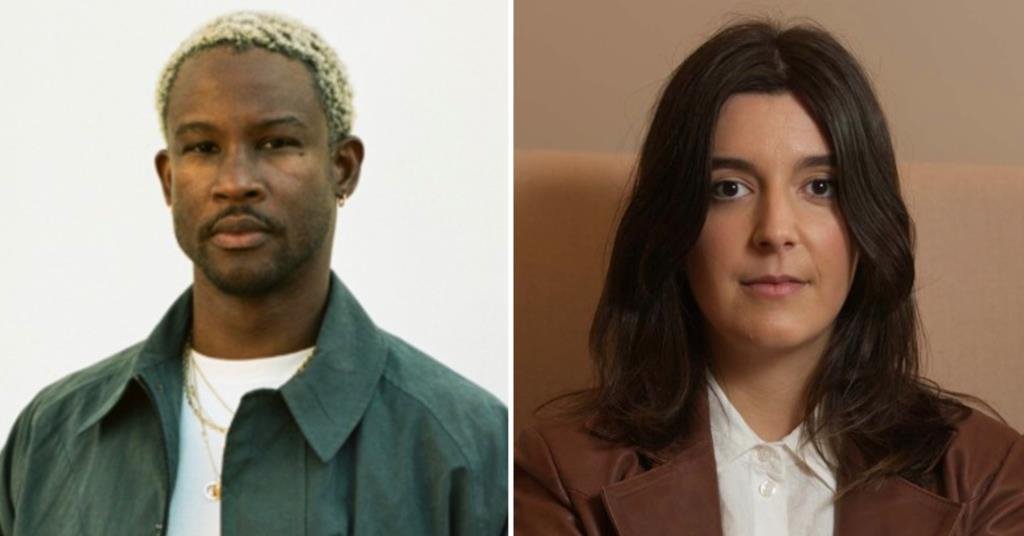
Another major inclusion is Akinola Davies Jr., the director and co-writer behind the U.K.’s international Oscar submission My Father’s Shadow. His work has already earned praise for its cultural depth and bold narrative structure, placing him firmly in the spotlight for potential awards season recognition.
The list extends beyond film and TV as well. In the gaming sector, standout talents include:
- Cara Ellison, narrative designer of Ghost Town
- Sally Beaumont, lead voice actor and script consultant for Old Skies
With gaming now rivaling traditional media in cultural impact, their inclusion highlights BAFTA’s expanding creative focus.
Why BAFTA Breakthrough matters
BAFTA describes the initiative as its “flagship new talent program,” designed to nurture extraordinary creatives through:
- coaching and mentorship
- career development support
- access to BAFTA’s global membership
- introductions to key industry leaders
- international exposure
According to BAFTA, this structure has proven “hugely successful,” with many past Breakthrough participants becoming globally recognized names.
A legacy of success
Previous BAFTA Breakthrough recipients include some of the most influential U.K. performers and creators today:
These names not only rose to international acclaim but also became key voices in modern storytelling, reinforcing the Breakthrough initiative’s reputation as an accurate talent predictor.
One industry talent scout commented:
“If you want to know who will reshape British cinema and television in the next five years, look at BAFTA Breakthrough.”
A diverse creative landscape
This year’s group spans a wide range of disciplines:
directing- screenwriting
- performance
- costume design
- production
- casting
- editing
- composing
- cinematography
- game design
BAFTA notes that the selected creatives have already contributed to “some of the most acclaimed projects of the past year,” signaling that their creative influence is already taking root.
The Netflix factor
With Netflix continuing its partnership, participants will gain access to international industry pathways — something streaming platforms have increasingly prioritized. Several of last year’s Breakthrough alumni reportedly secured global distribution deals, representation, or major studio collaborations after the program.
A senior Netflix executive described the partnership as:
“Anin the future voices of storytelling.”
What happens next?
Over the coming months, the Breakthrough creatives will take part in curated sessions, networking events, and mentorship meetings, providing them with rare access to decision-makers across the entertainment world.
Given the program’s track record, industry observers believe at least a few names from this list could become household stars sooner than expected.
As one agent put it:
“This group has the energy of a breakout year. Someone here is about to explode.”




Entertainment
Hollywood Is Quietly Rewriting the Rules for 2026 and Beyond — The Shift Nobody Is Talking About
From AI-shaped blockbusters to streaming shakeups and surprise box-office kings, educated guesses reveal what the film industry will really be talking about next year

If you spend enough time around studio lots, talent agencies, and post-production houses, you start to notice a pattern: Hollywood rarely changes overnight—but when it does, it moves fast. As 2026 approaches, the entertainment industry is buzzing with cautious optimism, creative anxiety, and a renewed hunger for hits that feel human again.
This isn’t about crystal balls or hype cycles. These are educated guesses—built on insider chatter, financial math, and the subtle signals studios never announce publicly. Here’s what Hollywood insiders are already bracing for in the next 12 months.
The Box Office Isn’t Dead—But It’s Picky
The loudest myth of the past five years—that cinemas are finished—has quietly collapsed. What has changed is audience patience.
In 2026, theaters won’t reward “content.” They’ll reward events.
ALSO READ : He Predicted Trump’s Kennedy Center Move… Then Bought the Domain: Meet the TV Writer Turning Power Into Punchlines
Studios like Warner Bros. Pictures, Universal Pictures, and Disney are doubling down on fewer releases—but with bigger cultural footprints. Expect:
- Fewer mid-budget films in wide theatrical release
- Bigger opening weekends driven by fandoms
- Longer theatrical windows for proven franchises
Audiences in 2026 will show up—but only when the movie gives them a reason to leave their couches.
Streaming Will Finally Admit a Hard Truth
The “streaming wars” phase is over. The survival phase has begun.
Platforms like Netflix, Amazon Prime Video, and Apple TV Plus have learned an expensive lesson: endless content does not equal endless growth.
In 2026, expect:
- Fewer originals, higher quality thresholds
- Shorter episode orders (6–8 episodes, not 12–15)
- Aggressive cancellation of underperforming shows
- More theatrical-to-streaming hybrids
Executives won’t say it publicly, but the era of “greenlight first, think later” is over.
AI Won’t Replace Creators—but It Will Change Who Gets Hired
Artificial intelligence is no longer a sci-fi headline—it’s a line item in production budgets.
Studios are already using AI for previs, localization, VFX cleanup, and script analysis. In 2026, that use will expand—but not without pushback from talent guilds shaped by the influence of figures like Christopher Nolan, Greta Gerwig, and Jordan Peele.
What changes isn’t creativity—it’s efficiency.
Writers who can work with AI tools will be hired faster. Editors who adapt will stay booked. The fear isn’t replacement—it’s irrelevance.
Franchises Will Shrink—But Get Smarter
Hollywood isn’t done with franchises. It’s done with bloated ones.
In 2026, studios will:
Scale back shared universes- Focus on standalone stories within franchises
- Prioritize character-driven arcs over lore overload
Even superhero brands are shifting tone, influenced by audience fatigue and the selective success of recent releases.
The future franchise model looks less like homework—and more like storytelling again.
Movie Stars Are Making a Quiet Comeback
For years, Hollywood claimed stars didn’t matter anymore. Algorithms mattered. IP mattered.
Then ticket sales told a different story.
In 2026, recognizable faces will once again anchor marketing campaigns. Names like Leonardo DiCaprio, Margot Robbie, and Denzel Washington still move audiences—and studios are taking notes.
The difference? Stars won’t just sell films. They’ll help shape them creatively.
Award Season Will Tilt Toward Global Stories
Hollywood’s center of gravity is slowly shifting outward.
With global box office revenues playing a bigger role, films influenced by international storytelling styles—particularly from Asia, Europe, and Latin America—will dominate award conversations.
Festivals like Cannes and Venice are already shaping Oscar narratives months in advance, and 2026 will only deepen that trend.
The Real Prediction No One Is Saying Out Loud
Hollywood’s biggest challenge in 2026 isn’t technology, streaming, or box office math.
It’s trust.
Audiences want stories that feel honest. Artists want protection. Studios want sustainability. The industry is quietly trying to balance all three—and 2026 may be the year we finally see whether that balance is possible.
Entertainment
Jared Leto’s ‘Tron: Ares’ Locks Its Streaming Date — and Fans Won’t Have to Wait Long
The long-awaited Tron sequel starring Jared Leto is set to arrive on streaming, reuniting Jeff Bridges with the digital universe as Greta Lee and Evan Peters join the Grid.

For years, Tron fans have lived on hope, neon nostalgia, and rumors. Now, the wait is officially ending. Jared Leto’s ambitious sci-fi sequel Tron: Ares has finally locked in its streaming debut, giving the cult franchise its most high-profile revival yet.
Set within the iconic digital universe first introduced in 1982, Tron: Ares pushes the franchise into darker, more contemporary territory. The film stars Leto as Ares, a powerful program sent from the digital world into the real one — a storyline that flips the original Tron premise on its head and raises unsettling questions about technology, identity, and control.
A Star-Studded Return to the Grid
Joining Leto is Jeff Bridges, whose return instantly grounds the sequel in Tron legacy. Bridges’ involvement has been especially meaningful for longtime fans, many of whom still regard Tron: Legacy as a visually daring film ahead of its time.
ALSO READ : “She Never Made It Out…” Albany House Fire Claims Woman’s Life as Family Pleads for Help to Bring Her Home
The cast also includes Greta Lee, fresh off critical acclaim for her recent dramatic work, and Evan Peters, known for performances that balance vulnerability with menace. Together, the ensemble signals that Tron: Ares is aiming for emotional depth — not just glowing light cycles.
A Director Known for Scale and Spectacle
Behind the camera is Joachim Rønning, a filmmaker experienced with large-scale storytelling and visually immersive worlds. His involvement suggests Tron: Ares won’t shy away from spectacle, but will also lean into character-driven tension — a balance the franchise has long flirted with.
According to those close to the production, the sequel explores what happens when digital creations begin crossing boundaries they were never meant to cross.
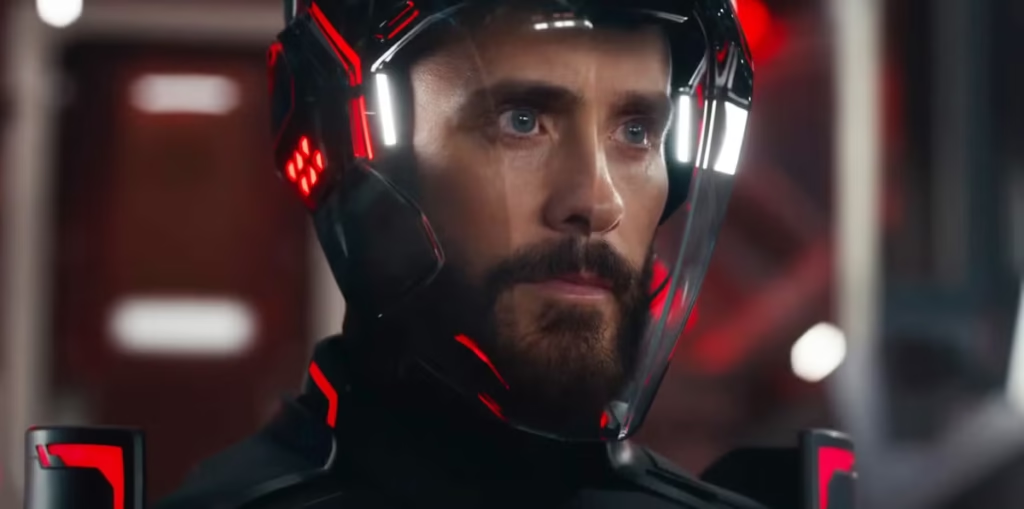
“This is no longer just about humans entering the Grid,” one insider teased. “It’s about what happens when the Grid comes to us…”
Why the Streaming Release Matters
The decision to debut Tron: Ares on streaming reflects how major studios are rethinking blockbuster releases. With built-in fan loyalty and global reach, streaming allows the film to land simultaneously with audiences who have waited more than a decade for the franchise to continue.
For the studio behind the project, The Walt Disney Company, Tron: Ares represents both nostalgia and experimentation — a chance to revive a visually iconic property while testing new release strategies.
A Make-or-Break Moment for the Franchise
Tron has always existed slightly outside the mainstream, beloved fiercely but narrowly. Tron: Ares could change that. With modern themes, an A-list cast, and a timely streaming launch, the film has a rare opportunity to finally pull the franchise out of cult status and into the cultural conversation.
Whether it becomes a breakthrough or another beautiful risk remains to be seen. But one thing is clear: the Grid is lighting up again — and this time, it’s coming straight into our homes.
Entertainment
Inside Sundance’s Wildest Years: “Screaming, Crying and Almost Throwing Up”… and How a Film Festival Changed Hollywood Forever
As the Sundance Film Festival prepares for its final chapter in Park City before relocating to Boulder, insiders recall the fear, faith, and chaos that launched careers, broke rules, and redefined independent cinema.

For four decades, January in Park City meant more than snow and ski lifts. It meant nerves so raw that filmmakers recall “screaming, crying and almost throwing up” moments before their lives changed forever. Now, as the Sundance Film Festival prepares to leave its longtime Utah home for Boulder, Colorado, a flood of memories has come rushing back — not polished nostalgia, but the messy, human kind that built America’s most influential film festival.
Sundance was never meant to be safe. It was meant to be necessary.
The festival that ran on fear and faith
In its early years, Sundance felt less like a red carpet event and more like a gamble played in the snow. Filmmakers arrived with films financed on credit cards, favors, and belief. Many had no agents. Some had no distribution plan. What they did have was hope — and a terrifying premiere slot.
One alumnus remembers sitting in a packed theater, heart racing, convinced the audience would walk out. Another recalls locking themselves in a bathroom, physically sick with anxiety, before a screening that later sold to a major distributor. These stories are not outliers — they are the Sundance norm.
That tension became the festival’s engine.
ALSO READ : Trailer Drops for Melania, Offering a Rare Look at the First Lady Ahead of President Trump’s Second Inauguration
Unlike studio premieres, Sundance screenings were unpredictable. A standing ovation could launch a career overnight. Silence could end it just as fast. Deals were whispered in cafés. Critics filed reviews before dawn. Word-of-mouth moved faster than snowstorms.
And when it worked, it really worked.
How Sundance rewrote the rules of independent cinema
The rise of Sundance coincided with a cultural hunger for stories Hollywood wasn’t telling. Small budgets, personal narratives, uncomfortable truths — these films didn’t fit studio formulas, and that was exactly the point.
Behind it all stood Robert Redford, whose belief in independent voices shaped Sundance’s DNA. Redford didn’t want imitation Hollywood. He wanted risk. He wanted originality. He wanted filmmakers to fail honestly if they had to — but to be heard first.
That philosophy turned Sundance into a proving ground. Careers were born here not because films were perfect, but because they were different. Directors, writers, and actors found an audience willing to lean forward instead of waiting to be entertained.
The festival became a place where unknown names could suddenly matter — and where the industry was forced to pay attention.

The human cost of overnight success
What doesn’t get talked about enough is the emotional whiplash. One moment you’re an unknown artist; the next, executives are fighting over your film. Sundance didn’t just open doors — it kicked them in, sometimes before filmmakers were ready.
Several alumni admit they struggled with the sudden attention. Deals fell apart. Expectations exploded. Some careers soared; others burned out just as fast. Sundance didn’t promise longevity — only possibility.
And yet, many say they’d do it all again.
Because for a brief, electric window, the world listened.
Park City: more than a location, a character
Park City itself became part of the Sundance mythology. The cold sharpened emotions. The cramped theaters intensified reactions. There was no hiding — filmmakers shared sidewalks with critics, buyers, and audiences.
That intimacy mattered. Conversations happened face-to-face. Reputations were built over coffee, not emails. Sundance thrived because it felt human — flawed, chaotic, alive.
As the festival prepares to relocate, many alumni acknowledge the change is practical, even necessary. But they also admit something intangible will be left behind: the sense that anything could happen because nothing was controlled.
Why Sundance still matters
In an era dominated by algorithms, franchises, and content churn, Sundance remains a reminder of what cinema can be when it’s allowed to be personal. It championed stories that didn’t test well but felt true. It trusted audiences to be curious, not comfortable.
As Sundance turns the page, its legacy is secure — not because every film succeeded, but because the festival dared filmmakers to be honest in public.
And sometimes, that honesty came with shaking hands, racing hearts, and the very real fear of throwing up in the front row.
That’s not weakness.
That’s art being born.

Hollywood Is Quietly Rewriting the Rules for 2026 and Beyond — The Shift Nobody Is Talking About

Jared Leto’s ‘Tron: Ares’ Locks Its Streaming Date — and Fans Won’t Have to Wait Long

Inside Sundance’s Wildest Years: “Screaming, Crying and Almost Throwing Up”… and How a Film Festival Changed Hollywood Forever

Last Dance at Sundance: Linklater, Coogler and Aronofsky Look Back as Park City Says Goodbye… and the Festival Turns the Page
When Sundance Was Wild How a Small Festival Changed Hollywood Forever

1-Iran Issues Dire Warning to Israel and Defies Trump on Nukes: “We’re Ready to Strike Deep Inside”

Donald Trump’s net worth reveals the fortune behind the former US President and business mogul

Caitlin Clark Sidelined with Quad Strain, Set to Miss Two Weeks of WNBA Action

Elon Musk Breaks Ranks with Trump Over ‘Big, Beautiful’ Tax Bill

“Tomás Rodríguez Net Worth 2025: Panama’s Gold Cup Goal‑Machine’s Surprising Fortune Revealed”

Miss Jamaica Suffers Terrifying Fall Off Miss Universe Stage; Rushed to Hospital on Stretcher in Viral Video

Moana Live-Action Teaser Sparks Outrage as Fans Call Disney’s Move a ‘Clear Money Grab’ — What Went Wrong?

Ryan Gosling’s Project Hail Mary Trailer Stuns Fans with a Mysterious Alien Ally and a Mission That Could Save Earth

Apple delays Jessica Chastain thriller The Savant about domestic extremism after recent US violence

Avatar 3, Fire and Ash trailer reveals Jake Sully’s family facing terrifying new Na’vi enemies with deadly fire powers
-
 Entertainment1 week ago
He-Man Wears a Suit Now… Nicholas Galitzine’s ‘Masters of the Universe’ Trailer Drops a Shock Fans Didn’t See Coming
-

 Entertainment6 days ago
“Comedy Needs Courage Again…”: Judd Apatow Opens Up on Mel Brooks, Talking to Rob Reiner, and Why Studio Laughs Have Vanished
-

 Entertainment1 week ago
Oscars Go Global in a Big Way as This Year’s Nominations Signal a New Era: ‘The Academy Is Finally Looking Beyond Hollywood…’
-
 Entertainment1 week ago
“Dangerously Kinky… and Darkly Funny”: Olivia Wilde and Cooper Hoffman Push Boundaries in ‘I Want Your Sex’
-
 Crime6 days ago
Man Accused in Tupac Shakur Killing Asks Judge to Exclude Critical Evidence
-
 Politics1 week ago
Why Bari Weiss Says Pulling a ‘60 Minutes’ Story Was the Right Call — Even If It Looked Radical
-

 Entertainment1 week ago
“I Want to Conquer America…”: Swedish Noir Icon Camilla Läckberg Reveals Her Hollywood Ambitions and Screen Dreams
-
Entertainment1 week ago
Olivia Wilde and Cooper Hoffman Go Bold in I Want Your Sex—A Dark Comedy That Dares