
Politics
Judge blocks Biden’s plan to wipe medical debt from credit scores One misfield in Congress and 15 million Americans feel it
A federal judge halts a major Joe Biden administration rule that aimed to remove $49 billion in medical debt from credit reports, affecting millions hoping for financial relief.

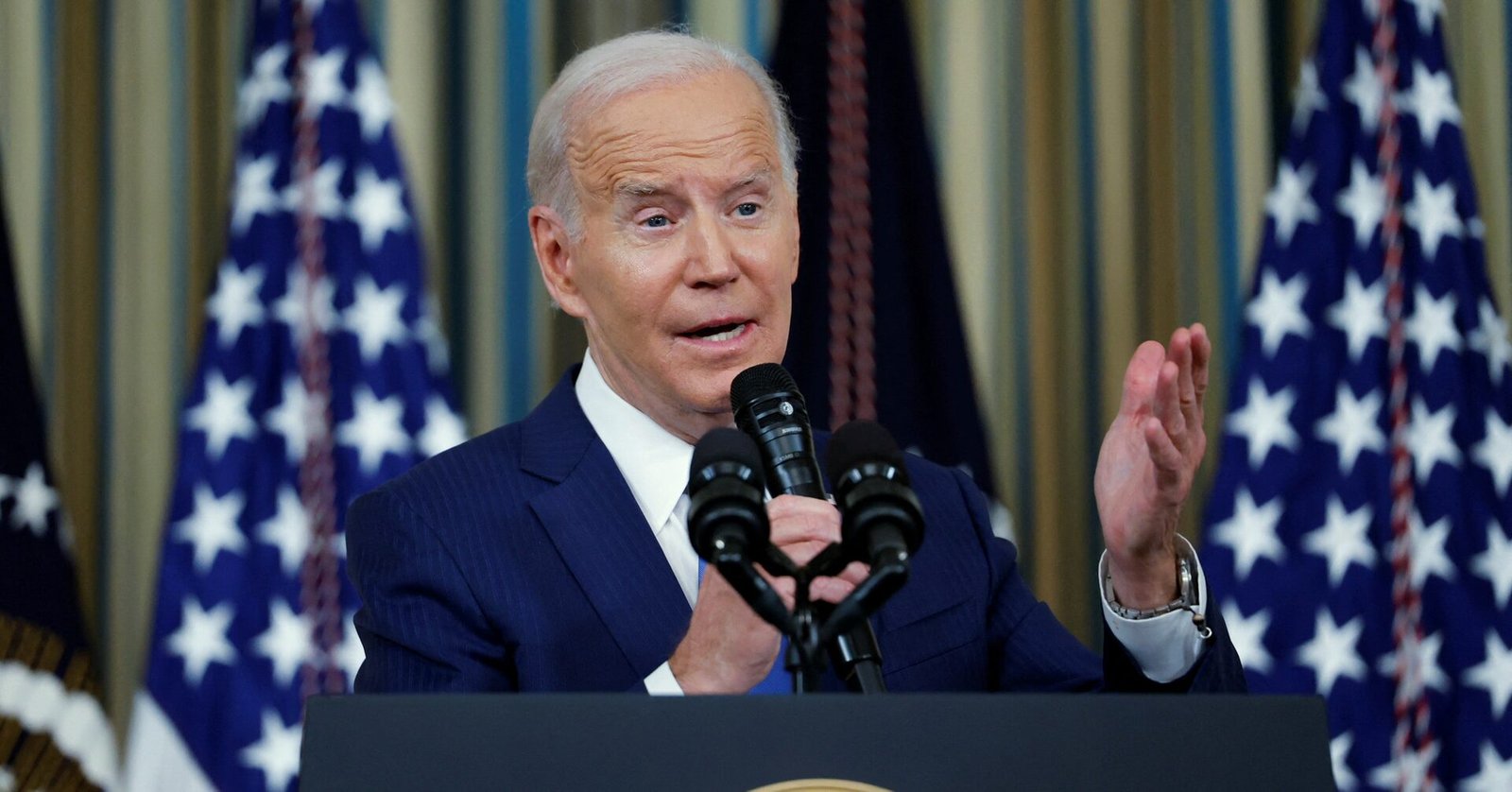
In a ruling that’s set to impact the wallets and credit scores of millions of Americans, Judge Sean D. Jordan of the U.S. District Court for the Eastern District of Texas struck down a Biden-era rule that would have removed unpaid medical debt from credit reports.
The now-vacated rule, issued by the Consumer Financial Protection Bureau (CFPB), was poised to bring relief to 15 million Americans, wiping an estimated $49 billion in medical bills from their records. But the judge, a Donald Trump appointee, concluded that the CFPB had overstepped its authority under the Fair Credit Reporting Act.
Every major substantive provision of the Medical Debt Rule exceeded the CFPB’s authority,” Judge Jordan wrote in his opinion.
The decision followed a lawsuit filed by industry associations and later supported by the Trump administration, claiming the rule would hinder lenders’ ability to accurately assess borrowers’ financial situations.
What Was the Rule About?
The CFPB rule, finalized shortly before President Biden took office, aimed to prevent medical debt from being used in loan decisions, including mortgages. It also would have:
- Banned lenders from using medical devices (like wheelchairs or prosthetics) as loan collateral.
- Prohibited repossession of those devices.
- Given consumers with medical debt an average 20-point credit score boost.
- Potentially led to the approval of 22,000 additional mortgages annually.
But that vision has now been paused — indefinitely.
Republican Resistance and Industry Cheers
House Republicans quickly opposed the rule when it was proposed in 2023. In a letter to then-CFPB Director Rohit Chopra, GOP lawmakers argued the move would “weaken the accuracy of credit reports,” potentially putting lenders and lower-income borrowers at risk.
The Consumer Data Industry Association (CDIA) — a plaintiff in the case — praised the court’s decision. Dan Smith, CEO of CDIA, said the judgment “protects the integrity” of America’s credit system.
“Information about unpaid medical debts is an important element in assessing a consumer’s ability to pay,” he stated.
Similarly, ACA International — representing credit and collection professionals — emphasized that the CFPB can’t write laws, stating that power lies strictly with Congress.
What Now for Consumers?
The decision is a setback for advocates of credit score reform, particularly those highlighting the inaccuracy of medical debt as a credit risk indicator. Studies from the CFPB have shown that medical debt is a poor predictor of a person’s likelihood to repay loans, and errors in hospital billing are common.
But the industry hasn’t remained silent. In 2022, major credit bureaus Equifax, Experian, and TransUnion independently began to remove paid medical debt from reports and introduced a one-year grace period before unpaid medical collections show up.
Additionally, both FICO and VantageScore scoring models have reduced the impact of unpaid medical bills, though the recent ruling puts broader reform at risk.
A Political Tug-of-War
A group of 30 Democratic and Independent senators pushed back against the court’s decision, arguing the rule would have helped consumers without sacrificing credit report accuracy. They’ve demanded more transparency from the CFPB, including its communication with debt collection agencies.
With medical debt continuing to plague tens of millions in the U.S., this court ruling underscores the tension between financial industry interests, legislative authority, and the Biden administration’s consumer protection goals.









Politics
The Untold Strain of Sundance Festival Insiders Describe the Emotional Highs and Breaking Points
A racially charged confrontation at a high-profile Sundance gathering turns violent, prompting an arrest and reigniting debate over hate speech and political rhetoric in public spaces.

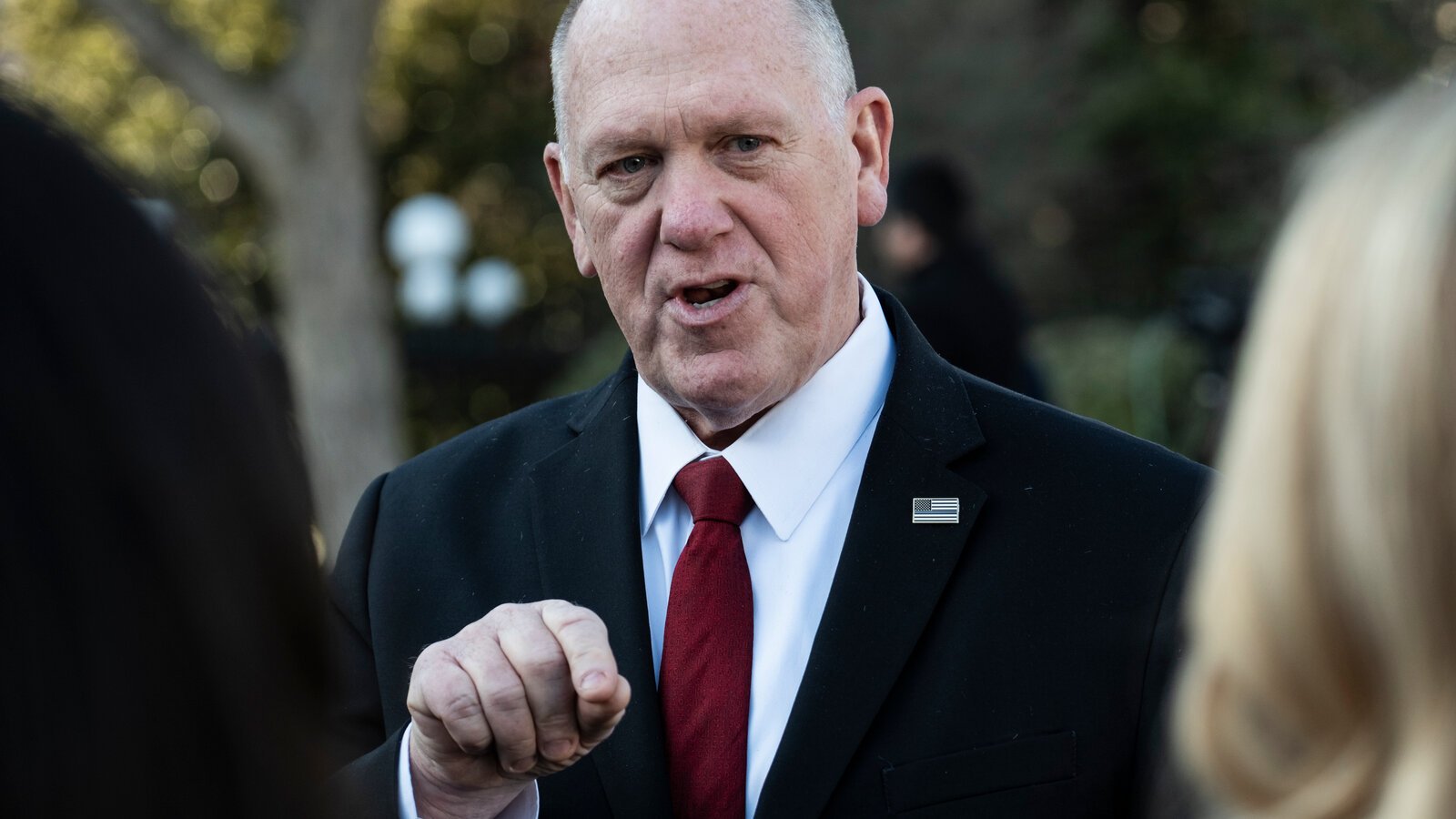
What was meant to be an exclusive celebration during the Sundance Film Festival ended in shock and outrage after a racially charged confrontation turned violent, leading to an arrest and widespread condemnation.
A man was taken into custody following an incident at a private party hosted by Creative Artists Agency (CAA) during Sundance, where he allegedly confronted U.S. Congressman Maxwell Alejandro Frost with racist remarks before physically assaulting him.
According to Frost’s account, the man loudly proclaimed how “proud” he was to be white, then escalated the encounter by telling the congressman that Donald Trump was “going to deport me” — a statement Frost confirmed was made moments before he was punched in the face.
The confrontation unfolded amid one of the most influential gatherings tied to the Sundance Film Festival, a space typically associated with artistic expression, political dialogue, and cultural inclusivity.
From Political Taunt to Physical Violence
Frost, the first Gen Z member of Congress and a prominent progressive voice, later confirmed the details of the incident, describing it as an unprovoked escalation rooted in racial identity and political hostility.
ALSO READ : “She Never Made It Out…” Albany House Fire Claims Woman’s Life as Family Pleads for Help to Bring Her Home
Witnesses at the event reported that the man appeared intoxicated and increasingly aggressive before security intervened. Law enforcement confirmed that the suspect was arrested on the scene and that charges are being reviewed.
While authorities have not publicly released the suspect’s name, officials noted that the investigation is treating the matter seriously given the racially charged language used during the encounter.
A Disturbing Pattern Beyond One Night
The incident has quickly drawn national attention, not only because it involved a sitting member of Congress, but because it echoes broader concerns about rising political aggression and racially motivated confrontations in public spaces.
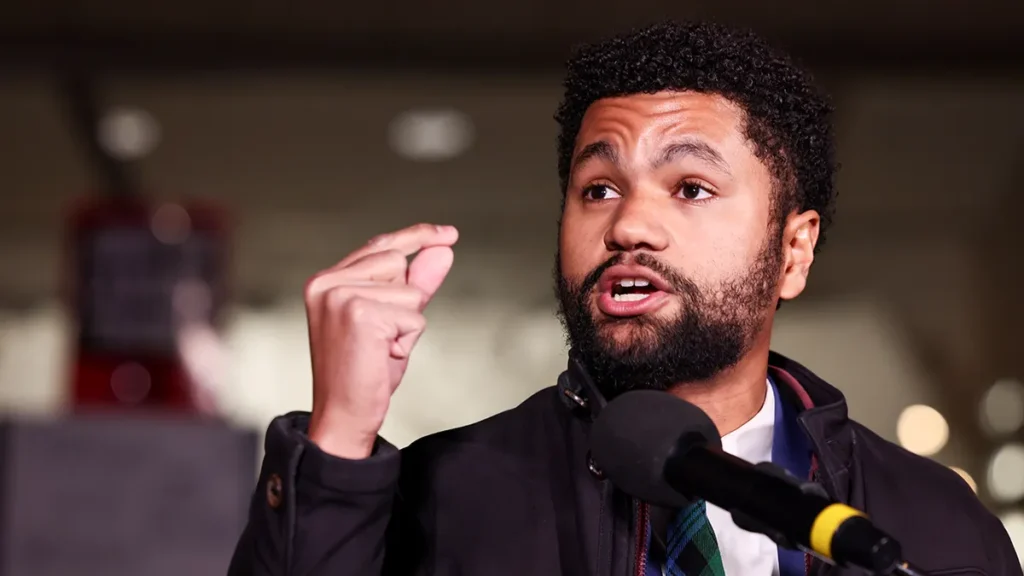
Civil rights advocates argue that rhetoric surrounding immigration, race, and nationalism has increasingly crossed from speech into action — especially in environments where alcohol, political identity, and social status intersect.
“This wasn’t just an argument,” one attendee said. “It felt like something much darker bubbling to the surface.”
CAA and Sundance Respond
CAA representatives emphasized that the party was meant to be a safe, private gathering and that they are cooperating fully with authorities. Festival organizers also distanced the event from official Sundance programming while condemning the violence.
The Sundance Film Festival, long positioned as a platform for marginalized voices and progressive storytelling, has faced renewed scrutiny over security protocols at affiliated private events.
Frost Breaks the Silence
Frost later addressed the incident publicly, underscoring that he would not be intimidated by threats or violence.
“No one should have to endure this — anywhere,” he said, adding that the incident reinforced the importance of confronting hate head-on rather than normalizing it.
Support poured in from fellow lawmakers, artists, and activists, many of whom called for stronger accountability when racially charged speech turns into physical harm.
More Than a Single Arrest
As the investigation continues, the episode has sparked a wider conversation about the responsibility of political leaders, cultural institutions, and event organizers in ensuring safety — especially at moments when rhetoric becomes combustible.
For many, the most unsettling part of the story is how quickly ideology transformed into violence — and how casually the threat of deportation was invoked as a weapon.
What happened at a Sundance party may fade from headlines, but the issues it exposed are far from temporary.
Politics
“Trump Deportation Threat Turned Into Assault”: Man Arrested After Shocking Sundance Incident
A racially charged confrontation at a high-profile Sundance gathering turns violent, prompting an arrest and reigniting debate over hate speech and political rhetoric in public spaces.
What was meant to be an exclusive celebration during the Sundance Film Festival ended in shock and outrage after a racially charged confrontation turned violent, leading to an arrest and widespread condemnation.
A man was taken into custody following an incident at a private party hosted by Creative Artists Agency (CAA) during Sundance, where he allegedly confronted U.S. Congressman Maxwell Alejandro Frost with racist remarks before physically assaulting him.
According to Frost’s account, the man loudly proclaimed how “proud” he was to be white, then escalated the encounter by telling the congressman that Donald Trump was “going to deport me” — a statement Frost confirmed was made moments before he was punched in the face.
The confrontation unfolded amid one of the most influential gatherings tied to the Sundance Film Festival, a space typically associated with artistic expression, political dialogue, and cultural inclusivity.
From Political Taunt to Physical Violence
Frost, the first Gen Z member of Congress and a prominent progressive voice, later confirmed the details of the incident, describing it as an unprovoked escalation rooted in racial identity and political hostility.
ALSO READ : “She Never Made It Out…” Albany House Fire Claims Woman’s Life as Family Pleads for Help to Bring Her Home
Witnesses at the event reported that the man appeared intoxicated and increasingly aggressive before security intervened. Law enforcement confirmed that the suspect was arrested on the scene and that charges are being reviewed.
While authorities have not publicly released the suspect’s name, officials noted that the investigation is treating the matter seriously given the racially charged language used during the encounter.
A Disturbing Pattern Beyond One Night
The incident has quickly drawn national attention, not only because it involved a sitting member of Congress, but because it echoes broader concerns about rising political aggression and racially motivated confrontations in public spaces.
Civil rights advocates argue that rhetoric surrounding immigration, race, and nationalism has increasingly crossed from speech into action — especially in environments where alcohol, political identity, and social status intersect.
“This wasn’t just an argument,” one attendee said. “It felt like something much darker bubbling to the surface.”
CAA and Sundance Respond
CAA representatives emphasized that the party was meant to be a safe, private gathering and that they are cooperating fully with authorities. Festival organizers also distanced the event from official Sundance programming while condemning the violence.
The Sundance Film Festival, long positioned as a platform for marginalized voices and progressive storytelling, has faced renewed scrutiny over security protocols at affiliated private events.
Frost Breaks the Silence
Frost later addressed the incident publicly, underscoring that he would not be intimidated by threats or violence.
“No one should have to endure this — anywhere,” he said, adding that the incident reinforced the importance of confronting hate head-on rather than normalizing it.
Support poured in from fellow lawmakers, artists, and activists, many of whom called for stronger accountability when racially charged speech turns into physical harm.
More Than a Single Arrest
As the investigation continues, the episode has sparked a wider conversation about the responsibility of political leaders, cultural institutions, and event organizers in ensuring safety — especially at moments when rhetoric becomes combustible.
For many, the most unsettling part of the story is how quickly ideology transformed into violence — and how casually the threat of deportation was invoked as a weapon.
What happened at a Sundance party may fade from headlines, but the issues it exposed are far from temporary.
Politics
Why Bari Weiss Says Pulling a ‘60 Minutes’ Story Was the Right Call — Even If It Looked Radical
Facing backlash from activists and political pressure alike, the CBS News editor-in-chief argues that controversial editorial calls are essential to restoring public trust in the media.
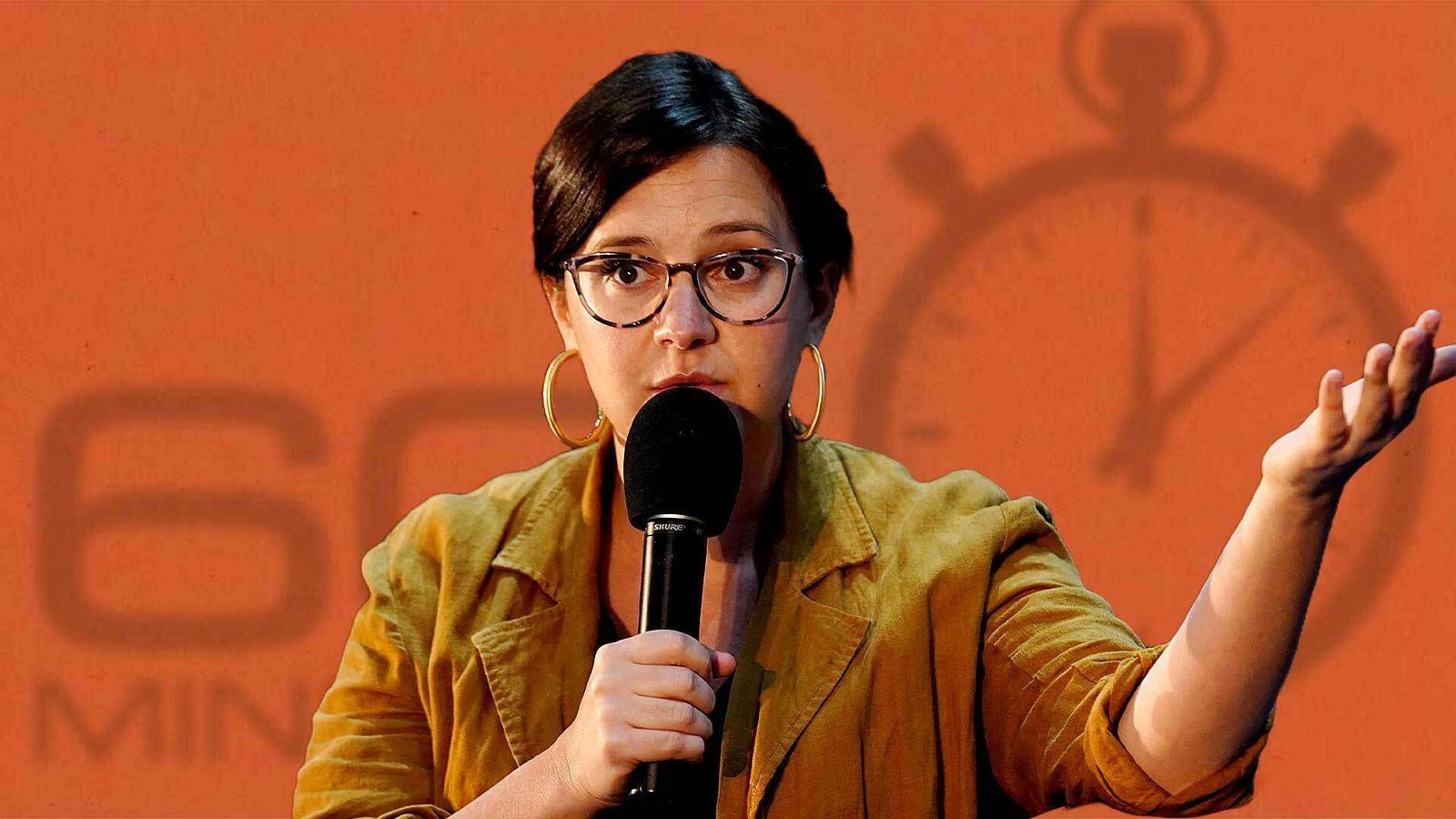
In an era when every editorial decision is dissected in real time, Bari Weiss is standing firm behind one of the most controversial calls of her tenure at 60 Minutes.
Weiss has once again defended her last-minute decision to pull a segment from the long-running CBS newsmagazine, acknowledging that the move “may seem radical” to outsiders—but insisting it was necessary to protect what she calls the integrity of the news.
In a memo sent to staff and co-signed by Tom Cibrowski, along with senior editors Charles Forelle and Adam Rubenstein, Weiss framed the decision as part of a broader effort to rebuild public confidence in journalism at a time when trust in media institutions continues to erode.
The Story at the Center of the Storm
The pulled segment reportedly focused on the experiences of Venezuelan migrants deported by the Donald Trump administration to a prison in El Salvador—a topic that sits at the intersection of immigration policy, human rights, and partisan politics.
ALSO READ : “She Never Made It Out…” Albany House Fire Claims Woman’s Life as Family Pleads for Help to Bring Her Home
According to Weiss, the issue was not the subject matter itself, but whether the segment met the editorial standards the newsroom demands before airing.
“No amount of outrage—whether from activist organizations or the White House—will derail us,” Weiss wrote in the memo, making clear that external pressure did not drive the decision.
Instead, she characterized the move as an example of editorial restraint at a time when speed, outrage, and social-media reaction often dominate newsroom judgment.
A ‘Radical’ Choice in a Polarized Media Climate
Weiss did not shy away from describing the decision as controversial. In fact, she embraced that reality, arguing that journalism sometimes requires choices that invite criticism from all sides.
In today’s media environment, pulling a completed story—especially one tied to immigration and a former president—is almost guaranteed to ignite backlash. For Weiss, that backlash is part of the cost of maintaining standards.
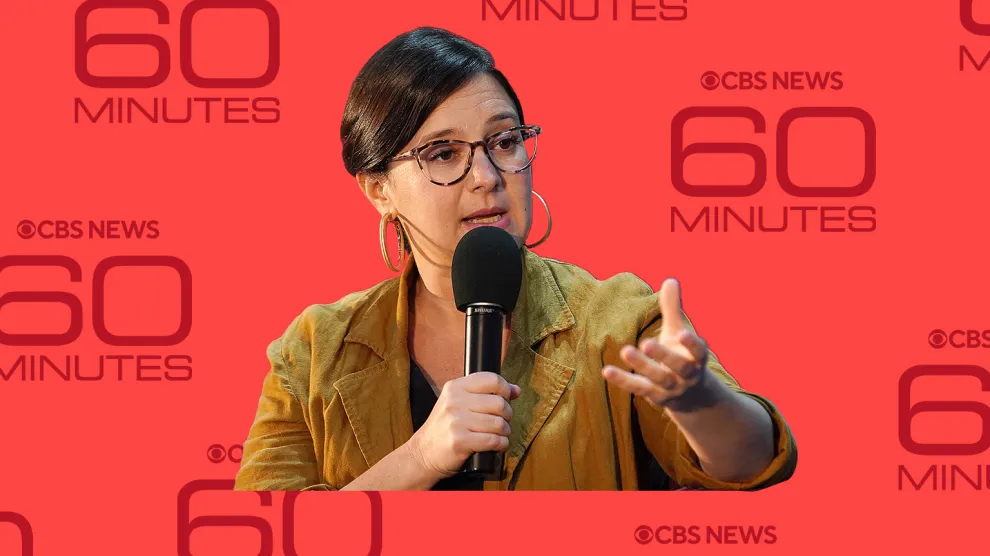
“Necessary decisions can cause a firestorm,” she acknowledged, suggesting that editorial courage is often indistinguishable from provocation in a deeply polarized public sphere.
Trust as the Real Battleground
At the heart of Weiss’s defense is a larger concern: Americans’ declining trust in news organizations.
By emphasizing caution over immediacy, Weiss positioned the decision as a long-term investment in credibility rather than a short-term reputational hit. Her message to staff was clear—journalistic integrity must outweigh the pressure to satisfy activists, political actors, or even audience expectations.
The memo’s tone reflected a newsroom aware that neutrality itself has become suspect, and that editorial leadership now involves navigating not just facts, but perceptions of motive.
What This Means for ‘60 Minutes’ and CBS News
For CBS News, the controversy underscores how even legacy institutions are struggling to operate in a climate where every editorial choice is interpreted through ideological lenses.
60 Minutes, long regarded as one of the most influential investigative programs in American television, now finds itself at the center of a debate about transparency, restraint, and the line between caution and censorship.
Supporters of Weiss argue that pulling the story demonstrates editorial responsibility. Critics contend it risks chilling coverage of sensitive topics.
Both sides, however, agree on one thing: decisions like this are shaping the future of mainstream journalism.
A Defining Moment for News Leadership
Whether Weiss’s call ultimately strengthens or weakens public trust remains an open question. But her willingness to publicly frame the decision as “radical” suggests an editor aware that traditional newsroom playbooks no longer apply.
In a media landscape driven by immediacy and outrage, restraint itself may now be the most provocative stance of all.

“He-Man Wears a Suit…”: Why Nicholas Galitzine’s Masters of the Universe Trailer Has Fans Talking

Camilla Läckberg Isn’t Done Yet… The Queen of Swedish Noir Eyes Film, TV and a Bold Plan to ‘Conquer America’

“Screaming, Crying, Almost Throwing Up”… Sundance Insiders Reveal the Untold Chaos Behind America’s Most Influential Film Festival
From Swedish Noir to Hollywood Dreams Camilla Läckberg Has a Bigger Plan in Motion
When Sundance Nearly Fell Apart Insiders Recall the Chaos Behind the World’s Most Influential Film Festival

1-Iran Issues Dire Warning to Israel and Defies Trump on Nukes: “We’re Ready to Strike Deep Inside”

Donald Trump’s net worth reveals the fortune behind the former US President and business mogul

Caitlin Clark Sidelined with Quad Strain, Set to Miss Two Weeks of WNBA Action

Elon Musk Breaks Ranks with Trump Over ‘Big, Beautiful’ Tax Bill

“Tomás Rodríguez Net Worth 2025: Panama’s Gold Cup Goal‑Machine’s Surprising Fortune Revealed”

Miss Jamaica Suffers Terrifying Fall Off Miss Universe Stage; Rushed to Hospital on Stretcher in Viral Video

Moana Live-Action Teaser Sparks Outrage as Fans Call Disney’s Move a ‘Clear Money Grab’ — What Went Wrong?

Ryan Gosling’s Project Hail Mary Trailer Stuns Fans with a Mysterious Alien Ally and a Mission That Could Save Earth

Apple delays Jessica Chastain thriller The Savant about domestic extremism after recent US violence

Avatar 3, Fire and Ash trailer reveals Jake Sully’s family facing terrifying new Na’vi enemies with deadly fire powers
-
 Entertainment6 days ago
He-Man Wears a Suit Now… Nicholas Galitzine’s ‘Masters of the Universe’ Trailer Drops a Shock Fans Didn’t See Coming
-
 Entertainment1 week ago
Brazil Eyes Oscar History Again… ‘The Secret Agent’ Scores Best Picture Nomination as Wagner Moura Stuns Hollywood
-
 Entertainment4 days ago
“Comedy Needs Courage Again…”: Judd Apatow Opens Up on Mel Brooks, Talking to Rob Reiner, and Why Studio Laughs Have Vanished
-

 Entertainment1 week ago
Box Office Shocker as Chris Pratt’s ‘Mercy’ Knocks ‘Avatar 3’ Off the Top but Nature Had Other Plans…
-

 Entertainment6 days ago
Oscars Go Global in a Big Way as This Year’s Nominations Signal a New Era: ‘The Academy Is Finally Looking Beyond Hollywood…’
-

 Entertainment1 week ago
Michael Bay Makes a Power Move… Blockbuster Director Signs with CAA in a Deal That’s Turning Heads
-

 Entertainment6 days ago
“Dangerously Kinky… and Darkly Funny”: Olivia Wilde and Cooper Hoffman Push Boundaries in ‘I Want Your Sex’
-

 Entertainment1 week ago
“I Thought I’d Pass Out”… Sundance Veterans Reveal the Nerves, Breakdowns and Breakthroughs Behind Indie Cinema’s Biggest Stage