
Automotive
“BYD’s 880% Sales Surge in the UK: What’s Behind the Chinese EV Giant’s Explosive Growth?”
“BYD’s Record-Breaking Sales in the UK Make It the Company’s Largest Market Outside China, Despite Global Tariffs”

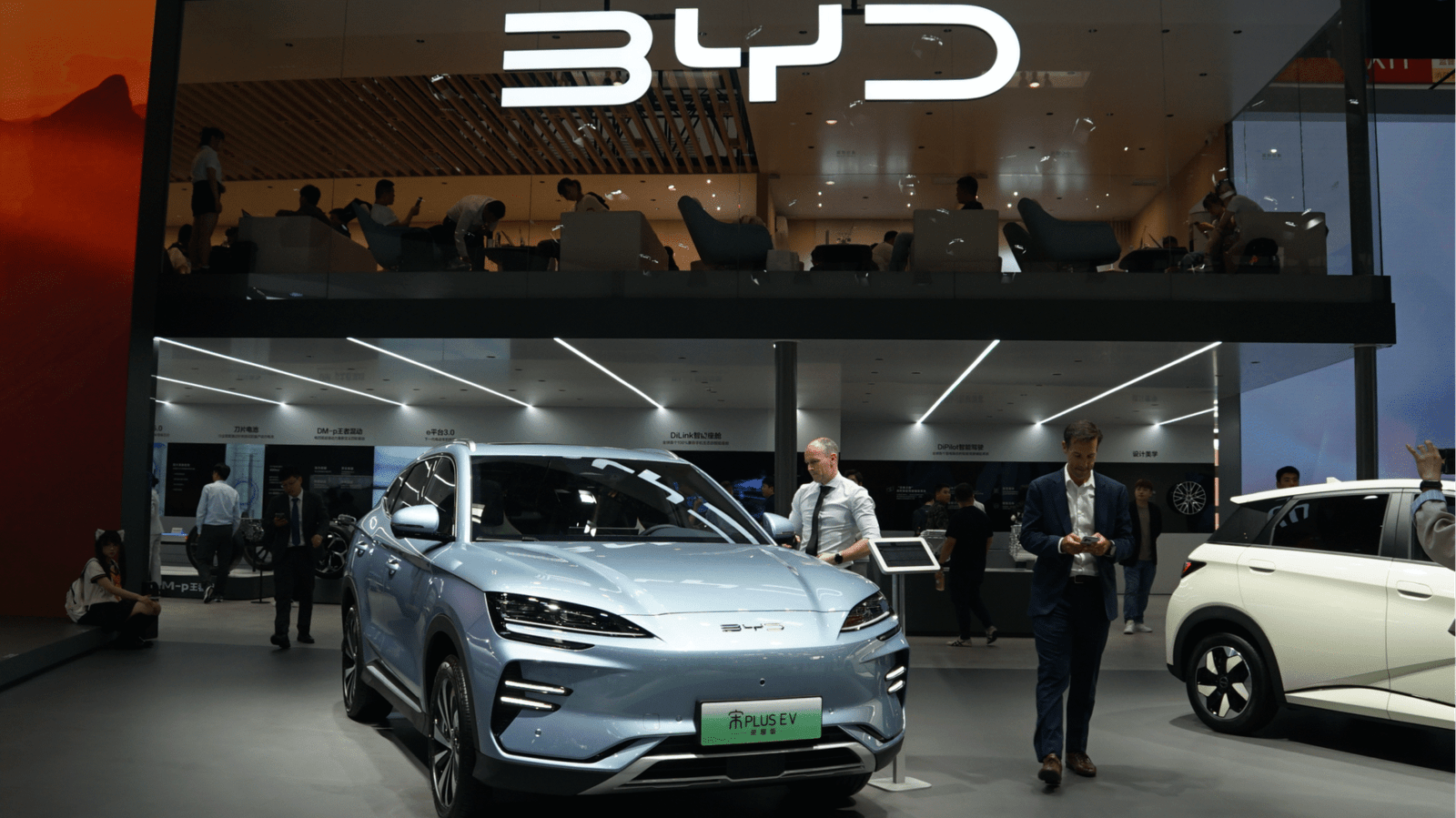
BYD, the Chinese electric vehicle (EV) powerhouse, is making waves in the UK car market. The company recently reported a staggering 880% increase in sales in September compared to the previous year, selling 11,271 cars during the month. The UK has now officially become BYD’s biggest market outside of China, with the Seal U plug-in hybrid SUV accounting for the bulk of these sales. This marks a monumental shift in the UK’s EV landscape, as the market continues to see strong demand for clean energy vehicles.
This surge in BYD sales comes as the Society of Motor Manufacturers and Traders (SMMT) revealed that UK electric vehicle sales hit a record high in September, with 73,000 pure battery electric vehicles sold. What’s even more remarkable is that plug-in hybrid vehicle sales outpaced this growth. The UK’s open approach to Chinese EVs, with no tariffs on imports, has played a critical role in BYD’s success.
Bono Ge, the UK Manager of BYD, stated that the company’s future in the UK looks “hugely exciting,” especially as they’ve just opened their 100th retail outlet. This milestone highlights BYD’s commitment to expanding its presence in the UK market. Ge also confirmed that BYD plans to release even more hybrid and electric vehicles in the coming months.
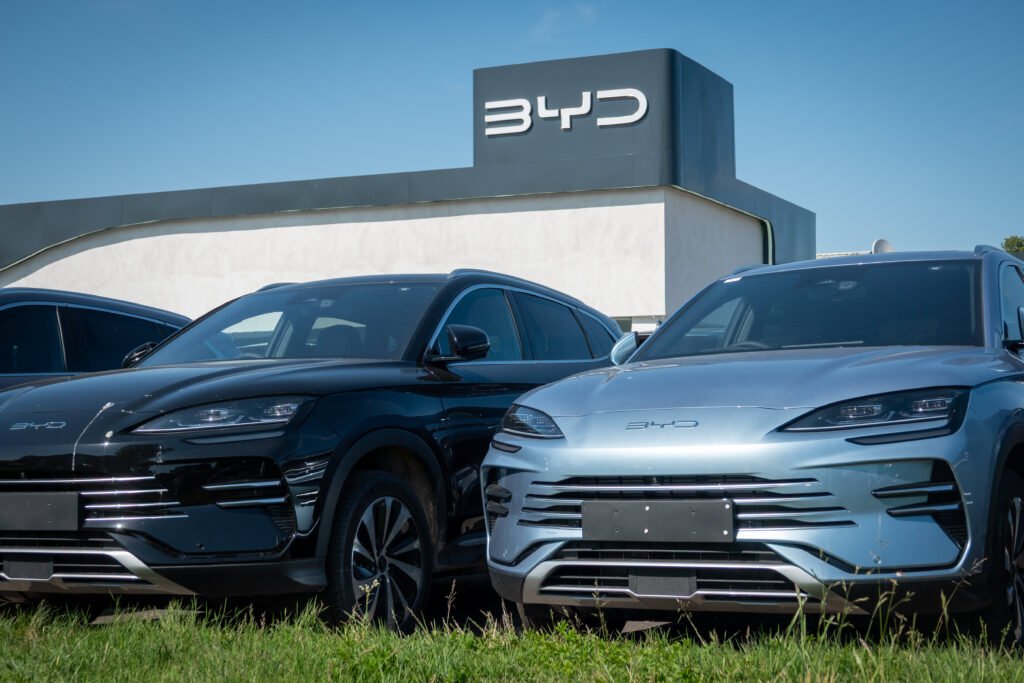
However, the UK’s EV market still faces challenges. Petrol and diesel vehicles still made up more than half of the new car sales in September, even with the electric vehicle surge. This shows that while the shift toward EVs is gaining momentum, internal combustion engine (ICE) vehicles remain dominant in the market.
One of the key factors in BYD’s success in the UK is its competitive pricing. Unlike many Western automakers, BYD offers more affordable EV models, giving it an edge in a market that’s often considered too expensive for the average buyer. This pricing strategy has allowed BYD to capture 3.6% of the UK market in September alone, and with BYD’s expansion plans on the horizon, this figure is expected to grow.
Yet, it’s not all smooth sailing for the Chinese EV giant. Despite BYD’s impressive UK performance, the company faces mounting challenges elsewhere. In October 2022, the European Union (EU) imposed tariffs of up to 45% on Chinese EV imports, aiming to protect European automakers from unfair subsidies allegedly provided by the Chinese government. This has made it difficult for BYD and other Chinese manufacturers to compete in the European market, especially when many Western competitors are pushing for sustainable, green vehicles as part of their climate initiatives.
Similarly, BYD has also struggled to break into the US market, where high tariffs have been backed by both President Donald Trump and his successor President Joe Biden. These measures have kept the Chinese EV market largely shut out of America, putting BYD at a significant disadvantage compared to US rivals like Tesla.
Despite these obstacles, BYD remains well ahead of Tesla globally, with sales surpassing its US counterpart in multiple regions. It has also outpaced European competitors such as Jaguar and BMW, further solidifying its position as a global leader in the electric vehicle market.
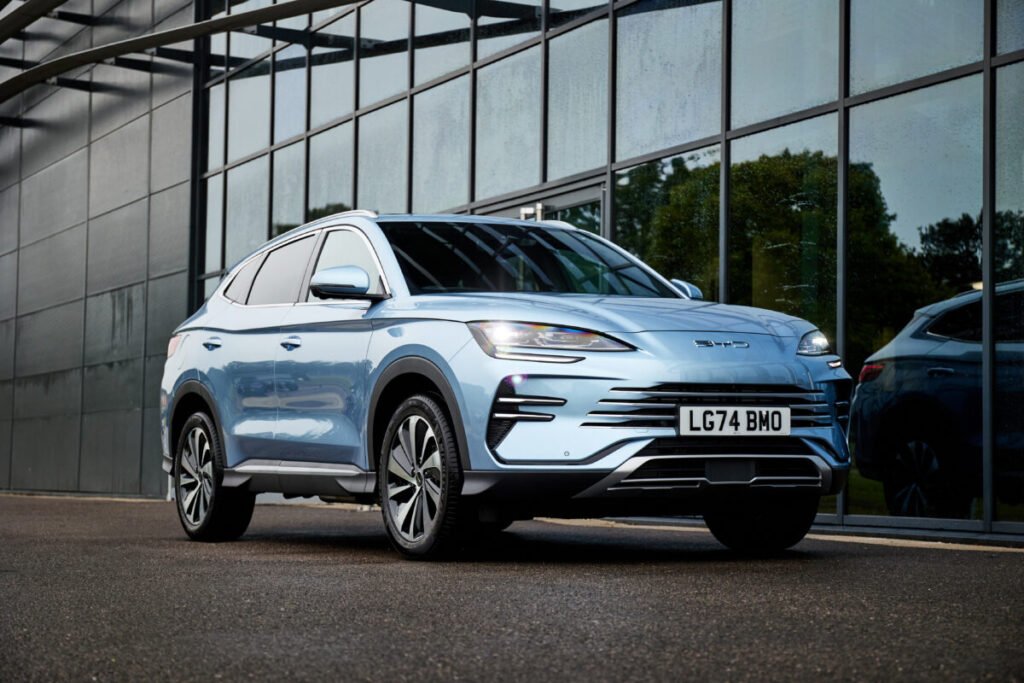
Another challenge for BYD in the UK is the government’s £650 million EV subsidy scheme, which aims to incentivize car buyers to switch to electric vehicles. The scheme offers up to £3,750 in subsidies for cars from brands like Nissan, Peugeot, and Vauxhall. However, BYD’s models are excluded from these subsidies, as the UK government has raised concerns about the emissions generated during the manufacturing of Chinese-made vehicles. BYD has criticized this exclusion, stating that it could damage the UK’s long-term car market by limiting consumer choice and stifling competition.
While the future of the EV market in the UK remains uncertain, BYD’s growth shows no signs of slowing down. As the company expands its lineup of affordable hybrid and electric vehicles and continues to expand its presence across the UK, it’s clear that BYD is positioning itself as a major player in the global automotive landscape.
For more Update http://www.dailyglobaldiary.com










Automotive
2026 Toyota RAV4 Plug-In Hybrid Unveiled — “More Power, More Range, More Attitude”
Toyota’s iconic compact SUV gets a bold makeover for 2026, featuring a new GR Sport variant, an upgraded 324-hp powertrain, and a larger battery for extended electric range.
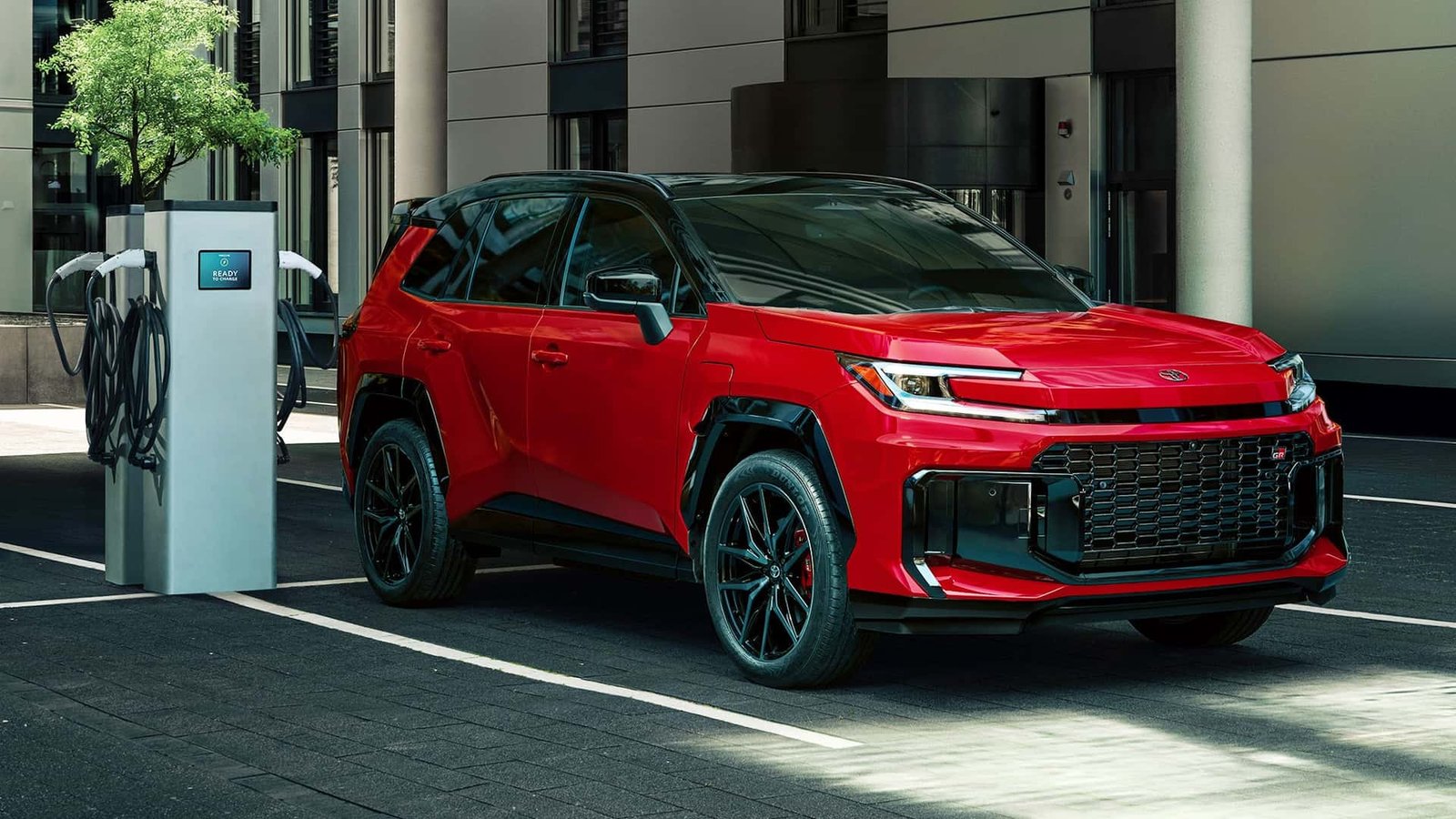
The future of hybrid SUVs just got sharper — literally and figuratively. The Toyota Motor Corporation has officially unveiled the 2026 Toyota RAV4 Plug-In Hybrid, and it’s not just another mid-cycle refresh. This new iteration brings a host of performance, design, and efficiency upgrades that signal Toyota’s commitment to staying ahead in the competitive hybrid SUV market.
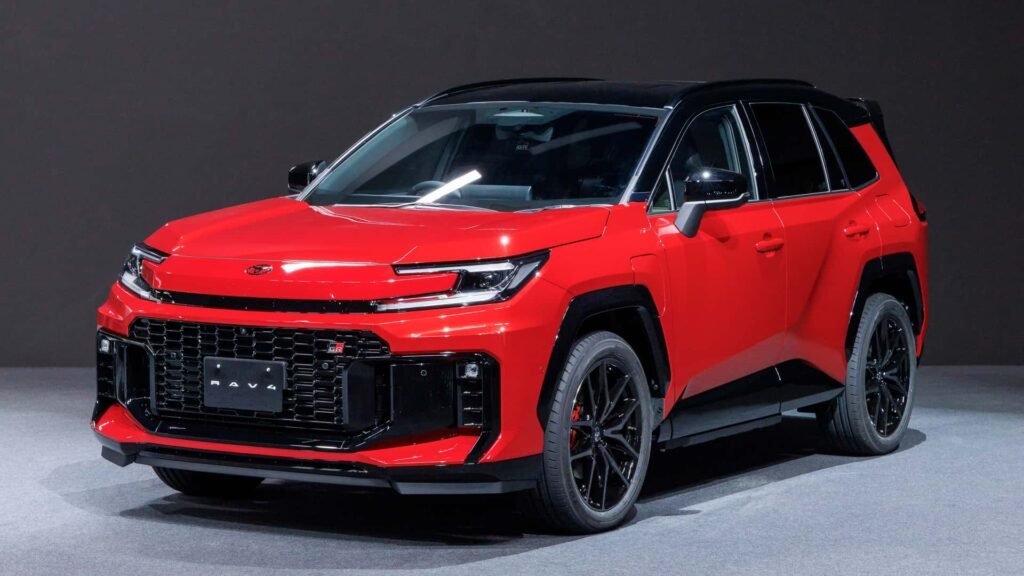
The biggest headline? Power. The 2026 RAV4 Plug-In Hybrid’s new setup now produces a formidable 324 horsepower, thanks to a re-engineered 2.5-liter gasoline engine paired with stronger electric motors and a larger battery pack. According to Toyota, these changes translate to not only a sportier drive but also a noticeably longer electric-only range, making city commutes cleaner and quieter than ever before.
The Rise of the GR Sport: Power Meets Personality
The all-new GR Sport trim — short for Gazoo Racing — transforms the RAV4 from a practical family SUV into something that could make even a weekend racer grin. This variant gets an exclusive sport-tuned chassis, a lowered suspension, and aggressive body styling complete with a distinctive rear wing that adds aerodynamic flair.
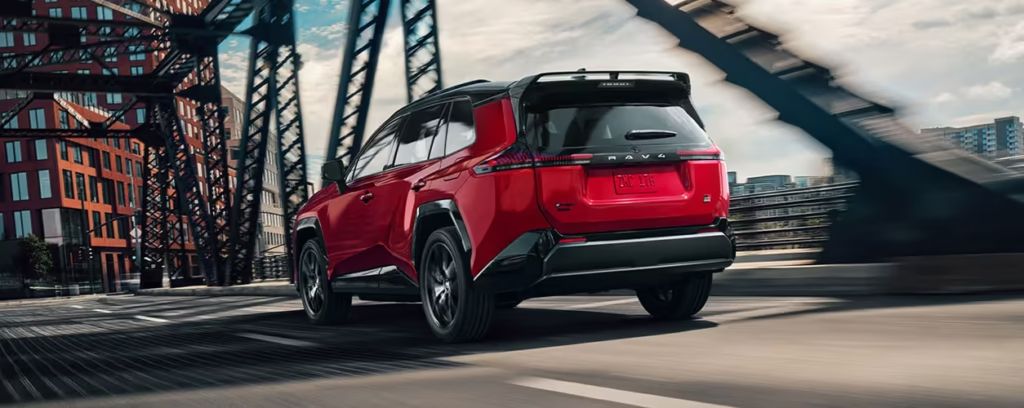
Standard summer performance tires ensure improved cornering grip, though Toyota will also offer all-season tires at no extra cost for those seeking versatility. Up front, a redesigned GR-specific grille and sporty accents set the tone, while subtle tweaks to the rear make this RAV4 instantly recognizable.
More Range, More Confidence
Toyota claims the new plug-in hybrid offers “significantly greater” electric driving range than its predecessor. The larger battery not only extends zero-emission miles but also improves regenerative braking efficiency. Whether tackling the daily grind or weekend getaways, the RAV4’s hybrid powertrain continues to blend performance with practicality — a balance that has defined Toyota’s hybrid success since the launch of the legendary Toyota Prius.
Rugged Meets Refined
For adventure enthusiasts, Toyota hasn’t forgotten the great outdoors. Alongside the GR Sport comes a Woodland Edition, which trades urban aggression for trail-ready confidence. With rugged styling, all-terrain capability, and distinctive badging, it’s built for those who prefer mud splatters over city lights.
A Clear Signal of What’s Next
The 2026 RAV4 Plug-In Hybrid is not just an evolution — it’s a statement. In an era where automakers are racing toward full electrification, Toyota continues to perfect the middle ground with vehicles that bridge performance, efficiency, and reliability.
And if the 324-horsepower hybrid SUV with a wing sounds like overkill, that’s exactly the point. Toyota wants the RAV4 PHEV to be more than a family commuter — it wants to make driving fun again.
For more Update http://www.dailyglobaldiary.com
Automotive
Toyota Recalls Nearly 400,000 Vehicles in the U.S. — Rearview Camera Glitch Sparks Safety Concerns
The recall affects select Toyota Tundra and Sequoia Hybrid models due to a software malfunction that prevents the rear camera from displaying, violating federal safety standards.
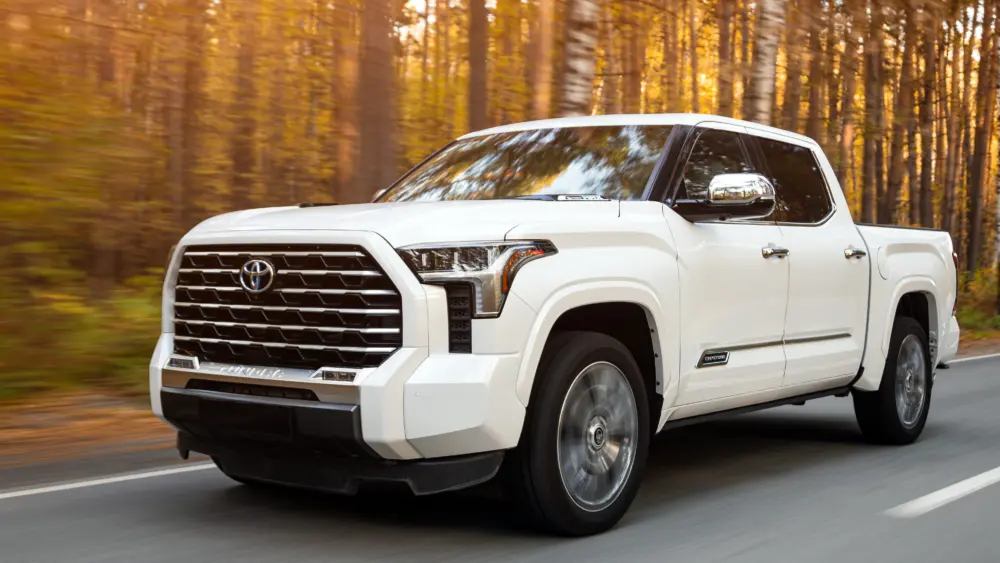
Toyota Motor Corporation has announced a massive recall of nearly 394,000 vehicles in the United States after discovering a software malfunction that could cause the rearview camera to fail, potentially increasing the risk of accidents.
According to the National Highway Traffic Safety Administration (NHTSA), the recall impacts 2022–2025 Toyota Tundra and Tundra Hybrid, as well as 2023–2025 Sequoia Hybrid models. The glitch, regulators say, prevents the rearview image from appearing on the vehicle’s display when shifted into reverse — a direct violation of the Federal Motor Vehicle Safety Standard (FMVSS) No. 111, which requires clear rear visibility.
“The rearview image may not display under certain conditions due to a software error,” NHTSA stated. “This can reduce the driver’s ability to see behind the vehicle, increasing the risk of a crash.”
What Owners Need to Know
Toyota has assured that all affected vehicles will receive a free multimedia display software update at authorized dealerships. The company plans to begin mailing recall notifications to vehicle owners starting November 16, 2025.
Customers who believe their vehicle may be affected are encouraged to contact Toyota Customer Service or check their Vehicle Identification Number (VIN) on the NHTSA recall website.
“We are committed to ensuring the highest standards of safety and reliability,” Toyota said in a statement. “Owners will not bear any cost for the repair.”
A Pattern of Recalls
This latest action follows another major Toyota recall earlier this year involving over 443,000 Tundra and Tundra Hybrid trucks, after the reverse lights on some models failed due to an electrical defect.
That issue, also flagged by the NHTSA, meant drivers could not properly signal when backing up in low-light conditions, posing similar safety hazards.
The consecutive recalls underscore how even leading automakers face persistent challenges balancing complex software integration with stringent federal safety standards.
“As vehicles become more software-driven, these kinds of issues highlight the importance of robust testing and ongoing updates,” said Jake Fisher, senior director at Consumer Reports Auto Testing.
Impacted Models and Safety Context
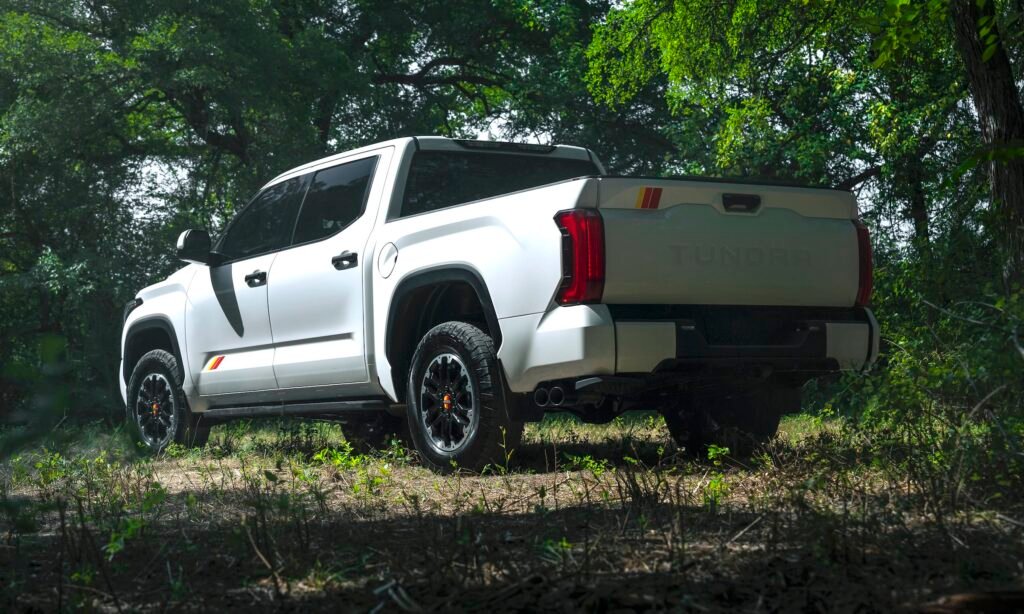
The affected models — Toyota Tundra, Tundra Hybrid, and Sequoia Hybrid — are among the brand’s most popular full-size SUVs and pickup trucks in the North American market. With Toyota’s push toward hybrid technology, both the Tundra and Sequoia hybrids have been positioned as powerful yet eco-friendly alternatives for large vehicle enthusiasts.
However, the growing reliance on digital control units and integrated software systems has made vehicles more vulnerable to such failures.
“Even a simple error in coding can compromise a key safety function,” noted John Nielsen, an automotive safety consultant. “These recalls are reminders that car manufacturers must adapt quickly in an increasingly software-defined vehicle environment.”
What Happens Next
Toyota will start owner notifications in mid-November, with software updates rolling out immediately through dealerships. In the meantime, drivers are advised to stay alert while reversing and to rely on manual mirror checks until the update is completed.
The recall adds another chapter to Toyota’s ongoing efforts to enhance safety compliance and customer trust, reinforcing the brand’s long-standing commitment to transparency and corrective action.
As one industry insider put it:
“Toyota’s willingness to act swiftly — even for software-based issues — reflects its broader goal of maintaining credibility in an era when tech and transport are more intertwined than ever.”
For more Update http://www.dailyglobaldiary.com
Automotive
“Polestar 4 vs Kia EV6 GT: Which Electric SUV is the Real Showstopper?”
“When Performance Meets Style: We Compare the Polestar 4 and Kia EV6 GT to See Which Electric SUV Truly Stands Out”
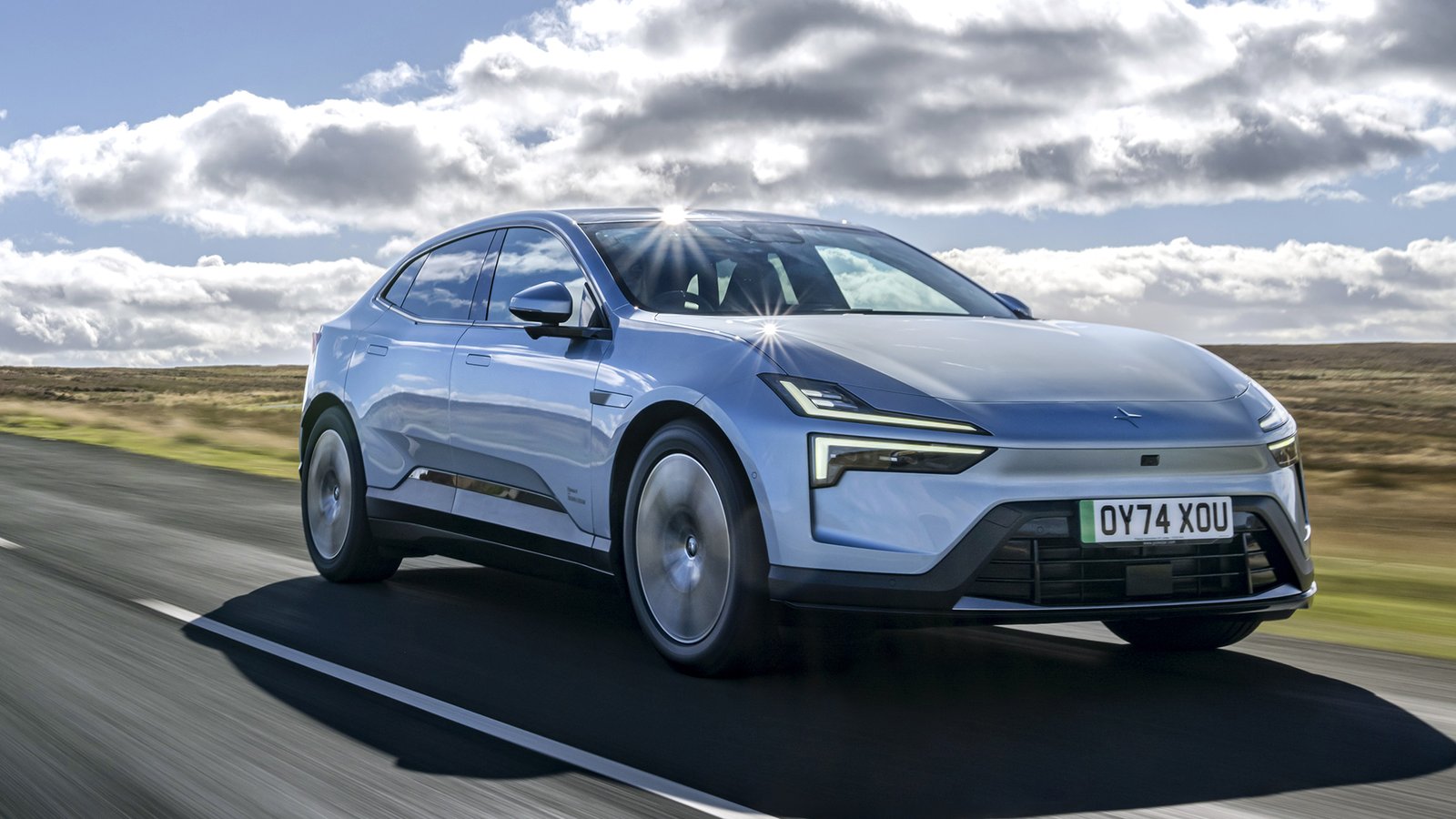
The world of electric vehicles (EVs) has evolved far beyond the functional yet somewhat uninspiring designs of the past. Now, luxury EVs are not only about reducing your carbon footprint—they are also about delivering eye-catching design, exceptional performance, and, most importantly, an experience that makes each drive feel a bit special. This is exactly what the Polestar 4 and Kia EV6 GT bring to the table: a blend of cutting-edge technology and style that makes them both stand out in the ever-growing electric SUV market.
But the question remains: with both models hovering around the £60,000 mark, which one truly deserves the spotlight? Let’s break down the Polestar 4 and the Kia EV6 GT, two of the most talked-about electric SUVs today.
Design and Styling: Coupé vs Crossover
First impressions count, and both the Polestar 4 and Kia EV6 ensure you make a strong one. Polestar, the performance-oriented electric brand by Volvo, brands the Polestar 4 as a performance SUV-coupé, emphasizing its sleek, low-slung lines that evoke a sense of speed even when the car is stationary. The Polestar 4 ditches the rear window—a distinctive design choice that adds to its coupé-like feel, though this could be seen as a polarizing feature for some buyers. Still, its silhouette alone guarantees it won’t blend in with the crowd.
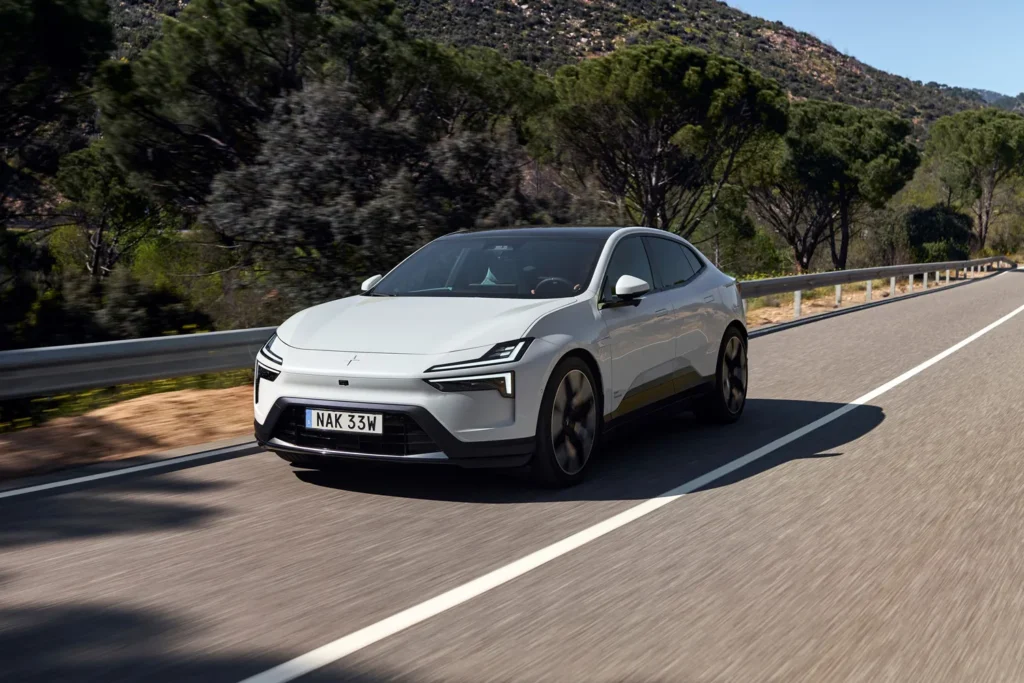
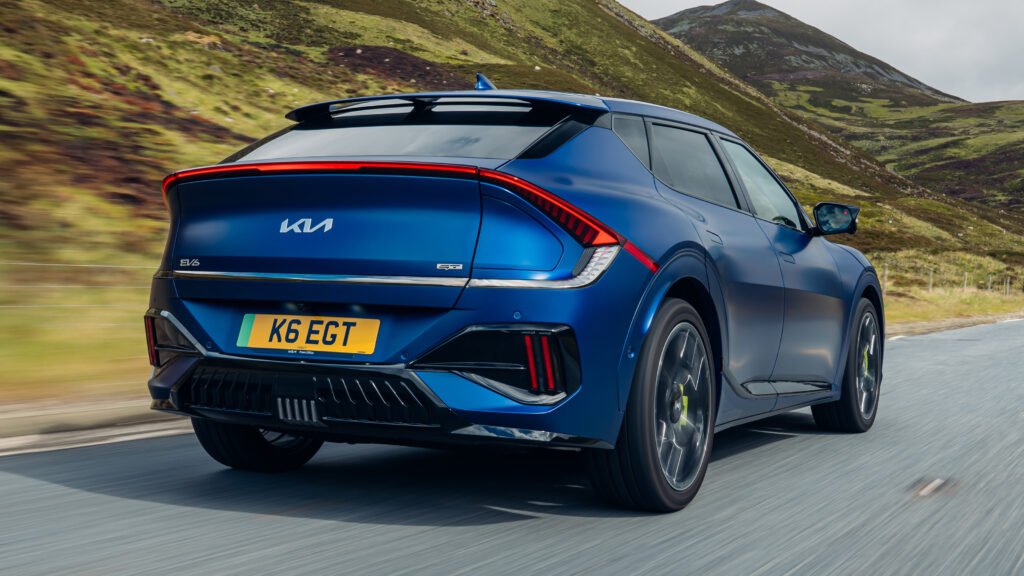
On the other hand, the Kia EV6 is more traditional in its approach with a sporty hatchback-like design. While it’s technically a crossover, it looks and feels more like a sporty compact SUV rather than a true off-roader. The EV6 GT version, however, cranks up the performance with storming acceleration and an aggressive stance. It’s still a crossover, but one with a distinct flair that makes it look more dynamic than the average SUV.
While both vehicles have a unique identity, the Polestar 4 offers a more avant-garde design, while the Kia EV6 GT brings a level of sportiness that appeals to those looking for a more traditional SUV aesthetic.
Performance: Can the EV6 Keep Up with the Polestar?
When it comes to performance, both these electric SUVs pack a punch. The Polestar 4 Long Range Dual Motor delivers 402 horsepower and a range of around 350 miles on a single charge, making it a formidable contender. Polestar has built a name for itself in the performance sector, and this SUV-coupé hybrid lives up to that reputation, offering exhilarating acceleration and a driving experience that feels every bit as dynamic as its low-slung design suggests.
On the other hand, the Kia EV6 GT is no slouch either. This flagship model boasts 576 horsepower, thanks to its dual-motor setup. It can reach 0-60 mph in under 3.5 seconds, making it one of the quickest electric SUVs on the market. The EV6 GT combines blistering acceleration with a sporty edge, making it an attractive option for those who prioritize driving thrills without compromising on everyday usability.
While the Polestar 4 might focus more on long-range comfort, the Kia EV6 GT takes a more performance-first approach. With a £7,000 price difference between the two, it becomes a matter of whether that extra cost for the Polestar 4 is justified by the added luxury and sleek design or if the EV6 GT’s performance and sporty edge are enough to make it the winner in this comparison.
Interior and Technology: Minimalism Meets Innovation
Inside the Polestar 4, you’ll find a minimalist yet tech-forward cabin that reflects its high-end performance intentions. The interior is fitted with premium materials, a large touchscreen infotainment system, and premium audio. The car is designed to offer maximum comfort while keeping things simple and intuitive, with an emphasis on driver engagement.
Kia’s interior, meanwhile, offers a more futuristic vibe with dual touchscreens and advanced connectivity features. The materials feel premium, but the focus is more on practicality and tech integration rather than outright luxury. The Kia EV6 GT might not boast the same level of polish as the Polestar 4, but it offers a user-friendly interface, and the driving position is sporty yet comfortable.
While both vehicles come with an array of advanced tech features, the Polestar 4’s interior edges out the EV6 GT in terms of luxury, making it feel more like a premium SUV.
Price Tag: Is the Polestar 4 Worth the Extra Cost?
Both the Polestar 4 and Kia EV6 GT are priced at around £60,000, but the Polestar 4 comes with a £7,000 premium over the EV6 GT. The price difference comes down to the added luxury and refined design features of the Polestar 4, as well as its brand positioning as a premium performance vehicle.
On the other hand, the Kia EV6 GT offers impressive performance for the price, with faster acceleration and a sportier edge. If you’re looking for a high-performance EV at a slightly lower price, the Kia EV6 GT delivers fantastic value.
Conclusion: Which Electric SUV Earns the Spotlight?
Ultimately, the choice between the Polestar 4 and Kia EV6 GT depends on what you’re looking for in an electric SUV. If you’re after performance, style, and luxury with a unique design, the Polestar 4 might be the better option. However, if performance thrills at a slightly more affordable price are your priority, the Kia EV6 GT could be the perfect fit.
Both vehicles offer cutting-edge technology, sleek designs, and outstanding driving performance—each in their own way. It’s a matter of personal preference, but one thing is certain: neither will fail to make a statement in the EV world.
For more Update http://www.dailyglobaldiary.com

“He-Man Wears a Suit…”: Why Nicholas Galitzine’s Masters of the Universe Trailer Has Fans Talking

Camilla Läckberg Isn’t Done Yet… The Queen of Swedish Noir Eyes Film, TV and a Bold Plan to ‘Conquer America’

“Screaming, Crying, Almost Throwing Up”… Sundance Insiders Reveal the Untold Chaos Behind America’s Most Influential Film Festival
From Swedish Noir to Hollywood Dreams Camilla Läckberg Has a Bigger Plan in Motion
When Sundance Nearly Fell Apart Insiders Recall the Chaos Behind the World’s Most Influential Film Festival

1-Iran Issues Dire Warning to Israel and Defies Trump on Nukes: “We’re Ready to Strike Deep Inside”

Donald Trump’s net worth reveals the fortune behind the former US President and business mogul

Caitlin Clark Sidelined with Quad Strain, Set to Miss Two Weeks of WNBA Action

Elon Musk Breaks Ranks with Trump Over ‘Big, Beautiful’ Tax Bill

“Tomás Rodríguez Net Worth 2025: Panama’s Gold Cup Goal‑Machine’s Surprising Fortune Revealed”

Miss Jamaica Suffers Terrifying Fall Off Miss Universe Stage; Rushed to Hospital on Stretcher in Viral Video

Moana Live-Action Teaser Sparks Outrage as Fans Call Disney’s Move a ‘Clear Money Grab’ — What Went Wrong?

Ryan Gosling’s Project Hail Mary Trailer Stuns Fans with a Mysterious Alien Ally and a Mission That Could Save Earth

Apple delays Jessica Chastain thriller The Savant about domestic extremism after recent US violence

Avatar 3, Fire and Ash trailer reveals Jake Sully’s family facing terrifying new Na’vi enemies with deadly fire powers
-
 Entertainment6 days ago
He-Man Wears a Suit Now… Nicholas Galitzine’s ‘Masters of the Universe’ Trailer Drops a Shock Fans Didn’t See Coming
-
 Entertainment1 week ago
Brazil Eyes Oscar History Again… ‘The Secret Agent’ Scores Best Picture Nomination as Wagner Moura Stuns Hollywood
-

 Entertainment4 days ago
“Comedy Needs Courage Again…”: Judd Apatow Opens Up on Mel Brooks, Talking to Rob Reiner, and Why Studio Laughs Have Vanished
-

 Entertainment1 week ago
Box Office Shocker as Chris Pratt’s ‘Mercy’ Knocks ‘Avatar 3’ Off the Top but Nature Had Other Plans…
-

 Entertainment6 days ago
Oscars Go Global in a Big Way as This Year’s Nominations Signal a New Era: ‘The Academy Is Finally Looking Beyond Hollywood…’
-

 Entertainment1 week ago
Michael Bay Makes a Power Move… Blockbuster Director Signs with CAA in a Deal That’s Turning Heads
-

 Entertainment6 days ago
“Dangerously Kinky… and Darkly Funny”: Olivia Wilde and Cooper Hoffman Push Boundaries in ‘I Want Your Sex’
-
Entertainment1 week ago
Fans Didn’t Expect This Look… Nicholas Galitzine’s Masters of the Universe Trailer Sparks Debate