
Politics
Jon Stewart Seth Meyers Say Trump Venezuela Plan Drags America Into Another Endless Drama
Comedians warn that Donald Trump’s proposal to “manage Venezuela temporarily” after any hypothetical capture of Nicolás Maduro feels like a reality show no one asked for

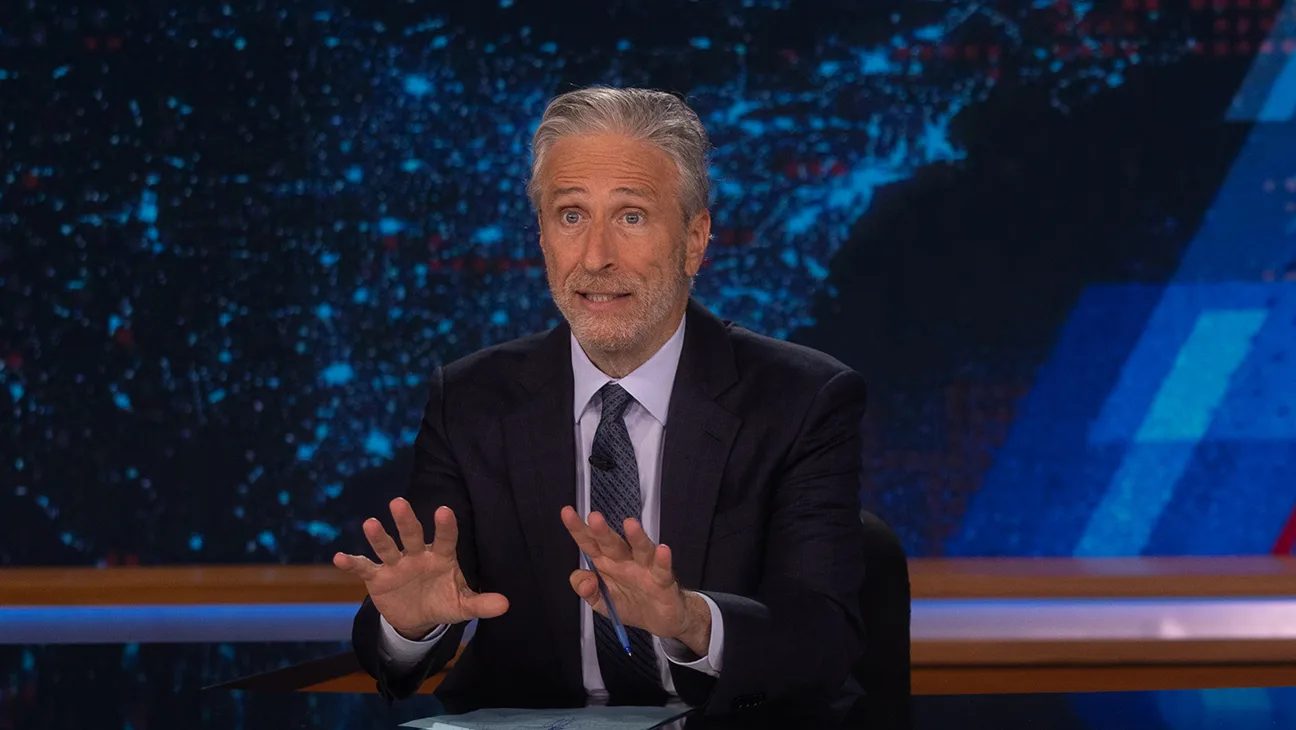
When politics begins to sound like a late-night monologue, you know something unusual has entered the conversation. This week, U.S. television personalities Jon Stewart and Seth Meyers joined a chorus of voices questioning a newly floated idea from Donald Trump—a suggestion that America could step in to run Venezuela on a temporary basis if the United States ever succeeded in capturing Nicolás Maduro, the long-entrenched leader in Caracas. The plan, light on detail and heavy on bravado, became instant fuel for comedy writers and policy analysts alike.
On his program, Stewart—host of The Daily Show and one of the sharpest observers of American power—remarked that the mere thought of adding Venezuela to Washington’s to-do list was “all exhausting.” His comments echoed those of Meyers, the face of Late Night with Seth Meyers, who told viewers that Americans were already worn down by domestic battles over inflation, immigration, and elections. “This feels like adopting someone else’s chaos while we can’t even find the TV remote at home,” Meyers joked, capturing the mood in many living rooms.
ALSO READ : “She Never Made It Out…” Albany House Fire Claims Woman’s Life as Family Pleads for Help to Bring Her Home
The proposal originated during a rally speech where Trump revisited his long rivalry with Maduro and the Venezuelan state. Trump claimed that Venezuela, blessed with enormous oil reserves and a strategic Caribbean coastline, had been mismanaged for decades and that the United States possessed the know-how to stabilize it. He offered no roadmap beyond declaring that America might “hold the wheel for a while.” Supporters applauded; critics reached for their notebooks—and comedians reached for their punchlines.
To understand the skepticism, one must look at the tangled history between Washington and Caracas. The U.S. has maintained sanctions against Maduro’s government since the days of opposition leader Juan Guaidó, and successive administrations—from Joe Biden to earlier presidents—have struggled to influence Venezuela’s direction. Analysts at the Council on Foreign Relations note that any direct management would require congressional approval, cooperation from regional players such as Brazil under President Luiz Inácio Lula da Silva, and at least a nod from the United Nations. None of that was mentioned on the rally stage.
Stewart reminded his audience that America has a complicated record with “temporary interventions.” He referenced the era of George W. Bush and the Iraq occupation, as well as earlier Cold War experiments in nation-building across Latin America. Those efforts, he said, often began with promises of quick fixes and ended with long commitments that changed the countries—and changed the United States. The comedian’s unease sounded less like partisan sniping and more like civic memory speaking through humor.
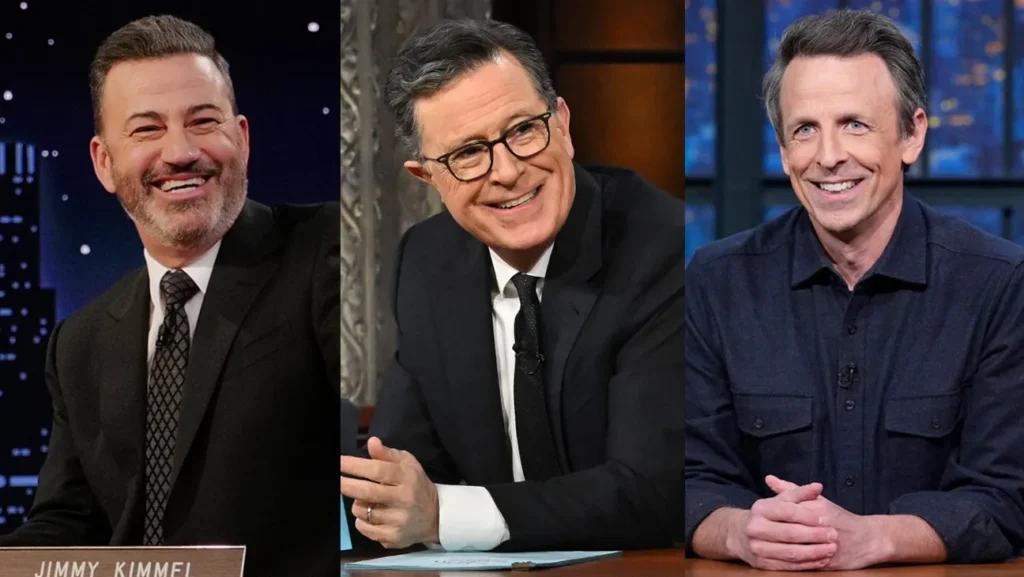
Meyers took a similar route, though his tone leaned brighter. He imagined what it would look like if Trump appointed a celebrity cabinet to oversee Venezuela, perhaps calling in businessman Elon Musk or influencers from X (formerly Twitter) to livestream the process. Meyers, who maintains an active profile on Seth Meyers official X account, told viewers, “We already have enough billionaires trying to run America; now they’re collecting countries like fridge magnets.”
Policy experts were not laughing quite as loudly, but they were making comparable points. Former U.S. diplomats including James Story, the last American ambassador to Venezuela before relations froze, cautioned that removing Maduro—let alone capturing him—was itself speculative. Even if that occurred, they argued, Venezuela’s opposition groups, the military establishment, and neighbors such as Colombia led by President Gustavo Petro Wikipedia profile would insist on Venezuelan ownership of the transition. International law scholar Monica Hakimi from Columbia Law School LinkedIn page explained that external management considered legitimate would have to be invited by Venezuelans, not imposed by a rally line.
The roast intensified after Stewart and Meyers were joined by other entertainers. Comic actor Arshad Warsi—known in India for being delightfully unbothered about political noise—shared in a separate interview that people should live life on their own terms and ignore imported outrage. Stewart referenced Warsi’s philosophy indirectly, saying Americans were tired because they “care too much about every loud idea.” The connection illustrated how comedy across continents sometimes converges on the same wisdom: protect your energy.
Still, the controversy highlighted genuine issues inside Venezuela. The economic collapse has driven more than seven million migrants across the hemisphere, according to reports from Reuters and the World Bank Wikipedia page. Oil production, once a source of national pride, has limped despite interest from corporations such as Chevron and India’s Reliance Industries Wikipedia profile. Stewart acknowledged those hardships, adding that Venezuelans deserve relief—but through democratic rebuilding, not through another American experiment in management science.
Critics in Washington also wondered whether Trump was using the idea to distract from legal pressures at home. Special counsel veteran Jack Smith Wikipedia page, who previously investigated Trump, had described how big promises can be deployed as political shields. Stewart noted, “Every exhausting plan has a second purpose; we just don’t always see it.”
Meyers closed his segment by inviting viewers to imagine a different headline, something like: “America fixes its own potholes before fixing Venezuela’s palaces.” His point was clear—late-night television may trade in jokes, but it often voices the first draft of common sense. The comedians were not defending Maduro; they were defending Americans from fatigue.
Whether the plan disappears or returns in another speech, Stewart believes citizens should ask for details before applause. Meyers thinks the same, though he’ll reminding everyone with a grin. For now, the only thing being captured is attention—and even that feels, in Meyers’ words, “this is all exhausting.”






Politics
“I’m not going anywhere”: Army Secretary defies Pete Hegseth firing rumors after ‘paranoia’ triggers Gen. Randy George dismissal—but is he next?
Dan Driscoll insists he’s ‘laser focused’ on his role despite reported clashes with Defense Secretary over blocked promotions and general’s removal, as Trump’s cabinet shakeup continues


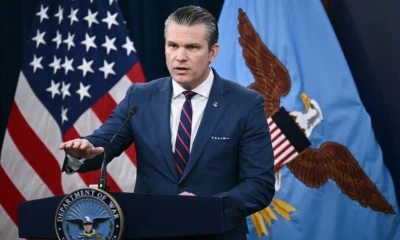
Army Secretary Dan Driscoll is publicly declaring he’s staying put—but behind the scenes at the Pentagon, a power struggle is unfolding that could determine not just his future, but the future of Defense Secretary Pete Hegseth as well.
In a statement to The Washington Post, Driscoll attempted to shut down mounting speculation about his departure, saying: “Serving under President Trump has been the honor of a lifetime and I remain laser focused on providing America with the strongest land fighting force the world has ever seen. I have no plans to depart or resign as the secretary of the Army.”
But that reassurance comes amid reports of escalating tensions with Hegseth, shocking dismissals of top Army leadership, and whispers throughout Washington that Driscoll himself could be tapped to replace his current boss if the Iran conflict doesn’t resolve favorably.
Welcome to the latest episode of chaos in President Donald Trump’s increasingly volatile administration.
The Paranoia That Led to a Purge
According to The New York Post, Hegseth’s surprise decision last week to force out Army Chief of Staff Gen. Randy George, Gen. David Hodne, and Maj. Gen. William Green Jr. wasn’t driven by performance concerns or strategic disagreements.
It was driven by “paranoia” that he could be replaced by Driscoll.
Think about that for a moment: the Defense Secretary of the United States allegedly fired the Army’s top general not because of military necessity, but because he feared his own subordinate might take his job.
This is the level of dysfunction currently plaguing America’s defense leadership at a time when U.S. forces are engaged in active conflict with Iran.
The Gen. Randy George Factor
Gen. Randy George wasn’t just another military officer—he was widely admired within the Pentagon as a reformer, someone working to modernize the Army and eliminate bureaucratic obstacles. Driscoll, according to Defense Department officials, was a strong supporter of George and had previously clashed with Hegseth over earlier attempts to remove the general.
The final straw appears to have been a New York Times report revealing that Hegseth had blocked the promotion of four Army officers, including two Black officers and two women. Driscoll and George reportedly confronted Hegseth over this decision, sparking a confrontation that may have sealed George’s fate.
If true, this means a decorated general was dismissed not for military incompetence, but for defending the promotion process and standing up for qualified officers who happened to be minorities or women.
The JD Vance Connection
What makes Driscoll particularly interesting—and potentially untouchable—is his close relationship with Vice President JD Vance.
The two men have been friends since their days together at Yale Law School. Driscoll is a military veteran, and his friendship with Vance predates both men’s entry into Trump’s political orbit.
According to the Post, Driscoll has reached out to Vance for support as he sought to bolster his own position amid the growing tensions with Hegseth. Whether the Vice President actually intervened on Driscoll’s behalf remains unknown, but the connection itself provides Driscoll with a direct line to power that most cabinet officials don’t have.
White House Backs Driscoll… For Now
In what appears to be a carefully worded show of support, White House spokeswoman Anna Kelly praised Driscoll’s leadership, saying Trump had “effectively restored a focus on readiness and lethality across our military with the help of leaders like Secretary Driscoll.”
She added: “The extraordinary talent of the United States Army is on full display as our warfighters meet or exceed all of their benchmarks under Operation Epic Fury and Iran’s military capabilities diminish more every day.”
Notice what’s missing? Any mention of Pete Hegseth.
The statement supports Driscoll without defending his boss, which in Washington terms is about as subtle as a neon sign.
The ‘Excellent Working Relationship’ Nobody Believes
When speculation about the Hegseth-Driscoll rift first emerged, Pentagon spokesperson Sean Parnell insisted to The Independent: “Secretary Hegseth maintains excellent working relationships with the secretaries of every military service branch, including Army Secretary Dan Driscoll.”
But other officials within the Department of Defense have directly disputed that characterization, saying Hegseth has been wary of Driscoll ever since he was floated as a possible successor during the Signalgate scandal that erupted last March.
For those who don’t remember, Signalgate involved allegations that Hegseth had improperly shared classified information via the Signal messaging app. The scandal put him “on thin ice,” according to administration insiders, and Driscoll’s name immediately began circulating as a potential replacement.
Hegseth survived that crisis, but he apparently hasn’t forgotten—or forgiven.
Trump’s Cabinet Shakeup Continues
The paranoia within the Pentagon isn’t happening in isolation. Over the last month, President Trump has demonstrated an increased willingness to shake up his cabinet, firing both Homeland Security Secretary Kristi Noem and Attorney General Pam Bondi.
This pattern has prompted widespread speculation that Hegseth could be next if the Iran war is not resolved satisfactorily. The conflict, which began with Iranian closure of the Strait of Hormuz, has already resulted in a fragile two-week cease-fire, but the ultimate outcome remains uncertain.
If the cease-fire collapses or American casualties mount, Hegseth could find himself the scapegoat—and Driscoll could find himself promoted from potential victim to successor.

Sean Parnell: The Next Man Up?
In yet another twist, if Driscoll ultimately leaves his position—whether by being fired, resigning, or being promoted to Defense Secretary—Pentagon spokesperson Sean Parnell has been tipped as his likely successor as Army Secretary.
A senior department official told The Independent: “It wouldn’t be out of line to speculate that Sean would be considered as a successor as he is one of the highest profile Army veterans serving at the top of department right now, but both men are focused on serving the president and doing the job they have now.”
Translation: Yes, succession planning is happening, but nobody wants to say it out loud yet.
A Pentagon in Crisis
Step back and look at the bigger picture: America’s defense leadership is consumed by internal power struggles at a moment when U.S. forces are engaged in active military operations against a major regional power.
The Defense Secretary is allegedly firing generals out of paranoia about being replaced. The Army Secretary is having to publicly declare he’s not resigning. Top military officers are being dismissed not for performance issues but for defending the promotion process.
This isn’t normal. This isn’t healthy. And it’s certainly not conducive to effective military operations.
What Happens Next?
Several scenarios are now in play:
Scenario 1: Driscoll’s public statement and White House backing stabilize his position, Hegseth backs off, and both men continue in an uneasy détente.
Scenario 2: The Iran conflict escalates or the cease-fire collapses, Hegseth is fired, and Driscoll is promoted to Defense Secretary with Parnell becoming Army Secretary.
Scenario 3: Trump decides both men are creating too much drama and cleans house entirely, bringing in outside replacements.
Scenario 4: Hegseth consolidates power, forces Driscoll out, and installs a more compliant Army Secretary.
Given Trump’s track record and the current volatility within the administration, literally any of these outcomes is possible.
The Real Victims
Lost in all this palace intrigue are the real victims: dedicated military professionals like Gen. Randy George, who was widely respected as a reformer, and the four officers—including two Black officers and two women—whose promotions were blocked for reasons that appear to have nothing to do with their qualifications.
When political paranoia and personal feuds determine military personnel decisions instead of merit and readiness, everyone loses—especially the service members who deserve leadership focused on the mission, not infighting.
The Bottom Line
Dan Driscoll says he’s “laser focused” on his current role and has “no plans to depart or resign.”
But in Trump’s Washington, such statements have an increasingly short shelf life. Just ask Kristi Noem and Pam Bondi.
The real question isn’t whether Driscoll is going anywhere—it’s whether Pete Hegseth will still be there to work with him in a month.
And given the current dysfunction at the Pentagon, that’s a question nobody seems able to answer.
Politics
JD Vance Secretly Spoke to Pakistan About Iran War — Trump Is ‘Impatient’, Ceasefire Signals Sent: Report
US Vice President JD Vance has quietly been in contact with Pakistani intermediaries over the Iran conflict, delivering a stern message that President Trump wants results fast — while privately signaling openness to a ceasefire deal.

Behind the scenes of President Donald Trump‘s loud and combative public statements on the Iran war, a quieter diplomatic operation appears to be taking shape — and it has a surprising new face at its centre: US Vice President JD Vance.
Vance Reaches Out Through Pakistan
According to a report by news agency Reuters, citing a person familiar with the matter, Vance has held communications with intermediaries from Pakistan regarding the ongoing US-Iran conflict. The outreach signals that the Vice President is stepping into a more prominent role in what could become one of the most consequential diplomatic efforts of the Trump administration.
The report also revealed that Vance delivered a “stern” message to these intermediaries — that Trump is “impatient” with how the war is progressing — while simultaneously signaling privately that the President would be open to a ceasefire, provided certain US demands are met.
Pakistan’s Growing Role in the Negotiations
Pakistan’s involvement in this developing diplomatic picture is not entirely surprising. Pakistani Prime Minister Shehbaz Sharif had recently stated publicly that his country was ready to host a dialogue between the warring parties. Multiple reports have since suggested that Islamabad could potentially serve as a neutral venue for any formal ceasefire talks — a significant role for a nation that has often positioned itself as a bridge between the West and the Islamic world.
Vance: Iran’s Preferred Negotiator?
The Vice President is not the only American official reportedly involved in back-channel efforts. Secretary of State Marco Rubio, along with US envoys Steve Witkoff and Jared Kushner, are also said to be part of the broader diplomatic effort.
However, what sets Vance apart is a crucial detail reported by CNN, citing regional sources familiar with the issue. Iranian representatives reportedly communicated to Washington that talks with other US officials — particularly Rubio and the envoys — would be “unlikely to succeed” due to a deep and entrenched deficit of trust following the collapse of earlier negotiations before the outbreak of hostilities. Vance, it seems, may be viewed as a cleaner slate.
This also adds a layer of political intrigue: Vance is widely regarded as a leading potential successor to Trump, and a successful diplomatic outcome in the Iran conflict would significantly boost his standing on the world stage.
Trump’s Fiery Speech Raises Escalation Fears
While Vance appears to be working the diplomatic back-channels, Trump’s own public posture has been anything but conciliatory. In a prime-time address to the nation, the President doubled down on his military threats, saying: “We are going to hit them extremely hard over the next two to three weeks. We are going to bring them back to the stone ages, where they belong. In the meantime, discussions are ongoing.”

He simultaneously reiterated that the war could end within two to three weeks and that military objectives would be achieved “shortly” — a combination of messaging that left global markets and analysts deeply unsettled.
The impact was immediate. Oil prices spiked sharply following Trump’s remarks, with Brent crude climbing above $106 a barrel and West Texas Intermediate approaching $105, according to Bloomberg. For a world already grappling with energy price pressures, the prospect of further escalation in a region that controls a critical share of global oil supply is deeply alarming.
A War Being Fought on Two Fronts
What is emerging from these reports is a picture of an administration running a dual-track strategy — Trump maintaining maximum public pressure on Iran while Vance quietly explores an off-ramp through Pakistan and other intermediaries.
Whether these two tracks can coexist without undermining each other is the central question. Diplomatic negotiations require a degree of predictability and trust — both of which are in short supply when the public face of the operation is threatening to bomb a nation “back to the stone ages.”
For now, the war continues. Oil prices remain elevated. And the world watches to see whether JD Vance’s quiet diplomacy can deliver what Trump’s loud threats have so far not — a path to peace.
Politics
Sen. Elizabeth Warren Calls It a ‘Cesspool of Corruption’ — Here’s Why Senators Are Now Fighting Back Against the DOJ’s Live Nation Deal That Left Every Fan Betrayed…
A group of powerful U.S. Senators says the Trump administration handed Ticketmaster a gift — and they’re introducing new legislation to make sure it never happens again.
If you’ve ever stared at a concert ticket price and felt your stomach drop at the fees tacked on top — the service charges, the “facility fees,” the mysterious extras that somehow double the base cost — then what happened in Washington D.C. this week is very much your business.
Because a group of U.S. Senators just looked at the Department of Justice‘s recent settlement with Live Nation and Ticketmaster — the deal that was supposed to hold the concert industry’s most powerful monopoly accountable — and said, loudly and clearly: this is not good enough.
The Settlement That Sparked a Firestorm
The proposed legislation arrives after Live Nation and the DOJ reached a March 9 settlement over an antitrust lawsuit during the middle of the trial. The DOJ first sued Live Nation in 2024 and called to undo the decade-old merger between the company’s eponymous concert promotion and ticketing giant Ticketmaster, alleging the company operates as a vertically integrated monopoly that stifles competition and drives up costs for consumers. The Hollywood Reporter
Under the terms, the proposed agreement would require Live Nation to pay $280 million in civil penalties to the states involved in the case. The Hill
ALSO READ : “She Never Made It Out…” Albany House Fire Claims Woman’s Life as Family Pleads for Help to Bring Her Home
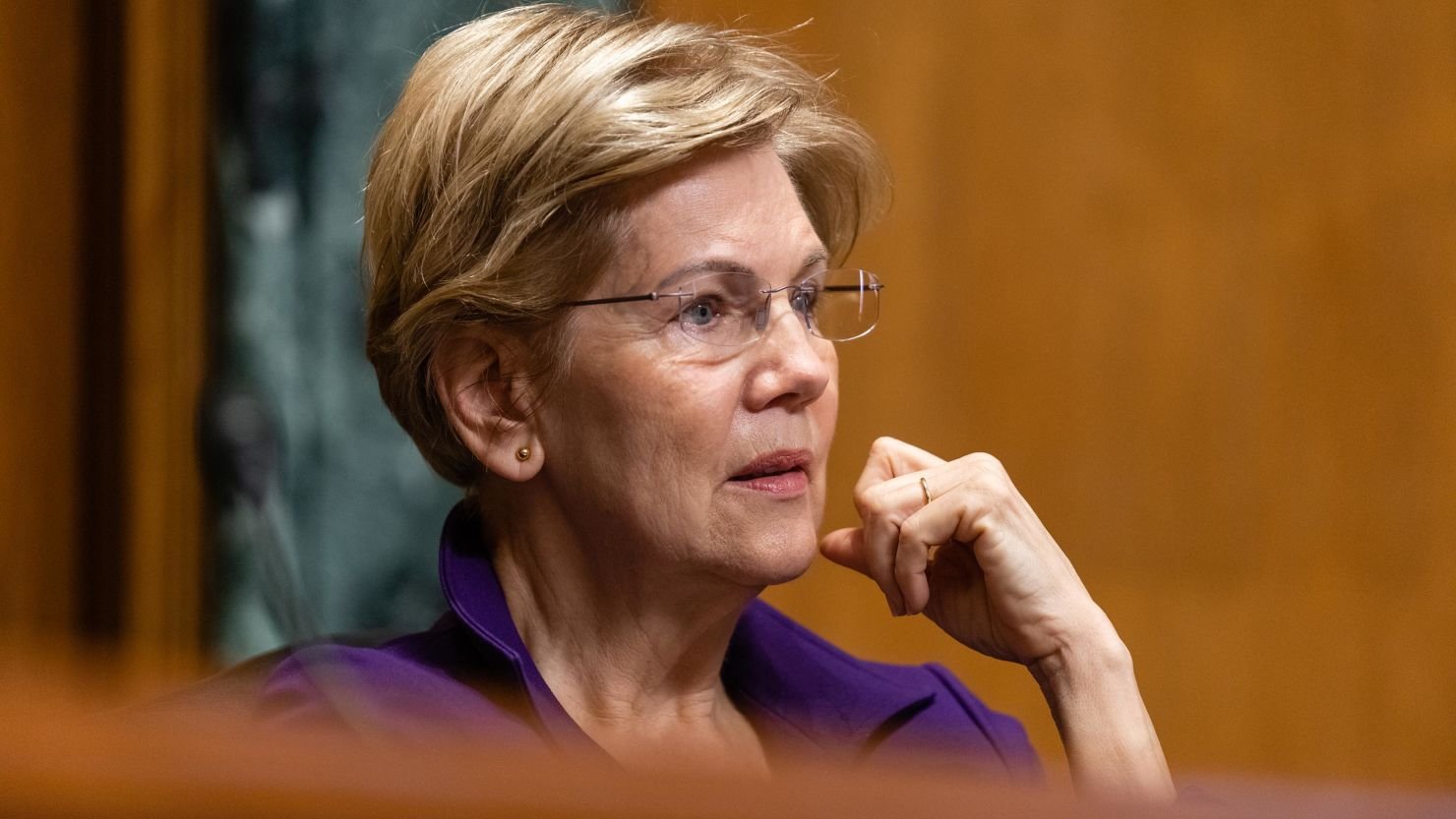
On paper, $280 million sounds significant. In practice, for a company the size of Live Nation, it is anything but. Sen. Elizabeth Warren (D-MA) wrote on X: “Donald Trump just betrayed every fan who’s been exploited by Ticketmaster. This fine is less than 1% of Live Nation’s revenue last year AND lets them continue to rip off fans with a 15% ‘Ticketmaster Tax.’ It’s wrong. We need to break up Ticketmaster and Live Nation.” Deadline
A slap on the wrist dressed up as accountability. And the senators weren’t about to let it slide.
Enter the Antitrust Accountability and Transparency Act
Sen. Amy Klobuchar found the DOJ’s recent settlement with the concert and ticketing giant so weak that she’s pitching legislation to strengthen settlement procedures altogether. Klobuchar introduced the Antitrust Accountability and Transparency Act alongside fellow Democratic Sens. Dick Durbin, Cory Booker, Mazie Hirono, Richard Blumenthal, Peter Welch, Sheldon Whitehouse, Elizabeth Warren and Chris Murphy. The Hollywood Reporter
In an interview with Variety last week, Klobuchar, a forceful and longtime advocate for a level playing field in the live-entertainment industry, called the settlement “weak” and “absolutely disrespectful to fans.” Variety
Her statement upon introducing the bill left nothing to the imagination: “When the government prosecutes antitrust violations, the goal should be to uphold the law, lower prices, and protect consumers and small businesses. In the recent settlement between the Department of Justice and Live Nation, it is clear the American people got the raw end of the deal.” U.S. Senate
Warren Drops the Sharpest Words Yet: ‘A Cesspool of Corruption’
If Klobuchar’s language was pointed, Elizabeth Warren‘s was a blowtorch. “Under Donald Trump, antitrust enforcement has become a growing cesspool of corruption. Giant mergers look like the newest way for Donald Trump to play political favorites while slashing choices and jacking up prices for Americans. This bill will protect consumers and workers by making sure the government doesn’t let giant companies like Ticketmaster or HPE off the hook based on influence-peddling,” said Senator Warren. U.S. Senate
These are not mild-mannered parliamentary concerns. This is a sitting U.S. Senator accusing the sitting president’s administration of using antitrust enforcement — the very mechanism meant to protect ordinary Americans from corporate monopoly — as a tool of political favoritism. That is a significant allegation, and Warren is making it on the record, in her name, without hedging.
The Troubling Story Behind the Settlement — A Fired Enforcer and ‘Pay-to-Play’ Accusations
The background to all of this is, frankly, alarming — and it goes well beyond the settlement itself.
Notably, even President Donald Trump‘s own Assistant Attorney General for Antitrust Gail Slater was ousted, reportedly in part because of her resistance to inappropriate pressure by Justice Department leadership over antitrust matters, including the case against Live Nation-Ticketmaster, which was recently settled mid-trial without the knowledge of the lawyers trying the case in court. Senate
Read that again: the settlement was reached without the knowledge of the government lawyers who were actively arguing the case in court. The judge overseeing the trial was furious. Judge Arun Subramanian was angry at the attorneys for both sides when the existence of the settlement was announced in open court, according to The New York Times. Deadline

One of the ousted officials, Roger Alford, warned that the administration is engaged in a “pay-to-play approach to antitrust enforcement” and that “the Department of Justice is now overwhelmed with lobbyists with little antitrust expertise going above the Antitrust Division leadership seeking special favors.” Senate
This is not opposition party spin. Roger Alford served as Deputy Assistant Attorney General for Antitrust under President Trump himself — and he is now one of the endorsers of the new Senate legislation.
What the New Bill Would Actually Do
The Antitrust Accountability and Transparency Act would extend reviews under the Tunney Act to the Federal Trade Commission, which currently only applies to the Justice Department. It would also require the government to explain how a proposed settlement remedies antitrust issues and to disclose previous settlement offers, the process for reviewing those offers, and any side-deals not included in the formal agreement. TheWrap
The bill would also empower state attorneys general by allowing them to intervene in Tunney Act hearings as a matter of right, and creates a process by which they can step in to fight and continue a case where the federal government chooses to voluntarily dismiss it. Variety
In plain English: no more backroom deals. No more settlements that blindside the lawyers doing the actual work. No more rubber-stamping arrangements that leave the public with less protection than they started with.
Rep. Jamie Raskin, ranking member of the House Judiciary Committee, is introducing companion legislation in the House. The Hollywood Reporter Former assistant attorney generals Jonathan Kanter, Bill Baer and Roger Alford have also endorsed the legislation. “These amendments make clear that courts have both the authority and the obligation to do more than rubber-stamp government settlements,” Kanter said. “Antitrust violations should not end in weak settlements that leave the public holding the bag.” The Hollywood Reporter
Why Concert Fans Are Watching Closely
Given how frustrated consumers have gotten with the state of live music in recent years, it’s not surprising lawmakers are keeping their foot on the gas against Live Nation even after a DOJ settlement, seeing the issue as an easy bipartisan win with constituents. The Hollywood Reporter
And they’re right. Ticket prices have become a defining consumer frustration of this generation — a symbol of how unchecked corporate power quietly drains ordinary people of money they don’t have to spare. The Live Nation-Ticketmaster saga has never been just a music industry story. It has always been a story about who the system is actually built to serve.
Right now, a group of senators is trying to answer that question differently. Whether they succeed is another matter. But they are asking it loudly — and that, at least, is a start.

Ken Jennings Finally Confesses the Truth About His Shocking Jeopardy! Loss After 74 Wins — ‘This Gentleman Has Been Thinking I Took a…’

American Pie’s Shannon Elizabeth Joins OnlyFans at 52 and Says ‘This Is the Future’ — ‘No One Has Seen This Side of…’

Toluca’s Coach Breaks Silence After 7-2 Demolition of LA Galaxy: ‘We Don’t Shy Away From the Pressure of…

Northern Lights Could Light Up the Sky Across 10 U.S. States Tonight — Here’s Exactly Where to Look and What Time to…

From Wool to Wires: Allbirds Stock Explodes 600% After Ditching Sneakers for AI — ‘The Market is Struggling to Meet…’

1-Iran Issues Dire Warning to Israel and Defies Trump on Nukes: “We’re Ready to Strike Deep Inside”

Donald Trump’s net worth reveals the fortune behind the former US President and business mogul

“She Never Made It Out…” Albany House Fire Claims Woman’s Life as Family Pleads for Help to Bring Her Home

“Tomás Rodríguez Net Worth 2025: Panama’s Gold Cup Goal‑Machine’s Surprising Fortune Revealed”

Caitlin Clark Sidelined with Quad Strain, Set to Miss Two Weeks of WNBA Action

Miss Jamaica Suffers Terrifying Fall Off Miss Universe Stage; Rushed to Hospital on Stretcher in Viral Video

Moana Live-Action Teaser Sparks Outrage as Fans Call Disney’s Move a ‘Clear Money Grab’ — What Went Wrong?

Ryan Gosling’s Project Hail Mary Trailer Stuns Fans with a Mysterious Alien Ally and a Mission That Could Save Earth

Apple delays Jessica Chastain thriller The Savant about domestic extremism after recent US violence

Avatar 3, Fire and Ash trailer reveals Jake Sully’s family facing terrifying new Na’vi enemies with deadly fire powers
-
 Entertainment5 days ago
Nick Cannon Just Called the Democratic Party ‘the Party of the KKK’ on Camera and What He Said About Trump Next Made It Even More Controversial…
-
 Entertainment6 days ago
Noah Wyle Breaks Silence on The Pitt ICE Episode Edits… What HBO Changed and Why It Matters
-

 Entertainment1 week ago
“Super Mario Galaxy Movie Rockets to $372M Globally: Is This the Biggest Easter Box Office Ever?”
-

 Entertainment1 week ago
He’s Back! John Hannah Is Returning to ‘The Mummy’ Universe And What He Just Revealed About Reprising His Role Has Fans of the Original Completely Losing It…
-

 Entertainment6 days ago
The Oscar Ballot Nobody Was Meant to See Has Leaked And One Voter’s Confession About ‘Sentimental Value’ Is Turning Heads…
-

 Entertainment3 days ago
Dark Winds Season 4 Finale Just Solved the Big Case Then Dropped a Murder Bombshell in the Final Seconds That No One Saw Coming…
-

 Entertainment5 days ago
Hollywood Just Revealed Where the World Is Vacationing Next and the List Will Shock You…
-

 Entertainment1 week ago
Kim Novak Finally Speaks on Sydney Sweeney Playing Her in ‘Scandalous!’ — And What She Said About the Casting Will Leave You Speechless…