
Politics
Trump Signs Big Beautiful Bill but Approval Rating Still Wavers What’s Dragging Him Down
Despite scoring a major legislative win President Donald Trump’s approval ratings remain stuck below 50%, with criticism mounting over cuts to healthcare and controversial immigration tactics.

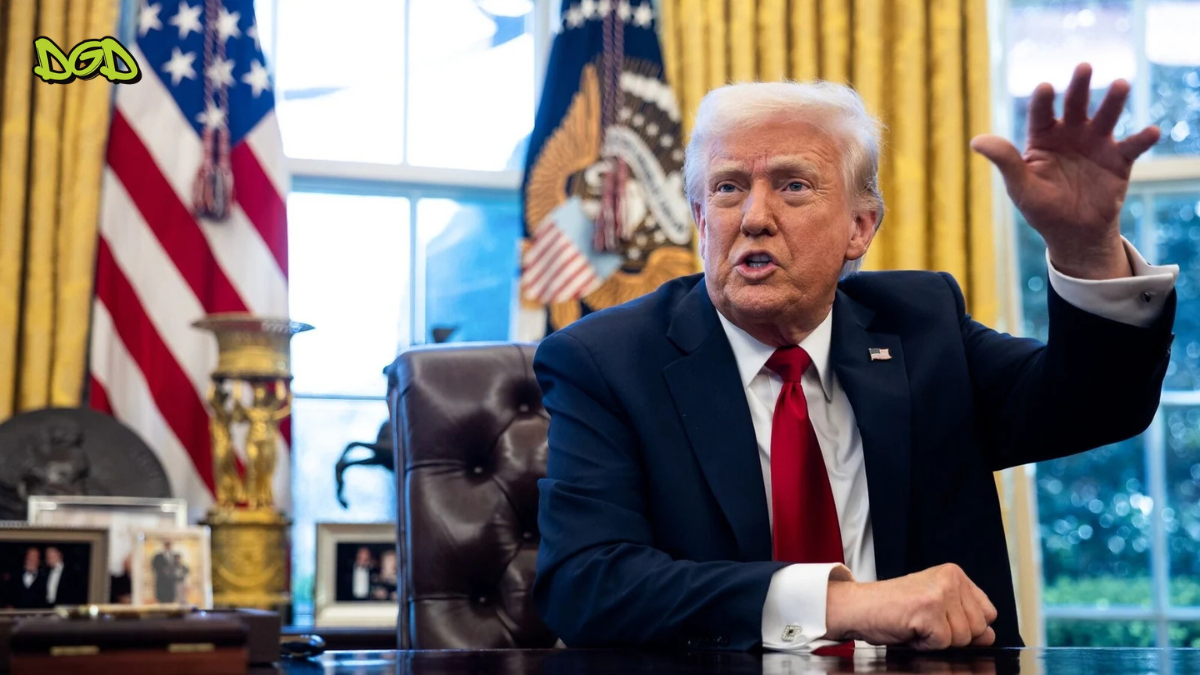
President Donald Trump celebrated a 4th of July legislative triumph with the passing of his long-promised Big Beautiful Bill, yet his approval ratings suggest the American public remains sharply divided. While some hail the bill as a bold economic overhaul, others fear its deep cuts to healthcare and food assistance could hurt millions.
On July 3, just ahead of Independence Day, Congress passed the 940-page legislation, which Trump is expected to sign into law during his holiday address. Touted by the administration as a “historic win,” the bill extends the 2017 tax cuts, eliminates taxes on tips and overtime, and increases border security funding—a move Trump labeled “an overdue promise to the American worker.”
But the celebration is marred by growing backlash over the bill’s tradeoffs, particularly its dramatic reductions to Medicaid and the Supplemental Nutrition Assistance Program (SNAP). According to Centers for Medicare & Medicaid Services, over 75 million low-income Americans rely on Medicaid. Critics warn that changes could cause premium spikes up to 400% for some low-income households, especially with the Affordable Care Act subsidies set to expire.
This isn’t reform. It’s reckless,” said one healthcare advocate. “Millions could lose coverage.
Approval Ratings: Still in the Danger Zone?
Despite the bill’s passage, Trump’s approval ratings remain mixed, according to recent polling data:
- The Economist/YouGov (July 3): 42% approve, 54% disapprove
- Gallup: Trump’s second-term average sits at 43%, similar to his first-term 41%
- Reuters/Ipsos (June 23): 41% approval
- Rasmussen Reports (July 3): 49% approve, 48% disapprove
- Morning Consult (June 30): 47% approve, 50% disapprove
- American Research Group (June 17–20): Just 38% approve, while 59% disapprove
While Trump’s approval rating ranges between 34% and 49%, the numbers continue to lag behind historical averages for sitting U.S. presidents, suggesting the bill alone may not be enough to sway public opinion.
Immigration Enforcement Sparks Fresh Criticis
Compounding the controversy, Trump’s administration is also facing blowback for its immigration enforcement policies. A recent ICE operation drew condemnation from faith leaders, including Bishop John Dolan of the Roman Catholic Diocese of Phoenix, who described the raids as causing “confusion, fear, and heartache” across migrant communities.
We support law and order, but not at the cost of human dignity,” the Bishop stated.
Who Really Benefits from the ‘Big Beautiful Bill’?
According to a recent analysis by the Penn Wharton Budget Model, high-income earners are the immediate winners. In the long term, however, the report forecasts lifetime financial losses across all income groups, raising serious concerns about the bill’s economic sustainability.
Short-term gains for the rich, long-term losses for all,” the report concludes.
Can Trump Turn It Around Before Election Season?
With the 2026 midterms on the horizon, Trump’s ability to stabilize his approval rating could hinge on how the public perceives this bill’s impact in the coming months. If the promised tax relief isn’t felt across working-class households, or if healthcare disruptions worsen, the political cost could be steep.
Until then, Trump remains where he’s been for much of his presidency: deeply loved by his base, sharply criticized by others, and hovering in approval limbo.






Politics
Freedom 250 Concert Faces Questions After Donald Trump’s Blunt Statement
Trump’s candid remarks have fueled speculation about the future of the high-profile Freedom 250 celebration.

The planned Freedom 250 celebration was envisioned as a major cultural event honoring America’s upcoming 250th anniversary. But instead of excitement surrounding the lineup, the conversation has shifted toward a growing controversy over performers who reportedly chose not to participate.
Now, Donald Trump has added fuel to the debate with a blunt response that is making headlines across the political and entertainment worlds.
The former U.S. president suggested that if major artists are unwilling to take part, organizers should simply “cancel it,” a remark that instantly drew attention from supporters and critics alike.
A Celebration Overshadowed by Controversy
The Freedom 250 initiative was designed to commemorate one of the most significant milestones in American history—the 250th anniversary of the nation’s founding.
Supporters hoped the event would bring together music, culture, and patriotism on a grand stage. However, reports that several performers were reluctant to participate quickly changed the narrative.
ALSO READ : Sen. Elizabeth Warren Calls It a ‘Cesspool of Corruption’ — Here’s Why Senators Are Now Fighting Back Against the DOJ’s Live Nation Deal That Left Every Fan Betrayed…
Rather than focusing on the celebration itself, public discussion shifted toward why some artists allegedly chose to distance themselves from the event.
For many observers, the situation highlights the increasingly complicated relationship between entertainment and politics in modern America.
Trump’s Frustration Becomes Public
Speaking about the reported withdrawals, Donald Trump did not hide his frustration.
He reportedly criticized the situation and questioned the value of moving forward if organizers were struggling to secure high-profile performers.
His comments reflected a broader sentiment among some supporters who believe national celebrations should transcend political divisions.
“If nobody wants to perform,” Trump suggested in essence, “why continue with it?”
The remark quickly circulated online, triggering reactions from political commentators, music fans, and social media users.
Why Performers Are Under the Spotlight
Celebrity involvement in politically connected events has become increasingly scrutinized in recent years.
Whether it is presidential inaugurations, campaign rallies, charity concerts, or national celebrations, artists often face intense public pressure regarding where they choose to appear.
For many performers, participating in a high-profile event can bring both opportunities and criticism.
Some artists prefer to avoid events that may be perceived as politically charged, while others openly embrace causes and public platforms aligned with their beliefs.
The Freedom 250 controversy appears to be another example of that ongoing challenge.
The Growing Intersection of Politics and Entertainment
The relationship between politics and entertainment has never been stronger—or more complicated.
Figures such as Taylor Swift, Beyoncé, Bruce Springsteen, and countless other performers have found themselves at the center of political discussions over the years.
At the same time, politicians increasingly recognize the cultural influence that musicians and entertainers bring to major public events.
As a result, decisions about who performs—and who declines—often generate headlines far beyond the entertainment industry.
The Freedom 250 debate illustrates how cultural events can quickly become symbolic battlegrounds in a polarized environment.
Supporters Say the Event Is Bigger Than Politics
Many advocates of the celebration argue that the event should focus on America’s history rather than political disagreements.
They believe the nation’s 250th anniversary is a rare moment deserving broad participation regardless of ideology.
According to supporters, national milestones should unite citizens around shared heritage and achievements.

Some have expressed disappointment that performer participation has become a political talking point rather than a discussion about the historical significance of the anniversary.
For them, the goal of Freedom 250 remains unchanged: celebrating the country’s journey over two and a half centuries.
Critics See a Different Story
Others argue that artists have every right to choose where they perform and what events they support.
In today’s highly connected world, public figures are frequently expected to align their professional appearances with their personal values and public image.
Critics of Trump’s remarks suggest that performer decisions should not be interpreted as a rejection of patriotism but rather as individual choices about participation.
This perspective has found support among many commentators who believe entertainers should be free from political pressure regardless of the event involved.
Social Media Amplifies the Debate
As with most modern controversies, social media quickly transformed the discussion into a nationwide conversation.
Supporters praised Trump for speaking candidly about the situation, while opponents accused him of escalating tensions unnecessarily.
Posts discussing the Freedom 250 concert spread across platforms, turning what might have been a routine event-planning issue into a broader cultural debate.
The reaction demonstrates how quickly public opinion can form around entertainment-related controversies, especially when major political figures become involved.
What Happens Next?
The future of the Freedom 250 concert remains a topic of speculation.
Organizers still face questions about performer participation, public interest, and how the event will ultimately be presented to audiences.
Whether the concert moves forward as planned or undergoes significant changes, the controversy has already achieved one thing: it has ensured that the Freedom 250 celebration is being discussed nationwide.
For Donald Trump, the episode provided another opportunity to deliver the kind of direct, headline-grabbing comments that have long defined his public persona.
For organizers, however, the challenge remains finding a way to keep the focus on the historic anniversary itself rather than the political arguments surrounding it.
As America approaches its 250th birthday, the debate over Freedom 250 serves as a reminder that culture, entertainment, and politics are more intertwined than ever before—and that even a celebration designed to unite people can become a source of national conversation.
Politics
“If Nobody Wants to Perform, Cancel It…” Donald Trump’s Sharp Response Leaves Freedom 250 Concert Plans in Doubt
After criticizing artists who reportedly backed out of the Freedom 250 celebration, Donald Trump suggested the event might not be worth holding at all—sparking a fresh debate over politics, entertainment, and patriotic celebrations.

The planned Freedom 250 celebration was envisioned as a major cultural event honoring America’s upcoming 250th anniversary. But instead of excitement surrounding the lineup, the conversation has shifted toward a growing controversy over performers who reportedly chose not to participate.
Now, Donald Trump has added fuel to the debate with a blunt response that is making headlines across the political and entertainment worlds.
The former U.S. president suggested that if major artists are unwilling to take part, organizers should simply “cancel it,” a remark that instantly drew attention from supporters and critics alike.
A Celebration Overshadowed by Controversy
The Freedom 250 initiative was designed to commemorate one of the most significant milestones in American history—the 250th anniversary of the nation’s founding.
Supporters hoped the event would bring together music, culture, and patriotism on a grand stage. However, reports that several performers were reluctant to participate quickly changed the narrative.
ALSO READ : Sen. Elizabeth Warren Calls It a ‘Cesspool of Corruption’ — Here’s Why Senators Are Now Fighting Back Against the DOJ’s Live Nation Deal That Left Every Fan Betrayed…
Rather than focusing on the celebration itself, public discussion shifted toward why some artists allegedly chose to distance themselves from the event.
For many observers, the situation highlights the increasingly complicated relationship between entertainment and politics in modern America.
Trump’s Frustration Becomes Public
Speaking about the reported withdrawals, Donald Trump did not hide his frustration.
He reportedly criticized the situation and questioned the value of moving forward if organizers were struggling to secure high-profile performers.
His comments reflected a broader sentiment among some supporters who believe national celebrations should transcend political divisions.
“If nobody wants to perform,” Trump suggested in essence, “why continue with it?”
The remark quickly circulated online, triggering reactions from political commentators, music fans, and social media users.
Why Performers Are Under the Spotlight
Celebrity involvement in politically connected events has become increasingly scrutinized in recent years.
Whether it is presidential inaugurations, campaign rallies, charity concerts, or national celebrations, artists often face intense public pressure regarding where they choose to appear.
For many performers, participating in a high-profile event can bring both opportunities and criticism.
Some artists prefer to avoid events that may be perceived as politically charged, while others openly embrace causes and public platforms aligned with their beliefs.
The Freedom 250 controversy appears to be another example of that ongoing challenge.
The Growing Intersection of Politics and Entertainment
The relationship between politics and entertainment has never been stronger—or more complicated.
Figures such as Taylor Swift, Beyoncé, Bruce Springsteen, and countless other performers have found themselves at the center of political discussions over the years.
At the same time, politicians increasingly recognize the cultural influence that musicians and entertainers bring to major public events.
As a result, decisions about who performs—and who declines—often generate headlines far beyond the entertainment industry.
The Freedom 250 debate illustrates how cultural events can quickly become symbolic battlegrounds in a polarized environment.
Supporters Say the Event Is Bigger Than Politics
Many advocates of the celebration argue that the event should focus on America’s history rather than political disagreements.
They believe the nation’s 250th anniversary is a rare moment deserving broad participation regardless of ideology.
According to supporters, national milestones should unite citizens around shared heritage and achievements.
Some have expressed disappointment that performer participation has become a political talking point rather than a discussion about the historical significance of the anniversary.
For them, the goal of Freedom 250 remains unchanged: celebrating the country’s journey over two and a half centuries.
Critics See a Different Story
Others argue that artists have every right to choose where they perform and what events they support.
In today’s highly connected world, public figures are frequently expected to align their professional appearances with their personal values and public image.
Critics of Trump’s remarks suggest that performer decisions should not be interpreted as a rejection of patriotism but rather as individual choices about participation.
This perspective has found support among many commentators who believe entertainers should be free from political pressure regardless of the event involved.
Social Media Amplifies the Debate
As with most modern controversies, social media quickly transformed the discussion into a nationwide conversation.
Supporters praised Trump for speaking candidly about the situation, while opponents accused him of escalating tensions unnecessarily.
Posts discussing the Freedom 250 concert spread across platforms, turning what might have been a routine event-planning issue into a broader cultural debate.
The reaction demonstrates how quickly public opinion can form around entertainment-related controversies, especially when major political figures become involved.
What Happens Next?
The future of the Freedom 250 concert remains a topic of speculation.
Organizers still face questions about performer participation, public interest, and how the event will ultimately be presented to audiences.
Whether the concert moves forward as planned or undergoes significant changes, the controversy has already achieved one thing: it has ensured that the Freedom 250 celebration is being discussed nationwide.
For Donald Trump, the episode provided another opportunity to deliver the kind of direct, headline-grabbing comments that have long defined his public persona.
For organizers, however, the challenge remains finding a way to keep the focus on the historic anniversary itself rather than the political arguments surrounding it.
As America approaches its 250th birthday, the debate over Freedom 250 serves as a reminder that culture, entertainment, and politics are more intertwined than ever before—and that even a celebration designed to unite people can become a source of national conversation.
Politics
Trump’s Surprise Phone Call to Tiger Woods From ‘Recovery’ Sparks Buzz… While Melania’s ‘SNL’ Epstein Comment Adds Fuel to Political Storm
Two separate but explosive moments involving Donald Trump and Melania Trump dominate headlines as celebrity politics and pop culture collide again

In a week already packed with political chatter and entertainment crossovers, former U.S. President Donald Trump has once again found himself at the center of media attention—this time over a reported phone call to golf legend Tiger Woods during what sources describe as a period of recovery.
According to emerging reports and social media discussions, Trump reached out to Woods in what appeared to be a personal gesture of support. While details of the conversation remain private, the timing of the call has sparked widespread curiosity among fans of both sports and politics. Woods, widely regarded as one of the greatest golfers in history, has faced multiple injury setbacks in recent years, making any public interaction closely followed by his supporters.
The conversation quickly became a trending topic, not only because of the two high-profile names involved but also due to the long-standing public friendship between Trump and Woods. Both figures have previously been seen together at golf events and private gatherings, reinforcing their shared interest in the sport and elite social circles.
ALSO READ : Sen. Elizabeth Warren Calls It a ‘Cesspool of Corruption’ — Here’s Why Senators Are Now Fighting Back Against the DOJ’s Live Nation Deal That Left Every Fan Betrayed…
At the same time, attention shifted sharply toward Trump’s family after Melania Trump reportedly addressed renewed public interest surrounding past Epstein-related questions during a satirical segment linked to Saturday Night Live.
The discussion, which surfaced online following commentary tied to the show’s cultural influence, has reignited debates across social media platforms. However, no official statement has been released confirming any new developments, and much of the reaction remains based on public interpretation and online discourse rather than verified legal or political updates.
Still, the timing of both stories has created a media storm—one involving a private phone call between two global figures, and the other tied to long-running public scrutiny and political symbolism.

Political analysts note that Donald Trump continues to dominate both news cycles and digital conversations, often simultaneously across multiple domains—politics, celebrity culture, and sports. His ability to remain a focal point of public discussion, even through indirect events like personal calls or family statements, reflects his enduring media presence.
On the other hand, Tiger Woods’ name entering the political-news space once again highlights how deeply interconnected modern celebrity ecosystems have become. Once confined to sports pages, Woods now frequently appears in broader cultural and political narratives.
As for Melania Trump’s reported remarks, the reaction underscores how sensitive topics tied to public figures can quickly escalate online, especially when linked with entertainment platforms like Saturday Night Live, known for its political satire and cultural commentary.
For now, neither Trump’s team nor Woods’ representatives have issued further clarification regarding the phone call, and discussions around Melania Trump’s comments continue to circulate primarily on social media.
What remains clear is that in today’s fast-moving news cycle, even a private phone call or a brief media mention can evolve into a global headline within hours.

Hollywood Stars or Dancing Chaos? Marek Eben Opens Up on Hosting KVIFF Ceremonies: ‘Which One Is More Stressful… I Still Can’t Decide’

‘A Lion at My Back’: Teenage Asylum Seeker & Cypriot Woman Form Unlikely Bond in Karlovy Vary Drama That’s Turning Heads…

Virginie Efira to Be Honoured at Locarno… ‘Bold Yet Thoughtful’ Star Set for Prestigious Leopard Club Award

‘I’m Done With the GOP’: Tucker Carlson’s Explosive Split With Trump Era Republicans Sends Shockwaves Through MAGA Base…

UFC Fighter Josh Hokit Defends ‘Michelle Obama Comment’: ‘It Was Meant as a Compliment… Freedom of Speech Is the Point’

1-Iran Issues Dire Warning to Israel and Defies Trump on Nukes: “We’re Ready to Strike Deep Inside”

Donald Trump’s net worth reveals the fortune behind the former US President and business mogul

“She Never Made It Out…” Albany House Fire Claims Woman’s Life as Family Pleads for Help to Bring Her Home

“Tomás Rodríguez Net Worth 2025: Panama’s Gold Cup Goal‑Machine’s Surprising Fortune Revealed”

Younghoe Koo Explains Botched Field Goal After Slip: “The Ball Was Moving So I Pulled Up”

Miss Jamaica Suffers Terrifying Fall Off Miss Universe Stage; Rushed to Hospital on Stretcher in Viral Video

Moana Live-Action Teaser Sparks Outrage as Fans Call Disney’s Move a ‘Clear Money Grab’ — What Went Wrong?

Ryan Gosling’s Project Hail Mary Trailer Stuns Fans with a Mysterious Alien Ally and a Mission That Could Save Earth

Apple delays Jessica Chastain thriller The Savant about domestic extremism after recent US violence

Avatar 3, Fire and Ash trailer reveals Jake Sully’s family facing terrifying new Na’vi enemies with deadly fire powers
-

 Entertainment1 week ago
CBS News Shakes Up ‘60 Minutes’ as Sharyn Alfonsi Is Fired… Inside the Overhaul Rocking Television Journalism
-

 Entertainment1 week ago
BIFAN Unveils Its Most Unpredictable Lineup Yet: Why ‘Obsession’ and ‘Teenage Sex and Death at Camp Miasma’ Are Already Turning Heads…
-

 Technology1 week ago
YouTube says ‘enough is enough’… Faceless AI Channels lose reach as algorithm shift hits ‘AI slop’ wave
-

 Entertainment1 week ago
“These Films Are Saving Hollywood…” Jason Blum and James Wan Reveal Why ‘Obsession’ and ‘Backrooms’ Could Change Horror Forever
-

 Entertainment1 week ago
Fans Refused to Let Him Go: John Reardon Returns to ‘Hudson & Rex’ Season 9 After Massive Viewer Backlash
-

 Entertainment1 week ago
Why Did Vasana Montgomery Leave ‘Love Island USA’? Her First Public Statement Reveals More…
-

 Entertainment1 week ago
“After ‘Backrooms’ Shocked Hollywood… These YouTubers Could Be the Next Box Office Goldmine”
-

 Entertainment1 week ago
‘There’s No Secret Formula’: Gail Simmons Opens Up About How ‘Top Chef’ Winners Are Really Chosen… and Why Fans Often Get It Wrong