
Technology News
Telegram’s Pavel Durov claims French intelligence tried to silence Moldova election voices… and he refused
The Telegram co-founder says Paris pressured him to censor political channels in exchange for leniency in his trial, sparking new debate over free speech in Europe.


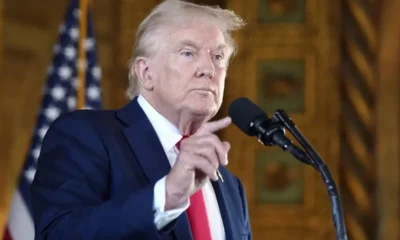
In a stunning revelation, Pavel Durov, the co-founder of Telegram, has claimed that French intelligence officials pressured him to censor political content tied to Moldova’s 2024 election. According to Durov, the request was part of an informal bargain: comply, and the French authorities would “say good things” to the judge overseeing his case.
ALSO READ : Fake Madison Beer post tries to spark feud between Justin Herbert and Giants rookie Jaxson Dart before NFL debut
Durov, who was arrested in France in August 2024, wrote in a Sunday post on his own platform that while Telegram initially removed some posts that “clearly” violated its terms of service, French officials soon provided a second list.
Unlike the first, nearly all of these channels were legitimate and fully compliant with our rules. Their only commonality was that they voiced political positions disliked by the French and Moldovan governments. We refused to act on this request,” Durov said.
A growing clash between states and platforms
The clash underscores a broader struggle between governments and digital platforms over free expression. French authorities, along with other European Union officials, have repeatedly demanded that Telegram restrict political content during elections, citing fears of disinformation campaigns.
But Durov argues that such demands undermine democracy itself.
You can’t ‘defend democracy’ by destroying democracy. You can’t ‘fight election interference’ by interfering with elections,” he wrote in May 2025, referencing similar pressure from France to censor Romanian election content.

Crypto industry and activists rally behind Durov
Durov’s claims come amid heightened scrutiny of his trial and the future of Telegram in Europe. His arrest in 2024 drew fierce backlash from the crypto industry, which has long embraced Telegram as a hub for innovation and decentralized finance discussions. Human rights groups also condemned what they described as a politically motivated attack on digital privacy.
Since then, Durov has positioned himself as a vocal critic of the French government and of the EU’s direction. In June, he warned that France was “inching toward societal collapse” due to rising censorship and authoritarian policies.
Privacy vs. surveillance
One of the central issues is encryption. Durov has repeatedly vowed that Telegram will exit jurisdictions, including France, rather than hand over encryption keys or create backdoors for state surveillance.
This debate intensified in 2025 as the EU pushed forward a controversial proposal to monitor all online messages—including encrypted ones. The initiative, supported by 19 EU member states, has been described by critics as the largest state-backed attack on online privacy in the union’s history.
For Durov, the stakes go beyond one court case. “We either have freedom of speech and fair elections—or we don’t,” he declared.
What’s next for Telegram?
With Telegram boasting more than 900 million users worldwide, the platform’s standoff with European governments could set the tone for the future of digital freedoms. If Durov follows through on his threats to withdraw from countries that demand backdoor access, millions of European users could find themselves cut off.
For now, the battle lines are clear: a Russian-born tech entrepreneur standing firm on principles of free expression, and European governments insisting on tighter control in the name of democracy.
The outcome of Durov’s case in France, and Telegram’s response to future censorship demands, could reshape the global conversation about privacy, power, and the limits of state authority in the digital age.











Technology News
Inside the Mind of the Man Who Trusts Dogs to Lead Movies
From AI labs to film sets, BARK innovation chief Mikkel Holm has a radical idea — what if dogs weren’t just stars, but storytellers?

In an era where artificial intelligence is already writing scripts, composing music, and generating entire films, one creative mind is asking a question that feels equal parts absurd and oddly profound: Why shouldn’t dogs be directors?
That mind belongs to Mikkel Holm, the Chief AI & Innovation Officer at BARK, the pet brand best known for turning dog culture into a billion-dollar business. Holm isn’t pitching a gimmick. He’s questioning how creativity itself is defined — and who gets to own it.
From Fetch to Final Cut
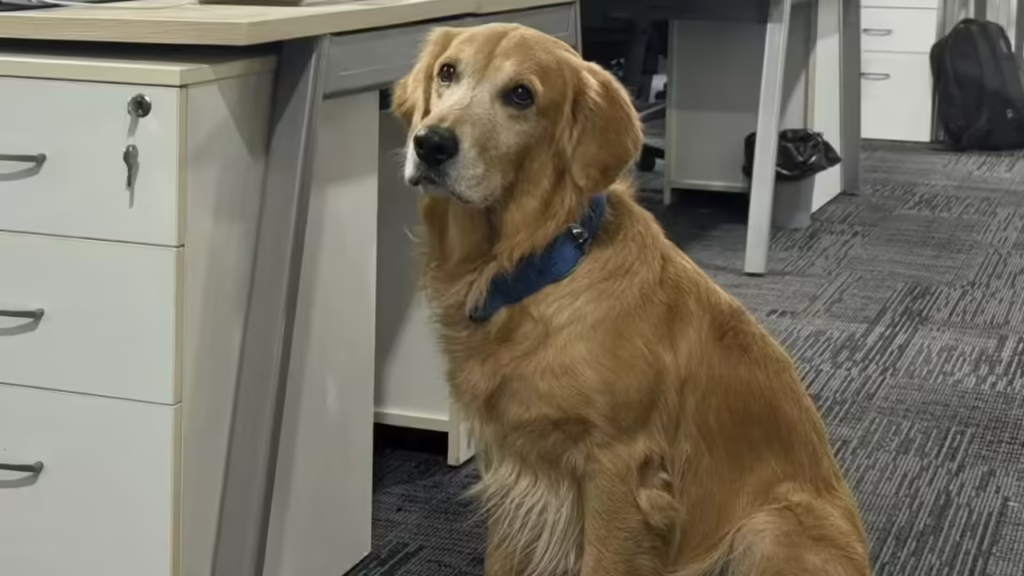
Holm’s thinking sits at the crossroads of AI, storytelling, and animal behavior. With generative tools becoming more intuitive, he believes creativity no longer needs to start with a human idea. A dog’s reactions — what excites them, what scares them, what keeps their attention — could become the raw data that shapes narratives.
“Dogs already tell us what they like,” Holm has suggested in industry conversations. “We just haven’t been listening in a cinematic way.”
ALSO READ : Younghoe Koo Explains Botched Field Goal After Slip: “The Ball Was Moving So I Pulled Up”
Using sensors, computer vision, and behavioral AI models, a dog’s gaze, movement, or excitement could guide editing decisions, pacing, or even story arcs. The result wouldn’t be about dogs — it would be cinema filtered through a non-human perspective.
The Birth of the First Park Chan-Woof?
Holm jokingly refers to the possibility of minting the next Park Chan-wook — except this auteur would wag instead of walk the red carpet. The joke lands because it highlights something serious: great directors don’t just tell stories, they feel them. And dogs, arguably, are pure instinct.
Unlike human creators shaped by trends, algorithms, or box-office anxiety, dogs respond honestly. They don’t care about three-act structures or Rotten Tomatoes scores. They react in real time — and Holm believes that authenticity is something modern storytelling desperately needs.
Why BARK Is the Perfect Place for This Idea
At BARK, data about canine behavior isn’t abstract. It’s central to the business. Millions of interactions — toys chewed, treats rejected, boxes loved — already inform product design. Translating that behavioral intelligence into creative output feels like a natural extension.
Holm’s role isn’t about replacing human creators. Instead, it’s about collaboration — humans setting the framework, AI translating signals, and dogs influencing the final creative choices in ways we’ve never seen before.
Is This Art or Absurdity?
Skeptics, of course, will laugh. Dogs as directors sounds like a headline built for clicks. But then again, so did AI-written novels, virtual influencers, and fully synthetic pop stars — until they weren’t jokes anymore.
Holm’s idea taps into a deeper cultural shift: creativity is no longer exclusively human. As tools evolve, authorship becomes shared — between humans, machines, and perhaps, one day, animals.
And if the result is strange, emotional, or unexpectedly beautiful? That might be the point.
A Future Where Creativity Isn’t Just Human
Cinema has always evolved with technology — from silent films to sound, black-and-white to color, analog to digital. Holm’s vision suggests the next leap might not be technical, but philosophical.
What happens when we stop asking who is allowed to create?
If the first dog-directed short film ever premieres at a festival someday, don’t be surprised if it doesn’t explain itself. Dogs, after all, have never felt the need to justify their instincts. Maybe storytellers shouldn’t either.
Technology News
Inside the Vision of the Man Who Trusts Dogs to Tell Stories on the Big Screen
From AI labs to film sets, BARK innovation chief Mikkel Holm has a radical idea — what if dogs weren’t just stars, but storytellers?
In an era where artificial intelligence is already writing scripts, composing music, and generating entire films, one creative mind is asking a question that feels equal parts absurd and oddly profound: Why shouldn’t dogs be directors?
That mind belongs to Mikkel Holm, the Chief AI & Innovation Officer at BARK, the pet brand best known for turning dog culture into a billion-dollar business. Holm isn’t pitching a gimmick. He’s questioning how creativity itself is defined — and who gets to own it.
From Fetch to Final Cut
Holm’s thinking sits at the crossroads of AI, storytelling, and animal behavior. With generative tools becoming more intuitive, he believes creativity no longer needs to start with a human idea. A dog’s reactions — what excites them, what scares them, what keeps their attention — could become the raw data that shapes narratives.
“Dogs already tell us what they like,” Holm has suggested in industry conversations. “We just haven’t been listening in a cinematic way.”
ALSO READ : Younghoe Koo Explains Botched Field Goal After Slip: “The Ball Was Moving So I Pulled Up”
Using sensors, computer vision, and behavioral AI models, a dog’s gaze, movement, or excitement could guide editing decisions, pacing, or even story arcs. The result wouldn’t be about dogs — it would be cinema filtered through a non-human perspective.
The Birth of the First Park Chan-Woof?
Holm jokingly refers to the possibility of minting the next Park Chan-wook — except this auteur would wag instead of walk the red carpet. The joke lands because it highlights something serious: great directors don’t just tell stories, they feel them. And dogs, arguably, are pure instinct.
Unlike human creators shaped by trends, algorithms, or box-office anxiety, dogs respond honestly. They don’t care about three-act structures or Rotten Tomatoes scores. They react in real time — and Holm believes that authenticity is something modern storytelling desperately needs.
Why BARK Is the Perfect Place for This Idea
At BARK, data about canine behavior isn’t abstract. It’s central to the business. Millions of interactions — toys chewed, treats rejected, boxes loved — already inform product design. Translating that behavioral intelligence into creative output feels like a natural extension.
Holm’s role isn’t about replacing human creators. Instead, it’s about collaboration — humans setting the framework, AI translating signals, and dogs influencing the final creative choices in ways we’ve never seen before.
Is This Art or Absurdity?
Skeptics, of course, will laugh. Dogs as directors sounds like a headline built for clicks. But then again, so did AI-written novels, virtual influencers, and fully synthetic pop stars — until they weren’t jokes anymore.
Holm’s idea taps into a deeper cultural shift: creativity is no longer exclusively human. As tools evolve, authorship becomes shared — between humans, machines, and perhaps, one day, animals.
And if the result is strange, emotional, or unexpectedly beautiful? That might be the point.
A Future Where Creativity Isn’t Just Human
Cinema has always evolved with technology — from silent films to sound, black-and-white to color, analog to digital. Holm’s vision suggests the next leap might not be technical, but philosophical.
What happens when we stop asking who is allowed to create?
If the first dog-directed short film ever premieres at a festival someday, don’t be surprised if it doesn’t explain itself. Dogs, after all, have never felt the need to justify their instincts. Maybe storytellers shouldn’t either.
Technology News
Meet the Man Who Wants Dogs in the Director’s Chair and Thinks Cinema Needs a Bark Side
From AI labs to film sets, BARK innovation chief Mikkel Holm has a radical idea — what if dogs weren’t just stars, but storytellers?
In an era where artificial intelligence is already writing scripts, composing music, and generating entire films, one creative mind is asking a question that feels equal parts absurd and oddly profound: Why shouldn’t dogs be directors?
That mind belongs to Mikkel Holm, the Chief AI & Innovation Officer at BARK, the pet brand best known for turning dog culture into a billion-dollar business. Holm isn’t pitching a gimmick. He’s questioning how creativity itself is defined — and who gets to own it.
From Fetch to Final Cut
Holm’s thinking sits at the crossroads of AI, storytelling, and animal behavior. With generative tools becoming more intuitive, he believes creativity no longer needs to start with a human idea. A dog’s reactions — what excites them, what scares them, what keeps their attention — could become the raw data that shapes narratives.
“Dogs already tell us what they like,” Holm has suggested in industry conversations. “We just haven’t been listening in a cinematic way.”
ALSO READ : Younghoe Koo Explains Botched Field Goal After Slip: “The Ball Was Moving So I Pulled Up”
Using sensors, computer vision, and behavioral AI models, a dog’s gaze, movement, or excitement could guide editing decisions, pacing, or even story arcs. The result wouldn’t be about dogs — it would be cinema filtered through a non-human perspective.
The Birth of the First Park Chan-Woof?
Holm jokingly refers to the possibility of minting the next Park Chan-wook — except this auteur would wag instead of walk the red carpet. The joke lands because it highlights something serious: great directors don’t just tell stories, they feel them. And dogs, arguably, are pure instinct.
Unlike human creators shaped by trends, algorithms, or box-office anxiety, dogs respond honestly. They don’t care about three-act structures or Rotten Tomatoes scores. They react in real time — and Holm believes that authenticity is something modern storytelling desperately needs.
Why BARK Is the Perfect Place for This Idea
At BARK, data about canine behavior isn’t abstract. It’s central to the business. Millions of interactions — toys chewed, treats rejected, boxes loved — already inform product design. Translating that behavioral intelligence into creative output feels like a natural extension.
Holm’s role isn’t about replacing human creators. Instead, it’s about collaboration — humans setting the framework, AI translating signals, and dogs influencing the final creative choices in ways we’ve never seen before.
Is This Art or Absurdity?
Skeptics, of course, will laugh. Dogs as directors sounds like a headline built for clicks. But then again, so did AI-written novels, virtual influencers, and fully synthetic pop stars — until they weren’t jokes anymore.
Holm’s idea taps into a deeper cultural shift: creativity is no longer exclusively human. As tools evolve, authorship becomes shared — between humans, machines, and perhaps, one day, animals.
And if the result is strange, emotional, or unexpectedly beautiful? That might be the point.
A Future Where Creativity Isn’t Just Human
Cinema has always evolved with technology — from silent films to sound, black-and-white to color, analog to digital. Holm’s vision suggests the next leap might not be technical, but philosophical.
What happens when we stop asking who is allowed to create?
If the first dog-directed short film ever premieres at a festival someday, don’t be surprised if it doesn’t explain itself. Dogs, after all, have never felt the need to justify their instincts. Maybe storytellers shouldn’t either.

Hollywood Is Quietly Rewriting the Rules for 2026 and Beyond — The Shift Nobody Is Talking About

Jared Leto’s ‘Tron: Ares’ Locks Its Streaming Date — and Fans Won’t Have to Wait Long

Inside Sundance’s Wildest Years: “Screaming, Crying and Almost Throwing Up”… and How a Film Festival Changed Hollywood Forever

Last Dance at Sundance: Linklater, Coogler and Aronofsky Look Back as Park City Says Goodbye… and the Festival Turns the Page
When Sundance Was Wild How a Small Festival Changed Hollywood Forever

1-Iran Issues Dire Warning to Israel and Defies Trump on Nukes: “We’re Ready to Strike Deep Inside”

Donald Trump’s net worth reveals the fortune behind the former US President and business mogul

Caitlin Clark Sidelined with Quad Strain, Set to Miss Two Weeks of WNBA Action

Elon Musk Breaks Ranks with Trump Over ‘Big, Beautiful’ Tax Bill

“Tomás Rodríguez Net Worth 2025: Panama’s Gold Cup Goal‑Machine’s Surprising Fortune Revealed”

Miss Jamaica Suffers Terrifying Fall Off Miss Universe Stage; Rushed to Hospital on Stretcher in Viral Video

Moana Live-Action Teaser Sparks Outrage as Fans Call Disney’s Move a ‘Clear Money Grab’ — What Went Wrong?

Ryan Gosling’s Project Hail Mary Trailer Stuns Fans with a Mysterious Alien Ally and a Mission That Could Save Earth

Apple delays Jessica Chastain thriller The Savant about domestic extremism after recent US violence

Avatar 3, Fire and Ash trailer reveals Jake Sully’s family facing terrifying new Na’vi enemies with deadly fire powers
-

 Entertainment1 week ago
He-Man Wears a Suit Now… Nicholas Galitzine’s ‘Masters of the Universe’ Trailer Drops a Shock Fans Didn’t See Coming
-

 Entertainment6 days ago
“Comedy Needs Courage Again…”: Judd Apatow Opens Up on Mel Brooks, Talking to Rob Reiner, and Why Studio Laughs Have Vanished
-

 Entertainment1 week ago
Oscars Go Global in a Big Way as This Year’s Nominations Signal a New Era: ‘The Academy Is Finally Looking Beyond Hollywood…’
-

 Entertainment1 week ago
“Dangerously Kinky… and Darkly Funny”: Olivia Wilde and Cooper Hoffman Push Boundaries in ‘I Want Your Sex’
-

 Crime6 days ago
Man Accused in Tupac Shakur Killing Asks Judge to Exclude Critical Evidence
-

 Politics1 week ago
Why Bari Weiss Says Pulling a ‘60 Minutes’ Story Was the Right Call — Even If It Looked Radical
-

 Entertainment1 week ago
“I Want to Conquer America…”: Swedish Noir Icon Camilla Läckberg Reveals Her Hollywood Ambitions and Screen Dreams
-
Entertainment1 week ago
Olivia Wilde and Cooper Hoffman Go Bold in I Want Your Sex—A Dark Comedy That Dares