
Food & Recipes
Fast Food Feels Like a Luxury Now and These Cities Prove Why
From San Francisco to Atlanta, your favorite burger combo is no longer cheap and cheerful—data shows it’s becoming out of reach for the very workers who serve it.


If grabbing a fast food combo used to be your go-to comfort after a long day, brace yourself—those golden fries and signature burgers are now burning a deeper hole in your wallet. A recent LendingTree report reveals that the average fast food meal in America has crossed the $11.50 mark, with some cities seeing prices soar even higher.
According to the study, San Francisco tops the list with an eye-watering $13.88 average for a basic combo meal from chains like McDonald’s, Taco Bell, Wendy’s, Chick-fil-A, or Burger King. The report further exposes a sobering reality: in some metro areas, fast food workers themselves can’t afford the meals they prepare.
The financial strain is most visible on the West Coast. In San Jose, where meals average $11.91, workers need to clock in nearly 35 minutes just to pay for their own lunch. In Washington, D.C., that climbs to over 40 minutes, while in Atlanta it stretches to a jaw-dropping 45 minutes for a $10.13 meal.
While Columbus, Ohio, offers the cheapest fast food at an average of $10.01, it’s hardly a bargain in today’s economy. Factor in housing, healthcare, and inflation, and what used to be a budget-friendly treat has become a luxury—even for those not working in the industry.
LendingTree’s analysis, which used data from the U.S. Bureau of Labor Statistics and the MIT Living Wage Calculator, raises concerns about how rising prices are disconnecting fast food from its foundational identity: quick, affordable, and accessible.
Matt Schulz, LendingTree’s chief consumer finance analyst, noted, “Fast food has long been the fallback option for tired families and time-strapped workers. But now, even that option is becoming financially out of reach.”
A recent consumer survey backs this up, with 78% of Americans now viewing fast food as a luxury. It’s not just a problem for low-income households; even middle-class consumers are cutting back.
But what’s driving the spike? Experts point to a mix of wage hikes, supply chain disruptions, ingredient inflation, and real estate costs. However, the effect on everyday consumers is universal—and biting.
To stretch dollars further, platforms like Too Good To Go and Flash Food are helping consumers access surplus food at discounts. Grocery loyalty programs and fast food apps can offer occasional relief through exclusive deals and digital coupons.
Still, for many Americans, especially those working within the fast food sector, the irony is hard to ignore—they’re spending more time preparing meals they themselves can’t afford. And as Schulz concludes, “No one should expect prices to drop anytime soon.”
At a time when everything feels more expensive, the humble burger has become a symbol of a larger economic dilemma—one that touches nearly every city, income bracket, and appetite.


Food & Recipes
Americans Throw Away Enough Food to Feed Millions: Shocking 2025 Waste Stats Revealed
While millions go hungry, the US still tosses out nearly 120 billion pounds of food every year — here’s why it happens and what’s being done.

How much food do Americans waste in 2025?
Brace yourself for a reality check: The United States remains the world’s biggest offender when it comes to food waste. In 2025, Americans are expected to throw away almost 60 million tons — that’s 120 billion pounds — of perfectly edible food. This staggering figure amounts to nearly 40% of the entire US food supply, or roughly 325 pounds per person per year. Imagine every American tossing out 975 apples directly into the trash. It’s no surprise that discarded food is now the largest single contributor to US landfills, accounting for 22% of municipal solid waste (MSW).
A billion-dollar problem… while millions starve
Ironically, while this mountain of waste rots in landfills, 35 million Americans — including 10 million children — struggle daily with food insecurity. Meanwhile, the economic value of all this wasted food is close to $218 billion annually, enough to provide an estimated 130 billion meals to those who need it most.

Why is America wasting so much food?
The reasons run deeper than just leftovers scraped off plates. One of the biggest culprits? Confusing date labels. Research shows that over 80% of Americans throw away good food simply because they misunderstand phrases like “sell by,” “use by,” or “best before.” Fearing spoiled food and potential illness, people choose the bin over their plates — even though most of these dates are about peak freshness, not safety.
Spoilage — both real and perceived — combined with ingrained habits, overshopping, and poor meal planning, fuels the crisis. On the supply side, supermarkets and restaurants also discard large quantities of food for cosmetic reasons or to make space for fresher stock.
Can this be fixed?
In recent years, nonprofits, startups, and policy makers have ramped up efforts to curb this waste monster. From clearer labeling standards and “ugly produce” markets to food donation apps and local composting initiatives, solutions are growing — but progress is slow. Experts agree that fixing America’s food waste crisis needs a shift not just in supply chains, but in mindsets.
So next time you glance at that “best by” date, remember: It might not mean “bad.” And reconsider before adding perfectly edible food to the landfill that so many Americans wish they could access.
Food & Recipes
“Chefs Reveal 2025’s Most Unexpected Food Trends: ‘You Won’t Believe What’s on the Menu…’”
From lab-grown sushi to AI-powered meal plans — here’s how your dining experience will surprise you in 2025.
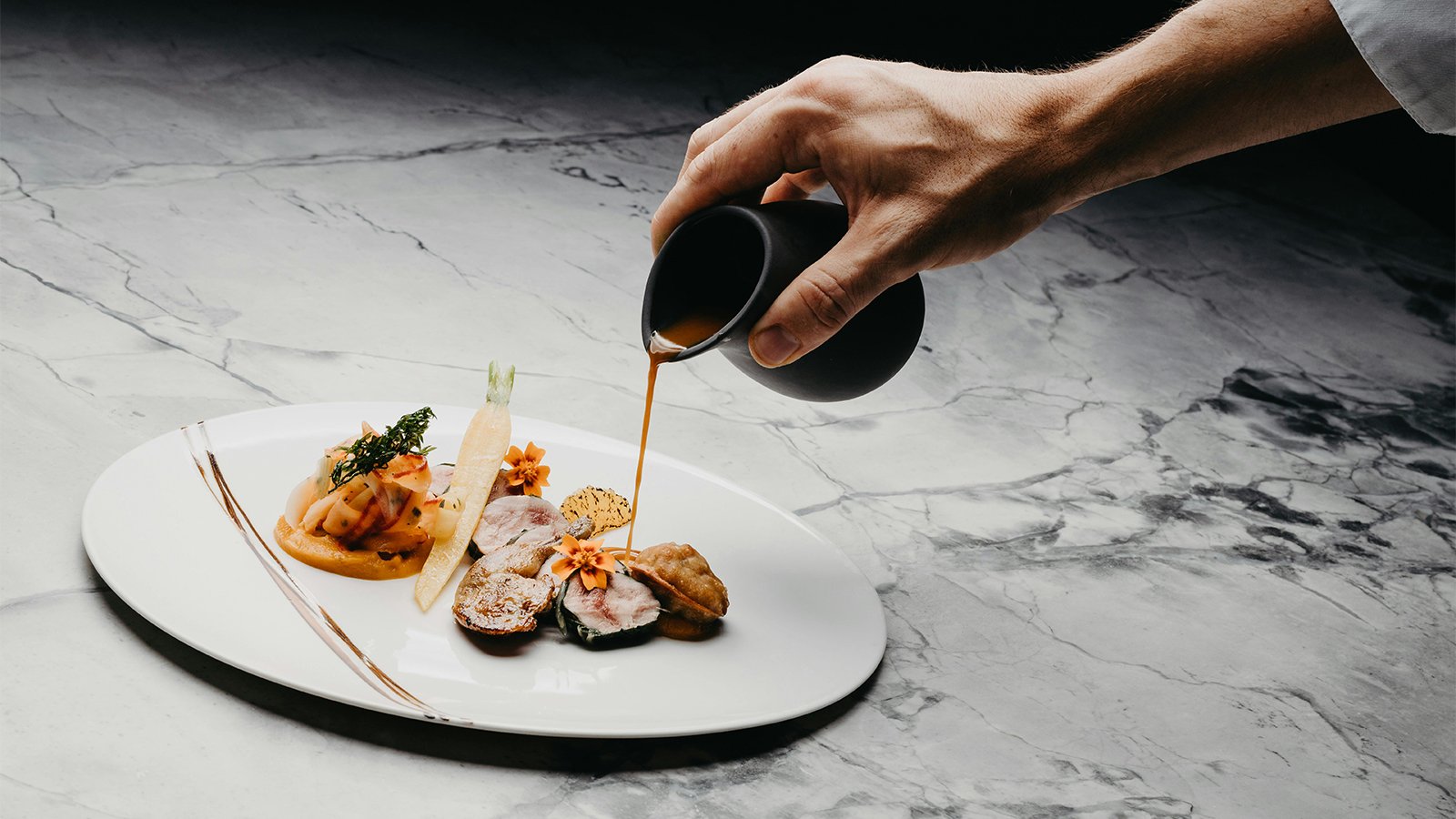
If you think you know what’s for dinner next year — think again. Culinary insiders and top chefs are spilling secrets about what’s really cooking in 2025, and some trends are downright mind-blowing. Daily Global Diary rounds up the top predictions that promise to transform your plate, your kitchen, and maybe even your palate.
1. Lab-Grown Delicacies Hit the High-End Menu
Get ready to order cell-cultured seafood and steaks at your favorite upscale bistro. With sustainability at the forefront, lab-grown meats are shedding their “science experiment” reputation and being reimagined by Michelin-star chefs who swear blind taste tests fool even seasoned food critics.
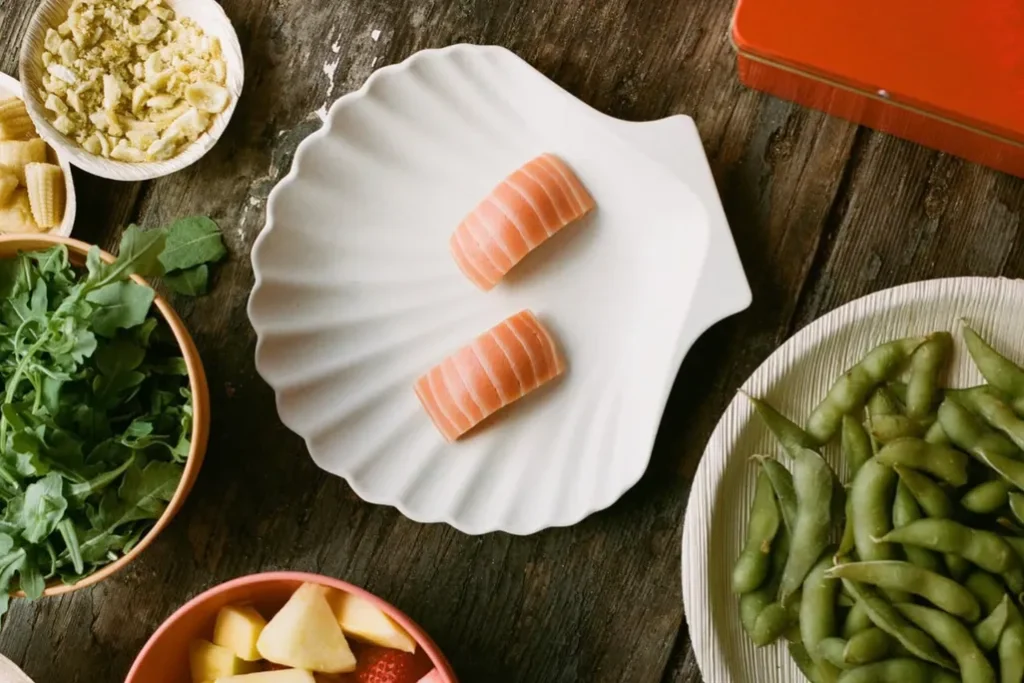
2. AI is Now Your Personal Chef
Food tech giants are betting big on AI meal planners that analyze your health data and shopping habits. In 2025, expect apps that auto-generate recipes from what’s in your fridge — and even order missing ingredients to your door. It’s healthy eating, minus the hassle.

3. Hyper-Local Ingredients — Even in Cities
Forget avocado toast flown halfway around the world. Urban rooftop farms and vertical indoor gardens mean city restaurants are growing herbs, leafy greens, and micro veggies right above your table. “From roof to plate in minutes,” promises one New York chef.

4. Zero-Waste Goes Mainstream
More chefs are taking zero-waste from trend to standard practice. Expect menus designed entirely from root-to-stem cooking — think carrot top pesto, cauliflower leaf kimchi, and citrus peel syrups. Edible packaging is also on the rise: your takeaway container might taste better than the meal itself!

5. Bold Global Fusion Will Break the Rules
Boundaries are out, bold mashups are in. 2025’s diners will see more exciting pairings like Filipino-Italian pasta, Nigerian-inspired sushi, and Korean BBQ tacos. Social media has turned chefs into cultural explorers, and adventurous eaters can’t get enough.

Foodies are in for a wild ride. With sustainability, tech, and creativity colliding, the dining scene is evolving faster than ever. So, next time you sit down to eat, remember: what seems strange today could be tomorrow’s biggest craze.
Bon appétit, 2025 style!
Food & Recipes
“What’s Cooking in 2025? Chefs Spill Secrets About the Surprising New Dining Trends…”
From AI-crafted menus to zero-waste kitchens — here’s how your next meal might look very different (and more sustainable) than you ever imagined.
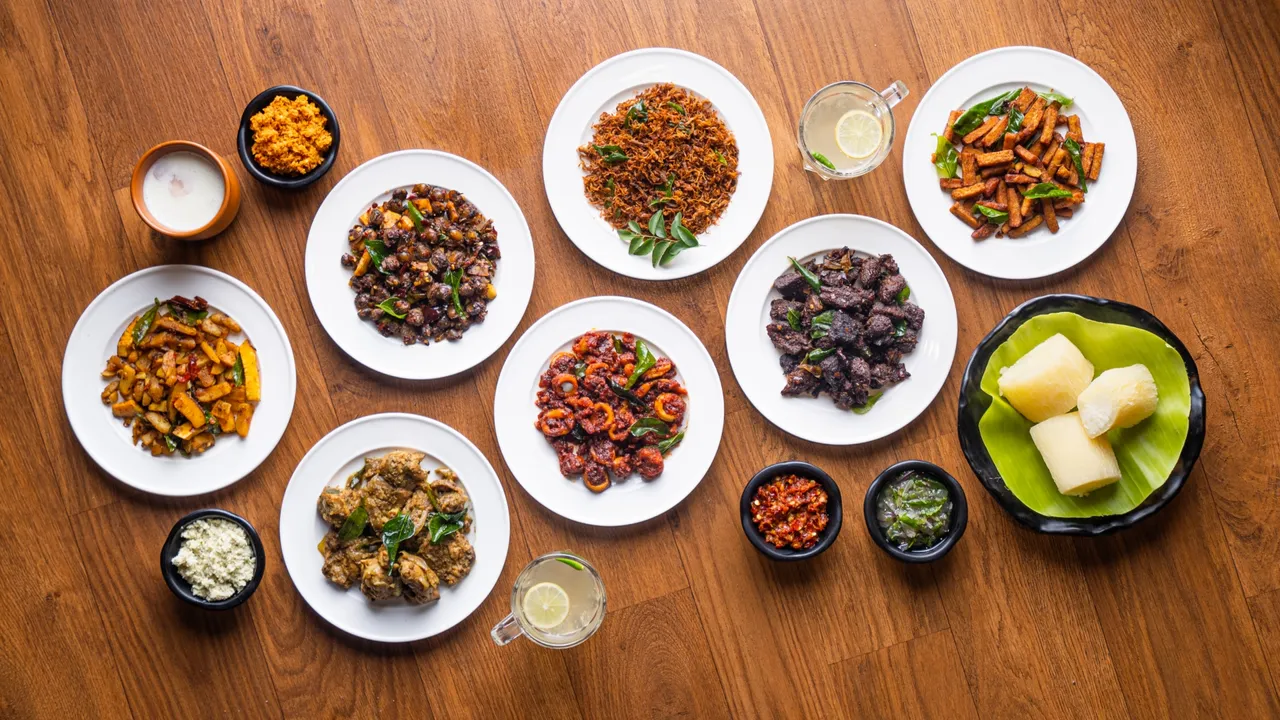
What will we be eating in 2025? If you think it’s just more avocado toast and oat milk lattes — think again! The culinary world is in for a delicious shake-up, and Daily Global Diary is here to dish out the hottest trends simmering in restaurant kitchens and home dining rooms alike.
1️⃣ Robots and AI on Your Plate — Literally
Imagine walking into a restaurant where a robot takes your order, a smart algorithm suggests wine pairings based on your DNA, and a 3D printer whips up your dessert. This isn’t sci-fi anymore. In 2025, restaurants are doubling down on AI-driven personalization, letting customers curate menus tailored to health goals, allergies, or even mood.

2️⃣ Zero-Waste and Climate-Conscious Kitchens
Say goodbye to plastic straws and hello to fully sustainable dining. More chefs are now crafting entire menus around local, seasonal ingredients to cut carbon footprints. From compostable packaging to repurposing food scraps into gourmet dishes, the zero-waste revolution is changing how we think about leftovers.

3️⃣ Alternative Proteins Get Fancy
Beyond burgers are just the beginning. 2025 will see lab-grown seafood, mushroom-based steaks, and insect protein making upscale debuts. With climate concerns pressing, gourmet kitchens are reimagining what “meat” can mean — and foodies are surprisingly excited to take a bite.

4️⃣ Dining at Home Goes High-Tech
Staying in? 2025 is transforming your kitchen into a smart restaurant. Meal-kit subscriptions now come with live virtual cooking classes, AI recipe apps adjust dishes to your pantry’s inventory, and new kitchen gadgets practically cook for you. Who says you can’t eat Michelin-star meals in sweatpants?

5️⃣ Global Fusion 2.0
Forget traditional borders — expect unexpected mash-ups like Korean-Mexican tacos, Middle Eastern sushi rolls, and African-inspired ramen. Chefs are traveling (and streaming) more than ever, cross-pollinating flavors in ways that break old rules — with delicious results.

Foodies, techies, and environmentalists alike will find plenty to chew on in 2025’s dining scene. So next time you sit down to eat, look around: your next meal could be smarter, greener, and more adventurous than ever before.

“He-Man Wears a Suit…”: Why Nicholas Galitzine’s Masters of the Universe Trailer Has Fans Talking

Camilla Läckberg Isn’t Done Yet… The Queen of Swedish Noir Eyes Film, TV and a Bold Plan to ‘Conquer America’

“Screaming, Crying, Almost Throwing Up”… Sundance Insiders Reveal the Untold Chaos Behind America’s Most Influential Film Festival
From Swedish Noir to Hollywood Dreams Camilla Läckberg Has a Bigger Plan in Motion
When Sundance Nearly Fell Apart Insiders Recall the Chaos Behind the World’s Most Influential Film Festival

1-Iran Issues Dire Warning to Israel and Defies Trump on Nukes: “We’re Ready to Strike Deep Inside”

Donald Trump’s net worth reveals the fortune behind the former US President and business mogul

Caitlin Clark Sidelined with Quad Strain, Set to Miss Two Weeks of WNBA Action

Elon Musk Breaks Ranks with Trump Over ‘Big, Beautiful’ Tax Bill

“Tomás Rodríguez Net Worth 2025: Panama’s Gold Cup Goal‑Machine’s Surprising Fortune Revealed”

Miss Jamaica Suffers Terrifying Fall Off Miss Universe Stage; Rushed to Hospital on Stretcher in Viral Video

Moana Live-Action Teaser Sparks Outrage as Fans Call Disney’s Move a ‘Clear Money Grab’ — What Went Wrong?

Ryan Gosling’s Project Hail Mary Trailer Stuns Fans with a Mysterious Alien Ally and a Mission That Could Save Earth

Apple delays Jessica Chastain thriller The Savant about domestic extremism after recent US violence

Avatar 3, Fire and Ash trailer reveals Jake Sully’s family facing terrifying new Na’vi enemies with deadly fire powers
-
 Entertainment5 days ago
He-Man Wears a Suit Now… Nicholas Galitzine’s ‘Masters of the Universe’ Trailer Drops a Shock Fans Didn’t See Coming
-
 Entertainment1 week ago
Brazil Eyes Oscar History Again… ‘The Secret Agent’ Scores Best Picture Nomination as Wagner Moura Stuns Hollywood
-

 Entertainment3 days ago
“Comedy Needs Courage Again…”: Judd Apatow Opens Up on Mel Brooks, Talking to Rob Reiner, and Why Studio Laughs Have Vanished
-

 Entertainment1 week ago
Box Office Shocker as Chris Pratt’s ‘Mercy’ Knocks ‘Avatar 3’ Off the Top but Nature Had Other Plans…
-

 Entertainment5 days ago
Oscars Go Global in a Big Way as This Year’s Nominations Signal a New Era: ‘The Academy Is Finally Looking Beyond Hollywood…’
-

 Entertainment1 week ago
Michael Bay Makes a Power Move… Blockbuster Director Signs with CAA in a Deal That’s Turning Heads
-

 Entertainment5 days ago
“Dangerously Kinky… and Darkly Funny”: Olivia Wilde and Cooper Hoffman Push Boundaries in ‘I Want Your Sex’
-
Entertainment1 week ago
Fans Didn’t Expect This Look… Nicholas Galitzine’s Masters of the Universe Trailer Sparks Debate