
science
“America Will Never Give Up the Moon…”: NASA’s Bold Artemis Reset Signals New Space Race Reality
Under new leadership, NASA rethinks its Moon-base ambitions as competition with China intensifies and timelines face renewed scrutiny.


The Moon is back at the center of global ambition—and this time, it’s not just about planting a flag. It’s about staying.
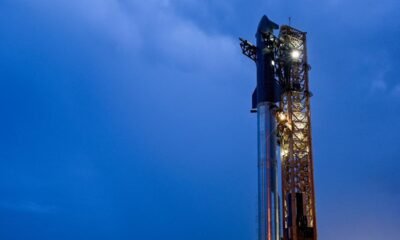
In a striking internal message that has now captured global attention, NASA Administrator Jared Isaacman declared, “The United States will never again give up the Moon.” It wasn’t just a motivational line—it was a signal that America’s entire lunar strategy is being recalibrated.
A Program Under Pressure
For years, NASA’s flagship lunar initiative, the Artemis program, has promised a return to the Moon with astronauts landing on its surface. But delays, rising costs, and growing complexity have cast doubts on whether the agency can meet its ambitious timeline of sending humans back by 2028.
The reality, as insiders quietly acknowledge, is far more uncertain.
The Artemis program—built around the powerful Space Launch System rocket and the Orion spacecraft—has faced repeated setbacks. What was once envisioned as a straightforward return mission has evolved into a sprawling, multi-layered operation involving international partners and private companies.
The China Factor
Behind the urgency lies a familiar but intensifying rivalry.
China has been rapidly advancing its own lunar ambitions, with a more streamlined and arguably more efficient approach. Beijing’s space agency is aiming to land astronauts on the Moon before the end of the decade—potentially beating the United States if Artemis slips again.
This possibility has triggered concern within Washington and the broader space community. The Moon, once a symbol of Cold War triumph, is once again becoming a stage for geopolitical competition.
A Shift Toward Realism
Since taking charge in late 2025, Isaacman has taken a noticeably pragmatic tone. Rather than overpromising, he is emphasizing achievable milestones, tighter execution, and a clearer long-term vision.
The biggest shift? Moving beyond short-term missions to focus on a sustained human presence—a Moon base.
NASA’s evolving strategy now prioritizes building infrastructure that can support repeated missions, scientific research, and eventually, as some hope, a stepping stone to Mars.
This marks a significant departure from earlier approaches that were more about symbolic landings than permanent presence.
Why the Moon Matters Again
The renewed focus on the Moon isn’t just about prestige. Scientists and policymakers see it as critical for multiple reasons:
- Scientific discovery: The Moon’s surface holds clues about the early solar system.
- Resource potential: Elements like helium-3 and water ice could support future missions.
- Strategic positioning: Establishing a foothold on the Moon could shape future space governance.
In short, the Moon is no longer just a destination—it’s an asset.

Challenges Still Loom Large
Despite the renewed vision, significant hurdles remain.
The Artemis program is still grappling with technical complexities, budget constraints, and coordination across multiple stakeholders. Critics argue that the program’s structure makes it slower compared to more agile competitors.
Even supporters admit that the 2028 target for human landing is far from guaranteed.
There’s also the question of sustainability—building and maintaining a Moon base will require continuous funding and political will, both of which can shift with changing administrations.
A New Era of Space Exploration
What makes this moment different from the past is the broader ecosystem surrounding space exploration.
Private players, international collaborations, and emerging technologies are reshaping how missions are designed and executed. NASA is no longer operating in isolation—it’s part of a global and commercial network pushing the boundaries of what’s possible.
And at the heart of it all is a simple but powerful idea: this time, humanity isn’t just visiting the Moon—we’re planning to stay.
The Road Ahead
Whether NASA meets its deadlines or not, one thing is clear: the stakes have never been higher.
Isaacman’s message wasn’t just about ambition—it was about commitment. A declaration that the United States intends to remain a dominant force in space, even as competition grows fiercer.
The race to the Moon is no longer about who gets there first. It’s about who builds the future once they arrive.
For More Update- DAILY GLOBAL DIARY









science
‘A Giant Spiderweb on Mars?’ NASA’s Curiosity Rover Uncovers Clues That Could Rewrite the Red Planet’s Water History
Strange crisscross ridges discovered by Curiosity hint that water—and possibly life—lasted far longer on Mars than scientists once believed.

In a discovery that feels straight out of science fiction, NASA’s legendary rover has stumbled upon something extraordinary on Mars—vast, spiderweb-like patterns etched into the planet’s surface.
But this isn’t just a visual curiosity.
According to scientists at the Jet Propulsion Laboratory, these formations could hold crucial answers about how long water—and possibly life—persisted on the Mars.
The Discovery That’s Turning Heads
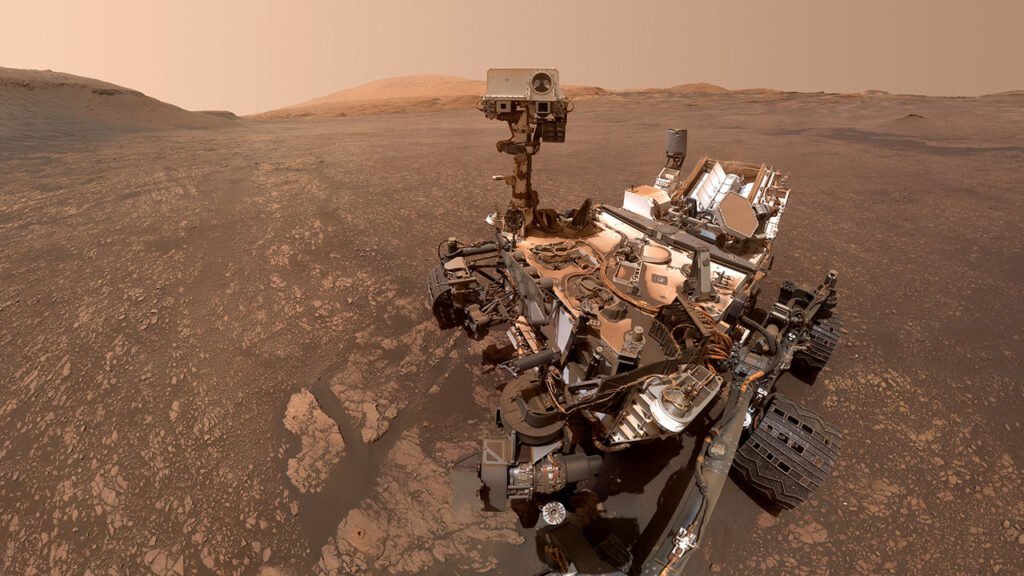
The Curiosity Rover, which has been exploring Mars since 2012, recently spent months investigating a region filled with what scientists call “boxwork” formations.
From orbit, these features resemble massive spiderwebs stretching across the Martian landscape. Up close, however, they appear as low, crisscrossing ridges rising a few feet above sandy hollows.
And here’s where it gets fascinating—these ridges likely formed from ancient groundwater moving through cracks in the rock.
A Hidden History of Water Beneath the Surface
Researchers believe that billions of years ago, water flowed beneath the Martian surface, seeping through fractures in bedrock.
As this groundwater moved, it deposited minerals along the cracks. Over time, those minerals hardened, reinforcing the structure while surrounding rock eroded away—leaving behind the intricate web-like ridges seen today.
This process suggests that water activity on Mars may have lasted much longer than previously assumed.
“It changes how we think about Mars’ timeline,” scientists involved in the mission noted, pointing to the possibility that habitable conditions may have existed far later than expected.

Climbing Mount Sharp—Layer by Layer
The discovery becomes even more significant when you consider where it was found.
Curiosity is currently climbing Mount Sharp, a towering 5-kilometer-high formation inside Gale Crater. Each layer of this mountain acts like a page in Mars’ history book, recording shifts in climate over billions of years.
As the rover ascends, scientists are seeing clear signs that Mars gradually dried out—but not all at once.
Instead, there appear to have been intermittent wet periods, where water briefly returned before disappearing again.
Real Challenges on an Alien Terrain
Navigating this unusual terrain hasn’t been easy.
The SUV-sized rover, weighing nearly a ton, must carefully traverse narrow ridges and sandy dips. Engineers at NASA’s Jet Propulsion Laboratory have been guiding it step by step, ensuring it avoids getting stuck or damaging its wheels.
Despite the challenges, the rover continues to function as a fully equipped mobile lab—drilling into rocks, analyzing samples, and sending valuable data back to Earth.
New Clues: Minerals and Organic Compounds
Curiosity has already analyzed multiple rock samples from this region.
The findings are compelling: clay minerals, which typically form in the presence of water, and carbonate minerals, often linked to past environmental conditions suitable for life.
In one of its most advanced tests, the rover even used a “wet chemistry” technique to search for organic compounds—carbon-based molecules that are considered essential building blocks of life.
While no definitive signs of life have been confirmed, the evidence is stacking up in a way that keeps scientists intrigued.
Why This Discovery Matters
The implications of this discovery go far beyond geology.
If groundwater existed on Mars for longer periods than previously thought, it raises a profound question: could microbial life have survived there longer too?
This possibility is at the heart of modern space exploration.
Missions like Curiosity aren’t just studying rocks—they’re trying to answer one of humanity’s oldest questions: Are we alone?
What Comes Next?
Curiosity is expected to move beyond this region soon, continuing its journey through sulfate-rich layers that formed as Mars dried out.
Each new sample, each new discovery, adds another piece to the puzzle of Mars’ ancient climate—and its potential to support life.
For now, those mysterious spiderweb ridges remain a powerful reminder that Mars still has secrets left to reveal.
For More Update- DAILY GLOBAL DIARY
science
“Harmless” Sharks Turn Deadly: 1 Rare Feeding Frenzy Off Israel’s Coast Ends in Fatality
A tourist’s snorkel turned into horror as usually-docile Dusky Sharks attacked a swimmer near Hadera — scientists blame human feeding and ecological chaos.

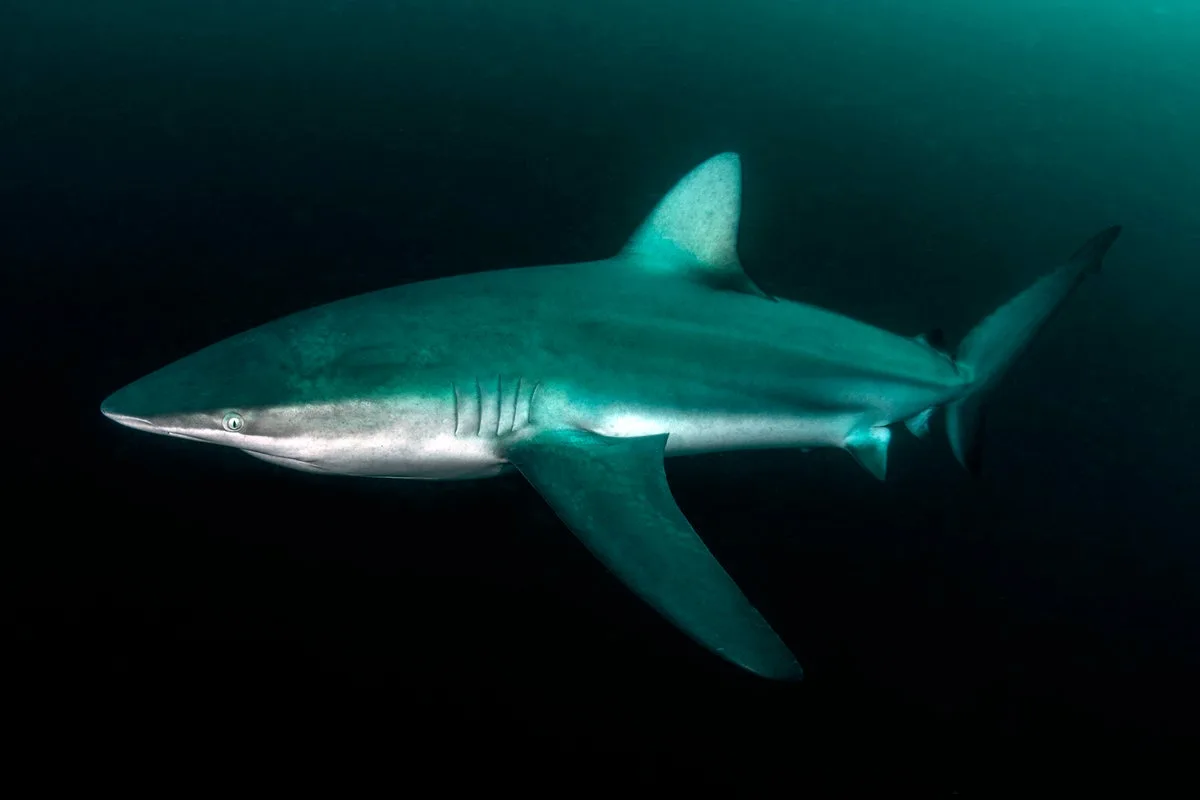
In a chilling incident that has stunned marine experts, a 40-year-old tourist was killed off the coast of Hadera, Israel, after being surrounded by a swarm of Dusky Sharks — a species long thought harmless to humans.
The man had been snorkeling and filming with a GoPro camera just 100 meters from shore when the tragedy struck. Eyewitnesses reported hearing him cry out, “Help… they’re biting me,” moments before disappearing beneath a sea that rapidly turned red.
According to local reports, by the time rescue boats arrived, the water was bloodied and the man had vanished. The next day, small fragments of human remains were recovered, confirming his identity and indicating he was devoured by multiple sharks during the attack.
The case has been detailed in the Ethology journal and is now considered the first recorded fatal attack by a Dusky Shark on a human. Researchers have described the tragedy as a result of a “perfect storm” — combining human error, environmental disruption, and animal instinct.
A Species Misjudged
Despite their formidable size — growing up to 3 meters (10 feet) — Dusky Sharks are generally shy creatures. Historically, they have been recorded as non-aggressive and pose minimal threat to humans.
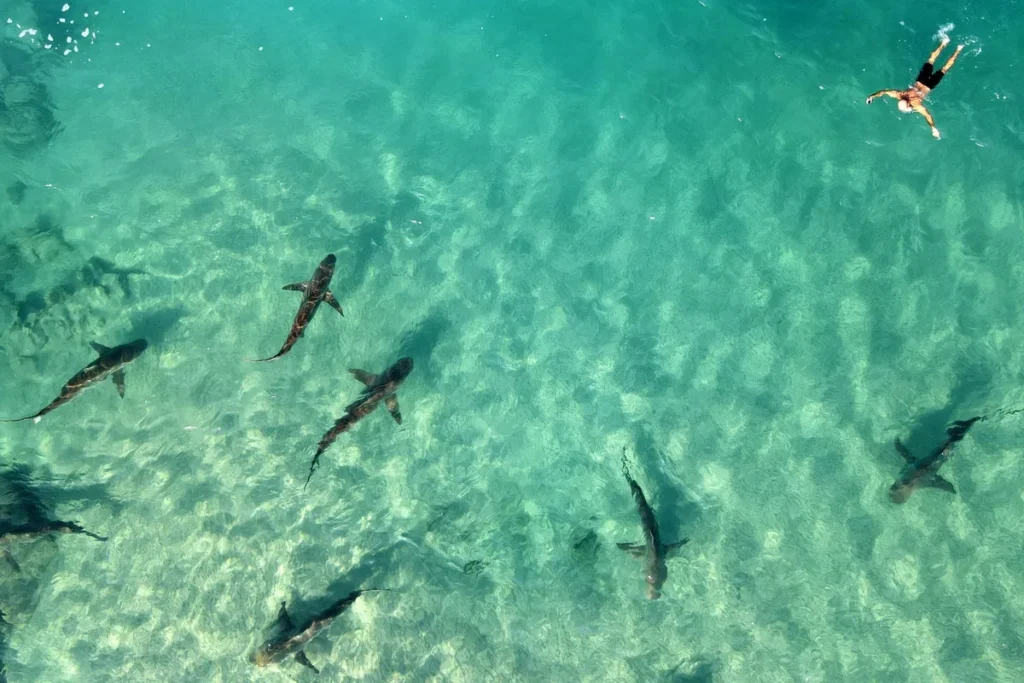
However, in recent years, the waters off Hadera have become a magnet for these sharks due to warm discharges from desalination plants. This unusual ecological condition has turned the region into a seasonal shark gathering zone, especially during winter months.
Adding to the danger, tourists and local boat operators have reportedly been feeding the sharks to keep them nearby for entertainment and photo opportunities — a practice marine scientists now describe as a grave mistake.
The Birth of “Begging Behaviour”
Because of these feedings, sharks have begun associating humans with food. This has led to what experts call “begging behaviour” — a learned tendency where sharks swim up to divers expecting fish scraps.
Researchers found that many of the sharks near Hadera now approach swimmers directly, sometimes brushing against them, waiting to be fed. This conditioning is thought to have played a major role in transforming their natural caution into curiosity — and eventually aggression.
When the victim extended his GoPro into the water, one shark reportedly lunged toward it, possibly mistaking it for food. That single bite may have triggered blood in the water — which set off a deadly Feeding Frenzy among the surrounding sharks.
Inside the Feeding Frenzy
According to the Ethology report, the attack likely unfolded in two stages:
- A reflex or “clumsy” bite — triggered by food-seeking behaviour.
- Multiple predatory bites — caused by the Feeding Frenzy instinct once blood entered the water.
“The competition for access to the food resource overrides the species’ usual behaviour,” the researchers wrote. “The situation likely occurred via a process of juxtaposition bites — beginning with curiosity, ending in predation.”
In other words, the sharks weren’t hunting humans. They were competing for food in a chaotic, human-influenced ecosystem that blurred the lines between prey and person.

How Human Actions Fueled the Attack
The coast of Hadera has become a strange laboratory of human interaction and marine life.
- Warm industrial water from power stations creates an artificial haven for sharks.
- Food waste and fish scraps dumped by fishing boats act as bait.
- Tourists have grown accustomed to feeding and swimming among them.
Together, these factors altered shark behaviour drastically. Once cautious, the sharks are now confident — even expectant — when humans enter the water.
Experts warn that if this feeding practice continues, similar tragedies are only a matter of time.
The Solution: Stop Feeding, Save Lives
Marine scientists behind the Ethology study say the solution is straightforward: stop the artificial feeding of sharks altogether.
“The central objective is to eliminate the begging behaviour in sharks. This can only be achieved by enforcing a total ban on public feeding,” the researchers concluded.
They suggest that regulation of tourist activities and public education are far more effective than any physical barrier or surveillance system. Ending the learned association between humans and food is the only way to restore natural shark behaviour.
A Global Wake-Up Call
This tragedy isn’t just about Israel or Dusky Sharks. It’s a global reminder that human interference can drastically alter wildlife instincts — sometimes with fatal consequences.
For decades, Dusky Sharks have swum peacefully alongside divers around the world. But this incident shows that even “safe” species can turn deadly when ecological boundaries are crossed.
As the world rethinks its relationship with marine life, scientists urge stricter controls on wildlife tourism — emphasizing respect, distance, and understanding of natural behaviour.
Visit our site for more updates: www.DailyGlobalDiary.com
science
Draconid Meteor Shower Peaks This Week — But the Moon Might Steal the Show
The Draconid meteor shower, born from comet 21P/Giacobini-Zinner, will light up the skies this week — but stargazers may have to fight moonlight to catch the action.
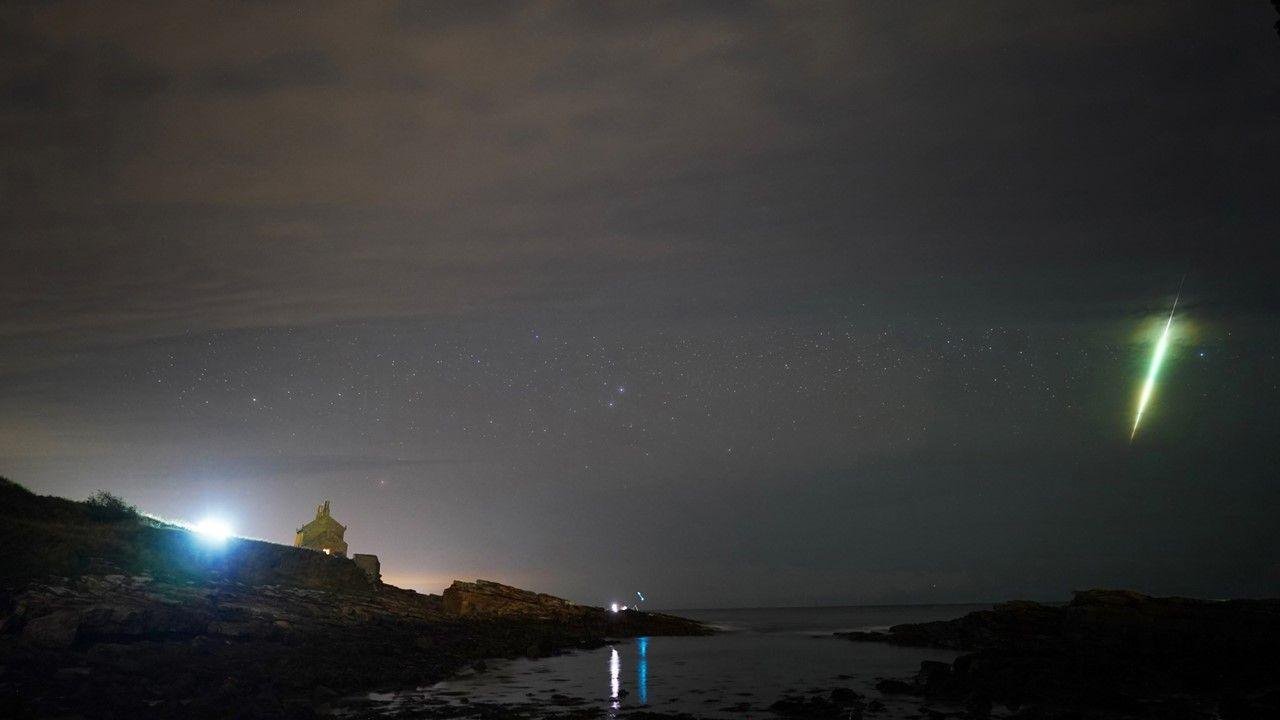
Skywatchers, mark your calendars — one of October’s most fleeting celestial events is here. The Draconid meteor shower is expected to reach its peak this week, offering a brief but dazzling performance for those lucky enough to catch it. However, this year’s show comes with a hitch — a bright post-supermoon sky that could drown out much of the spectacle.
According to EarthSky, the Draconids will peak around 3 p.m. ET on Wednesday, meaning the best time to watch in most regions will be right after sunset. Unlike many other meteor showers that favor the pre-dawn hours, the Draconids make their appearance in the early evening — a quirk that gives night owls and families a chance to enjoy them before midnight.
“The Draconids are a very quick shower,” said Robert Lunsford, fireball report coordinator for the American Meteor Society. “We on Earth pass through debris from comet 21P/Giacobini-Zinner in just a few days, and the main maximum actually only lasts a few hours. So it’s here and gone just like that.”
Why the Draconids Are So Special
The Draconid meteor shower is named after the constellation Draco, the dragon, from which its meteors appear to radiate. As Lunsford explains, “They’ll be shooting from the head of Draco, which lies high in the northern sky after sunset before circling down toward the northwestern horizon as the night progresses.”
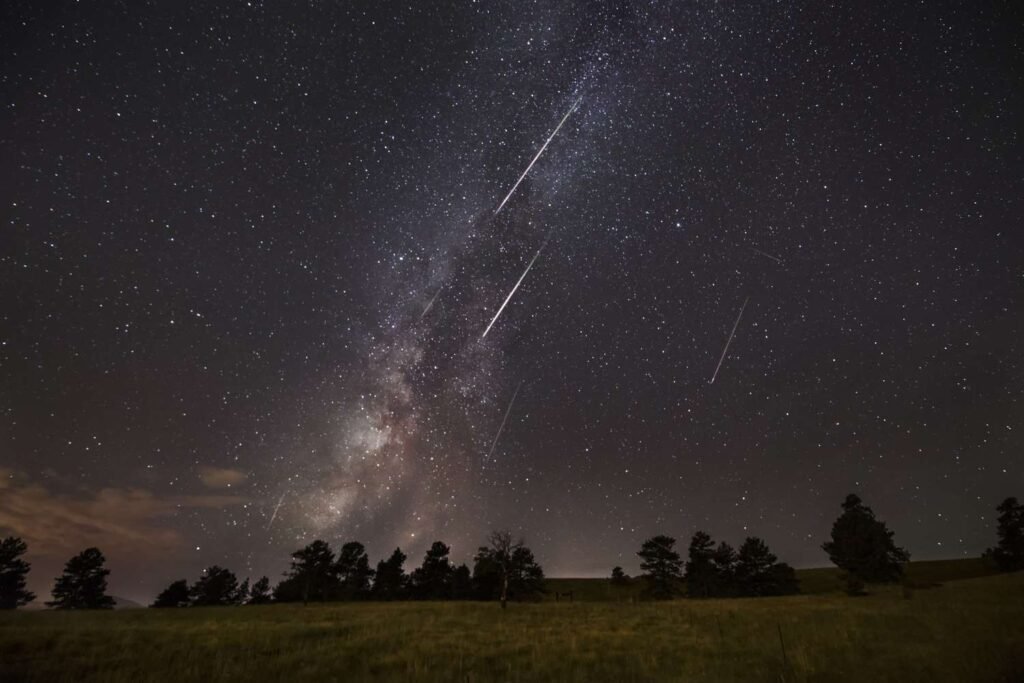
While it’s typically a mild event — often producing only one or two visible meteors per hour — the Draconids are infamous for their unpredictability. They’ve occasionally erupted into full-blown meteor storms, with thousands of shooting stars lighting up the night sky.
The most famous Draconid storm occurred in 1933, when observers in Europe reported seeing over 1,000 meteors per hour, and another strong outburst came in 1946. More recently, smaller storms have been recorded in the 1990s and early 2000s, peaking at around 400 meteors an hour.
“It’s one of those showers that can surprise you,” Lunsford added. “Most years it’s quiet — and then suddenly, it’s spectacular.”
Moonlight Trouble: What to Expect This Year
This year’s viewing conditions aren’t ideal. The Draconid peak comes just days after October’s supermoon, which means the night sky will still be brightly illuminated. That glare could wash out many of the fainter meteors, leaving only the brightest ones visible.
Still, for dedicated skywatchers, patience might pay off. Experts suggest heading to a dark, open area away from city lights and looking toward the northern sky right after dusk.
“If you’re looking toward the north and see a slow-moving meteor overhead, chances are it’s a Draconid,” Lunsford said. “But even on moonless nights, you might only see one per hour at the peak. With the moonlight this year, it could be even fewer.”
A Preview of What’s Next: The Orionids
If the Draconids disappoint this week, don’t pack up your stargazing gear just yet. The Orionid meteor shower — which peaks later this month — promises a more rewarding experience. The Orionids, originating from debris left by Halley’s Comet, typically produce 10 to 20 meteors per hour, and this year’s peak conveniently aligns with a new moon, ensuring darker skies for optimal viewing.
“The Orionids are a more reliable show,” said Lunsford. “They’re fast, bright, and this year’s new moon means near-perfect conditions.”
Why Meteor Showers Matter
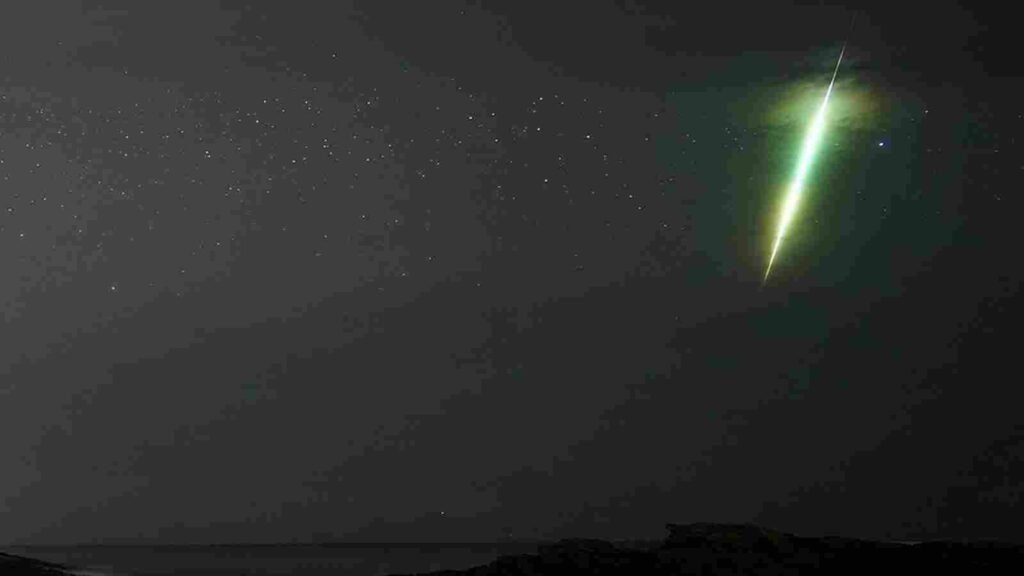
Beyond their beauty, meteor showers like the Draconids are reminders of Earth’s ongoing journey through space. Each streak of light is a tiny fragment of a comet burning up in our atmosphere — a cosmic connection stretching across millennia.
As the Earth crosses paths with the 21P/Giacobini-Zinner comet’s orbit, the debris it left behind becomes the Draconids — a celestial signature of the universe’s ongoing motion.
So, while this year’s show might be dimmed by the moon’s glow, it’s still worth stepping outside and looking up. Because even one meteor flashing across the sky can remind us just how vast, and yet connected, our place in the cosmos truly is.
For more Update http://www.dailyglobaldiary.com

“She Made Them Believe in Love… Then Took Everything”: Model’s Dating Scam Shocks UK Court

“America Will Never Give Up the Moon…”: NASA’s Bold Artemis Reset Signals New Space Race Reality

“I Just Want Peace…”: Noelia Castillo’s 601-Day Euthanasia Wait Sparks Emotional Debate Across Spain

Druski’s Bold ‘White Face’ Sketch Sparks Buzz: “Fans Praise Makeup, Critics Prepare Backlash…”

‘Harry Potter Returns… but Not How You Remember’: HBO Drops First Look at New Series and Fans Are Already Talking

1-Iran Issues Dire Warning to Israel and Defies Trump on Nukes: “We’re Ready to Strike Deep Inside”

Donald Trump’s net worth reveals the fortune behind the former US President and business mogul

“She Never Made It Out…” Albany House Fire Claims Woman’s Life as Family Pleads for Help to Bring Her Home

Caitlin Clark Sidelined with Quad Strain, Set to Miss Two Weeks of WNBA Action

“Tomás Rodríguez Net Worth 2025: Panama’s Gold Cup Goal‑Machine’s Surprising Fortune Revealed”

Miss Jamaica Suffers Terrifying Fall Off Miss Universe Stage; Rushed to Hospital on Stretcher in Viral Video

Moana Live-Action Teaser Sparks Outrage as Fans Call Disney’s Move a ‘Clear Money Grab’ — What Went Wrong?

Ryan Gosling’s Project Hail Mary Trailer Stuns Fans with a Mysterious Alien Ally and a Mission That Could Save Earth

Apple delays Jessica Chastain thriller The Savant about domestic extremism after recent US violence

Avatar 3, Fire and Ash trailer reveals Jake Sully’s family facing terrifying new Na’vi enemies with deadly fire powers
-

 Entertainment7 days ago
Cannes 2026 Hasn’t Announced a Single Film Yet — But the Whisper Network Is Already Pointing to These Names and It’s Exciting…
-

 Entertainment1 week ago
Amy Poehler and Sterlin Harjo Are Getting One of Television’s Highest Honours — and the Reason Why Says Everything About Where Storytelling Is Headed…
-

 Entertainment7 days ago
Almodóvar, Lars von Trier, Joel Coen and More — The Films That Could Own Cannes 2026 Are Already Generating Serious Buzz and the List Is…
-

 Entertainment1 week ago
Oscars 2026 Red Carpet Shockers: Zendaya’s Late Arrival, Jessie Buckley’s Grace Kelly Tribute… and Chase Infiniti Owning the Night
-

 Entertainment1 week ago
Lisa Kudrow Brings Valerie Cherish Back From the Dead — But This Time, Her Co-Star Is an AI and the Humiliation Is Real…
-

 Entertainment2 days ago
Broadway Shake-Up: Samira Wiley Steps Away From ‘Proof’… Kara Young Steps In at the Last Moment
-

 Entertainment7 days ago
Lollapalooza 2026 Just Dropped Its Most Surprising Lineup Yet — and the One Historic Thing Nobody Is Talking About Is the Real Story…
-

 Politics1 week ago
“Trump Reveals ‘Early Stage Breast Cancer’ Diagnosis of Susie Wiles… But Says Her ‘Strength Says Everything’”