
Entertainment
Hollywood Went Silent on Iran and ICE at the Oscars and That Silence Was Louder Than Any Speech They Could Have Given…
A ceremony famous for political fire suddenly had nothing to say when it mattered most. Was it fear, calculation — or something far more troubling about the state of celebrity courage in 2025?

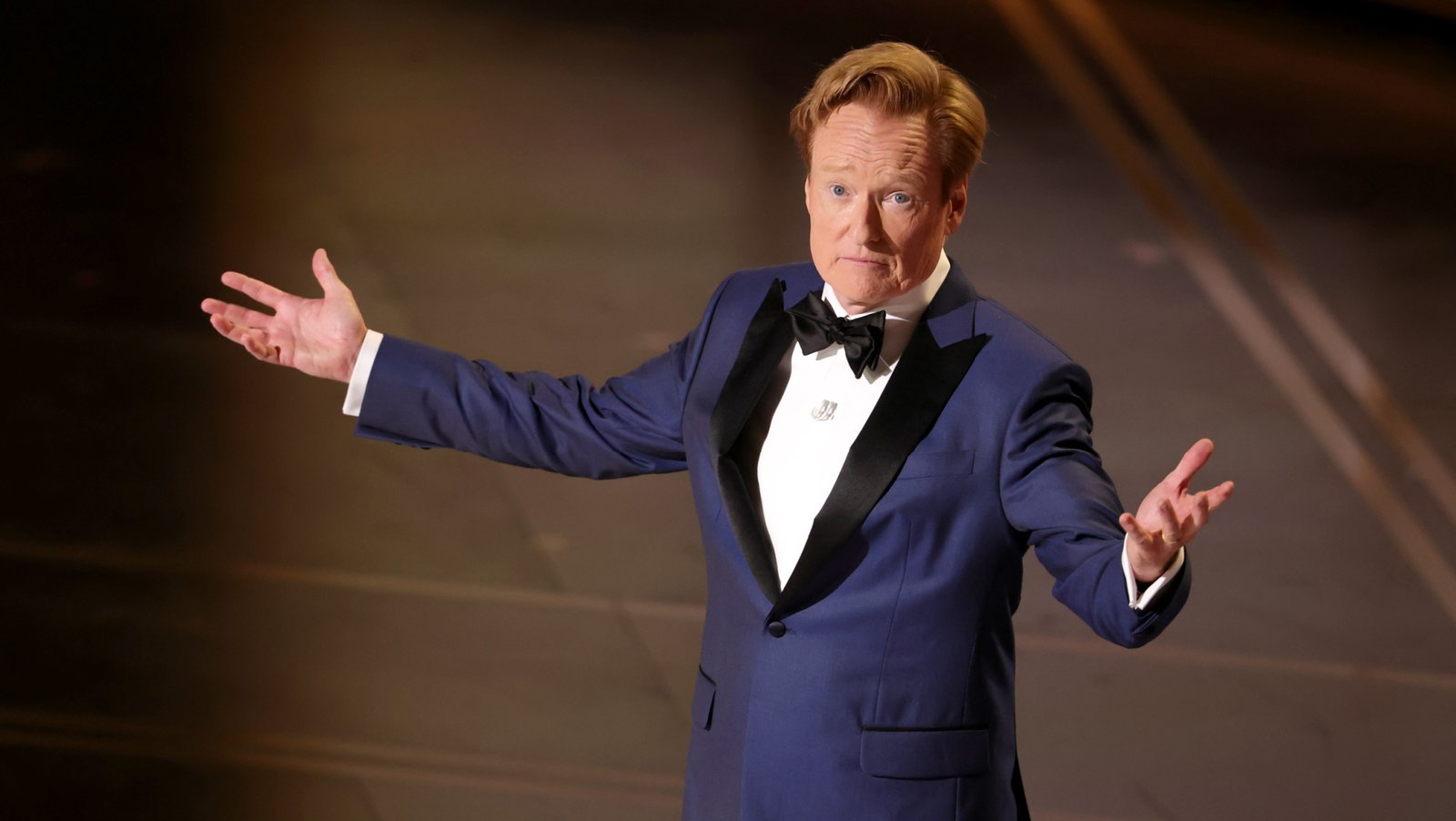
There is a version of the Oscars that exists in the American cultural imagination — a version where movie stars step up to a gold microphone, look into a billion television screens, and say the thing that nobody in power wants to hear. It is the version that gave us Marlon Brando sending Sacheen Littlefeather to decline his award in protest. It is the version that gave us Michael Moore thundering against the Iraq War from the stage in 2003. It is the version that gave us Patricia Arquette demanding wage equality and common sense from an audience of millionaires.
That version of the Oscars did not show up this year.
What showed up instead was something far more interesting — and far more uncomfortable to sit with. A room packed with some of the wealthiest, most publicly opinionated, most platform-blessed individuals on the planet went, on the issues that mattered most in that precise moment, almost completely silent.
No one spoke about Iran. No one spoke about ICE. No one said the things that, outside that room, hundreds of thousands of ordinary people were saying loudly, at protests, on social media, in community halls and church basements across America.
ALSO READ : “She Never Made It Out…” Albany House Fire Claims Woman’s Life as Family Pleads for Help to Bring Her Home
The room full of yappers, as one sharp piece of post-ceremony commentary put it, went very quiet indeed.
What Was Happening Outside the Dolby Theatre
To understand why the silence was so deafening, you have to understand what was happening in the world during the same week that Hollywood dressed up and handed itself awards.
The Trump administration had been escalating its confrontational posture toward Iran — a country of 90 million people, a nuclear programme at various stages of negotiation and tension, and a history with the United States that carries the weight of decades of proxy conflict, sanctions, and mutual suspicion. The spectre of military action — strikes, escalation, the grinding machinery of another Middle Eastern conflict — was not a fringe concern. It was being discussed by foreign policy analysts, by regional governments, by anyone paying attention to the signals coming out of Washington.
Simultaneously, Immigration and Customs Enforcement — ICE — had been conducting a series of high-profile raids and detentions that were generating significant alarm among immigrant communities, civil liberties organisations, and constitutional scholars. Stories of US citizens being caught in sweeps, of families separated, of due process concerns that crossed traditional partisan lines, were filling newsfeeds and front pages.
These were not niche issues. They were the issues. And the people on that stage in Hollywood — people who, in any other week, would not hesitate to post, to speak, to signal — had, almost to a person, decided that tonight was not the night.
Hollywood’s Political Voice: A Complicated History
Let’s be fair and honest about this, because the story is more complicated than simple cowardice.
Hollywood has never had a straightforward relationship with political speech. For every Marlon Brando moment, there is a counter-pressure: studios worried about international box office, particularly in markets like China where political content carries commercial consequences. Publicists and managers who spend the weeks before the ceremony coaching their clients on exactly what not to say. Awards campaigns that are built on likability and broad appeal — the kind of careful image management that a controversial political speech can unravel in thirty seconds.
There is also a genuine argument — made in good faith by some in the industry — that the Oscars is not the right venue, that celebrity political speeches are often more about the celebrity than the cause, that they can trivialise complex issues by reducing them to a thirty-second emotional moment between acceptance of a golden statuette and an orchestral music cue designed to move you along.
Ricky Gervais, in his legendary 2020 Golden Globes hosting turn, made exactly this point with a blowtorch: “If you do win an award tonight, don’t use it as a platform to make a political speech. You’re in no position to lecture the public about anything. You know nothing about the real world.”
The crowd laughed nervously. Some people agreed. The clip went viral for the tenth time this year.
But here is the problem with that argument as an explanation for this year’s Oscars silence: the people in that room have never accepted it before. They have spoken about climate change, about racial justice, about gender equality, about LGBTQ+ rights — from that exact stage, with that exact microphone, in front of that exact global audience. They did not stay quiet on those issues out of deference to the complexity of politics or the limits of celebrity expertise.
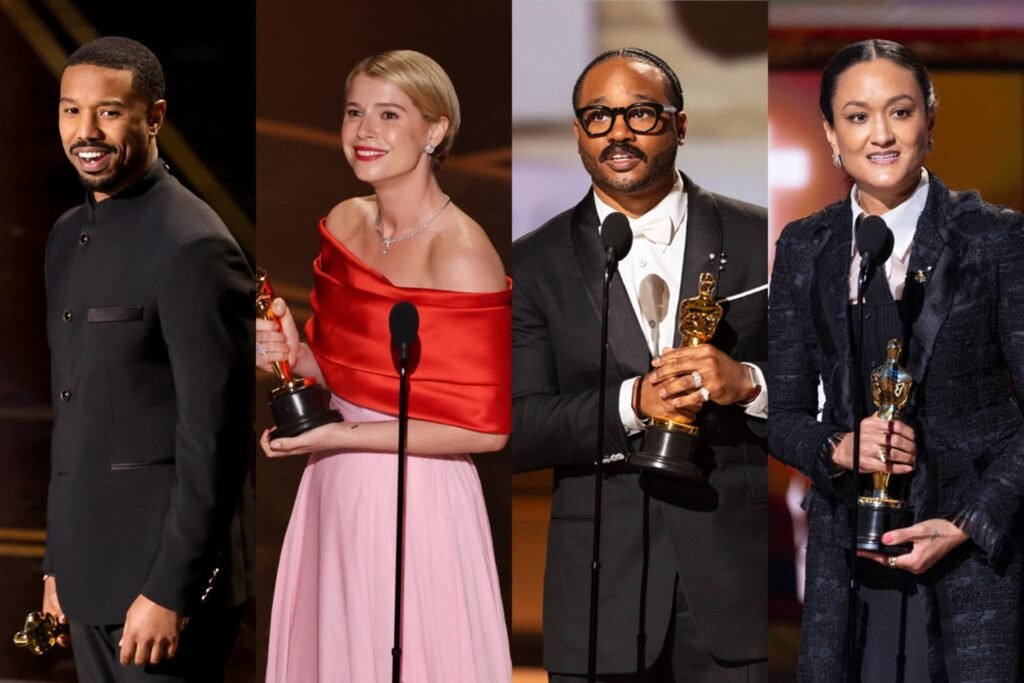
They spoke because those causes felt safe enough — or because the personal cost of speaking was low enough — to speak.
The silence on Iran and ICE suggests that calculation has shifted. And that shift is worth examining very carefully.
Fear, Calculation, or Something Else?
The most charitable interpretation of Hollywood’s silence is exhaustion and strategic calculation. The thinking, roughly, goes like this: celebrity political speeches have become so expected, so performative, so easily dismissed as limousine liberalism, that they no longer move the needle on anything. In an environment where every statement is immediately weaponised by one side or another, silence is a form of self-preservation that also, arguably, protects the causes themselves from being reduced to celebrity accessories.
The less charitable interpretation is simpler: fear.
The current political climate in the United States carries a temperature that even the most insulated Hollywood star can feel. The Trump administration has shown a consistent willingness to go after critics — to use the instruments of government, public platform, and social media reach to make examples of people and organisations that speak out. The business interests of major studios, streaming platforms, and talent agencies are not immune to political pressure. When the stakes are real and personal, the calculus changes.
George Clooney wrote an op-ed. Meryl Streep gave a speech at the Golden Globes in 2017 that became one of the most discussed moments in awards history. But those moments existed in a political environment where the personal cost, while real, felt manageable. The environment in 2025 feels different to many people inside that industry — and that difference is being felt in what gets said, and more tellingly, in what doesn’t.
Why This Matters Beyond Hollywood
It would be easy to dismiss this as inside-baseball media criticism — to say that what celebrities do or don’t say at an awards ceremony is fundamentally unimportant in the grand scheme of democratic life.
But that would be wrong, and here’s why.
The Oscars is one of the last remaining cultural events with a genuinely mass, cross-demographic, international audience. It is one of the few moments in the year when something close to a shared public conversation happens. When celebrities who have spent months cultivating public trust — through interviews, social media, carefully managed images of authenticity — go silent on the issues that are actively frightening millions of ordinary people, that silence sends a message.
It says: these issues are too dangerous to touch. And when powerful, protected, wealthy people communicate that certain topics are too dangerous — even for them — the effect on public discourse is chilling in ways that extend far beyond the room.
Democracy, as numerous political scientists have observed, does not only die through dramatic coups or overnight authoritarian takeovers. It dies through the slow accumulation of silences. Through the gradual narrowing of what it is acceptable to say, in which rooms, at which microphones, in front of which audiences.
A room full of yappers going quiet is not just a pop culture curiosity. In the right context, it is a data point. And this year’s Oscars silence on Iran and ICE is a data point that deserves to be read carefully — not as a verdict on Hollywood, but as a reflection of something happening to the broader culture of public speech in America right now.
The Speeches That Weren’t Given
Here is what makes the silence most haunting: you can almost hear the speeches that weren’t given.
Someone could have said something about the families being separated at the border — the stories that, in any other political moment, would have been the subject of the kind of socially conscious film that fills the Best Picture category. Someone could have said something about the fragility of diplomatic restraint and the human cost of military escalation. Someone could have connected the dots between the stories being told on screen and the stories unfolding in the real world.
They didn’t. The music played. The envelopes were opened. The champagne was poured.
And somewhere, in the gap between what was said and what wasn’t, something shifted — quietly, without announcement — in the unwritten contract between Hollywood and the public that watches it.
Whether anyone in that room noticed, or cared, is perhaps the most important question of all.
Daily Global Diary continues to track the intersection of culture, media, and political speech in America.






Entertainment
‘Euphoria’ Without Labrinth? Fans Think HBO Almost Lost the Soul of the Show… and the Internet Agrees
As conversations around Euphoria continue to grow, many fans now believe composer was never just part of the soundtrack — he may have been the emotional heartbeat of the entire series.

Few television dramas in recent years have shaped pop culture quite like HBO’s Euphoria. From its neon-soaked visuals to emotionally explosive performances, the series became more than just a teen drama — it evolved into a cultural phenomenon that influenced fashion, music, internet aesthetics, and even the way modern television sounds.
But as fans revisit the show and discussions surrounding its future intensify, one surprising opinion is suddenly dominating social media: Euphoria may never have worked the same way without Labrinth.
For many viewers, the British musician’s haunting score wasn’t simply background music. It became part of the storytelling itself.
Labrinth Didn’t Just Compose Music — He Built the Mood
When Euphoria premiered, audiences immediately connected with its emotionally heavy atmosphere. While much of the praise initially focused on creator Sam Levinson and star Zendaya, fans slowly realized another creative force was quietly shaping nearly every unforgettable moment in the show.
ALSO READ : Sen. Elizabeth Warren Calls It a ‘Cesspool of Corruption’ — Here’s Why Senators Are Now Fighting Back Against the DOJ’s Live Nation Deal That Left Every Fan Betrayed…
That force was Labrinth.
His music blended gospel, electronic production, orchestral emotion, and raw vulnerability into something television audiences rarely experience. Songs like “All for Us” and the show’s atmospheric score became deeply tied to the emotional journeys of the characters.
For many fans, certain scenes are now impossible to separate from Labrinth’s sound.
One emotional breakdown, one devastating hallway walk, or one dreamlike sequence often carried extra weight because the music wasn’t merely supporting the scene — it was emotionally narrating it.
Why Fans Are Talking About Him Again
Online discussion surrounding Labrinth’s importance reignited after viewers revisited key moments from Euphoria and compared them to other modern teen dramas.
The consensus across platforms like X and Reddit seemed surprisingly unified: while many shows can imitate Euphoria’s visual style, almost none can recreate its emotional soundscape.
That realization has led some fans to argue that Labrinth deserves far more recognition for the series’ success than he originally received.
In an entertainment industry where composers are often overshadowed by actors and directors, Labrinth managed to create music that audiences instantly associated with the identity of the show itself.

And in today’s streaming era, that kind of musical imprint is incredibly rare.
Zendaya and Labrinth Created a Unique Creative Chemistry
Another reason Labrinth became so essential to Euphoria was his artistic chemistry with Zendaya.
The actress, who earned major acclaim for her portrayal of Rue Bennett, often delivered emotionally exhausting performances that demanded equally powerful musical support. Labrinth’s compositions amplified those moments without overpowering them.
Their collaboration eventually extended beyond the show itself, including memorable live performances that fans still talk about online.
One of the most celebrated moments came when Labrinth appeared during a live concert event and Zendaya unexpectedly joined him onstage, sending fans into a frenzy.
That crossover between television storytelling and live music performance further strengthened the emotional connection audiences had with the series.
‘Euphoria’ Changed How TV Uses Music
Before Euphoria, many teen dramas relied heavily on trendy pop songs and playlist-style soundtracks. But the HBO series approached music differently.
Instead of simply chasing viral hits, the show used original compositions to create emotional continuity.
Labrinth’s score often felt spiritual, chaotic, melancholic, and euphoric all at once — perfectly matching the psychological instability of the characters onscreen.
His work proved that television music could become just as culturally impactful as cinematography or dialogue.
In fact, some viewers now argue that Euphoria’s soundtrack became almost as important as the storylines themselves.
The Pressure on Future Seasons Is Growing
As anticipation continues surrounding the future of Euphoria, discussions about Labrinth’s role have become increasingly significant.
Fans know the series faces enormous pressure moving forward. Long production delays, cast scheduling conflicts, and evolving audience expectations have already complicated the path ahead for HBO’s hit drama.
That’s why many viewers believe retaining the show’s emotional identity will be critical — and Labrinth remains central to that identity.
Without his music, some fans fear the series could lose the hypnotic atmosphere that originally separated it from every other streaming drama.
Why Labrinth’s Impact Goes Beyond One Show
For Labrinth himself, Euphoria represented a career-defining moment.
Already respected within the music industry for his work as a singer, songwriter, and producer, the series introduced his artistry to a much wider global audience. Suddenly, television viewers who had never followed his music career became emotionally attached to his sound.
His influence on the show also highlighted a broader shift happening in Hollywood, where composers and music producers are increasingly becoming essential creative collaborators rather than invisible contributors behind the scenes.
And if recent fan reactions are any indication, audiences are finally beginning to recognize just how important that contribution truly was.
Because while Euphoria delivered unforgettable performances, shocking storylines, and stunning visuals, many viewers now believe the show’s soul was hidden inside Labrinth’s music all along.
Entertainment
Why Kevin Hart’s Roast Turned Into Netflix’s Wildest Night Yet… From Katt Williams Peace Talks to Brutal Height Jokes
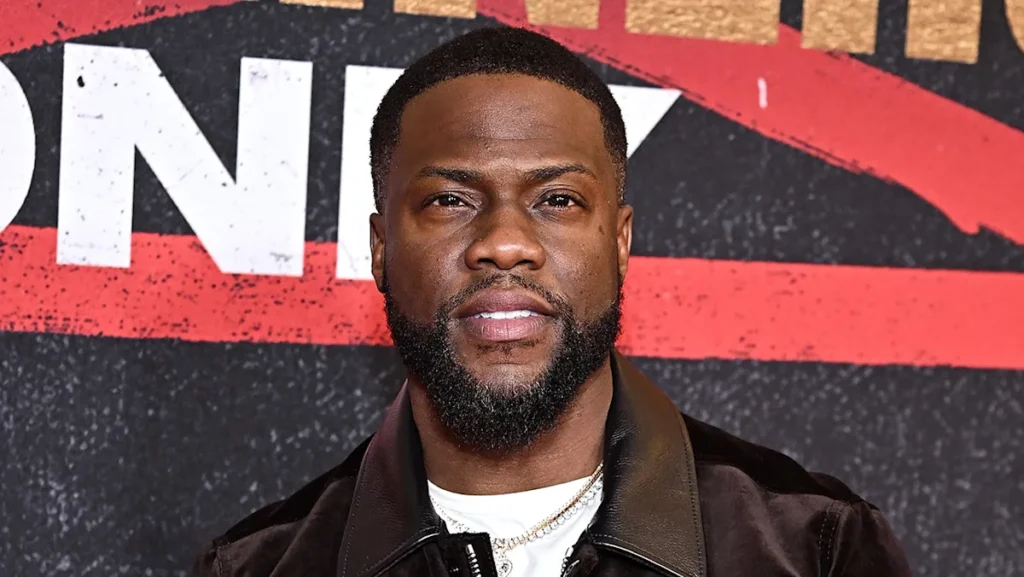
Kevin Hart Roast Ends Katt Williams Feud as The Rock, Lizzo & Pete Davidson Deliver Brutal Jokes

The comedy world has seen its fair share of celebrity roasts over the years, but few have delivered the kind of chaotic energy, emotional moments, and jaw-dropping punchlines that surrounded Kevin Hart at the latest edition of the Netflix Is a Joke Festival.
What began as a celebration of Hart’s career quickly turned into a no-holds-barred night where some of entertainment’s biggest names roasted everything from his height to his blockbuster movie choices — and even his personal life. Yet hidden beneath the brutal jokes was something fans never expected: a surprising end to Hart’s long-running tension with fellow comedian Katt Williams.
For viewers inside the packed venue, the evening felt less like a standard comedy roast and more like an unpredictable Hollywood reunion where nobody was safe.
Kevin Hart Becomes the Punchline of the Night
From the moment Hart walked onto the stage, it was clear he had willingly signed up for public humiliation in the name of comedy. The actor-comedian, known globally for films like Jumanji and Ride Along, was relentlessly mocked by friends and fellow celebrities who clearly came prepared.
One of the loudest reactions came when Dwayne “The Rock” Johnson joked about Hart’s tiny frame compared to his own massive physique. Their long-running friendship and on-screen chemistry made the exchange even funnier for fans who have watched the duo tease each other for years both on-screen and across social media.
ALSO READ : Sen. Elizabeth Warren Calls It a ‘Cesspool of Corruption’ — Here’s Why Senators Are Now Fighting Back Against the DOJ’s Live Nation Deal That Left Every Fan Betrayed…
Meanwhile, singer and actress Teyana Taylor delivered sharp remarks targeting Hart’s movie catalog, questioning whether he has ever turned down a script in his life. The audience erupted as joke after joke painted Hart as Hollywood’s hardest-working — and most overexposed — comedian.
Even Lizzo joined the roast with fearless energy, while Pete Davidson leaned into dark humor, something he has become famous for throughout his stand-up career.
The Most Uncomfortable Jokes of the Evening
As expected from celebrity roasts, the event occasionally crossed into deeply personal territory.
Comedians Jeff Ross and Chelsea Handler targeted Hart’s troubled relationship with his late father, referencing his struggles with addiction and absence during Hart’s childhood.
The crowd reacted with a mix of shock and laughter — the exact balance roast culture has always thrived on. Hart himself appeared prepared for the attacks, often laughing the loudest at jokes aimed directly at him.
That ability to absorb criticism has long been one of Hart’s strengths. Over the years, he has transformed painful real-life experiences into comedy material, turning vulnerability into one of the defining elements of his career.
The Katt Williams Feud Finally Cools Down
But beyond the laughter and celebrity chaos, one moment stood out more than any insult.
For months, tension between Kevin Hart and Katt Williams had dominated comedy headlines. Williams previously made headlines after criticizing several comedians during viral interviews, with Hart becoming one of the most discussed names in the fallout.
Fans had speculated whether the rivalry would escalate further or eventually fade away.
At the roast, Hart addressed the situation with humor instead of hostility. Rather than attacking Williams directly, he appeared to signal that he was ready to move on from the drama. The tone surprised many fans who expected a more aggressive response.
Industry insiders believe the moment may have quietly ended one of comedy’s most talked-about feuds of recent years.
Netflix Continues Betting Big on Live Comedy Events
The roast also highlighted how aggressively Netflix is investing in live entertainment and stand-up comedy.
The Netflix Is a Joke Festival has become one of the streaming giant’s biggest cultural events, bringing together stand-up legends, actors, musicians, and internet personalities under one banner.
For Netflix, events like these are more than just comedy specials. They are viral moments designed for social media clips, trending hashtags, and endless online discussion.
And judging by the reaction to Hart’s roast, the strategy is clearly working.
Within hours, clips from the event flooded platforms like X, TikTok, and Instagram. Fans debated which celebrity delivered the harshest insult, while others praised Hart for handling the attacks with confidence and humor.
Why Kevin Hart Still Owns the Spotlight
Love him or hate him, Hart remains one of the few comedians capable of turning every appearance into a major entertainment event.
Despite years of criticism surrounding his films, hosting gigs, and public controversies, Hart has maintained a level of cultural relevance many comics struggle to sustain. Whether starring in action films, touring globally, or producing content through his company HartBeat, he continues expanding far beyond traditional stand-up comedy.
The roast reminded audiences why Hart has lasted so long in an industry known for rapidly replacing its stars: he understands how to laugh at himself.
And on a night where Hollywood’s biggest names roasted his height, career choices, family history, and public image, that self-awareness may have been his biggest win of all.
Entertainment
Why Is ‘Wuthering Heights’ Bringing Back VistaVision? DP Linus Sandgren Hints at an IMAX Future That Could Change Cinema Again…
Award-winning cinematographer Linus Sandgren is helping revive classic filmmaking formats for a new generation — and his latest comments about VistaVision and IMAX have film lovers buzzing.

Hollywood is constantly chasing the future, but sometimes the biggest cinematic breakthroughs begin by looking backward.
That idea is suddenly at the center of industry conversation after acclaimed cinematographer Linus Sandgren opened up about using the classic VistaVision format for the upcoming adaptation of Wuthering Heights — while also hinting at an ambitious future involving IMAX filmmaking.
For casual audiences, terms like VistaVision may sound like technical film-school language. But inside the movie industry, Sandgren’s comments have sparked genuine excitement because they point toward something larger happening in cinema right now: filmmakers are rediscovering the emotional power of image quality, scale, and immersive visual storytelling.
And many believe audiences can feel the difference.
A Cinematographer Known for Visual Emotion
Sandgren is not simply another camera technician in Hollywood.
Over the years, the Swedish cinematographer has built a reputation as one of the industry’s most visually expressive artists. His work on films like La La Land, Babylon, First Man, and No Time to Die helped establish him as a filmmaker deeply interested in texture, atmosphere, and emotional immersion.
ALSO READ : Younghoe Koo Explains Botched Field Goal After Slip: “The Ball Was Moving So I Pulled Up”
Rather than relying purely on flashy visuals, Sandgren often uses cinematography to amplify feeling.
That’s one reason his decision to explore VistaVision for Wuthering Heights has generated such strong reactions among cinephiles and industry professionals alike.
What Exactly Is VistaVision?
Originally introduced by Paramount Pictures during the 1950s, VistaVision was designed to create sharper, more detailed images compared to standard film formats of its era.
Instead of running film vertically through the camera, VistaVision used a horizontal format that captured a larger image area. The result was increased clarity, richer detail, and a more expansive cinematic feel.
Classic productions such as Vertigo and The Ten Commandments famously used the format.
Over time, however, VistaVision largely disappeared as filmmaking technology evolved and digital cinematography became dominant.
Now, Sandgren appears determined to bring some of that large-format magic back.
Why Filmmakers Are Returning to Classic Formats
At first glance, it may seem strange that modern filmmakers are revisiting older technologies in an era dominated by digital cameras and CGI.
But for many cinematographers, classic formats provide visual characteristics that digital systems still struggle to replicate naturally.
Film grain, image depth, softness, light texture, and color behavior all contribute to emotional storytelling in subtle ways audiences often feel subconsciously.
That’s why directors like Christopher Nolan, Quentin Tarantino, and Paul Thomas Anderson continue advocating for large-format and film-based cinematography.
Sandgren’s embrace of VistaVision reflects that same philosophy.
For a gothic, emotionally turbulent story like Wuthering Heights, the format could help create a haunting visual atmosphere impossible to fully recreate through standard digital workflows.
Why ‘Wuthering Heights’ Fits This Style Perfectly
Few literary stories feel more visually suited for sweeping cinematic treatment than Wuthering Heights.
Originally written by Emily Brontë, the novel remains one of literature’s most emotionally intense explorations of love, obsession, revenge, and isolation.
Its windswept landscapes and emotionally raw characters practically demand cinematic scale.
That may explain why Sandgren sees VistaVision as the ideal visual language for the adaptation.
Large-format cinematography often excels at capturing both intimate emotional detail and massive environmental beauty simultaneously. For stories rooted heavily in atmosphere, that combination becomes incredibly powerful.

Sandgren’s IMAX Comments Spark Industry Curiosity
Beyond VistaVision, Sandgren also reportedly discussed his growing interest in future collaborations involving IMAX filmmaking.
That immediately caught the attention of film enthusiasts because IMAX has increasingly become the gold standard for immersive theatrical experiences.
Over the last decade, directors like Christopher Nolan, Denis Villeneuve, and Jordan Peele have embraced IMAX cameras to create visually overwhelming cinematic moments designed specifically for theaters.
Sandgren’s potential interest in that format suggests his ambitions may continue expanding toward even larger-scale visual storytelling.
And in an age where streaming constantly competes with theatrical releases, immersive formats have become more important than ever.
The Battle to Save Theatrical Cinema
The renewed interest in VistaVision and IMAX also reflects a much bigger industry concern: how to keep theaters feeling special.
Streaming platforms have changed audience habits permanently. People can now watch high-quality entertainment from home with convenience that cinemas cannot easily match.
As a result, filmmakers increasingly focus on experiences audiences simply cannot recreate in living rooms.
Massive image formats, immersive sound, and visually breathtaking cinematography have therefore become essential weapons in the battle to preserve theatrical relevance.
Sandgren’s comments arrive at a moment when many directors and cinematographers are actively pushing cinema toward richer sensory experiences.
Why Audiences Are Starting to Notice Cinematography Again
For years, cinematography discussions mostly remained inside film schools or critic circles.
Today, that’s changing.
Social media, behind-the-scenes documentaries, and filmmaker interviews have helped general audiences become more visually aware of how movies are crafted. Terms like “shot on film,” “IMAX cameras,” and “practical effects” now generate mainstream excitement online.
Younger movie fans increasingly appreciate cinematographers as creative artists rather than invisible technical crew members.
Sandgren belongs to that new generation of high-profile cinematographers whose visual style itself attracts audience attention.
Cinema’s Future May Actually Look Like Its Past
Ironically, some of the most exciting developments in modern filmmaking involve rediscovering older techniques.
VistaVision, practical effects, large-format photography, and analog textures all represent a broader artistic movement inside cinema — one focused on restoring visual craftsmanship in an increasingly digital world.
That doesn’t mean technology is moving backward.
Instead, filmmakers appear to be blending old and new tools together to create richer emotional experiences.
And if Sandgren’s vision for Wuthering Heights succeeds, audiences may soon witness one of the most visually distinctive literary adaptations in recent years.
Because in modern Hollywood, sometimes the future of cinema begins with a camera format people thought had already disappeared.

‘Euphoria’ Without Labrinth? Fans Think HBO Almost Lost the Soul of the Show… and the Internet Agrees

Why Kevin Hart’s Roast Turned Into Netflix’s Wildest Night Yet… From Katt Williams Peace Talks to Brutal Height Jokes

Why Is ‘Wuthering Heights’ Bringing Back VistaVision? DP Linus Sandgren Hints at an IMAX Future That Could Change Cinema Again…

Why Is ‘Wuthering Heights’ Bringing Back VistaVision? DP Linus Sandgren Hints at an IMAX Future That Could Change Cinema Again…

Why Is Renée Zellweger Returning With ‘A Woman in the Sun’? The Cast Behind the Mystery Has Hollywood Talking…

1-Iran Issues Dire Warning to Israel and Defies Trump on Nukes: “We’re Ready to Strike Deep Inside”

Donald Trump’s net worth reveals the fortune behind the former US President and business mogul

“She Never Made It Out…” Albany House Fire Claims Woman’s Life as Family Pleads for Help to Bring Her Home

“Tomás Rodríguez Net Worth 2025: Panama’s Gold Cup Goal‑Machine’s Surprising Fortune Revealed”

Caitlin Clark Sidelined with Quad Strain, Set to Miss Two Weeks of WNBA Action

Miss Jamaica Suffers Terrifying Fall Off Miss Universe Stage; Rushed to Hospital on Stretcher in Viral Video

Moana Live-Action Teaser Sparks Outrage as Fans Call Disney’s Move a ‘Clear Money Grab’ — What Went Wrong?

Ryan Gosling’s Project Hail Mary Trailer Stuns Fans with a Mysterious Alien Ally and a Mission That Could Save Earth

Apple delays Jessica Chastain thriller The Savant about domestic extremism after recent US violence

Avatar 3, Fire and Ash trailer reveals Jake Sully’s family facing terrifying new Na’vi enemies with deadly fire powers
-
 Entertainment1 week ago
Failure’s ‘Location Lost’ Might Be Their Last “Are the ’90s Alt-Rock Pioneers Saying Goodbye…?”
-

 World News1 week ago
Orbs Launching Orbs and a Strange Moon Landing Sighting? Pentagon UFO Files Spark Fresh Alien Debate
-

 Entertainment5 days ago
Why Are Theaters Backing Nate Bargatze’s “Cheap Tickets” Idea for ‘The Breadwinner’? The Answer Could Change Hollywood…
-
 Entertainment4 days ago
‘Euphoria’ Without Labrinth? Fans Think HBO Almost Lost the Soul of the Show… and the Internet Agrees
-

 Entertainment6 days ago
Vegas Was Fading… Then Backstreet Boys Changed Everything Overnight
-

 Entertainment1 week ago
Justin Bieber’s ‘Swag Era’ Takes Over Coachella… Surprise Guests Turn Headlining Set Into a Global Moment
-
 Entertainment1 week ago
Zac Brown Band to Headline Historic UFC Night in Washington D.C… Music Meets Fight Game Ahead of White House Showdown
-

 Entertainment1 week ago
Spotify’s New AI Remix Tool Could Change Music Forever… But Only If Artists Say Yes