
Entertainment
How Paris Hilton ‘Accidentally’ Created the Influencer Economy Without Even Trying
Long before Instagram deals and TikTok stars, Paris Hilton turned paparazzi obsession into a blueprint for modern fame—now she’s opening up about power, perception, and what comes next

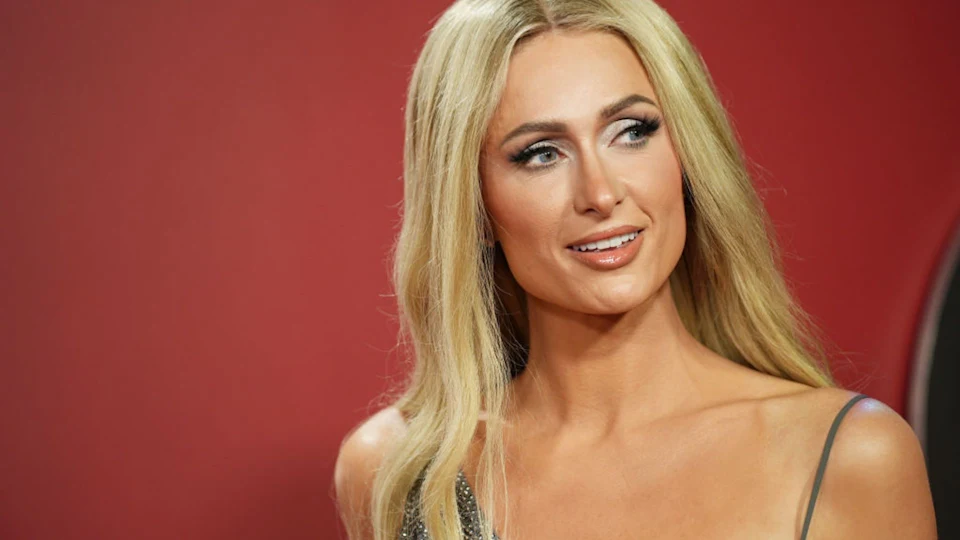
Long before “influencer” became a job title, Paris Hilton was already living inside the future of fame.
In a candid reflection on her journey—from tabloid fixture to business mogul—the heiress-turned-entrepreneur is reclaiming the narrative around her early celebrity. “I was just living my life,” Hilton says, looking back at the early 2000s. “And the paparazzi followed my every move.” What the world saw as chaotic party-girl behavior was, in hindsight, the birth of an entirely new media economy.
Two decades later, the influencer culture that dominates platforms like Instagram and TikTok mirrors the fame machine that once surrounded Hilton—only now it’s monetized, strategic, and openly celebrated.
Before influencers, there was Paris Hilton
At the height of her fame, Hilton wasn’t just famous—she was unavoidable. Red carpets, nightclubs, reality TV, tabloids—every appearance became content before content was even a concept.
ALSO READ : Younghoe Koo Explains Botched Field Goal After Slip: “The Ball Was Moving So I Pulled Up”
Her breakout reality series, The Simple Life, co-starring Nicole Richie, redefined celebrity visibility. Cameras didn’t just follow her work; they followed her existence. That constant exposure is now the foundation of modern influencer culture.
The difference? Hilton didn’t have brand managers or social algorithms. The paparazzi were the platform.
Turning scrutiny into strategy
For years, Hilton was dismissed as frivolous—a stereotype she now openly challenges. Behind the scenes, she was learning how attention worked, how audiences behaved, and how fame could be transformed into long-term equity.
Today, Hilton runs a global brand empire spanning fragrance, fashion, media production, and venture investments. Her business ventures reportedly generate hundreds of millions in revenue, making her one of the earliest examples of turning personal branding into scalable commerce.
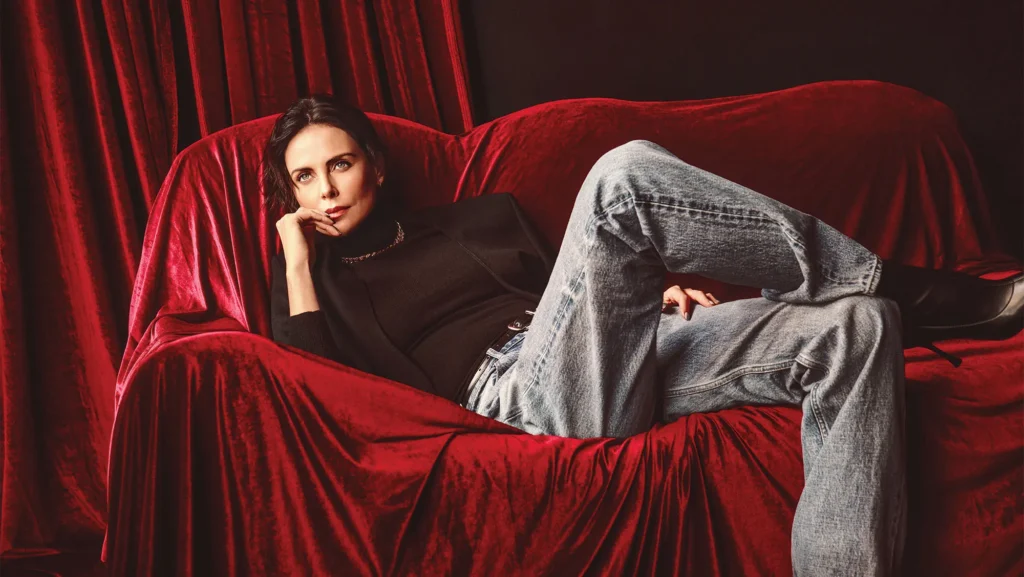
“People thought the character was the real me,” Hilton has said in interviews. “But it was armor.”
That awareness—of image as performance—has become the central skill of today’s influencers.
Fame, family, and rewriting the narrative
Hilton’s reassessment of her past comes with a more vulnerable tone. She has spoken openly about family pressures, media trauma, and the emotional toll of being constantly watched. Unlike today’s curated feeds, there was no “off” button in the tabloid era.
Yet, she doesn’t frame herself as a victim. Instead, she positions herself as a case study in how fame evolved—and how women were rarely given credit for understanding the business side of celebrity.
Her recent documentary projects and memoir work have further cemented her rebrand—not as a socialite, but as a survivor who learned to outsmart the system that once reduced her to a punchline.
“That’s hot”—and politically relevant?
Perhaps most surprising is Hilton’s openness to the idea of politics. While she stops short of making declarations, she acknowledges that visibility comes with responsibility. In recent years, she has advocated for social issues, prison reform, and youth protection—causes far removed from her early image.
In an era where celebrities regularly transition into political influence, Hilton’s evolution feels less shocking and more inevitable. She understands audiences, narratives, and power—skills that define both digital influence and public life.
If the influencer economy has taught the world anything, it’s that attention is currency. Hilton was trading in it before anyone else knew the exchange rate.
The original blueprint for modern influence
Today’s creators monetize followers, sell authenticity, and build empires from personality-driven content. Paris Hilton did all of that—without social media, without brand deals, and without public sympathy.
She didn’t just predict the influencer economy. She lived it into existence.
And now, as the culture finally catches up, Hilton’s message is clear: she wasn’t ahead of her time by accident. She was paying attention.
That’s hot.





Entertainment
Turning Point USA’s ‘Alternative Halftime’ Sparks Buzz ‘Not Bad Bunny, But a Message…’
As Bad Bunny ruled the Super Bowl stage, Turning Point USA rolled out its own Kid Rock–led halftime show — offering conservatives a parallel spectacle that quickly ignited debate
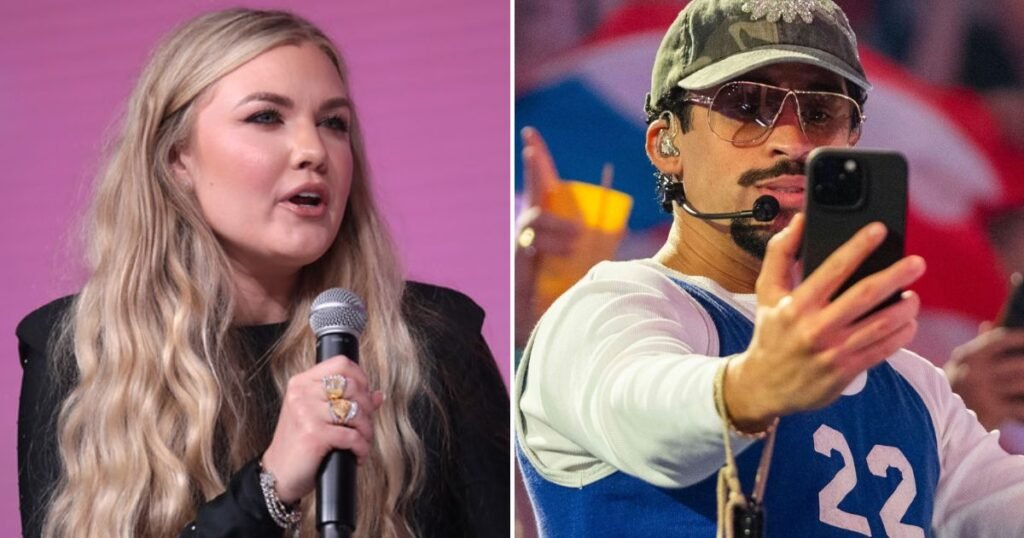
While millions tuned in to watch Bad Bunny dominate the official Super Bowl halftime show with a culture-shifting performance, a very different kind of spectacle was unfolding elsewhere — one that leaned heavily into politics, ideology, and identity.
Conservative nonprofit Turning Point USA unveiled what it described as an “alternative halftime show”, headlined by Kid Rock, positioning it as a counterweight to the NFL’s main event. Marketed as a cultural rebuttal rather than a musical rival, the show quickly drew attention — and criticism — across social media.
The premise was simple: if the Super Bowl halftime didn’t speak to conservative audiences, Turning Point USA would create one that did.
A Political Counter-Stage Takes Shape
The Kid Rock–led event featured performances by Brantley Gilbert, Lee Brice, and Gabby Barrett — artists with strong followings in country and heartland America.
Unlike the NFL’s high-budget, globally broadcast halftime extravaganza, this show leaned more toward symbolism than spectacle. Its message was clear: this was meant to be an alternative not just to Bad Bunny’s music, but to the broader cultural direction the Super Bowl halftime has taken in recent years.
ALSO READ : “She Never Made It Out…” Albany House Fire Claims Woman’s Life as Family Pleads for Help to Bring Her Home
Organizers framed it as a celebration of “traditional values” and “real America,” language that immediately placed the performance squarely within the ongoing culture wars shaping U.S. entertainment.
Music, Politics, and Parallel Audiences
What made the moment striking wasn’t just the existence of a rival halftime show — but how explicitly political it was.
Turning Point USA, founded by Charlie Kirk, has long positioned itself as a media-savvy organization aimed at reshaping youth culture from the right. The halftime show experiment appeared to be an extension of that strategy, blending music with messaging in a way designed to mobilize and energize a specific audience.
Critics were quick to point out the contrast. While Bad Bunny’s performance celebrated linguistic diversity, global rhythms, and pop culture crossover, the alternative show emphasized ideological alignment over artistic risk.
Supporters, however, praised it as a long-overdue response to what they view as liberal dominance in mainstream entertainment.
Online Reaction: Applause, Mockery, and Everything in Between
Clips from the Kid Rock–led performance spread rapidly across X, where reactions ranged from enthusiastic support to biting satire. Some users applauded Turning Point USA for “standing up to Hollywood,” while others dismissed the event as a publicity stunt chasing relevance during football’s biggest night.
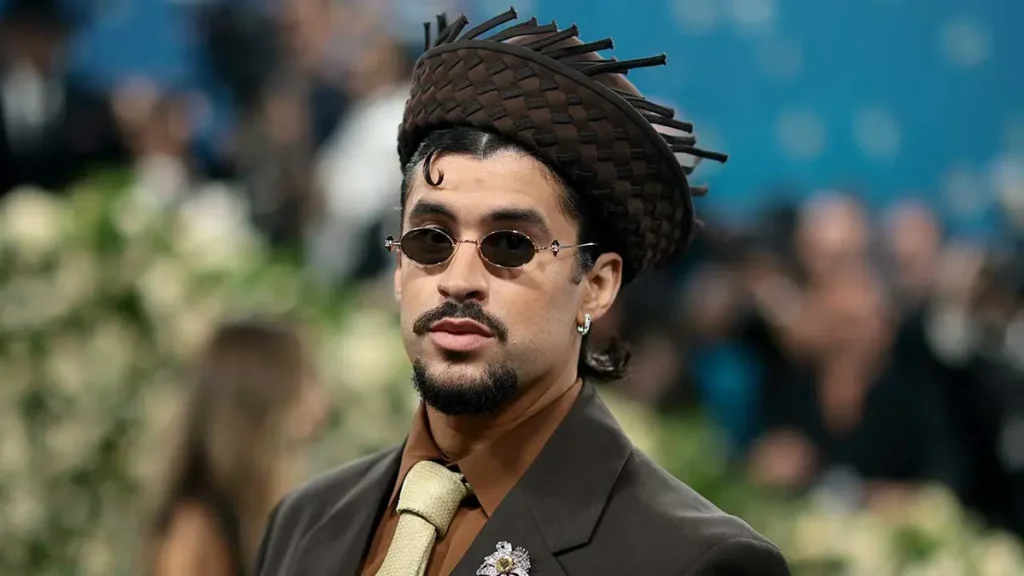
Media analysts noted that the alternative halftime show gained traction precisely because it positioned itself against Bad Bunny, a global superstar whose success embodies the cultural shifts conservatives often critique.
“The contrast did all the marketing for them,” one pop culture commentator observed. “You didn’t have to watch either show to understand what each one stood for.”
What This Moment Says About American Pop Culture
At its core, the episode highlighted a growing reality: entertainment in America no longer lives on a single stage.
The Super Bowl halftime show once aimed to unify audiences across generations and ideologies. Today, it reflects a fragmented media landscape where parallel cultural experiences can exist — and compete — in real time.
Turning Point USA’s alternative halftime didn’t dethrone the NFL’s main attraction, nor was it designed to. Instead, it functioned as a statement of identity, signaling that for some audiences, representation now means ideological recognition as much as cultural visibility.
Whether this experiment becomes an annual tradition or a one-off moment remains to be seen. But one thing is clear: the Super Bowl’s cultural gravity is now strong enough to inspire counter-events built entirely around opposition.
And in that sense, both halftime shows — official and alternative — succeeded in capturing attention, even if for very different reasons.
Entertainment
Keke Palmer Takes on Suburbia ‘Saving the Block Is Easy… Surviving the Neighbors Is Not’
The cult classic gets a modern makeover—but while the tone wobbles, Keke Palmer’s performance gives the reboot its sharpest edge
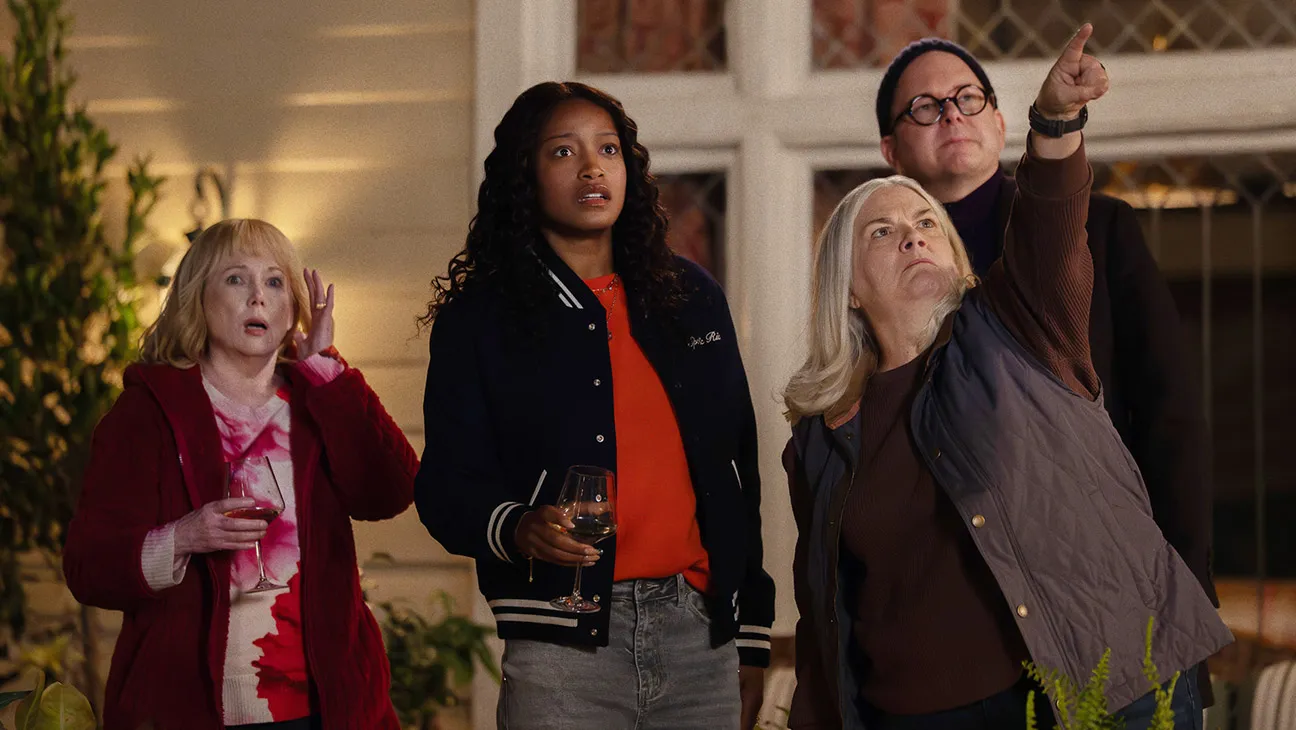
Reboots are tricky business, especially when they tinker with cult favorites. Peacock’s new take on The ’Burbs steps directly into that danger zone—reviving the dark suburban comedy for a modern audience with mixed results. Yet amid the tonal shifts and uneven pacing, one thing is clear: Keke Palmer is the undeniable bright spot.
The series, now streaming on Peacock, updates the paranoia-fueled humor of the original while attempting to reflect contemporary anxieties about community, surveillance, and the illusion of safety behind manicured lawns. It doesn’t always land—but when Palmer is on screen, the show finds its rhythm.
A cult classic reimagined—with caution
The original The ’Burbs, starring Tom Hanks, thrived on slow-burn absurdity and escalating suspicion. Peacock’s reboot trades some of that subtle tension for sharper jokes and faster pacing, occasionally sacrificing atmosphere for immediacy.
ALSO READ : Younghoe Koo Explains Botched Field Goal After Slip: “The Ball Was Moving So I Pulled Up”
The result is a tonal tug-of-war: part satire, part mystery, part outright comedy. At times, the show seems unsure whether it wants to wink at the audience or fully embrace the darkness that made the film memorable.
That’s where Palmer steps in.
Keke Palmer’s star power cuts through the noise
Palmer brings confidence, timing, and an effortless charm that grounds the show when it threatens to drift. Her performance injects energy into scenes that might otherwise feel overworked, offering a reminder of why she’s become one of the most reliable presences in modern comedy.
She plays her role with self-awareness—never undercutting the humor, but never forcing it either. In a reboot that struggles to balance homage with reinvention, Palmer feels refreshingly in the present.
Critics may debate whether The ’Burbs needed a reboot at all, but few will argue against Palmer’s effectiveness. She doesn’t just elevate scenes—she gives the series its emotional anchor.
A dark comedy that doesn’t always trust itself
Peacock’s version of The ’Burbs wants to say something about modern suburbia: the fear of strangers, the performance of neighborly perfection, and the paranoia fueled by constant connectivity. These themes are timely—but the writing doesn’t always dig deep enough to make them resonate.
Some episodes hint at sharper satire, while others lean too heavily on surface-level jokes. The inconsistency makes the series feel like a “mixed bag”—ambitious, watchable, but not fully realized.
Still, there’s an audience for this kind of tonal experimentation, especially viewers drawn to dark comedy with recognizable IP.
Is the reboot worth watching?
For fans of the original film, expectations should be tempered. This is not a faithful recreation—it’s a reinterpretation shaped by today’s sensibilities. For new viewers, the series offers an accessible entry point into the The ’Burbs universe, even if it lacks the slow-building dread that once defined it.
Ultimately, the reboot’s biggest success isn’t its plot or premise—it’s its casting. Keke Palmer proves once again that a strong performance can stabilize even the shakiest of foundations.
And in an era crowded with reboots, that alone may be reason enough to tune in.
Entertainment
Odessa A’zion Embraces ‘Crazy’ Roles—and It Might Be Her Breakout Moment
From raw teen drama to fearless, unfiltered roles, Odessa A’zion opens up about leaning into chaos—and why she’s done playing it safe.
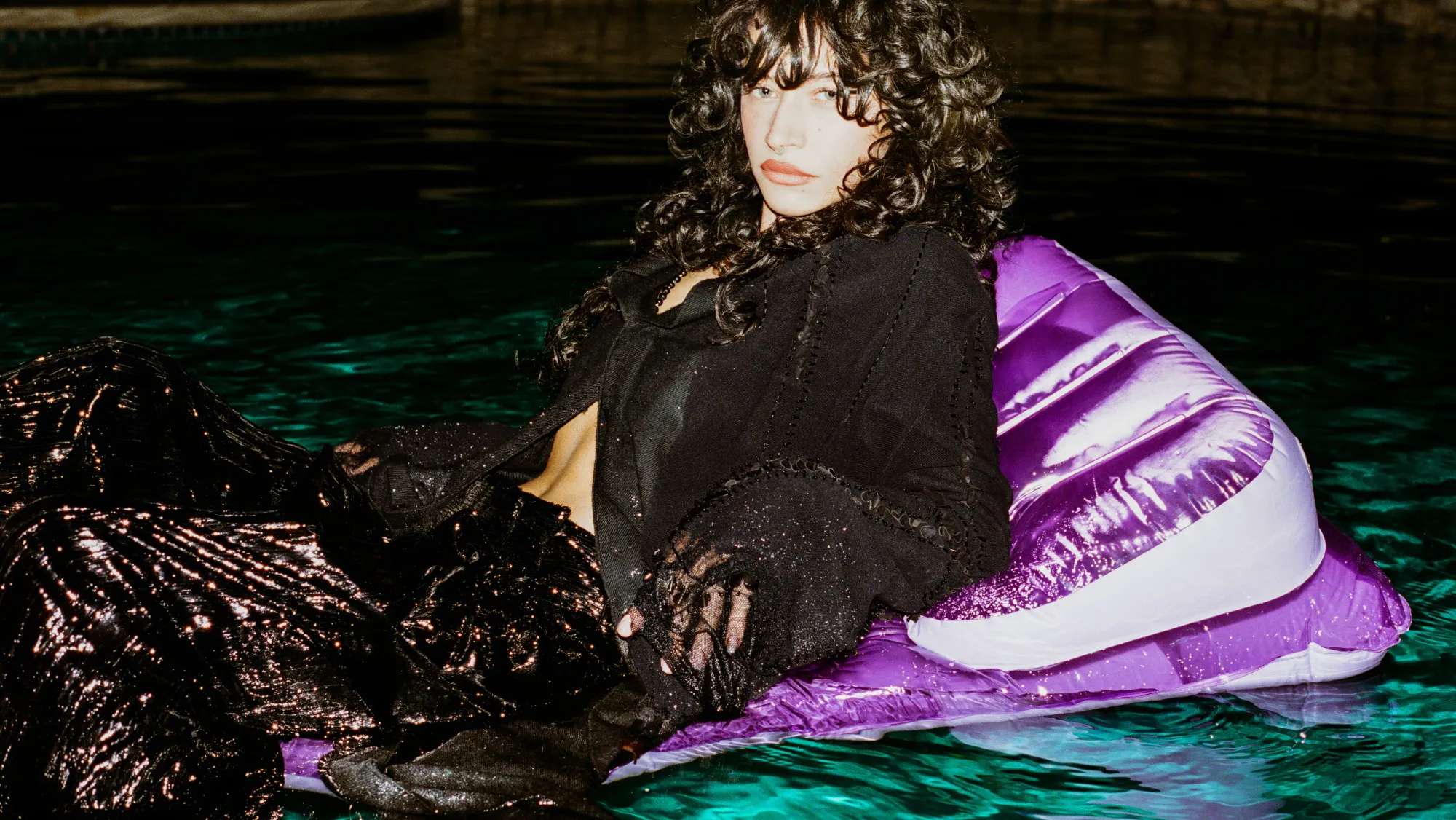
There’s a moment in every young actor’s career when the script stops asking them to be likable and starts daring them to be honest. For Odessa A’zion, that moment has arrived—and she’s not shying away from it.
In recent interviews, the actress has made it clear she’s ready to push boundaries. “I’m down to play crazy,” she said, a line that instantly stuck. It wasn’t a throwaway comment. It was a declaration. One that signals where she sees her career heading next: toward characters that are messy, volatile, unpredictable—and unmistakably human.
Breaking Free From the ‘Nice Girl’ Box
Audiences first took notice of A’zion through emotionally charged performances that blended vulnerability with edge. Her breakout role in Grand Army introduced her as a performer unafraid of discomfort, willing to sit with silence, anger, and contradiction. Since then, she’s steadily resisted being boxed into the industry’s default “young star” archetype.
That resistance has become a theme. A’zion has spoken openly about rejecting roles that feel sanitized or overly polished. What draws her in instead are characters who feel like they might implode at any second—the kind that scare casting directors and excite actors.
ALSO READ : He Predicted Trump’s Kennedy Center Move… Then Bought the Domain: Meet the TV Writer Turning Power Into Punchlines
Why ‘Crazy’ Roles Matter to Her
For A’zion, “crazy” isn’t about shock value. It’s about emotional truth. Characters on the brink, she suggests, often reveal more about real life than carefully controlled ones.
Hollywood, long criticized for flattening female characters into neat categories, seems to be slowly shifting. A’zion’s willingness to embrace instability on screen places her in a growing cohort of young actors demanding roles that reflect real psychological complexity—especially for women.
A Career Built on Risk
Her film choices underline that philosophy. In Sitting in Bars with Cake, A’zion balanced humor with quiet heartbreak, while her appearance in the Hellraiser reboot leaned into darker, more visceral territory. Each project feels like a deliberate step away from predictability.
Industry watchers note that this pattern—choosing tonal variety over comfort—is often what separates fleeting fame from lasting careers.
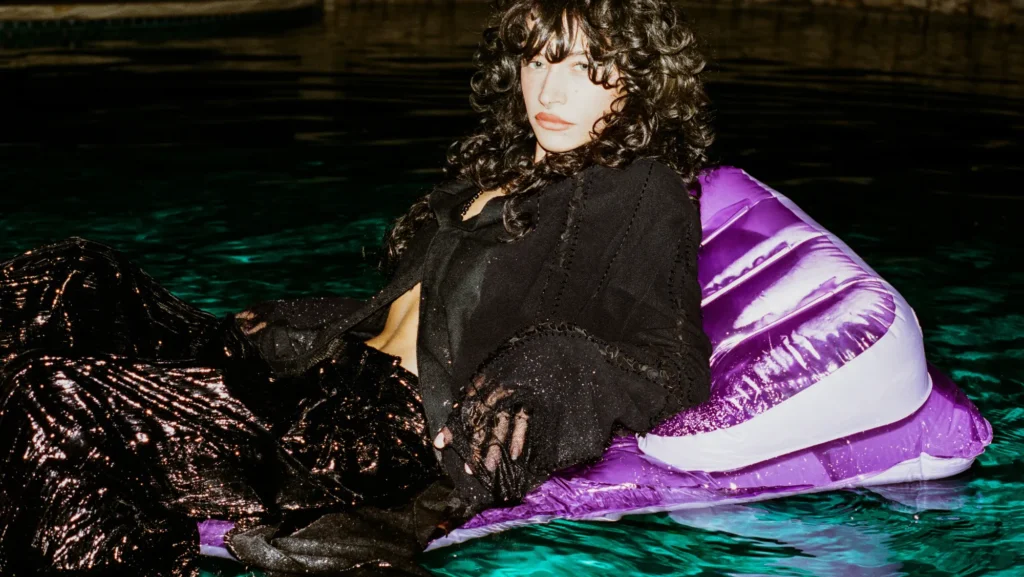
The Industry Is Listening
Casting agents and directors are paying attention. In an era where authenticity sells and audiences gravitate toward flawed protagonists, A’zion’s instincts align with where film and television are heading.
Platforms like Netflix and HBO have increasingly invested in character-driven storytelling, creating space for actors who aren’t afraid to go dark, strange, or emotionally raw.
What’s Next for Odessa A’zion
While she’s careful not to overshare future plans, A’zion has hinted that upcoming projects will continue to challenge her—and viewers. If her recent comments are any indication, she’s less interested in playing characters people instantly understand and more drawn to those they can’t easily explain.
That choice may not always be comfortable. But in a business built on attention, comfort is rarely memorable.
And if “playing crazy” means telling the truth without sanding off the sharp edges, Odessa A’zion seems more than ready to lean in.

Turning Point USA’s ‘Alternative Halftime’ Sparks Buzz ‘Not Bad Bunny, But a Message…’

Keke Palmer Takes on Suburbia ‘Saving the Block Is Easy… Surviving the Neighbors Is Not’

How Paris Hilton ‘Accidentally’ Created the Influencer Economy Without Even Trying

Odessa A’zion Embraces ‘Crazy’ Roles—and It Might Be Her Breakout Moment

Why Billie Jean King’s Story in ‘Give Me the Ball!’ Still Hits Hard Decades Later

1-Iran Issues Dire Warning to Israel and Defies Trump on Nukes: “We’re Ready to Strike Deep Inside”

Donald Trump’s net worth reveals the fortune behind the former US President and business mogul

Caitlin Clark Sidelined with Quad Strain, Set to Miss Two Weeks of WNBA Action

“Tomás Rodríguez Net Worth 2025: Panama’s Gold Cup Goal‑Machine’s Surprising Fortune Revealed”

Elon Musk Breaks Ranks with Trump Over ‘Big, Beautiful’ Tax Bill

Miss Jamaica Suffers Terrifying Fall Off Miss Universe Stage; Rushed to Hospital on Stretcher in Viral Video

Moana Live-Action Teaser Sparks Outrage as Fans Call Disney’s Move a ‘Clear Money Grab’ — What Went Wrong?

Ryan Gosling’s Project Hail Mary Trailer Stuns Fans with a Mysterious Alien Ally and a Mission That Could Save Earth

Apple delays Jessica Chastain thriller The Savant about domestic extremism after recent US violence

Avatar 3, Fire and Ash trailer reveals Jake Sully’s family facing terrifying new Na’vi enemies with deadly fire powers
-
 Entertainment2 days ago
Feinberg Forecast Whispering New Year Surprises in Oscar Predictions as Hollywood Changes Its Weather
-
 Entertainment1 week ago
Enola Holmes 3 Gets Its First Look as Netflix Plans a Special Moment for Lewis Pullman Fans
-

 Entertainment1 week ago
Last Dance at Sundance: Linklater, Coogler and Aronofsky Look Back as Park City Says Goodbye… and the Festival Turns the Page
-
 Entertainment6 days ago
Stephen Colbert Finally Addresses ‘Late Show’ Ending — “We’ll Do Something Else Together”
-
 Politics1 week ago
The Man Who Predicted Trump’s Kennedy Center Takeover Bought the Domain That Mocked It
-
 Entertainment1 week ago
When Sundance Was Wild How a Small Festival Changed Hollywood Forever
-
Entertainment1 week ago
Inside Sundance’s Wildest Years: “Screaming, Crying and Almost Throwing Up”… and How a Film Festival Changed Hollywood Forever
-
 Business6 days ago
Peacock’s Loss Widens to $552 Million Even as Subscribers Surge to 44 Million ‘Streaming Is a Long Game’