
Environment
“Roof Gone in Seconds” Tornado Tears Through Perth’s City Beach Destroying 12+ Homes and Shocking Residents
A rare ‘twister-like’ storm tore off rooftops, smashed carports, and uprooted massive trees in one of Perth’s most expensive suburbs—City Beach—leaving stunned families scrambling for shelter


Perth Tornado: Twister Tears Apart City Beach as Families Watch Roofs Fly Off
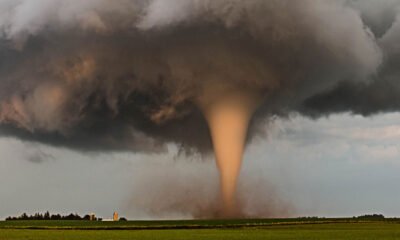
In a terrifying twist of nature, a freak tornado-like storm ripped through City Beach, one of the most affluent suburbs of Perth, Western Australia, on Wednesday—smashing homes, flattening trees, and sending families into panic as rooftops were lifted skyward. This wild weather event struck around mid-afternoon and left at least a dozen homes heavily damaged.
Table of Contents

“I heard a huge bang and thought all the windows would implode,” said a local resident of Kalari Drive, whose family was relaxing on the couch when the wind blew off the roof of their master bedroom. Solar panels from their multi-million dollar home were reportedly thrown onto neighboring properties.
While the Australian Bureau of Meteorology is yet to confirm if the phenomenon was officially a tornado, the damage path, cloud funnel images, and sudden gusts leave little room for doubt.
Homes Torn Apart as Twister Hits Without Warning
City Beach’s usually serene Lentara Crescent resembled a disaster zone just hours after the storm passed. State Emergency Services (SES) teams rushed to the area, working into the evening to secure properties and clear debris.
Aerial and ground footage showed:
- Roofs completely peeled off
- Carports collapsed under flying debris
- Trees uprooted and hurled across streets
- Fences, bricks, and household items like chairs and bins scattered far from homes
One home on Marapana Road suffered significant backyard damage when trees from neighboring yards crashed through fences and crushed outdoor furniture. “I was just sitting in the kitchen looking out over the pool when everything turned dark… debris, dust, chaos,” the homeowner told reporters.
Solar Panels Launched Like Weapons
Perhaps the most jaw-dropping moment occurred on Kalari Drive, where solar panels ripped from rooftops flew with terrifying force into adjacent yards and rooftops. Fortunately, no injuries were reported, but the shock remains.
“Rain poured in through the open ceiling. It’s surreal. It all happened in less than a minute,” a resident said. As night fell, the family was searching for emergency hotel accommodation, unsure when they could safely return.
Weather Bureau Warns of More Wild Weather
According to Main Roads Western Australia, severe rainfall flooded parts of the Perth Causeway near Adelaide Terrace, urging motorists to avoid the area. Swanbourne saw 20.2mm of rain in just a few hours, while Rottnest Island and Garden Island recorded wind gusts up to 76km/h and 73km/h respectively.
The Bureau of Meteorology has forecast a maximum temperature of 14°C for Thursday, with a chance of thunderstorms—especially near the coast. Authorities have also issued a strong wind warning for Perth’s coastal regions.
Not the First: Tornado History in Western Australia
This isn’t the first time Western Australia has experienced such violent weather. Just last year, a confirmed tornado tore through Bunbury, causing millions in property damage and leaving dozens of homes in ruins. The event sparked conversations about the unpredictability of weather patterns in Australia’s southwest region.
Tornadoes, though rare in Australia, are not unheard of. They often form during intense storm systems, especially when warm ocean air meets cold fronts—a combination Perth saw this week.

“Our Yard Is Demolished” — Local Testimonies Paint a Grim Picture
Residents across City Beach have shared similar tales of terror:
“We’ve got trees from next door that have fallen in, two fences caved in, people’s chairs and bins everywhere… our yard is demolished basically,” said one shaken homeowner.
Others described the sound of the storm as “like a freight train” and feared for their children’s safety as windows shook and ceilings cracked.
Footage circulating on social media shows a clearly rotating cloud formation above City Beach Oval, consistent with tornado-like behavior. Officials are yet to declare the event a formal tornado but promise a thorough meteorological investigation.
Emergency Crews on High Alert
Crews from SES Perth, along with local fire services, remained on the ground well into the evening, attempting to secure unstable structures and assist displaced families. Emergency shelters and short-term accommodations are being prepared, though many families have opted for hotels.
Local authorities have urged people to avoid driving through City Beach until debris is cleared and downed power lines are secured.
Could Climate Be Behind the Chaos?
Experts have increasingly pointed to the role of climate change in amplifying Australia’s weather volatility. With record-breaking heatwaves, floods, and now possible tornadoes in urban areas, calls for better infrastructure preparedness are growing.
“This is a wake-up call for city planning and emergency readiness,” a spokesperson from the Climate Council said. “Events like this used to be once-in-a-decade, but now they’re happening annually.”
for more news www.DailyGlobalDiary.com



World News
Record-Breaking Rainfall in Vietnam’s Hue Submerges the Ancient City: Over 1,000mm in 24 Hours Stuns Experts”
Vietnam’s Hue, a UNESCO World Heritage Site, faces its worst flooding in decades as the country records its highest-ever 24-hour rainfall. Thousands evacuated, power knocked out, and rail lines cut as climate change intensifies extreme weather.

Record Rainfall Turns Historic Hue into a Lake
The central Vietnamese city of Hue — once the imperial capital of the Nguyen Dynasty — has been left nearly submerged after record-breaking rainfall lashed the region. According to Vietnam’s National Center for Hydro-Meteorological Forecasting (Wikipedia), the city witnessed over 1,000 millimeters (39.4 inches) of rain within 24 hours, the highest ever recorded since the country began official monitoring.
This extraordinary deluge turned the Huong River and Bo River, both lifelines of Hue, into raging torrents that burst their banks, inundating homes, streets, and the world-famous Imperial City of Hue (Wikipedia).
Aerial photographs from October 28, 2025, revealed a haunting scene — the citadel walls, pagodas, and palace grounds that once symbolized Vietnam’s royal heritage now lay beneath murky brown waters. The flood has left the city under more than one meter (3.3 feet) of water, disrupting daily life, transport, and power across the province.
A National Record Smashed After Two Decades
Officials from the Ministry of Natural Resources and Environment confirmed that this rainfall surpassed the national record previously set more than 20 years ago. By Monday afternoon, water levels on the Huong and Bo rivers had surged to 5.25 meters (17.2 feet) — breaking the historic 2020 high.

As of Tuesday, the floodwaters began to recede slightly, but vast parts of Hue, including its ancient temples, markets, and colonial-era buildings, remain waterlogged. The Vietnam News Agency reported that the downpours are expected to continue until Friday, increasing the threat of further flooding and landslides.
Thousands Evacuated, Trains Suspended, and Power Outages Widespread
More than 8,600 residents across four central provinces — including Hue, Danang, and Quang Tri — have been evacuated to higher ground due to the twin dangers of flooding and landslides. The Vietnam Railways Corporation (Wikipedia) announced the suspension of its north-south services between Hanoi (Wikipedia) and Ho Chi Minh City (Wikipedia), effectively halting the country’s most vital transport route.
Government data shows that over 306,000 households and businesses have been plunged into darkness due to widespread blackouts in Hue, Danang, and Quang Tri (Wikipedia).
Meanwhile, in Quang Ngai Province (Wikipedia), a 3-kilometer-long landslide of red mud left nearly 1,700 people stranded. Rescue efforts are ongoing, with local authorities deploying boats and helicopters to deliver food and water to isolated communities.
The Ancient Soul of Hue Under Water
For the people of Hue, this disaster strikes not only at their homes but at their cultural heart. The Imperial City, recognized by UNESCO (Wikipedia) in 1993 as a World Heritage Site, draws millions of tourists each year. Now, the Thái Hòa Palace, Forbidden Purple City, and other monuments are submerged, risking irreversible damage to structures that date back to the early 19th century.

Residents waded through waist-deep water in raincoats and makeshift rafts, trying to salvage belongings. “This is the worst I’ve seen in my lifetime,” said a local shopkeeper quoted by VNExpress, a leading Vietnamese daily. “Hue has always been known for rain, but never like this.”
Climate Change and Rising Storm Intensity
Scientists and environmental experts have long warned that climate change (Wikipedia) is amplifying extreme weather events across Southeast Asia. With sea surface temperatures rising, storms now carry more moisture, resulting in heavier rainfall and catastrophic floods.
This month’s flooding follows Typhoon Bualoi (Wikipedia) in September, which killed at least 13 people and left 20 missing. Data from the General Statistics Office of Vietnam (Wikipedia) reveals that in the first nine months of 2025 alone, 187 people have died or gone missing in natural disasters — primarily floods and landslides — with total economic losses exceeding $610 million.
Experts from UN Environment Programme (UNEP) (Wikipedia) have urged Vietnam to invest more in flood-resilient infrastructure, warning that ancient cities like Hue are especially vulnerable due to aging drainage systems and urban encroachment along riverbanks.
Government Response and Future Outlook
The Vietnam Disaster Management Authority (Wikipedia) has mobilized rescue teams, distributed relief materials, and set up temporary shelters. However, many locals say aid has been slow to reach remote areas cut off by landslides.
Authorities are working around the clock to restore electricity, clear debris, and assess structural damage to heritage buildings. Restoration experts are already surveying the Imperial Citadel, fearing long-term erosion or water damage to frescoes and stone carvings.
Prime Minister Pham Minh Chinh (Wikipedia) is expected to visit the flood-affected regions later this week to oversee recovery operations and announce additional funding for disaster relief.
The World Watches as Hue Battles the Waters
As the rains subside, the ancient city stands as a tragic symbol of Vietnam’s struggle between preserving history and confronting a changing climate. What was once a bastion of royal elegance has turned into a vast expanse of water and ruin.
The people of Hue, however, remain resilient. “We will clean, rebuild, and reopen,” said a local historian. “Hue has survived wars — it will survive the floods too.”
For the latest global updates and climate stories, visit www.DailyGlobalDiary.com.
science
“Harmless” Sharks Turn Deadly: 1 Rare Feeding Frenzy Off Israel’s Coast Ends in Fatality
A tourist’s snorkel turned into horror as usually-docile Dusky Sharks attacked a swimmer near Hadera — scientists blame human feeding and ecological chaos.
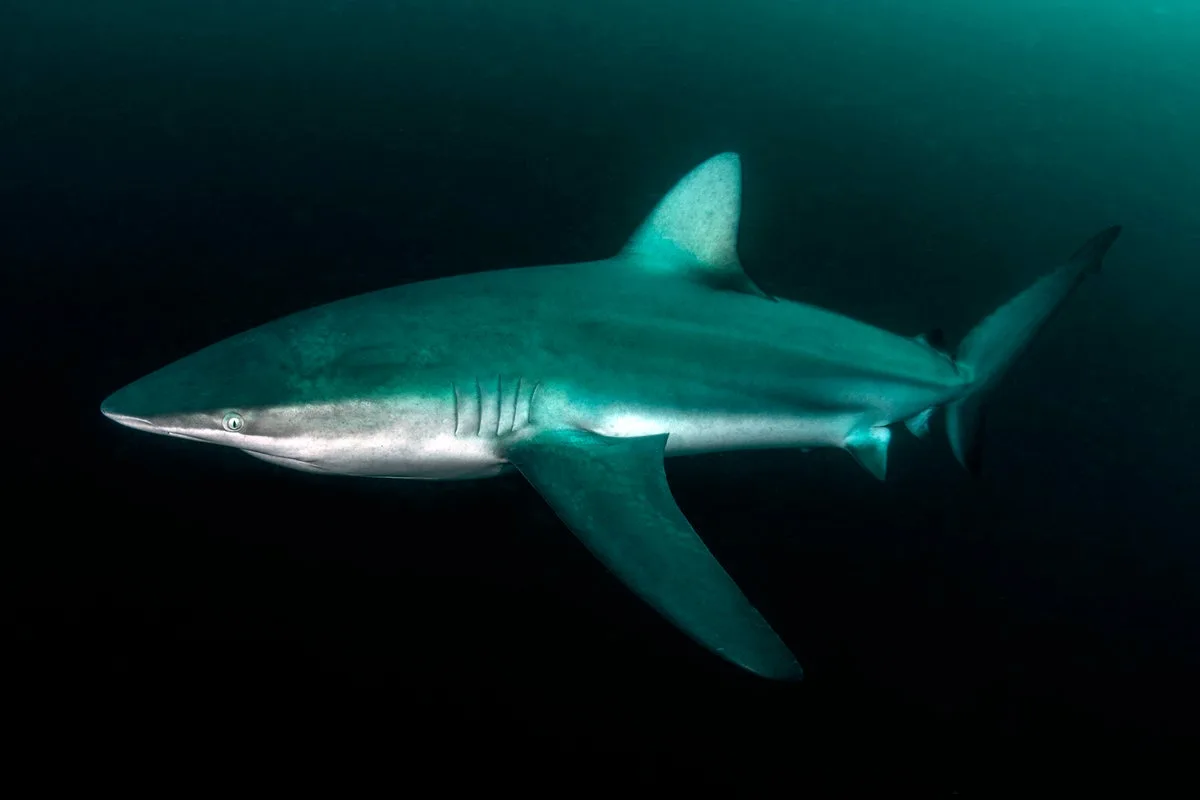
In a chilling incident that has stunned marine experts, a 40-year-old tourist was killed off the coast of Hadera, Israel, after being surrounded by a swarm of Dusky Sharks — a species long thought harmless to humans.
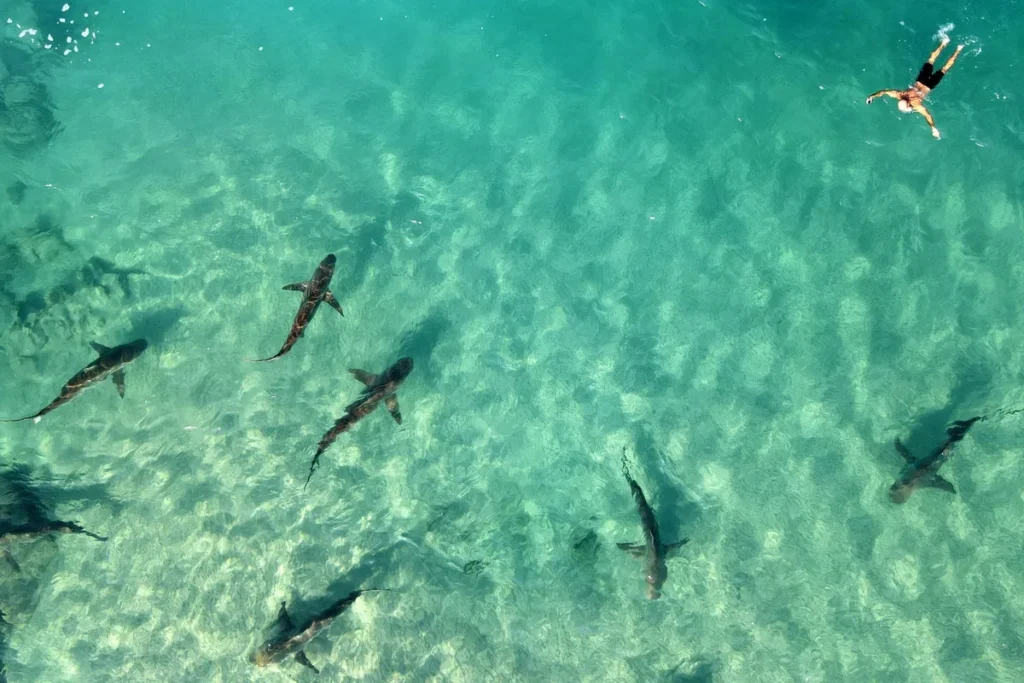
The man had been snorkeling and filming with a GoPro camera just 100 meters from shore when the tragedy struck. Eyewitnesses reported hearing him cry out, “Help… they’re biting me,” moments before disappearing beneath a sea that rapidly turned red.
According to local reports, by the time rescue boats arrived, the water was bloodied and the man had vanished. The next day, small fragments of human remains were recovered, confirming his identity and indicating he was devoured by multiple sharks during the attack.
The case has been detailed in the Ethology journal and is now considered the first recorded fatal attack by a Dusky Shark on a human. Researchers have described the tragedy as a result of a “perfect storm” — combining human error, environmental disruption, and animal instinct.
A Species Misjudged
Despite their formidable size — growing up to 3 meters (10 feet) — Dusky Sharks are generally shy creatures. Historically, they have been recorded as non-aggressive and pose minimal threat to humans.
However, in recent years, the waters off Hadera have become a magnet for these sharks due to warm discharges from desalination plants. This unusual ecological condition has turned the region into a seasonal shark gathering zone, especially during winter months.
Adding to the danger, tourists and local boat operators have reportedly been feeding the sharks to keep them nearby for entertainment and photo opportunities — a practice marine scientists now describe as a grave mistake.
The Birth of “Begging Behaviour”
Because of these feedings, sharks have begun associating humans with food. This has led to what experts call “begging behaviour” — a learned tendency where sharks swim up to divers expecting fish scraps.
Researchers found that many of the sharks near Hadera now approach swimmers directly, sometimes brushing against them, waiting to be fed. This conditioning is thought to have played a major role in transforming their natural caution into curiosity — and eventually aggression.
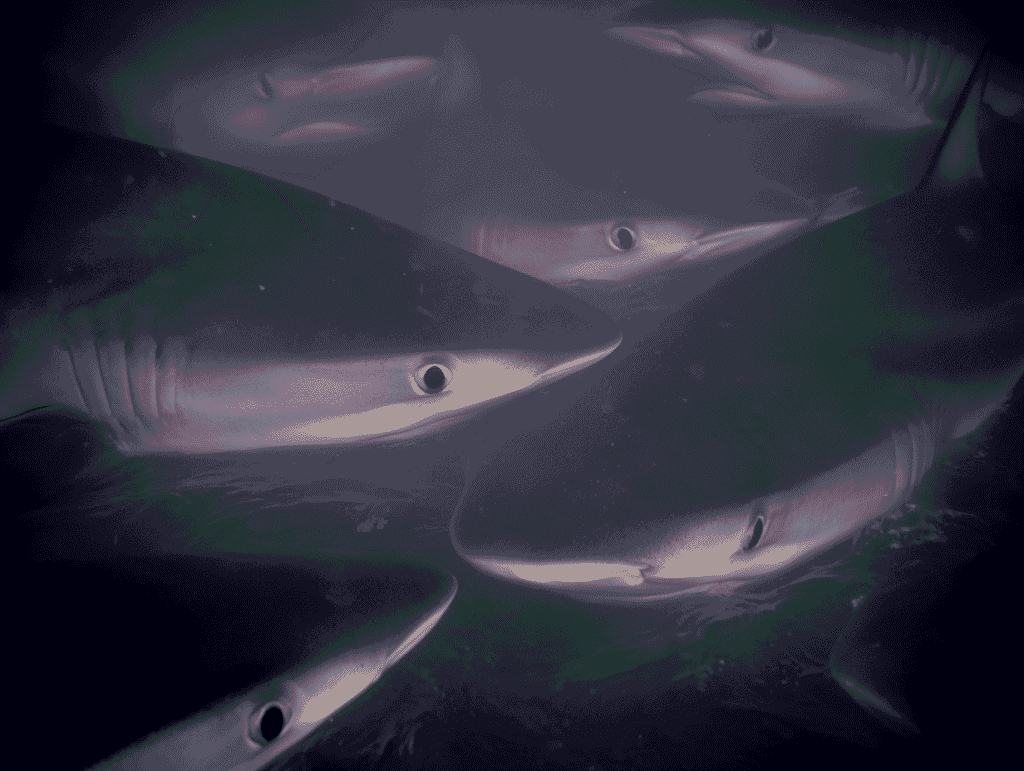
When the victim extended his GoPro into the water, one shark reportedly lunged toward it, possibly mistaking it for food. That single bite may have triggered blood in the water — which set off a deadly Feeding Frenzy among the surrounding sharks.
Inside the Feeding Frenzy
According to the Ethology report, the attack likely unfolded in two stages:
- A reflex or “clumsy” bite — triggered by food-seeking behaviour.
- Multiple predatory bites — caused by the Feeding Frenzy instinct once blood entered the water.
“The competition for access to the food resource overrides the species’ usual behaviour,” the researchers wrote. “The situation likely occurred via a process of juxtaposition bites — beginning with curiosity, ending in predation.”
In other words, the sharks weren’t hunting humans. They were competing for food in a chaotic, human-influenced ecosystem that blurred the lines between prey and person.
How Human Actions Fueled the Attack
The coast of Hadera has become a strange laboratory of human interaction and marine life.
- Warm industrial water from power stations creates an artificial haven for sharks.
- Food waste and fish scraps dumped by fishing boats act as bait.
- Tourists have grown accustomed to feeding and swimming among them.
Together, these factors altered shark behaviour drastically. Once cautious, the sharks are now confident — even expectant — when humans enter the water.
Experts warn that if this feeding practice continues, similar tragedies are only a matter of time.
The Solution: Stop Feeding, Save Lives
Marine scientists behind the Ethology study say the solution is straightforward: stop the artificial feeding of sharks altogether.
“The central objective is to eliminate the begging behaviour in sharks. This can only be achieved by enforcing a total ban on public feeding,” the researchers concluded.
They suggest that regulation of tourist activities and public education are far more effective than any physical barrier or surveillance system. Ending the learned association between humans and food is the only way to restore natural shark behaviour.
A Global Wake-Up Call
This tragedy isn’t just about Israel or Dusky Sharks. It’s a global reminder that human interference can drastically alter wildlife instincts — sometimes with fatal consequences.
For decades, Dusky Sharks have swum peacefully alongside divers around the world. But this incident shows that even “safe” species can turn deadly when ecological boundaries are crossed.
As the world rethinks its relationship with marine life, scientists urge stricter controls on wildlife tourism — emphasizing respect, distance, and understanding of natural behaviour.
Visit our site for more updates: www.DailyGlobalDiary.com
Environment
OECD Chief Mathias Cormann’s 1 Big Warning as He Urges Australians to Keep Nuclear Power Debate Open
Mathias Cormann calls for an “open mind” on nuclear energy while urging a responsible 2035 climate target.
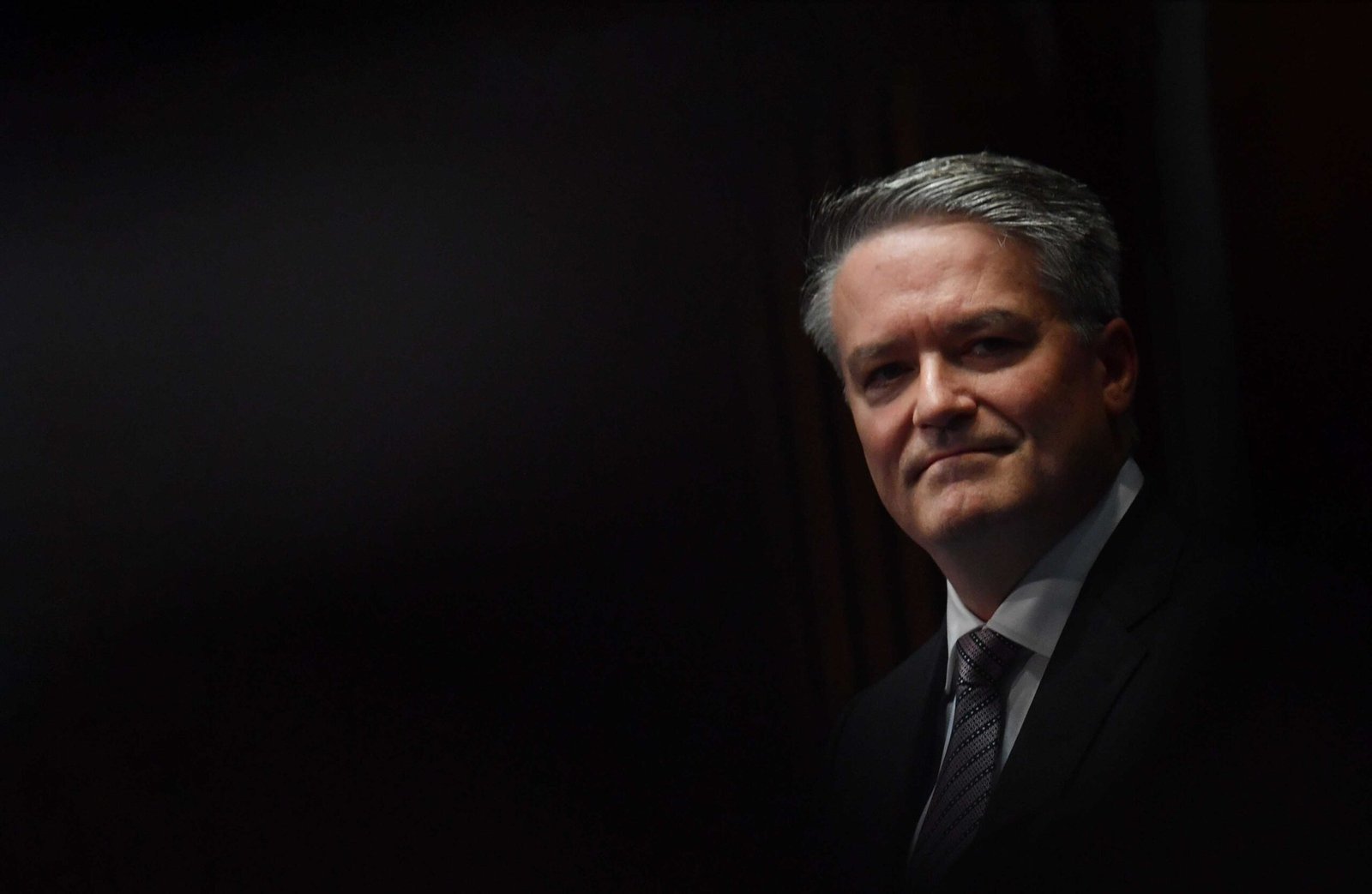
Mathias Cormann, the OECD secretary-general, has reignited Australia’s energy debate, urging citizens and policymakers to keep nuclear power “part of the conversation.” Speaking from Paris, the reappointed OECD boss emphasized that there is “nothing inherently partisan” about nuclear energy and warned that Australia must balance its climate commitments with economic responsibility.
Cormann’s remarks come as the Albanese government prepares to unveil its 2035 emissions reduction target—an announcement expected to shape Australia’s climate policies for the next decade.
Backing Current Climate Targets
Cormann praised the Albanese government’s current 2030 emissions reduction goal of a 43% cut from 2005 levels, calling it “well on track.” Yet, he stressed that the next target must be both “globally effective and economically responsible.”
“We need to do this in a way that preserves opportunity for people across Australia and all around the world,” he said in an interview with ABC’s 7.30 program.

With emissions already down 28% since 2005, the government now faces mounting pressure from climate activists demanding tougher measures and from industry groups worried about competitiveness.
Nuclear Debate: “Always Open”
Nuclear energy has long been a polarizing issue in Australia, but Cormann insists it should not be dismissed outright.
“I don’t think it’s a debate that’s ever closed. The debate is always open,” he remarked, highlighting that countries across the globe—including those led by governments of varying political stripes—are actively expanding nuclear capacity.
The comments are particularly striking given that Peter Dutton made nuclear power a central plank of his energy policy during the last federal election. Meanwhile, the Coalition remains divided over its stance on net zero and nuclear investment, undergoing internal reviews under Sussan Ley and David Littleproud following one of the worst defeats in its history.
Cormann, careful not to wade too deeply into partisan politics, reiterated that nuclear power must be considered alongside renewable sources if Australia is to ensure energy security, affordability, and international competitiveness.
Warning to Reserve Bank on Rate Cuts
Beyond climate policy, Cormann also weighed in on the Australian economy. He cautioned the Reserve Bank of Australia against aggressive interest rate cuts, warning that inflation could stay “elevated for longer than anticipated.”
“In a general sense, what we would say is that it’s appropriate for monetary and fiscal policy to remain prudent in the current global economic context,” he explained.

This echoes concerns from economists who fear that premature rate cuts could undermine Australia’s fight against inflation, destabilizing progress made over the past year.
The Global Dimension
Australia’s role in international climate policy is under scrutiny, especially since it signed the Paris Agreement in 2016 under then-Prime Minister Tony Abbott. Cormann stressed that Australia must stick to its international commitments.
“Climate change is a global problem requiring global solutions,” he said. “Australia is part of that collective effort, and it is critical that our targets are not just ambitious but achievable.”
His remarks reflect the OECD’s position that climate goals should not compromise economic growth but rather be designed to reinforce long-term stability and innovation.
Why His Words Matter
Cormann’s call to keep nuclear “on the table” lands at a politically sensitive moment. With the government days away from unveiling its 2035 climate targets, his endorsement of nuclear power as a legitimate option could give credibility to voices pushing for a broader energy mix.
At the same time, his caution to the Reserve Bank highlights the delicate balancing act between climate ambitions and economic realities. Policymakers now face the challenge of proving they can achieve both.
Final Thoughts
Whether or not Australia embraces nuclear energy, Cormann’s intervention underscores the importance of open debate and pragmatic policymaking. As a former Australian senator and now a global economic leader, his voice carries weight at home and abroad.
The next few weeks will determine how far the Albanese government is willing to push its climate agenda—and whether nuclear power reclaims a place in Australia’s future energy mix.
For more updates on this story and other global developments, visit www.DailyGlobalDiary.com

“He-Man Wears a Suit…”: Why Nicholas Galitzine’s Masters of the Universe Trailer Has Fans Talking

Camilla Läckberg Isn’t Done Yet… The Queen of Swedish Noir Eyes Film, TV and a Bold Plan to ‘Conquer America’

“Screaming, Crying, Almost Throwing Up”… Sundance Insiders Reveal the Untold Chaos Behind America’s Most Influential Film Festival
From Swedish Noir to Hollywood Dreams Camilla Läckberg Has a Bigger Plan in Motion
When Sundance Nearly Fell Apart Insiders Recall the Chaos Behind the World’s Most Influential Film Festival

1-Iran Issues Dire Warning to Israel and Defies Trump on Nukes: “We’re Ready to Strike Deep Inside”

Donald Trump’s net worth reveals the fortune behind the former US President and business mogul

Caitlin Clark Sidelined with Quad Strain, Set to Miss Two Weeks of WNBA Action

Elon Musk Breaks Ranks with Trump Over ‘Big, Beautiful’ Tax Bill

“Tomás Rodríguez Net Worth 2025: Panama’s Gold Cup Goal‑Machine’s Surprising Fortune Revealed”

Miss Jamaica Suffers Terrifying Fall Off Miss Universe Stage; Rushed to Hospital on Stretcher in Viral Video

Moana Live-Action Teaser Sparks Outrage as Fans Call Disney’s Move a ‘Clear Money Grab’ — What Went Wrong?

Ryan Gosling’s Project Hail Mary Trailer Stuns Fans with a Mysterious Alien Ally and a Mission That Could Save Earth

Apple delays Jessica Chastain thriller The Savant about domestic extremism after recent US violence

Avatar 3, Fire and Ash trailer reveals Jake Sully’s family facing terrifying new Na’vi enemies with deadly fire powers
-
 Entertainment6 days ago
He-Man Wears a Suit Now… Nicholas Galitzine’s ‘Masters of the Universe’ Trailer Drops a Shock Fans Didn’t See Coming
-
 Entertainment1 week ago
Brazil Eyes Oscar History Again… ‘The Secret Agent’ Scores Best Picture Nomination as Wagner Moura Stuns Hollywood
-

 Entertainment4 days ago
“Comedy Needs Courage Again…”: Judd Apatow Opens Up on Mel Brooks, Talking to Rob Reiner, and Why Studio Laughs Have Vanished
-

 Entertainment1 week ago
Box Office Shocker as Chris Pratt’s ‘Mercy’ Knocks ‘Avatar 3’ Off the Top but Nature Had Other Plans…
-

 Entertainment6 days ago
Oscars Go Global in a Big Way as This Year’s Nominations Signal a New Era: ‘The Academy Is Finally Looking Beyond Hollywood…’
-

 Entertainment1 week ago
Michael Bay Makes a Power Move… Blockbuster Director Signs with CAA in a Deal That’s Turning Heads
-

 Entertainment6 days ago
“Dangerously Kinky… and Darkly Funny”: Olivia Wilde and Cooper Hoffman Push Boundaries in ‘I Want Your Sex’
-
Entertainment1 week ago
Fans Didn’t Expect This Look… Nicholas Galitzine’s Masters of the Universe Trailer Sparks Debate