
Security
Qantas Data Breach Nightmare: Cyber Expert Warns ‘Three Words’ Could Wreck Millions of Lives 2025
Cybersecurity expert says leaked data from Qantas hack—name, email, and date of birth—could open the door to fraud, impersonation, and identity theft across Australia.

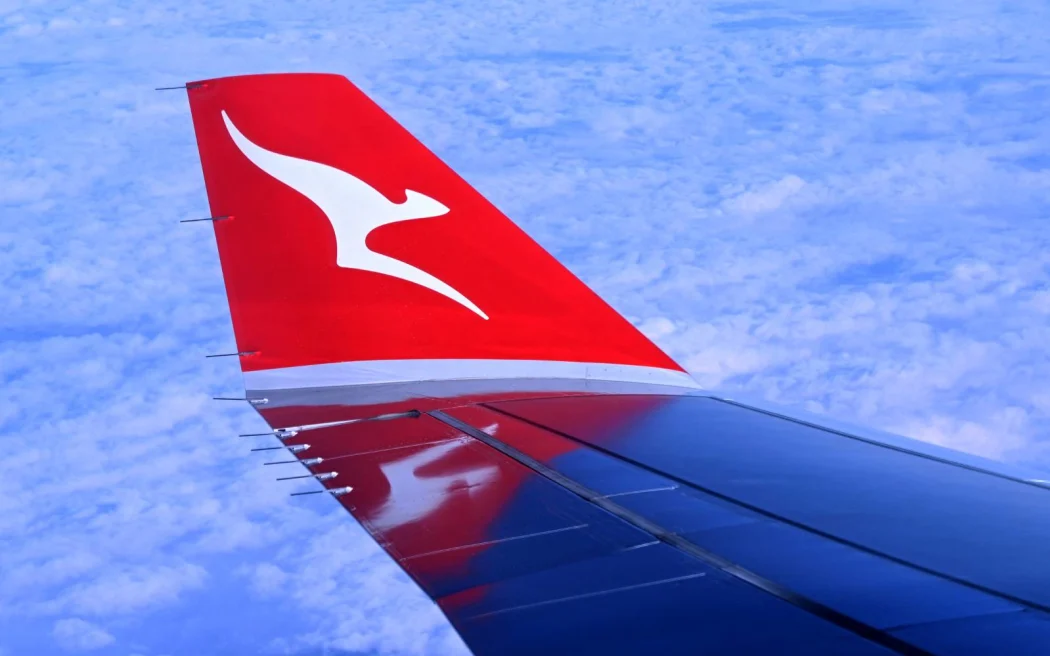
In what experts are calling a “deeply troubling” breach of trust, Qantas—Australia’s iconic national airline—has become the latest major company to fall victim to a devastating cyberattack, potentially affecting over six million customers. The fallout could be far more severe than initially thought, according to cybersecurity professionals who are sounding alarm bells over the data leaked.
Speaking to Australian media, Dr. Hammond Pearce, a cyber-expert from the UNSW Sydney, did not mince words when describing the magnitude of the situation. “This isn’t just a standard leak,” he said. “The kind of information that was exposed—full names, emails, and dates of birth—are the building blocks of identity. These are not just numbers. They are you.”
The breach was traced to a third-party contact centre in the Philippines, where “unusual activity” was detected on Monday. Qantas has since claimed that the system has been “contained.” But for millions of Australians, the damage may already be done.
A Breach Beyond Numbers
While Qantas CEO Vanessa Hudson has publicly apologized and attempted to reassure customers that credit card numbers, passport data, and banking information were not stored on the compromised platform, Dr. Pearce says this offers little comfort.
“I can call the bank and cancel a credit card,” Pearce stated. “But I can’t change my name. I certainly can’t change my date of birth. These are permanent identifiers—and they’ve now been exposed to hackers.”
According to the expert from UNSW’s School of Computer Science and Engineering, those three pieces of information—name, date of birth, and email—can be more than enough to carry out downstream attacks, such as phishing, identity theft, or even the creation of fraudulent financial accounts.
“They don’t need your credit card. They just need the keys to act like you—and now they have them.”
Risk of Impersonation and Identity Fraud
The major fear now among cybersecurity circles is the potential for impersonation. Once malicious actors have someone’s name, contact details, and date of birth, they can convincingly pose as that person in a range of online systems. Everything from signing up for new credit accounts to accessing government services becomes vulnerable.
“Impersonation is our number one concern,” Dr. Pearce reiterated. “It’s not just about scamming you—it’s about becoming you.”
This breach puts Qantas in the same unfortunate lineup as Optus and Medibank, both of which were targeted in massive cyberattacks in the past two years. Together, these incidents point to a worrying trend in Australia’s digital landscape: a persistent failure by large corporations to secure personal data.
A Pattern of Negligence?
Bea Sherwood, Senior Campaigns and Policy Advisor at CHOICE, Australia’s leading consumer advocacy group, called for urgent systemic reform in the wake of the breach.
“Today’s cyber attack on Qantas has left millions of customer records at serious risk,” she said. “We need a strong aviation ombudsman scheme that holds airlines accountable for breaches and supports consumers in navigating the aftermath.”
Sherwood’s concern underscores a larger issue—corporate negligence. Despite repeated breaches across industries, it seems major organizations have yet to grasp the importance of data protection in an increasingly digital world.
“It’s frustrating that big companies are still not responsibly looking after our data,” said Dr. Pearce. “Every time they fail, it’s us—the people—who pay the price.”
What Can Affected Customers Do?
Dr. Pearce advises Qantas customers to be vigilant and sceptical.
“Don’t blindly trust companies who promise to safeguard your data,” he said. “Ask questions. Monitor your accounts. If someone calls claiming to be from a company, don’t provide details unless you’ve verified their identity first.”
He also encourages individuals to consider setting up two-factor authentication on sensitive accounts, routinely checking credit reports, and avoiding suspicious emails or texts that ask for personal information.
The Future of Data Privacy in Australia
This breach once again raises the question: Is Australia’s data privacy framework strong enough to deal with modern cyber threats?
Current legislation under the Privacy Act 1988 imposes some obligations on corporations, but critics argue that it lacks the teeth required to enforce accountability. With an increasing reliance on outsourced services, including overseas call centres, the chain of data custody becomes longer—and weaker.
The Federal Government is now under pressure to revisit and reinforce Australia’s cyber legislation. Until then, millions of Australians remain at risk.
The Emotional Toll
For customers, it’s not just about stolen data—it’s about broken trust.
“I’m a Qantas customer myself,” Pearce said, his voice tinged with frustration. “This shouldn’t have happened. But it did. And now I have to live with the consequences of a company that I had no choice but to trust.”
Whether Qantas can recover from this incident remains to be seen. For now, the airline has set up a dedicated support line (1800 971 541) for concerned customers. But for many Australians, no hotline can undo the reality of what’s been lost: their personal security.


World
Iran Launches Waves of Missiles at Israel in Retaliation for Airstrikes Escalating Regional Tensions
Multiple missile barrages target Israeli cities overnight as fears of wider conflict grow following deadly strikes in Syria and Tehran’s vow to respond
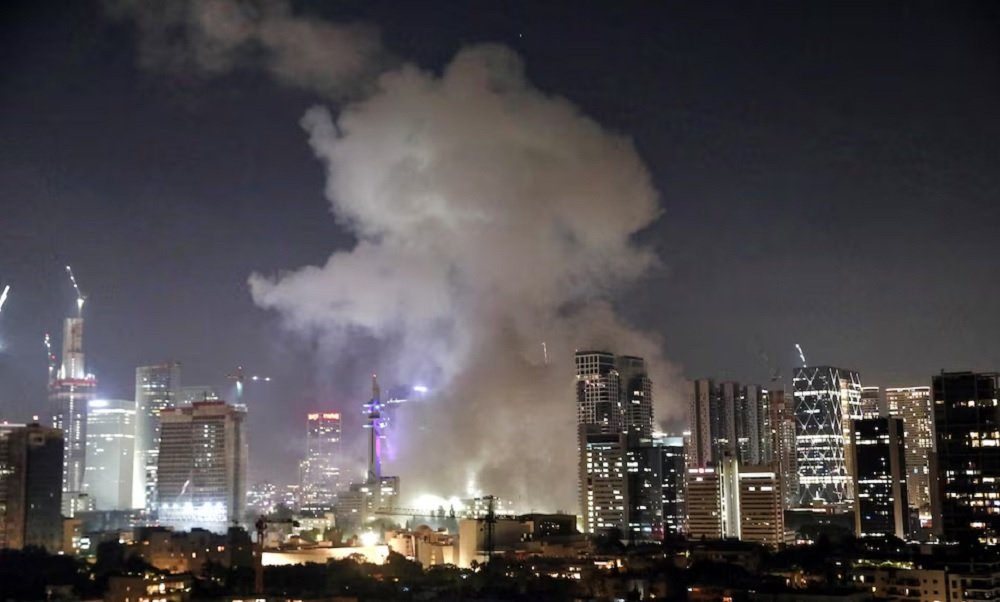
The volatile standoff between Iran and Israel erupted into open confrontation overnight, as Iran launched multiple waves of missiles at Israeli territory in a dramatic escalation following recent airstrikes that Tehran blames squarely on Jerusalem.
According to early reports from regional security sources, Iranian forces fired a series of ballistic and cruise missiles, targeting key Israeli military installations and, in some cases, civilian areas. Sirens blared across parts of central and northern Israel well into the night, sending families scrambling to shelters as Israel’s Iron Dome defense system intercepted many — but not all — incoming projectiles.
Initial casualties appear limited thanks to Israel’s sophisticated air defenses, though some damage and injuries have been reported in border towns and a few central districts hit by falling debris. Footage shared by residents shows night skies lit up by interception blasts and the rumble of retaliatory Israeli jets scrambling to respond.
This latest flare-up follows an Israeli airstrike earlier this week on a military facility near Damascus, widely believed to have killed several Iranian Revolutionary Guard officers — an operation neither confirmed nor denied by Israeli officials in line with long-standing policy.
Iranian state media declared the missile launches as “just retaliation” for what it calls Israel’s “unlawful aggression,” warning that further attacks could follow if provocation continues. Iranian leaders vowed that they would not stand by while their personnel and interests in Syria and the region are targeted.
In response, Israel’s war cabinet convened in emergency session overnight, with Prime Minister Benjamin Netanyahu pledging a forceful reply if Iranian attacks continue. The IDF confirmed it struck back at “launch sites and key infrastructure” inside Syria and hinted that further countermeasures are imminent.
Global powers have urged immediate de-escalation, with the UN Secretary-General and European leaders calling for restraint amid fears the confrontation could spill over into a wider Middle East conflict — potentially dragging in proxy militias in Lebanon, Gaza, and Iraq.
Meanwhile, ordinary Israelis and Iranians alike are bracing for what could come next, with both sides’ rhetoric signaling that this is unlikely to be the final exchange.
As dawn breaks over the region, the world watches anxiously, hoping diplomacy can regain control before missiles become the new normal.
World
Out of the Shadows Drone Operations Reveal Mossad’s Bold Embrace of Its Legendary Status
Israel’s covert spy agency steps into the spotlight with high-profile drone strikes and public claims, signalling a new era of calculated transparency
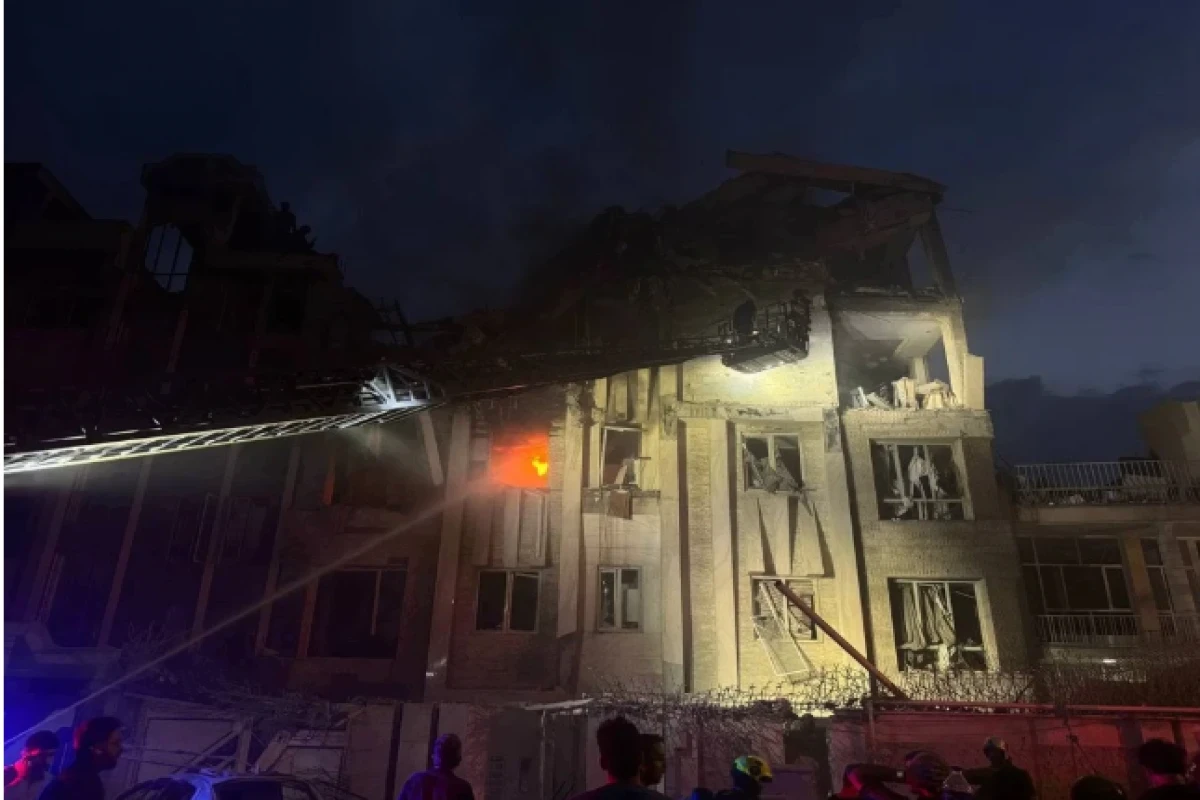
For decades, Israel’s Mossad operated under a cloak of strict secrecy, its very name synonymous with whispered rumors, unsolved assassinations, and elusive agents leaving no trace. But recent events suggest the world’s most storied intelligence agency is now leaning into its myth — using modern drone warfare and a touch of strategic publicity to remind both foes and friends exactly who they are dealing with.
In the past few weeks, Mossad has made unusually direct acknowledgments of covert drone operations targeting high-value threats beyond Israel’s borders. While official statements remain carefully worded, multiple incidents — including precision strikes deep inside enemy territory — have been claimed or strongly hinted at by Israeli officials, a departure from the typical “no comment” playbook that defined Mossad’s reputation for decades.
Experts say this shift is no accident. By pulling some of its shadowy activities into the light, Mossad is reasserting psychological dominance across a turbulent Middle East and beyond. The message is clear: Israel’s reach is long, its intelligence is unmatched, and its drones are as sharp as its human operatives.
One recent strike reportedly neutralised a senior figure linked to Iranian weapons smuggling, executed with chilling accuracy and minimal collateral damage. Another operation destroyed a secret weapons convoy near Syria’s border — actions that analysts believe serve a dual purpose: deterring adversaries and bolstering national morale at home.
“Mossad has always thrived on mystique,” says one former Israeli intelligence officer. “But in today’s world of information warfare and instant social media, carefully revealing just enough can be a powerful tool. It amplifies fear, pride, and deterrence all at once.”
This calculated openness also aligns with Israel’s broader security posture under current leadership: projecting strength while navigating complex proxy threats from Iran-backed groups and other hostile networks. Drone technology, in particular, has given Mossad an edge in carrying out surgical operations without risking elite field agents on the ground — though insiders stress that human intelligence remains the agency’s true backbone.
Critics, however, warn that stepping too far into the limelight risks eroding the plausible deniability that long protected Mossad’s operatives and diplomatic relationships. Still, supporters argue that the occasional admission only reinforces the agency’s image as a legendary force operating at the cutting edge of 21st-century espionage.
As Israel faces evolving threats and shifting regional alliances, one thing seems certain: Mossad’s myth is not fading — it’s being deliberately curated, drone by drone, strike by strike, in a new era where shadows and spotlights work hand in hand.

Trump Gives Iran 5 More Days — But Tehran Says There Were Never Any Talks to Begin With, as the World Braces for What Comes Next…

Colombian Military Plane With 110 Soldiers Crashes on Takeoff — As Another Airport Tragedy Strikes New York the Same Day…

Broadway Shake-Up: Samira Wiley Steps Away From ‘Proof’… Kara Young Steps In at the Last Moment

Broadway Surprise: Samira Wiley Drops Out of ‘Proof’… Kara Young Takes Center Stage

‘Dune 3’ Will Be a “Thriller”… Denis Villeneuve Drops a Big Hint as Zendaya & Robert Pattinson Join the Spotlight

1-Iran Issues Dire Warning to Israel and Defies Trump on Nukes: “We’re Ready to Strike Deep Inside”

Donald Trump’s net worth reveals the fortune behind the former US President and business mogul

“She Never Made It Out…” Albany House Fire Claims Woman’s Life as Family Pleads for Help to Bring Her Home

Caitlin Clark Sidelined with Quad Strain, Set to Miss Two Weeks of WNBA Action

“Tomás Rodríguez Net Worth 2025: Panama’s Gold Cup Goal‑Machine’s Surprising Fortune Revealed”

Miss Jamaica Suffers Terrifying Fall Off Miss Universe Stage; Rushed to Hospital on Stretcher in Viral Video

Moana Live-Action Teaser Sparks Outrage as Fans Call Disney’s Move a ‘Clear Money Grab’ — What Went Wrong?

Ryan Gosling’s Project Hail Mary Trailer Stuns Fans with a Mysterious Alien Ally and a Mission That Could Save Earth

Apple delays Jessica Chastain thriller The Savant about domestic extremism after recent US violence

Avatar 3, Fire and Ash trailer reveals Jake Sully’s family facing terrifying new Na’vi enemies with deadly fire powers
-

 Entertainment5 days ago
Cannes 2026 Hasn’t Announced a Single Film Yet — But the Whisper Network Is Already Pointing to These Names and It’s Exciting…
-

 Entertainment7 days ago
Oscars 2026 Red Carpet Shockers: Zendaya’s Late Arrival, Jessie Buckley’s Grace Kelly Tribute… and Chase Infiniti Owning the Night
-

 Entertainment6 days ago
Amy Poehler and Sterlin Harjo Are Getting One of Television’s Highest Honours — and the Reason Why Says Everything About Where Storytelling Is Headed…
-

 Politics1 week ago
“Trump Reveals ‘Early Stage Breast Cancer’ Diagnosis of Susie Wiles… But Says Her ‘Strength Says Everything’”
-

 Entertainment5 days ago
Almodóvar, Lars von Trier, Joel Coen and More — The Films That Could Own Cannes 2026 Are Already Generating Serious Buzz and the List Is…
-

 Entertainment1 week ago
The Oscars Are Already Being Called Before They Happen and Scott’s Final Feinberg Forecast Reveals a Shocking Front-Runner That Nobody Saw Coming…
-

 Entertainment5 days ago
Lollapalooza 2026 Just Dropped Its Most Surprising Lineup Yet — and the One Historic Thing Nobody Is Talking About Is the Real Story…
-

 Automobile1 week ago
“A Tragic Incident Changed Everything…”: Hyundai Halts Sales of Palisade SUVs and Recalls 60,000 Vehicles After Child’s Death