
Economy
RBA’s Next Interest Rate Cut in 2025 Revealed by 7 Top Economists
Reserve Bank of Australia expected to hold steady in September before a likely November cut, say experts.

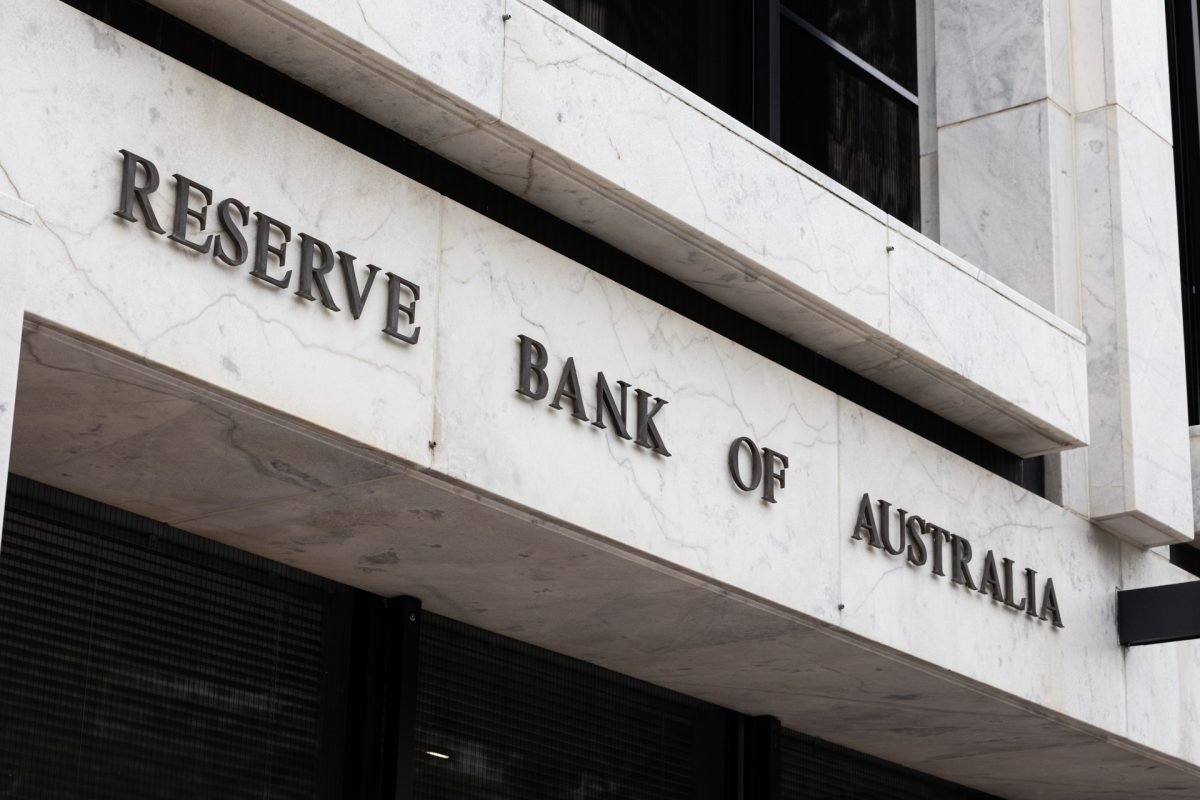
Australian homeowners and investors are on edge as the Reserve Bank of Australia (RBA) prepares for its September meeting. After a 0.25 per cent cut in August, reducing the cash rate to 3.60 per cent, markets are watching closely to see if another move is imminent.
However, top economists, including senior analysts from Westpac, Commonwealth Bank, National Australia Bank (NAB), and ANZ, believe the central bank is likely to hold fire until November.
September Meeting: A Pause Before the Storm
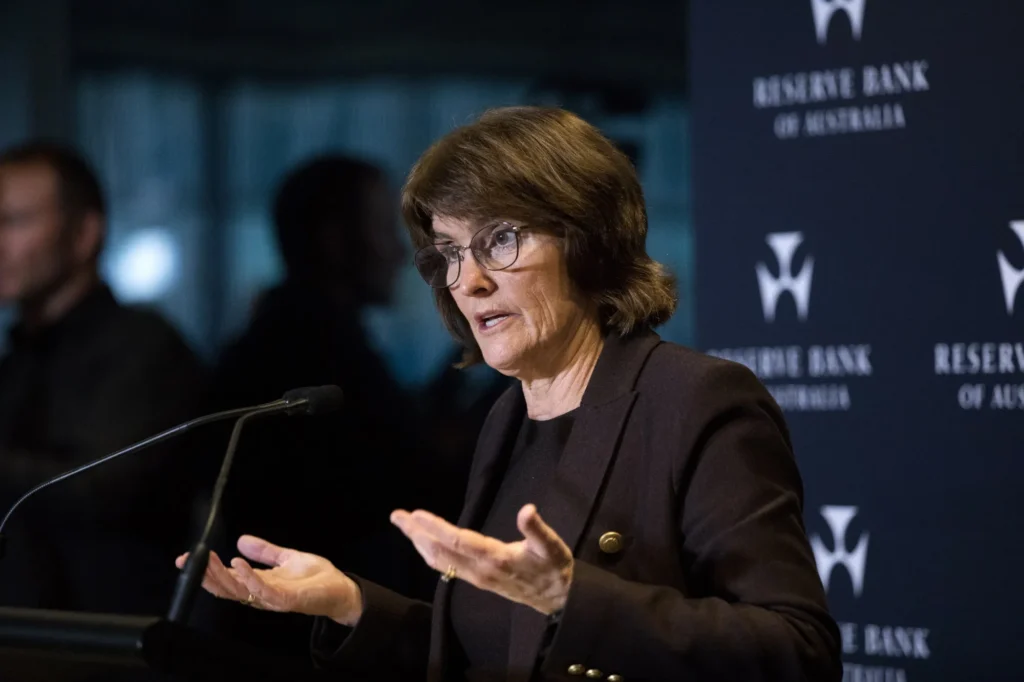
The RBA Board, led by Governor Michele Bullock, is expected to take a cautious approach at its September 29–30 meeting. According to the ASX 30 Day Interbank Cash Rate Futures, there is an 86% probability that the cash rate will remain unchanged.
Economists argue that back-to-back cuts are unlikely. The RBA prefers to assess full third-quarter inflation figures, due on October 29, before committing to another reduction.
David Robertson, Chief Economist at Bendigo Bank, explained:
“After the August cash rate cut, we’re not expecting a back-to-back cut in September—especially after a higher read for inflation in the July numbers.”
Robertson added that while electricity rebates and other one-off factors played a role in July’s inflation rise, core inflation remained sticky, giving the RBA reason to wait.
Why November Is the Key Month
Both Luci Ellis and Matt Hassan from Westpac’s macro forecasting team have signaled November as the likely month for the next move. They noted that “domestic data since then has been on the positive side of expectations, essentially ruling out a September move.”
Their forecast aligns with expectations from other major banks, including the Commonwealth Bank of Australia (CBA). Senior Economist Belinda Allen stated:
“We expect another rate cut in November to take the cash rate to 3.35 per cent as the RBA continues its gradual and cautious easing cycle.”
This would mark the continuation of the easing phase that began in August, aiming to support growth without reigniting inflationary pressures.
The Balancing Act: Inflation vs Growth
The RBA is attempting to strike a delicate balance. On one hand, the central bank has cut its 2025 economic growth forecast to 1.7% (down from 2.1%). On the other, it expects unemployment to remain steady at 4.3% until 2027.
This dual outlook suggests the RBA wants to avoid aggressive cuts that could overheat demand while still providing enough support for households and businesses struggling with mortgage repayments.
Global uncertainties add another layer of complexity. With slowing growth in China and volatility in the US Federal Reserve’s policy path, Australia’s central bank must tread carefully.

Mortgage Holders: Nervous but Hopeful
For Australian households, the prospect of a November cut feels like a potential Christmas present. After more than a year of battling high repayments, even a 0.25 per cent reduction could ease the strain for millions of borrowers.
But economists warn that relief will be gradual. The RBA’s strategy is to move cautiously, ensuring inflation continues trending downward. For now, stability is the message for September, with November shaping up as the more significant month.
What Lies Ahead
The next few months will be crucial in determining Australia’s economic trajectory. All eyes are on October’s inflation report, which could make or break the case for a November cut.
If the figures confirm easing price pressures, the RBA could move the cash rate to 3.35% by year’s end. But if inflation proves stickier than expected, borrowers may have to wait longer for relief.
As Daily Global Diary continues to track the developments, one thing is clear: the RBA’s moves remain the most closely watched factor shaping the housing market, business sentiment, and consumer confidence in 2025.








Economy
Stimulus Checks in 2025? IRS Responds as Trump’s $2,000 Tariff Dividend Sparks Nationwide Buzz.
Viral claims of new stimulus payments have flooded social media — but what’s real, what’s political, and what’s simply a scam?

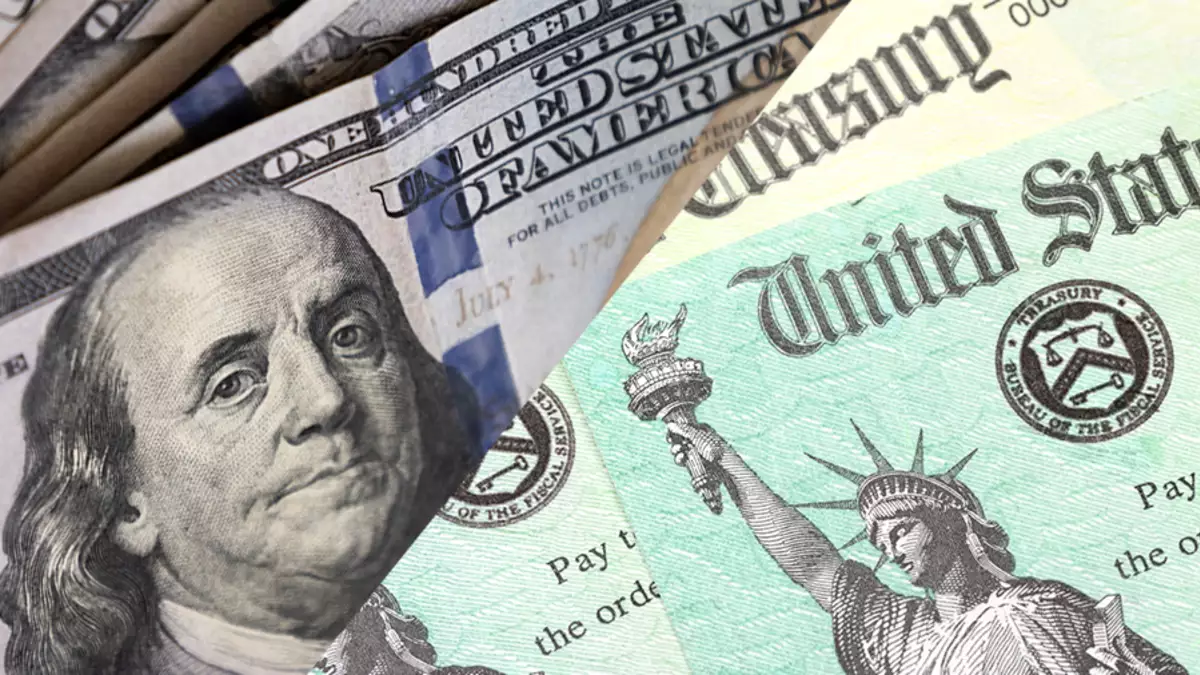
The internet has caught fire with one question: Are new stimulus checks finally coming?
As November 2025 rolls in and household budgets remain tight, millions of Americans are searching for answers — and rumors. But despite viral posts claiming “$2,000 Trump checks” and “IRS direct deposits this month,” the truth is far more complicated.
According to federal officials, no new congressional legislation has been approved authorizing stimulus payments. That means the Internal Revenue Service cannot issue any fresh payouts — at least not yet.
The confusion stems from a mix of old tax credits, political promises, and online misinformation. And at the center of this storm is former President Donald Trump , whose recent “tariff dividend” proposal has sparked both excitement and skepticism.
IRS: No New Payments Scheduled — Here’s What Actually Happened
The most recent federally approved stimulus-related payment was tied to the Recovery Rebate Credit, which the IRS automatically issued between December 2024 and January 2025.
Eligible taxpayers who never claimed the credit on their 2021 tax returns received up to $1,400 per individual — no application required.
But that window officially closed on April 15, 2025.
The IRS has made it clear:
No new federal stimulus checks are authorized for November 2025.
The agency also renewed its warnings about stimulus scams, noting that fraudsters are now sending fake text messages, emails, and social media posts impersonating the IRS.
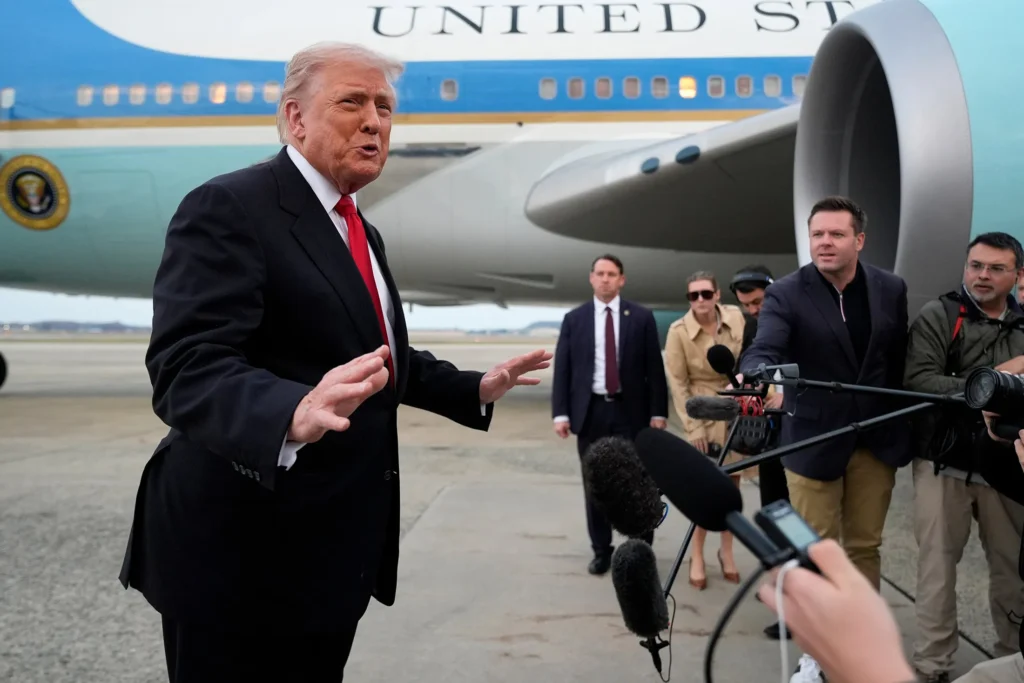
Trump’s $2,000 Tariff Dividend: Real Proposal or Political Mirage?
The biggest spark behind the resurgence of “stimulus payments” is Trump’s latest economic pitch:
a $2,000-per-person tariff dividend, funded by revenue from sweeping global import taxes.
In a viral post on Truth Social, Trump promised:
“A dividend of at least $2000 a person will be paid to everyone… not including high-income people.”
His proposal indicates the dividend would target middle- and lower-income households, but nothing is finalized.
Treasury Secretary Scott Bessent later clarified that eligibility may be limited to individuals or families earning $100,000 or less.
At a recent White House briefing, press secretary Karoline Leavitt confirmed:
“Yes, the administration is committed to pursuing these checks.”
But even she did not suggest a timeline.
So Will These Checks Ever Happen?
Economists say: maybe — but not soon.
Violet Jira, a reporter for NOTUS, told FOX 5 that multiple hurdles stand in the way, including:
- Congressional approval is required
- Tariff revenue may fall short of the $600 billion needed
- A Supreme Court ruling on Trump’s tariff authority is still pending
- There is no official payment infrastructure in place
That hasn’t stopped online excitement. Google searches for “Trump $2,000 check” and “stimulus 2025 deposit date” have skyrocketed this week.
Where the Fake Stimulus Claims Come From
Several viral posts claiming “$1,702 checks” or “$1,390 direct deposits” often reference state or local programs, not federal payments.
One common source of confusion is the Alaska Permanent Fund Dividend , which pays residents yearly oil revenue shares.
Scammers are exploiting this confusion by sending:
- Fake IRS text alerts
- Phishing emails requesting bank details
- Social media posts redirecting users to malicious websites
The IRS reminded taxpayers that it never initiates communication via emails, texts, or DMs.
All legitimate contact starts with an official mailed letter, which can be verified through an IRS Online Account.

What Should Americans Expect Next?
As of today:
✔ IRS: No new federal stimulus checks approved
✔ Tariff dividend: Proposed, not passed
✔ Recovery Rebate Credit: Expired
✔ White House: Exploring legal pathways, but nothing final
✔ Scams: Increasing rapidly
For now, the biggest message from federal agencies is simple:
Be cautious — and don’t fall for viral payment rumors.
But with Trump continuing to push his tariff dividend idea as a major affordability solution — and his own party growing increasingly anxious — the national conversation isn’t going anywhere.
For more update DAILY GLOBAL DIARY
Politics
Labor backtracks on super tax reform… is this the end of real structural change in Australia?
Treasurer Jim Chalmers
faces criticism as Labor hesitates on a superannuation tax that was expected to raise $2 billion annually.

When governments admit their weaknesses, it can feel like a rare moment of honesty in politics. But this week, Australia witnessed something else—hesitation, denial, and a possible retreat from the most significant tax reform on the books.
The Labor government appears to be wavering on its plan to double the tax on superannuation balances above $3 million, from 15% to 30%. Originally announced in February 2023 and due to take effect in July this year, the measure was expected to raise about $2 billion annually. Now, according to reports in the Australian Financial Review, the Prime Minister’s Office has taken a renewed interest in the policy, with whispers of backpedaling growing louder.

Why it matters
Treasurer Jim Chalmers has consistently argued the tax affects no more than 80,000 of Australia’s wealthiest citizens. Yet the proposal, which also applies to unrealised gains on large super balances, has powerful critics. Chief among them is former Prime Minister Paul Keating, who has lobbied against the plan in recent weeks. Keating argues the reform undermines the purity of the super system he helped architect in the 1990s.
If the cabinet walks away, analysts warn it signals a bad omen for broader reform—whether it’s tackling capital gains tax discounts on investment properties or addressing bracket creep that disproportionately burdens younger workers.
Table of Contents
A culture of secrecy and political missteps
The uncertainty comes against a backdrop of heated political moments. Deputy Liberal leader Sussan Ley accused Labor of fostering a “culture of secrecy” over proposed Freedom of Information changes. Meanwhile, NT Senator Jacinta Nampijinpa Price created controversy after suggesting migration from India was politically motivated to benefit Labor—comments she later walked back as a “mistake.”
Such distractions have only amplified frustration among voters who expected Labor to push real, long-term reforms rather than waver on them.
What’s at stake
The super tax was Labor’s only structural tax reform carried into the last election with a clear mandate. If it is abandoned now, the retreat will send a message: even modest reforms targeting the wealthy are politically untouchable.
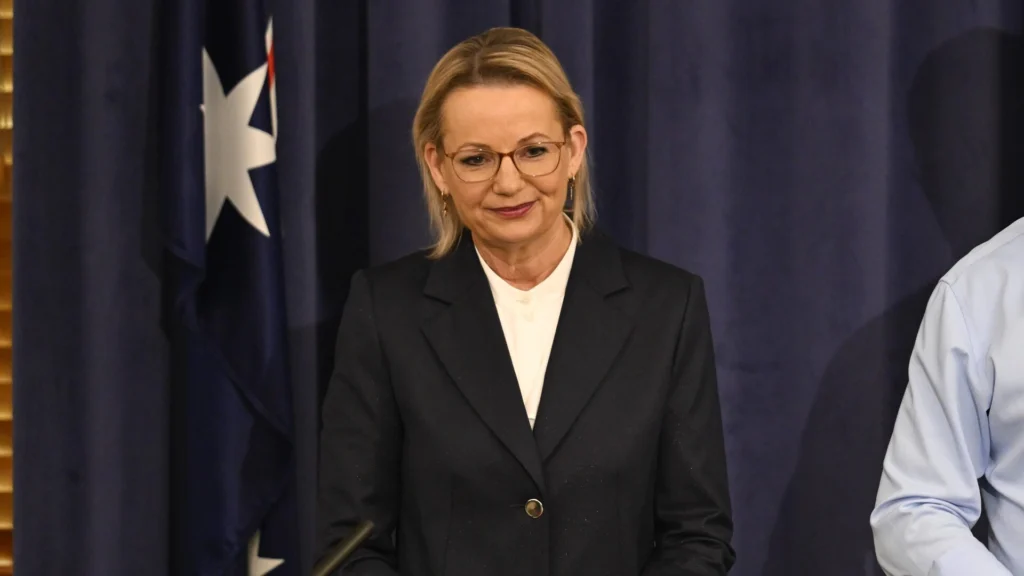
As John Howard and Peter Costello once expanded superannuation opportunities for baby boomers, today’s leaders face the hard choice of balancing fairness against political backlash. Walking away could cement the perception
For more Update http://www.dailyglobaldiary.com
Technology
RBA Governor Michele Bullock says new AI chatbot will transform economy forecasting in 2025
Reserve Bank of Australia introduces AI tool “RBA PubChat” to analyse 40 years of data, sparking debate on jobs and inflation.

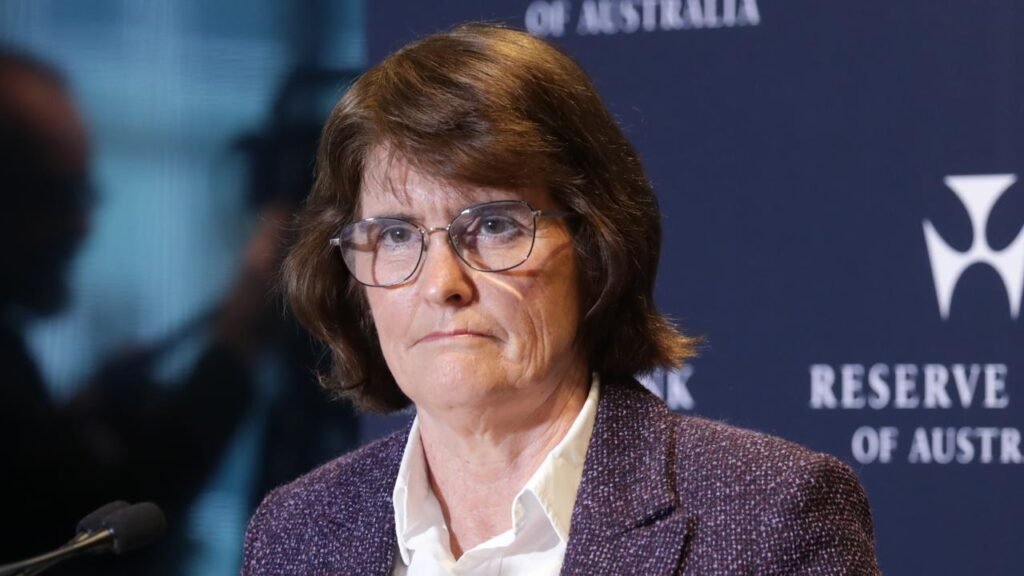
In a landmark speech that has already stirred global attention, Michele Bullock, Governor of the Reserve Bank of Australia (RBA), revealed that the central bank is embracing artificial intelligence in a bold new way. Speaking at the Shann Memorial Lecture in Perth, she confirmed that staffers have started using a specially designed AI chatbot to process decades of internal research and better understand the Australian economy.
The chatbot, intriguingly named RBA PubChat, has been tasked with combing through more than 20,000 RBA documents and 22,000 conversations with businesses, offering staff real-time insights into issues like inflation trends, labour market shifts, and household financial vulnerabilities.

“This tool does not replace expert human judgment, rather it enhances it,” Bullock said. “It helps our analysts get to the heart of what businesses are saying, faster and more effectively.”
What exactly is RBA PubChat?
According to Bullock, RBA PubChat is more than just a search engine. It acts as a living archive of institutional knowledge spanning four decades. Analysts can ask questions, receive contextualised summaries, and quickly compare current patterns with historical precedents.
The central bank has long been under pressure to keep up with rapid technological advancements, and with AI tools already disrupting industries from finance to healthcare, the RBA’s adoption signals a turning point.
Bullock emphasised that AI is not being used to set monetary policy or make interest rate decisions, but rather to support human researchers. With Australia’s cash rate sitting at 3.6 per cent and the next decision due on September 30, analysts believe tools like PubChat could sharpen policy debates.
Why AI matters for the RBA
Bullock’s announcement comes at a time when central banks worldwide are grappling with inflation, wage growth, and global economic uncertainty. The RBA has a dual mandate: keep inflation under control while also supporting employment.
“To be clear, we are not using AI to formulate or set monetary policy,” she said. “Instead, we are looking to leverage it to improve efficiency and amplify the impact of staff efforts in research and analysis.”
She also noted that technological change inevitably reshapes labour markets. With AI already causing mass layoffs in global firms—such as Dutch navigation company TomTom cutting 300 jobs—questions are swirling about whether Australia will face similar disruptions.

A changing workforce
Bullock acknowledged that while some roles could be displaced, AI would also create entirely new ones. “While many experts anticipate a net increase in jobs, it is likely to be more nuanced,” she explained. “Some roles will be redefined, others might be displaced, and new ones will be created.”
She urged governments to prepare for this shift by supporting re-skilling and education initiatives. The future of work, she argued, depends not only on technology itself but on how policymakers manage the transition.
Global implications
Bullock’s remarks align with a broader trend: central banks from Washington to Frankfurt are exploring AI’s potential to improve forecasting. The RBA’s move could place Australia at the forefront of this global race.
Analysts say that by contextualising business surveys and providing rapid historical comparisons, PubChat could make monetary policy decisions more data-driven than ever before.
Yet, there are risks. Critics warn that AI systems can produce biases or misinterpret complex economic signals. “The danger is relying too heavily on the machine,” one financial analyst commented. “Central banks must remain transparent and accountable to the public, not hide behind algorithms.”
The road ahead
For now, RBA PubChat is still in its testing phase. But the central bank has big ambitions: building comprehensive real-time indicators, identifying early signs of inflation pressure, and uncovering hidden vulnerabilities in household finances.
Bullock summed it up clearly: “Tools like this are becoming essential. The growing volume of data and the accelerating pace of analysis have led to exponential growth in our internal knowledge.”
As Australia awaits the RBA board’s September 30 decision on interest rates, all eyes will be on how PubChat shapes future debates. The experiment could redefine not just how the RBA works, but how governments and institutions worldwide integrate AI into public decision-making.
For readers tracking the intersection of economics and technology, this may be just the beginning.
Visit our site for more news www.DailyGlobalDiary.com

“He-Man Wears a Suit…”: Why Nicholas Galitzine’s Masters of the Universe Trailer Has Fans Talking

Camilla Läckberg Isn’t Done Yet… The Queen of Swedish Noir Eyes Film, TV and a Bold Plan to ‘Conquer America’

“Screaming, Crying, Almost Throwing Up”… Sundance Insiders Reveal the Untold Chaos Behind America’s Most Influential Film Festival
From Swedish Noir to Hollywood Dreams Camilla Läckberg Has a Bigger Plan in Motion
When Sundance Nearly Fell Apart Insiders Recall the Chaos Behind the World’s Most Influential Film Festival

1-Iran Issues Dire Warning to Israel and Defies Trump on Nukes: “We’re Ready to Strike Deep Inside”

Donald Trump’s net worth reveals the fortune behind the former US President and business mogul

Caitlin Clark Sidelined with Quad Strain, Set to Miss Two Weeks of WNBA Action

Elon Musk Breaks Ranks with Trump Over ‘Big, Beautiful’ Tax Bill

“Tomás Rodríguez Net Worth 2025: Panama’s Gold Cup Goal‑Machine’s Surprising Fortune Revealed”

Miss Jamaica Suffers Terrifying Fall Off Miss Universe Stage; Rushed to Hospital on Stretcher in Viral Video

Moana Live-Action Teaser Sparks Outrage as Fans Call Disney’s Move a ‘Clear Money Grab’ — What Went Wrong?

Ryan Gosling’s Project Hail Mary Trailer Stuns Fans with a Mysterious Alien Ally and a Mission That Could Save Earth

Apple delays Jessica Chastain thriller The Savant about domestic extremism after recent US violence

Avatar 3, Fire and Ash trailer reveals Jake Sully’s family facing terrifying new Na’vi enemies with deadly fire powers
-
 Entertainment6 days ago
He-Man Wears a Suit Now… Nicholas Galitzine’s ‘Masters of the Universe’ Trailer Drops a Shock Fans Didn’t See Coming
-
 Entertainment1 week ago
Brazil Eyes Oscar History Again… ‘The Secret Agent’ Scores Best Picture Nomination as Wagner Moura Stuns Hollywood
-

 Entertainment4 days ago
“Comedy Needs Courage Again…”: Judd Apatow Opens Up on Mel Brooks, Talking to Rob Reiner, and Why Studio Laughs Have Vanished
-

 Entertainment1 week ago
Box Office Shocker as Chris Pratt’s ‘Mercy’ Knocks ‘Avatar 3’ Off the Top but Nature Had Other Plans…
-

 Entertainment6 days ago
Oscars Go Global in a Big Way as This Year’s Nominations Signal a New Era: ‘The Academy Is Finally Looking Beyond Hollywood…’
-

 Entertainment1 week ago
Michael Bay Makes a Power Move… Blockbuster Director Signs with CAA in a Deal That’s Turning Heads
-

 Entertainment6 days ago
“Dangerously Kinky… and Darkly Funny”: Olivia Wilde and Cooper Hoffman Push Boundaries in ‘I Want Your Sex’
-
Entertainment1 week ago
Fans Didn’t Expect This Look… Nicholas Galitzine’s Masters of the Universe Trailer Sparks Debate