
News
5 Most Impressive Richest Countries in 2025 Ranked by GDP Per Capita You Didn’t Expect at Number 3
From banking hubs to tourist havens, these countries top the global GDP wealth chart in 2025 — and one Asian surprise takes center stage.


As global economies evolve, wealth is no longer just a function of size or military might. Instead, GDP based on Purchasing Power Parity (PPP) Per capita has become the gold standard for measuring true economic prosperity. It reflects what residents can afford in real terms, adjusting for inflation and cost of living.
According to the latest 2025 economic data, here are the Top 5 Richest Countries in the World based on GDP-PPP per capita — and the nation ranked third might surprise you.
1. Luxembourg – $143,740 per capita
With its scenic valleys, storybook architecture, and a long-standing reputation for economic stability, Luxembourg remains the world’s richest country in 2025 by GDP-PPP per capita. Despite its small size, the nation commands global financial respect thanks to its elite banking sector, low public debt, and pro-business regulatory environment. International investors are drawn to Luxembourg’s transparent yet flexible financial laws, making it a preferred hub for private wealth management and multinational corporations.
The country also hosts several major European Union institutions, enhancing its global political and economic influence. With a strong service-based economy—especially in finance, logistics, and ICT—Luxembourg continues to innovate while maintaining high living standards for its citizens. Its education system, skilled multilingual workforce, and robust infrastructure make it a model of modern prosperity.
Luxembourg proves that true economic power comes not from population size or natural resources, but from smart governance, financial vision, and international trust.

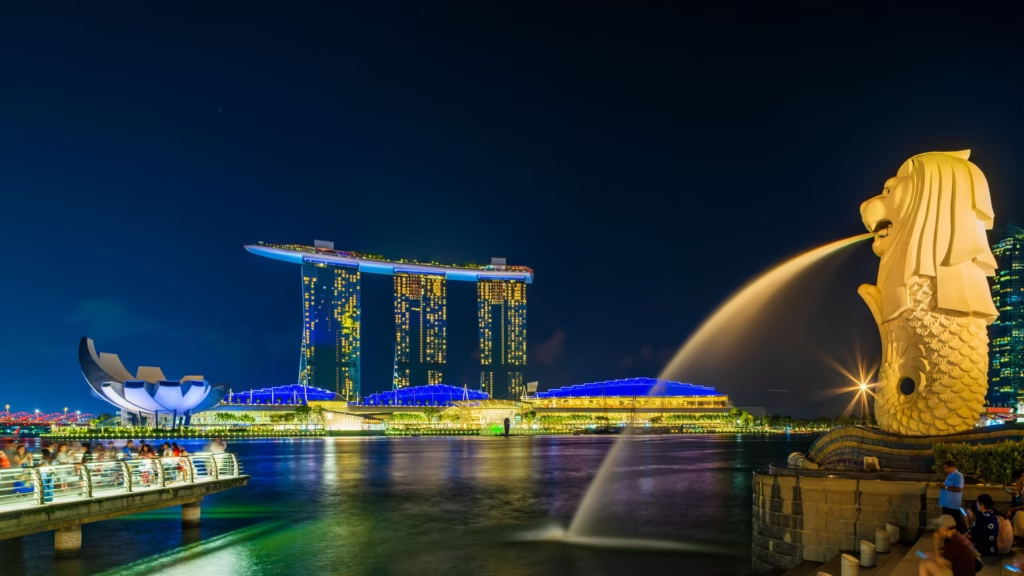
2. Singapore – $133,110 per capita
Singapore is a shining example of how innovation and smart governance drive national wealth. Fueled by technology, global trade, finance, and top-tier infrastructure, the city-state offers one of Asia’s highest living standards. Its stability, low corruption, and business-friendly environment make it a global economic leader in 2025.
Read More : Fox News’ Jacqui Heinrich Gets Engaged in a Lavender Field — But the Way Brian Fitzpatrick Proposed Will Melt Your Heart!
3. Macao – $131,030 per capita
The shocker on this list, Macao has leapfrogged into the top 3 thanks to its tourism, casino economy, and post-pandemic recovery. A Special Administrative Region of China, Macao is now cashing in on its unique East-meets-West economy.

4. Ireland – $133,900 per capita
Ireland continues to dominate global wealth rankings, driven by its tech-heavy exports and favorable corporate tax structure. With multinational powerhouses like Apple, Meta, and Google headquartered here, Ireland’s digital economy is thriving in 2025.

5. Qatar – $124,830 per capita
Oil-rich and future-focused, Qatar stays strong in the global rankings. While fossil fuel exports remain key, diversification through tourism, sports investments, and infrastructure keeps Qatar’s economy resilient.

Why GDP-PPP Per Capita Is the Real Wealth Meter
Rather than simply measuring a nation’s gross domestic output, GDP-PPP (Purchasing Power Parity) per capita offers a far more accurate reflection of a country’s economic well-being. It accounts for the local cost of living and inflation, showing what citizens can actually afford within their economy — not just how much a country produces. In other words, it answers the essential question: How far does a person’s income really go in their own country?
This makes GDP-PPP per capita a powerful tool for comparing living standards across nations with vastly different economic structures. A country with high GDP but equally high living costs may rank lower in PPP terms, whereas a smaller economy with lower expenses can soar in per capita wealth.
Table of Contents
The 2025 rankings highlight this dynamic clearly. They show that economic power isn’t just about geographic size or population volume. It’s increasingly shaped by financial services, tourism, innovation, technology, and strategic policymaking. These top-ranking nations — from Luxembourg to Macao — are rewriting the global narrative of what true, modern wealth looks like: smart, efficient, and citizen-centered.


News
Total Lunar Eclipse Tonight: See the Blood Moon Across North America, Australia & Asia
The March 3, 2026 total lunar eclipse will turn the moon blood-red, with totality visible in multiple regions including North America, East Asia, and Australia.

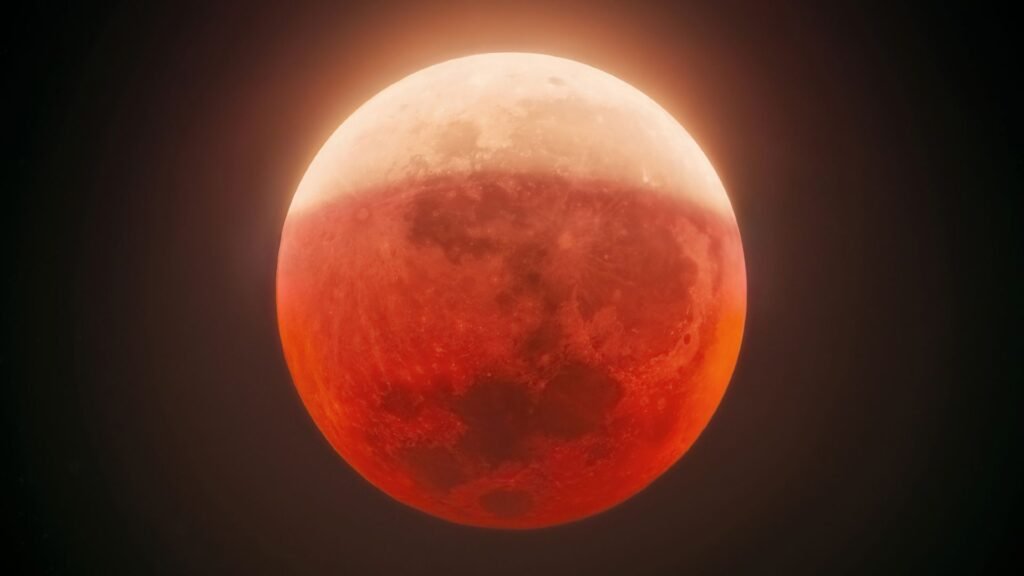
Astronomy enthusiasts and casual skywatchers alike are in for a celestial treat tonight as a total lunar eclipse — commonly referred to as a blood moon — will occur across North America, Australia, and East Asia.
During the eclipse, the moon will pass completely into Earth’s umbral shadow, turning a dramatic red as sunlight refracts through the planet’s atmosphere. The total phase of the eclipse — called totality — will begin at 6:04 a.m. EST (11:04 GMT) on March 3 and peak at 6:33 a.m. EST (11:33 GMT), lasting approximately 58 minutes.
Over 40% of the world’s population, more than three billion people, will be able to witness at least part of the total lunar eclipse, making it one of the most widely visible astronomical events of 2026. This eclipse is also the last total lunar eclipse until December 31, 2028 – January 1, 2029, giving skywatchers plenty of incentive to look up tonight.
Here are key totality viewing times for major regions and time zones:
- Eastern Time (U.S.): 6:04–7:02 a.m. EST – the moon will set during totality
- Central Time (U.S.): 5:04–6:02 a.m. CST
- Mountain Time (U.S.): 4:04–5:02 a.m. MST
- Pacific Time (U.S.): 3:04–4:02 a.m. PST
- Alaska: 2:04–3:02 a.m. AKST
- Hawaii: 1:04–2:02 a.m. HST
- Sydney, Australia: 10:04–11:02 p.m. AEDT (March 3)
- Brisbane, Australia: 9:04–10:02 p.m. AEST (March 3)
- Tokyo, Japan: 8:04–9:02 p.m. JST (March 3)
- Seoul, South Korea: 8:04–9:02 p.m. KST (March 3)
- Beijing, China: 7:04–8:02 p.m. CST (March 3)
- Hong Kong: 7:04–8:02 p.m. HKT (March 3)
Observers are encouraged to look toward the eastern sky before sunrise in North America and in the evening sky across Australia and East Asia. No telescope is required to enjoy the eclipse, though binoculars or a telescope can enhance the view of the moon’s surface and the gradual red shading during totality.
This blood moon is part of Saros cycle 133, a series of recurring lunar eclipses that span centuries, demonstrating the predictability and wonder of our solar system. Skywatchers are reminded to dress warmly in cooler regions and to bring a camera or smartphone if they want to capture this rare spectacle.
Whether you’re a casual stargazer or a dedicated astronomer, tonight’s total lunar eclipse promises a stunning display that connects billions of people worldwide under the same reddish moon.
News
Does the SNL Sketch Reveal a U.S.–U.K. Gap in Tourette’s Awareness?
After Saturday Night Live’s controversial sketch on Tourette’s, British advocates push back — highlighting stark differences in awareness, media portrayal and disability education between the United States and United Kingdom.
Last week’s Saturday Night Live (SNL) sketch mocking Tourette syndrome sparked intense backlash online — especially from disability advocates in the United Kingdom — and raised critical questions about transatlantic understanding of the neurological condition.
The sketch aired shortly after the deeply controversial moment at the BAFTA Film Awards, when Scottish campaigner John Davidson, who lives with Tourette’s, shouted a racial slur during the ceremony. While BAFTA issued an “unreserved apology” and Davidson expressed remorse if anyone took his tics as intentional, the incident renewed scrutiny on how society interprets involuntary neurological behavior.
Tourette’s syndrome is a neurological condition defined by sudden, involuntary movements or sounds called tics, which can include shouting and — occasionally — offensive words. The condition does not reflect the beliefs or character of those affected; rather, it is a complex and sometimes debilitating disability affecting many individuals worldwide.
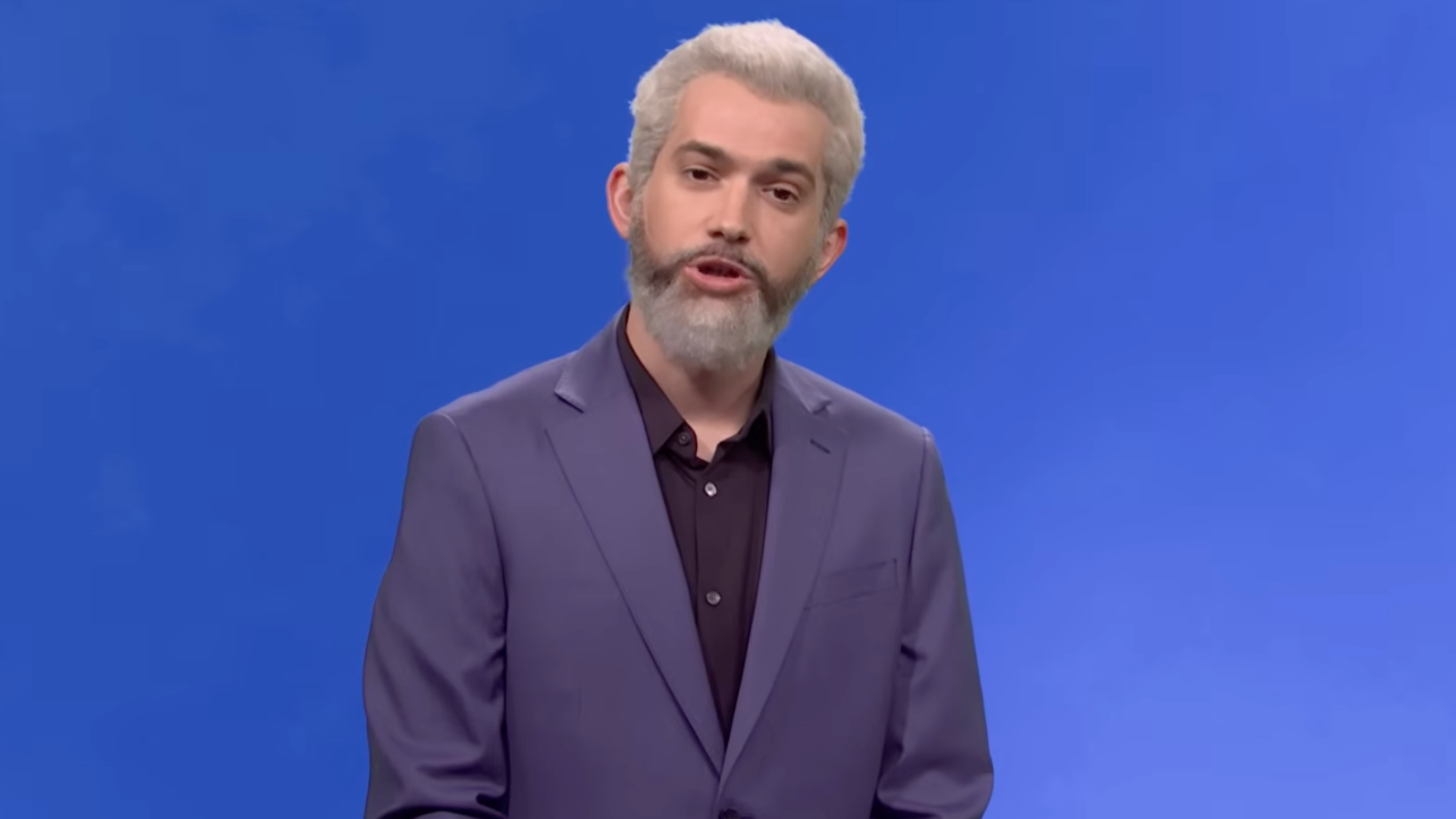
The SNL segment, featuring cast members portraying controversial figures such as Mel Gibson, Bill Cosby and J.K. Rowling, suggested that Tourette’s was a convenient excuse for misconduct — a depiction that critics called insensitive, harmful and a misunderstanding of the condition. One line, delivered in character as Louis C.K., quipped that “Tourette’s sucks, especially if you get it in your penis,” eliciting thousands of comments and nearly one million YouTube views.
Up and down social media, reaction was swift. Many U.K. users lashed out, calling the joke “punching down” at a community still fighting stigma and misunderstanding. One widely shared post stated, “The difference between U.K. and U.S. responses has never been clearer,” referencing deep frustration over the sketch’s harmful portrayal and pointing to broader differences in disability education.
Reacting to the controversy, Tourette Scotland — a charity dedicated to destigmatizing the condition — posted an explanatory note tied to the sketch on X, clarifying that tics are involuntary and do not express a sufferer’s values or intentions. Supported by an influx of donations and website activity (many contributions made in Davidson’s name), the organization underscored its educational mission amid renewed public attention.
Similarly, Emma McNally, CEO of British charity Tourette’s Action, condemned SNL’s treatment of the issue as “never acceptable.” She emphasized that mocking a disability perpetuates harmful stereotypes and detracts from efforts to educate the public — a stance strongly echoed by disability advocates across the U.K. community.
These critical voices highlight that, although both countries share English‑language media environments, there exists a notable U.S.–U.K. gap in public understanding of Tourette’s syndrome. In Britain, Tourette’s has long been recognized and contextualized within media and cultural discourse, partly due to landmark works such as the 1989 BBC documentary John’s Not Mad, which followed the teenage Davidson growing up with Tourette’s. The documentary became a cultural touchstone, voted one of the best-ever BBC documentaries by public poll in 2005.
Davidson himself has been an outspoken advocate for awareness, including through projects like the BAFTA‑nominated film I Swear, released around this year’s ceremony. In a heartfelt message shared on Facebook, Davidson thanked supporters for solidarity, while acknowledging the painful week as a reminder that much work remains to improve understanding and empathy around Tourette’s — particularly in media portrayals that reach global audiences.
“The past week has reminded me that what I do raising awareness for such a misunderstood condition — there is still a long way to go,” Davidson wrote. “I will keep on keeping on until this is achieved.”
News
Donald Trump Confirms Attendance at 2026 White House Correspondents’ Dinner After Years of Boycott
The president says he will finally return to the high-profile gala, claiming journalists now “admit” he is one of the greatest presidents in U.S. history.

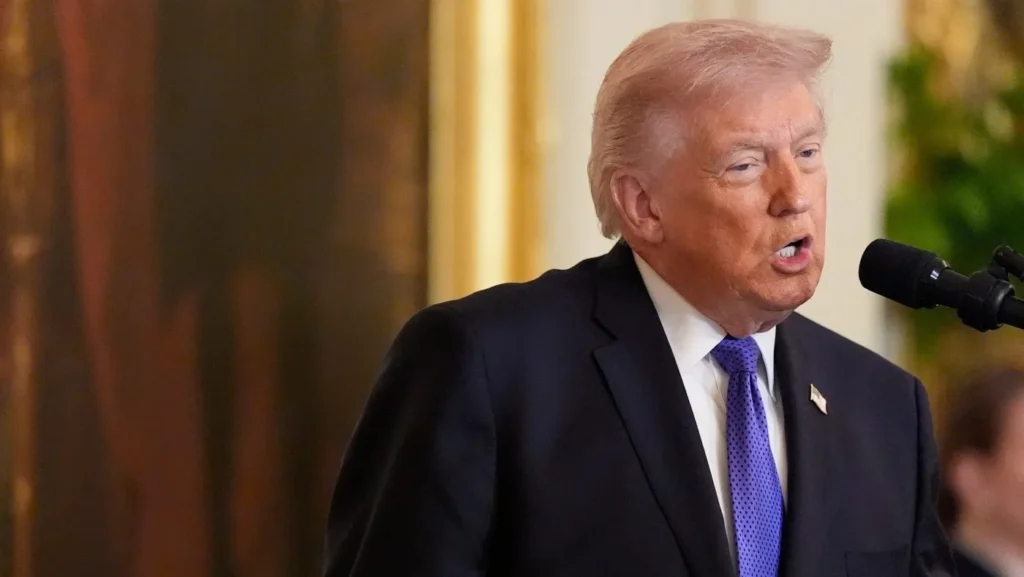
In a surprising shift, Donald Trump announced that he will attend the White House Correspondents’ Dinner for the first time as president, ending years of tension between his administration and the press corps.
Posting on Truth Social, Trump wrote that the White House Correspondents’ Association had asked him “very nicely” to be the honoree at the 2026 dinner. He emphasized that the tradition dates back to Calvin Coolidge and claimed journalists now recognize him as “one of the Greatest Presidents in the History of our Country.”
Trump asserted that he skipped the event during his first term due to what he described as “extraordinarily bad” and “FAKE NEWS” coverage. According to him, the animosity from the media began “from the beginning” of his presidency.
This year’s dinner will feature mentalist Oz Pearlman as the headliner — a break from the WHCD’s longstanding tradition of hiring comedians known for roasting sitting presidents. The WHCA’s decision follows last year’s controversy, when Amber Ruffin was initially selected to perform but was removed after criticism from the White House.
Before his presidency, Trump attended several WHCDs, including the widely discussed 2011 dinner. That night, then-President Barack Obama and comedian Seth Meyers delivered harsh jokes at Trump’s expense — an incident many believe fueled his decision to launch his presidential campaign in 2015.
The 2026 White House Correspondents’ Dinner is scheduled for April 25 in Washington, D.C., and Trump has promised it will be the “GREATEST, HOTTEST, and MOST SPECTACULAR DINNER OF ANY KIND, EVER.”

Russell T Davies Says ‘You’re Queer in 2026, You’re a Political Act’ — and His New Show ‘Tip Toe’ Is His Most Furious, Personal Work Yet…

Netflix’s Ted Sarandos Turns to Europe After Warner Deal Collapse… and Sends a Subtle Message to Regulators

The Writers of ‘Paradise’ Debated Hard Before Giving You That Jaw-Dropping Moment Early — Here’s Why They Finally Said ‘Do It…’

Rajasthan Royals Sold for Record $1.63 Billion — IPL’s First $1 Billion Franchise, Meet New Owner Kal Somani

Spencer Johnson Ditches PSL, Joins CSK for IPL 2026 — PCB Threatens Legal Action as Player Exodus Continues

1-Iran Issues Dire Warning to Israel and Defies Trump on Nukes: “We’re Ready to Strike Deep Inside”

Donald Trump’s net worth reveals the fortune behind the former US President and business mogul

“She Never Made It Out…” Albany House Fire Claims Woman’s Life as Family Pleads for Help to Bring Her Home

Caitlin Clark Sidelined with Quad Strain, Set to Miss Two Weeks of WNBA Action

“Tomás Rodríguez Net Worth 2025: Panama’s Gold Cup Goal‑Machine’s Surprising Fortune Revealed”

Miss Jamaica Suffers Terrifying Fall Off Miss Universe Stage; Rushed to Hospital on Stretcher in Viral Video

Moana Live-Action Teaser Sparks Outrage as Fans Call Disney’s Move a ‘Clear Money Grab’ — What Went Wrong?

Ryan Gosling’s Project Hail Mary Trailer Stuns Fans with a Mysterious Alien Ally and a Mission That Could Save Earth

Apple delays Jessica Chastain thriller The Savant about domestic extremism after recent US violence

Avatar 3, Fire and Ash trailer reveals Jake Sully’s family facing terrifying new Na’vi enemies with deadly fire powers
-

 Entertainment6 days ago
Cannes 2026 Hasn’t Announced a Single Film Yet — But the Whisper Network Is Already Pointing to These Names and It’s Exciting…
-

 Entertainment7 days ago
Amy Poehler and Sterlin Harjo Are Getting One of Television’s Highest Honours — and the Reason Why Says Everything About Where Storytelling Is Headed…
-

 Entertainment6 days ago
Almodóvar, Lars von Trier, Joel Coen and More — The Films That Could Own Cannes 2026 Are Already Generating Serious Buzz and the List Is…
-

 Entertainment1 week ago
Oscars 2026 Red Carpet Shockers: Zendaya’s Late Arrival, Jessie Buckley’s Grace Kelly Tribute… and Chase Infiniti Owning the Night
-

 Entertainment1 week ago
The Oscars Are Already Being Called Before They Happen and Scott’s Final Feinberg Forecast Reveals a Shocking Front-Runner That Nobody Saw Coming…
-

 Politics1 week ago
“Trump Reveals ‘Early Stage Breast Cancer’ Diagnosis of Susie Wiles… But Says Her ‘Strength Says Everything’”
-

 Entertainment6 days ago
Lollapalooza 2026 Just Dropped Its Most Surprising Lineup Yet — and the One Historic Thing Nobody Is Talking About Is the Real Story…
-

 Health1 week ago
“Kent Meningitis Tragedy: Second Student Dies as Outbreak Sparks Hospital Emergency…”