
US Politics
Senate Twist Saves Minnesota Billions? Parliamentarian Shocks GOP with Surprise Medicaid Ruling
A behind-the-scenes Senate ruling might have just saved Minnesota from devastating Medicaid cuts but not everyone in Washington is celebrating.

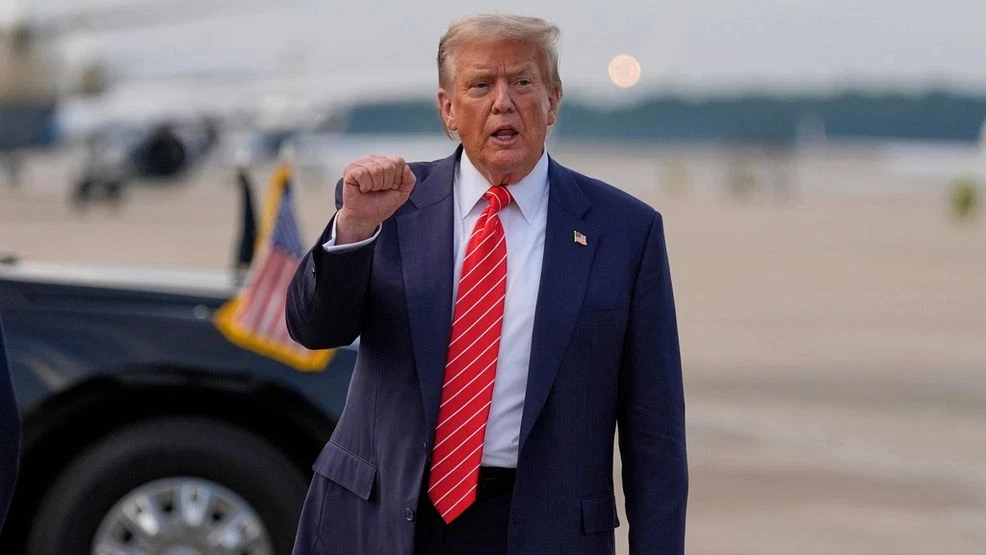
In a surprise move that sent ripples through Capitol Hill, the Senate Parliamentarian has struck down a key provision in President Donald Trump’s so-called “big, beautiful” budget bill — potentially saving Minnesota nearly $1 billion a year in federal Medicaid funding.
The quiet but powerful ruling, made by Parliamentarian Elizabeth MacDonough on Thursday, invoked the Byrd Rule to toss out a Medicaid provider tax cap that would have severely impacted rural healthcare systems in states like Minnesota.
This provision would have been devastating, said John Connolly, Deputy Commissioner of the Minnesota Department of Human Services and the state’s Medicaid Director during a press conference Thursday. But we’re still waiting for full clarity on what this ruling means for our state’s long-term plan.
What Was at Stake?
Under the proposed Senate bill, states that expanded Medicaid under the Affordable Care Act — like Minnesota — faced a new 3.5% cap on Medicaid provider taxes. That cap would have derailed Minnesota’s plan to increase its provider tax from 1.8% to 5.75%, a move designed to unlock over $1 billion in federal matching funds annually.
For hospitals in rural Minnesota, this revenue was meant to stabilize care, especially amid post-pandemic financial strain. The ruling gives us room to breathe said one healthcare administrator from Rochester, who requested anonymity.
Political Fallout: Tensions Rise on the Right
While the ruling may be a relief for Minnesota, it has enraged some Republican lawmakers. Several hardliners are calling for MacDonough’s dismissal, arguing she is blocking crucial reforms and accusing her of standing in the way of Trump’s economic vision.
Behind closed doors, reports suggest that GOP strategists were banking on this provision to help contain long-term federal Medicaid expenditures. The ruling now throws their budget timeline into disarray, prompting one frustrated senator to say, “We’re trying to fix a broken system, and this ruling ties our hands.”
Minnesota’s Healthcare Gamble — Still on the Line
Although the parliamentarian’s decision scraps the cap from the bill Minnesota’s plan to hike its provider tax to 5.75% still needs federal approval from CMS (Centers for Medicare & Medicaid Services). And in a divided Washington, nothing is guaranteed.
We’ve cleared one hurdle,” Connolly said. “But we’re still waiting for the green light to go full throttle.






US Politics
Trump’s H-1B and Student Visa Rules Slam Doors on Indian Marriages and Study Plans
Tighter US Immigration Policies Disrupt Indian Families’ Marriage Prospects and Educational Dreams

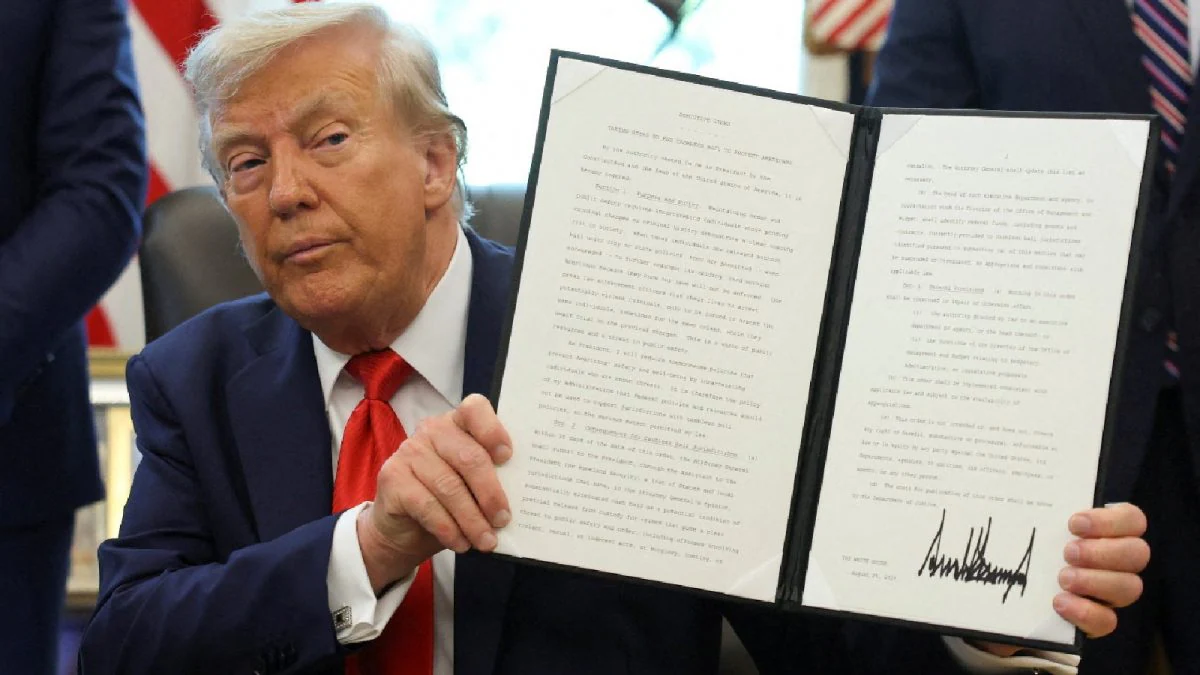
The tightening of US immigration rules under Donald Trump‘s administration is not only reshaping professional futures but also affecting personal lives, particularly in India. Families across India are now reconsidering their children’s future marriage plans, as growing visa uncertainties are making it increasingly difficult for Indians working or studying in the US to maintain stable immigration statuses.
One such individual is Sidhi Sharma, a 19-year-old medical student from Haryana. Sidhi had long dreamed of settling in the US after marriage, envisioning a life with an NRI (Non-Resident Indian) partner. However, her plans were abruptly derailed after Trump’s stricter visa policies made it clear that the future of immigration to the US was uncertain. In an interview with Reuters, Sidhi said, “Trump has shut the door for me.” This sentiment is echoed by countless others who once viewed NRI grooms as the ultimate aspiration.
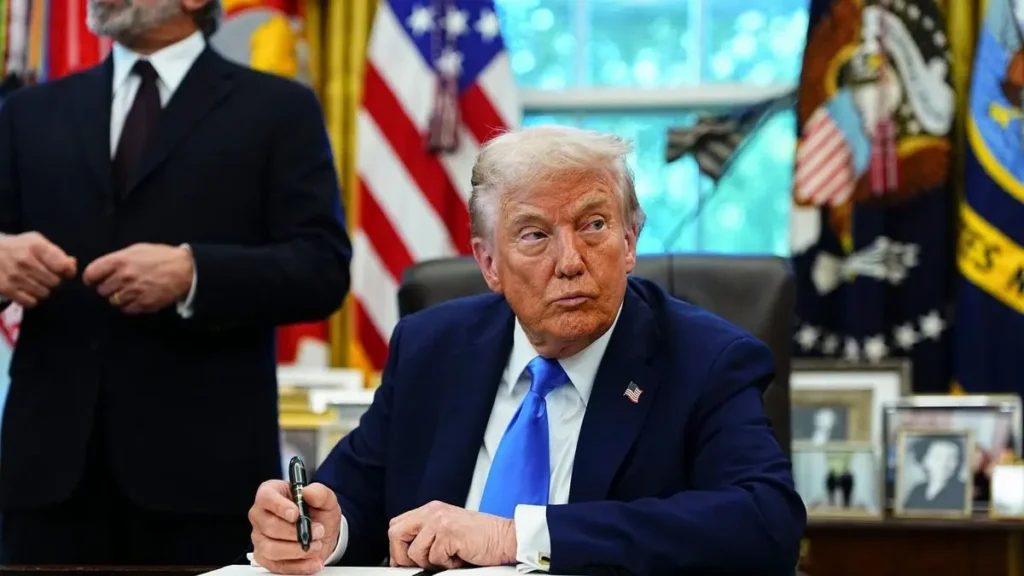
The ripple effect of these immigration policies is being felt at Indian dinner tables, where families have long discussed potential marriages to US-based Indians. Anuradha Gupta, founder of the matchmaking service Vows For Eternity, explained, “Immigration policies may be written in Washington, but their ripple effects are seen at Indian dinner tables when families discuss marriages.”
A Shift in Marriage Preferences
For decades, NRIs—especially those living in the US—were considered prized marriage prospects in India. With 2.1 million NRIs residing in the US, many families viewed marriage to a US-based citizen as a ticket to a better life. However, Trump’s H-1B overhaul has dramatically changed that perception. The H-1B visa—which has historically allowed highly skilled workers (71% of whom are Indian) to work in the US—has become more difficult to obtain. As a result, the demand for NRI grooms has significantly cooled.
Vanaja Rao, founder of Vanaja Rao Quick Marriages, noted, “For years, there was a craze for NRI grooms. That craze has faded since Trump returned to power, especially over the past six months.” This shift has led many families to delay or reconsider marriage plans altogether.
Impact on Matchmaking and Dating Platforms
Matchmaking platforms are adjusting to the changing dynamics. Knot.dating, a premium matchmaking platform, recently introduced a ‘US visa filter’ on its app to cater to the growing concerns around visa statuses. The platform, which has expanded into southern India, saw a significant increase in sign-ups from NRIs. About 60% of these users are on H-1B visas, and 40% are green card holders. According to Knot.dating’s CEO, Jasveer Singh, “Visa status has become a deal-maker or breaker.”
Students Facing Hurdles Too
The impact of Trump’s immigration policies extends beyond marriages—it is also severely affecting Indian students who wish to study in the US. Kaushik Raj, an Indian journalist accepted at Columbia University with a $100,000 scholarship, was denied a student visa after a lengthy and difficult process. Raj’s experience highlights the challenges faced by many Indian students applying for US student visas. “The US government briefly stopped issuing student visas, then there were no slots,” Raj explained. “Even after getting an appointment, my visa was refused following a social media check.”
In the wake of these restrictions, student visa arrivals from India dropped by 50% in August 2025 compared to the previous year, according to data from the International Trade Administration. The overall number of US student arrivals also saw a decline of 19%.
A Changing Reality: Alternative Destinations
As Trump’s visa squeeze continues to affect both professional and personal lives, India is seeing a shift in preferences. Families are now increasingly looking to Canada, the UK, Europe, and the Middle East as viable alternatives for both marriages and educational opportunities.
Anuradha Gupta of Vows For Eternity explained, “When families consider marriage, it’s about long-term stability, not just love or lifestyle. The US is no longer the ultimate aspiration.” This shift reflects a broader global trend as individuals look for more predictable and accessible immigration options.
World News
Trump Tariffs Declared Illegal by Appeals Court but Will Supreme Court Save Him?
A federal court strikes down Donald Trump’s sweeping trade tariffs, setting the stage for a high-stakes Supreme Court battle.


The aggressive trade policy of Donald Trump suffered a dramatic blow on Friday after a federal appeals court ruled that most of his global tariffs were unconstitutional. In a 7-4 decision, the U.S. Court of Appeals for the Federal Circuit held that the law Trump relied on — the International Emergency Economic Powers Act (IEEPA) — does not grant the president unlimited power to impose tariffs.
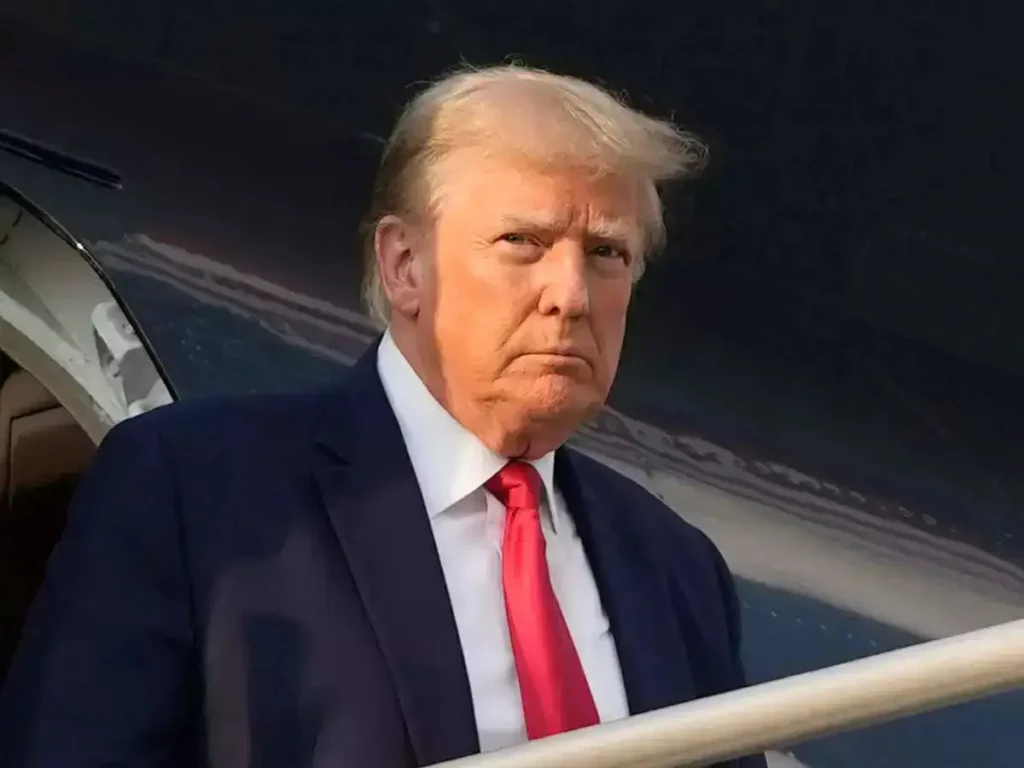
“The core Congressional power to impose taxes such as tariffs is vested exclusively in the legislative branch,” the court emphasized. In other words, tariffs are not a presidential weapon, but a constitutional power held by Congress.
Trump’s Furious Response
As expected, Trump lashed out on Truth Social, branding the court “highly partisan” and predicting the Supreme Court would side with him.
“If these tariffs ever went away, it would be a total disaster for the Country,” Trump wrote. “If allowed to stand, this Decision would literally destroy the United States of America.”
The White House, however, struck a more measured tone. Spokesman Kush Desai said the tariffs “remain in effect” until the matter reaches the Supreme Court, and added that the administration is “confident of ultimate victory.”
Table of Contents
The Legal Battle So Far
Friday’s ruling marks Trump’s second consecutive loss in the make-or-break case V.O.S. Selections v. Trump. The lawsuit, a consolidation of challenges from multiple states and small businesses, argued that Trump’s “Liberation Day” tariffs were unlawful under IEEPA.
Back in May, the U.S. Court of International Trade had already rejected Trump’s stance and struck down tariffs imposed on Canada, Mexico and China, which were justified by the administration as necessary to combat fentanyl trafficking. The latest appeals court ruling echoed that skepticism, noting that the tariffs were “unbounded in scope, amount, and duration.”
Voices From the Courtroom
“This decision protects American businesses and consumers from the uncertainty and harm caused by unlawful tariffs,” said attorney Jeffrey Schwab of the Liberty Justice Center, which represented small-business plaintiffs.
Co-counsel Neal Katyal praised the judgment as a “powerful reaffirmation” of constitutional checks and balances, stressing that presidents must act within the rule of law.
Still, not all judges agreed. Four dissenting justices argued the plaintiffs had not justified their request for summary judgment, leaving the door open for further debate in the nation’s highest court.

Economic and Political Stakes
The stakes are enormous. Trump’s tariffs have been a signature feature of his economic nationalism, reshaping trade relations with allies and adversaries alike. According to the Congressional Budget Office, tariffs could reduce U.S. deficits by $4 trillion over the next decade.
Commerce Secretary Howard Lutnick warned that striking them down “would cause massive and irreparable harm,” undermining foreign policy, inviting retaliation from trading partners, and threatening ongoing negotiations.

What Happens Next?
For now, the appeals court has paused its decision until October 14, allowing the Trump administration time to petition the Supreme Court. If the justices agree to hear the case, it will set the stage for one of the most consequential legal battles over presidential authority in decades.
Whether Trump emerges as a defender of American industry or sees his trade legacy dismantled will depend not on fiery speeches or viral Truth Social posts, but on the nine justices in Washington, D.C.
As one trade analyst summed it up on X: “This is not just about tariffs — it’s about the limits of presidential power.”
For more Update http://www.dailyglobaldiary.com
World News
When Was Donald Trump Last Seen Publicly? Rumors of ‘Trump Dead’ Flood Social Media as Silence Grows
Speculation mounts over US President Donald Trump’s health after public absence and viral images of bruises
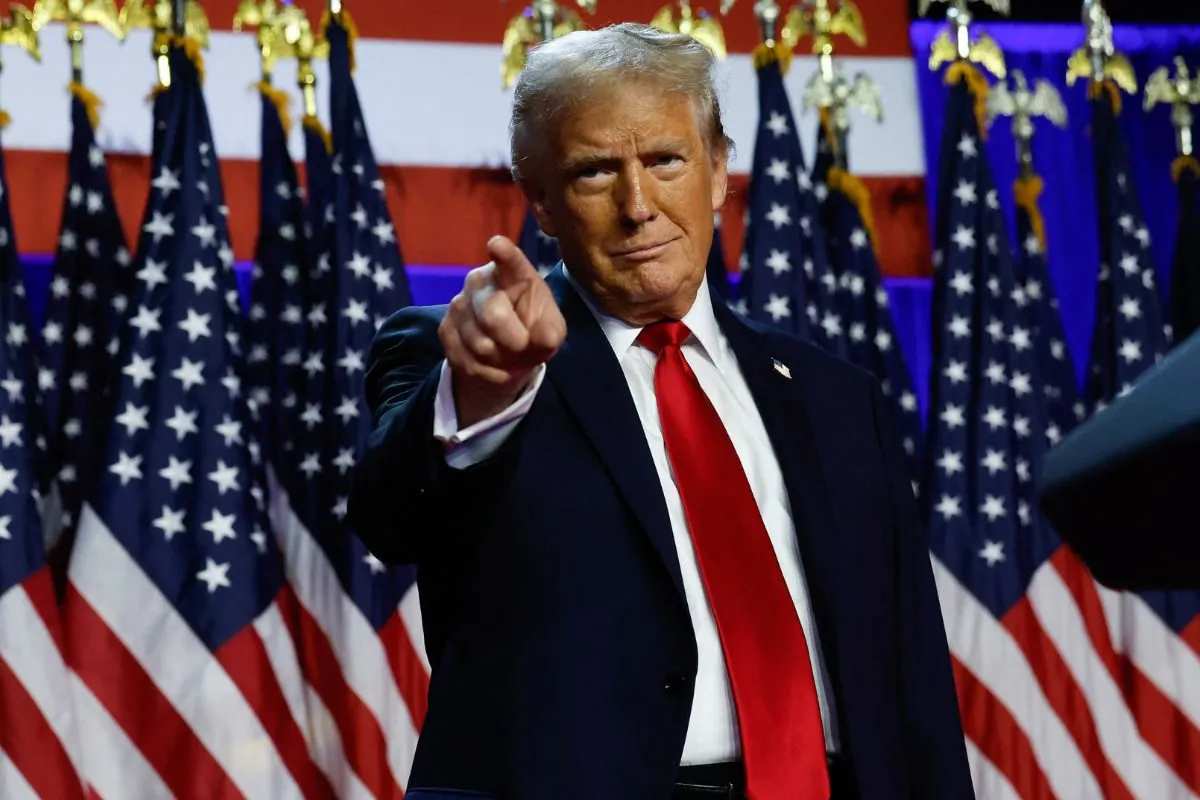
- For the past several days, questions surrounding Donald Trump’s health and whereabouts have dominated both social media and Google search. Search terms like “Trump dead?”, “Trump is dead” and “Donald Trump dead” surged to the top of trending charts, as the US President remained out of public sight since late August.
Viral Bruises Spark Speculation
Concerns first escalated last month when images of Trump surfaced online showing a dark bruise on his right hand and visible swelling in his ankles. The pictures went viral across X (formerly Twitter), fueling rumors about his physical condition. The White House has not issued an official clarification about the bruises, although a medical note released earlier mentioned that the President has been diagnosed with chronic venous insufficiency (CVI), a condition related to age and prolonged standing. Health experts have also suggested that the swelling could be linked to routine aspirin use.
Last Public Appearances
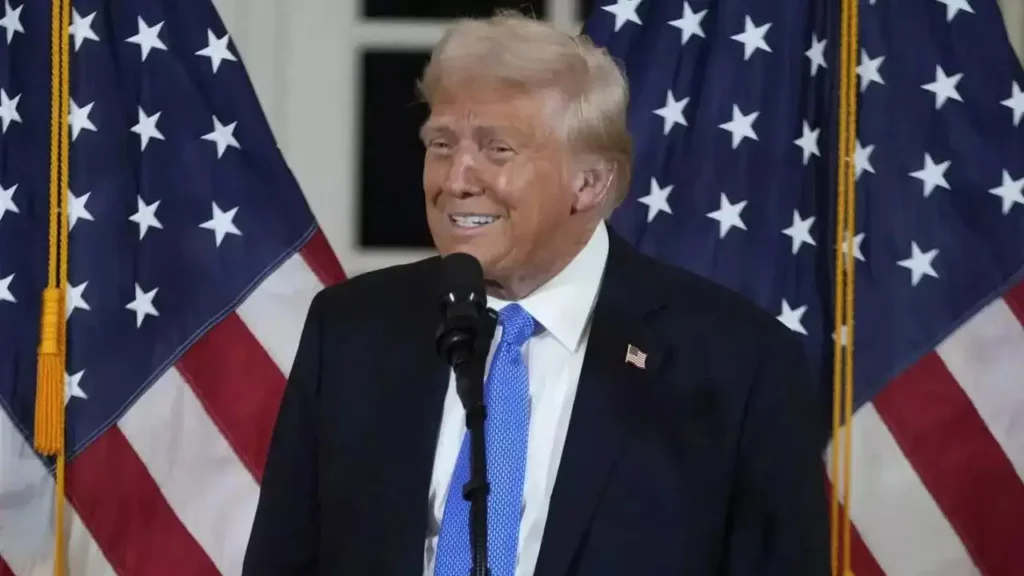
Trump was last seen on August 24, when he made a surprise appearance at the Trump National Golf Club in Virginia, alongside former Roger Clemens, the former MLB pitcher. Two days later, on August 26, he presided over a televised cabinet meeting. Since then, however, the President has not attended any public events. The official White House schedule for the weekend listed no public engagements, which only added fuel to the speculation.
Social Media vs. Reality
Despite his absence from public events, Trump has remained active on his social media platform, Truth Social. Just hours before rumors began trending, he had posted a sharp criticism of a US court ruling against his tariffs. While this indicates he is actively engaging with his supporters online, critics argue that social media posts are not enough to silence concerns over his physical visibility.
Table of Contents
Political Tension and JD Vance’s Statement
Adding further intrigue, JD Vance, the US Vice President, gave an interview to USA Today where he remarked that he was prepared to take over the presidency in case of a “terrible tragedy.” While he quickly added that Trump was in “great health,” his choice of words only intensified chatter around the President’s condition.
Vance said: “I’ve gotten a lot of good on-the-job training over the last 200 days. And if, God forbid, there’s a terrible tragedy, I can’t think of better on-the-job training than what I’ve gotten.” His comments, intended as reassurance, instead sparked debates across newsrooms and social media about whether he was subtly preparing the public for an emergency scenario.
Public Concern on the Rise
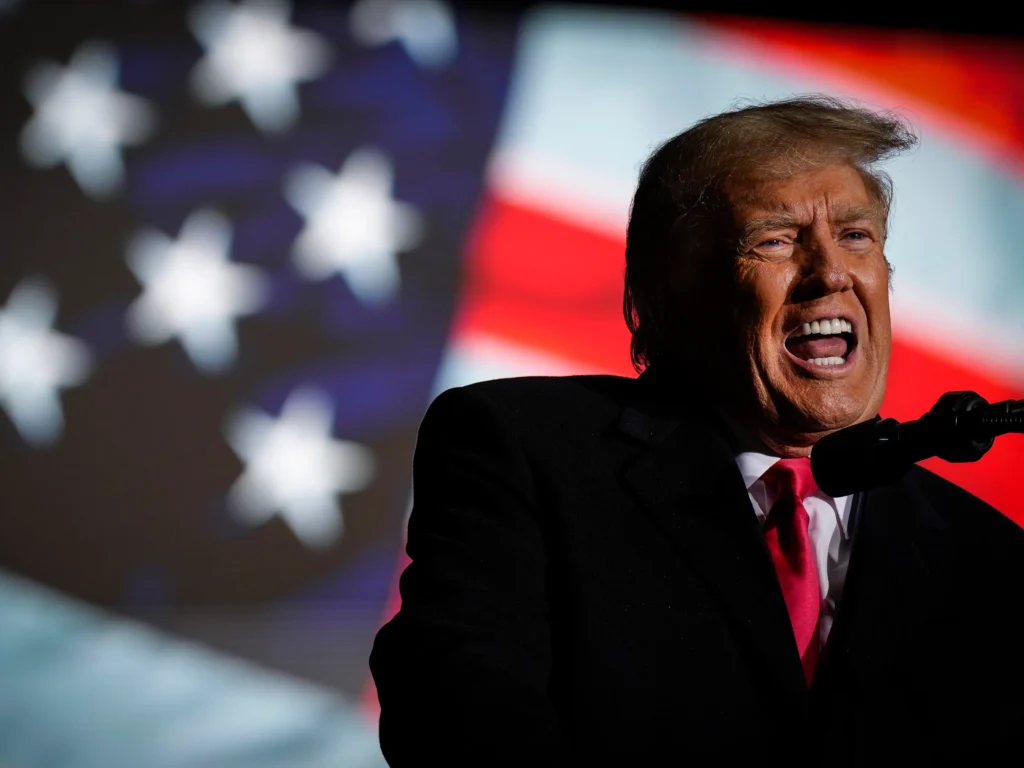
With rumors trending globally, the stakes are high for the White House to issue clarity. For now, the administration has chosen silence, leaving millions of Americans to speculate on platforms like Reddit, X, and Facebook. Supporters dismiss the rumors as “political propaganda,” while critics demand transparency about the health of the nation’s leader.
For a President who thrives on public rallies, frequent television appearances, and energetic speeches, the sudden gap in visibility feels unusual. Whether this absence is due to a health-related precaution, political strategy, or simple scheduling remains unknown. But as one trending post summed it up: “We don’t need rumors. We need answers.”
For more Updatehttp://www.dailyglobaldiary.com

“He-Man Wears a Suit…”: Why Nicholas Galitzine’s Masters of the Universe Trailer Has Fans Talking

Camilla Läckberg Isn’t Done Yet… The Queen of Swedish Noir Eyes Film, TV and a Bold Plan to ‘Conquer America’

“Screaming, Crying, Almost Throwing Up”… Sundance Insiders Reveal the Untold Chaos Behind America’s Most Influential Film Festival
From Swedish Noir to Hollywood Dreams Camilla Läckberg Has a Bigger Plan in Motion
When Sundance Nearly Fell Apart Insiders Recall the Chaos Behind the World’s Most Influential Film Festival

1-Iran Issues Dire Warning to Israel and Defies Trump on Nukes: “We’re Ready to Strike Deep Inside”

Donald Trump’s net worth reveals the fortune behind the former US President and business mogul

Caitlin Clark Sidelined with Quad Strain, Set to Miss Two Weeks of WNBA Action

Elon Musk Breaks Ranks with Trump Over ‘Big, Beautiful’ Tax Bill

“Tomás Rodríguez Net Worth 2025: Panama’s Gold Cup Goal‑Machine’s Surprising Fortune Revealed”

Miss Jamaica Suffers Terrifying Fall Off Miss Universe Stage; Rushed to Hospital on Stretcher in Viral Video

Moana Live-Action Teaser Sparks Outrage as Fans Call Disney’s Move a ‘Clear Money Grab’ — What Went Wrong?

Ryan Gosling’s Project Hail Mary Trailer Stuns Fans with a Mysterious Alien Ally and a Mission That Could Save Earth

Apple delays Jessica Chastain thriller The Savant about domestic extremism after recent US violence

Avatar 3, Fire and Ash trailer reveals Jake Sully’s family facing terrifying new Na’vi enemies with deadly fire powers
-
 Entertainment1 week ago
He-Man Wears a Suit Now… Nicholas Galitzine’s ‘Masters of the Universe’ Trailer Drops a Shock Fans Didn’t See Coming
-
 Entertainment1 week ago
Brazil Eyes Oscar History Again… ‘The Secret Agent’ Scores Best Picture Nomination as Wagner Moura Stuns Hollywood
-
 Entertainment5 days ago
“Comedy Needs Courage Again…”: Judd Apatow Opens Up on Mel Brooks, Talking to Rob Reiner, and Why Studio Laughs Have Vanished
-

 Entertainment1 week ago
Oscars Go Global in a Big Way as This Year’s Nominations Signal a New Era: ‘The Academy Is Finally Looking Beyond Hollywood…’
-
 Entertainment1 week ago
“Dangerously Kinky… and Darkly Funny”: Olivia Wilde and Cooper Hoffman Push Boundaries in ‘I Want Your Sex’
-
 Sports1 week ago
A Strong Night for Caleb Williams Ends With Doubts About the Bears’ Late Decisions
-
 Crime5 days ago
Man Accused in Tupac Shakur Killing Asks Judge to Exclude Critical Evidence
-

 Politics1 week ago
Why Bari Weiss Says Pulling a ‘60 Minutes’ Story Was the Right Call — Even If It Looked Radical