
Entertainment
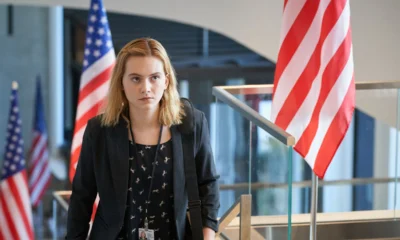
“Fight Tooth and Nail or Fade Away”… Indie Film Boss Warns Hollywood Could End Up as ‘Uber Drivers’ for Big Tech
AGC chairman Stuart Ford sounds the alarm on Netflix and Warner Bros’ profit model, saying the disappearance of backend participation is quietly hollowing out the film industry from within.

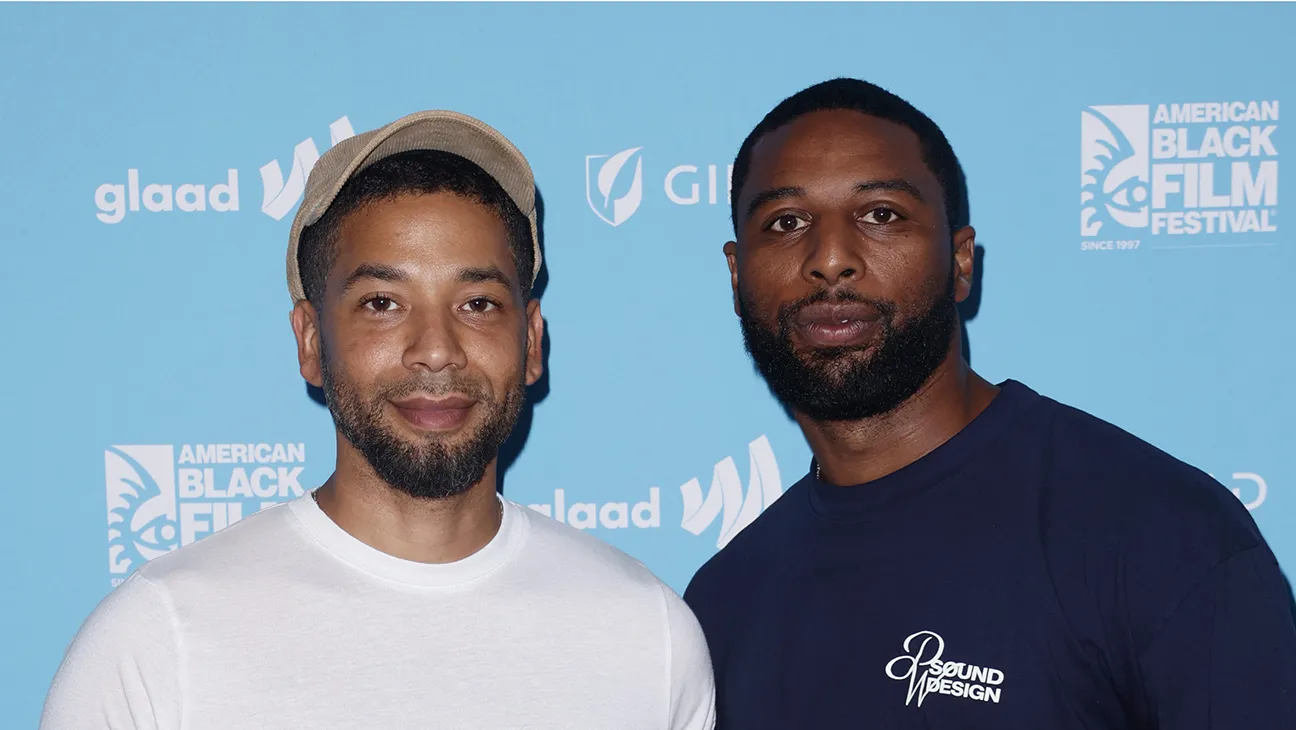
The future of independent cinema, according to Stuart Ford, is standing at a crossroads — and the wrong turn could leave generations of filmmakers scrambling for survival.
Speaking candidly about the shifting power balance in Hollywood, the AGC chairman warned that unless the industry pushes back, film professionals risk becoming nothing more than “Uber drivers” for massive tech-driven studios. His comments come amid growing unease over how streaming platforms, particularly Netflix, structure deals that eliminate backend participation — long considered the financial backbone of creative careers.
A System Quietly Being Dismantled
For decades, backend profit participation allowed writers, producers, actors, and directors to share in a film’s success. It was a system that rewarded risk, talent, and long-term investment. According to Ford, that system is now being steadily dismantled.
ALSO READ : “She Never Made It Out…” Albany House Fire Claims Woman’s Life as Family Pleads for Help to Bring Her Home
Streaming giants increasingly favor flat-fee buyouts, cutting creatives off from any future upside. While such deals may appear generous upfront, Ford argues they erode the ecosystem that sustains filmmaking as a profession.
“If you remove the possibility of backend, you remove the incentive to build a career,” Ford warned, adding that creatives are being reduced to contract labor for tech companies, rather than partners in storytelling.
Netflix, Warner, and the New Economics of Power
Ford’s concerns aren’t aimed at one company alone. Traditional studios adapting to the streaming era, including Warner Bros, are also under pressure to adopt models that prioritize cost control over creative equity.
The result? A widening gap between corporate profit and creative sustainability.
In Ford’s view, the streaming model centralizes wealth while spreading risk downward — a reversal of how Hollywood historically functioned. Independent producers, who once relied on backend revenue to finance future projects, now face shrinking margins and limited leverage.
“This Is an Existential Fight”
Ford didn’t mince words about what’s at stake. He described the current moment as an existential fight for the industry — not just for independent producers, but for everyone who depends on long-term participation to make filmmaking a viable career.
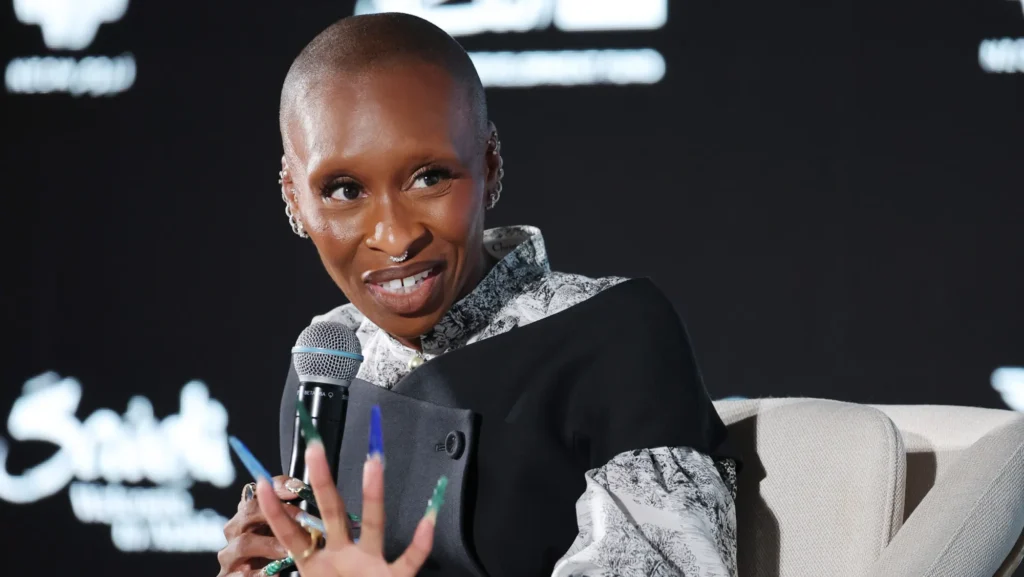
Without backend profits:
- Producers struggle to reinvest in new films
- Writers and directors lose financial stability
- Mid-budget and riskier stories disappear
- The industry becomes dominated by algorithms, not artistry
“Hollywood doesn’t collapse overnight,” Ford noted. “It erodes quietly, deal by deal.”
Why This Matters Beyond Hollywood
The implications extend far beyond Los Angeles soundstages. As global streamers dominate international markets, the same model threatens film industries worldwide. What begins as a Hollywood accounting shift could reshape global cinema into a gig economy — efficient, scalable, and creatively hollow.
Ford argues that unless studios and creatives renegotiate the balance of power, the next generation won’t build careers — they’ll complete contracts.
A Call to Push Back
Ford’s message is ultimately a call to action. He insists that producers, guilds, and creatives must push back collectively, or accept a future where ownership, participation, and legacy are replaced by short-term payouts.
“This business was built on partnership,” he said. “Once that’s gone, it’s no longer an industry — it’s a service.”
As streaming platforms continue to redefine entertainment, Ford’s warning resonates like a quiet siren: the fight isn’t about nostalgia, but about whether filmmaking remains a profession — or becomes just another app-powered gig.






Entertainment
Catherine Zeta-Jones Says Yes to ‘Cupid’… and Hollywood Is Watching What Comes Next
The Oscar winner teams up with director Tate Taylor for a mysterious new project that could mark one of the most intriguing turns of her career
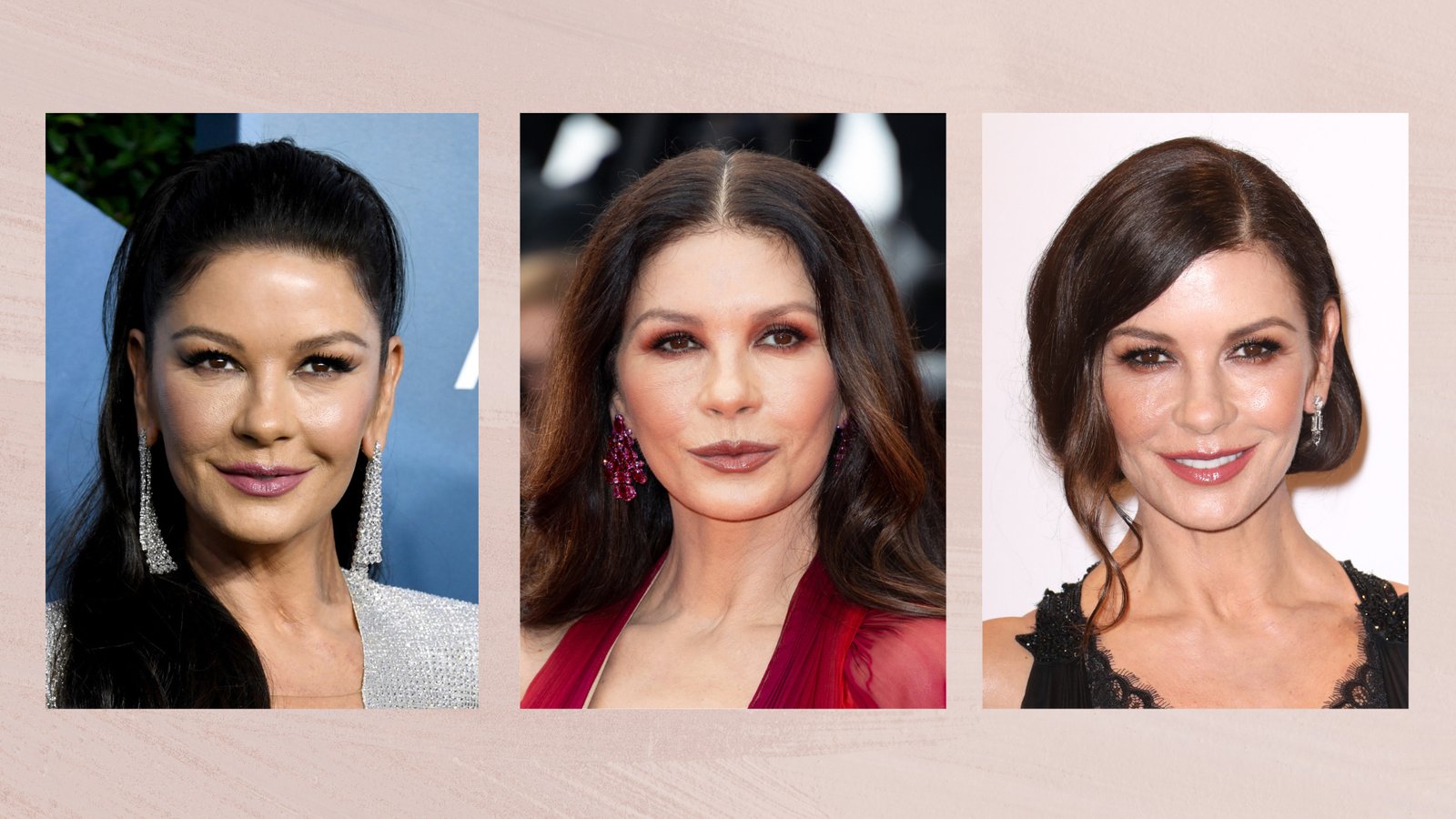
When an actor of Catherine Zeta-Jones’ stature signs on to a new film, the industry pays attention. When that film is titled Cupid and comes from director Tate Taylor, curiosity turns into genuine buzz.
Zeta-Jones is officially set to star in Cupid, a new feature that signals a fresh collaboration between the Academy Award–winning actress and a filmmaker known for balancing emotional tension with mainstream appeal. While details about the plot remain tightly under wraps, the announcement alone has sparked speculation about tone, genre, and the kind of character Zeta-Jones may bring to life next.
For fans and industry watchers alike, the pairing feels deliberate — and potentially potent.
Why ‘Cupid’ Feels Like a Strategic Choice
Zeta-Jones has never been an actor who chases volume over substance. From prestige dramas to stylish thrillers, her career has been defined by selective risks rather than constant reinvention. In recent years, she has leaned into roles that offer complexity and presence rather than spectacle — a trend that makes Cupid an especially intriguing addition to her filmography.
ALSO READ : “She Never Made It Out…” Albany House Fire Claims Woman’s Life as Family Pleads for Help to Bring Her Home
Taylor, best known for directing The Help, has built a reputation for character-driven storytelling that places performers at the center of the narrative. His films often rely on emotional undercurrents rather than overt twists, suggesting that Cupid may explore relationships, power, or desire in a way that benefits from Zeta-Jones’ controlled intensity.
While the title hints at romance, insiders caution against assuming a conventional love story. Those familiar with Taylor’s work suggest the film could carry darker or more ironic undertones, making the name Cupid something of a deliberate misdirect.
A Career Defined by Reinvention — Quietly
Zeta-Jones’ career has spanned eras, genres, and expectations. From blockbuster visibility in Chicago — which earned her an Academy Award — to more recent television and film appearances, she has repeatedly demonstrated an ability to reframe her screen identity without overexplaining it.
That restraint has become part of her appeal.
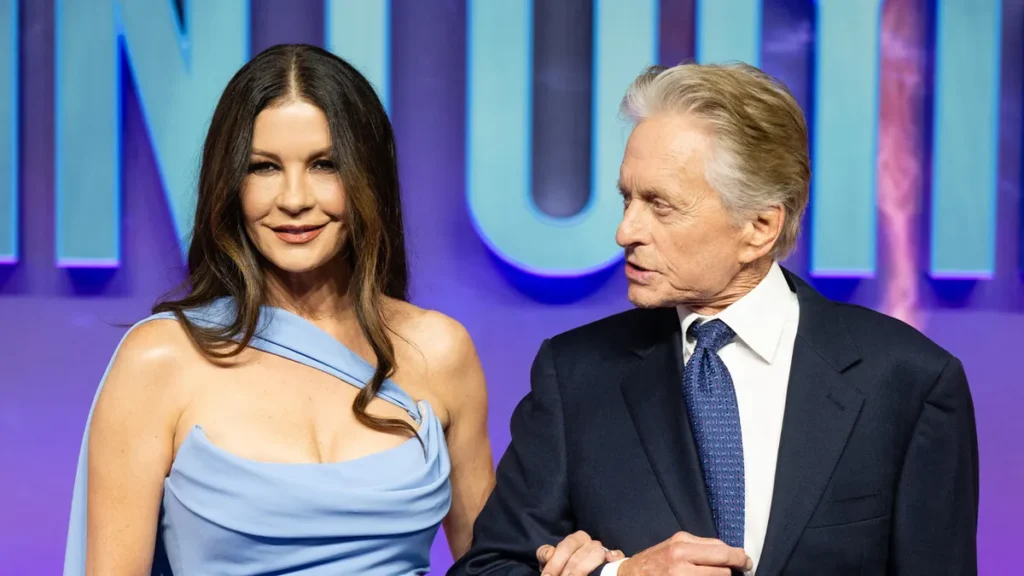
Rather than positioning Cupid as a comeback or a pivot, sources close to the project describe it as a role that fits naturally into where she is now — confident, selective, and uninterested in playing to type.
What We Know — and What We Don’t
At this stage, specifics about Cupid are scarce. Casting beyond Zeta-Jones has not yet been announced, and production timelines remain fluid. That secrecy, however, has only fueled interest.
Hollywood observers note that Taylor’s projects often reveal themselves gradually, with character details emerging closer to production. For Zeta-Jones, that slow burn approach aligns well with an actor whose performances often reveal their power in layers rather than declarations.
One studio executive summed it up simply: “This isn’t about shock value casting. It’s about trust — trusting an actor to carry something quietly compelling.”
Why This Collaboration Matters
In a landscape increasingly dominated by franchises and algorithms, Cupid represents something else: a star-driven, director-led project that relies on performance rather than brand recognition.
For Daily Global Diary readers, the announcement is less about a single film and more about what it signals. Zeta-Jones choosing Cupid suggests confidence in the material — and in Taylor as a storyteller capable of offering something nuanced.
Whether the film leans romantic, psychological, or something in between, one thing is clear: Cupid has already done its job by getting people to lean in and ask questions.
And in today’s entertainment climate, that curiosity may be its sharpest arrow.
Entertainment
Inside Netflix’s Most Dangerous Shoot Yet ‘One Climb, 19 Cameras… and No Second Takes’
How Alex Honnold’s jaw-dropping Taipei 101 ascent pushed Netflix’s filmmaking limits with drones, helicopters, and the longest cable dolly ever attempted

When Netflix agreed to document Alex Honnold climbing Taipei 101, everyone involved understood one thing clearly: this was not just another extreme sports shoot. It was a logistical gamble where there would be no second chances.
Honnold — best known for redefining human limits with his free solo ascents — was attempting one of the most visually and technically complex climbs ever filmed in an urban environment. For Netflix’s production team, the challenge wasn’t just capturing the feat. It was staying invisible, staying safe, and staying ready while a man climbed hundreds of meters above a living city.
What followed was one of the most ambitious documentary shoots the streaming giant has ever mounted.
19 Cameras, One Shot at History
According to the crew behind the project, the Taipei 101 climb required 19 synchronized cameras, each assigned a specific narrative purpose. Some were fixed to the building itself. Others were handheld by riggers stationed at pre-calculated points along the skyscraper’s exterior.
ALSO READ : “She Never Made It Out…” Albany House Fire Claims Woman’s Life as Family Pleads for Help to Bring Her Home
The goal wasn’t spectacle alone — it was continuity. Editors needed clean, uninterrupted coverage to respect the integrity of Honnold’s climb. Any missed moment would be gone forever.
“There’s no yelling ‘cut’ when someone is free climbing a skyscraper,” one crew member noted. “You capture what happens — or you don’t.”
Drones, a Helicopter… and Zero Margin for Error
To complement the fixed cameras, the production deployed two high-end drones capable of maintaining stability in unpredictable wind conditions at extreme heights. These weren’t standard aerial shots — they were precision maneuvers designed to track Honnold without distracting or endangering him.
Above it all hovered a single helicopter, operated under strict aviation regulations and coordinated minute-by-minute with drone pilots and safety teams. Every movement was choreographed. Every second was planned.
Any deviation could have forced the entire operation to shut down.
The Longest Cable Dolly Ever Attempted
Perhaps the most ambitious element of the shoot was a custom-built cable dolly system, stretching longer than anything previously attempted for a vertical climb. The dolly allowed the camera to glide alongside Honnold, creating a fluid sense of scale — a human figure moving against a glass-and-steel giant.
Engineering teams spent months testing the system to ensure it wouldn’t vibrate, stall, or interfere with the climber. It had to feel invisible on screen — and be invisible in practice.
The result is footage that doesn’t just document the climb, but places viewers inside it.
Why Netflix Took the Risk
For Netflix, the project represents more than technical bravado. It reflects a growing appetite for event documentaries — films that don’t just tell stories, but capture moments that will never happen again.
Honnold’s climb wasn’t staged. It wasn’t repeatable. It was a real human being making a real calculation about risk, balance, and trust — not only in himself, but in the people quietly recording him.
Executives familiar with the production say the platform viewed the climb as a once-in-a-generation visual moment, worth the financial and logistical risks.
A City, a Climber, and a Camera Crew Holding Its Breath
Filming in Taipei added another layer of complexity. The skyscraper sits at the heart of a dense, active city. Weather conditions shifted rapidly. Wind patterns changed without warning. The crew had to adapt in real time — without drawing attention or interrupting the climb.
Throughout it all, Honnold remained focused, moving with the calm precision that has become his signature. For the cameras, the challenge was keeping up without ever becoming part of the story.
More Than a Climb
What makes the Taipei 101 project remarkable isn’t just the height or the danger. It’s the collaboration — between athlete, engineers, pilots, and filmmakers — all working toward a single, irreversible moment.
In the end, Netflix didn’t just film a climb. It documented trust under pressure, technology pushed to its limits, and the quiet intensity of people doing their jobs perfectly because failure was never an option.
As one producer put it later: “This wasn’t about making it look dramatic. It already was.”
Entertainment
Nika King Is Back on ‘Euphoria’ ‘Rent Joke Went Viral… Now Season 3 Has the Internet Watching’
The actress’s long-awaited return sparks fresh buzz after her candid “haven’t paid my rent” comment turned into a viral moment
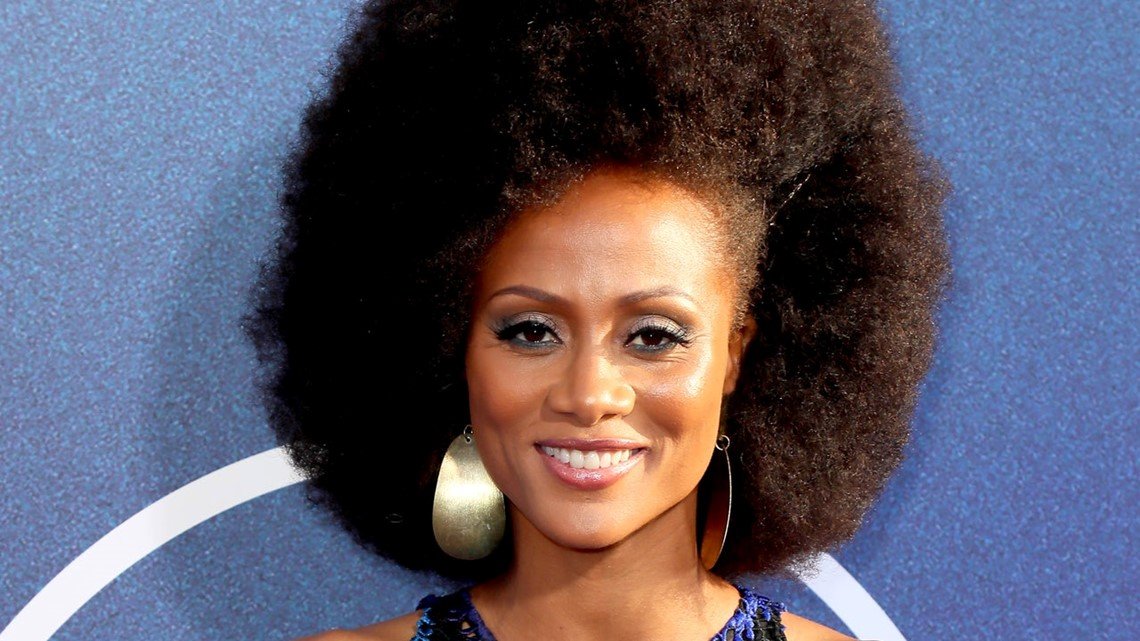
For months, it was a joke that wouldn’t die — uncomfortable, funny, and painfully honest all at once. Now, it has come full circle.
Nika King, best known for playing Rue Bennett’s mother on Euphoria, has officially been spotted returning for Season 3, marking her first on-screen reappearance since a viral moment in which she candidly joked that she “hadn’t paid her rent” during the show’s long hiatus.
That offhand remark — delivered during a stand-up set — struck a nerve far beyond comedy clubs. Clips spread rapidly across X, TikTok, and Instagram, igniting a broader conversation about Hollywood pay gaps, inconsistent work, and the reality faced by actors even on globally successful shows.
Now, with cameras rolling again, King’s return feels less like a casting update and more like a cultural reset.
ALSO READ : “She Never Made It Out…” Albany House Fire Claims Woman’s Life as Family Pleads for Help to Bring Her Home
From Viral Joke to Season 3 Set
The “rent joke” wasn’t scripted outrage or calculated controversy. It landed because it felt real.
While Euphoria became one of HBO’s most-watched and talked-about series, production delays, strikes, and creative resets stretched the gap between seasons far longer than expected. For supporting actors like King, that meant long stretches without steady work — a reality rarely acknowledged by audiences.
When King joked about struggling financially, many fans were shocked. Others weren’t.
Her words quickly became shorthand for a larger truth: success in prestige television does not guarantee stability, especially for actors outside the top billing.
First Look, Renewed Attention
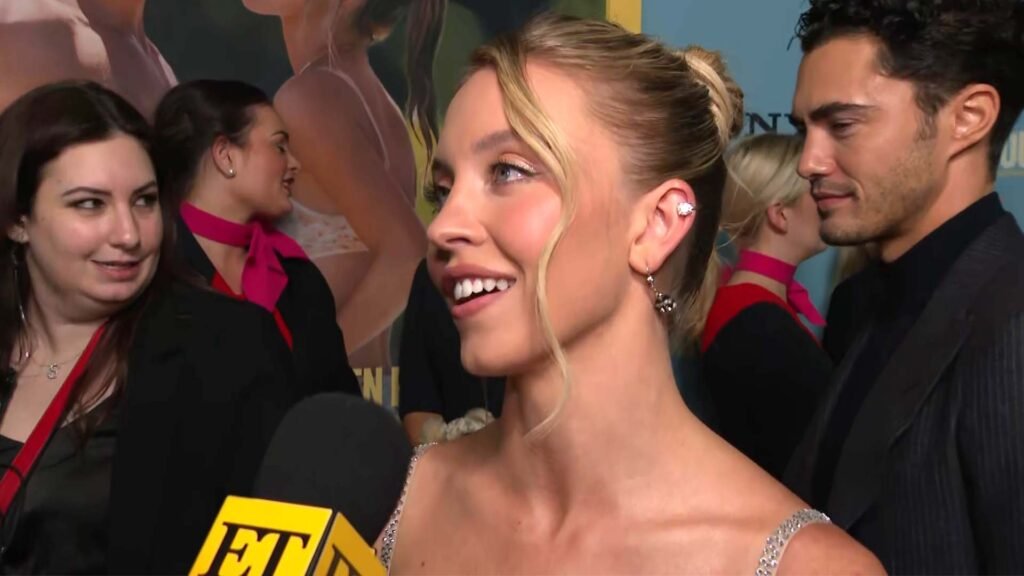
Recent behind-the-scenes images from the Euphoria Season 3 set confirm King’s return as Leslie Bennett, the emotionally grounded mother of Rue, played by Zendaya.
The character has always served as the show’s moral anchor — a parent navigating grief, addiction, and exhaustion in a world spinning out of control. King’s performance, often understated, has been praised for adding emotional weight to the series’ more stylized chaos.
This time, however, viewers are watching with extra awareness — not just of the character, but of the actor behind her.
Why This Moment Feels Different
Hollywood loves comeback narratives, but this one doesn’t feel manufactured.
King never disappeared by choice. She waited — like many working actors do — for the industry to move again. Her joke resonated because it cut through the illusion that fame equals security.
In the wake of the viral clip, fans rallied behind her, calling for better transparency around pay structures and residuals, particularly in the streaming era. Some even pointed fingers at HBO, questioning how a flagship series could leave one of its core actors struggling.
While no official statements were made in response to the viral moment, King’s return to the set has been widely interpreted as a quiet answer — the work is happening again.
Euphoria Season 3: Pressure on All Sides
Season 3 of Euphoria carries unusually high expectations. The show has evolved from a teen drama into a cultural lightning rod, influencing fashion, music, and online discourse. With that visibility comes scrutiny — not just of storylines, but of how the industry treats the people who make them.
King’s return has become part of that conversation.
As one fan wrote online: “Seeing her back hits different now. We know more than we did before.”
More Than a Meme
What began as a viral joke has ended up reframing how audiences see Euphoria — not just as a glossy HBO hit, but as a workplace shaped by the same uncertainties affecting much of Hollywood.
For Nika King, the moment isn’t about redemption or revenge. It’s about visibility.
And as Season 3 approaches, her presence on screen carries added weight — a reminder that behind every iconic series are actors navigating real lives, real bills, and real waiting.
This time, the audience isn’t just watching the show.
They’re watching the system behind it.

Catherine Zeta-Jones Says Yes to ‘Cupid’… and Hollywood Is Watching What Comes Next

Inside Netflix’s Most Dangerous Shoot Yet ‘One Climb, 19 Cameras… and No Second Takes’

Nika King Is Back on ‘Euphoria’ ‘Rent Joke Went Viral… Now Season 3 Has the Internet Watching’

Keke Palmer Brings Trouble to the ’Burbs in Peacock’s Dark Comedy Reboot

“Fight Tooth and Nail or Fade Away”… Indie Film Boss Warns Hollywood Could End Up as ‘Uber Drivers’ for Big Tech

1-Iran Issues Dire Warning to Israel and Defies Trump on Nukes: “We’re Ready to Strike Deep Inside”

Donald Trump’s net worth reveals the fortune behind the former US President and business mogul

Caitlin Clark Sidelined with Quad Strain, Set to Miss Two Weeks of WNBA Action

“Tomás Rodríguez Net Worth 2025: Panama’s Gold Cup Goal‑Machine’s Surprising Fortune Revealed”

Elon Musk Breaks Ranks with Trump Over ‘Big, Beautiful’ Tax Bill

Miss Jamaica Suffers Terrifying Fall Off Miss Universe Stage; Rushed to Hospital on Stretcher in Viral Video

Moana Live-Action Teaser Sparks Outrage as Fans Call Disney’s Move a ‘Clear Money Grab’ — What Went Wrong?

Ryan Gosling’s Project Hail Mary Trailer Stuns Fans with a Mysterious Alien Ally and a Mission That Could Save Earth

Apple delays Jessica Chastain thriller The Savant about domestic extremism after recent US violence

Avatar 3, Fire and Ash trailer reveals Jake Sully’s family facing terrifying new Na’vi enemies with deadly fire powers
-
 Entertainment3 days ago
Feinberg Forecast Whispering New Year Surprises in Oscar Predictions as Hollywood Changes Its Weather
-
 Entertainment1 week ago
Enola Holmes 3 Gets Its First Look as Netflix Plans a Special Moment for Lewis Pullman Fans
-
 Entertainment1 week ago
Stephen Colbert Finally Addresses ‘Late Show’ Ending — “We’ll Do Something Else Together”
-
 Politics1 week ago
The Man Who Predicted Trump’s Kennedy Center Takeover Bought the Domain That Mocked It
-

 Entertainment1 week ago
“She’s the He” Finally Gets a Release After Spirit Awards Nod… Why This Trans Comedy Is Suddenly the Film Everyone’s Watching
-
 Sports1 week ago
The Balance of Power Is Breaking How 2026 Could Redefine Sports Forever
-
Sports1 week ago
Player Power, Ownership Shake-Ups, and the Breakout Moments Defining Sports in 2026
-
 Business1 week ago
Peacock’s Loss Widens to $552 Million Even as Subscribers Surge to 44 Million ‘Streaming Is a Long Game’