
Automobile
Tesla Cybertruck Owner Says His $400 Insurance Quote Agent Got Fired and State Farm Now Wants $800 a Month
Jake Skipper claims his State Farm premium suddenly doubled, sparking outrage among Tesla Cybertruck owners across the U.S.

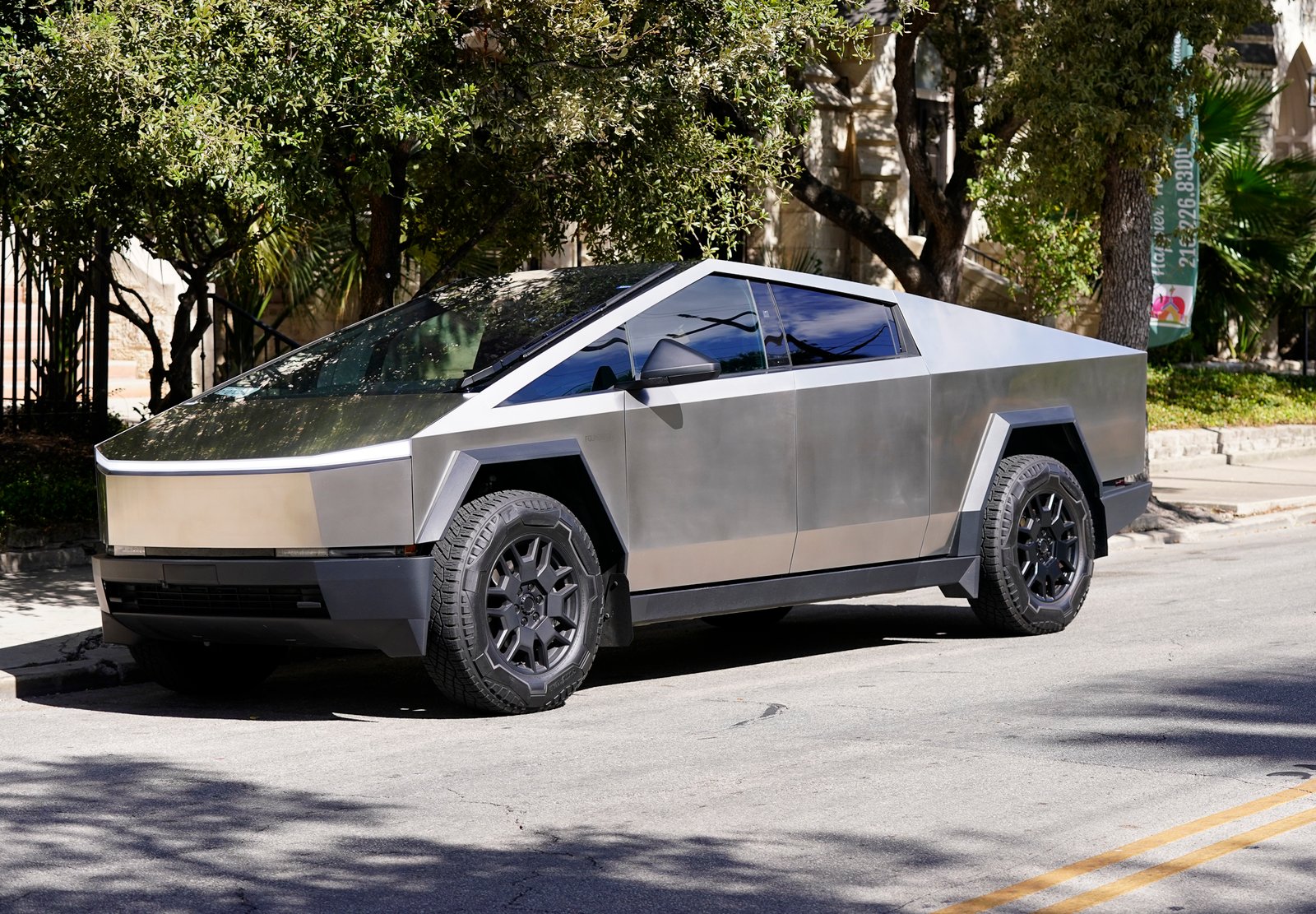
When Tesla launched the futuristic Cybertruck, buyers expected steep price tags for the truck itself—but not necessarily for insurance. Now, one Texas owner says he is paying more to insure his Cybertruck than some people spend to lease one.
Jake Skipper, a Cybertruck owner from Texas, revealed in the Cybertruck Owners Only Facebook group that his State Farm premium was suddenly doubled. According to Jake, his original quote of $400 per month came from an insurance agent who was later fired for “underquoting.” Afterward, a new agent called him back with a jaw-dropping figure: $800 per month.
Jake wrote in frustration:
“State Farm quoted me $400, and now they’re pulling the rug and saying $800. Our agent got fired and they say underwriting won’t allow a lower number.”
The post immediately drew dozens of reactions from fellow Cybertruck owners. Many initially thought the figure must represent a six-month premium. But Jake quickly clarified—it was indeed $800 per month, or $9,600 annually.
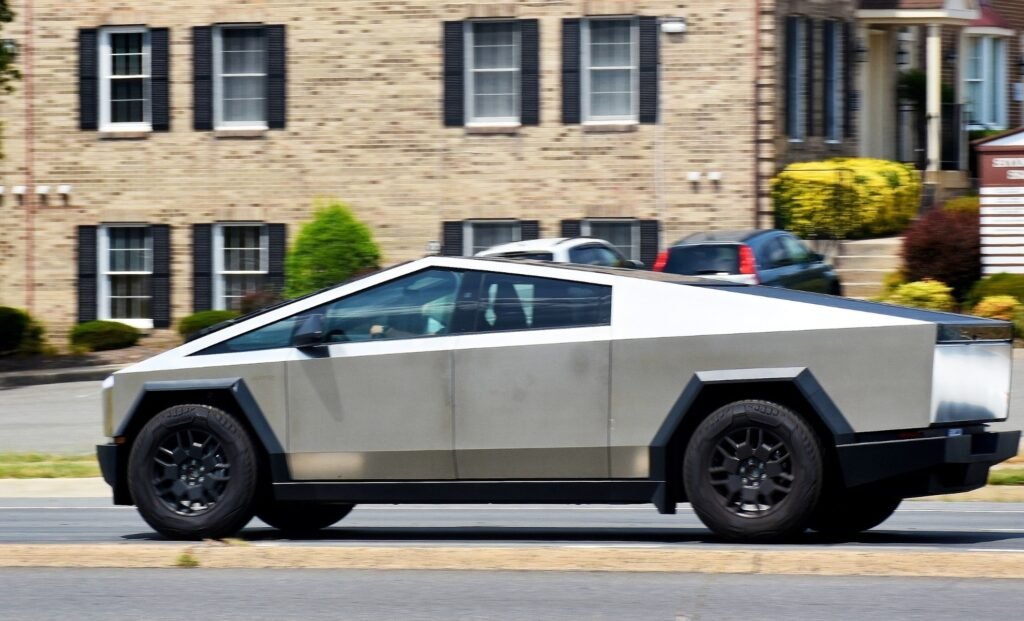
More Expensive Than Leasing the Truck
To put this in perspective, leasing a Cybertruck starts at $699/month for the dual-motor model. Jake owns the high-performance tri-motor variant, but the irony remains: his insurance costs more than leasing an actual truck.
Other Cybertruck owners quickly chimed in with similar experiences.
- Michael Adkins asked bluntly: “$800 for 6 months or a month?”
- Jake replied: “Per month!”
Other Owners Share Their Frustrations
Jake’s story sparked a flood of comments highlighting how difficult Cybertruck insurance has become:
- Darrell Daughtry said: “GEICO dropped my Cybertruck coverage, and now I’m paying $600 with Progressive Insurance.”
- Rickey Benns added: “State Farm was the only place that would give me Cybertruck insurance.”
- Ann McVey wrote: “We switched from Progressive to Tesla Insurance because they couldn’t clarify if FSD would be covered if the car was totaled.”
- David Patrick Christman shared: “We have Progressive. Tesla insurance wasn’t available in Pennsylvania, and everyone else wanted a huge amount to insure it.”
Clearly, the insurance struggle is widespread.
Table of Contents
Tesla Insurance vs. Traditional Carriers
Ironically, those lucky enough to access Tesla Insurance report far more reasonable rates.
- Lance Wade, a California owner, says: “I pay $200/month in California for the tri-motor Cybertruck with Tesla insurance. But I’m 40 and have a clean driving record.”
- Nick Movs wrote: “I pay $125 with Tesla insurance.”
For drivers in states where Tesla Insurance is unavailable, premiums with companies like State Farm, GEICO, and Progressive often soar well above $500 a month.
Bigger Questions for Tesla Owners
The Cybertruck was marketed as an innovative, futuristic vehicle designed by Elon Musk’s Tesla team to disrupt the auto market. But the financial shock of insurance premiums is forcing some owners to rethink how they use their trucks.
In fact, one owner recently built his own range extender after Tesla declined to sell him one, highlighting how far people will go to adapt when official options fall short.
The Bottom Line
For Jake Skipper and many others, the Cybertruck has become more than just an electric pickup—it’s a test of patience, budgets, and adaptability. Whether insurers adjust their models or Tesla expands its own insurance program nationwide, the situation raises an uncomfortable truth: owning cutting-edge technology often comes with hidden costs.
And for some Cybertruck owners, the price of being part of the future might just be too high.
For more Update http://www.dailyglobaldiary.com









Automobile
“No Hybrid, No Problem”: This Luxury Sedan Delivers Mileage Rivals Didn’t See Coming
While rivals chase electrification, the Acura Integra quietly becomes the most fuel-efficient gas-powered luxury sedan on sale
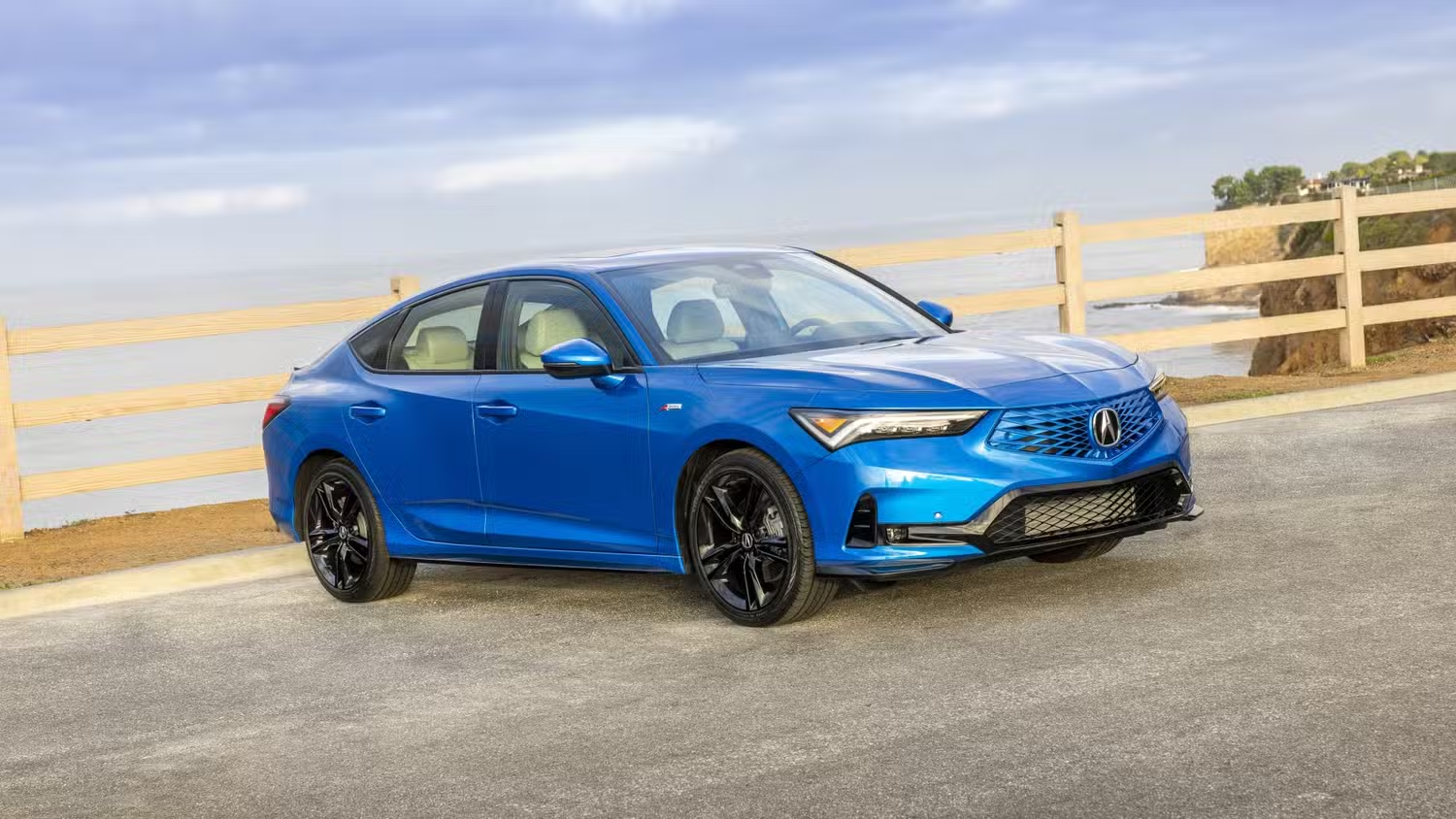
For decades, buying a luxury sedan meant accepting one uncomfortable truth: premium comfort and performance almost always came at the cost of fuel efficiency. If you wanted fewer stops at the pump, hybrids were the only real answer. That assumption is now being challenged — and not by a European powerhouse, but by a compact Japanese luxury sedan doing things the old-fashioned way.
The Acura Integra has emerged as the most fuel-efficient gas-powered luxury sedan currently on sale, delivering mileage figures that flirt with hybrid territory — without using any electrification at all. In a segment where efficiency is often an afterthought, the Integra’s numbers stand out in a way that’s hard to ignore.
How the Integra quietly beats the segment
In its most efficient configuration, the 2026 Acura Integra returns an EPA-rated 32 MPG combined, with 37 MPG on the highway. That figure puts it ahead of every other gasoline-only luxury sedan, including the Mercedes-Benz C-Class and the BMW 2-Series Gran Coupe.
According to estimates based on Environmental Protection Agency (EPA) data, Integra owners can save roughly $1,250 in fuel costs over five years compared to the average new car. For a luxury buyer, that kind of long-term efficiency is rare — and increasingly attractive as fuel prices remain unpredictable.
What makes this achievement notable is that Acura hasn’t chased efficiency through extreme downsizing or stripped-down driving dynamics. Instead, the Integra’s turbocharged four-cylinder engine is tuned for real-world driving, pairing relaxed highway cruising with responsive city performance. Smart aerodynamics, low curb weight, and careful power delivery do the rest.

Luxury that’s efficient — and affordable
Efficiency isn’t the Integra’s only quiet victory. It also happens to be the most affordable entry-level luxury sedan in its class. With a starting price around $33,400, it undercuts rivals like the Audi A3, Cadillac CT4, and **Mercedes-Benz CLA by several thousand dollars.
Despite the lower price tag, the Integra doesn’t feel budget-minded inside. The cabin delivers premium materials, sharp infotainment, and a quiet ride that comfortably meets luxury expectations. Many enthusiasts point to the A-Spec with Technology trim as the sweet spot, blending efficiency, features, and driving engagement without crossing into performance-car pricing.
Built for drivers who still love driving
Under the hood, most Integras use a 1.5-liter turbocharged engine derived from the Honda Civic Si, producing 200 horsepower. Buyers can choose between a CVT or a six-speed manual — a rarity in today’s luxury market. The manual not only enhances driver involvement but also unlocks features like a limited-slip differential and rev-matching.
For enthusiasts willing to trade some efficiency for thrills, the Integra Type S offers a 320-horsepower turbocharged engine borrowed from the Honda Civic Type R. It’s quicker, louder, and more aggressive — yet still more comfortable and livable than many hardcore performance sedans.
While it may not win drag races against heavier, more powerful rivals, the Integra shines where it matters most for daily driving: balance. Its chassis feels eager, responsive, and confidence-inspiring, proving that efficiency doesn’t have to mean dullness.
Why the Integra matters right now
In an industry racing toward electrification, the Acura Integra sends a clear message: traditional gas powertrains still have room to innovate. It proves that buyers don’t have to sacrifice luxury, enjoyment, or long-term savings if they’re not ready to go hybrid or electric.
For drivers who want premium comfort, real-world efficiency, and a genuine connection to the road, the Integra isn’t just an outlier — it’s a quiet disruptor redefining what a modern luxury sedan can be.
For more Update- DAILY GLOBAL DIARY
Automobile
“VW Makes a Bold U-Turn… Why the Iconic Scout Is Returning as Hybrids, Not EVs”
In a surprising industry shift, Volkswagen revives its legendary Scout brand with hybrid powertrains — as U.S. consumers turn away from fully electric cars.

For the last several years, major automakers have been racing toward an all-electric future. But in a twist few insiders saw coming, Volkswagen (VW) — one of the world’s largest carmakers — is rewriting its own EV playbook.
The company has decided to revive its classic Scout line not as futuristic electric vehicles, but as rugged, long-range gas-electric hybrids. And if early demand is any measure, the American market is applauding the move louder than anyone expected.
A Comeback Rooted in Consumer Truth
According to Scott Keogh — the CEO of Scout Motors — more than eight out of ten reservation holders chose the plug-in hybrid or extended-range versions instead of pure EVs.
“The market clearly has spoken,” Keogh said during an interview, adding that the hybrid can deliver up to 500 miles on a tank while eliminating typical “EV drama” such as range anxiety or charger shortages.
Keogh, whose professional profile appears on , emphasizes that these buyers don’t want to abandon electrification — they simply want a version that fits American road realities.
Why VW Pivoted Away from Pure EVs
VW acquired Scout when it bought Navistar (the successor to International Harvester, Scout’s original parent) back in 2021. The revival was initially planned as a fully electric rebirth — inspired in part by Ford’s successful comeback with the Bronco SUV.
But with EV demand dipping sharply in the United States — especially after former U.S. President Donald Trump vowed to eliminate the $7,500 EV tax credit, calling it the “EV mandate” — the landscape shifted fast.
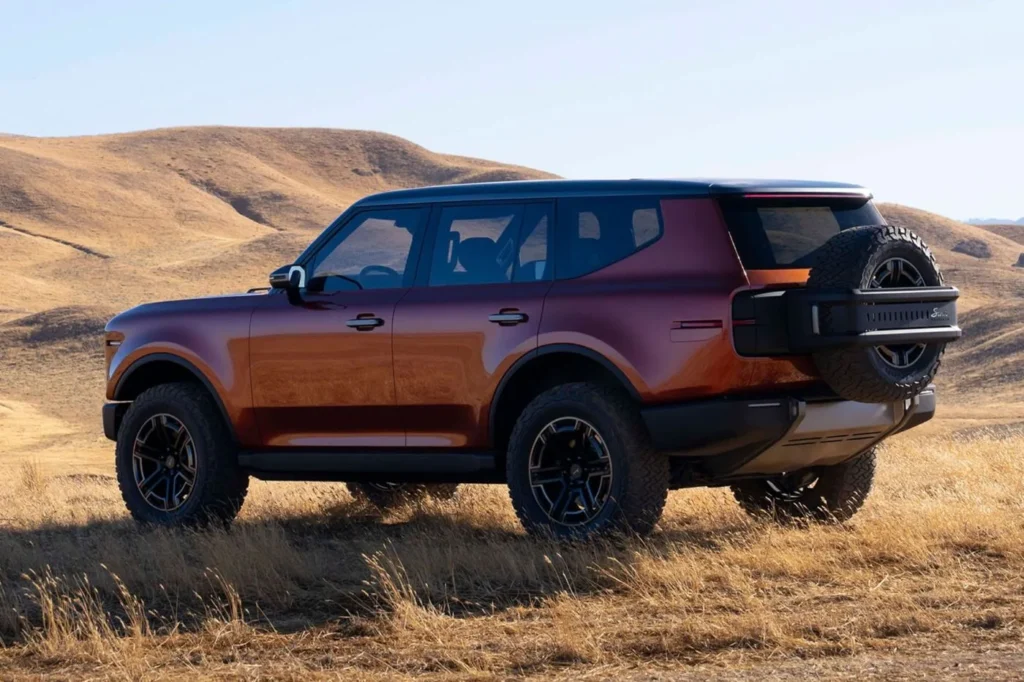
Meanwhile, sales of large gasoline SUVs surged, and automakers like General Motors, Stellantis, and Ford scaled back ambitious electric truck plans. Even Tesla’s Cybertruck, despite global hype, has struggled to attract mainstream pickup buyers due to towing-range concerns.
By late 2024, VW realized the writing was on the wall: the Scout revival needed to match the American market’s real sentiment, not its projected one.
What the New Scout Lineup Looks Like
Scout plans to launch two flagship models in 2027:
- Scout Traveler (SUV)
- Scout Terra (pickup truck)
Both are expected to start at around $60,000 — and Keogh insists that the company will not slash this price, even without the EV tax credit.
“We’re not dropping $7,500 off the price,” he said confidently. “We don’t need to.”
The strategy appears to be working: Scout has already received more than 130,000 non-binding reservations, with 73% preferring the SUV.
Could the Pickup Truck Be Canceled?
Interestingly, Keogh didn’t rule out cancelling the Terra pickup if the hybrid truck segment weakens further — a move similar to what Ford is reportedly considering with the F-150 Lightning, as reported by The Wall Street Journal.
“That’s something we could look at,” he admitted. “But not now.”
Audi May Join the Story
The upcoming $2 billion Scout factory in South Carolina may eventually produce vehicles for Audi, VW’s luxury brand. Audi’s CEO has hinted at a U.S.-centric SUV — with reports suggesting it might share the Scout platform.

Keogh neither confirmed nor denied this:
“We’re capable of building for other brands… but Audi would have to answer that.”
Trump’s ‘America First’ Strategy Accidentally Boosted Scout
Ironically, while Trump’s policy shift is hurting other EV makers, it may strengthen Scout’s “Made in America” narrative.
Scout recently announced a $300 million supplier park in South Carolina, reinforcing its Americana identity. Keogh says the tax credit loss only affects Scout for four years and cannot determine the company’s “50-year decision.”
“You don’t build a brand based on money that may or may not exist,” he said.
A Return to Its Roots
Scout hasn’t rolled off an assembly line since 1980. With its revival set for 2027 — this time as a hybrid symbol of American outdoor culture — VW is hoping nostalgia, practicality, and a changing political environment will fuel one of its biggest U.S. comebacks.
Whether consumers embrace the new Scout the way they once cherished the original remains to be seen — but the early numbers suggest VW is finally speaking the language the American market wants to hear.
For more Update ; DALIY GLOBAL DIARY
Automobile
Elon Musk’s $1 Trillion Tesla Pay Deal Sparks Outrage: “He Has the Board Wrapped Around His Finger…”
As Tesla’s record-breaking compensation plan for Elon Musk stirs global debate, critics call it a “corporate capture” while supporters hail it as visionary reward for unmatched innovation.

It was anything but a typical corporate meeting.
On November 6, Elon Musk — the larger-than-life CEO of Tesla, SpaceX, and X — stormed the stage to a funk soundtrack, dancing beside one of Tesla’s Optimus humanoid robots. “Most shareholder meetings are snooze fests,” Musk quipped, “but ours are bangers.”
Behind the theatrics, however, lies a corporate controversy shaking Wall Street: Tesla’s $1 trillion pay deal for Musk — the largest compensation package ever proposed to a CEO in modern history.
A Billion-Dollar Question: Reward or Power Play?
The plan, initially approved years ago and now revived in new form, ties Musk’s earnings to Tesla’s market performance and profitability. In theory, it aligns his incentives with shareholders. In practice, critics argue it demonstrates something far more troubling — what governance experts are calling “corporate capture.”
According to financial analysts, Tesla’s board — composed largely of Musk loyalists and long-time associates — has effectively surrendered oversight to its chief. A report by The Financial Times described the dynamic bluntly:

“Tesla’s board no longer checks Musk’s power — it amplifies it.”
Even The Economist noted that Musk now wields “near-monarchical control” over a publicly traded company, with little resistance to his personal decisions, tweets, or strategic whims.
Investors Divided Over the ‘Musk Empire’
To Musk’s fans, this trillion-dollar pay plan is simply the cost of brilliance. Under his leadership, Tesla became the world’s most valuable automaker, revolutionized electric mobility, and forced legacy carmakers like Ford and General Motors to follow suit.
“Elon Musk has created industries where none existed,” said one venture capitalist on LinkedIn, arguing that such vision deserves an equally extraordinary reward.
But others see it as reckless hero-worship. Corporate watchdogs warn that Tesla’s governance structure risks becoming a “cult of personality” rather than a responsibly managed enterprise. “Tesla is now more Elon than company,” wrote governance expert Lucian Bebchuk from Harvard Law School. “That’s dangerous for shareholders and for capitalism itself.”
Dancing with Robots, Dodging Oversight
Musk’s flair for spectacle — whether launching rockets, trolling competitors on X, or performing at shareholder events — often blurs the line between leadership and showmanship. His latest performance with a robot wasn’t just viral marketing; it was a symbolic reminder of who controls the stage, both literally and figuratively.
Behind the applause, however, investors and regulators are quietly asking: At what point does innovation turn into unchecked dominance?
The Bigger Picture: Corporate Power in the 21st Century
The Musk pay saga isn’t just about one man’s paycheck. It represents a broader trend in modern capitalism — where founders and tech visionaries command immense influence over boards meant to hold them accountable.
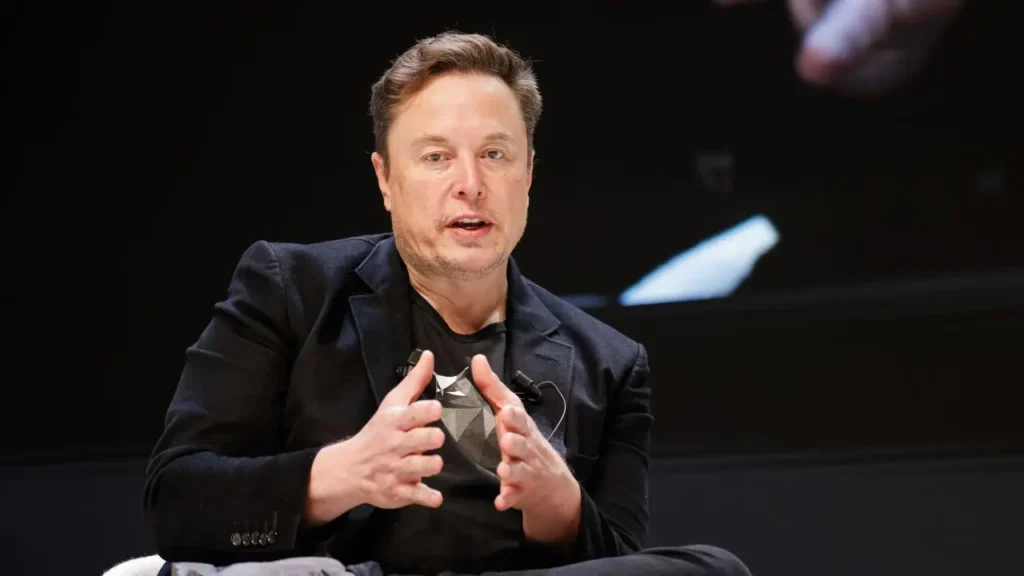
As Jeff Bezos, Mark Zuckerberg, and Tim Cook steer trillion-dollar corporations, the balance between innovation and oversight continues to erode. Musk’s trillion-dollar deal, critics say, is simply the most extreme example yet.
The Verdict: “A Banger” or a Boardroom Warning?
For now, Musk remains unfazed. “The shareholders voted. The people have spoken,” he declared with a grin, as applause filled the hall. Yet, beyond the cheers and flashing cameras, the unease lingers.
Is Elon Musk a genius pushing humanity forward — or a corporate emperor rewriting the rules of accountability?
Only time, and Tesla’s next earnings report, will tell.
For more Update http://www.dailyglobaldiary.com

“He-Man Wears a Suit…”: Why Nicholas Galitzine’s Masters of the Universe Trailer Has Fans Talking

Camilla Läckberg Isn’t Done Yet… The Queen of Swedish Noir Eyes Film, TV and a Bold Plan to ‘Conquer America’

“Screaming, Crying, Almost Throwing Up”… Sundance Insiders Reveal the Untold Chaos Behind America’s Most Influential Film Festival
From Swedish Noir to Hollywood Dreams Camilla Läckberg Has a Bigger Plan in Motion
When Sundance Nearly Fell Apart Insiders Recall the Chaos Behind the World’s Most Influential Film Festival

1-Iran Issues Dire Warning to Israel and Defies Trump on Nukes: “We’re Ready to Strike Deep Inside”

Donald Trump’s net worth reveals the fortune behind the former US President and business mogul

Caitlin Clark Sidelined with Quad Strain, Set to Miss Two Weeks of WNBA Action

Elon Musk Breaks Ranks with Trump Over ‘Big, Beautiful’ Tax Bill

“Tomás Rodríguez Net Worth 2025: Panama’s Gold Cup Goal‑Machine’s Surprising Fortune Revealed”

Miss Jamaica Suffers Terrifying Fall Off Miss Universe Stage; Rushed to Hospital on Stretcher in Viral Video

Moana Live-Action Teaser Sparks Outrage as Fans Call Disney’s Move a ‘Clear Money Grab’ — What Went Wrong?

Ryan Gosling’s Project Hail Mary Trailer Stuns Fans with a Mysterious Alien Ally and a Mission That Could Save Earth

Apple delays Jessica Chastain thriller The Savant about domestic extremism after recent US violence

Avatar 3, Fire and Ash trailer reveals Jake Sully’s family facing terrifying new Na’vi enemies with deadly fire powers
-
 Entertainment1 week ago
He-Man Wears a Suit Now… Nicholas Galitzine’s ‘Masters of the Universe’ Trailer Drops a Shock Fans Didn’t See Coming
-
 Entertainment1 week ago
Brazil Eyes Oscar History Again… ‘The Secret Agent’ Scores Best Picture Nomination as Wagner Moura Stuns Hollywood
-

 Entertainment5 days ago
“Comedy Needs Courage Again…”: Judd Apatow Opens Up on Mel Brooks, Talking to Rob Reiner, and Why Studio Laughs Have Vanished
-

 Entertainment1 week ago
Oscars Go Global in a Big Way as This Year’s Nominations Signal a New Era: ‘The Academy Is Finally Looking Beyond Hollywood…’
-

 Entertainment1 week ago
“Dangerously Kinky… and Darkly Funny”: Olivia Wilde and Cooper Hoffman Push Boundaries in ‘I Want Your Sex’
-

 Sports1 week ago
A Strong Night for Caleb Williams Ends With Doubts About the Bears’ Late Decisions
-
 Crime5 days ago
Man Accused in Tupac Shakur Killing Asks Judge to Exclude Critical Evidence
-

 Politics1 week ago
Why Bari Weiss Says Pulling a ‘60 Minutes’ Story Was the Right Call — Even If It Looked Radical