
Politics
1-Trump’s Immigration Agenda Is Backfiring and Now Congress Is Quietly Pushing a Surprise Reform Bill
As mass deportations surge and detention centers face abuse allegations, a bipartisan group in Congress revives the Dignity Act—but is it too late?


Six months into Donald Trump’s second term, the pressure cooker that is U.S. immigration policy has begun to boil over. What was once his signature rallying cry—“deport them all”—is now showing signs of backlash even among his own voters. And as conditions inside detention centers worsen and immigration judges are dismissed en masse, some members of Congress are finally waking up to what many advocates have been saying for years: America’s immigration system is not just broken—it’s collapsing.
Trump’s latest term has doubled down on the hardline stance he began in 2017. But unlike his first tenure, the public this time isn’t buying it wholesale. Recent polling from Gallup shows 78% of Americans support a path to citizenship for undocumented immigrants. This shift in sentiment comes amid mounting chaos—both administratively and morally—within the system.
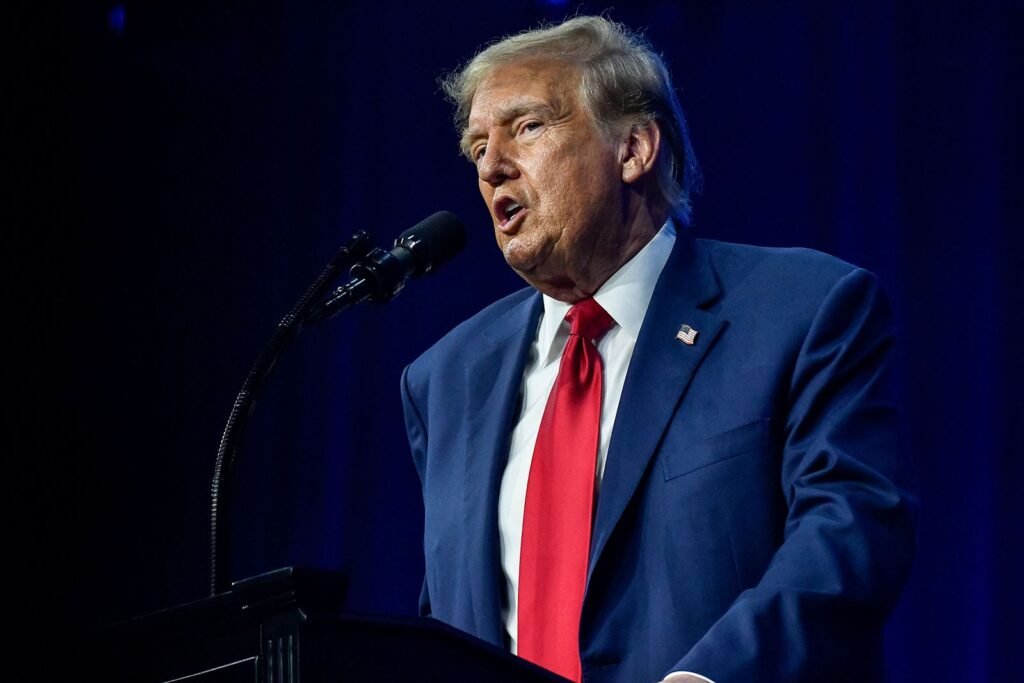
The Dignity Act Returns—With New Teeth
In an unexpected move, a bipartisan coalition of 20 lawmakers has reintroduced the Dignity Act of 2025, an immigration reform bill first proposed in 2023. Spearheaded by Rep. María Elvira Salazar, a Republican from Florida, the bill aims to simultaneously secure the border, reduce illegal immigration, and offer temporary legal status to immigrants who’ve been living in the U.S. since before 2021.
“No amnesty. No handouts. No citizenship. Just accountability,” Salazar declared.
Under the Dignity Program, qualifying immigrants would be granted “Dignity Status” for seven years after paying a $1,000 application fee and passing a criminal background check. The status offers protection from deportation and legal work permits—but no access to federal benefits, and no path to citizenship. To maintain this status, participants must pay an additional $1,000 annually. After seven years, they can reapply—but still won’t qualify for green cards or family sponsorships.
Critics say the program’s steep costs create a class-based barrier, pushing it out of reach for many low-income immigrants. But defenders like Jorge Loweree of the American Immigration Council argue that the high bar is intentional: “It’s not amnesty. It’s sacrifice.”
The bill also opens a citizenship pathway for Dreamers—undocumented youth brought to the U.S. as children under DACA—and calls for the construction of “humanitarian campuses” at the border, equipped with case workers and legal aid to process asylum seekers.
Table of Contents
Behind Closed Doors: Fired Judges, Silenced Courts
As reform brews in the legislature, the judiciary is facing an unprecedented shakeup. Since Trump took office again, at least 50 immigration judges have been fired, including Assistant Chief Immigration Judge Jennifer Peyton.
One judge, Carla Espinoza, was removed mid-hearing. Another, Homero López—appointed as an appellate judge under the Biden administration—was let go while still under probation.
López warned, “The administration is setting up a court system that will rubber-stamp deportations. This isn’t justice—it’s policy enforcement in disguise.”
Immigration judges fall under the executive branch, meaning they’re federal employees and not part of an independent judiciary. Although removals are legal, such mass terminations are unprecedented and have left courtrooms across the country scrambling as 3.5 million immigration cases remain pending.
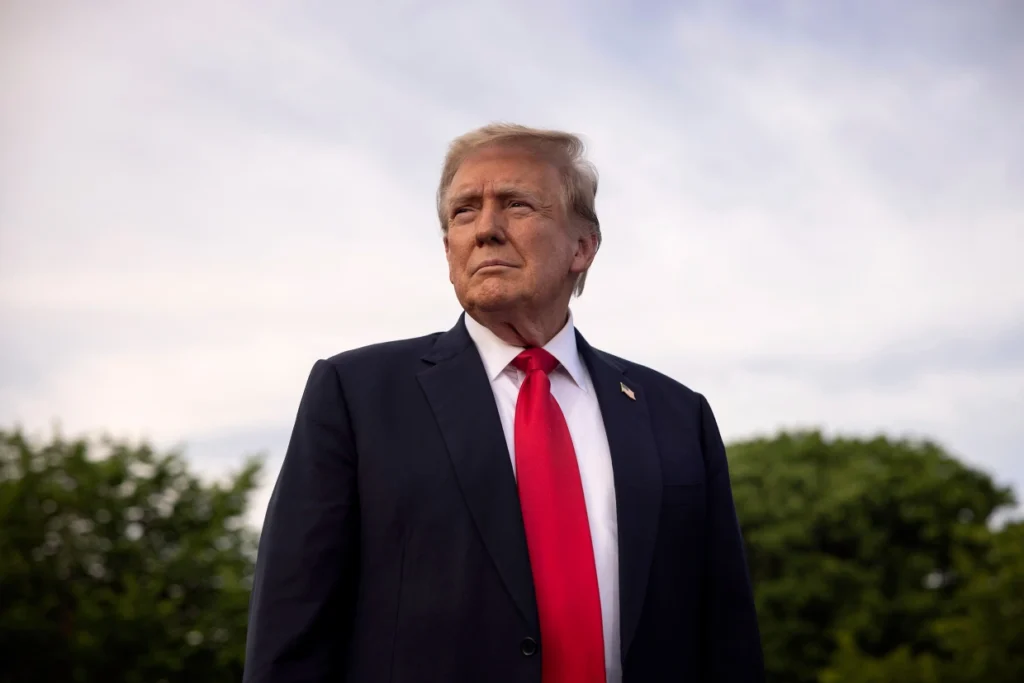
Detention Crisis in Florida Sparks Outrage
Trump’s push for mass deportations has also flooded detention facilities, particularly in Florida, where detainees have grown by 46% this year alone. A new report by Human Rights Watch, Sanctuary of the South, and Americans for Immigrant Justice has exposed abuse, medical neglect, and overcrowding at facilities like Krome North, Broward Transitional Center, and the Federal Detention Center (FDC).
One British detainee, Harpinder Chauhan, said he was denied insulin despite his diabetes and heart disease. He eventually collapsed and was taken to the hospital only after his condition worsened. A Haitian woman at BTC died due to delayed emergency care. A Ukrainian man died at Krome after being denied treatment for high blood pressure.
Belkis Wille, director at Human Rights Watch, said bluntly: “People in immigration detention are being treated as less than human.”
Shockingly, Florida has also opened a new state-run facility dubbed by Trump as “Alligator Alcatraz”, already under fire for cage-like cells, mosquito infestations, and lack of food and medical aid.
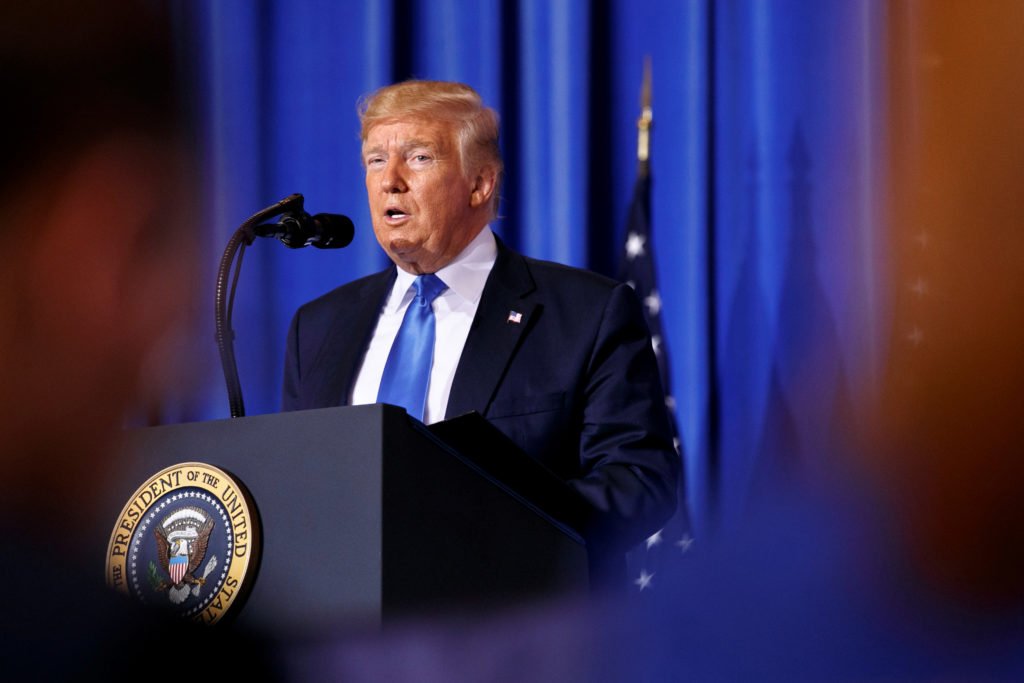
U.S. President Donald Trump speaks during a news conference in Osaka, Japan, June 29, 2019. Jacquelyn Martin/Pool via REUTERS
Congress at a Crossroads
While Trump’s White House insists voters back the deportation blitz, Republican splits are emerging. Rep. Jim Jordan is eyeing a return of his anti-immigration bill, while Rep. Chip Roy has introduced legislation that would end Temporary Protected Status and strip the executive branch of its authority to protect immigrants from deportation.
But with public opinion shifting and more lawmakers backing reform, some believe this may be the narrow opening needed to finally address a decades-old problem.
Loweree sums it up best: “The stars would have to align. But the direction is changing.”
For more Update http://www.dailyglobaldiary.com





Politics
Trump Announces Donald Trump Jr.’s Engagement at White House Holiday Party
President reveals his eldest son’s engagement to Palm Beach socialite Bettina Anderson during festive White House gathering

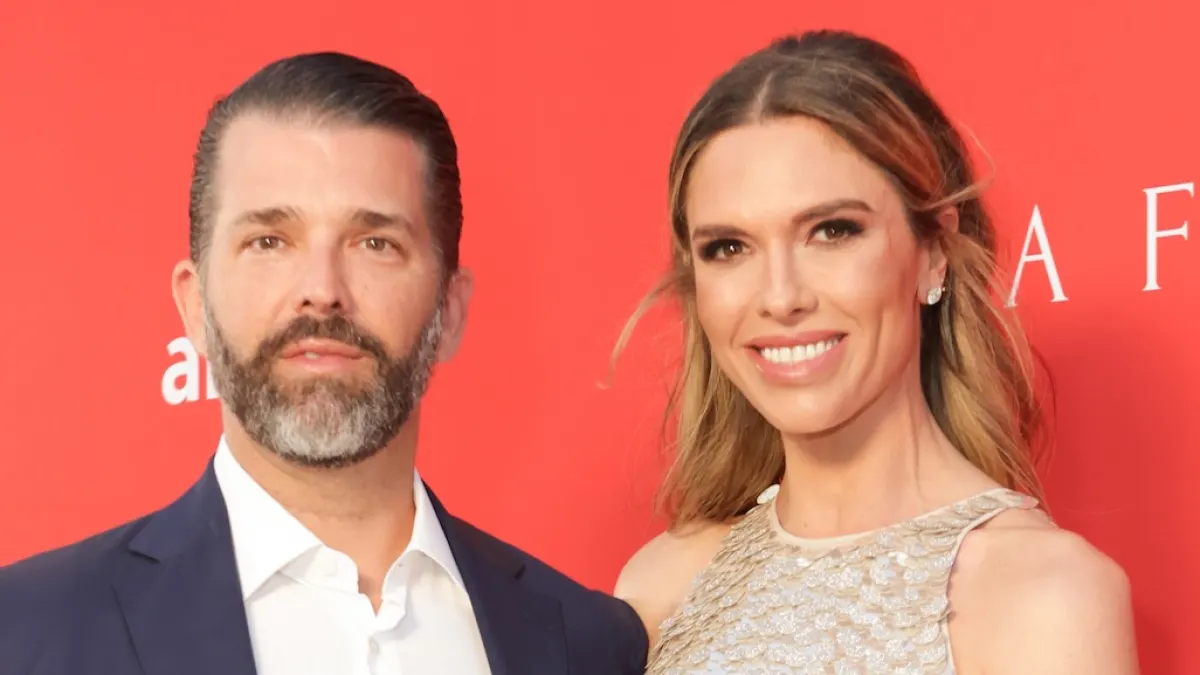
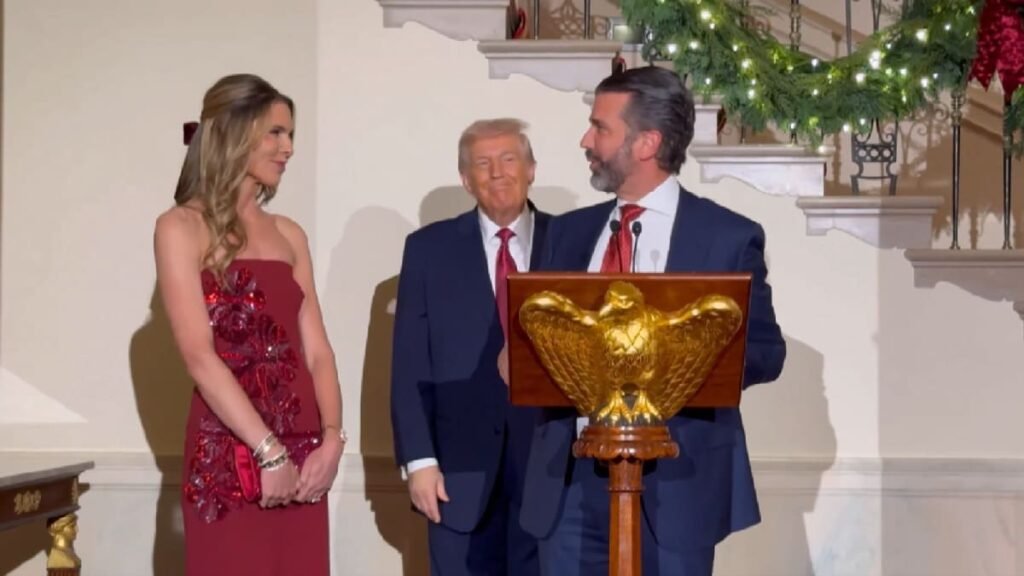
President Donald Trump announced on Monday night that his eldest son, Donald Trump Jr., is engaged, using a White House holiday party to share the family news. The engagement was later confirmed by a spokesperson for Trump Jr., who said the proposal took place over the weekend.
Trump Jr. is engaged to Bettina Anderson, a Palm Beach socialite who has drawn public attention over the past year as speculation about their relationship grew during the president’s election campaign.
The announcement, made in front of guests at the White House, immediately brought renewed focus to the couple, whose appearances together had previously fueled tabloid and political chatter.
Proposal confirmed, reaction shared online
A video of the moment, shared on social media by Trump ally Laura Loomer, captured Trump Jr. speaking shortly after the announcement.

“I’m not usually at a loss for words, because I’m usually doing the ranting and raving really well,” Trump Jr. said in the clip. “I want to thank Bettina for that one word: ‘Yes.’”
A spokesperson later confirmed that Trump Jr. proposed to Anderson over the weekend.
A relationship that gained public attention
Trump Jr. and Anderson were first seen together publicly earlier this year during a Trump family trip to Scotland, where they joined the president for a ribbon-cutting ceremony at a new golf course and attended an event announcing a trade deal.
Anderson, who maintains an active social media presence, has described herself with characteristic humor in her Instagram bio as:
“Just your typical stay at home mom … only I don’t do household chores … or have a husband … or have kids.”
Trump Jr.’s previous marriages and engagements
Donald Trump Jr. has been married before. He proposed to his first wife, Vanessa Trump, in 2004, and the couple were married at Mar-a-Lago in 2005. Vanessa Trump filed for divorce in 2018 after more than a decade of marriage.
He was also previously engaged to Kimberly Guilfoyle, a former Fox News personality who later served as finance chair of the Trump campaign during the 2020 presidential race.
Despite their breakup, Guilfoyle has remained close to the Trump family. During the period of speculation surrounding Trump Jr.’s relationship with Anderson, then president-elect Trump named Guilfoyle as his choice for US ambassador to Greece, a role she currently holds.
Family moment at the White House
The engagement announcement added a personal note to the White House holiday celebrations, blending family milestones with the traditional end-of-year festivities.
While no wedding details have been released, the public confirmation marks a new chapter for Trump Jr., whose personal life has often played out in the public eye alongside his prominent political role and frequent media appearances.
Politics
Donald Trump Jr. announces engagement at the White House… “I want to thank Bettina for one word: Yes”
From a quiet Palm Beach romance to a surprise White House moment, Donald Trump Jr. and Bettina Anderson make it official

In a moment that blended politics, family, and personal celebration, Donald Trump Jr. and Bettina Anderson have announced their engagement — and the setting made it even more symbolic.
The news was revealed on December 15 at the White House, with President Donald Trump himself sharing the announcement publicly. A short video of the moment, later circulated on X, captured Donald Trump Jr. struggling — unusually — to find the right words.
“I’m not usually at a loss for words, because I’m usually doing the ranting and raving really well,” Trump Jr. said with a smile. “I want to thank Bettina for that one word: ‘Yes.’”
(Donald Trump Jr.)
(Donald Trump)
Standing beside him, Anderson appeared visibly emotional as she shared her own reaction.
“This has been the most unforgettable weekend,” she said. “I get to marry the love of my life, and I feel like the luckiest girl in the world.”
From low-key beginnings to center stage
The couple’s relationship first came into public view in August 2024, when they were spotted together at a brunch in Palm Beach, Florida. At the time, the pairing raised eyebrows, as Trump Jr. was still publicly linked to Kimberly Guilfoyle.
By December 2024, sources confirmed that Trump Jr. and Guilfoyle had quietly parted ways, ending an engagement that began in 2020. Shortly afterward, Trump Jr. and Anderson’s relationship became more visible — and increasingly serious.
Anderson joined Trump Jr. for key family moments, including New Year’s Eve at Mar-a-Lago and President Trump’s inauguration in January 2025, signaling her growing role within the Trump family circle.

A new chapter after a long personal journey
Donald Trump Jr., 47, was previously married to Vanessa Trump, with whom he shares five children — Kai, Donald III, Tristan, Spencer, and Chloe. The couple divorced in 2018 after 12 years of marriage.
Sources close to the family have described Anderson as a stabilizing presence in Trump Jr.’s life, noting that the relationship developed gradually but with clear intention. One insider previously told PEOPLE that the two “could go the distance.”
Who is Bettina Anderson?
Bettina Anderson is no stranger to high-profile circles, but her public identity extends well beyond society events. She is the daughter of philanthropists Harry Loy Anderson Jr. and Inger Anderson, and is deeply involved in charitable and advocacy work.
(Bettina Anderson )
(Hope for Depression Research Foundation)
She is a prominent supporter of the Hope for Depression Research Foundation, founded by Audrey Gruss, and is actively involved in Project Paradise, a Florida-based conservation initiative. Anderson also volunteers weekly with the Literacy Coalition of Palm Beach County, reflecting a long-term commitment to education and community development.
What comes next
While no wedding date has been announced, the engagement marks a significant new chapter for both Trump Jr. and Anderson — one that has unfolded under intense public scrutiny but appears grounded in mutual admiration and shared values.
For now, the couple has asked for privacy as they celebrate the milestone. But with a White House announcement and a presidential seal hovering over their engagement story, one thing is certain: this will remain one of the most talked-about political-society unions of the year.
For more Update – DAILYGLOBALDIARY
Politics
“Egg on Their Face”: DOJ’s Failed Trump Revenge Prosecutions Trigger Legal Embarrassment
From dismissed indictments to grand jury rejections, the Justice Department’s attempts to prosecute Trump critics have unraveled in dramatic fashion
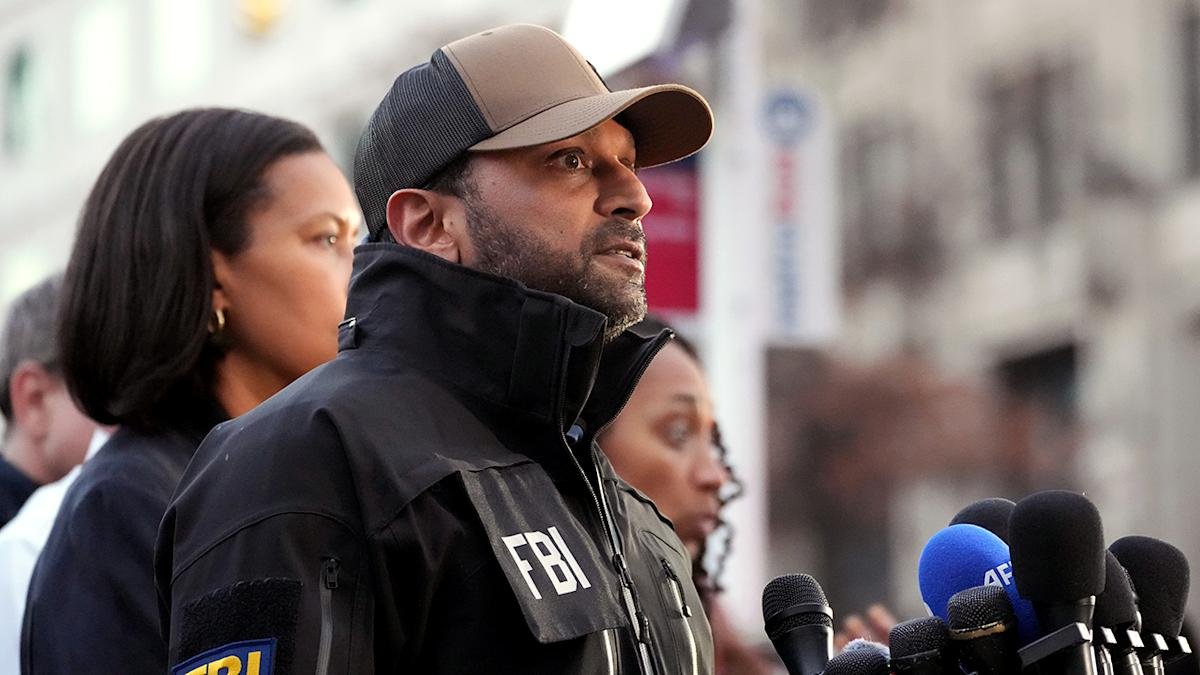
The U.S. Department of Justice (DOJ) is facing growing scrutiny and embarrassment after a string of high-profile failures tied to attempts to prosecute critics of President Donald Trump. What was meant to project strength and accountability has instead exposed deep cracks in federal prosecution strategy, according to legal experts and former prosecutors.
In a sequence of setbacks rarely seen in modern federal law enforcement, the DOJ has suffered dismissed indictments, blocked evidence, and, most strikingly, two federal grand juries refusing to indict one of its key targets — New York Attorney General Letitia James.
The most damaging blow came on December 11, when a second grand jury declined to issue charges against James, just days after another grand jury rejected the same effort. Her attorney, Abbe Lowell, called the outcome “unprecedented,” a sentiment echoed by multiple former federal prosecutors.
Earlier indictments against both James and former FBI Director James Comey were thrown out after a federal judge ruled that the special prosecutor who brought the cases, Lindsey Halligan, had been unlawfully appointed. Adding to the DOJ’s woes, a judge also blocked prosecutors from using key evidence against Comey, citing possible constitutional violations.
“This is an embarrassment,” said Neama Rahmani, a former federal prosecutor. “The last thing you want to be as a prosecutor is to be on the defensive — and that’s exactly what’s happening here.”
Trump’s Longstanding Vendettas
Trump’s hostility toward both Comey and James dates back years. He fired Comey in 2017 while the FBI was investigating potential links between Trump’s 2016 campaign and Russia. James later sued Trump in 2022 for civil fraud related to his real estate business, a case that deeply angered the former president.
In a September 20 social media post, Trump openly called for the prosecution of Comey, James, and Sen. Adam Schiff of California. While investigations were launched, results have been deeply underwhelming.
An NBC News report revealed that the DOJ’s investigation into Schiff has stalled entirely, with internal probes reportedly underway to examine how the case was mishandled. The DOJ has declined to comment on its performance in these matters.
Loyalty Over Experience
According to multiple reports, career prosecutors — including the interim U.S. attorney for the Eastern District of Virginia — had previously concluded the evidence against James and Comey was too weak to sustain charges. Trump publicly criticized and fired the U.S. attorney, later urging Attorney General Pam Bondi to appoint Lindsey Halligan, his former personal lawyer, despite her lack of prosecutorial experience.
Bondi acted swiftly, and Halligan secured indictments against both Comey and James. But the cases quickly collapsed.
In Comey’s case, Magistrate Judge William Fitzpatrick described a “disturbing pattern of profound investigative missteps,” including possible violations of the Fourth Amendment. Judge Cameron McGowan Currie, a Clinton appointee, ultimately dismissed all charges after ruling Halligan’s appointment unlawful.
“The prosecutions haven’t amounted to much in court,” said Carl Tobias, a law professor at the University of Richmond. “Except to harass them — which may have been the point.”
Grand Jury Rejections: A Rare Humiliation
Perhaps the most humiliating moment for the DOJ came when two separate grand juries rejected efforts to re-indict Letitia James. Legal experts stress how extraordinary this is.
Former federal prosecutor Mitchell Epner said he sought hundreds of indictments in his career and failed only once. “To go before two grand juries in a week and fail both times is humiliating and a repudiation of the prosecution,” he said.
Barbara McQuade, former U.S. attorney under President Barack Obama, was even more blunt:
“When prosecutors are selected based on loyalty rather than experience and integrity, this is the sort of garbage we can expect.”
Comey Case Still on Shaky Ground
The DOJ has suggested it may try to re-indict Comey, but significant hurdles remain. A federal judge has temporarily blocked prosecutors from using key evidence obtained during a separate 2017 investigation, ruling it may have been seized unconstitutionally.
Even if that hurdle is cleared, prosecutors face another problem: time. The original indictment was issued just days before the statute of limitations expired. Comey’s defense team argues that because the indictment was void, the government cannot rely on the usual six-month extension for refiling charges.
“The DOJ — and Halligan in particular — have egg on their face,” Rahmani said. “These are massive failures by the Justice Department.”
A Pattern of Collapse
What emerges from this saga is not just a legal defeat, but a broader institutional reckoning. From judicial rebukes to grand jury resistance, the DOJ’s efforts against Trump’s perceived enemies have collapsed under scrutiny.
Instead of delivering accountability, the prosecutions have raised uncomfortable questions about politicization, competence, and abuse of power — questions that now hang heavily over the Justice Department itself.

Cade Cunningham, Bench Unit Power Pistons to Statement Win Over Celtics

Trump Announces Donald Trump Jr.’s Engagement at White House Holiday Party

Teenager Cooper Flagg Makes NBA History Despite Mavericks’ Overtime Loss to Jazz

Nikola Jokic, Jamal Murray Go Nuclear on Jokmas as Nuggets Beat Rockets in OT Thriller

TikTok Influencer Tucker Genal Dies at 31, Brothers Say “We Love You and Will Miss You Eternally”

1-Iran Issues Dire Warning to Israel and Defies Trump on Nukes: “We’re Ready to Strike Deep Inside”

Donald Trump’s net worth reveals the fortune behind the former US President and business mogul

Caitlin Clark Sidelined with Quad Strain, Set to Miss Two Weeks of WNBA Action

Elon Musk Breaks Ranks with Trump Over ‘Big, Beautiful’ Tax Bill

Golden Glory: Team USA Wins First Standalone Ice Hockey World Championship in 91 Years

Miss Jamaica Suffers Terrifying Fall Off Miss Universe Stage; Rushed to Hospital on Stretcher in Viral Video

Moana Live-Action Teaser Sparks Outrage as Fans Call Disney’s Move a ‘Clear Money Grab’ — What Went Wrong?

Ryan Gosling’s Project Hail Mary Trailer Stuns Fans with a Mysterious Alien Ally and a Mission That Could Save Earth

Apple delays Jessica Chastain thriller The Savant about domestic extremism after recent US violence

Avatar 3, Fire and Ash trailer reveals Jake Sully’s family facing terrifying new Na’vi enemies with deadly fire powers
-

 US News1 week ago
“She Never Made It Out…” Albany House Fire Claims Woman’s Life as Family Pleads for Help to Bring Her Home
-

 Entertainment1 week ago
XG Star Cocona Shares a Brave Truth at 20 — “I Was Born Female, But That Label Never Represented Who I Truly Am…”
-
 Entertainment1 week ago
Samba Schutte Reveals the Surprise Cameo in Pluribus That “Nobody Saw Coming”… and Why John Cena Was Perfect for the Role
-

 Entertainment6 days ago
Saudi Arabia’s entertainment revolution… Red Sea Film Foundation CEO Faisal Baltyuor says he ‘wears many hats’ — but one mission drives them all
-

 Entertainment1 week ago
Mandy Moore Signs On for a Bold New Peacock Erotic Thriller — “A Twisted Game Where the Student Becomes the Teacher…”
-

 Entertainment6 days ago
“Nicholas Hoult breaks silence on childhood fears… ‘Everyone told me child actors disappear’ — what he revealed at Red Sea Festival
-
 Entertainment3 days ago
Amy Schumer and Chris Fischer Split After 7 Years of Marriage — Inside Their ‘Cohesive’ and Amicable Divorce
-

 Politics7 days ago
“If I Can’t Beat Jimmy Kimmel, I Shouldn’t Be President…” Trump Drops Bold Claim Ahead of Hosting Kennedy Center Honors