
Health
Trump Links Tylenol Use in Pregnancy to Autism Despite Decades of Evidence Supporting Safety
Controversy erupts as former President and anti-vaccine allies question acetaminophen’s safety


In a highly controversial announcement on Monday, former President Donald Trump claimed that the US Food and Drug Administration (FDA) will alert doctors that using Tylenol (acetaminophen) during pregnancy may be associated with a “very increased risk of autism,” despite decades of scientific evidence supporting its safety.
Speaking from the White House alongside US Health and Human Services Secretary Robert F. Kennedy Jr., FDA Commissioner Dr. Marty Makary, NIH Director Dr. Jay Bhattacharya, and Dr. Mehmet Oz, Trump urged caution for pregnant people, suggesting Tylenol should only be used when medically necessary.
“They are strongly recommending that women limit Tylenol use during pregnancy unless medically necessary, such as to treat fever, if you can’t tough it out,” Trump said.
Experts and researchers, however, have pointed out that autism is a multifactorial condition and no causal relationship has been established with acetaminophen. High fevers during pregnancy, left untreated, pose significant risks including miscarriage, birth defects, and high blood pressure.
Scientific Evidence Contradicts the Claims
Numerous studies affirm the safety of acetaminophen when used responsibly. A 2024 peer-reviewed Swedish study in JAMA involving over two million children found no association between prenatal acetaminophen exposure and autism or other neurodevelopmental disorders. Additionally, a BMC Environmental Health 2025 study concluded that while some associations exist, causality could not be established.
Medical professionals have strongly criticized the announcement. Dr. Steven J. Fleischman, president of the American College of Obstetricians and Gynecologists, called it “irresponsible,” stating:

“Today’s announcement dangerously simplifies the many complex causes of neurologic challenges in children and is not backed by the full body of scientific evidence.”
Similarly, Alison Singer, president of the Autism Science Foundation, labeled it “dangerous,” emphasizing that no new studies were presented and that the statements could unduly alarm parents and pregnant individuals.
Public Health Concerns
Trump and Kennedy also used the forum to comment on childhood vaccinations, including delaying the hepatitis B shot, a strategy that public health officials have long endorsed for newborn protection. Critics argue that the announcement undermines established guidance and may discourage safe use of over-the-counter medications during pregnancy.
The FDA clarified that while it is beginning the process to update acetaminophen labeling and notify physicians, parents still retain decision-making authority. Kenvue, the maker of Tylenol, reaffirmed the drug’s safety and stressed consulting healthcare providers before use.

“Acetaminophen is the safest pain reliever option for pregnant women… Without it, women face dangerous choices: suffer through fevers or use riskier alternatives,” the company said.
As the debate unfolds, medical experts urge pregnant individuals to continue evidence-based practices, emphasizing the lowest effective dose for the shortest duration under professional guidance.
For more Update http://www.dailyglobaldiary.com








Health
“FDA Issues Urgent Recall After Metal Found in Shredded Cheese Sold at Walmart, Target, ALDI… What Millions Need to Know Now”
Over 1.5 million bags pulled after dangerous metal fragments discovered in popular store-brand cheeses across 31 states

A nationwide safety alert has been triggered after the U.S. Food and Drug Administration (FDA) expanded a major recall involving shredded cheese sold at Walmart, Target, ALDI, and dozens of other major retailers. The voluntary recall affects more than 1.5 million bags of cheese produced by Great Lakes Cheese Co., one of the country’s largest suppliers of private-label dairy products.
The FDA upgraded the recall to a Class II hazard, warning that the cheese “may contain metal fragments” originating from supplier raw materials. According to the agency, consuming the affected products could lead to temporary or medically reversible health issues, including:
- Dental injuries
- Cuts inside the mouth or throat
- Intestinal lacerations or perforation
These findings were published in an FDA incident report addressing metal contamination events.
Where the recalled cheese was sold
The cheeses were sold under dozens of store brands at major U.S. retailers—many of which consumers may buy weekly without realizing they share the same manufacturer. Impacted retailers include:
- ALDI
- Target (Good & Gather brand)
- Walmart (Great Value brand)
- Publix
- Sprouts Farmers Market
- H-E-B
- Schnucks
- Brookshire’s
- Stater Bros.
Distribution spanned 31 states, including Texas, Florida, Tennessee, Georgia, Oklahoma, Alabama, and more.
What types of cheese are included?
The recall is massive, spanning a wide range of shredded cheese products such as:

Mozzarella- Mozzarella & Provolone blends
- Italian-style blends
- Pizza-style blends
- Parmesan-infused mixes
- Fine, classic, and thick-cut shredded varieties
Store brands such as Happy Farms (ALDI), Good & Gather (Target), Great Value (Walmart), Lucerne Dairy Farms, Food Lion, Cache Valley Creamery, Laura Lynn, and many others appear on the FDA list.
A complete SKU-level breakdown—with UPC codes, lot numbers, and sell-by dates—is available on the official FDA recall page.
How did metal contamination occur?
According to FDA documentation, the issue originated from raw materials supplied to Great Lakes Cheese, which were later incorporated into shredded cheese production. During routine testing, investigators detected metal fragments, initiating the first recall in October. The hazard level was increased on December 1, prompting nationwide warnings.
What consumers should do immediately
The FDA urges customers not to consume the recalled cheese. Instead:
Throw it away safely, or
Return it to the retailer for a full refund—no receipt necessary at most participating stores.
This recall is still ongoing, and more products could be added as the FDA continues reviewing supply chain data.
Why this recall matters
Shredded cheese is a household staple for millions of American families, used in everything from pizza and quesadillas to casseroles and pasta. With distribution across major retailers, this recall highlights recurring concerns about food safety, third-party suppliers, and the growing complexity of nationwide grocery chains.
Great Lakes Cheese—one of the country’s biggest dairy processors—is a major supplier for private labels, meaning consumers often have no idea the same manufacturer produces cheese for multiple competing grocery chains.
Food safety advocates say this recall serves as a reminder to stay alert to FDA announcements, especially when products are used in children’s lunches and everyday home cooking.
For more Update DAILY GLOBAL DIARY
Health
Manipal Urologist Explains What’s Normal and What’s Not in Urinary Problems for Men Over 50
Dr Ravi Shankar highlights key warning signs, risks of ignoring prostate enlargement, and a safer treatment option changing lives

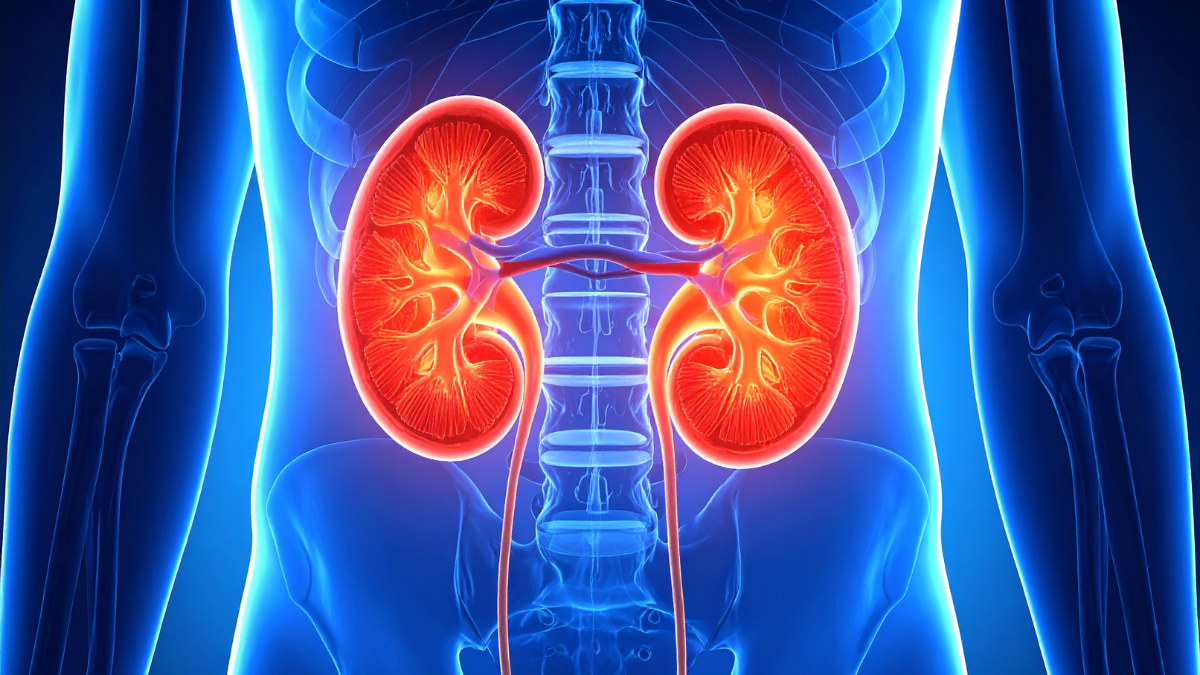
Urinary problems are often brushed aside as a routine part of ageing, but for many men above 50, they can become a major disruption to daily life. When frequent nighttime trips to the bathroom begin affecting sleep, work, and personal comfort, experts say it may signal a more serious issue that requires medical attention.
In a conversation with HT Lifestyle, Dr Ravi Shankar J C, consultant – urology at Manipal Hospital, Kanakapura Road, Bengaluru, explained that the most common cause behind these symptoms is benign prostatic hyperplasia (BPH), or enlargement of the prostate. While the condition is not cancerous, its impact on quality of life can be significant.

“As men grow older, the prostate naturally increases in size. For many, this growth becomes significant enough to block urine flow,” Dr Shankar said. “It squeezes the urinary passage, making it harder to start urination, empty the bladder fully, or maintain a steady flow. It’s common, but it can seriously affect daily life when the blockage becomes severe.”
Early signs men shouldn’t ignore
According to Dr Shankar, the first symptoms are subtle and often mistaken for ageing. Key indicators include:
• frequent urges to urinate, especially at night
• weak urine flow
• straining to pass urine
• a constant feeling that the bladder is not empty
“These early signs should not be ignored,” he stated. In more advanced cases, men may suddenly be unable to urinate at all, requiring urgent catheterisation.
Why surgery isn’t always an option
Traditional prostate procedures such as TURP or laser surgery are effective, but they require spinal or general anaesthesia. Many elderly patients are not ideal candidates.
“Patients with heart disease, those on blood thinners, or those who have undergone joint replacement or have neurological disorders may face major risks during surgery,” Dr Shankar explained. As a result, doctors increasingly look for less invasive solutions.
Rezum therapy: a simpler, safer alternative
One such option gaining attention is Rezum therapy, a minimally invasive procedure that uses controlled steam energy to shrink prostate tissue.
“Instead of cutting or removing tissue, short bursts of steam shrink the enlarged prostate from within,” Dr Shankar said. The procedure:
• takes around 10 minutes
• can be done under local anaesthesia or light sedation
• generally does not require stopping blood thinners
• allows patients to go home the same day
Another major advantage, he added, is that Rezum typically preserves sexual function, a concern for many men.

How effective is it?
Studies have shown that Rezum offers results comparable to traditional surgery, with fewer risks for suitable patients. It has become increasingly popular in Western countries and is now slowly gaining traction in India.
Dr Shankar shared a case that highlights its benefits: an elderly patient with Parkinson’s, recent hip surgery, and on blood thinners was unable to undergo conventional surgery. After months of urinary retention and failed attempts to urinate naturally, he received Rezum treatment.
“The intervention was quick, and once his catheter was removed, he was able to urinate on his own again,” Dr Shankar said. For such patients, the therapy offers independence without the strain of major surgery.
With rising awareness and improved access, Rezum therapy is emerging as a practical option for men who want relief from urinary symptoms without long recovery periods or surgical risks.
Health
Woman Born Without a Brain Defies Science Turns 20 in Miracle Story That Doctors Called Impossible
Against all medical odds, Nebraska’s Alex Simpson — born with almost no brain — celebrates her 20th birthday as her parents call her “a fighter fueled by love.”

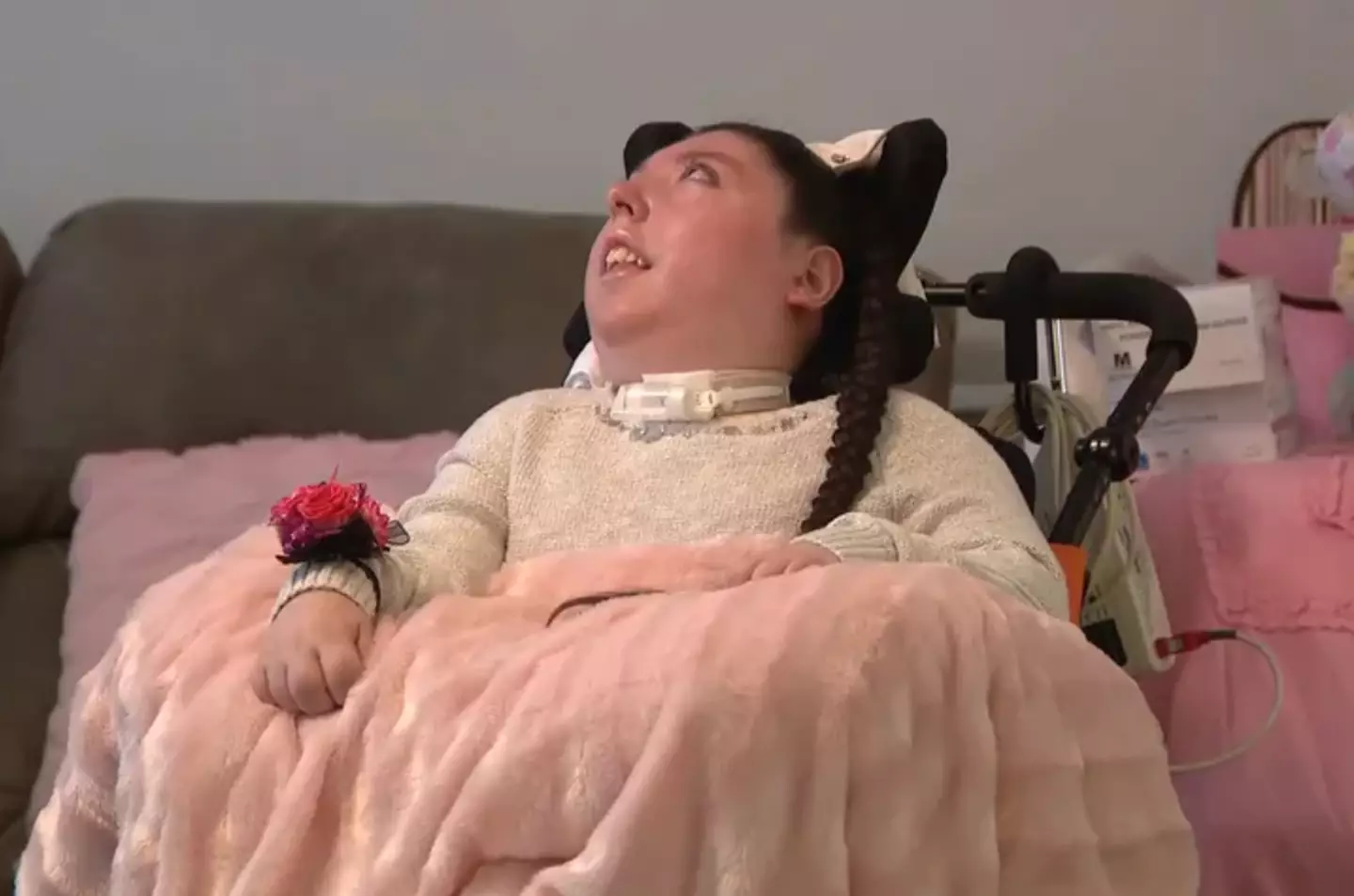
Woman Born Without a Brain Defies Science, Turns 20 in Miracle Story Doctors Never Expected
When Alex Simpson, a young woman from Omaha, Nebraska, was born, doctors told her parents she might not survive more than a few weeks — certainly not past age 4. Yet here she is, celebrating her 20th birthday, surrounded by family, love, and an unshakable spirit that continues to baffle medical science.
Born with an extremely rare neurological condition known as Hydranencephaly, Alex’s brain never fully developed. According to her father Shawn Simpson, she has only a tiny fragment of her cerebellum — “about half the size of my pinky finger.” The rest of her cranial cavity is filled with fluid.
“She has no brain, technically,” Shawn told KETV News in a heartfelt interview. “But she has something that science can’t measure — love, willpower, and faith.”
A Life Doctors Said Would Be Impossible
When Alex was born, doctors prepared her parents, Shawn and Lorena Simpson, for the worst. They said she might not make it through infancy, and certainly not beyond four years. But as her parents recall, “Alex has always been different.”

“Every year with her felt like a gift,” said Lorena. “We stopped counting how long she’d live — and started counting blessings instead.”
Her condition, Hydranencephaly, occurs in roughly one in 5,000 to 10,000 pregnancies. Most infants born with it do not survive the first year, according to the Cleveland Clinic. Yet Alex has reached two full decades — a medical miracle that even her doctors can’t fully explain.
Love, Faith, and Family: The Secret Behind the Miracle
When asked what has kept their daughter alive and thriving all these years, both Shawn and Lorena answered without hesitation — love.
“She may not see or hear us,” said Lorena softly, “but she knows we’re there. You can see it in her eyes, in the way she reacts when her father talks to her.”
Indeed, Shawn recalls a moment when he spoke to Alex, and she turned her gaze toward his voice — searching for him. “She was looking for me,” he said with a smile. “It’s something that science can’t explain.”
Faith also plays a crucial role in their journey. “Twenty years ago, we were scared,” Shawn recalled. “But faith is what kept us alive. Faith, love, and her fighting spirit.”
The Brother Who Calls Her His Hero
Alex’s younger brother, 14-year-old SJ, says he couldn’t imagine life without her. “When people ask about my family, the first thing I say is, ‘I have a disabled sister named Alex,’” he told the reporter.
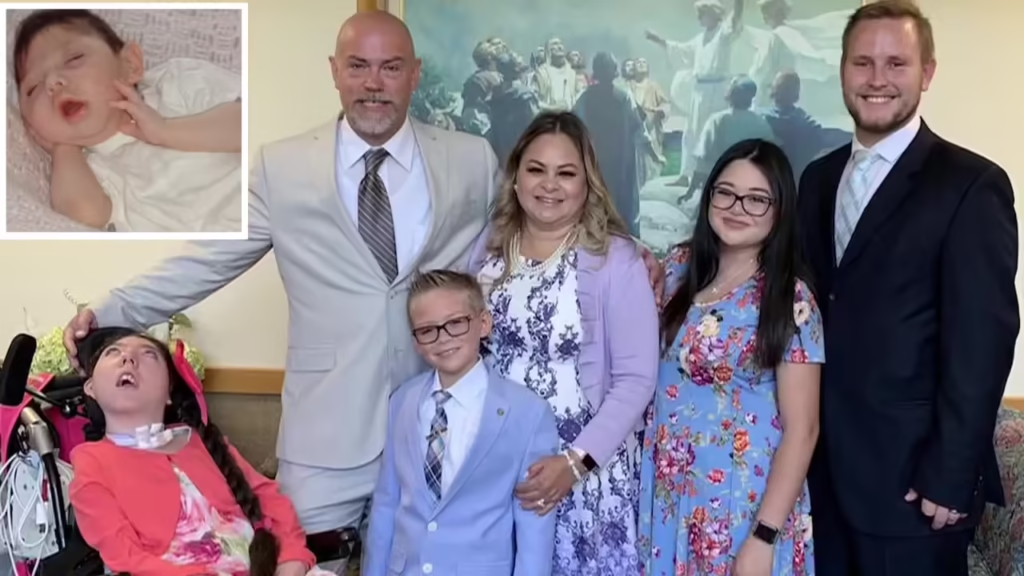
He believes Alex has a unique ability to “feel” emotions around her — even when no words are spoken. “Say somebody’s stressed near her,” SJ explained. “It could be totally silent, but Alex will sense it. She’ll just know.”
Their home in Omaha is filled with warmth, laughter, and resilience — a reflection of how Alex’s presence continues to shape everyone around her.
Defying the Odds: A Story Beyond Science
Medical experts agree that Alex’s case is virtually unprecedented. Hydranencephaly usually leads to death within months or years, as the absence of brain tissue makes basic functions like breathing, swallowing, and heartbeat regulation impossible without intervention.
Yet Alex has defied all of it — living, smiling, and existing far beyond what anyone predicted. Her parents call it “a divine exception.”
“She’s a fighter,” Lorena said proudly. “That’s what we’ve always told everyone. She fights every day.”
Their story has drawn attention from around the world — including doctors who once doubted her survival but now study her case for new insights into brain plasticity and resilience.
Faith Over Fear: A Message to the World
Shawn and Lorena say they hope Alex’s journey inspires others who are struggling — especially parents facing devastating diagnoses for their children.
“We were told every terrible thing you could imagine,” said Shawn. “But Alex taught us that the human spirit doesn’t have limits. Doctors said she wouldn’t make it. God said otherwise.”
Their advice to other families is simple yet profound: “Don’t lose hope. Love is medicine too.”
A Celebration of 20 Miraculous Years
On her birthday, friends and relatives gathered to celebrate Alex — balloons, cake, music, and laughter filling the room. Her parents say she may not understand birthdays, but she recognizes love.
“She feels it,” Lorena said. “Every hug, every song, every hand she holds.”
And as the world marvels at her survival, one truth stands tall: Alex Simpson is living proof that miracles still exist — and sometimes, love does what science cannot.
Visit our site for more heartwarming human stories and global news — www.DailyGlobalDiary.com

Liverpool vs Brighton, Chelsea vs Everton and More — Live Football Action as Premier League Drama Unfolds

Bryant Haines Set to Become One of College Football’s Highest-Paid Assistants After Indiana’s Dream Season

Sherrone Moore Fired and Arrested — Why Michigan Athletics Is Facing Its Biggest Culture Crisis Yet

League of Legends 2026 Swiftplay Gets a Massive Overhaul With Faster Games and Shocking Jungle Changes

Olivia Rodrigo Leaves Her Idol ‘Mind Blown’ With Stunning A Cappella Christmas Cover

1-Iran Issues Dire Warning to Israel and Defies Trump on Nukes: “We’re Ready to Strike Deep Inside”

Donald Trump’s net worth reveals the fortune behind the former US President and business mogul

Caitlin Clark Sidelined with Quad Strain, Set to Miss Two Weeks of WNBA Action

Elon Musk Breaks Ranks with Trump Over ‘Big, Beautiful’ Tax Bill

Golden Glory: Team USA Wins First Standalone Ice Hockey World Championship in 91 Years

Miss Jamaica Suffers Terrifying Fall Off Miss Universe Stage; Rushed to Hospital on Stretcher in Viral Video

Moana Live-Action Teaser Sparks Outrage as Fans Call Disney’s Move a ‘Clear Money Grab’ — What Went Wrong?

Ryan Gosling’s Project Hail Mary Trailer Stuns Fans with a Mysterious Alien Ally and a Mission That Could Save Earth

Apple delays Jessica Chastain thriller The Savant about domestic extremism after recent US violence

Avatar 3, Fire and Ash trailer reveals Jake Sully’s family facing terrifying new Na’vi enemies with deadly fire powers
-

 US News7 days ago
“She Never Made It Out…” Albany House Fire Claims Woman’s Life as Family Pleads for Help to Bring Her Home
-

 Entertainment1 week ago
“Detective, Psychologist, Anthropologist?” — Inside the Secret World of Casting Directors Behind ‘F1,’ ‘The Smashing Machine’ and ‘Marty Supreme’
-

 Entertainment6 days ago
XG Star Cocona Shares a Brave Truth at 20 — “I Was Born Female, But That Label Never Represented Who I Truly Am…”
-

 Entertainment6 days ago
Samba Schutte Reveals the Surprise Cameo in Pluribus That “Nobody Saw Coming”… and Why John Cena Was Perfect for the Role
-

 Entertainment1 week ago
Legendary Guitarist Steve Cropper Dies at 84… Tributes Pour In for the Soul Icon Behind ‘Green Onions’ and ‘Soul Man’
-

 Entertainment7 days ago
Nika & Madison stuns global audiences as director Eva Thomas reveals why “resilience, not fear, drives Indigenous women on the run”
-

 Politics5 days ago
“Billions and Billions Have Watched Them…” Trump Makes History Hosting Kennedy Center Honors and Praising Stallone, Kiss, and More
-

 Sports1 week ago
Cowboys refuse to fold after tough loss to Lions, say setback will fuel stronger playoff push