
Food & Dining
Rainbow Rolls Are Going Viral — But What’s Really Inside These Colorful Sushi Creations
A feast for your eyes and your taste buds, rainbow rolls are taking over menus and social media feeds — here’s why they’re more than just pretty sushi.


They’re bright, bold, and beautiful — and no, we’re not talking about cupcakes. We’re talking about Rainbow Rolls, the Instagram-famous sushi creation that’s as flavorful as it is photogenic.
More than just a colorful twist on traditional sushi, rainbow rolls are a celebration of contrast — texture, flavor, and color — all wrapped into one irresistible bite. And while they may look like edible art, these rolls pack serious substance beneath the surface.
So What Exactly Is a Rainbow Roll?
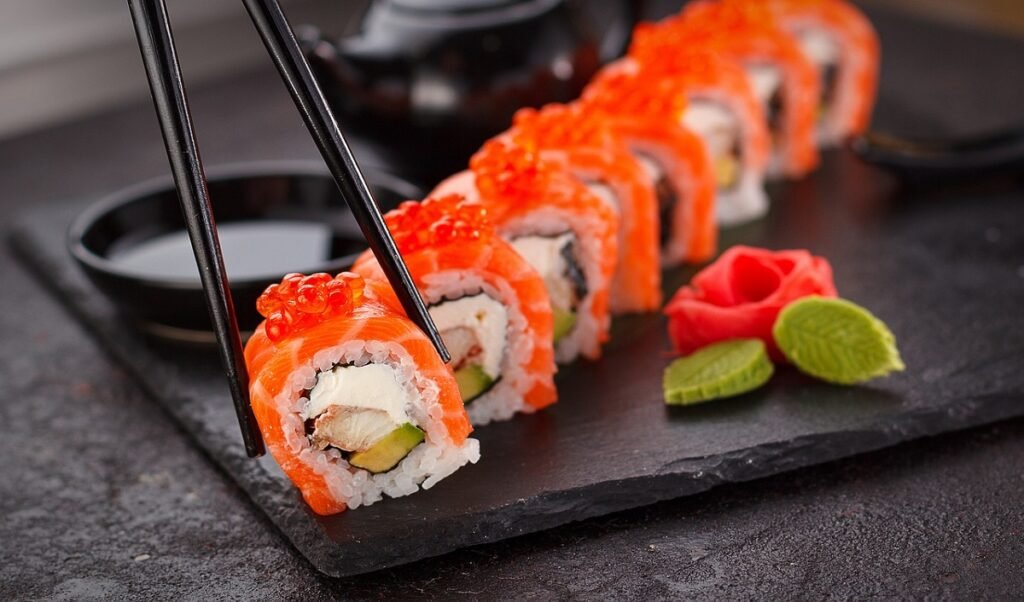
Despite the name, there’s no artificial dye or unicorn glitter involved here. The “rainbow” refers to the vibrant slices of sushi-grade fish — typically tuna, salmon, yellowtail, snapper, and even shrimp — carefully layered on top of a classic California roll.
Inside, you’ll usually find crab (or imitation crab), fresh cucumber, creamy avocado, and seasoned sushi rice, all wrapped in a sheet of nori (seaweed). Then comes the colorful topping — like a sashimi parade across your plate.
The result? A roll that’s both familiar and luxurious, combining the comfort of a California roll with the elegance of high-end nigiri.
Why Is Everyone Obsessed?
Let’s face it — food today has to do more than just taste good. It has to look good. And rainbow rolls? They deliver on both fronts.
- Visual Appeal: Each slice of fish brings its own hue to the table, creating a sushi roll that looks like a spectrum on your plate.
- Texture Play: The crunchy cucumber, creamy avocado, and silky fish provide the perfect mouthfeel.
- Flavor Fusion: From the briny crab to the buttery salmon, every bite offers a balanced contrast of sweet, salty, and umami.
And if you’re a sushi beginner? Rainbow rolls are the perfect gateway roll — not too raw, not too exotic, but still adventurous enough to impress your friends.
Where to Try One (or Make Your Own!)
Rainbow rolls are popping up on sushi menus nationwide — from trendy city restaurants to casual neighborhood spots. But if you’re feeling bold in the kitchen, you can even make them at home:
- Start with a standard California roll base: crab, cucumber, avocado, and sushi rice wrapped in nori.
- Top with thin slices of assorted sashimi — tuna, salmon, yellowtail, etc.
- Slice carefully and serve with wasabi, pickled ginger, and soy sauce.
Bonus points for drizzling it with spicy mayo or eel sauce for that chef’s kiss of flavor.
Beyond the Roll: A Symbol of Modern Sushi Culture
Rainbow rolls are more than just a pretty dish. They represent how sushi has evolved in the West — combining tradition with innovation, simplicity with flair. They’re fun, flavorful, and a little rebellious — just like the new generation of diners who are redefining what sushi can be.
So next time you see one on the menu, don’t hesitate. Order it, snap a pic, and then do what matters most: devour it.






Food & Dining
She Swapped Puff Pastry for White Bread—This One-Skillet Chicken Potpie Recipe is Breaking the Internet
Rotisserie chicken, mushrooms, and a genius shortcut make this weeknight potpie a soul-soothing masterpiece you’ll want to make again and again.

When it comes to comfort food, potpie is king. But let’s be honest — between prepping pastry dough and simmering filling from scratch, it’s often reserved for a Sunday afternoon affair. But what if we told you that a creamy, bubbling chicken-and-mushroom potpie could be on your table in under 30 minutes — and all you need is one skillet?
That’s exactly what food innovator Grace Parisi has achieved — and the culinary world is eating it up.
“No Pastry, No Problem”: The Brilliant Swap That Changed Everything
Parisi’s secret weapon? Buttered white bread.
Instead of the usual puff pastry or biscuit topping, she reaches for soft, white sandwich bread, butters it generously, and crisps it right in the oven on top of the creamy filling. The result? A crunchy, golden crown of toast that gives you all the flaky satisfaction of a traditional crust — with none of the work.

And don’t worry, purists — the flavor doesn’t suffer one bit. If anything, the bread absorbs just enough of the creamy sauce to create a flavor bomb in every bite.
The Magic Starts with Store-Bought Rotisserie Chicken
Let’s talk convenience. No one wants to poach and shred chicken on a weeknight. That’s why this recipe calls for store-bought rotisserie chicken, which is not only packed with flavor but also incredibly time-saving. Just tear it into bite-sized pieces and you’re ready to roll.
Add in sautéed mushrooms, onions, and a splash of cream, and you’ve got a filling so rich and velvety, it could make grandma weep.
Why It Works
- One-skillet method = minimal dishes
- No pastry dough = saves at least 45 minutes
- Uses fridge and pantry staples = super budget-friendly
- Feeds a crowd = perfect for family dinner or guests
This recipe is part of a growing trend among busy home cooks looking for restaurant-level comfort food with grocery store shortcuts. And frankly, it’s a delicious rebellion.
“She Swapped Puff Pastry for White Bread”—This One-Skillet Chicken Potpie Recipe is Breaking the Internet
- Sauté onion and mushrooms in butter until golden.
- Stir in flour, then slowly add broth and cream to create a thick sauce.
- Fold in shredded chicken and seasonings.
- Top with buttered bread (butter side up).
- Bake at 400°F for 12–15 minutes, until the bread is crisp and golden.
Serve it hot, straight from the skillet, with a crisp green salad or roasted veggies.
Food & Dining
The Secret Behind the Butteriest Bread You’ll Ever Taste — Chef Iliana Regan’s Brioche Will Change Your Kitchen Forever

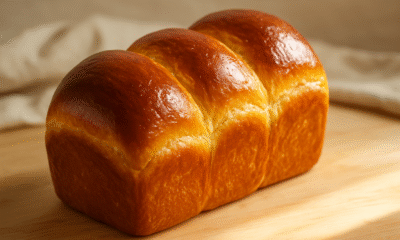
If clouds could be baked, they’d taste like brioche. But not just any brioche—Chef Iliana Regan’s extra-rich version has been hailed as one of the most luxurious loaves to come out of an American kitchen. Soft, deeply golden, and impossibly buttery, this French classic gets a gourmet revival in Regan’s hands at her acclaimed Chicago restaurant, Elizabeth.
Brioche is not your average weeknight bread. It’s an investment of time, technique, and patience—but the reward? A crust so delicate it shatters, and an interior so tender it’s practically custard. “You can’t rush flavor,” Regan says, and her version proves that some things are absolutely worth waiting for.
It’s not just bread,” she explains. “It’s breakfast, it’s dessert, it’s a memory of Paris—folded in butter.
Why Brioche Is a Baker’s Everest

With a dough enriched by eggs, milk, and a shocking amount of butter, brioche walks the line between pastry and bread. It takes careful mixing to build structure, long proofing to develop flavor, and a gentle hand to shape.
Most home bakers shy away from it. But Regan leans in. Her technique, perfected over years of trials in the kitchen, turns an intimidating recipe into a triumph of texture. The dough rests overnight, allowing fermentation to deepen the flavor, and is then gently rolled and braided before its final rise.
What emerges from the oven is a showstopper: burnished crust, tender layers, and a rich, buttery fragrance that fills the kitchen like a Parisian boulangerie.
How to Use It (Beyond Just Staring at It)
Fresh brioche needs little embellishment. Slice it warm and smear with jam. Toast it and top with poached eggs. Or, go all in: make French toast, bread pudding, or even an upscale burger bun.
Regan has even been known to caramelize brioche cubes and toss them into savory salads—proving once again there are no rules when you’re working with the best.
A Taste of Paris, Baked in Chicago
At Elizabeth, where hyper-local ingredients meet storytelling menus, Regan’s brioche is more than just food. It’s a symbol of slow craft in a fast world. “There’s something sacred about working with your hands,” she says, “and watching dough become something alive.”
And if you’ve never made bread before? Let this be your first. But be warned—after a bite of this cloudlike loaf, ordinary toast may never satisfy again.
Food & Dining
You’ve Never Tasted Bread Like This The Ancient Persian Secret Behind Nan-e Barbari’s Golden Crust
Persian flatbread Nan-e Barbari is making a global comeback—thanks to a floury trick and a chewy bite that’s impossible to forget.

If you’ve only known pita or naan, get ready to meet their bold, crusty Persian cousin: Nan-e Barbari. It’s thick, chewy, golden-crusted, and steeped in centuries of Iranian culinary tradition. But what makes this bread truly unforgettable? The secret lies in a simple, centuries-old glaze called roomal—a flour paste that creates its signature burnished crust.
Originally baked by the Barbari people of northeastern Iran, Nan-e Barbari is one of the oldest styles of Persian bread. It’s now winning hearts across home kitchens and bakeries from New York to Sydney, celebrated for its rustic charm and addictive texture. Served with salty feta, plump olives, or a smear of labneh, it turns a simple snack into a cultural experience.
The Magic Is in the Method
Bread may be the simplest of foods, but Persian bakers take it seriously. Jessamyn Rodriguez, founder of Hot Bread Kitchen, shares a technique that combines ancient tradition with modern ease.
It’s the roomal that transforms this bread from good to unforgettable,” Rodriguez explains. “It crisps the surface just enough to contrast with the tender, pillowy inside.

To try it at home, start by combining 2 cups of lukewarm water and 1 tablespoon of yeast in a stand mixer. Let it sit for five minutes until frothy. Then, add 4 cups of bread flour and 2 teaspoons of salt. Mix on medium speed until it forms a shaggy dough, then increase to medium-high and knead until smooth and supple—about six minutes.
Once you’ve kneaded the dough briefly by hand and transferred it to a lightly oiled bowl, cover it with plastic wrap and let it rise in a draft-free area until it doubles in size—typically one hour.
While it rests, prepare the roomal: a simple mix of flour and water boiled into a paste. This is brushed over the dough right before baking and is the key to that deep golden finish.
A Cultural Staple, Reimagined
Traditionally served with Persian stews and cheeses, Nan-e Barbari has become a canvas for both sweet and savory spreads. “Think avocado toast, but better,” laughs one Tehran-born home cook now living in California. “My grandma used to make it with sour cream and cucumbers. Now I serve it with hummus and poached eggs.”
As global cuisines continue to blend, ancient breads like Nan-e Barbari are finding new life in modern kitchens. And once you’ve made it—or tasted it—you may never look at supermarket bread the same way again.

Cade Cunningham, Bench Unit Power Pistons to Statement Win Over Celtics

Trump Announces Donald Trump Jr.’s Engagement at White House Holiday Party

Teenager Cooper Flagg Makes NBA History Despite Mavericks’ Overtime Loss to Jazz

Nikola Jokic, Jamal Murray Go Nuclear on Jokmas as Nuggets Beat Rockets in OT Thriller

TikTok Influencer Tucker Genal Dies at 31, Brothers Say “We Love You and Will Miss You Eternally”

1-Iran Issues Dire Warning to Israel and Defies Trump on Nukes: “We’re Ready to Strike Deep Inside”

Donald Trump’s net worth reveals the fortune behind the former US President and business mogul

Caitlin Clark Sidelined with Quad Strain, Set to Miss Two Weeks of WNBA Action

Elon Musk Breaks Ranks with Trump Over ‘Big, Beautiful’ Tax Bill

Golden Glory: Team USA Wins First Standalone Ice Hockey World Championship in 91 Years

Miss Jamaica Suffers Terrifying Fall Off Miss Universe Stage; Rushed to Hospital on Stretcher in Viral Video

Moana Live-Action Teaser Sparks Outrage as Fans Call Disney’s Move a ‘Clear Money Grab’ — What Went Wrong?

Ryan Gosling’s Project Hail Mary Trailer Stuns Fans with a Mysterious Alien Ally and a Mission That Could Save Earth

Apple delays Jessica Chastain thriller The Savant about domestic extremism after recent US violence

Avatar 3, Fire and Ash trailer reveals Jake Sully’s family facing terrifying new Na’vi enemies with deadly fire powers
-

 US News1 week ago
“She Never Made It Out…” Albany House Fire Claims Woman’s Life as Family Pleads for Help to Bring Her Home
-

 Entertainment1 week ago
XG Star Cocona Shares a Brave Truth at 20 — “I Was Born Female, But That Label Never Represented Who I Truly Am…”
-

 Entertainment1 week ago
Samba Schutte Reveals the Surprise Cameo in Pluribus That “Nobody Saw Coming”… and Why John Cena Was Perfect for the Role
-

 Entertainment6 days ago
Saudi Arabia’s entertainment revolution… Red Sea Film Foundation CEO Faisal Baltyuor says he ‘wears many hats’ — but one mission drives them all
-

 Entertainment6 days ago
“Nicholas Hoult breaks silence on childhood fears… ‘Everyone told me child actors disappear’ — what he revealed at Red Sea Festival
-

 Entertainment1 week ago
Mandy Moore Signs On for a Bold New Peacock Erotic Thriller — “A Twisted Game Where the Student Becomes the Teacher…”
-

 Entertainment3 days ago
Amy Schumer and Chris Fischer Split After 7 Years of Marriage — Inside Their ‘Cohesive’ and Amicable Divorce
-

 Politics7 days ago
“If I Can’t Beat Jimmy Kimmel, I Shouldn’t Be President…” Trump Drops Bold Claim Ahead of Hosting Kennedy Center Honors