
Entertainment
Ozzy Osbourne dies at 76 after final concert with Black Sabbath fans say It finally caught up with him…
Music world mourns the loss of the ‘Prince of Darkness’ as tributes pour in for Ozzy Osbourne, the man who turned pain into power and heavy metal into legend.

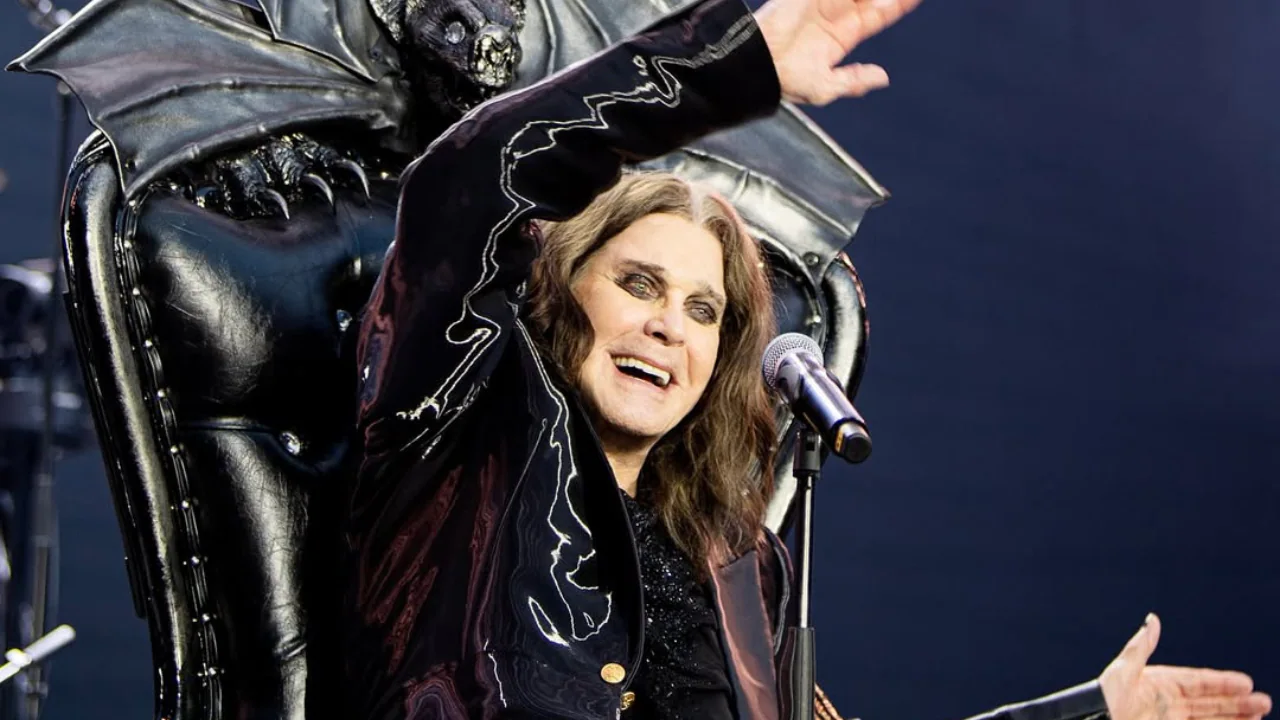
Ozzy Osbourne, whose iconic voice helped define heavy metal and whose chaotic charisma shaped reality TV, has died at the age of 76, weeks after his emotional final concert at Villa Park, U.K.
The announcement came early this morning from his family — wife Sharon Osbourne and children Kelly, Jack, and Aimee — in a joint statement that read:
READ ALSO : 5 Shocking Facts Behind Why Student Loan Forgiveness Was Suddenly Paused Under IBR and What It Means for You
It is with more sadness than mere words can convey that we have to report that our beloved Ozzy Osbourne has passed away this morning. He was with his family and surrounded by love.
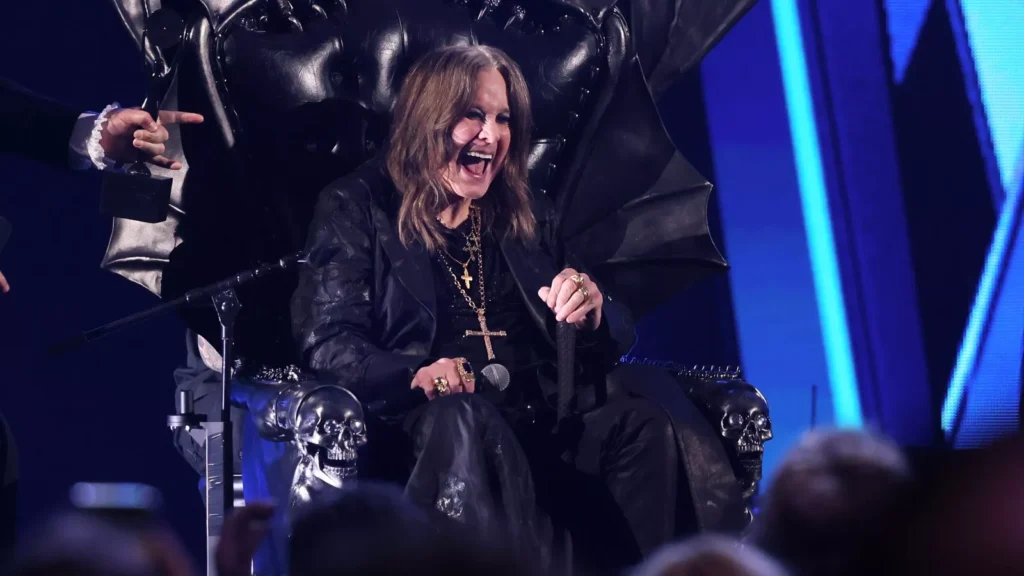
Known as the “Prince of Darkness”, Osbourne had been battling Parkinson’s disease, which he publicly acknowledged in 2020, though he later revealed he had been diagnosed as early as 2003. Despite numerous health complications over the past decade — including a near-fatal staph infection and multiple spinal surgeries — Osbourne continued to perform, even giving fans a powerful farewell performance from a throne, weeks before his passing.
Born John Michael Osbourne in Birmingham, England, in 1948, he rose to global stardom in the late 1960s as the frontman of the pioneering heavy metal band Black Sabbath. Their genre-defining hits like “Iron Man,” “Paranoid,” and “War Pigs” became the anthems of a rebellious generation.
After being fired from the band in 1979 due to substance abuse issues, Ozzy launched an even more successful solo career, starting with 1980’s Blizzard of Ozz which featured his legendary track Crazy Train — a song that remains an anthem of defiance.
Fans also remember the infamous 1982 moment when he bit the head off a bat on stage — a story that became both myth and meme — followed by a real-life rabies shot.
Over the course of his musical journey, Ozzy released 13 solo albums, won Grammy Awards, and was inducted twice into the Rock and Roll Hall of Fame — once with Black Sabbath in 2006 and again as a solo artist in 2024.
But Ozzy’s influence went far beyond music. In 2002, he became a household name all over again with the launch of The Osbournes — the groundbreaking MTV reality series that gave the world an unfiltered look at life inside the wild, dysfunctional, yet oddly loving Osbourne household. With Sharon’s sharp wit, Kelly’s teenage rebellion, and Jack’s dry humor, the show paved the way for an entirely new era of celebrity TV.
Despite its humor, the show didn’t shy away from Ozzy’s personal struggles — including his long-standing battle with addiction and declining health — making him a rare kind of star: vulnerable, chaotic, and real.
In recent interviews, Ozzy spoke candidly about his health and mortality. In a 2020 conversation with the Los Angeles Times, he admitted:
I’m not dying from Parkinson’s. I’ve been working with it most of my life… If tomorrow you read ‘Ozzy Osbourne never woke up this morning,’ you wouldn’t go, ‘Oh, my God!’ You’d go, ‘Well, it finally caught up with him.
Those words now echo in the hearts of millions as fans and fellow musicians flood social media with grief and gratitude.
Cyndi Lauper, while performing in Raleigh, North Carolina, played Crazy Train on her phone for the audience. “For Ozzy,” she said, before launching into her own ballad Time After Time.
From Gene Simmons to Slash, tributes have rolled in. Simmons tweeted, “There will never be another like him. Ozzy gave us all permission to be weird, wild, and unapologetically loud.”
Lars Ulrich of Metallica wrote, “Ozzy was the beating heart of heavy metal. Without him, there is no us.”
Meanwhile, fans across generations light virtual candles and share clips of his best live performances — from roaring through Bark at the Moon to stumbling through reality TV scenes that made us laugh and cry.
Even in death, Ozzy remains larger than life. His music, madness, and legacy will live on through the riffs, the howls, and the hearts of fans who understood that behind the wildness was a man who simply loved rock and his family.
Final Bow
His last performance — seated on a throne, but with voice roaring across the stadium — now feels like a goodbye in disguise. A final gift from a man who truly gave everything to music.
He wasn’t just a rockstar. He was a force.
Rest in peace, Ozzy Osbourne — the bat-biting, rule-breaking, soul-shaking legend who rode the Crazy Train one last time.





Entertainment
Summer House Cast Celebrates First Emmy Nomination, Calls It Surreal
After nearly a decade on reality television, the Summer House cast is celebrating a milestone Emmy nomination, describing the recognition as a surreal and emotional achievement.

After spending nearly a decade opening their lives to television audiences, the stars of Summer House are finally celebrating one of the biggest achievements of their careers.
Original cast members Lindsay Hubbard, Kyle Cooke, and Carl Radke have reacted with excitement after the popular reality series earned an Emmy Award nomination, describing the moment as both emotional and surreal.
For a cast that has spent years sharing friendships, relationships, personal struggles, and major life milestones on camera, the recognition represents much more than another industry honor.
“It’s been 10 years of most of us just sharing our blood, sweat and tears and journeys with the world,” the cast reflected while celebrating the milestone.
A Decade of Reality Television Pays Off
Since its debut, Summer House has become one of reality television’s most recognizable franchises, offering viewers an unscripted look into the personal and professional lives of its cast.
ALSO READ : Sen. Elizabeth Warren Calls It a ‘Cesspool of Corruption’ — Here’s Why Senators Are Now Fighting Back Against the DOJ’s Live Nation Deal That Left Every Fan Betrayed…
Over the years, audiences have witnessed evolving friendships, romances, career changes, heartbreaks, and celebrations—moments that helped build a loyal fan following across multiple seasons.
The Emmy nomination now serves as recognition for the show’s longevity and its ability to remain culturally relevant in an increasingly competitive reality television landscape.
An Emotional Moment for the Original Cast
For Hubbard, Cooke, and Radke, the nomination carries added significance because they have been part of the series since its earliest seasons.
Having invested years into documenting their real-life experiences, the trio said the acknowledgment feels like validation for both the cast and the production team behind the show.
Their reactions reflected genuine appreciation for viewers who have supported Summer House throughout its journey.
Reality Television Continues to Evolve
The recognition also highlights the growing respect reality programming continues to receive within the television industry.

Shows once viewed primarily as entertainment are increasingly being recognized for their storytelling, production quality, editing, and emotional authenticity.
As audiences continue embracing unscripted programming, Emmy voters have expanded recognition for series that successfully connect with viewers through genuine human experiences.
Looking Ahead
Whether Summer House ultimately takes home an Emmy or not, the nomination itself marks a defining chapter in the series’ history.
For its original cast members, the moment symbolizes years of dedication, vulnerability, and commitment to sharing their lives with millions of viewers.
As awards season continues, Summer House now finds itself among television’s celebrated productions—an achievement that once seemed distant but has finally become reality after ten remarkable years.
Entertainment
Beyoncé Ends Two-Year Music Hiatus With ‘Morning Dew’… Fans Wonder If a Bigger Announcement Is Coming
The global superstar’s surprise return to music has sparked excitement among fans, with speculation growing over whether the release could signal a new album era.

After two years without releasing a brand-new solo track, Beyoncé has returned with a surprise release that is already sending fans into detective mode.
The music icon recently unveiled “Morning Dew (Donk),” marking her first fresh song in years and immediately sparking widespread speculation about what could be coming next. The release has also launched a 60-day countdown tied to the upcoming 20th-anniversary celebration of B’Day, the landmark album that helped cement Beyoncé’s place among the most influential artists of the 21st century.
For fans, the timing feels too significant to ignore.
A Surprise Return After Two Years
Beyoncé is no stranger to unexpected releases. Throughout her career, she has mastered the art of keeping audiences guessing, often unveiling music and projects with little warning.
The arrival of “Morning Dew (Donk)” continues that tradition. While details surrounding the track remain limited, its release has instantly reignited discussions across social media platforms and fan communities worldwide.
The song represents Beyoncé’s first newly released solo material in approximately two years, making it one of the most anticipated music moments of the year.
ALSO READ : Sen. Elizabeth Warren Calls It a ‘Cesspool of Corruption’ — Here’s Why Senators Are Now Fighting Back Against the DOJ’s Live Nation Deal That Left Every Fan Betrayed…
Industry observers note that whenever Beyoncé releases new music, it tends to generate attention far beyond the music business, influencing fashion, culture, streaming trends, and social media conversations.
The Legacy of B’Day
The release also carries special significance because of its connection to B’Day, one of the defining albums of Beyoncé’s career.
Originally released in 2006, the album produced several major hits and showcased the artist’s growing confidence as a solo performer. Songs from the project helped shape pop and R&B music during the mid-2000s and remain fan favorites nearly two decades later.
As the 20th anniversary approaches, many listeners are revisiting the album’s impact and celebrating how it contributed to Beyoncé’s evolution from chart-topping singer to global cultural icon.
The newly launched countdown has only intensified speculation that additional surprises may be on the horizon.
Fans Believe Something Bigger Is Coming
Almost immediately after the song’s release, online communities began searching for clues about a possible larger project.
Some fans believe “Morning Dew (Donk)” could be the beginning of a new album campaign. Others suspect it may be connected to an expanded anniversary edition of B’Day featuring unreleased material, remastered tracks, or exclusive content.

Neither Beyoncé nor her team have publicly confirmed details about future releases, but the countdown’s presence has encouraged theories that more announcements could arrive in the coming weeks.
Given Beyoncé’s history of carefully planned rollouts, speculation is unlikely to slow down anytime soon.
A Career Defined by Reinvention
Few artists have demonstrated the longevity and influence of Beyoncé.
From her early success with Destiny’s Child to her record-breaking solo career, she has consistently reinvented herself while remaining one of the most respected figures in entertainment.
Albums such as Dangerously in Love, Lemonade, Renaissance, and B’Day have demonstrated her ability to evolve creatively while maintaining widespread commercial success.
Her influence extends beyond music, shaping conversations in fashion, culture, business, and social issues.
The Music Industry Watches Closely
Whenever Beyoncé enters a new musical era, the entertainment industry pays attention.
Streaming platforms, record labels, concert promoters, and media organizations all recognize the enormous impact her releases can have on audience engagement and market trends.
That is why even a single surprise song release can trigger discussions about potential tours, deluxe albums, anniversary projects, and future collaborations.
What Happens Next?
For now, fans are enjoying “Morning Dew (Donk)” while eagerly counting down the days to the B’Day anniversary milestone.
Whether the track is a standalone release, part of a commemorative project, or the first glimpse of a larger musical chapter remains unknown.
What is clear, however, is that Beyoncé has once again captured the world’s attention with a single move — proving that even after decades at the top, she still knows exactly how to keep fans guessing.
Entertainment
Stephen Colbert vs Jimmy Kimmel at the Emmys 2026… Late-Night Giants Face Off in a Battle for TV’s Top Honor
The two veteran hosts earn major Emmy recognition, setting up a highly anticipated awards-season showdown between two of late night’s biggest names.

The 2026 Emmy Awards nominations have once again highlighted the enduring appeal of late-night television, with Stephen Colbert and Jimmy Kimmel earning recognition after navigating one of the most competitive awards seasons in recent memory.
For both hosts, this year’s nominations represent more than another appearance on the Emmy ballot. They reflect years of adapting to changing audience habits, an increasingly digital media landscape, and intense competition from streaming platforms, podcasts, and online creators.
Colbert, who continues to host The Late Show with Stephen Colbert, has maintained his reputation for combining political commentary, celebrity interviews, and sharp satire. His ability to remain culturally relevant has helped the show continue attracting both viewers and awards attention despite significant shifts in late-night television.
Meanwhile, Jimmy Kimmel, the longtime face of Jimmy Kimmel Live!, once again demonstrated why he remains one of the industry’s most respected hosts. His blend of humor, emotional storytelling, and memorable celebrity moments has kept his program firmly in the Emmy conversation year after year.
ALSO READ : ‘This Doesn’t Have to Be Goodbye’: Fox Broadcasters Make Emotional Plea After Belgium Ends U.S. World Cup Dream
Unlike previous seasons, however, this year’s nominations were far from guaranteed. The late-night television landscape has become increasingly fragmented, with audiences consuming entertainment across YouTube, streaming services, social media platforms, and on-demand content rather than traditional broadcast schedules.
That shift has forced established hosts to evolve while maintaining the qualities that originally made them successful. Industry analysts believe this adaptability played a key role in keeping both Colbert and Kimmel among the Television Academy’s preferred nominees.
Awards observers have described their recognition as “earned the hard way” because neither host benefited from an uncontested field. Instead, both faced strong competition from emerging personalities, innovative formats, and changing viewer preferences that continue to reshape television entertainment.
Beyond individual recognition, the nominations also underscore the continued relevance of late-night programming in American popular culture. While viewing habits have changed dramatically over the past decade, shows built around topical humor, celebrity interviews, and current events continue to hold an important place in the television ecosystem.
Produced by major broadcast networks, both programs have consistently delivered headline-making interviews, viral comedy segments, and cultural conversations that extend far beyond traditional television audiences through digital platforms.

The nominations arrive during another high-profile Emmy season, with prestige dramas, acclaimed comedies, and streaming originals dominating much of the awards conversation. Against that backdrop, recognition for long-running late-night programs stands as a reminder that consistency remains highly valued by Emmy voters.
Fans have welcomed the nominations across social media, with many praising both hosts for maintaining their unique styles while adapting to the rapidly changing entertainment industry. The acknowledgment also reinforces the continued strength of established television personalities in an era increasingly defined by digital-first creators.
As the countdown to the Emmy Awards ceremony continues, Stephen Colbert and Jimmy Kimmel now have another opportunity to add to their impressive awards legacies. Whether either host ultimately takes home the trophy remains to be seen, but their nominations alone represent a significant achievement in one of television’s most competitive years.
For the Television Academy, this year’s selections send a clear message: experience, innovation, and staying power still matter—even in an entertainment world that never stops evolving.

Summer House Cast Celebrates First Emmy Nomination, Calls It Surreal

Beyoncé Ends Two-Year Music Hiatus With ‘Morning Dew’… Fans Wonder If a Bigger Announcement Is Coming

Stephen Colbert vs Jimmy Kimmel at the Emmys 2026… Late-Night Giants Face Off in a Battle for TV’s Top Honor

Emmy Awards 2026 Predictions: First Post-Nominations Forecast Spotlights the Early Favorites

Lorde Pushes Back Against Spotify’s AI Features

1-Iran Issues Dire Warning to Israel and Defies Trump on Nukes: “We’re Ready to Strike Deep Inside”

Sen. Elizabeth Warren Calls It a ‘Cesspool of Corruption’ — Here’s Why Senators Are Now Fighting Back Against the DOJ’s Live Nation Deal That Left Every Fan Betrayed…

Donald Trump’s net worth reveals the fortune behind the former US President and business mogul

“Tomás Rodríguez Net Worth 2025: Panama’s Gold Cup Goal‑Machine’s Surprising Fortune Revealed”

“She Never Made It Out…” Albany House Fire Claims Woman’s Life as Family Pleads for Help to Bring Her Home

Miss Jamaica Suffers Terrifying Fall Off Miss Universe Stage; Rushed to Hospital on Stretcher in Viral Video

Moana Live-Action Teaser Sparks Outrage as Fans Call Disney’s Move a ‘Clear Money Grab’ — What Went Wrong?

Ryan Gosling’s Project Hail Mary Trailer Stuns Fans with a Mysterious Alien Ally and a Mission That Could Save Earth

Apple delays Jessica Chastain thriller The Savant about domestic extremism after recent US violence

Avatar 3, Fire and Ash trailer reveals Jake Sully’s family facing terrifying new Na’vi enemies with deadly fire powers
-

 Entertainment1 week ago
Chris Hansen Praises Robert Pattinson’s ‘Primetime’ Portrayal, Calls It ‘Overly Dramatic’
-

 Entertainment7 days ago
Hollywood’s New Box-Office Saviours Revealed: How Curry Barker Joined Guillermo del Toro’s Elite Circle
-

 Entertainment1 week ago
‘The Gentlemen’ Goes Dark: Theo James Unpacks Season 2’s Shocking End
-

 Entertainment1 week ago
Inside Christopher Nolan’s Ambitious ‘The Odyssey’ Shoot: 20 Actors and One Giant Trojan Horse
-

 Entertainment1 week ago
Hunter Biden vs Nick Fuentes: Behind the Scenes of the Interview That Almost Turned Into a Physical Confrontation…
-

 Entertainment5 days ago
Creative Arts Emmys Night Two Winners: ‘Widow’s Bay’ Dominates, but Rob Reiner’s Emotional Victory Steals the Spotlight
-

 Entertainment1 week ago
America Honors a Country Music Icon With Dolly Parton Day on September 25
-

 Entertainment1 week ago
Tupac Murder Convict Keffe D Breaks Silence: “I’m Not a Killer”