
Sports
How Joe Root & Jofra Archer Shocked Australia with a Historic 61 Stand — “No One Saw This Coming…” | 7 Stunning Records Broken
A breathtaking final-wicket partnership between Joe Root and Jofra Archer flipped the narrative of the Gabba Test, leaving Australia stunned under the pink ball.


Brisbane witnessed one of those rare Test-match evenings that rewrite record books and, at the same time, remind the cricketing world why the sport still belongs to storytellers. On a day when England looked finished at 264-9 under the fiery spell of Mitchell Starc, a script unfolded that no fan, expert, or commentator could have predicted.
Two players — Joe Root, the backbone of English cricket for more than a decade, and Jofra Archer, the unpredictable maverick known for magic in moments — stitched together a partnership that instantly entered the pages of cricketing folklore.
What happened over the next hour was more than just resistance. It was audacity. It was belief. And it was history.
Root’s Century: A First on Australian Soil After 16 Attempts
When Root walked out on the Gabba pitch on Thursday (December 4), he carried an invisible weight — 15 prior innings in Australia without a single Test hundred. Critics doubted whether he would ever conquer Australian conditions in a way that legends before him, like Sachin Tendulkar or Steve Smith, had.
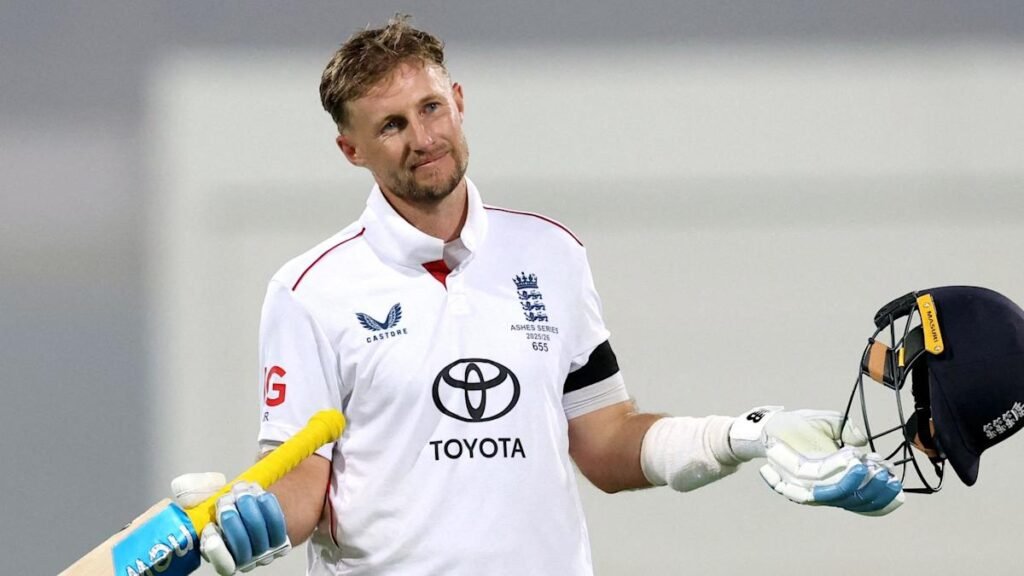
But on this evening, with the field up, the lights bright, and England sinking, Root finally broke through.
His unbeaten 135 off 202 balls* was not just another century — it was a declaration: “I’m still here. I still decide the tempo of Test cricket.”
This was Root’s first Test hundred in Australia, and it couldn’t have come at a more critical moment.
Then Enter Archer — A No. 11 Who Bats Like a No. 4
When Jofra Archer walked in at 264-9, England were not just on the ropes — they were hanging from them. But Archer chose violence. He swung freely, timing cleanly, launching two massive sixes and a boundary on his way to 32(26)* that looked like it belonged to a top-order batter.
Archer did not just survive. He seized control.
The duo’s unbeaten 61-run stand is now officially the highest 10th-wicket partnership in pink-ball Test history, surpassing the previous record of 59 held by Tom Blundell and Blair Tickner against England in 2023.

With each run, the Australian bowlers — Starc, Pat Cummins, Josh Hazlewood — seemed to lose their rhythm, almost unable to believe what they were witnessing.
Why This Partnership Feels Even Bigger Than the Numbers
A 61-run 10th-wicket stand can be technically explained. But the context behind it is what transformed it into something unforgettable:
England were staring at collapse.
Australia had full control.
Starc had already taken six wickets.
The pink ball was reversing sharply.
The Gabba crowd expected a quick finish.
But Root and Archer flipped the entire script.
By the time stumps were called, England did not look broken — they looked dangerous.
Their total of 325-9 is now also the highest first-innings score by a visiting team in a day-night Test in Australia.
Archer Creates Another Massive Record
As if that wasn’t enough, Archer also became:
- *The highest-scoring No. 11 batter ever in a pink-ball Test (32)**, breaking Starc’s decade-long record of 24.
- The first No. 11 in Test history to cross 300 career runs while batting last in the order.
- The visiting No. 11 with the joint-most sixes in a Test innings in Australia.
For a man who hadn’t played a Test in years due to injuries, this comeback feels poetic.
A Partnership That Changes the Series Narrative
Make no mistake — Australia dominated two-thirds of the day. But cricket is a momentum sport, and sometimes momentum shifts at the most unexpected moments.
This Root-Archer stand has:
- Put psychological pressure on the Australian top order.
- Given England belief heading into Day 2.
- Created a storyline that could ultimately reshape the entire Ashes rivalry.
Even former players like Ricky Ponting and Michael Vaughan (both trending on social media) praised the partnership, calling it “one of England’s greatest escapes under lights.”
Records Broken by Root & Archer (Pink-Ball Tests)
Highest 10th-Wicket Partnerships (Pink Ball):
| Players | Runs | Team | Opponent | Venue | Year |
|---|---|---|---|---|---|
| Joe Root – Jofra Archer | 61* | England | Australia | Brisbane | 2025 |
| Tom Blundell – Blair Tickner | 59 | New Zealand | England | Mount Maunganui | 2023 |
| Jackson Bird – Nathan Lyon | 49 | Australia | Pakistan | Brisbane | 2016 |
This is not just a statistic — it is a disruption in a format where last-wicket stands rarely touch 20 runs, let alone 60.
What Happens Next?
With Archer still unbeaten, there is a real chance he becomes the first-ever No. 11 to score a fifty in a pink-ball Test. If he does it, the Gabba might witness another historic entry before Australia even picks up a bat.
And Root? He’s already playing like he wants England to control this Test — and perhaps the whole series.
Visit our site for more news www.DailyGlobalDiary.com








Sports
“The tradition unlike any other returns”: Masters 2026 Round 1 tee times, odds, predictions—everything you need to know as Augusta awakens
Golf’s most prestigious tournament kicks off today at Augusta National with defending champion and top contenders battling for the iconic Green Jacket—here’s your complete guide to watching Round 1 unfold


The azaleas are in bloom, the pimento cheese sandwiches are ready, and the most hallowed ground in golf is once again center stage. The 2026 Masters Tournament has arrived, and Augusta National Golf Club is preparing to crown another champion worthy of the iconic Green Jacket.
Round 1 begins today, kicking off four days of drama, brilliance, and heartbreak on what many consider golf’s greatest stage. Whether you’re a die-hard fan who watches every shot or a casual viewer who tunes in for the back nine on Sunday, here’s everything you need to know about the Masters Tournament as it gets underway.
The Tournament That Defines Golf
The Masters isn’t just another tournament on the PGA Tour calendar—it’s the tournament. Since 1934, when Bobby Jones and Clifford Roberts founded what would become golf’s most prestigious event, the Masters has represented the pinnacle of the sport.
Played annually at Augusta National in Georgia, the tournament is the first major championship of the year and the only major played at the same course every year. This consistency has created a cathedral-like atmosphere where history echoes through the pine trees and past champions walk the same fairways as first-time competitors.
“A tradition unlike any other” isn’t just a tagline—it’s the truth.
Who’s Teeing Off: The Field
The 2026 Masters field brings together the world’s best golfers, from rising stars to seasoned veterans chasing one more Green Jacket. While the Masters maintains one of the smallest fields in professional golf—typically around 90 players compared to 156 at most PGA Tour events—the quality is unmatched.
Defending champion status belongs to last year’s winner, who will be hoping to join the elite club of back-to-back Masters champions—a feat last accomplished by Tiger Woods in 2001-2002.
Among the favorites this year are perennial contenders who know Augusta National’s treacherous greens and unforgiving rough like the back of their hands. Past champions return with the experience and confidence that only comes from having already conquered this course, while young guns arrive hungry to make their mark on golf history.
Scottie Scheffler, Rory McIlroy (still chasing that elusive Masters win to complete the career Grand Slam), Jon Rahm, and other top-ranked players will be under intense scrutiny as they navigate the first round.
The Amateurs to Watch
The Masters has always maintained a special relationship with amateur golf, inviting the U.S. Amateur champion, British Amateur champion, and other top amateurs to compete alongside the professionals.
These young players often provide some of the tournament’s most compelling storylines. Who can forget Tiger Woods playing as an amateur before turning pro and dominating the game? Or more recently, amateur competitors making the cut and earning the low amateur honors?
This year’s amateur field includes promising young talents who dream of one day returning to Augusta as professionals—and champions.
Round 1 Tee Times: When the Action Begins
The first round typically begins early in the morning, with tee times staggered to allow all competitors to complete 18 holes before darkness falls over Augusta.
Early morning groups (approximately 8:00 AM ET start) usually feature a mix of amateurs, past champions, and players who earned their invitation through various qualifying criteria. These groups often play in relative calm before the Georgia heat intensifies.
Mid-morning to early afternoon groups (10:00 AM – 1:00 PM ET) include many of the tournament favorites and marquee pairings that draw the largest galleries and television audiences.
Late afternoon groups (2:00 PM – 3:30 PM ET) will finish under pressure as the sun begins to set, potentially facing tricky wind conditions that pick up later in the day at Augusta.
The Masters website provides real-time tee times and pairings, allowing fans to follow their favorite players throughout the day.
The Betting Odds: Who the Bookmakers Favor
While golf purists may cringe at the commercialization of their beloved sport, betting odds provide an interesting snapshot of who the experts believe has the best chance of slipping on the Green Jacket come Sunday evening.
Top favorites typically include the world’s top-ranked players, recent major champions, and golfers who have performed well at Augusta in previous years. Course history matters immensely at the Masters—players who understand Augusta’s subtleties hold a significant advantage.
Mid-range odds often go to talented players who haven’t quite broken through at a major but possess the skills to contend, as well as past Masters champions who might be slightly past their prime but know how to win at Augusta.
Long shots include younger players making their Masters debut, veterans looking for one last hurrah, and players who simply haven’t shown recent form but could get hot for four days.
Historical note: the Masters has seen its share of surprise winners over the years, proving that Augusta National can humble favorites and elevate underdogs in equal measure.
Expert Predictions: What the Analysts Are Saying
Golf analysts and former champions have weighed in with their predictions for the 2026 Masters, and opinions vary widely—as they should for a tournament as unpredictable as this one.
Common themes in predictions include:
Course knowledge is critical: Players who have competed at Augusta multiple times and understand the speed and break of the greens hold a massive advantage. First-timers often struggle simply because there’s no way to prepare for Augusta’s unique challenges without experiencing them firsthand.
Putting will decide the tournament: As the saying goes, “You drive for show, but putt for dough.” Nowhere is this truer than at Augusta, where the lightning-fast, severely sloped greens can make or break a round. Players who get hot with the putter tend to contend; those who struggle on the greens quickly fade.
Weather will play a factor: Spring weather in Georgia can be unpredictable. Wind, rain, and temperature swings can dramatically change course conditions from one day to the next, rewarding players who can adapt quickly.
Experience under pressure matters: The Masters is unique in that the back nine on Sunday has broken more hearts than perhaps any stretch of golf in the world. Amen Corner (holes 11, 12, and 13) has ended countless dreams, while the par-5 15th has offered salvation to those brave—or desperate—enough to go for the green in two.
How to Watch: Your Viewing Guide
For American audiences, CBS Sports and ESPN share broadcast duties, with extensive coverage beginning early in Round 1 and continuing through the final putt on Sunday.
Traditional TV coverage typically begins mid-morning and continues through the afternoon, showcasing featured groups and key moments as they unfold.
Streaming options have expanded dramatically in recent years. The Masters app and Masters.com offer featured group coverage, allowing fans to follow specific players throughout their entire round. Paramount+ also streams coverage for subscribers.
International viewers can check their local sports networks, as the Masters is broadcast in nearly every country around the world. The tournament’s global appeal has only grown over the years, with fans from Europe to Asia to Australia tuning in to watch.
Radio coverage remains popular for fans who want to listen while working or driving, with Masters Radio providing shot-by-shot commentary throughout the tournament.
The Augusta National Experience
What makes the Masters special isn’t just the golf—it’s the entire Augusta National experience.
The course itself is a masterpiece, with holes named after the flora that surrounds them: Tea Olive, Pink Dogwood, Flowering Peach, Flowering Crab Apple, Magnolia, Juniper, and so on. Each hole tells a story, and collectively they create a challenge unlike any other in golf.
Amen Corner (holes 11-13) is where dreams die and legends are born. The par-4 11th with its treacherous green, the iconic par-3 12th where swirling winds make club selection a nightmare, and the risk-reward par-5 13th that tempts players to go for the green across Rae’s Creek.
The par-3 16th hole, with its island green and roaring galleries, has produced some of the tournament’s most memorable moments—from hole-in-ones to balls skipping across the water.
And then there’s the 18th hole, a uphill par-4 that leads to the clubhouse where champions are crowned and Green Jackets are awarded.
The Green Jacket: Golf’s Most Coveted Prize
While other majors award trophies, the Masters presents the Green Jacket—a symbol so iconic it transcends sports. Winners get to keep the jacket for one year before returning it to Augusta, though they can wear it anytime they’re on the club grounds.
The tradition began in 1949, and past champions include golf’s greatest names: Jack Nicklaus (six-time winner), Tiger Woods (five-time winner), Arnold Palmer (four-time winner), and dozens of other legends.
Winning the Masters doesn’t just mean joining an elite club—it means a lifetime invitation to return to Augusta every year, walking the grounds as both a competitor and a champion.
The Traditions That Make It Special
Beyond the Green Jacket, the Masters is defined by its traditions:
The Champions Dinner on Tuesday night, where past winners gather and the defending champion chooses the menu.

The Par-3 Contest on Wednesday, a light-hearted competition that no winner has ever gone on to claim the tournament (though many have tried to break the “curse”).
Pimento cheese sandwiches and other concession items sold at prices that seem frozen in time compared to other sporting events.
No running, a rule strictly enforced by the gallery marshals to maintain the tournament’s dignified atmosphere.
Limited commercials during broadcasts, creating a viewing experience focused on golf rather than constant advertising.
What to Watch For in Round 1
As the first round unfolds today, several storylines will dominate coverage:
Can the favorites hold serve? Top-ranked players are expected to get off to strong starts, but Augusta has humbled many favorites on Day 1.
Which dark horses will emerge? Every Masters sees unexpected players post low scores early, putting themselves in position to contend.
How will first-timers handle the pressure? Players making their Masters debut often struggle with the enormity of the moment and the difficulty of the course.
Weather conditions: Any wind or rain could separate the field quickly, rewarding players who handle adversity better than their competitors.
The Journey Begins
Round 1 of the 2026 Masters is more than just 18 holes of golf—it’s the beginning of a four-day journey that will test skill, mental toughness, and nerves in equal measure.
By the time the sun sets over Augusta National today, we’ll have a clearer picture of who’s positioned to contend and who’s already fighting to make the cut.
But we’ll also be reminded why the Masters remains golf’s crown jewel: the beauty of the course, the weight of history, and the knowledge that anything can happen on these hallowed grounds.
“A tradition unlike any other” isn’t just marketing—it’s a promise that for four days each April, golf will be played at its highest level, in its most beautiful setting, with the entire world watching.
The 2026 Masters has begun.
Let the tradition continue.
Sports
“45 years in the majors”: Dodgers legend Davey Lopes dies at 80 after iconic career that delivered World Series rings as both player and coach
The four-time All-Star second baseman and Gold Glove winner helped LA beat the Yankees in 1981, then coached Philadelphia to 2008 championship—leaving behind an unmatched legacy on the basepaths
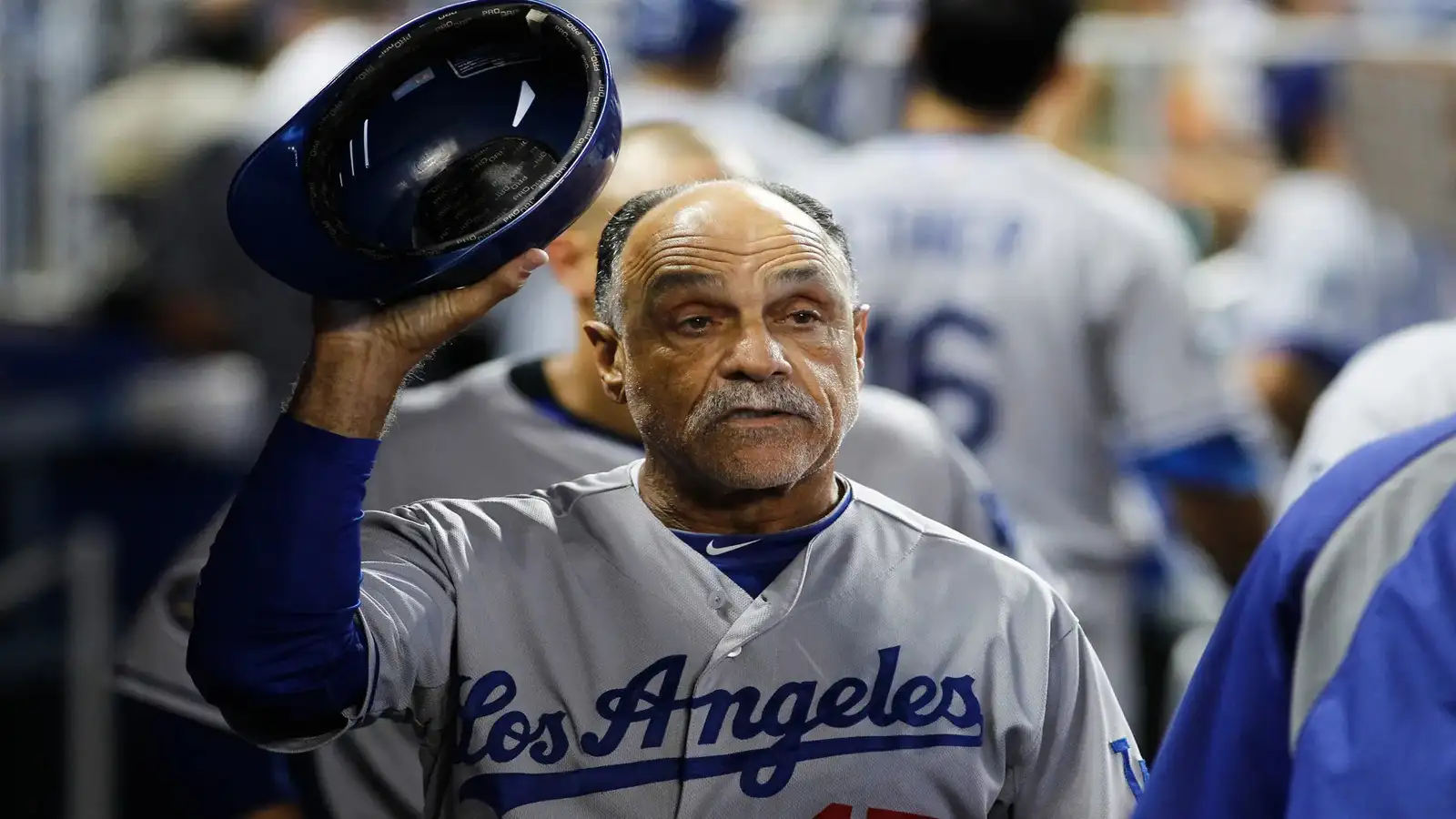
The baseball world is mourning the loss of a true legend. Davey Lopes, one of the greatest second basemen in Los Angeles Dodgers history and a beloved figure across Major League Baseball, died on Wednesday at the age of 80.
The Dodgers announced the passing of their franchise icon, who spent an incredible 45 years in the majors—first as a dynamic player who defied his size to become an offensive force, and later as a respected coach who helped shape championship teams across multiple decades.
“The Dodgers family has lost a true icon,” the organization said in a statement. “Davey’s impact on our franchise and the game of baseball cannot be overstated.”
A Giant at 5-Foot-9
David Earl Lopes may have stood only 5-foot-9 and weighed just 170 pounds, but what he lacked in physical stature, he more than made up for with heart, speed, and an ability to bring serious “oomph to the plate.”
From 1978 to 1981, Lopes was selected to four consecutive All-Star Games, an impressive run that started with a Gold Glove Award in 1978 and culminated in a World Series championship ring in 1981.
That 1981 World Series remains one of the most dramatic in baseball history. The Dodgers found themselves down 2-0 to the mighty New York Yankees before mounting an incredible comeback. Lopes was instrumental in that rally, helping LA win four straight games to claim the championship in six games.
For Dodgers fans who lived through that era, Lopes wasn’t just a player—he was part of a legendary infield alongside Steve Garvey, Bill Russell, and Ron Cey that became the longest-running infield unit in baseball history, playing together from 1973 to 1981.
Power and Speed: A Rare Combination
What made Lopes special was his rare combination of power and speed—attributes not always associated with second basemen, especially ones of his size.
He set a Dodgers record for home runs by a second baseman with 99, a testament to his ability to generate surprising power from his compact frame. This record stood for decades as a benchmark for offensive production at the position.
But it was on the basepaths where Lopes truly terrorized opponents. He was swift, aggressive, and fearless, twice finishing as the National League’s stolen base leader in the 1970s. His baserunning intelligence and speed made him one of the most dangerous players in the league when he reached first base.
Pitchers and catchers dreaded seeing Lopes on base, knowing that at any moment he could take off for second—and more often than not, he’d be safe.
A Journeyman’s Final Years
After the 1981 World Series triumph, Lopes was traded to the Oakland Athletics, where he spent 1982-84. He then moved to the Chicago Cubs for 1984-86 before finishing his playing career with the Houston Astros from 1986-87.
While his best years were clearly in Dodger blue, Lopes remained a valuable contributor everywhere he went, bringing veteran leadership and playoff experience to each clubhouse.
The East Providence, Rhode Island native retired with a .263 career batting average, 155 home runs, 614 RBIs, and 557 stolen bases—numbers that tell the story of a complete player who could beat you in multiple ways.
From Player to Coach: A Second Act
Lopes didn’t stay away from the game long. In 1988, just one year after hanging up his cleats, he was hired by the Texas Rangers to join manager Bobby Valentine’s coaching staff.
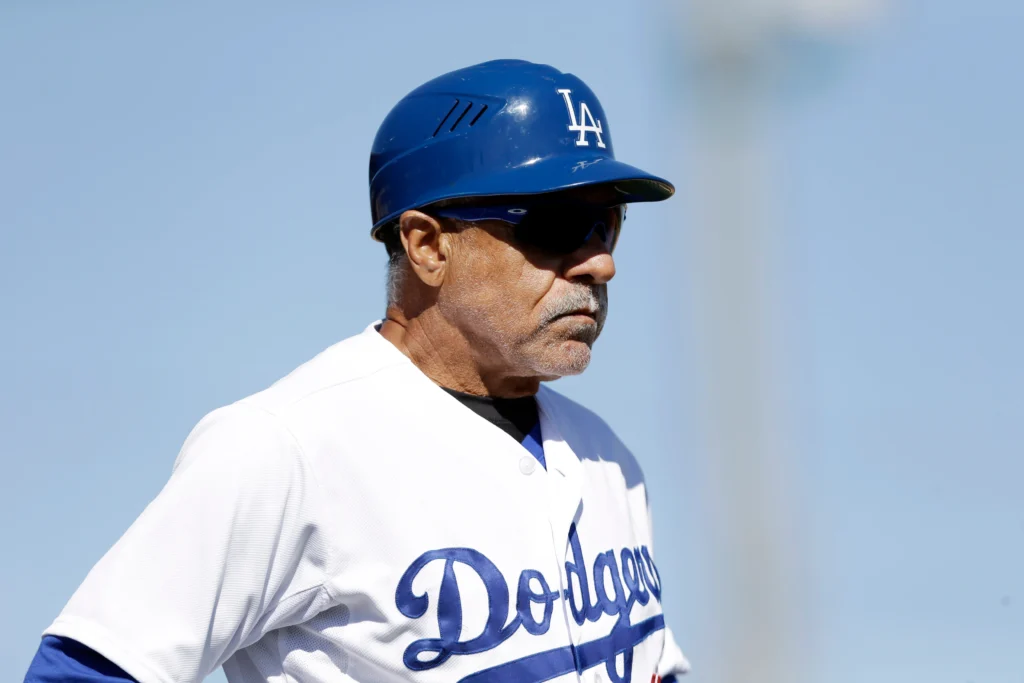
That decision jump-started a coaching career that would span four decades and see Lopes influence teams across baseball.
The Milwaukee Years: Learning to Manage
Lopes got his opportunity to manage at the highest level when the Milwaukee Brewers hired him in 2000. While the Brewers didn’t record better than a third-place NL Central finish during his two-plus seasons running the clubhouse, the experience proved invaluable.
Managing is one of baseball’s toughest jobs, and Lopes learned the hard way that success requires more than just baseball knowledge—it requires handling personalities, managing media, and dealing with front office pressures.
San Diego and the Return to Coaching
By 2003, Lopes was back doing what he did best: coaching. He joined the San Diego Padres as first-base coach, bringing his baserunning expertise to a new generation of players.
But it was his next stop that would bring him another championship ring.
Philadelphia: A Second World Series Ring
Lopes’ time with the Philadelphia Phillies from 2007-2010 was nothing short of spectacular. Hired as a baserunning advisor, Lopes helped transform the Phillies into one of baseball’s most aggressive teams on the basepaths.
Philadelphia claimed the NL East crown all four years Lopes was there, an incredible run of sustained excellence. The highlight came in 2008 when the Phillies won the World Series, defeating the Tampa Bay Rays in five games.
That championship gave Lopes his second World Series ring—this time as a coach, 27 years after his first as a player. It’s a distinction few in baseball history can claim.
Jimmy Rollins, Shane Victorino, and other Phillies stars of that era frequently credited Lopes with instilling the aggressive baserunning mentality that became a hallmark of those championship teams.
Coming Full Circle: Back to LA
From 2011-2015, Lopes returned home to the Dodgers as a coach, bringing his decades of experience back to the organization where he’d made his name as a player.
It was a fitting homecoming for a man who had given so much to the franchise. Dodgers fans who remembered his playing days got to see him on the field again, now mentoring a new generation of players in the same uniform he’d worn with such distinction.
Final Stop: Washington
Lopes concluded his remarkable coaching career with the Washington Nationals from 2016-2017, finally stepping away from the game he’d dedicated nearly five decades to.
By the time he retired from coaching, Lopes had influenced countless players, many of whom went on to have successful careers of their own, carrying forward the lessons he taught them about aggression on the basepaths and never backing down from a challenge.
A Legacy Beyond Statistics
While Lopes’ playing statistics are impressive, his true legacy extends far beyond numbers in a record book.
He was a pioneer who proved that size doesn’t matter if you have heart, speed, and baseball intelligence. He showed that a 5-foot-9 player could excel at the highest level, inspiring countless smaller players who followed in his footsteps.
As a coach, he was a mentor, teacher, and friend to dozens of players across multiple organizations. His baserunning expertise was legendary, and his willingness to share his knowledge made him invaluable to every team he served.
Tributes Pour In
Following news of Lopes’ death, tributes poured in from across the baseball world.
Former Phillies manager Charlie Manuel, who was at the helm during the 2008 championship, called Lopes “one of the best baseball minds I ever worked with.”
“Davey understood the game at a level few people do,” Manuel said. “He made everyone around him better.”
The Baseball Hall of Fame shared highlights from Lopes’ career, reminding fans of his electrifying style of play and the joy he brought to the game.
45 Years of Excellence
Forty-five years in the majors as a player and coach. Two World Series rings. Four All-Star selections. A Gold Glove. 557 stolen bases. Countless players mentored and lives touched.
That’s the legacy of Davey Lopes.
He wasn’t the biggest player on the field. He wasn’t the most celebrated. But he was one of the most impactful, proving time and again that determination, intelligence, and heart can overcome any physical limitation.
A Final Standing Ovation
Baseball has lost one of its great ambassadors. The Dodgers have lost an icon. And fans across the country have lost a player and coach who represented everything good about the game.
Rest in peace, Davey Lopes. Thank you for 45 years of excellence, for showing that size doesn’t define success, and for proving that a kid from East Providence, Rhode Island could become a legend in Los Angeles and beyond.
The standing ovation you deserved began Wednesday—and it will echo through baseball history forever.
Cricket
Kevin Pietersen Is Flying Between Delhi, Bengaluru and Kolkata on Consecutive Days for IPL 2026 — and His Reaction to ‘Don’t You Get Tired?’ Is Pure KP…
The former England superstar swapped his Delhi Capitals mentor role for the commentary box this season — and he’s loving every chaotic, city-hopping, stadium-buzzing second of it.
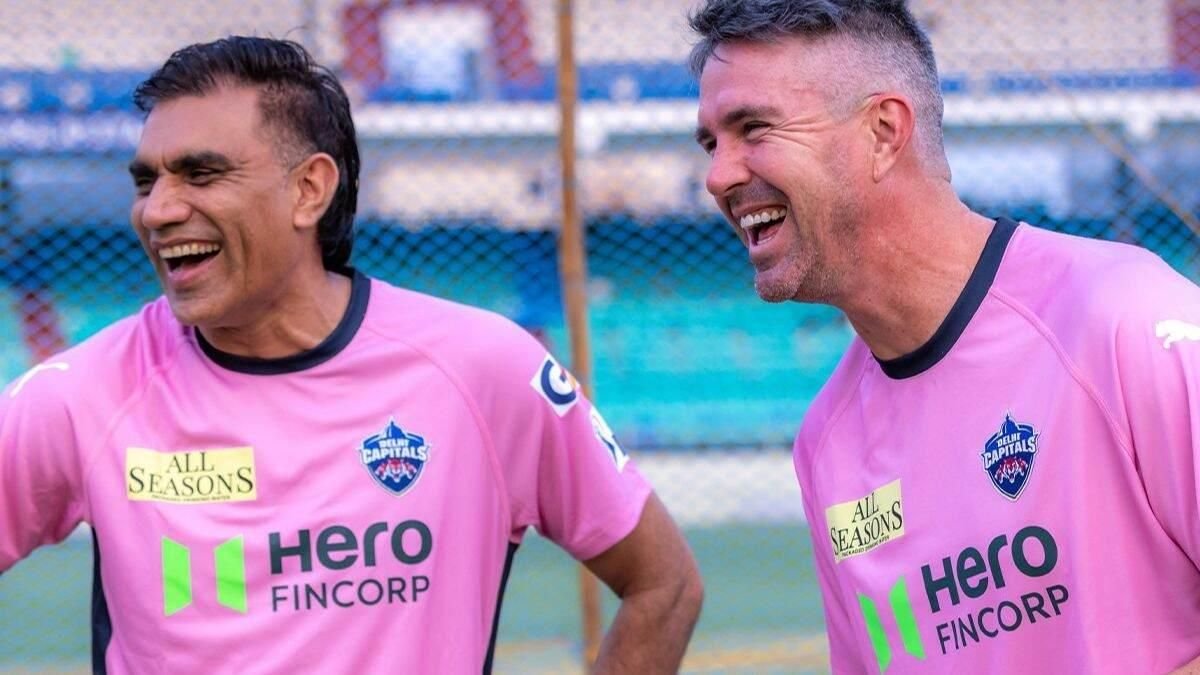
Only Kevin Pietersen could make a schedule that would exhaust most people sound like the best thing that has ever happened to him.
The former England batting superstar — known as KP to fans across the cricket world — is currently one of the most enthusiastic voices in the IPL 2026 commentary box. And on Saturday, he gave everyone a glimpse into exactly what his life looks like right now — and why he wouldn’t trade it for anything.
Delhi to Bengaluru to Kolkata — Three Days, Three Cities
In a post on X, Pietersen laid out his schedule with the kind of energy that makes you wonder if the man ever actually sleeps.
“Delhi, Bangalore, and Kolkata — today, tomorrow, and Monday. Lots of people ask, how do you manage all this? Answer — this is IPL and being in the stadium during these matches is like nothing else in the sports world when it comes to the atmosphere! I love it so much!”
Today he is in Delhi — at the Arun Jaitley Stadium — for the Delhi Capitals clash against Mumbai Indians, the five-time champions. Tomorrow he heads to Bengaluru for what promises to be a blockbuster — RCB versus CSK. And the very next day? He’s back on the road to Kolkata for KKR versus PBKS.
Three matches. Three cities. Three days. That’s the IPL life.
From Mentor to Microphone — KP’s New Role
What makes Pietersen’s presence in this IPL season particularly interesting is the backstory. Heading into the 19th season, the 45-year-old made a deliberate decision to step away from his mentoring role with Delhi Capitals and pick up the commentary microphone instead.
It’s a role that suits him in ways that are hard to ignore. KP has never been short of opinions — on batting, on tactics, on the state of the game — and the commentary box gives him a platform to express every single one of them to a global audience.
There’s also a personal connection to Delhi that makes his presence at the Arun Jaitley Stadium today feel particularly fitting. Long before the franchise was known as Delhi Capitals, it was called the Delhi Daredevils — and a younger, swashbuckling KP was one of the fan favourites who wore that jersey. The city has history with him, and he with it.
‘How Do You Manage All This?’ — KP Has a Simple Answer
It is one of the most common questions thrown at commentators, broadcasters, and support staff who follow the IPL from city to city across its gruelling two-month schedule. Doesn’t the constant travel wear you down? Don’t the long days blur into each other eventually?
For most people — yes. But Pietersen’s answer is essentially: have you been to an IPL match?

And he has a point. The atmosphere inside an IPL stadium on match night is genuinely unlike almost anything else in world sport. The noise, the colour, the sheer density of passion packed into those stands — it creates an energy that is difficult to describe to someone who hasn’t experienced it firsthand.
For someone like KP, who spent his playing career performing on the biggest stages in world cricket, that kind of environment doesn’t drain him — it feeds him.
The Best Gig in Post-Retirement Cricket?
Let’s also be honest about something else — because Pietersen certainly would be. The IPL commentary circuit is one of the most lucrative positions available to any former cricketer in the world. The combination of a global broadcast audience, a premium product, and the unique spectacle of the tournament makes it a genuinely exceptional place to build a post-playing career.
KP is doing what he does best — talking cricket, offering sharp analysis, and being unmistakably himself on camera. The travel is relentless, the schedule is unforgiving, and the IPL can feel overwhelming even to those who have been doing it for years.
But for Kevin Pietersen in 2026? It sounds like the time of his life.

Dark Winds Season 4 Finale: The Case Is Closed But Then a Beloved Character Is Found Murdered, and Joe Leaphorn Said He Wanted to Die ‘With His Boots On’…

Super Mario Galaxy Movie Just Made $372 Million in One Easter Weekend and Ryan Gosling’s Project Hail Mary Quietly Hit a Milestone Nobody Saw Coming…

Dan Levy Breaks Down in Tears Revealing He Was ‘Thinking About’ a Schitt’s Creek Sequel Until Catherine O’Hara’s Death Changed Everything…

Jonathan Majors Falls Six Feet Through a Window on Set Then Says ‘Use It’: The Daily Wire Movie Chaos That Has Hollywood Talking…

Dark Winds Season 4 Finale Just Solved the Big Case Then Dropped a Murder Bombshell in the Final Seconds That No One Saw Coming…

1-Iran Issues Dire Warning to Israel and Defies Trump on Nukes: “We’re Ready to Strike Deep Inside”

Donald Trump’s net worth reveals the fortune behind the former US President and business mogul

“She Never Made It Out…” Albany House Fire Claims Woman’s Life as Family Pleads for Help to Bring Her Home

“Tomás Rodríguez Net Worth 2025: Panama’s Gold Cup Goal‑Machine’s Surprising Fortune Revealed”

Caitlin Clark Sidelined with Quad Strain, Set to Miss Two Weeks of WNBA Action

Miss Jamaica Suffers Terrifying Fall Off Miss Universe Stage; Rushed to Hospital on Stretcher in Viral Video

Moana Live-Action Teaser Sparks Outrage as Fans Call Disney’s Move a ‘Clear Money Grab’ — What Went Wrong?

Ryan Gosling’s Project Hail Mary Trailer Stuns Fans with a Mysterious Alien Ally and a Mission That Could Save Earth

Apple delays Jessica Chastain thriller The Savant about domestic extremism after recent US violence

Avatar 3, Fire and Ash trailer reveals Jake Sully’s family facing terrifying new Na’vi enemies with deadly fire powers
-

 Automobile1 week ago
“Open the Strait or Face Hell”: Donald Trump Issues Explosive Ultimatum to Iran… Why the World Is Watching Closely
-

 World News1 week ago
“Iran’s Leaders Are Being Hunted…”: IRGC Spy Chief Majid Khademi Killed as Israel Issues Chilling Warning
-

 Entertainment1 week ago
Michelle Pfeiffer Is Absolutely Brilliant in ‘The Madison’ So Why Does Taylor Sheridan Keep Getting in Her Way…
-

 Entertainment3 days ago
Nick Cannon Just Called the Democratic Party ‘the Party of the KKK’ on Camera and What He Said About Trump Next Made It Even More Controversial…
-

 Entertainment1 week ago
‘Sinners’ Wins Big at 2026 Writers Guild Awards — But the Real Story Is What Happened to the LA Ceremony…
-

 World News1 week ago
Majid Khademi ‘Martyred’ in US Strike: Who Was Iran’s Shadow Intelligence Chief Behind IRGC Operations?
-
 Entertainment4 days ago
Noah Wyle Breaks Silence on The Pitt ICE Episode Edits… What HBO Changed and Why It Matters
-

 World News1 week ago
“‘It Was No Big Deal…’ — But Internet Disagrees”: Who Is Dan Simpson, the Domino’s Driver Who Touched Millions?