
Beauty & Wellness
How Beauty Brands Are Secretly Reinventing to Survive the Next Recession
With economic uncertainty looming, top cosmetics companies are pivoting their strategies to stay ahead—and stay beautiful—even when wallets tighten.

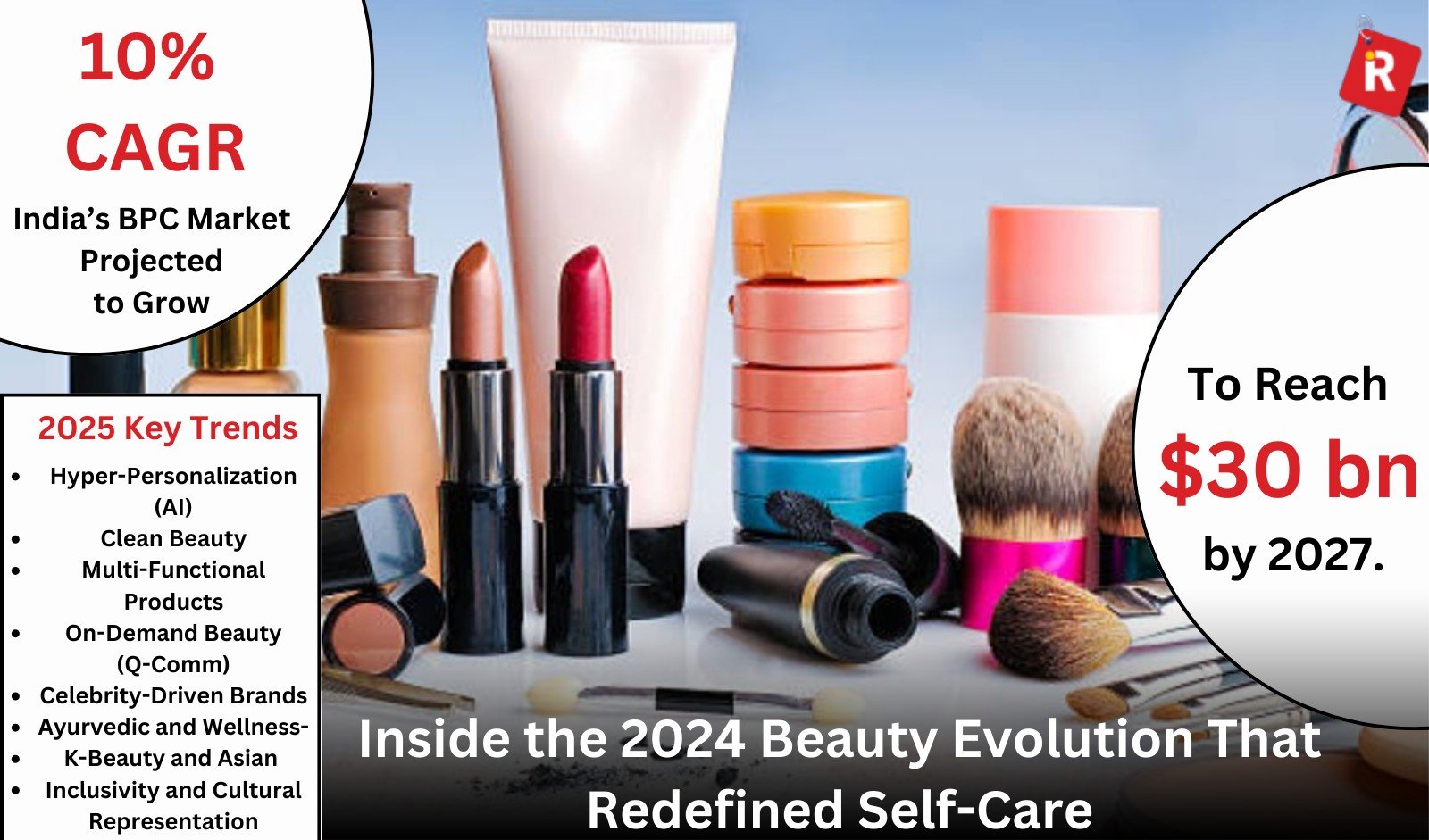
As whispers of an impending recession grow louder and terms like “recession core” and “economic slowdown” trend across digital platforms, the beauty industry finds itself at a critical juncture. Consumers are re-evaluating their spending habits, and for beauty brands—many of which rely on discretionary income—this could mean a significant shake-up in buying behavior.
In a world where inflation continues to bite and economic forecasts remain grim, beauty companies are no longer just selling lipstick—they’re selling resilience.
According to industry analysts, the global beauty market has traditionally shown surprising resilience during downturns, often driven by what economists call the “lipstick effect.” This phenomenon describes how consumers tend to indulge in small luxuries, like cosmetics, when larger expenses like vacations or designer bags feel out of reach. But this time around, experts warn that even these minor splurges might face scrutiny from consumers pinching every penny.
That’s why the world’s leading cosmetic giants are already adjusting course. The Fenty Beauty founder Rihanna’s empire, for example, is rumored to be doubling down on affordable luxury, offering bundles, travel-sized products, and rewards programs to keep consumer engagement high without demanding top-dollar spend. Meanwhile, drugstore powerhouses like L’Oréal and Maybelline are strengthening their digital presence, rolling out TikTok campaigns and AI-powered skin diagnostics to win over budget-conscious, tech-savvy shoppers.
Insiders believe that a new era of transparency and value-driven beauty is emerging, one that prioritizes skin health, ingredient integrity, and eco-conscious packaging over flashy celebrity endorsements. With “recession-proofing” now baked into brand strategies, brands are launching minimalist product lines, multi-use cosmetics, and refillable packaging that cater to both financial and environmental sensibilities.
Social media also plays a pivotal role in this shift. TikTok and Instagram influencers are leaning into the “dupe culture,” recommending budget alternatives to high-end favorites. This has prompted legacy beauty labels to rethink pricing models and promotional offers. According to sources close to the matter, some companies are even testing tiered pricing structures to meet the needs of both premium and price-sensitive segments.
Ultimately, beauty brands that combine innovation with empathy may be the ones to thrive, even in economically volatile times. This is not just about selling more—it’s about understanding the psychology of the post-pandemic, inflation-wary consumer and responding with smarter, kinder solutions.
As the world braces for what’s next, the beauty industry isn’t waiting to react—it’s already reinventing.


Beauty & Wellness
Why Are Women Ditching Their Beauty Products The Clean Cosmetics Revolution Taking Over 2025 Will Shock You
With 126 chemicals on our bodies daily, a growing number of consumers are demanding natural, sustainable alternatives and the beauty giants are finally listening.
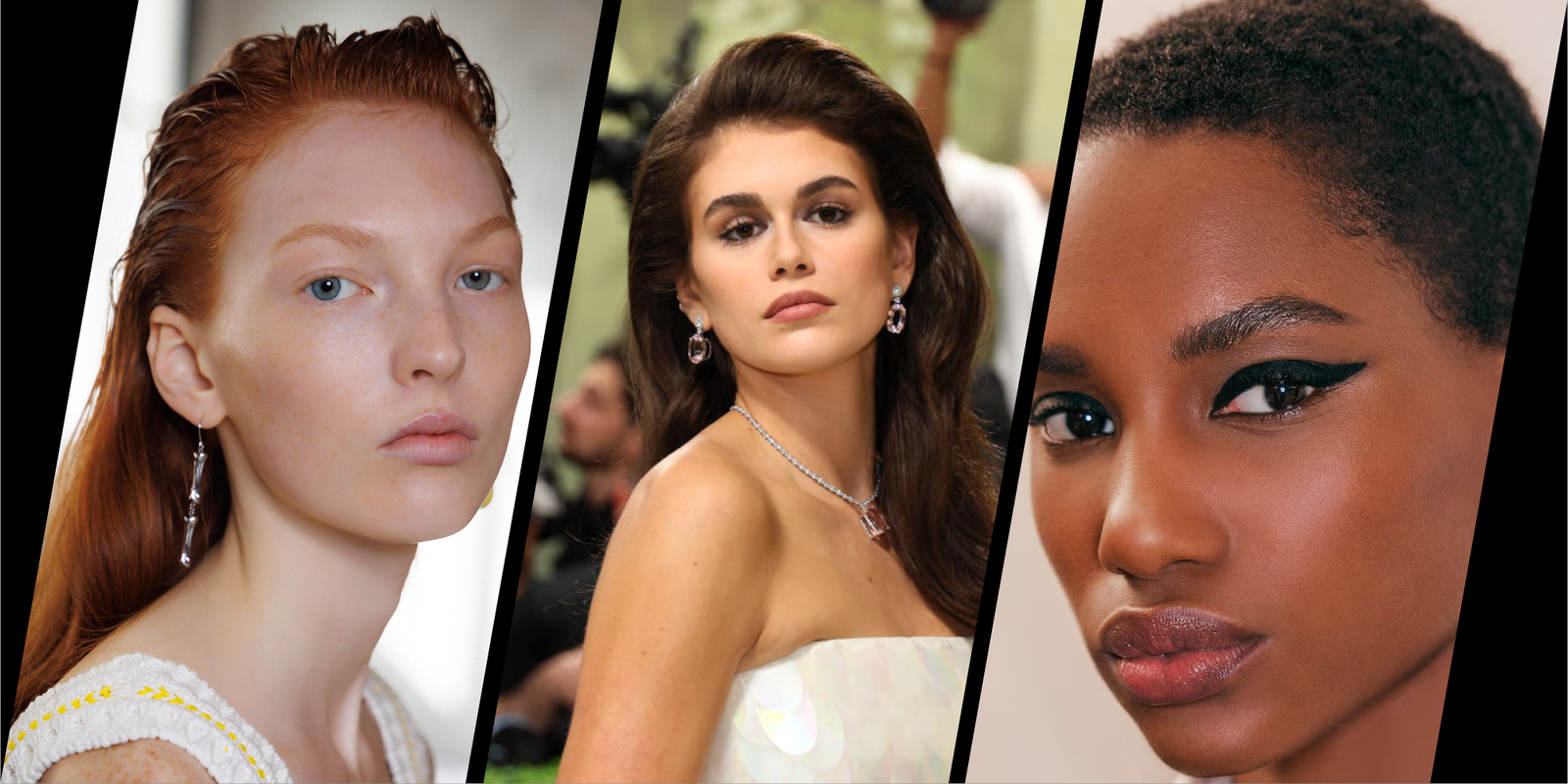
The beauty industry in the United States is booming — expected to rake in $104.7 billion in 2025 alone. But beneath the glossy marketing and vibrant packaging, there’s a quiet revolution happening: consumers are waking up to what’s actually inside their products.
A recent survey revealed a stunning truth: the average woman applies 15+ personal care products daily, exposing herself to over 126 unique ingredients. And now, more than ever, people are asking questions.
What are these chemicals doing to my body—and to the planet?” That’s the million-dollar question shaping the future of beauty in 2025 and beyond.
Trend #1: The Rise of Clean, Natural, and Organic Beauty
Leading the charge is a shift toward natural and organic ingredients. According to a Nosto report

68% of consumers are actively seeking products labeled clean- 59% are influenced by “natural and organic” claims
- And over 65% prioritize eco-friendly brands
This isn’t a fringe movement. It’s mainstream now — and it’s backed by money. The global natural beauty market is projected to grow to $59 billion by 2031.
Brands like Burt’s Bees, Herbivore Botanicals, and The Honest Company are capitalizing on the demand, launching sustainable, vegan, cruelty-free, and chemical-light products designed for the eco-conscious buyer.
The Sustainability Factor: More Than Just Packagin
It’s not just about what goes on your face — it’s also about what gets washed down the drain.
Consumers are waking up to the environmental cost of beauty. Plastic waste, toxic runoff, and unsustainable ingredient sourcing have become red flags for the new generation of shoppers.
In fact, 55% of consumers now say they’re willing to pay more for products that align with sustainability values.
This has pushed brands to innovate in unexpected ways:
- Refillable containers
- Biodegradable formulas
- Waterless skincare and shampoo bars
- Carbon-neutral manufacturing
Tech Meets Nature: The Science-Driven Future of Clean Beauty
Ironically, going natural doesn’t mean going backward. The beauty industry is blending cutting-edge science with organic ingredients, creating products that are not only safer but more effective.
From AI-powered skin diagnostics to biotech lab-grown collagen, 2025’s beauty trends are rooted in technology-driven personalization.
Even giants like L’Oréal and Estée Lauder are investing heavily in R&D for clean beauty innovations, seeing the writing on the wall: Clean is not a trend. It’s the future.
What This Means for You
If your vanity shelf is still stocked with unrecognizable ingredients and single-use plastics, it might be time to rethink your routine.
As the beauty industry races toward a greener, cleaner future, consumers hold the power. By choosing natural, ethical, and transparent brands, you’re not just treating your skin better—you’re shaping an industry.
Beauty & Wellness
Hanyul Just Dropped at Sephora and Skincare Fans in the US Are Already Obsessed
The cult-favorite Korean beauty brand launches exclusively at over 300 Sephora stores, blending ancient ingredients with modern skincare science.

In a move that’s making waves in the beauty world, Hanyul, a beloved Korean skincare brand backed by beauty powerhouse Amorepacific, has officially landed in the U.S.—and it’s doing so in style. The brand launched exclusively at Sephora on May 16, 2025, bringing its nature-rooted, heritage-rich formulas to American skincare enthusiasts for the first time.
Long adored in South Korea for its use of traditional remedies and native ingredients, Hanyul’s U.S. debut is set to redefine the way American shoppers approach skincare. The launch will feature online access as well as shelf space in over 300 Sephora stores nationwide, with more locations expected to follow later this year.

“We’re honored to partner with Sephora for this highly anticipated launch,” said Cecilia Park, head of brand at Amorepacific US. “Our products are deeply rooted in Korean heritage and traditional skin remedies, harnessing the power of time-tested ingredients, while delivering results backed by science.”
Founded on the philosophy of balance and nature, Hanyul draws its potency from Korea’s four unique seasons, utilizing natural ingredients like yuja (citron), artemisia (mugwort), and rice, all sourced from local Korean farms. These ingredients are the foundation of its sensorial, results-driven products that have made the brand a staple in Korean skincare routines for decades.
Now, with the support of Sephora’s massive retail reach, Hanyul is poised to become a household name stateside. Justin Kim, Hanyul’s Global Brand President, emphasized the significance of the expansion: “We are thrilled to announce our expansion beyond the Korean market. This partnership marks a major milestone for Hanyul, and we’re confident our authentic blend of efficacy and experience will resonate with American consumers.”
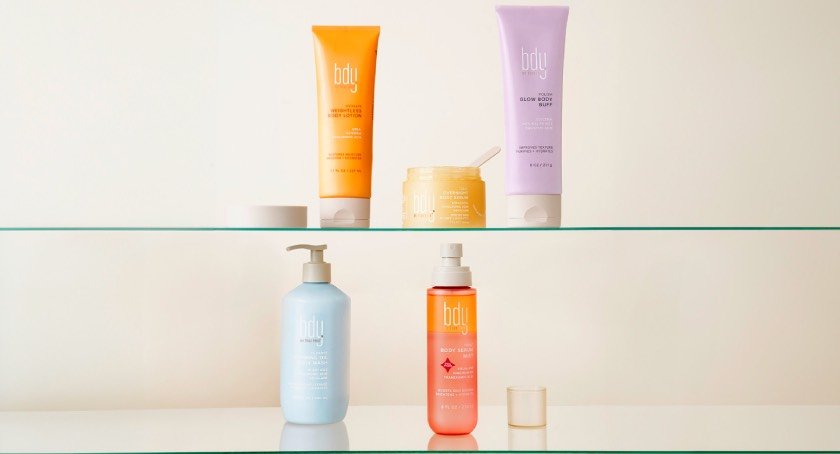
The launch isn’t just a brand milestone—it’s a cultural bridge. Korean beauty (K-beauty) has been steadily gaining ground in the U.S. over the past decade, but Hanyul’s entry through Sephora adds a new layer of legitimacy and access to ancient wisdom paired with modern-day needs.
For anyone looking to revamp their skincare routine with something fresh, deeply rooted in tradition, and clinically effective—Hanyul might just be the next big thing your skin has been waiting for.
Beauty
Chinese Beauty Giants Are Quietly Buying Up Global Brands to Take on L’Oreal and Estée Lauder
With growth slowing at home, Chinese skincare and cosmetics players are turning to international acquisitions to build a global empire

A silent beauty revolution is brewing—not in Paris or New York, but in Hangzhou and Shanghai. Leading Chinese beauty brands like Proya, S’Young, and Ushopal are shifting their sights overseas, snapping up foreign cosmetic labels in a bold bid to become the next global superpowers in skincare and fragrance.
These acquisitions come at a pivotal time. While brands such as Proya Cosmetics have tasted immense success in the Chinese domestic market—crossing the ¥10 billion revenue milestone in 2024—economic headwinds like property crises and wage stagnation are beginning to stifle further domestic growth. With Chinese consumer confidence wavering, these brands are betting that buying global labels is the key to breaking into the ranks of industry giants like L’Oréal and Estée Lauder.
Proya’s founder, Hou Juncheng, recently unveiled a daring vision to enter the global top 10 beauty brands within a decade, which would require hitting at least ¥50 billion ($7 billion) in annual revenue. To achieve this, Proya is reportedly targeting European beauty brands rich in heritage and technological expertise—a move inspired by legacy M&A success stories from the West.
S’Young, meanwhile, has already added prestigious names to its cart, including Evidens de Beauté (France) and ReVive (USA). Similarly, Ushopal has scooped up French favorite Payot, as well as cult beauty labels like ARgENTUM (UK) and Juliette Has A Gun (France). According to William Lau, a partner at Ushopal, their strategy includes acquiring one to two new brands every year—a clear sign that the global shopping spree is far from over.
Analysts predict that Chinese beauty firms will likely target premium-positioned brands valued under $500 million, especially in skincare, fragrance, and haircare. These deals could help Chinese groups diversify their portfolios, reduce reliance on domestic sales, and gain prestige in saturated Western markets.
But it’s not all smooth sailing. Critics point to cautionary tales from the fashion sector—where Chinese conglomerates like Ruyi collapsed under the weight of overambitious acquisitions. The key challenge? Balancing global brand integrity with Chinese capital influence.
“Global acquisitions are always tough,” said Ushopal’s Lau. “The mistake many make is localizing a brand too quickly. If you strip away its DNA, you’ve lost the very essence you paid for.”
Despite these hurdles, the global beauty and personal care industry is expected to reach $677 billion in revenue by 2025, making this a prize too lucrative to ignore. China’s contribution stands at $41.7 billion—impressive, but still a fraction of what lies ahead on the global stage.
“In the coming years, there will be a Chinese L’Oréal or Estée Lauder,” predicted Gregoire Grandchamp, co-founder of Next Beauty China. And with calculated moves and capital muscle, that prediction might be closer than many expect.

“He-Man Wears a Suit…”: Why Nicholas Galitzine’s Masters of the Universe Trailer Has Fans Talking

Camilla Läckberg Isn’t Done Yet… The Queen of Swedish Noir Eyes Film, TV and a Bold Plan to ‘Conquer America’

“Screaming, Crying, Almost Throwing Up”… Sundance Insiders Reveal the Untold Chaos Behind America’s Most Influential Film Festival
From Swedish Noir to Hollywood Dreams Camilla Läckberg Has a Bigger Plan in Motion
When Sundance Nearly Fell Apart Insiders Recall the Chaos Behind the World’s Most Influential Film Festival

1-Iran Issues Dire Warning to Israel and Defies Trump on Nukes: “We’re Ready to Strike Deep Inside”

Donald Trump’s net worth reveals the fortune behind the former US President and business mogul

Caitlin Clark Sidelined with Quad Strain, Set to Miss Two Weeks of WNBA Action

Elon Musk Breaks Ranks with Trump Over ‘Big, Beautiful’ Tax Bill

“Tomás Rodríguez Net Worth 2025: Panama’s Gold Cup Goal‑Machine’s Surprising Fortune Revealed”

Miss Jamaica Suffers Terrifying Fall Off Miss Universe Stage; Rushed to Hospital on Stretcher in Viral Video

Moana Live-Action Teaser Sparks Outrage as Fans Call Disney’s Move a ‘Clear Money Grab’ — What Went Wrong?

Ryan Gosling’s Project Hail Mary Trailer Stuns Fans with a Mysterious Alien Ally and a Mission That Could Save Earth

Apple delays Jessica Chastain thriller The Savant about domestic extremism after recent US violence

Avatar 3, Fire and Ash trailer reveals Jake Sully’s family facing terrifying new Na’vi enemies with deadly fire powers
-
 Entertainment1 week ago
He-Man Wears a Suit Now… Nicholas Galitzine’s ‘Masters of the Universe’ Trailer Drops a Shock Fans Didn’t See Coming
-
 Entertainment1 week ago
Brazil Eyes Oscar History Again… ‘The Secret Agent’ Scores Best Picture Nomination as Wagner Moura Stuns Hollywood
-

 Entertainment6 days ago
“Comedy Needs Courage Again…”: Judd Apatow Opens Up on Mel Brooks, Talking to Rob Reiner, and Why Studio Laughs Have Vanished
-

 Entertainment1 week ago
Oscars Go Global in a Big Way as This Year’s Nominations Signal a New Era: ‘The Academy Is Finally Looking Beyond Hollywood…’
-
 Entertainment1 week ago
“Dangerously Kinky… and Darkly Funny”: Olivia Wilde and Cooper Hoffman Push Boundaries in ‘I Want Your Sex’
-

 Sports1 week ago
A Strong Night for Caleb Williams Ends With Doubts About the Bears’ Late Decisions
-

 Crime6 days ago
Man Accused in Tupac Shakur Killing Asks Judge to Exclude Critical Evidence
-

 Politics1 week ago
Why Bari Weiss Says Pulling a ‘60 Minutes’ Story Was the Right Call — Even If It Looked Radical