
News
Cary-Hiroyuki Tagawa Passes Away at 75: ‘Mortal Kombat’ Icon and Prolific Hollywood Actor Leaves Behind a Powerful Legacy
The beloved actor, best known as Shang Tsung in the Mortal Kombat franchise and for roles in The Last Emperor and The Man in the High Castle, died in Santa Barbara due to complications from a stroke.


Cary-Hiroyuki Tagawa, the internationally recognized actor whose commanding screen presence defined some of Hollywood’s most memorable villains and mentors, has died at the age of 75. His family confirmed that he passed away early Thursday in Santa Barbara due to complications from a stroke, surrounded by his children.
Tagawa’s career spanned more than four decades, with over 150 film, television, and video-game credits. For millions of fans around the world, he will forever be remembered as the iconic sorcerer Shang Tsung in the Mortal Kombat universe — a role he first brought to life in New Line Cinema’s 1995 film and later reprised in television series, animated projects, and multiple game installments, including Mortal Kombat 11 and Mortal Kombat: Onslaught.
A defining figure of the Mortal Kombat franchise
Tagawa’s performance as Shang Tsung became a cultural landmark. His unforgettable delivery of lines like “Your soul is mine” and his fierce, theatrical presence helped push Mortal Kombat into mainstream popularity.
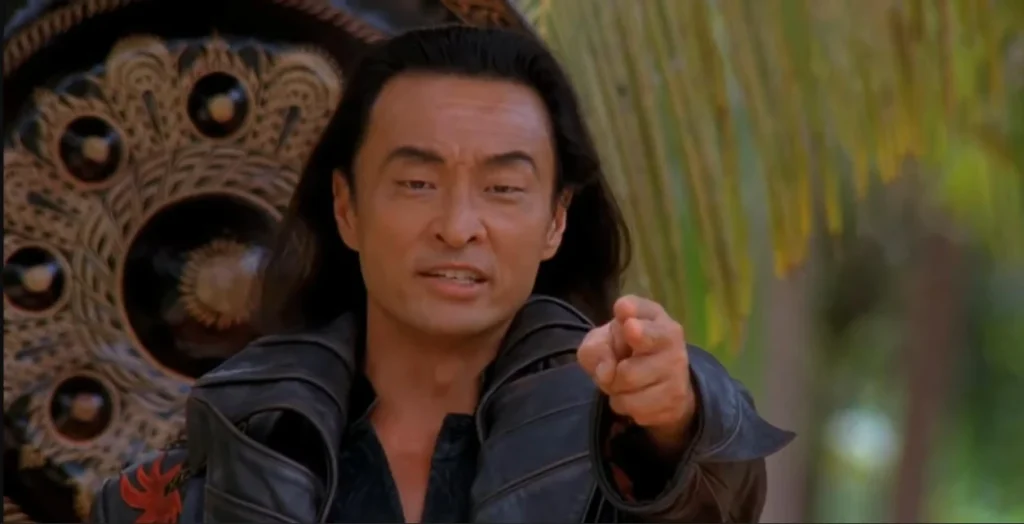
The original film grossed over $100 million on a modest $20 million budget, with Tagawa’s role widely considered one of the reasons for its lasting success.
He often credited director Paul W.S. Anderson and the film’s groundbreaking use of energetic metal music for shaping the franchise’s identity, saying it “matched the action so well” that audiences couldn’t stay still.
His commitment to the character — lending his likeness, voice, and physicality across multiple projects — made him one of the most beloved actors in video-game adaptation history.
Breakout role and rise in Hollywood
Tagawa’s breakthrough came in Bernardo Bertolucci’s Oscar-winning film The Last Emperor (1987), where he played Chang, the emperor’s driver. Despite limited screen time, his performance left a mark and opened the door to major studio productions.
He went on to appear in a long list of high-profile films that explored intersections between Asian and Western cultures, including:
- License to Kill
- Rising Sun
- Snow Falling on Cedars
- Pearl Harbor
- Planet of the Apes
- Elektra
- Memoirs of a Geisha
- 47 Ronin
His skills in martial arts were frequently incorporated into his roles. Born in Tokyo, Tagawa began training in Kendo as a teenager and later practiced traditional Japanese karate at the University of Southern California. He later studied in Japan under Master Nakayama of the Japan Karate Association and eventually created his own system, Chun-Shin, focused on energy rather than combat.
A prolific presence on television
Beyond films, Tagawa also built an impressive television career. He appeared in many major series over the years, including:
- MacGyver
- Star Trek: The Next Generation
- Miami Vice
- Nash Bridges (as Lt. A.J. Shimamura)
- Hawaii (as Captain Terry Harada)
- Revenge (as Satoshi Takeda)
- Lost in Space
- Blue Eye Samurai (voice role)
However, one of his most critically acclaimed performances came in Amazon’s The Man in the High Castle, where he played Nobusuke Tagomi, the Trade Minister of the Pacific States. His character’s layered ideology, inner conflict, and longing for peace resonated deeply with audiences.
Tagawa openly acknowledged parallels between Tagomi’s life and his own experience as a Japanese-born American navigating the post-war cultural landscape.
Early struggles and a global legacy
In interviews, Tagawa often spoke about the challenges of growing up as a Japanese child in the American South during the 1950s. Those experiences—marked by cultural tension, identity conflict, and discipline—shaped both his worldview and his approach to acting.
He worked with some of Hollywood’s most notable directors, including:

- Philip Kaufman
- Tim Burton
- Michael Bay
- Rob Marshall
- Ivan Reitman
- John Carpenter
His very first screen role was an uncredited appearance in Carpenter’s now-cult classic Big Trouble in Little China (1986). From there, his career grew rapidly, launching him into roles that would eventually make him a global icon.
Final years and family
Tagawa spent recent years living on the island of Kauai, where he and his wife Sally raised their children. Despite his fame, he often described his life in Hawaii as peaceful and grounding.
He is survived by:
- Three children: Calen, Brynne, and Cana
- Two grandchildren: River and Thea Clayton
His death marks the loss of a towering figure in both Hollywood cinema and the global martial-arts entertainment community. But Cary-Hiroyuki Tagawa leaves behind a body of work, a legion of fans, and a legacy that will continue to inspire performers around the world.




News
Total Lunar Eclipse Tonight: See the Blood Moon Across North America, Australia & Asia
The March 3, 2026 total lunar eclipse will turn the moon blood-red, with totality visible in multiple regions including North America, East Asia, and Australia.

Astronomy enthusiasts and casual skywatchers alike are in for a celestial treat tonight as a total lunar eclipse — commonly referred to as a blood moon — will occur across North America, Australia, and East Asia.
During the eclipse, the moon will pass completely into Earth’s umbral shadow, turning a dramatic red as sunlight refracts through the planet’s atmosphere. The total phase of the eclipse — called totality — will begin at 6:04 a.m. EST (11:04 GMT) on March 3 and peak at 6:33 a.m. EST (11:33 GMT), lasting approximately 58 minutes.
Over 40% of the world’s population, more than three billion people, will be able to witness at least part of the total lunar eclipse, making it one of the most widely visible astronomical events of 2026. This eclipse is also the last total lunar eclipse until December 31, 2028 – January 1, 2029, giving skywatchers plenty of incentive to look up tonight.
Here are key totality viewing times for major regions and time zones:

- Eastern Time (U.S.): 6:04–7:02 a.m. EST – the moon will set during totality
- Central Time (U.S.): 5:04–6:02 a.m. CST
- Mountain Time (U.S.): 4:04–5:02 a.m. MST
- Pacific Time (U.S.): 3:04–4:02 a.m. PST
- Alaska: 2:04–3:02 a.m. AKST
- Hawaii: 1:04–2:02 a.m. HST
- Sydney, Australia: 10:04–11:02 p.m. AEDT (March 3)
- Brisbane, Australia: 9:04–10:02 p.m. AEST (March 3)
- Tokyo, Japan: 8:04–9:02 p.m. JST (March 3)
- Seoul, South Korea: 8:04–9:02 p.m. KST (March 3)
- Beijing, China: 7:04–8:02 p.m. CST (March 3)
- Hong Kong: 7:04–8:02 p.m. HKT (March 3)
Observers are encouraged to look toward the eastern sky before sunrise in North America and in the evening sky across Australia and East Asia. No telescope is required to enjoy the eclipse, though binoculars or a telescope can enhance the view of the moon’s surface and the gradual red shading during totality.
This blood moon is part of Saros cycle 133, a series of recurring lunar eclipses that span centuries, demonstrating the predictability and wonder of our solar system. Skywatchers are reminded to dress warmly in cooler regions and to bring a camera or smartphone if they want to capture this rare spectacle.
Whether you’re a casual stargazer or a dedicated astronomer, tonight’s total lunar eclipse promises a stunning display that connects billions of people worldwide under the same reddish moon.
News
Does the SNL Sketch Reveal a U.S.–U.K. Gap in Tourette’s Awareness?
After Saturday Night Live’s controversial sketch on Tourette’s, British advocates push back — highlighting stark differences in awareness, media portrayal and disability education between the United States and United Kingdom.
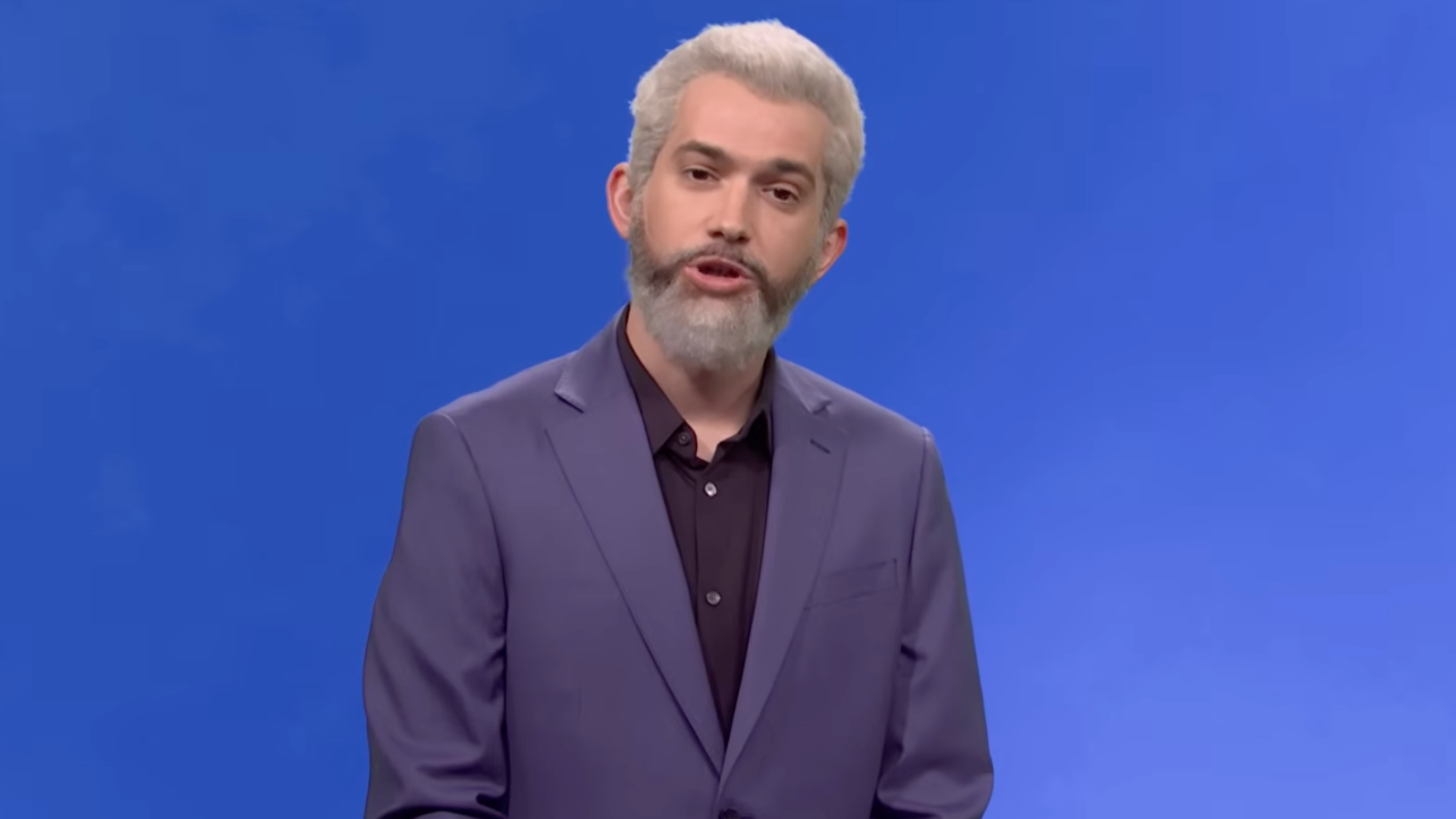
Last week’s Saturday Night Live (SNL) sketch mocking Tourette syndrome sparked intense backlash online — especially from disability advocates in the United Kingdom — and raised critical questions about transatlantic understanding of the neurological condition.
The sketch aired shortly after the deeply controversial moment at the BAFTA Film Awards, when Scottish campaigner John Davidson, who lives with Tourette’s, shouted a racial slur during the ceremony. While BAFTA issued an “unreserved apology” and Davidson expressed remorse if anyone took his tics as intentional, the incident renewed scrutiny on how society interprets involuntary neurological behavior.
Tourette’s syndrome is a neurological condition defined by sudden, involuntary movements or sounds called tics, which can include shouting and — occasionally — offensive words. The condition does not reflect the beliefs or character of those affected; rather, it is a complex and sometimes debilitating disability affecting many individuals worldwide.
The SNL segment, featuring cast members portraying controversial figures such as Mel Gibson, Bill Cosby and J.K. Rowling, suggested that Tourette’s was a convenient excuse for misconduct — a depiction that critics called insensitive, harmful and a misunderstanding of the condition. One line, delivered in character as Louis C.K., quipped that “Tourette’s sucks, especially if you get it in your penis,” eliciting thousands of comments and nearly one million YouTube views.
Up and down social media, reaction was swift. Many U.K. users lashed out, calling the joke “punching down” at a community still fighting stigma and misunderstanding. One widely shared post stated, “The difference between U.K. and U.S. responses has never been clearer,” referencing deep frustration over the sketch’s harmful portrayal and pointing to broader differences in disability education.
Reacting to the controversy, Tourette Scotland — a charity dedicated to destigmatizing the condition — posted an explanatory note tied to the sketch on X, clarifying that tics are involuntary and do not express a sufferer’s values or intentions. Supported by an influx of donations and website activity (many contributions made in Davidson’s name), the organization underscored its educational mission amid renewed public attention.
Similarly, Emma McNally, CEO of British charity Tourette’s Action, condemned SNL’s treatment of the issue as “never acceptable.” She emphasized that mocking a disability perpetuates harmful stereotypes and detracts from efforts to educate the public — a stance strongly echoed by disability advocates across the U.K. community.

These critical voices highlight that, although both countries share English‑language media environments, there exists a notable U.S.–U.K. gap in public understanding of Tourette’s syndrome. In Britain, Tourette’s has long been recognized and contextualized within media and cultural discourse, partly due to landmark works such as the 1989 BBC documentary John’s Not Mad, which followed the teenage Davidson growing up with Tourette’s. The documentary became a cultural touchstone, voted one of the best-ever BBC documentaries by public poll in 2005.
Davidson himself has been an outspoken advocate for awareness, including through projects like the BAFTA‑nominated film I Swear, released around this year’s ceremony. In a heartfelt message shared on Facebook, Davidson thanked supporters for solidarity, while acknowledging the painful week as a reminder that much work remains to improve understanding and empathy around Tourette’s — particularly in media portrayals that reach global audiences.
“The past week has reminded me that what I do raising awareness for such a misunderstood condition — there is still a long way to go,” Davidson wrote. “I will keep on keeping on until this is achieved.”
News
Donald Trump Confirms Attendance at 2026 White House Correspondents’ Dinner After Years of Boycott
The president says he will finally return to the high-profile gala, claiming journalists now “admit” he is one of the greatest presidents in U.S. history.

In a surprising shift, Donald Trump announced that he will attend the White House Correspondents’ Dinner for the first time as president, ending years of tension between his administration and the press corps.
Posting on Truth Social, Trump wrote that the White House Correspondents’ Association had asked him “very nicely” to be the honoree at the 2026 dinner. He emphasized that the tradition dates back to Calvin Coolidge and claimed journalists now recognize him as “one of the Greatest Presidents in the History of our Country.”
Trump asserted that he skipped the event during his first term due to what he described as “extraordinarily bad” and “FAKE NEWS” coverage. According to him, the animosity from the media began “from the beginning” of his presidency.

This year’s dinner will feature mentalist Oz Pearlman as the headliner — a break from the WHCD’s longstanding tradition of hiring comedians known for roasting sitting presidents. The WHCA’s decision follows last year’s controversy, when Amber Ruffin was initially selected to perform but was removed after criticism from the White House.
Before his presidency, Trump attended several WHCDs, including the widely discussed 2011 dinner. That night, then-President Barack Obama and comedian Seth Meyers delivered harsh jokes at Trump’s expense — an incident many believe fueled his decision to launch his presidential campaign in 2015.
The 2026 White House Correspondents’ Dinner is scheduled for April 25 in Washington, D.C., and Trump has promised it will be the “GREATEST, HOTTEST, and MOST SPECTACULAR DINNER OF ANY KIND, EVER.”

Russell T Davies Says ‘You’re Queer in 2026, You’re a Political Act’ — and His New Show ‘Tip Toe’ Is His Most Furious, Personal Work Yet…

Netflix’s Ted Sarandos Turns to Europe After Warner Deal Collapse… and Sends a Subtle Message to Regulators

The Writers of ‘Paradise’ Debated Hard Before Giving You That Jaw-Dropping Moment Early — Here’s Why They Finally Said ‘Do It…’

Rajasthan Royals Sold for Record $1.63 Billion — IPL’s First $1 Billion Franchise, Meet New Owner Kal Somani

Spencer Johnson Ditches PSL, Joins CSK for IPL 2026 — PCB Threatens Legal Action as Player Exodus Continues

1-Iran Issues Dire Warning to Israel and Defies Trump on Nukes: “We’re Ready to Strike Deep Inside”

Donald Trump’s net worth reveals the fortune behind the former US President and business mogul

“She Never Made It Out…” Albany House Fire Claims Woman’s Life as Family Pleads for Help to Bring Her Home

Caitlin Clark Sidelined with Quad Strain, Set to Miss Two Weeks of WNBA Action

“Tomás Rodríguez Net Worth 2025: Panama’s Gold Cup Goal‑Machine’s Surprising Fortune Revealed”

Miss Jamaica Suffers Terrifying Fall Off Miss Universe Stage; Rushed to Hospital on Stretcher in Viral Video

Moana Live-Action Teaser Sparks Outrage as Fans Call Disney’s Move a ‘Clear Money Grab’ — What Went Wrong?

Ryan Gosling’s Project Hail Mary Trailer Stuns Fans with a Mysterious Alien Ally and a Mission That Could Save Earth

Apple delays Jessica Chastain thriller The Savant about domestic extremism after recent US violence

Avatar 3, Fire and Ash trailer reveals Jake Sully’s family facing terrifying new Na’vi enemies with deadly fire powers
-

 Entertainment6 days ago
Cannes 2026 Hasn’t Announced a Single Film Yet — But the Whisper Network Is Already Pointing to These Names and It’s Exciting…
-

 Entertainment7 days ago
Amy Poehler and Sterlin Harjo Are Getting One of Television’s Highest Honours — and the Reason Why Says Everything About Where Storytelling Is Headed…
-

 Entertainment6 days ago
Almodóvar, Lars von Trier, Joel Coen and More — The Films That Could Own Cannes 2026 Are Already Generating Serious Buzz and the List Is…
-

 Entertainment1 week ago
Oscars 2026 Red Carpet Shockers: Zendaya’s Late Arrival, Jessie Buckley’s Grace Kelly Tribute… and Chase Infiniti Owning the Night
-

 Entertainment1 week ago
The Oscars Are Already Being Called Before They Happen and Scott’s Final Feinberg Forecast Reveals a Shocking Front-Runner That Nobody Saw Coming…
-

 Politics1 week ago
“Trump Reveals ‘Early Stage Breast Cancer’ Diagnosis of Susie Wiles… But Says Her ‘Strength Says Everything’”
-

 Entertainment6 days ago
Lollapalooza 2026 Just Dropped Its Most Surprising Lineup Yet — and the One Historic Thing Nobody Is Talking About Is the Real Story…
-

 Health1 week ago
“Kent Meningitis Tragedy: Second Student Dies as Outbreak Sparks Hospital Emergency…”