
Health & Wellness
Women with Chronic Illnesses Fear for Their Lives After CDC Cuts Lifesaving Contraception Guidelines
The disbanding of a specialized CDC team has left sickle cell patients and other women with chronic conditions vulnerable and scared for their future


WESTLAND, Michigan — For D’Asia Jackson, living with sickle cell disease isn’t just painful — it’s unpredictable, exhausting, and now, thanks to federal restructuring, more terrifying than ever. The 28-year-old medical assistant has battled a lifetime of agonizing symptoms, many of which worsen during her menstrual cycle. Now, with the CDC team responsible for updating contraceptive safety guidelines for women with chronic conditions officially disbanded, Jackson and thousands like her fear the very system that once protected them is slipping away.
Sickle cell disease, an inherited blood disorder that mostly affects Black Americans, causes red blood cells to deform into crescent shapes. This leads to blood clots, organ damage, and unimaginable pain. For Jackson, periods often trigger these symptoms, forcing her into hospital stays and iron infusions.
“I always describe it as like being hit by a Mack truck,” she said. “When my period’s coming, I know pain is right behind it.”
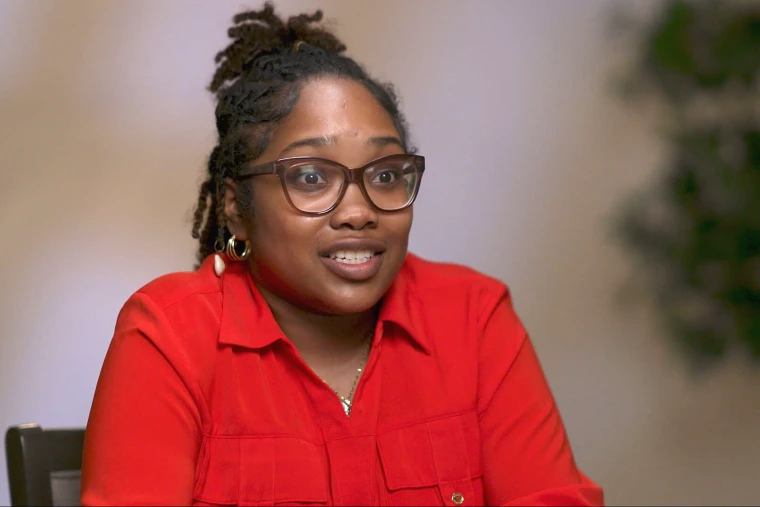
Jackson has cycled through Depo-Provera, IUDs, and birth control pills, trying to manage the symptoms. None worked. In fact, some made her bleeding worse, leaving her with just a few blood-free days a month. Now she’s desperate — not just for relief, but for competent care. “I go into hospital stays having to educate doctors and nurses,” she added.
That situation is poised to become even more dire. The CDC recently eliminated its eight-person Women’s Health and Fertility Branch team, the very group responsible for compiling and updating the U.S. Medical Eligibility Criteria for Contraceptive Use — the nation’s key guidelines used by doctors to determine which contraceptive methods are safe for patients with complex medical conditions.
This move, made under what the Department of Health and Human Services is calling a “consolidation” effort, has effectively halted all ongoing research and dissemination of updated contraception safety data. While HHS claims the changes aim to improve efficiency and maternal health under a new Administration for a Healthy America (AHA), experts strongly disagree.
“This expertise is not duplicated anywhere else in the government,” warned Lee Warner, the recently retired former chief of the branch. “Once it’s gone, it’s gone.”
The most recent CDC update in August highlighted crucial new findings, particularly for sickle cell patients like Jackson. It revealed that combined hormonal contraception, including common birth control pills, poses an “unacceptable health risk” due to the elevated risk of life-threatening blood clots in these patients. Ironically, Jackson — who is currently using both an IUD and a hormonal pill — had no idea.
“I didn’t know that,” she admitted. “I just trust my doctor knows what they’re doing.”
That trust may be misplaced if doctors no longer have access to the latest data. With no plans to continue updates or promote recent findings, millions of women with conditions like lupus, kidney disease, or sickle cell may be prescribed harmful treatments — unknowingly.
For advocates like Teonna Woolford, founder of the Sickle Cell Reproductive Health Education Directive, this isn’t just alarming — it’s deadly. “Pregnancy can carry severe health risks for people with sickle cell,” she explained. “Eliminating this resource will deepen disparities for an already neglected community.”
Nearly 90% of Americans with sickle cell disease are Black, and Black women already face disproportionately high maternal mortality rates. Without these guidelines, care will become a guessing game for patients and providers alike.
Warner revealed that the CDC had planned a national tour this year to educate physicians on the new guidance — a plan now scrapped. “It’s not happening,” he confirmed. “And the longer we wait, the more damage this causes.”
For Jackson, the path forward feels bleak. She’s pleaded for a hysterectomy to stop her pain altogether but has been denied by multiple doctors. “I am terrified of how health care is going to go with all of these cuts,” she said. “It feels like no one’s fighting for us anymore.”








Health & Wellness
From Lab-Grown Meat to ‘Mood Foods’: 7 Surprising Health Trends Americans Will Obsess Over in 2025
Clean protein, AI-designed diets, and foods that hack your brain — here’s what’s about to land on your plate (and why it’s more than just nutrition).

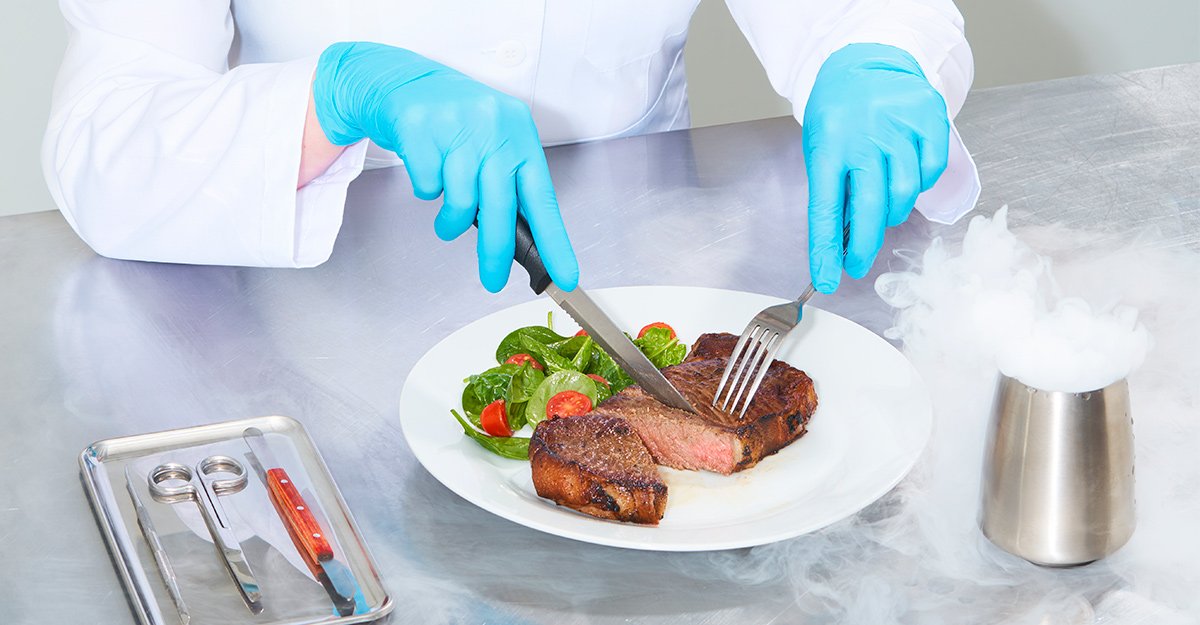
If you think food is just about calories and taste, 2025 is set to prove you wrong. From Silicon Valley startups to your neighborhood grocery aisle, the way Americans eat and think about food is undergoing a radical upgrade — driven by climate anxieties, tech innovation, and a growing desire to feel good, inside and out.
Here’s a look at the top 7 food and health trends you’ll be hearing (and tasting) everywhere in 2025 — some delicious, some daring, and all very real.
1. Lab-Grown Meat Hits the Mainstream
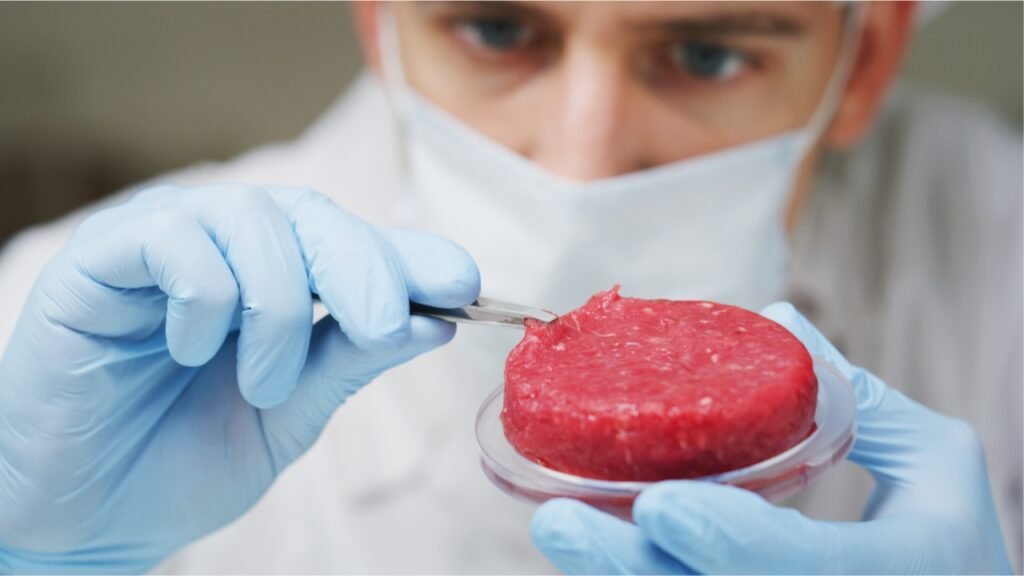
Once dismissed as sci-fi, cultivated meat is finally landing in U.S. restaurants and select supermarkets. No slaughterhouses, less environmental guilt, and taste tests suggest it’s eerily close to the real thing. Expect “cultivated chicken nuggets” and “cell-based seafood” to be buzzwords at your next dinner party.
2. AI-Designed Diet Plans
Forget cookie-cutter meal plans. In 2025, apps are getting smarter, using your DNA, gut microbiome, and wearable data to craft hyper-personalized eating schedules. Some even auto-order your groceries. Goodbye, diet fads — hello, algorithm-approved meals.
3. Plant-Based Everything — But Better
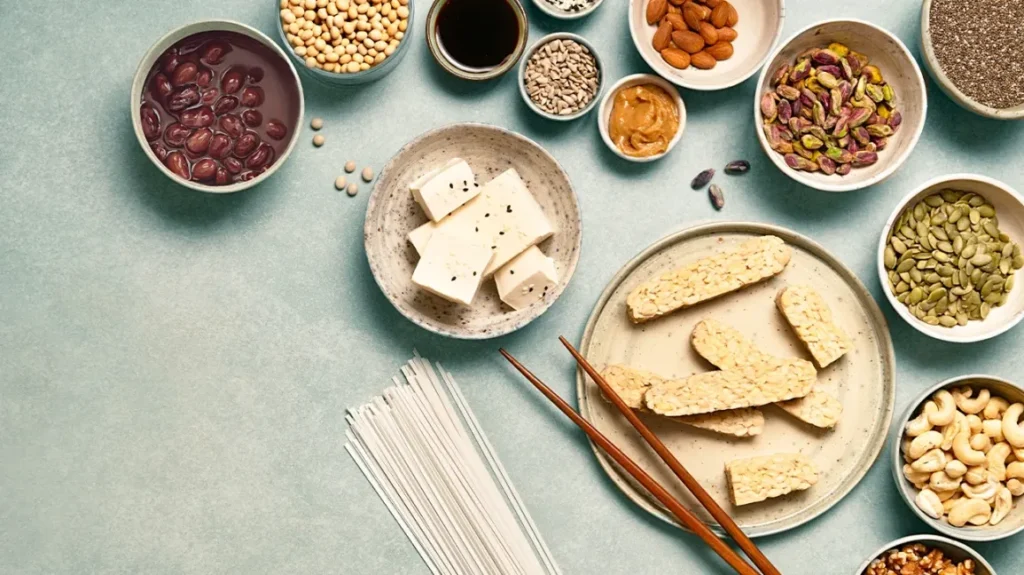
Meat alternatives aren’t new, but next-gen brands are tackling texture and flavor like never before. From mushroom-based steaks to pea-protein seafood, Americans craving less meat and more sustainability are spoiled for choice.
4. Mood Foods: Eat to Feel Happier
Yes, you read that right. Brands are rolling out snacks infused with adaptogens, nootropics, and gut-friendly probiotics promising to boost focus, calm anxiety, or lift your mood. “Functional chocolate” and “stress-busting smoothies” are coming to your fridge soon.
5. Zero-Waste Cooking Goes Viral
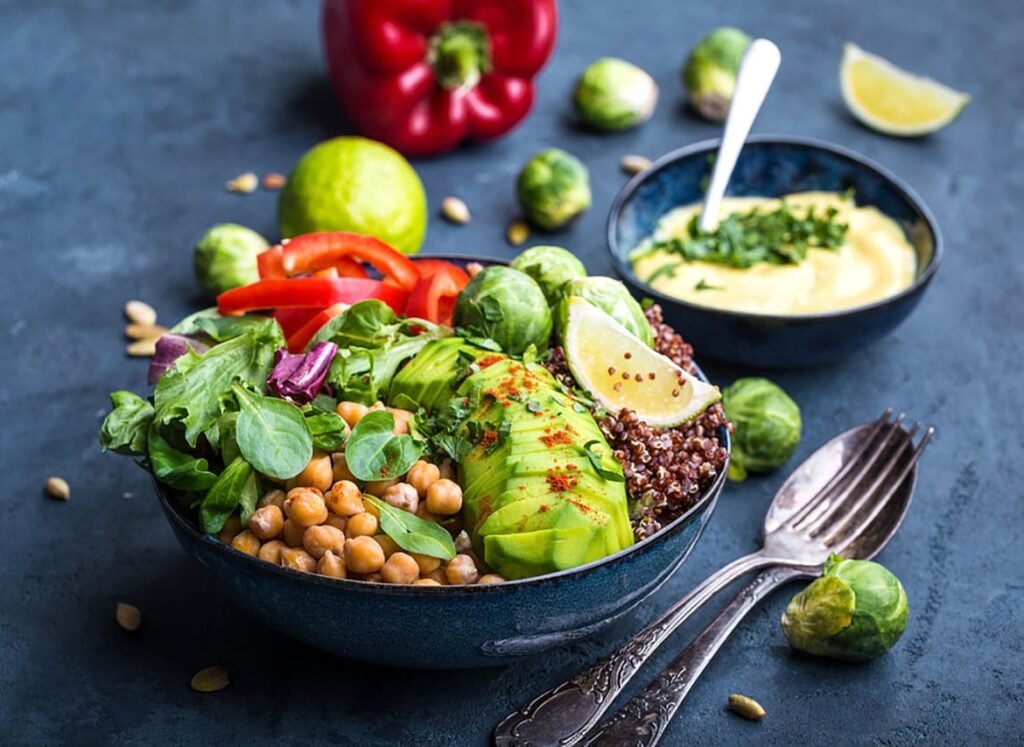
Climate-conscious Gen Z and Millennials are tired of seeing 40% of food wasted. Expect a boom in creative upcycling: broccoli stems turned into chips, coffee grounds into protein bars. Chefs are proudly cooking “root to leaf,” and consumers are eating it up — literally.
6. Sugar Under Siege
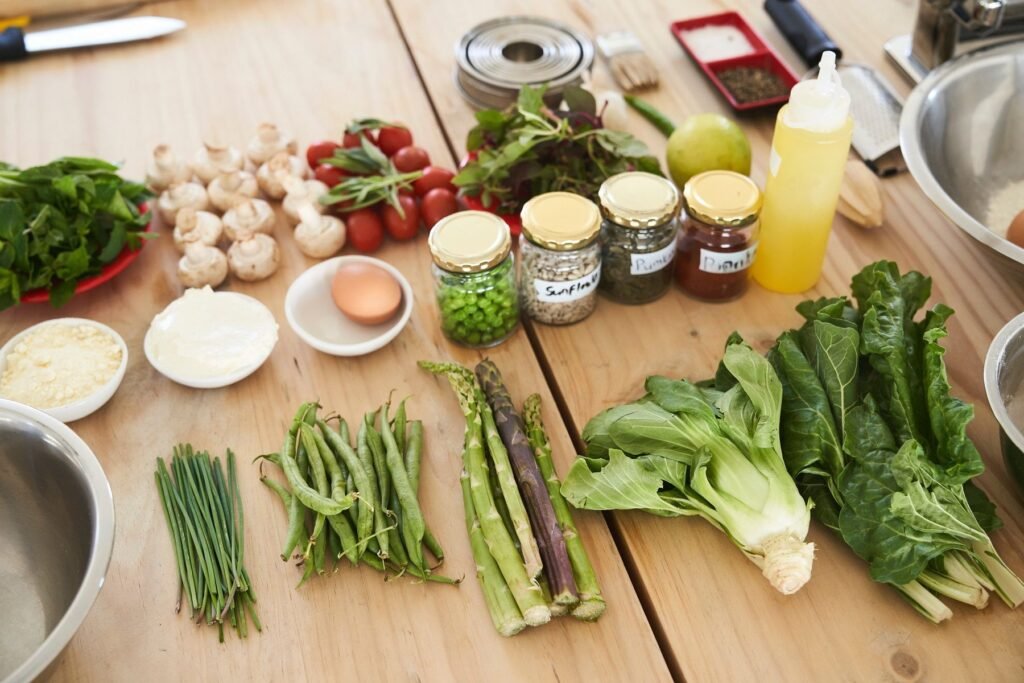
With diabetes and obesity rates still a crisis, brands are racing to outdo each other with low-sugar and sugar-alternative treats that don’t taste like cardboard. Natural sweeteners like allulose and monk fruit are stealing the spotlight from old-school stevia.
7. Gut Health 2.0
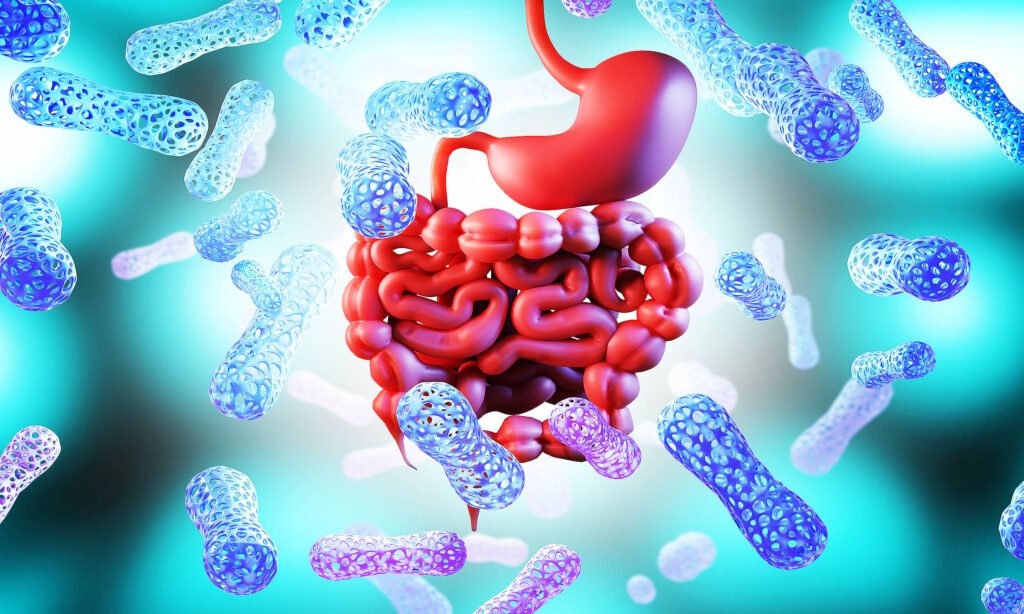
Fermented foods, probiotic shots, and gut-friendly fiber are still trending — but now joined by prebiotic snacks and even “synbiotic” drinks blending both. Americans are realizing that a healthy gut means better immunity, mood, and even clearer skin.
Why It All Matters
These trends aren’t just passing fads; they mirror a seismic shift in how Americans view food — not just as fuel but as medicine, mood regulator, and climate solution. As brands, chefs, and tech giants scramble to stay ahead, 2025 might be the year your lunch does more for your body and planet than ever before.
So buckle up, taste buds. Breakfast, lunch, and dinner are about to get a high-tech, high-wellness makeover.
Health & Wellness
Alkaline Breakfast Ideas to Start Your Morning Fresh and Balanced
Simple and delicious alkaline breakfast recipes to fuel your body and mind with clean energy every day.
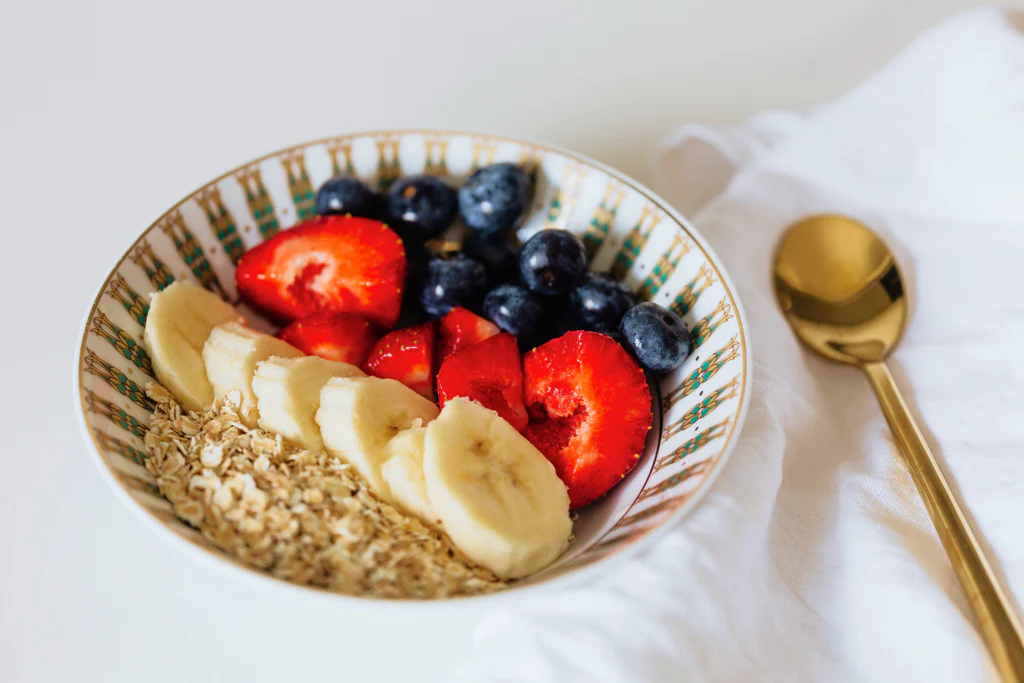
More people than ever are waking up to the benefits of an alkaline breakfast—a gentle, nutrient-rich way to support your body’s natural pH balance and set a positive tone for the day. Nutritionists and wellness coaches agree that starting the morning with alkaline-friendly foods can help boost energy, improve digestion, and even leave you feeling lighter and clearer-headed. Ready to give your mornings a refreshing twist? Here are some easy, tasty ideas to get you started.
First on the list is a vibrant green smoothie bowl. Blend baby spinach, cucumber, a ripe banana, and coconut water until smooth. Pour into a bowl and top with sliced kiwi, fresh berries, and a sprinkle of hemp or chia seeds. According to clean eating advocates, this bowl is hydrating, full of fiber, and naturally alkalizing—perfect for a light yet satisfying breakfast.
Chia pudding is another crowd-pleaser that’s both budget-friendly and easy to prep ahead. Mix chia seeds with unsweetened almond milk and a drizzle of pure maple syrup, then refrigerate overnight. In the morning, top it with alkaline fruits like mango or melon for natural sweetness and extra nutrients.
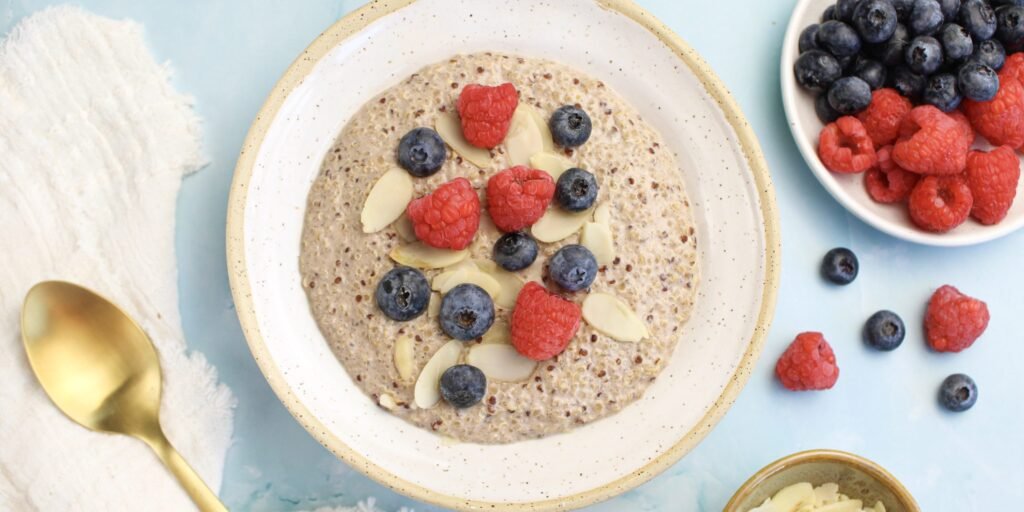
If you’re craving something warm, try a comforting quinoa porridge. Cook quinoa in coconut milk with a pinch of cinnamon. Top with sliced figs or fresh pear, and finish with a handful of raw nuts. Many health-focused foodies say quinoa is a fantastic alkaline alternative to oatmeal, providing protein and a cozy start to the day.
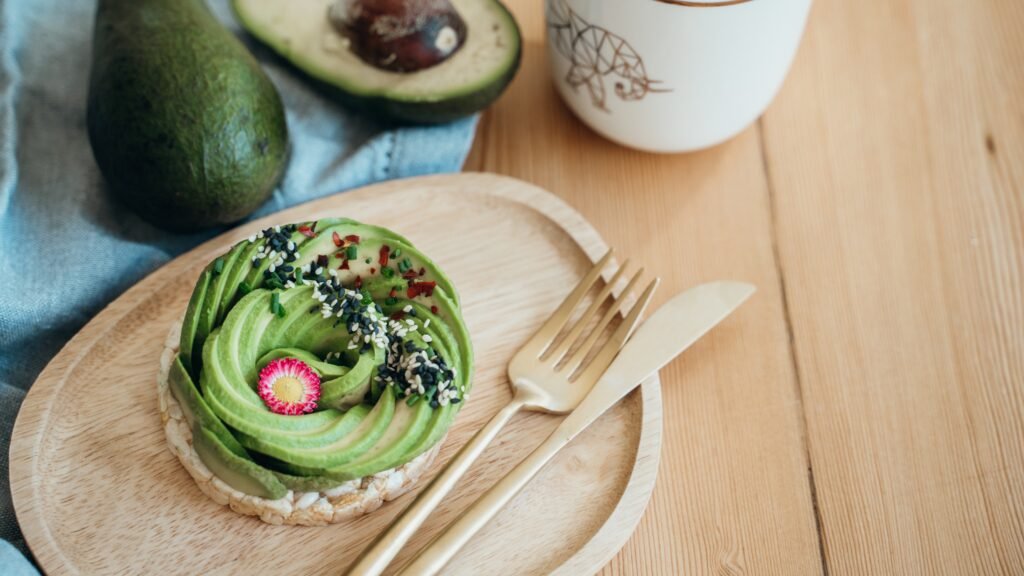
For a savory option, whip up avocado rye toast. Rye bread is a better choice than white bread if you’re aiming for an alkaline effect. Top it with creamy smashed avocado, thin cucumber slices, and fresh sprouts. Add a squeeze of lemon juice and a sprinkle of sea salt for a burst of flavor that’s light yet nourishing.
Pair any of these breakfast ideas with a cup of warm herbal tea or fresh lemon water. Despite tasting acidic, lemon water is praised by wellness experts for its alkaline impact once metabolized, helping to cleanse and hydrate the body gently.
An alkaline breakfast doesn’t have to be complicated or expensive. With just a few mindful swaps and fresh ingredients, you can turn your morning meal into a delicious, energizing ritual that supports your health goals naturally.
Health & Wellness
Best Alkaline Breakfast Foods to Start Your Day Feeling Refreshed and Energized
Explore these easy and delicious alkaline breakfast ideas to help balance your body and boost your morning mood naturally.
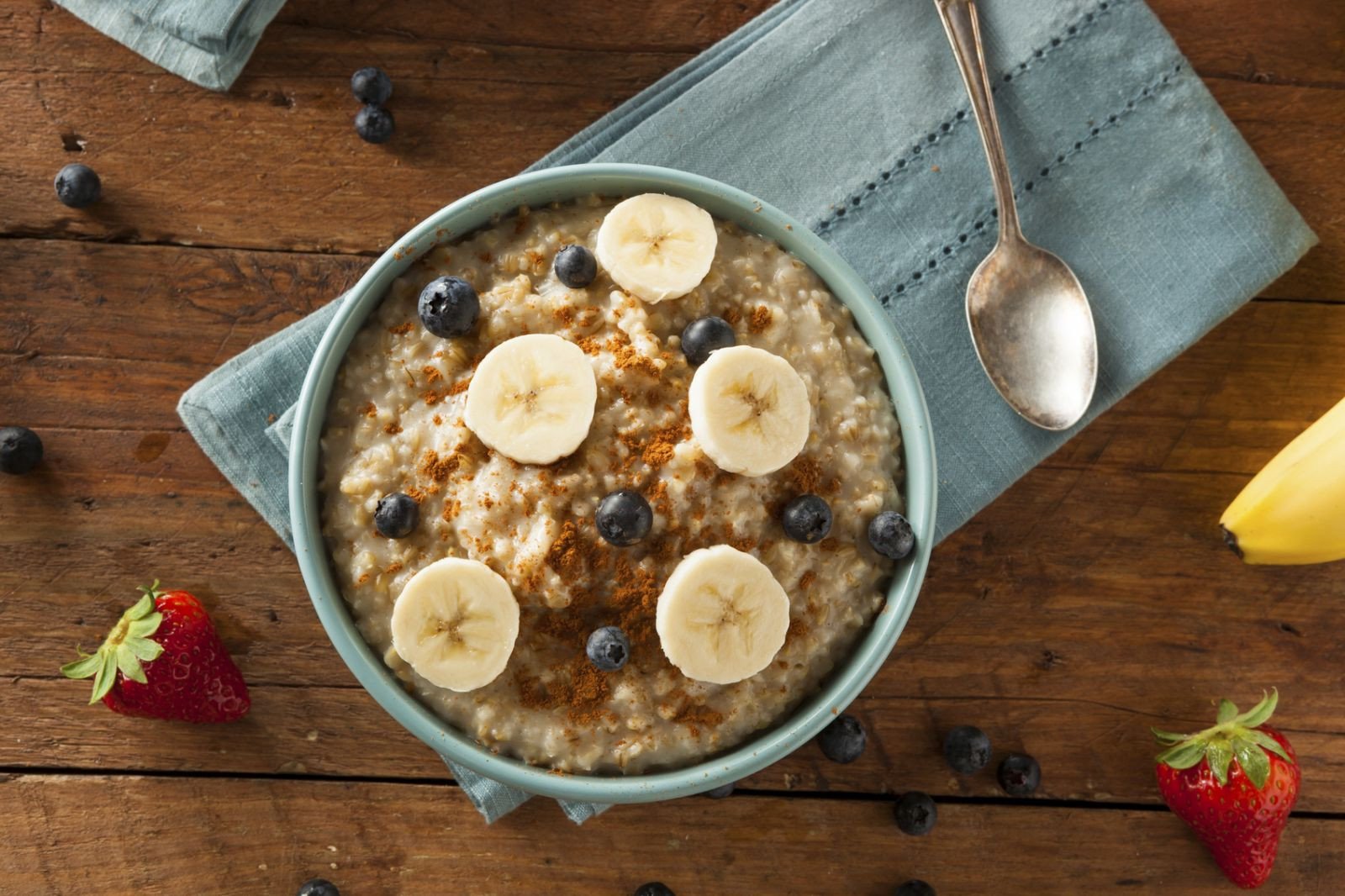
If you’ve ever woken up feeling sluggish and heavy, your breakfast might be to blame. More people are discovering that starting the day with alkaline breakfast foods can be a gentle yet powerful way to support the body’s natural pH balance, aid digestion, and fuel steady energy until lunch. But eating alkaline doesn’t mean sacrificing taste or variety—quite the opposite!
Nutrition coaches say that an alkaline breakfast focuses on whole, minimally processed plant-based ingredients that help neutralize excess acidity in the body. One of the easiest and most refreshing ways to do this is with a vibrant fruit salad. Combine alkaline-rich fruits like watermelon, cantaloupe, kiwi, and fresh berries, and squeeze a bit of lime juice on top. According to wellness experts, starting your day with hydrating fruits can help detoxify and hydrate after a long night’s sleep.
Another favorite is a green smoothie—simple yet packed with nutrients. Blend spinach, cucumber, a handful of mint leaves, and a splash of coconut water. Many health enthusiasts add alkaline boosters like chia seeds or a spoonful of spirulina for extra goodness. This light breakfast is known to wake up the metabolism without leaving you feeling bloated.
For something heartier, quinoa porridge is a great option. Quinoa is technically a seed but behaves like a whole grain and is naturally alkaline. Cook it in almond milk, stir in some cinnamon, and top with fresh figs or sliced pears for a warming, satisfying bowl. According to food bloggers, this dish keeps you full and energized for hours.
You can also build a delicious avocado rye toast. Rye bread is less acid-forming than white bread, and creamy avocado topped with sliced radish or sprouts brings a burst of fiber, healthy fats, and minerals. Sprinkle a pinch of pink salt and cracked pepper for flavor without overloading on processed spreads.
Pair any of these alkaline breakfasts with a cup of warm herbal tea or simply hot water with fresh lemon slices. Although lemons taste acidic, they actually have an alkaline effect once digested—a tip many nutritionists stand by to kickstart digestion naturally.
So tomorrow morning, ditch the heavy, processed options and give your body a fresh start. These alkaline breakfast foods are easy to prepare, naturally delicious, and a beautiful way to support your wellness goals every single day.

“He-Man Wears a Suit…”: Why Nicholas Galitzine’s Masters of the Universe Trailer Has Fans Talking

Camilla Läckberg Isn’t Done Yet… The Queen of Swedish Noir Eyes Film, TV and a Bold Plan to ‘Conquer America’

“Screaming, Crying, Almost Throwing Up”… Sundance Insiders Reveal the Untold Chaos Behind America’s Most Influential Film Festival
From Swedish Noir to Hollywood Dreams Camilla Läckberg Has a Bigger Plan in Motion
When Sundance Nearly Fell Apart Insiders Recall the Chaos Behind the World’s Most Influential Film Festival

1-Iran Issues Dire Warning to Israel and Defies Trump on Nukes: “We’re Ready to Strike Deep Inside”

Donald Trump’s net worth reveals the fortune behind the former US President and business mogul

Caitlin Clark Sidelined with Quad Strain, Set to Miss Two Weeks of WNBA Action

Elon Musk Breaks Ranks with Trump Over ‘Big, Beautiful’ Tax Bill

“Tomás Rodríguez Net Worth 2025: Panama’s Gold Cup Goal‑Machine’s Surprising Fortune Revealed”

Miss Jamaica Suffers Terrifying Fall Off Miss Universe Stage; Rushed to Hospital on Stretcher in Viral Video

Moana Live-Action Teaser Sparks Outrage as Fans Call Disney’s Move a ‘Clear Money Grab’ — What Went Wrong?

Ryan Gosling’s Project Hail Mary Trailer Stuns Fans with a Mysterious Alien Ally and a Mission That Could Save Earth

Apple delays Jessica Chastain thriller The Savant about domestic extremism after recent US violence

Avatar 3, Fire and Ash trailer reveals Jake Sully’s family facing terrifying new Na’vi enemies with deadly fire powers
-
 Entertainment1 week ago
He-Man Wears a Suit Now… Nicholas Galitzine’s ‘Masters of the Universe’ Trailer Drops a Shock Fans Didn’t See Coming
-
 Entertainment1 week ago
Brazil Eyes Oscar History Again… ‘The Secret Agent’ Scores Best Picture Nomination as Wagner Moura Stuns Hollywood
-

 Entertainment6 days ago
“Comedy Needs Courage Again…”: Judd Apatow Opens Up on Mel Brooks, Talking to Rob Reiner, and Why Studio Laughs Have Vanished
-

 Entertainment1 week ago
Oscars Go Global in a Big Way as This Year’s Nominations Signal a New Era: ‘The Academy Is Finally Looking Beyond Hollywood…’
-

 Entertainment1 week ago
“Dangerously Kinky… and Darkly Funny”: Olivia Wilde and Cooper Hoffman Push Boundaries in ‘I Want Your Sex’
-

 Sports1 week ago
A Strong Night for Caleb Williams Ends With Doubts About the Bears’ Late Decisions
-

 Crime6 days ago
Man Accused in Tupac Shakur Killing Asks Judge to Exclude Critical Evidence
-

 Politics1 week ago
Why Bari Weiss Says Pulling a ‘60 Minutes’ Story Was the Right Call — Even If It Looked Radical