
Politics
Jon Stewart Seth Meyers Say Trump Venezuela Plan Drags America Into Another Endless Drama
Comedians warn that Donald Trump’s proposal to “manage Venezuela temporarily” after any hypothetical capture of Nicolás Maduro feels like a reality show no one asked for

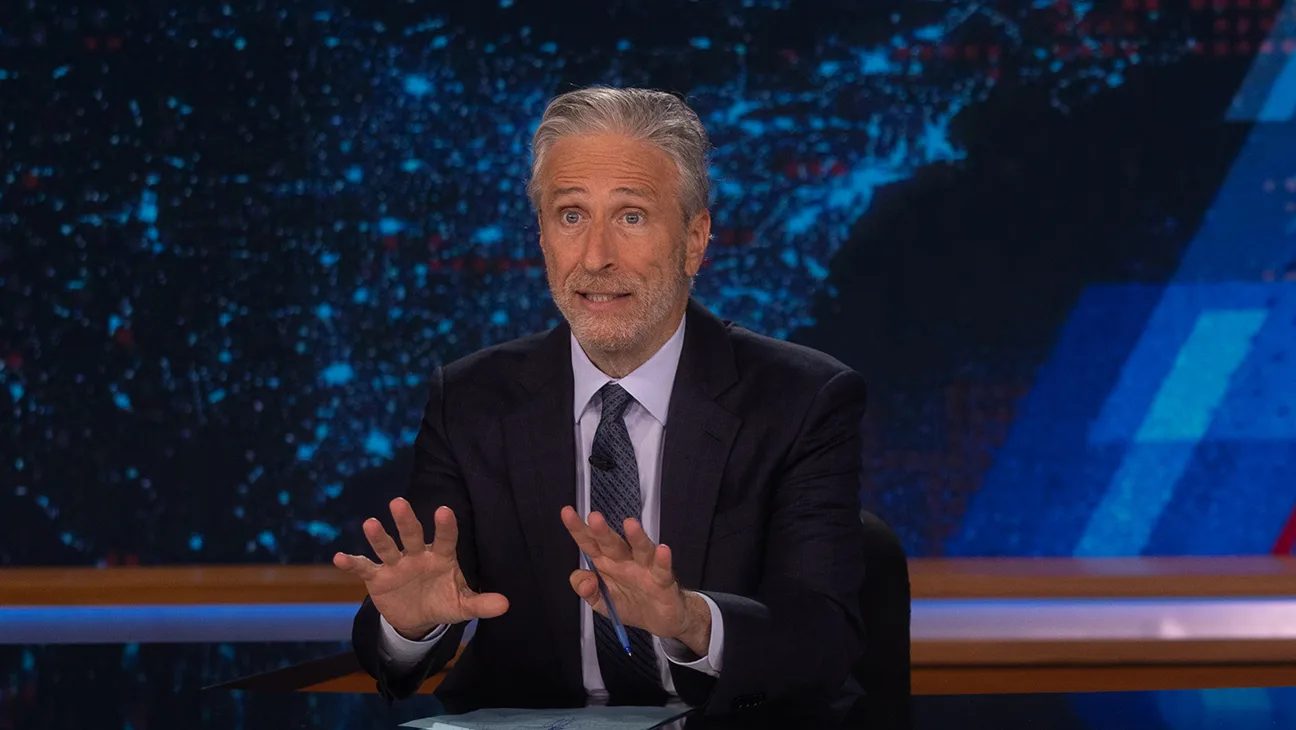
When politics begins to sound like a late-night monologue, you know something unusual has entered the conversation. This week, U.S. television personalities Jon Stewart and Seth Meyers joined a chorus of voices questioning a newly floated idea from Donald Trump—a suggestion that America could step in to run Venezuela on a temporary basis if the United States ever succeeded in capturing Nicolás Maduro, the long-entrenched leader in Caracas. The plan, light on detail and heavy on bravado, became instant fuel for comedy writers and policy analysts alike.
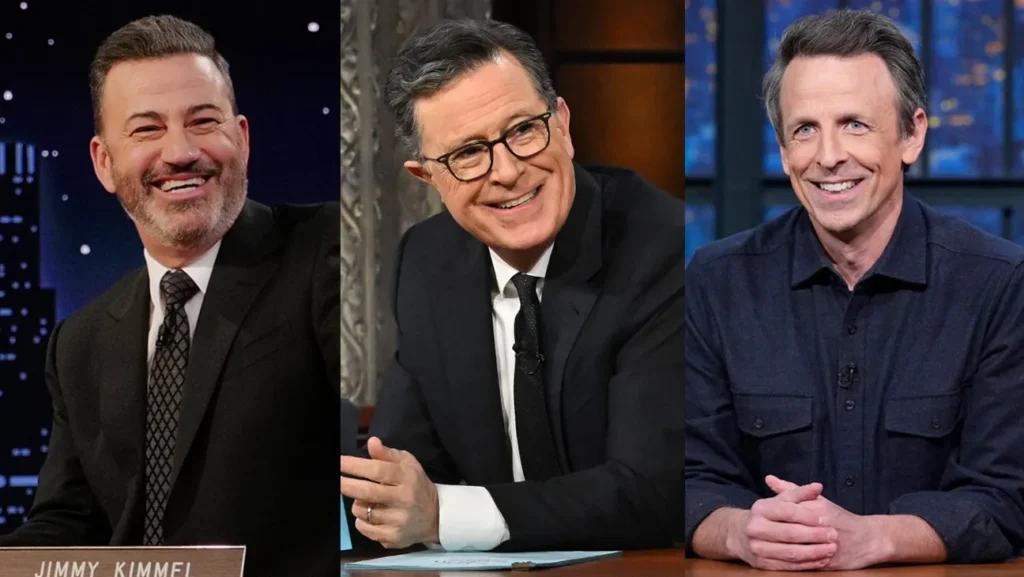
On his program, Stewart—host of The Daily Show and one of the sharpest observers of American power—remarked that the mere thought of adding Venezuela to Washington’s to-do list was “all exhausting.” His comments echoed those of Meyers, the face of Late Night with Seth Meyers, who told viewers that Americans were already worn down by domestic battles over inflation, immigration, and elections. “This feels like adopting someone else’s chaos while we can’t even find the TV remote at home,” Meyers joked, capturing the mood in many living rooms.
ALSO READ : “She Never Made It Out…” Albany House Fire Claims Woman’s Life as Family Pleads for Help to Bring Her Home
The proposal originated during a rally speech where Trump revisited his long rivalry with Maduro and the Venezuelan state. Trump claimed that Venezuela, blessed with enormous oil reserves and a strategic Caribbean coastline, had been mismanaged for decades and that the United States possessed the know-how to stabilize it. He offered no roadmap beyond declaring that America might “hold the wheel for a while.” Supporters applauded; critics reached for their notebooks—and comedians reached for their punchlines.
To understand the skepticism, one must look at the tangled history between Washington and Caracas. The U.S. has maintained sanctions against Maduro’s government since the days of opposition leader Juan Guaidó, and successive administrations—from Joe Biden to earlier presidents—have struggled to influence Venezuela’s direction. Analysts at the Council on Foreign Relations note that any direct management would require congressional approval, cooperation from regional players such as Brazil under President Luiz Inácio Lula da Silva, and at least a nod from the United Nations. None of that was mentioned on the rally stage.
Stewart reminded his audience that America has a complicated record with “temporary interventions.” He referenced the era of George W. Bush and the Iraq occupation, as well as earlier Cold War experiments in nation-building across Latin America. Those efforts, he said, often began with promises of quick fixes and ended with long commitments that changed the countries—and changed the United States. The comedian’s unease sounded less like partisan sniping and more like civic memory speaking through humor.
Meyers took a similar route, though his tone leaned brighter. He imagined what it would look like if Trump appointed a celebrity cabinet to oversee Venezuela, perhaps calling in businessman Elon Musk or influencers from X (formerly Twitter) to livestream the process. Meyers, who maintains an active profile on Seth Meyers official X account, told viewers, “We already have enough billionaires trying to run America; now they’re collecting countries like fridge magnets.”
Policy experts were not laughing quite as loudly, but they were making comparable points. Former U.S. diplomats including James Story, the last American ambassador to Venezuela before relations froze, cautioned that removing Maduro—let alone capturing him—was itself speculative. Even if that occurred, they argued, Venezuela’s opposition groups, the military establishment, and neighbors such as Colombia led by President Gustavo Petro Wikipedia profile would insist on Venezuelan ownership of the transition. International law scholar Monica Hakimi from Columbia Law School LinkedIn page explained that external management considered legitimate would have to be invited by Venezuelans, not imposed by a rally line.
The roast intensified after Stewart and Meyers were joined by other entertainers. Comic actor Arshad Warsi—known in India for being delightfully unbothered about political noise—shared in a separate interview that people should live life on their own terms and ignore imported outrage. Stewart referenced Warsi’s philosophy indirectly, saying Americans were tired because they “care too much about every loud idea.” The connection illustrated how comedy across continents sometimes converges on the same wisdom: protect your energy.
Still, the controversy highlighted genuine issues inside Venezuela. The economic collapse has driven more than seven million migrants across the hemisphere, according to reports from Reuters and the World Bank Wikipedia page. Oil production, once a source of national pride, has limped despite interest from corporations such as Chevron and India’s Reliance Industries Wikipedia profile. Stewart acknowledged those hardships, adding that Venezuelans deserve relief—but through democratic rebuilding, not through another American experiment in management science.
Critics in Washington also wondered whether Trump was using the idea to distract from legal pressures at home. Special counsel veteran Jack Smith Wikipedia page, who previously investigated Trump, had described how big promises can be deployed as political shields. Stewart noted, “Every exhausting plan has a second purpose; we just don’t always see it.”
Meyers closed his segment by inviting viewers to imagine a different headline, something like: “America fixes its own potholes before fixing Venezuela’s palaces.” His point was clear—late-night television may trade in jokes, but it often voices the first draft of common sense. The comedians were not defending Maduro; they were defending Americans from fatigue.
Whether the plan disappears or returns in another speech, Stewart believes citizens should ask for details before applause. Meyers thinks the same, though he’ll reminding everyone with a grin. For now, the only thing being captured is attention—and even that feels, in Meyers’ words, “this is all exhausting.”





South Korea
6-Hour Martial Law Gamble Ends In Life Sentence As South Korean Court Jails Yoon Suk Yeol.
South Korean Court Sentences Yoon Suk Yeol To Life For Insurrection

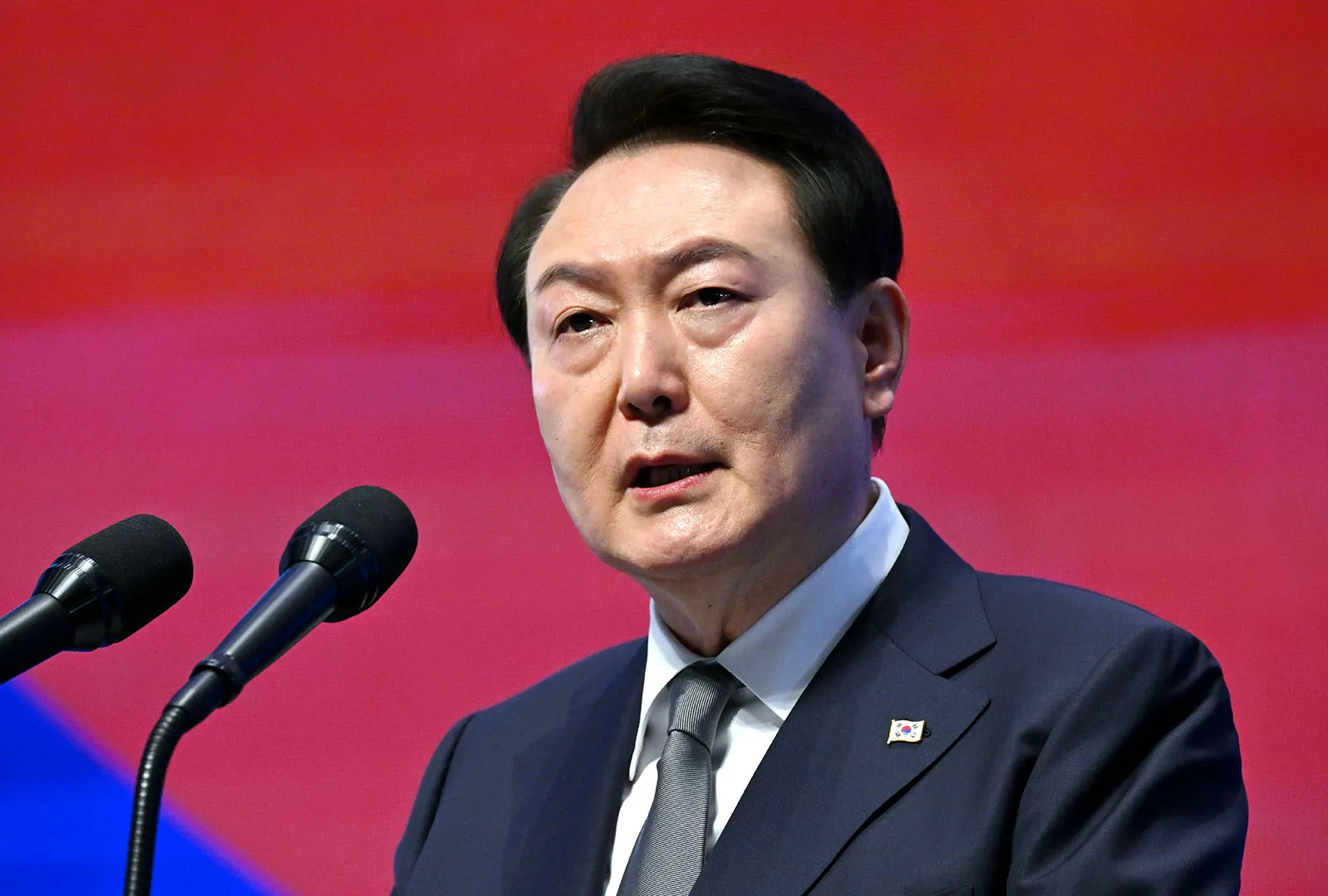
Former President Yoon Suk Yeol Found Guilty Of Insurrection After Deploying Troops To Parliament
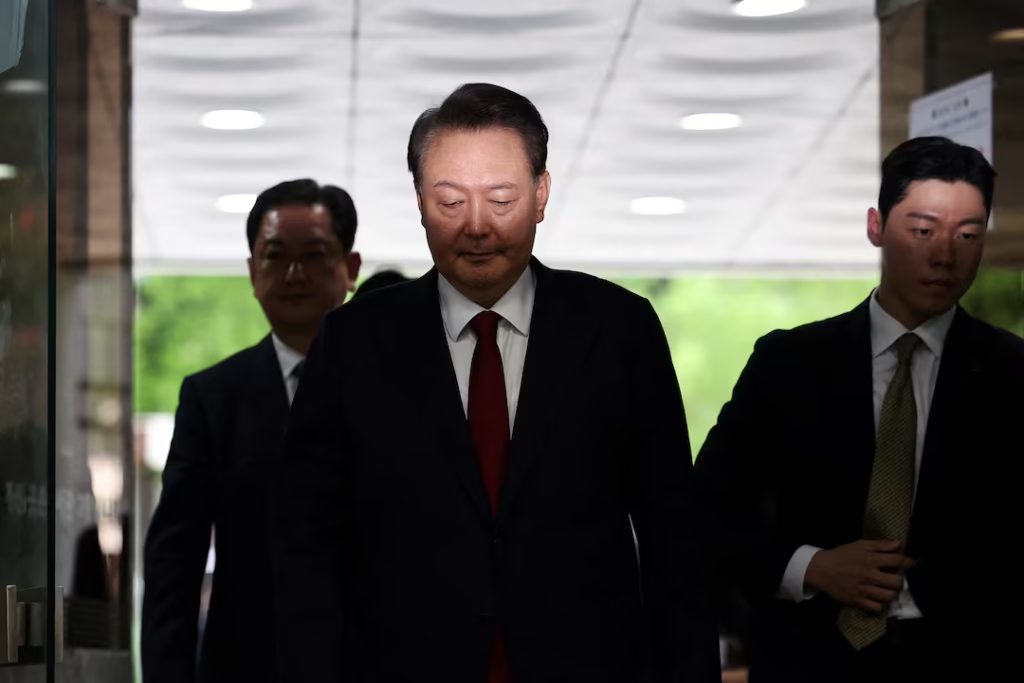
In a historic and dramatic ruling, a South Korean court on Thursday sentenced former President Yoon Suk Yeol to life imprisonment after finding him guilty of masterminding an insurrection linked to his controversial December 2024 martial law attempt.
The decision marks one of the most consequential political trials in modern South Korean history.
Why Yoon Was Handed Life In Prison
The court ruled that Yoon conspired with then-Defence Minister Kim Yong-hyun to undermine the constitutional order by deploying armed troops to the National Assembly.
Judge Jee Kui-youn said sending soldiers to parliament and attempting arrests amounted to acts of insurrection. The declaration of martial law, which lasted roughly six hours before being overturned by lawmakers, triggered mass protests and a nationwide political crisis.
Prosecutors had sought the death penalty — the maximum punishment under South Korean law — but the court instead imposed life imprisonment. South Korea has not carried out an execution since 1997.
Kim received 30 years in prison, while other former officials were also convicted.
What Yoon Said In His Defense
Yoon denied wrongdoing, arguing that as president he had the authority to declare martial law. He claimed the move was meant to counter what he described as obstruction by opposition parties.
His legal team has indicated plans to appeal the verdict. Yoon remains detained at the Seoul Detention Centre and can challenge the ruling at both appellate court and Supreme Court levels.
Shockwaves Across South Korea
The brief martial law attempt stunned the nation, which is Asia’s fourth-largest economy and a key ally of the United States. The crisis tested the resilience of South Korea’s democracy and deepened political divisions.
Current President Lee Jae Myung, who won a snap election following Yoon’s removal, praised citizens for peacefully resisting the move.
In a post on X, Lee said the outcome was possible “because it was the Republic of Korea,” applauding the public’s defence of democracy.
What Happens Next?
Judicial guidelines suggest the appeals process could stretch up to two years. Yoon is also appealing a separate five-year sentence handed down earlier this year in another case.
For now, South Korea watches as one of its most dramatic political chapters unfolds — a former president sentenced to life for an insurrection that lasted just six hours, but shook a nation to its core.
USA
10 Skiers Missing After Massive Lake Tahoe Avalanche 6 Rescued as Storm Triggers High Danger Warning
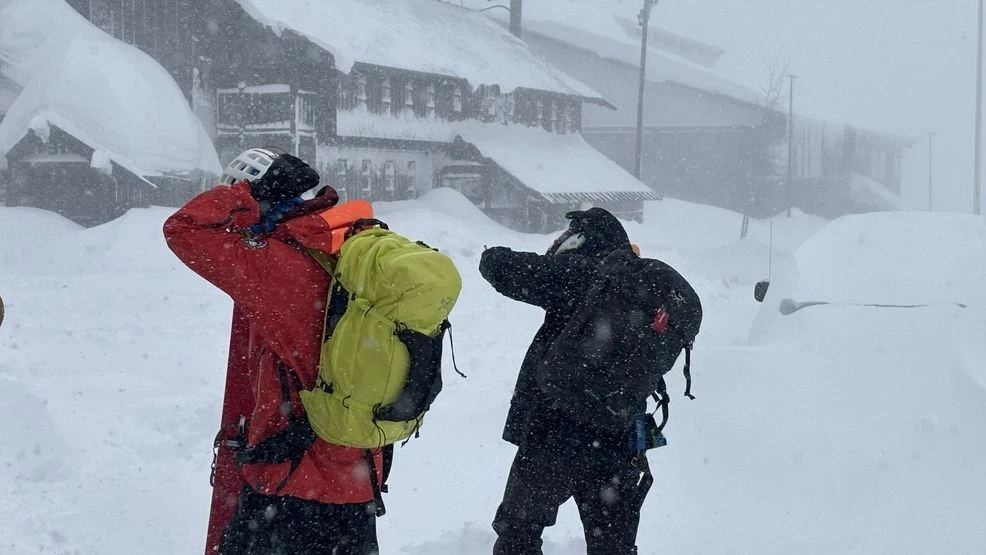
Rescue teams race against time near Castle Peak as a powerful winter storm fuels treacherous avalanche conditions in Northern California.
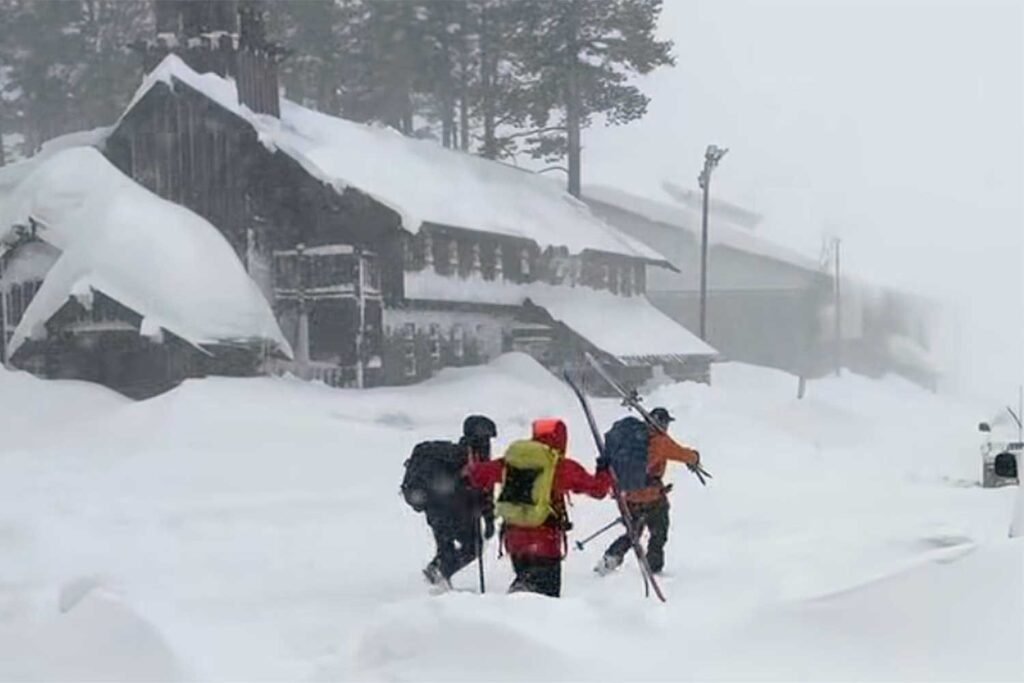
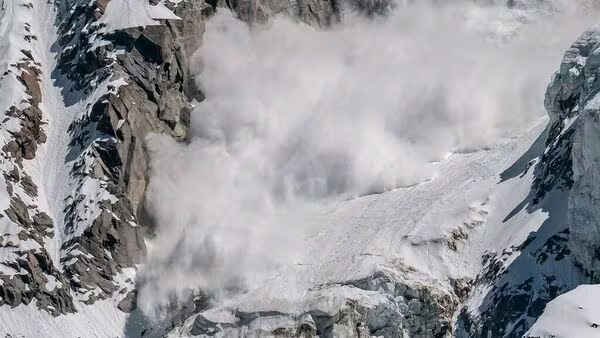
A terrifying avalanche near Lake Tahoe has left 10 backcountry skiers missing while six others have been rescued in what officials are calling a rapidly evolving emergency.
The massive slide struck Tuesday morning near Castle Peak, a popular backcountry skiing destination northwest of Lake Tahoe, as a group was wrapping up a guided three-day trip. Authorities say the avalanche hit around 11:30 a.m. local time, prompting an urgent 911 call to the Nevada County Sheriff’s Office.
What Happened on the Mountain
According to officials and tour organizers, the group consisted of four ski guides and 12 clients. The skiers were reportedly in the process of returning to the trailhead when the avalanche roared through the area.
In a statement, Blackbird Mountain Guides confirmed:
“The group was in the process of returning to the trailhead at the conclusion of a three-day trip when the incident occurred.”
So far, six individuals who were stranded have been rescued. However, search efforts continue for the remaining missing skiers as heavy snowfall and dangerous conditions complicate operations.
Massive Multi-Agency Rescue Effort
Authorities described the situation as “fluid,” warning that details could change rapidly.
Captain Russell Greene of the sheriff’s office told reporters that rescue teams are actively contacting families of those involved.
The response has been extensive, involving:
- Nevada County Search and Rescue
- California Department of Forestry and Fire Protection
- Placer County Sheriff’s Office
- Tahoe Nordic Search and Rescue
- Washoe County Sheriff’s Office
- Washoe County Search and Rescue
- Truckee Fire
Trained ski patrol rescue teams from nearby resorts have also joined the mission, navigating treacherous terrain and severe weather to locate survivors.
Storm Conditions Fueling Avalanche Danger
The avalanche occurred as Northern California is being battered by a powerful winter storm bringing heavy snowfall, gale-force winds, and dangerous thunderstorms.
The Sierra Avalanche Center, based in Truckee, had already issued warnings about high avalanche danger across the Central Sierra Nevada and the Greater Lake Tahoe region.
Officials warned that:
- Rapidly accumulating snowfall
- Fragile snowpack layers
- Gale-force winds
were creating ideal conditions for large, destructive avalanches.
Brandon Schwartz, the Tahoe National Forest’s lead avalanche forecaster, said:
“It’s particularly dangerous in the backcountry right now just because we’re at the height of the storm.”
Unlike ski resorts along major highways — which use avalanche mitigation programs to control slides — backcountry areas like Castle Peak do not have those protections. Authorities had strongly discouraged travel in or below avalanche-prone terrain.
Resorts Closed, Warnings Ignored
Several ski resorts around Lake Tahoe were partially or fully closed due to extreme weather conditions. While controlled resort areas are generally monitored and stabilized, the backcountry remains unpredictable.
Experts note that backcountry skiing, while increasingly popular, carries inherent risks — especially during active storm cycles. Avalanche conditions can shift within hours, making even experienced groups vulnerable.
Families Waiting, Search Continues
Officials have not yet released the identities of those missing. Rescue teams are racing against time as snow continues to fall and temperatures remain low.
Authorities stress that this remains an active and developing emergency.
For now, the focus remains on locating the missing skiers and safely navigating a mountainside that experts say is among the most dangerous it has been all season
Politics & Government
Make Japan Strong Again Sanae Takaichi’s Bold Military Gamble That Could Redefine Asia.
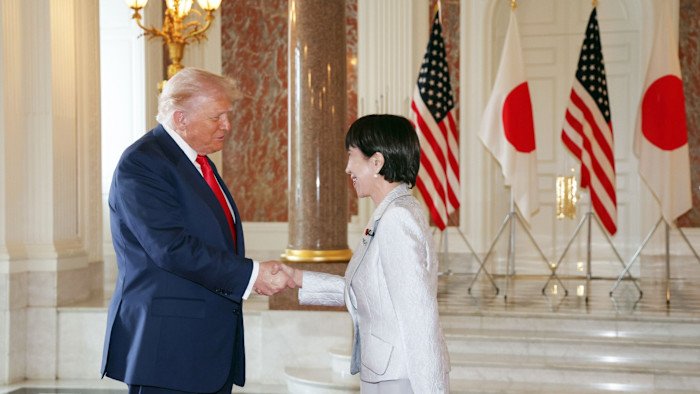
With a historic supermajority behind her, Prime Minister Sanae Takaichi is accelerating defense spending, challenging China, and testing the limits of Japan’s pacifist constitution.
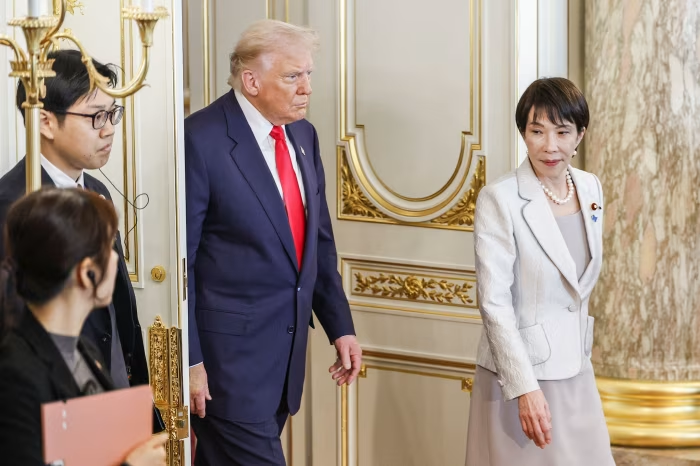
Japan has entered a new political era. Prime Minister Sanae Takaichi and her ruling Liberal Democratic Party (LDP) have secured a landslide parliamentary victory — one powerful enough to reshape the country’s postwar security identity.
For the first time since its founding in 1955, the LDP now controls a two-thirds supermajority in Japan’s lower house. That margin is not symbolic — it is transformative. It gives Takaichi the political muscle to override opposition resistance and pursue constitutional revisions that once seemed politically impossible.
The question echoing across Asia now is simple but profound: Is Japan about to shed its pacifist skin and become a more assertive military power?
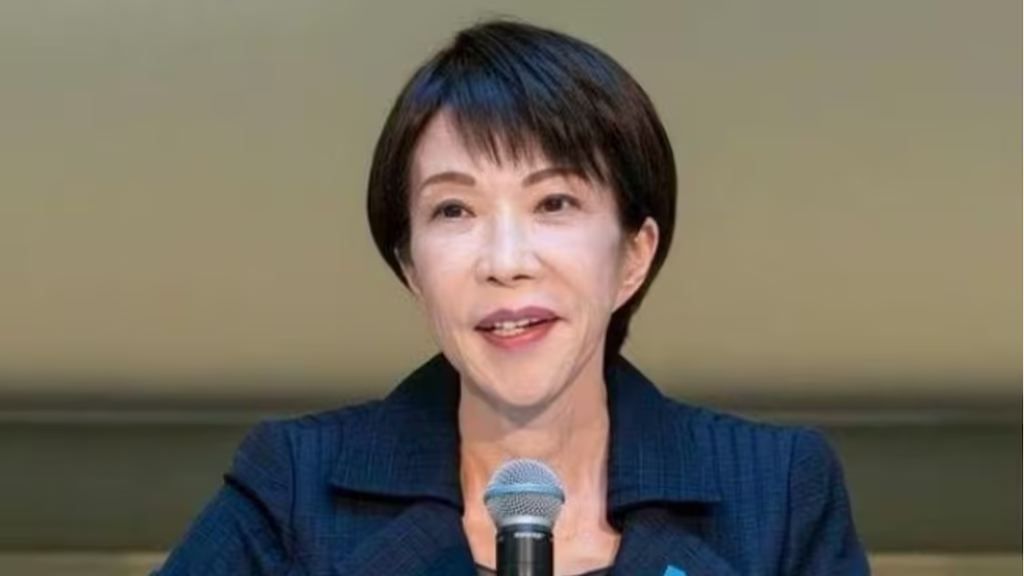
Continuing Shinzo Abe’s Vision of a “Strong Japan”
akaichi has openly positioned herself as the political heir to former Prime Minister Shinzo Abe, who famously pledged to “restore a strong Japan.”
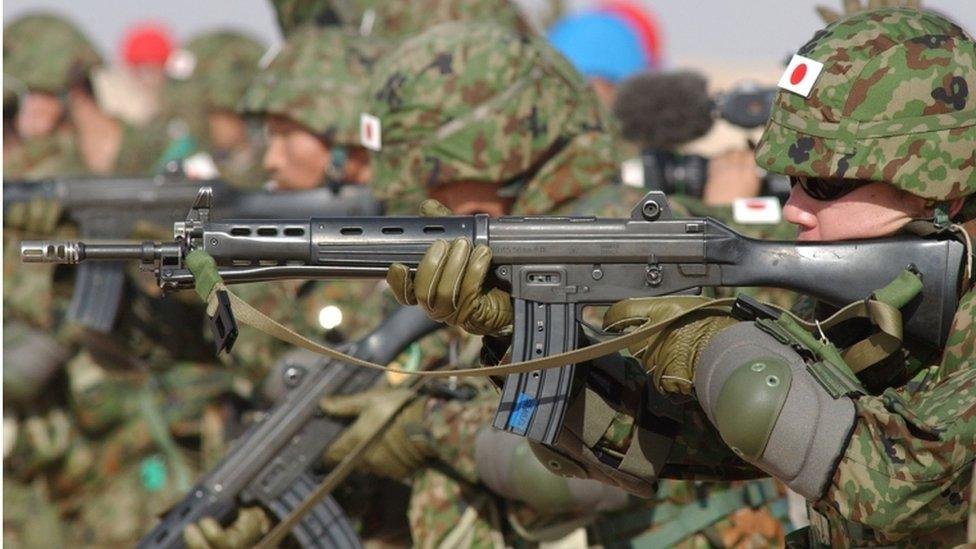
During Abe’s eight-year tenure, Japan adopted what he called “proactive pacifism.” That phrase marked a subtle but significant shift. Under his leadership, Japan:
- Strengthened the Self-Defense Forces
- Lifted long-standing bans on arms exports
- Deepened ties with NATO and the European Union
- Expanded the Quad partnership with Australia, India, and the United States
- Reinterpreted the constitution in 2014 to allow “collective self-defense”
That reinterpretation meant Japan could aid an ally under attack — a dramatic departure from decades of rigid pacifism.
Takaichi now wants to take those reforms even further.
Confronting China and the Taiwan Question:
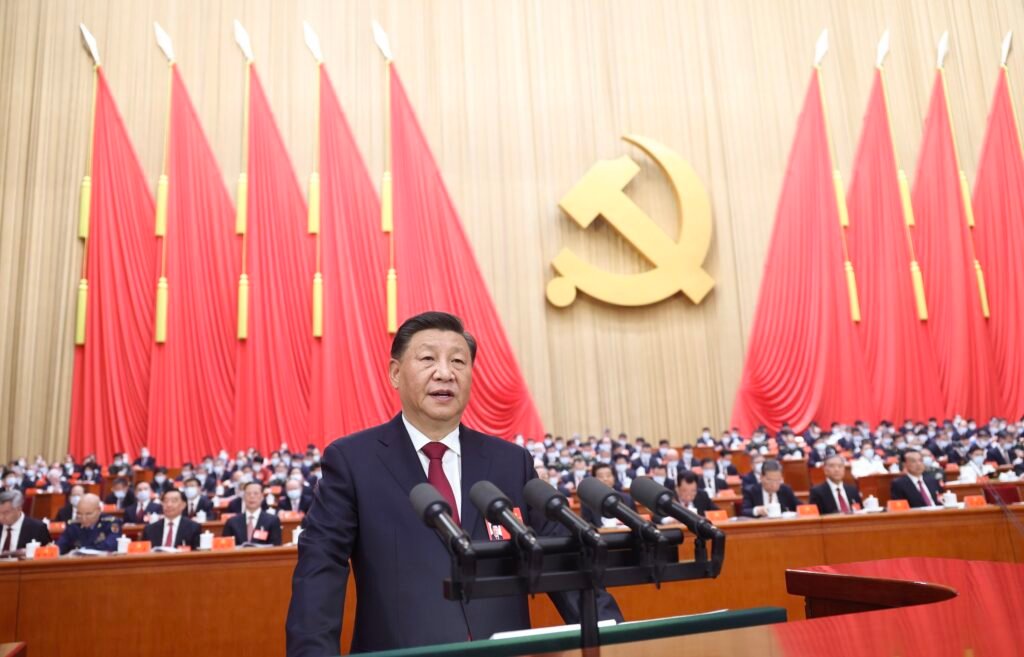
Shortly after becoming prime minister, Takaichi triggered diplomatic friction with Xi Jinping’s government by suggesting Japan would come to Taiwan’s defense if China launched an attack.
Beijing reacted swiftly.
China issued sharp warnings, applied economic pressure, and discouraged Chinese tourism to Japan. Officials accused Takaichi of destabilizing the region and threatening the international order.
But the prime minister did not retreat.
Instead, she appears to be using China’s assertiveness as political leverage at home. Public sentiment in Japan has shifted significantly in recent years amid rising concerns about Chinese military activity in the East China Sea and around Taiwan.
Following the election, 69% of voters expressed approval of Takaichi’s cabinet performance — a sign that the electorate may be more open to defense expansion than at any point since World War II.
A Military Expansion at Record Speed
Takaichi’s government is preparing to revise Japan’s 2022 National Security Strategy. Her approach blends national security with economic and industrial policy — what she calls “crisis management.”
Despite Japan’s mounting public debt, she has already increased defense spending to 2% of GDP ahead of schedule, aligning with NATO benchmarks. And she has pledged to go further.
Key proposals include:
- Acquiring nuclear-powered submarines
- Further deregulating arms exports
- Allowing the transfer of lethal weapons
- Expanding intelligence capabilities
- Establishing a National Intelligence Bureau modeled after the CIA
- Passing a new anti-spy law
Japan has already taken bold steps. It permitted exports of Patriot PAC-3 air defense systems to the United States to replenish stocks sent to Ukraine and Israel. It agreed to sell Mogami-class frigates to Australia and is co-developing a next-generation fighter jet with Italy and the United Kingdom.
While Japan’s military aid to Ukraine remains non-lethal, participation in NATO-led initiatives signals a widening security role far beyond East Asia.
A Turning Point for Asia
Ten years ago, Angela Merkel was described as the “leader of the free world.” Today, some commentators are calling Takaichi the “world’s most powerful woman.”
Whether that title proves accurate will depend on how she balances assertiveness with diplomacy.
If Japan rewrites its pacifist constitution, expands arms exports, and deepens security ties with NATO, it could alter the balance of power across the Indo-Pacific.
Yet the risks are equally significant. A more militarized Japan could provoke stronger reactions from China and heighten regional tensions.
For now, one thing is certain:
Japan is no longer quietly sitting on the sidelines of global security politics. Under Sanae Takaichi, it is preparing to step forward — boldly and unapologetically.

4-Year Time Jump Revealed Spider-Man Brand New Day Book Accidentally Leaks Plot Details

Jon Stewart Seth Meyers Say Trump Venezuela Plan Drags America Into Another Endless Drama

NBC Olympics Broadcasters Break Silence on Savannah Guthrie’s Absence: “We Send Our Love and Prayers”

Super Bowl 2026 Ad Frenzy Goes Hollywood: Sabrina Carpenter, George Clooney, Emma Stone and Bradley Cooper Set to Steal the Spotlight… and That’s Not All

“Everything Was Falling Apart”: Insiders Reveal the Turbulent Year That Nearly Broke Sundance

1-Iran Issues Dire Warning to Israel and Defies Trump on Nukes: “We’re Ready to Strike Deep Inside”

Donald Trump’s net worth reveals the fortune behind the former US President and business mogul

Caitlin Clark Sidelined with Quad Strain, Set to Miss Two Weeks of WNBA Action

“Tomás Rodríguez Net Worth 2025: Panama’s Gold Cup Goal‑Machine’s Surprising Fortune Revealed”

Elon Musk Breaks Ranks with Trump Over ‘Big, Beautiful’ Tax Bill

Miss Jamaica Suffers Terrifying Fall Off Miss Universe Stage; Rushed to Hospital on Stretcher in Viral Video

Moana Live-Action Teaser Sparks Outrage as Fans Call Disney’s Move a ‘Clear Money Grab’ — What Went Wrong?

Ryan Gosling’s Project Hail Mary Trailer Stuns Fans with a Mysterious Alien Ally and a Mission That Could Save Earth

Apple delays Jessica Chastain thriller The Savant about domestic extremism after recent US violence

Avatar 3, Fire and Ash trailer reveals Jake Sully’s family facing terrifying new Na’vi enemies with deadly fire powers
-

 Entertainment7 days ago
Feinberg Forecast Whispering New Year Surprises in Oscar Predictions as Hollywood Changes Its Weather
-

 Entertainment6 days ago
Turning Point USA’s ‘Alternative Halftime’ Sparks Buzz ‘Not Bad Bunny, But a Message…’
-

 Entertainment1 week ago
Where to Stream the 2026 Grammys Online… How to Watch Music’s Biggest Night Live Without Missing a Beat
-
 Entertainment7 days ago
Netflix Becomes the New Weekly Destination for The Bill Simmons Podcast
-
 World News1 week ago
Spain’s Deadliest Rail Accidents Explained… and the Safety Changes That Came After
-

 Entertainment7 days ago
Explosive New Court Document Could Turn the Tupac Shakur Murder Case Upside Down
-

 Business7 days ago
Amazon Says Sports Advertising Dream Gets Bigger in New Year as CES Opens the Stadium Doors
-
 Entertainment1 week ago
‘Melania’ Shocks the Box Office With $8 Million Debut… How a Quiet Documentary Just Outperformed Hollywood Action Films