
World
Iran President injured during Israeli airstrike? Secret Tehran bunker attack raises alarming questions
Iran’s Masoud Pezeshkian reportedly hurt while fleeing bombed underground facility as Israel’s precision intel stuns Tehran leadership


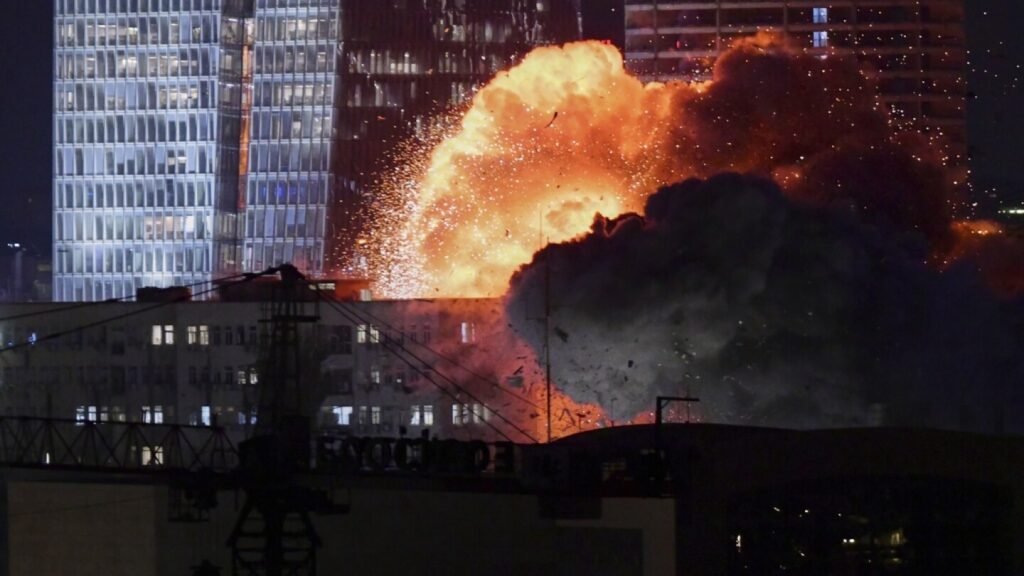
In what could be one of the most audacious military operations in modern Middle Eastern history, Iranian President Masoud Pezeshkian was reportedly injured during an Israeli airstrike last month, inside a top-secret underground command facility in north-western Tehran.
According to Fars News Agency, which is closely linked to the Islamic Revolutionary Guard Corps (IRGC), the airstrike on June 16 targeted the entry and ventilation systems of a hidden Supreme National Security Council (SNSC) complex—precisely while President Pezeshkian was attending a high-level emergency meeting.
The report claims that six precision bombs sealed off the access tunnels and ventilation shafts of the facility, disabling electricity and communications. President Pezeshkian, who suffered minor leg injuries, allegedly escaped through an emergency shaft, narrowly avoiding what could have been a political and humanitarian catastrophe.
ALSO READ : Trump gives Iran two weeks to change course—or face fire We know what to do warns Israel as diplomacy crumbles
They knew exactly where we were… they wanted all of us dead,” an unnamed Iranian official reportedly told local media.
While the report remains unverified by international sources, Israel has not issued any official statement. However, Israeli Defense Minister Israel Katz strongly denied Pezeshkian’s recent claim that Israel tried to assassinate him, stating, “Regime change was never the objective of this war.”
A Devastating Intel Leak?
The revelation raises chilling questions about Israeli intelligence capabilities and Iran’s internal security. The Iranian leadership appears to have been caught entirely off guard, with many top officials later admitting there was a 24-hour decision-making paralysis following Israel’s June 13 surprise strike on Iran’s nuclear and military infrastructure.
Notably, videos circulating on social media during the 12-day war showed sustained missile impacts on a mountainside in Tehran — footage that now appears to correlate with the underground bunker assault.
The Supreme National Security Council, Iran’s second-highest decision-making body after Supreme Leader Ayatollah Ali Khamenei, is responsible for critical defense, intelligence, and foreign policy strategy. According to reports, Khamenei himself may have been among the intended targets. However, Israeli forces lost track of him after he was relocated to a secured and highly secretive location.
This wasn’t just a strike — this was a message,” said a former Mossad operative, speaking to Israeli media. “We dismantled their elite command without setting foot inside Iran.
U.S. Involvement and Global Reactions
On June 22, just days after the initial Israeli bombardments, the U.S. Air Force and Navy carried out missile strikes on three Iranian nuclear facilities, escalating the conflict further. President Donald Trump later claimed the sites were “obliterated,” although some U.S. intelligence officials offered a more conservative assessment.
Iran retaliated with aerial attacks on Israel, but its top leadership was visibly shaken. The swift elimination of several senior IRGC and military figures has prompted Tehran to investigate the possibility of Israeli infiltration within its security ranks.
Though Iran continues to deny developing nuclear weapons, claiming all uranium enrichment is strictly for peaceful energy purposes, Israel maintains that the country was on the verge of nuclear armament — a red line Jerusalem says it will never allow.
An Ongoing Shadow War
This is not the first time Israel has demonstrated deep access to Iranian internal operations, but this latest strike — allegedly injuring the head of state within a fortified underground facility — has crossed into unprecedented territory. It’s unclear how far-reaching the implications will be, especially as Iran now appears focused on identifying internal leaks or foreign spies that may have fed Israel with location and intelligence data.
Meanwhile, international observers remain on edge, as tensions between Tel Aviv and Tehran have entered a new and dangerous phase. Analysts suggest that covert warfare, cyberattacks, and assassination attempts may define the next chapter in this shadow war, rather than full-scale ground invasions.
Iranian media outlets have begun preparing the public for long-term retaliation, while Israel remains tight-lipped but visibly confident in the effectiveness of its operation.





India
‘Indoor air is most important’: US woman reveals how she protects her family from Delhi pollution
Living in India for four years, American expat Kristen Fischer explains why multiple air purifiers are her survival tool during Delhi’s worst pollution months

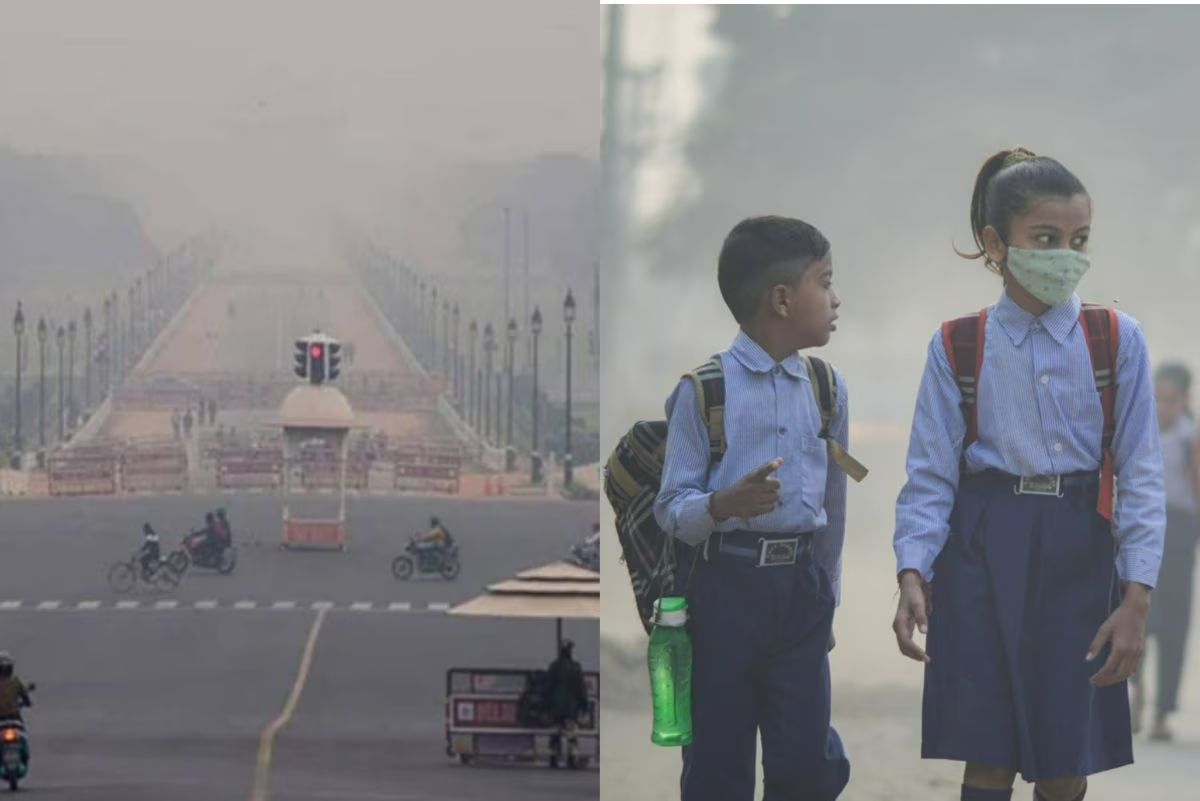
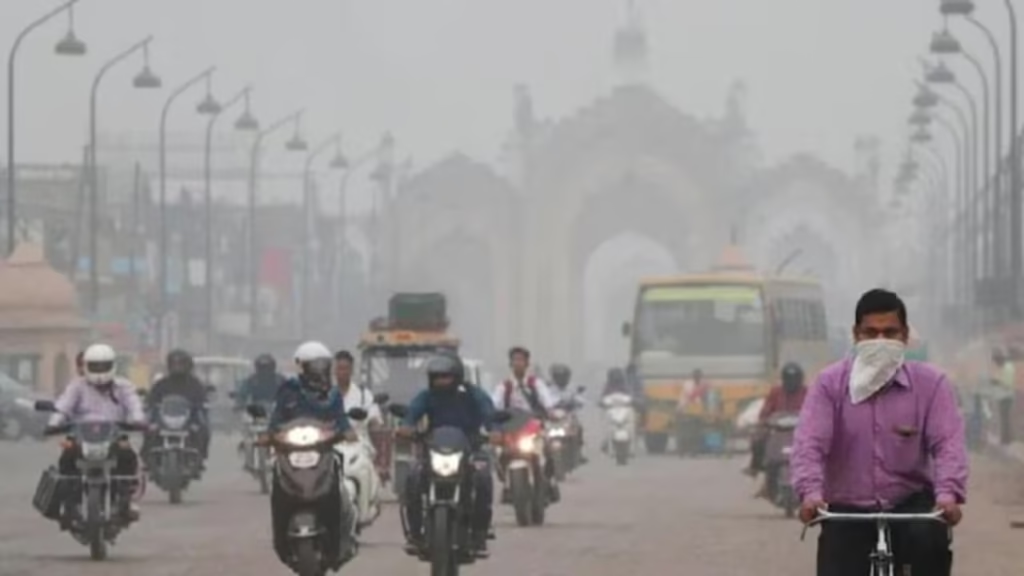
As Delhi grapples with its annual winter pollution crisis, an American woman living in the city has shared a practical and eye-opening account of how she keeps her family safe — by focusing on what she can control indoors.
US expat Kristen Fischer, who has been living in India for the past four years, recently took to Instagram to answer a question she says she is asked repeatedly: How do you manage Delhi’s air quality?
In her video, Fischer demonstrated the stark difference between outdoor and indoor air. Using an air quality monitor, she showed an outdoor AQI reading of 210, a level considered unhealthy. Moments later, she carried the same device inside her home, where the AQI dropped sharply to 48.
Explaining the reason, she said plainly, “This is because we have air purifiers in our house.”
‘We run four air purifiers full time’
Fischer revealed that her family runs four air purifiers continuously, a decision she says has made a significant difference to their daily lives.
“They allow our indoor air quality to stay nice and clean,” she explained, adding that while Delhi’s outdoor pollution can be severe, especially in winter, controlling indoor air offers real protection.
“So we use air purifiers and our indoor air quality is usually quite good. This is how we handle the hard, high-pollution months living here in Delhi,” she said.
Her message struck a chord with many residents who struggle through the city’s smog season every year.
‘Indoor air is the most important’
In a detailed caption accompanying the post, Fischer emphasised that indoor air quality should be the top priority, especially for families.
“Indoor air is the most important,” she wrote. “While I can’t change the condition outside, I can maintain a safe indoor environment for my family.”
She noted that during winter months, her family spends more time indoors and ensures they sleep in what she described as “controlled and clean air.” According to Fischer, limiting outdoor exposure and keeping time outside brief helps manage the health risks associated with pollution.
Delhi pollution is seasonal, she says
Fischer also highlighted an important nuance often overlooked in discussions about Delhi’s air crisis — that the worst pollution is seasonal, not year-round.
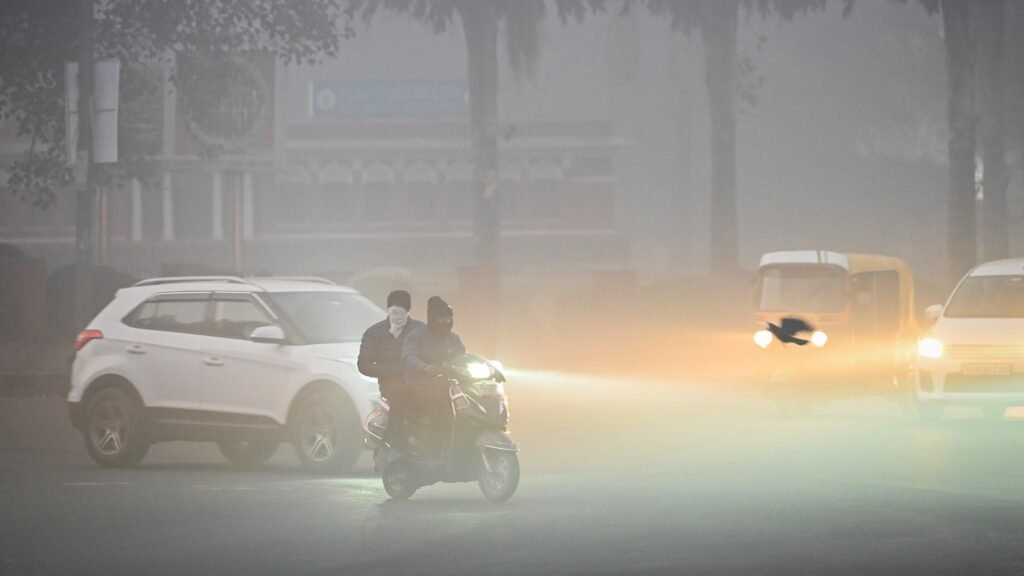
“The high pollution months are not all year,” she wrote. “Mostly just November through January is bad. Otherwise, the air is much better in Delhi the rest of the year.”
However, she was quick to caution that clean indoor air does not happen automatically.
“Indoor air quality is not always good like this,” Fischer explained. “It is only due to the air purifiers we run full time. Without those, the indoor air can be just as bad, or even worse than outside.”
She ended her post with a simple reminder to followers:
“Stay safe out there all.”
As Delhi residents continue to search for ways to cope with hazardous air during winter, Fischer’s experience adds a practical, lived-in perspective — one that underscores the importance of indoor air management when outdoor conditions remain beyond individual control.
World News
Wireless Hill Bushfire Warning Intensifies: ‘Lives at Risk’ as Firefighters Battle Raging Flames in Perth’s Suburbs
Residents of Alfred Cove, Ardross, and Booragoon urged to evacuate immediately as the Wireless Hill Park blaze grows uncontrollably, threatening homes and lives in Melville, Western Australia.

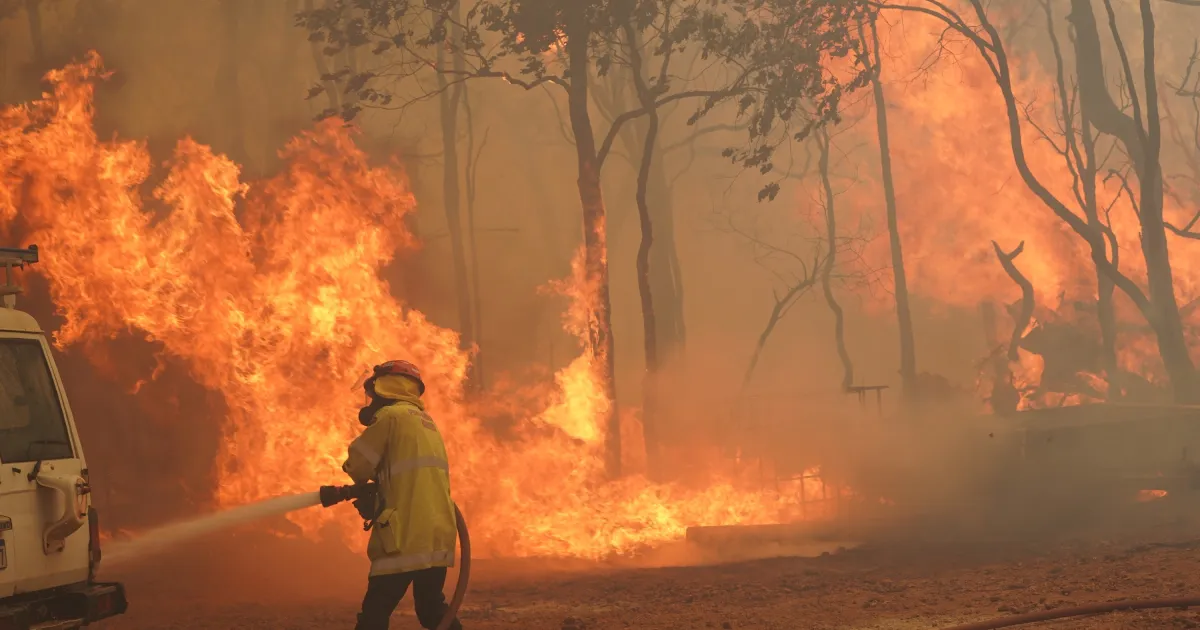
Wireless Hill Bushfire: Urgent Evacuation as Perth Suburbs Under Threat
A major bushfire has erupted at Wireless Hill Park in Applecross, sending panic through the neighbouring suburbs of Alfred Cove, Ardross, Booragoon, and Melville. The Department of Fire and Emergency Services (DFES) has issued a “Watch and Act” alert, warning residents that their lives and properties are in immediate danger.
The fire, which began on Saturday afternoon, has been described as “fast-moving and unpredictable.” Local officials say fire behaviour is increasing, and conditions are rapidly deteriorating due to gusty winds and high temperatures sweeping across the Perth metropolitan area.
“There is a possible threat to lives and homes as the fire continues to burn in the area and conditions are changing,” read the official DFES statement.
Authorities Urge Immediate Action
Residents living near Lilian Avenue, Helen Street, Troy Street, Collier Street, Links Road, Almondbury Road, Davey Street, Barnard Street, and Francis Road have been strongly advised to leave immediately. The affected region also includes the heart of Wireless Hill Park, a historic communications site turned nature reserve.
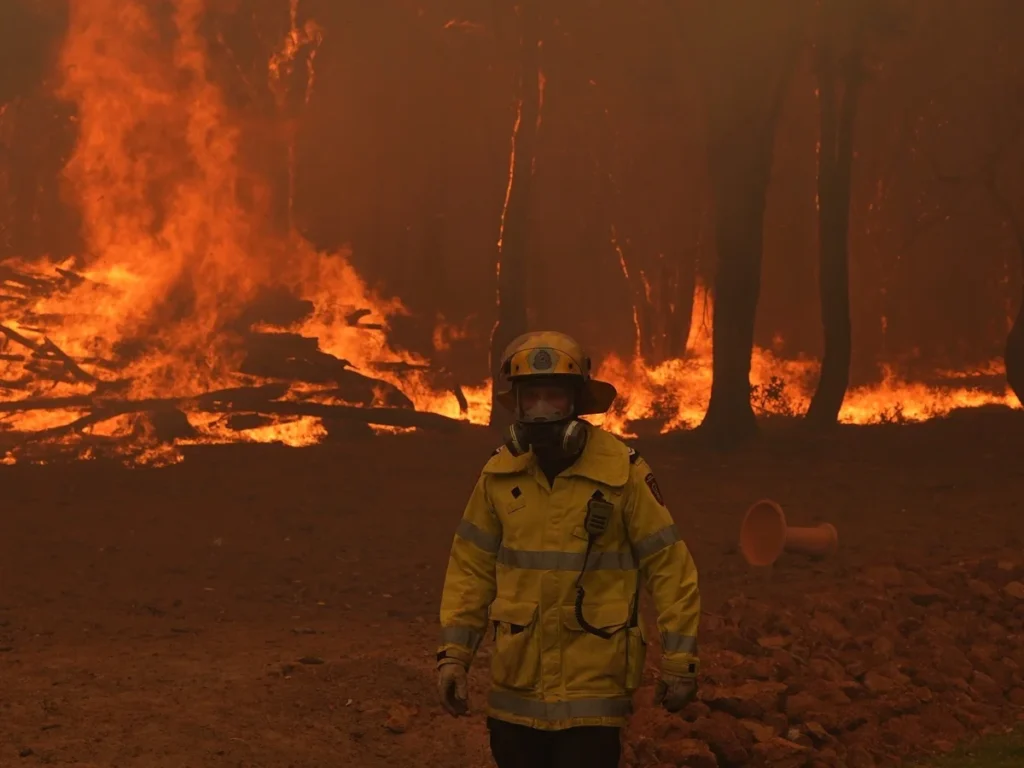
DFES has issued a clear and urgent message:
“If you are in the vicinity of Wireless Hill Park and you are considering leaving home, leave now. Decide where you will go and how you will get there.”
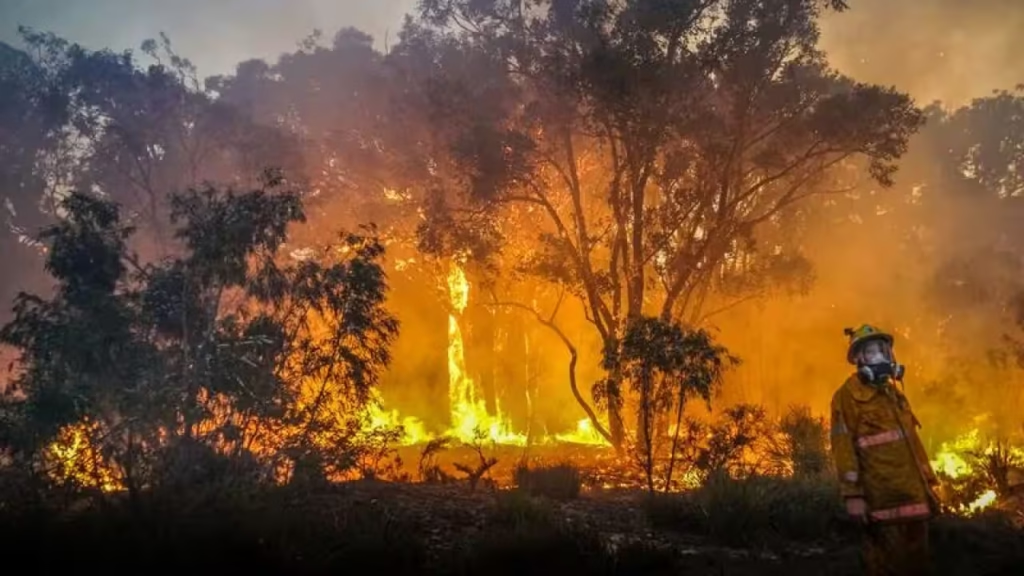
Locals have reported thick black smoke blanketing the skyline, and emergency sirens echoing across the suburbs. Fire crews are on the ground battling flames that have already scorched significant portions of bushland. Helicopters are making water drops to contain the blaze, but shifting winds continue to pose challenges.
Scenes of Chaos and Urgency
Witnesses shared images of firefighters battling roaring flames against a backdrop of orange skies. “It’s frightening—wind gusts are pushing the fire toward homes,” said one resident of Booragoon. Another described seeing ash falling “like rain” as they rushed to evacuate.
Photographs taken by Andrew Ritchie from The West Australian show walls of fire engulfing the trees near the Wireless Hill lookout point. The fire’s proximity to residential areas has heightened fears of property loss.
Local media reports confirm that multiple fire brigades from Western Australia have joined forces to contain the spread.
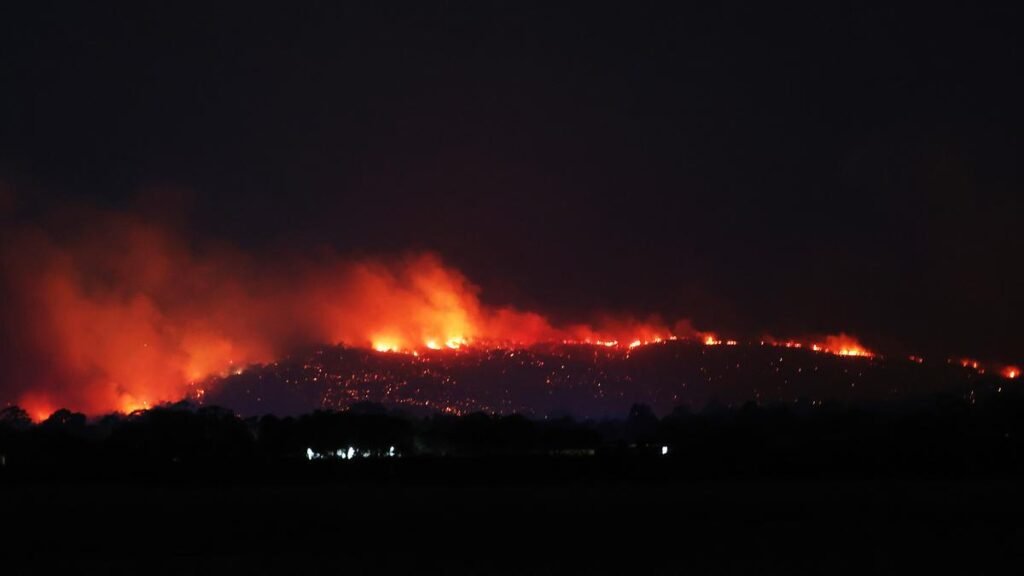
Drivers Warned: Poor Visibility and Dangerous Roads
Motorists traveling near the affected areas have been asked to exercise extreme caution. DFES has advised drivers to:
- Turn on headlights and reduce speed.
- Be alert for emergency personnel on the roads.
- Follow all instructions given by authorities.
- If visibility becomes too poor, pull over safely, keep hazard lights on, and wait until conditions improve.
Several roads around Applecross and Melville have been temporarily closed to assist firefighting efforts and prevent further accidents.
Community Response and Support
Local councils and community centers have begun opening evacuation shelters for displaced residents. Volunteers are providing food, water, and first aid to those affected.
Melville Mayor expressed deep concern for residents and commended emergency crews for their tireless work:
“Our community’s safety is our top priority. We urge everyone to stay calm, stay informed, and follow official advice.”
As the situation unfolds, authorities continue to monitor weather patterns closely. High winds and dry conditions have turned small flare-ups into major threats, sparking fears of further spread toward neighbouring suburbs.
Historic Significance and Environmental Loss
Wireless Hill Park, once the site of one of Australia’s first wireless communication stations, is a cultural landmark. The site houses rare flora and fauna, some of which may have been destroyed in the blaze. Environmental experts warn that such fires not only endanger human life but also disrupt local ecosystems and wildlife habitats.
According to Bureau of Meteorology data, the region has experienced a prolonged dry spell, making the bushland tinder-dry and highly combustible. The Australian fire season, which typically peaks during late spring and summer, appears to be arriving earlier and with greater intensity each year.
Residents Urged to Stay Informed
The DFES continues to provide real-time updates through its official channels. Residents are urged to remain vigilant, keep emergency kits ready, and prepare evacuation plans in advance.
For safety updates, people can tune into local radio broadcasts or check official government websites. Those unable to leave their homes are advised to:
- Close all doors and windows.
- Keep a safe distance from outer walls.
- Fill sinks and bathtubs with water.
- Keep a phone and emergency contacts ready.
A Reminder of Western Australia’s Fire Reality
This latest bushfire serves as a grim reminder of the increasing frequency and severity of wildfires across Australia. As climate patterns shift, authorities fear that such incidents could become more common in densely populated suburban zones like Melville and Applecross.
Emergency services continue to work around the clock. Residents have been urged not to return to their homes until given the all-clear by DFES.
For more updates and breaking stories, visit our website www.DailyGlobalDiary.com.
Australia
Wireless Hill Bushfire Emergency Alert: Firefighters Battle Fierce Flames Threatening 4 Perth Suburbs
A Watch and Act warning has been issued as a fast-moving bushfire sweeps through Wireless Hill Park, endangering lives and homes in Alfred Cove, Ardross, Booragoon, and Melville.
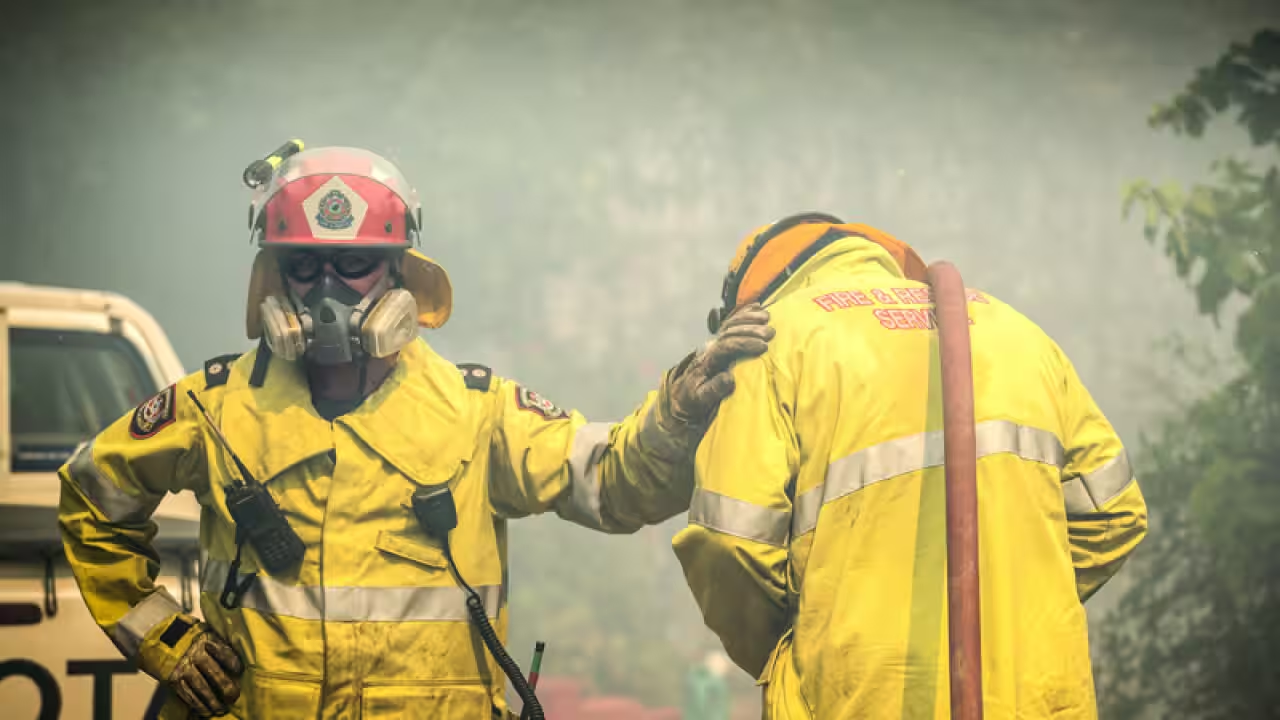
Wireless Hill Bushfire Sparks Fear Across Perth Suburbs
A dangerous bushfire erupted on Saturday afternoon, sending thick plumes of smoke over Wireless Hill Park in Applecross, as residents across Alfred Cove, Ardross, Booragoon, and Melville were urged to act immediately. Authorities have warned that the blaze poses a direct threat to lives and property as it continues to spread rapidly under changing weather conditions.
The Department of Fire and Emergency Services (DFES) confirmed that a “Watch and Act” alert has been activated for communities surrounded by Lilian Avenue, Helen Street, Troy Street, Collier Street, Links Road, Almondbury Road, Davey Street, Barnard Street, and Francis Road, including the entirety of Wireless Hill Park.
Officials said that fire behaviour is intensifying, making firefighting efforts more challenging as gusty winds fan the flames.
“There is a possible threat to lives and homes as a fire is burning in the area and conditions are changing,” the DFES alert read.
Residents within the danger zone were told that if they were considering leaving their homes — they should leave now.
“Decide where you will go and how you will get there,” DFES officials advised, urging people not to wait for further instructions.
For those still within Wireless Hill Park or its immediate surroundings, authorities have made it clear: evacuation is the safest option.
Firefighters in a Race Against Time
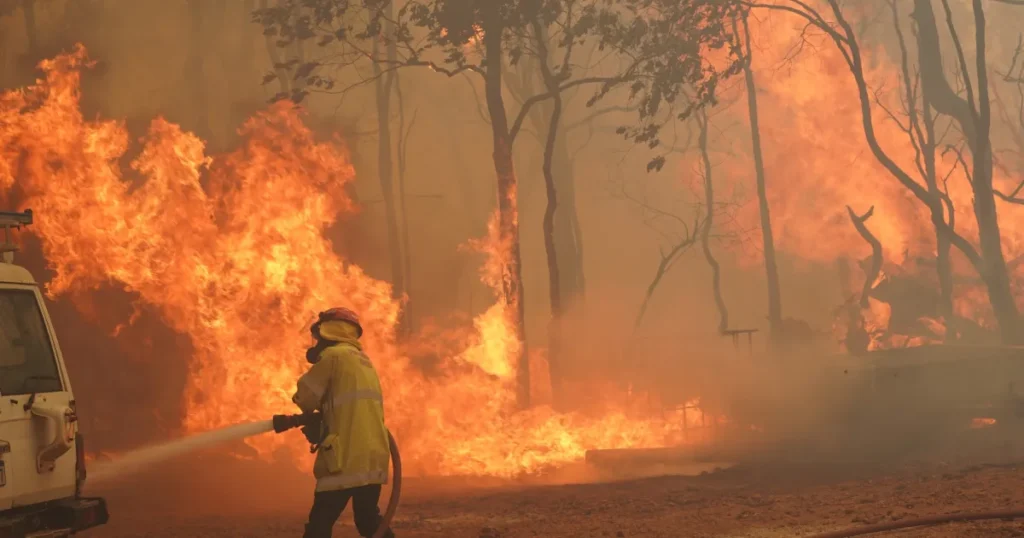
Teams from the Department of Fire and Emergency Services and local volunteer brigades are currently on the scene, battling intense flames and unpredictable wind shifts. Firefighters are using water bombers and ground tankers to contain the inferno, but the fire’s erratic behaviour has made it difficult to control.
Witnesses from nearby suburbs described the situation as “chaotic” as emergency sirens echoed through the area. “You could see flames leaping above the treetops at Wireless Hill,” one local resident said, calling it the most frightening sight they’d witnessed in years.
The Wireless Hill Park, known for its heritage-listed telecommunications museum and panoramic views of Swan River, has long been a beloved community spot. Sadly, the area’s dry grass and thick bushland have made it a tinderbox during this fire season.
According to the Bureau of Meteorology, hot and dry weather conditions across Western Australia have contributed to increased fire risks this week, with temperatures soaring above 35°C in several parts of Perth.
Road Closures and Safety Warnings for Drivers
Authorities have urged motorists to stay alert and avoid the area wherever possible. The DFES has instructed drivers to:
- Turn on headlights for visibility.
- Reduce speed and watch for emergency personnel.
- Follow instructions from traffic controllers and firefighters.
If smoke becomes too thick, drivers should safely pull over, keep headlights and hazard lights on, and remain inside their vehicles until the situation improves.
Residents have also been asked to keep their pets indoors, close all windows and doors, and stay tuned to local radio updates or the Emergency WA website for live alerts.
A Community on Edge
Local families in Alfred Cove and Booragoon are spending the night on high alert, with many packing essentials in case they need to leave at short notice. Community halls and schools outside the fire zone have been opened as evacuation centres.
Meanwhile, social media has been flooded with images showing massive smoke plumes rising above Wireless Hill, with several users tagging #PerthBushfire and warning others to stay safe.
The City of Melville has confirmed that emergency services are coordinating to protect key infrastructure, including schools and local businesses. “We’re working closely with DFES to ensure residents have clear evacuation routes and support,” a city spokesperson said.
The fire is believed to have started in the bushland area near Wireless Hill Park, though investigators are yet to confirm the cause. Authorities are reminding the public that lighting fires or discarding cigarette butts in such dry conditions is both reckless and illegal.
Warnings Continue as Weather Shifts
With strong easterly winds forecast for the evening, emergency services warn that the situation could worsen before it improves.
Residents across Melville, Ardross, and Alfred Cove are encouraged to prepare emergency kits, including water, medication, mobile chargers, and important documents.
Fire authorities have emphasized the importance of early evacuation:
“If the fire impacts your property, it may be too late to leave. Stay informed, and act quickly,” the DFES spokesperson said.
For the latest verified updates, residents are urged to follow announcements from DFES and local news agencies.
A Harsh Reminder of Australia’s Fire Season
The Wireless Hill bushfire serves as yet another reminder of how quickly fire emergencies can escalate during Australia’s long, dry summers. Communities are once again being urged to remain vigilant, create defensible spaces around their homes, and never underestimate the force of nature.
As firefighters continue to battle the flames, gratitude and concern pour in from across the state. “They’re risking everything to save our homes,” said one Ardross resident. “We can only pray for their safety.”
Visit our site for more verified updates and breaking news: www.DailyGlobalDiary.com

“He-Man Wears a Suit…”: Why Nicholas Galitzine’s Masters of the Universe Trailer Has Fans Talking

Camilla Läckberg Isn’t Done Yet… The Queen of Swedish Noir Eyes Film, TV and a Bold Plan to ‘Conquer America’

“Screaming, Crying, Almost Throwing Up”… Sundance Insiders Reveal the Untold Chaos Behind America’s Most Influential Film Festival
From Swedish Noir to Hollywood Dreams Camilla Läckberg Has a Bigger Plan in Motion
When Sundance Nearly Fell Apart Insiders Recall the Chaos Behind the World’s Most Influential Film Festival

1-Iran Issues Dire Warning to Israel and Defies Trump on Nukes: “We’re Ready to Strike Deep Inside”

Donald Trump’s net worth reveals the fortune behind the former US President and business mogul

Caitlin Clark Sidelined with Quad Strain, Set to Miss Two Weeks of WNBA Action

Elon Musk Breaks Ranks with Trump Over ‘Big, Beautiful’ Tax Bill

“Tomás Rodríguez Net Worth 2025: Panama’s Gold Cup Goal‑Machine’s Surprising Fortune Revealed”

Miss Jamaica Suffers Terrifying Fall Off Miss Universe Stage; Rushed to Hospital on Stretcher in Viral Video

Moana Live-Action Teaser Sparks Outrage as Fans Call Disney’s Move a ‘Clear Money Grab’ — What Went Wrong?

Ryan Gosling’s Project Hail Mary Trailer Stuns Fans with a Mysterious Alien Ally and a Mission That Could Save Earth

Apple delays Jessica Chastain thriller The Savant about domestic extremism after recent US violence

Avatar 3, Fire and Ash trailer reveals Jake Sully’s family facing terrifying new Na’vi enemies with deadly fire powers
-
 Entertainment6 days ago
He-Man Wears a Suit Now… Nicholas Galitzine’s ‘Masters of the Universe’ Trailer Drops a Shock Fans Didn’t See Coming
-
 Entertainment1 week ago
Brazil Eyes Oscar History Again… ‘The Secret Agent’ Scores Best Picture Nomination as Wagner Moura Stuns Hollywood
-

 Entertainment4 days ago
“Comedy Needs Courage Again…”: Judd Apatow Opens Up on Mel Brooks, Talking to Rob Reiner, and Why Studio Laughs Have Vanished
-

 Entertainment1 week ago
Box Office Shocker as Chris Pratt’s ‘Mercy’ Knocks ‘Avatar 3’ Off the Top but Nature Had Other Plans…
-

 Entertainment6 days ago
Oscars Go Global in a Big Way as This Year’s Nominations Signal a New Era: ‘The Academy Is Finally Looking Beyond Hollywood…’
-

 Entertainment1 week ago
Michael Bay Makes a Power Move… Blockbuster Director Signs with CAA in a Deal That’s Turning Heads
-

 Entertainment6 days ago
“Dangerously Kinky… and Darkly Funny”: Olivia Wilde and Cooper Hoffman Push Boundaries in ‘I Want Your Sex’
-
Entertainment1 week ago
Fans Didn’t Expect This Look… Nicholas Galitzine’s Masters of the Universe Trailer Sparks Debate