
World News
Harvard Opens New Probe Into Jeffrey Epstein Ties as Larry Summers Steps Back From Public Roles
Former Harvard president Larry Summers says he will take a leave of absence after newly released Epstein documents reveal years of correspondence.


Harvard University is once again confronting tough questions about its historical connections to Jeffrey Epstein, after US lawmakers released thousands of documents exposing the disgraced financier’s communication with prominent figures—including former Harvard president Larry Summers.
The disclosures prompted Harvard to launch a new internal investigation, reviving scrutiny of Epstein’s financial contributions and personal ties to influential academics. Summers, who led Harvard from 2001 to 2006, announced he would step away from public commitments, including his teaching duties and media appearances, as the inquiry unfolds.
Summers Steps Back Amid Pressure
A spokesperson for Summers confirmed on Wednesday that he will “go on leave” from his role as director of the Mossavar-Rahmani Center for Business and Government, a major research institute within the Harvard Kennedy School. Co-instructors will finish his classes for the semester, and he is not expected to teach next term.

Summers, 70, acknowledged feeling “deeply ashamed” about his past communications with Epstein, saying he takes full responsibility for what he called a “misguided decision” to maintain contact with Epstein after his 2008 conviction on felony sex charges.
He has declined to comment on the new investigation.
Harvard’s Review of Newly Released Documents
The university confirmed that it is reviewing 20,000 pages of documents recently released by the US House Committee on Oversight and Government Reform, which include emails and communication between Epstein and several high-profile individuals.
“The university is conducting a review of information concerning individuals at Harvard included in the newly released Jeffrey Epstein documents,” the school said, noting that it will evaluate “what actions may be warranted.”
Correspondence made public includes exchanges where Summers discussed Donald Trump with Epstein, as well as emails in which he asked Epstein for romantic advice regarding a woman he described as someone he mentored. The woman, identified by the Harvard Crimson, earned both undergraduate and doctoral degrees at Harvard. A spokesperson insisted she was not Summers’ student.
Epstein’s Financial Footprint at Harvard
The situation reignites debate over Harvard’s earlier disclosures. A 2020 university report confirmed Epstein donated more than $9 million to support faculty activities and research between 1998 and 2008. No donations were accepted after his 2008 conviction.
Key details from the report include:
- Epstein gifted $6.5 million to Harvard’s Program for Evolutionary Dynamics in 2003
- He visited the program’s offices over 40 times between 2010 and 2018
- Epstein was appointed a visiting fellow in 2005, recommended by then-psychology chair Stephen Kosslyn
- He withdrew from a planned 2006–2007 fellowship following his arrest
Harvard said there was no evidence Epstein interacted with undergraduate students during his visits.

A Career Overshadowed in its Final Act
Summers’ leave marks a stunning turn for one of America’s most influential economic minds. A Harvard professor at age 28 and winner of the prestigious John Bates Clark Medal at 39, Summers served as US Treasury Secretary under Bill Clinton and later as director of the National Economic Council under Barack Obama.
He has been an outspoken critic of Harvard’s handling of campus antisemitism and frequently weighed in on national economic issues across media platforms. As part of his retreat, Summers will also step down as a contributor to Bloomberg Television, and OpenAI confirmed he is leaving its board as well.
Epstein’s Network Continues to Shake Institutions
The newly released documents reveal Epstein’s vast network remained active long after his 2008 conviction—connecting him with political figures like former Trump adviser Steve Bannon and former British politician Peter Mandelson. Both appeared in correspondence cited by House Democrats.
Epstein died in a New York jail in 2019 while awaiting trial for sex trafficking minors. His death was ruled a suicide.
Harvard’s renewed investigation suggests the fallout from Epstein’s influence is far from over.





World News
Spain’s Deadliest Train Disasters What Happened and What Changed
From historic crashes to terror attacks, Spain’s rail network has witnessed some of the worst disasters in European history


Spain is reeling after another devastating rail tragedy. At least 39 people were killed and more than 120 injured when a high-speed train derailed and collided with an oncoming train near Adamuz in southern Spain, marking the country’s worst railway accident in over a decade. As investigations begin, the incident has reopened painful memories of past disasters that left deep scars on the nation.
Here is a look at some of Spain’s deadliest train disasters over the past century.
Santiago de Compostela train crash (2013)
Spain’s most lethal rail accident in recent memory occurred near Santiago de Compostela in July 2013. A high-speed train derailed on a sharp curve, smashing into a concrete wall and catching fire.
The tragedy claimed 80 lives and injured 145 people. An official investigation found that excessive speed and driver distraction played a key role, though victims’ groups argued that inadequate safety systems also contributed.
Madrid commuter train bombings (2004)
On March 11, 2004, Spain witnessed one of the deadliest terrorist attacks in Europe. Ten backpack bombs exploded on four commuter trains during rush hour in Madrid.
The coordinated attacks killed 193 people and injured thousands. The bombings, carried out by Islamist extremists, were linked to Spain’s involvement in the Iraq war and fundamentally changed the country’s security landscape.
El Cuervo train collision (1972)
In 1972, a head-on collision on the Cadiz–Seville route near El Cuervo resulted in 86 deaths and more than 150 injuries.
Investigators concluded that the crash occurred after a driver failed to stop at a red signal, highlighting the dangers of human error in rail operations.
Urduliz rail accident (1970)
A fatal collision between two trains in Urduliz, near Bilbao, killed 33 people in the summer of 1970.
Initially, a stationmaster was blamed, but later findings revealed he had been working exhausting 16-hour shifts for several consecutive days, raising serious concerns about working conditions and fatigue.

Grisen train fire (1965)
In 1965, a passenger train on the Madrid–Barcelona line caught fire near Grisen.
Officials at the time reported 30 deaths, but later accounts suggested the toll may have been as high as 80. Under the Franco regime, details of the disaster were allegedly suppressed, leaving lingering uncertainty about the true scale of the tragedy.
Torre del Bierzo rail disaster (1944)
One of Spain’s deadliest and most controversial rail disasters occurred in 1944 in Torre del Bierzo.
A train travelling from Madrid to A Coruña suffered brake failure and collided with a locomotive inside a tunnel. Moments later, a third train crashed into the wreckage. Official figures cited 78 deaths, but censorship under dictator Francisco Franco has led historians to believe the actual toll may have been much higher.
A nation forced to remember
Each new rail disaster in Spain revives memories of these tragedies, underscoring the high cost of safety failures, human error, and, at times, political secrecy. As authorities investigate the latest crash near Adamuz, the hope is that lessons from the past will prevent history from repeating itself yet again.
World News
A Stunning Turn in the Harvey Weinstein Case as Defense Points to Juror Pressure Claims
As Harvey Weinstein awaits sentencing in New York, his legal team points to alleged juror intimidation, asking the court for a rare hearing that could reshape the future of the high-profile case.

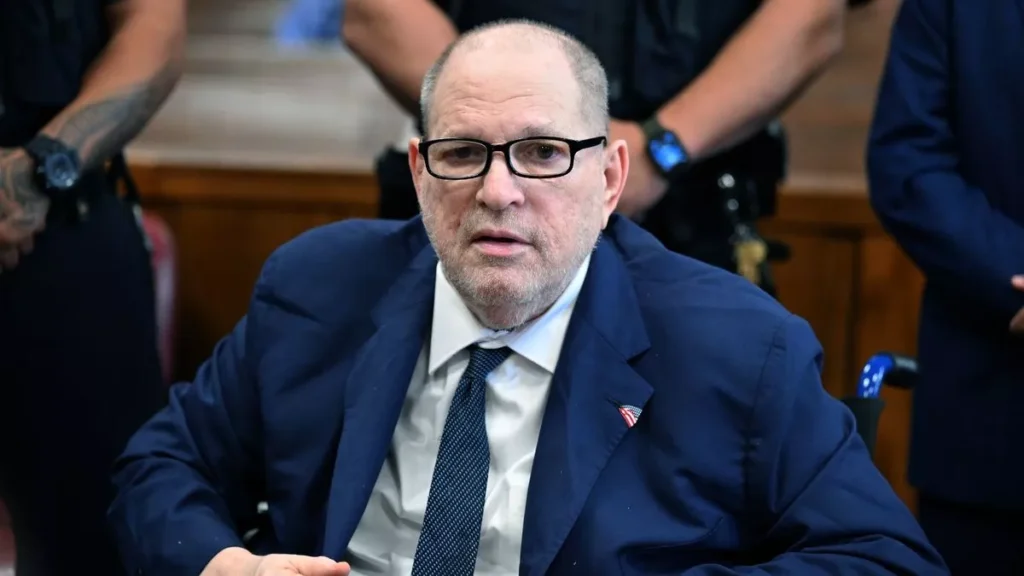
The legal battle surrounding disgraced Hollywood producer Harvey Weinstein has taken another dramatic turn. His defense team is now pushing hard to undo his latest New York conviction, citing claims that a juror was pressured and bullied into delivering a guilty verdict — a move that could potentially reopen one of the most closely watched trials in modern American legal history.
In June, a 12-member jury in Manhattan convicted Weinstein on one count of a criminal sexual act in the first degree involving former Project Runway assistant Miriam Haley. The jury, however, acquitted him on a separate charge involving former model Kaja Sokola, and failed to reach a verdict on a third count of rape connected to aspiring actress Jessica Mann, leading to a mistrial on that charge.
A Juror’s Claim Sparks New Legal Strategy
Weinstein’s attorney, Arthur Aidala, says the verdict may have been compromised. According to Aidala, a juror approached his legal team moments after the verdict, alleging they were intimidated by fellow jurors and effectively coerced into voting guilty on the Haley charge.
“These are not small claims,” Aidala said in remarks to The Hollywood Reporter. “At the very least, we are asking the court to hold a hearing and hear this juror out.”
ALSO READ : “She Never Made It Out…” Albany House Fire Claims Woman’s Life as Family Pleads for Help to Bring Her Home
The defense formally moved to vacate the conviction in October, backing the request with sworn affidavits from two jurors. The motion argues that internal jury pressure crossed a legal line — a rare and difficult standard to prove, but one that can be explosive if accepted by the court.
Prosecutors Push Back Hard
Prosecutors have strongly opposed the request. In a November filing, they argued that juror testimony about internal deliberations cannot legally be used to overturn a verdict unless it involves extremely narrow exceptions, such as racial bias or improper outside influence — neither of which, they say, applies here.
“Juror testimony cannot, as a matter of law, be used to impeach a guilty verdict,” prosecutors wrote, emphasizing that tension, disagreement, or heated debate inside the jury room does not constitute misconduct under New York law.
They also stressed that the trial judge, Curtis Farber, addressed concerns promptly and thoroughly whenever they arose during the proceedings.
Earlier Jury Tensions Revisited
During the trial, the jury foreperson approached Judge Farber on two occasions. One concern involved jurors allegedly referencing Weinstein’s past conduct that was not entered into evidence. Another juror later said he overheard discussions about a fellow juror in courthouse elevators and questioned whether the deliberations were fair.
Judge Farber questioned the jurors both in open court and privately in chambers before determining there was no misconduct serious enough to halt the trial. Notably, the juror now cited in Aidala’s motion was not among those previously questioned.
What Happens Next
A hearing on the motion to vacate had been scheduled for this week but was postponed until early January due to unrelated court matters. At that hearing, Judge Farber could dismiss the motion outright, order a limited hearing with the juror, or move forward with preparations for a new rape trial related to Jessica Mann.
Meanwhile, Weinstein has yet to be sentenced on the June conviction. Since April 2024, he has been held at Rikers Island, following the overturning of his 2020 New York conviction. He has also spent time at Bellevue Hospital during the proceedings, as his legal team continues to cite serious health concerns.
According to Aidala, Weinstein is now “on the verge” of entering his seventh year behind bars when accounting for time already served — a grim milestone for the once-powerful studio executive whose downfall helped ignite the global #MeToo movement.
Whether these new juror intimidation claims gain legal traction or quietly fade away, they underscore one reality: even years after his initial conviction, Harvey Weinstein’s courtroom saga is far from over.
World News
Harvey Weinstein’s Lawyers Drop New Bombshell Claim as Juror Pressure Allegations Surface… Could Conviction Be Overturned?
As Harvey Weinstein awaits sentencing in New York, his legal team points to alleged juror intimidation, asking the court for a rare hearing that could reshape the future of the high-profile case.
The legal battle surrounding disgraced Hollywood producer Harvey Weinstein has taken another dramatic turn. His defense team is now pushing hard to undo his latest New York conviction, citing claims that a juror was pressured and bullied into delivering a guilty verdict — a move that could potentially reopen one of the most closely watched trials in modern American legal history.
In June, a 12-member jury in Manhattan convicted Weinstein on one count of a criminal sexual act in the first degree involving former Project Runway assistant Miriam Haley. The jury, however, acquitted him on a separate charge involving former model Kaja Sokola, and failed to reach a verdict on a third count of rape connected to aspiring actress Jessica Mann, leading to a mistrial on that charge.
A Juror’s Claim Sparks New Legal Strategy
Weinstein’s attorney, Arthur Aidala, says the verdict may have been compromised. According to Aidala, a juror approached his legal team moments after the verdict, alleging they were intimidated by fellow jurors and effectively coerced into voting guilty on the Haley charge.
“These are not small claims,” Aidala said in remarks to The Hollywood Reporter. “At the very least, we are asking the court to hold a hearing and hear this juror out.”
ALSO READ : “She Never Made It Out…” Albany House Fire Claims Woman’s Life as Family Pleads for Help to Bring Her Home
The defense formally moved to vacate the conviction in October, backing the request with sworn affidavits from two jurors. The motion argues that internal jury pressure crossed a legal line — a rare and difficult standard to prove, but one that can be explosive if accepted by the court.
Prosecutors Push Back Hard
Prosecutors have strongly opposed the request. In a November filing, they argued that juror testimony about internal deliberations cannot legally be used to overturn a verdict unless it involves extremely narrow exceptions, such as racial bias or improper outside influence — neither of which, they say, applies here.
“Juror testimony cannot, as a matter of law, be used to impeach a guilty verdict,” prosecutors wrote, emphasizing that tension, disagreement, or heated debate inside the jury room does not constitute misconduct under New York law.
They also stressed that the trial judge, Curtis Farber, addressed concerns promptly and thoroughly whenever they arose during the proceedings.
Earlier Jury Tensions Revisited
During the trial, the jury foreperson approached Judge Farber on two occasions. One concern involved jurors allegedly referencing Weinstein’s past conduct that was not entered into evidence. Another juror later said he overheard discussions about a fellow juror in courthouse elevators and questioned whether the deliberations were fair.
Judge Farber questioned the jurors both in open court and privately in chambers before determining there was no misconduct serious enough to halt the trial. Notably, the juror now cited in Aidala’s motion was not among those previously questioned.
What Happens Next
A hearing on the motion to vacate had been scheduled for this week but was postponed until early January due to unrelated court matters. At that hearing, Judge Farber could dismiss the motion outright, order a limited hearing with the juror, or move forward with preparations for a new rape trial related to Jessica Mann.
Meanwhile, Weinstein has yet to be sentenced on the June conviction. Since April 2024, he has been held at Rikers Island, following the overturning of his 2020 New York conviction. He has also spent time at Bellevue Hospital during the proceedings, as his legal team continues to cite serious health concerns.
According to Aidala, Weinstein is now “on the verge” of entering his seventh year behind bars when accounting for time already served — a grim milestone for the once-powerful studio executive whose downfall helped ignite the global #MeToo movement.
Whether these new juror intimidation claims gain legal traction or quietly fade away, they underscore one reality: even years after his initial conviction, Harvey Weinstein’s courtroom saga is far from over.

“He-Man Wears a Suit…”: Why Nicholas Galitzine’s Masters of the Universe Trailer Has Fans Talking

Camilla Läckberg Isn’t Done Yet… The Queen of Swedish Noir Eyes Film, TV and a Bold Plan to ‘Conquer America’

“Screaming, Crying, Almost Throwing Up”… Sundance Insiders Reveal the Untold Chaos Behind America’s Most Influential Film Festival
From Swedish Noir to Hollywood Dreams Camilla Läckberg Has a Bigger Plan in Motion
When Sundance Nearly Fell Apart Insiders Recall the Chaos Behind the World’s Most Influential Film Festival

1-Iran Issues Dire Warning to Israel and Defies Trump on Nukes: “We’re Ready to Strike Deep Inside”

Donald Trump’s net worth reveals the fortune behind the former US President and business mogul

Caitlin Clark Sidelined with Quad Strain, Set to Miss Two Weeks of WNBA Action

Elon Musk Breaks Ranks with Trump Over ‘Big, Beautiful’ Tax Bill

“Tomás Rodríguez Net Worth 2025: Panama’s Gold Cup Goal‑Machine’s Surprising Fortune Revealed”

Miss Jamaica Suffers Terrifying Fall Off Miss Universe Stage; Rushed to Hospital on Stretcher in Viral Video

Moana Live-Action Teaser Sparks Outrage as Fans Call Disney’s Move a ‘Clear Money Grab’ — What Went Wrong?

Ryan Gosling’s Project Hail Mary Trailer Stuns Fans with a Mysterious Alien Ally and a Mission That Could Save Earth

Apple delays Jessica Chastain thriller The Savant about domestic extremism after recent US violence

Avatar 3, Fire and Ash trailer reveals Jake Sully’s family facing terrifying new Na’vi enemies with deadly fire powers
-
 Entertainment6 days ago
He-Man Wears a Suit Now… Nicholas Galitzine’s ‘Masters of the Universe’ Trailer Drops a Shock Fans Didn’t See Coming
-
 Entertainment1 week ago
Brazil Eyes Oscar History Again… ‘The Secret Agent’ Scores Best Picture Nomination as Wagner Moura Stuns Hollywood
-
 Entertainment4 days ago
“Comedy Needs Courage Again…”: Judd Apatow Opens Up on Mel Brooks, Talking to Rob Reiner, and Why Studio Laughs Have Vanished
-

 Entertainment1 week ago
Box Office Shocker as Chris Pratt’s ‘Mercy’ Knocks ‘Avatar 3’ Off the Top but Nature Had Other Plans…
-

 Entertainment6 days ago
Oscars Go Global in a Big Way as This Year’s Nominations Signal a New Era: ‘The Academy Is Finally Looking Beyond Hollywood…’
-

 Entertainment1 week ago
Michael Bay Makes a Power Move… Blockbuster Director Signs with CAA in a Deal That’s Turning Heads
-

 Entertainment6 days ago
“Dangerously Kinky… and Darkly Funny”: Olivia Wilde and Cooper Hoffman Push Boundaries in ‘I Want Your Sex’
-
Entertainment1 week ago
Fans Didn’t Expect This Look… Nicholas Galitzine’s Masters of the Universe Trailer Sparks Debate