
South Korea
6-Hour Martial Law Gamble Ends In Life Sentence As South Korean Court Jails Yoon Suk Yeol.
South Korean Court Sentences Yoon Suk Yeol To Life For Insurrection

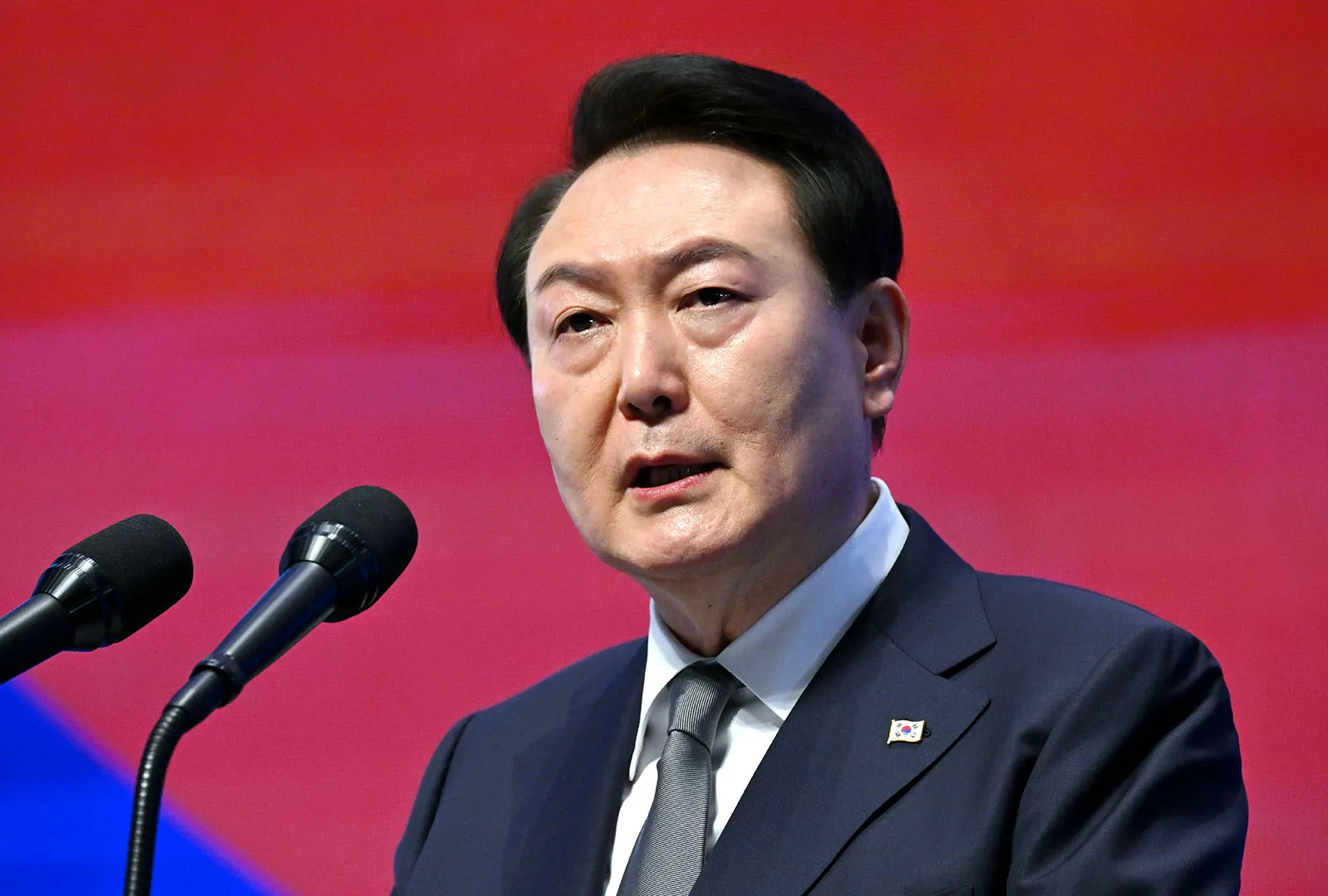
Former President Yoon Suk Yeol Found Guilty Of Insurrection After Deploying Troops To Parliament
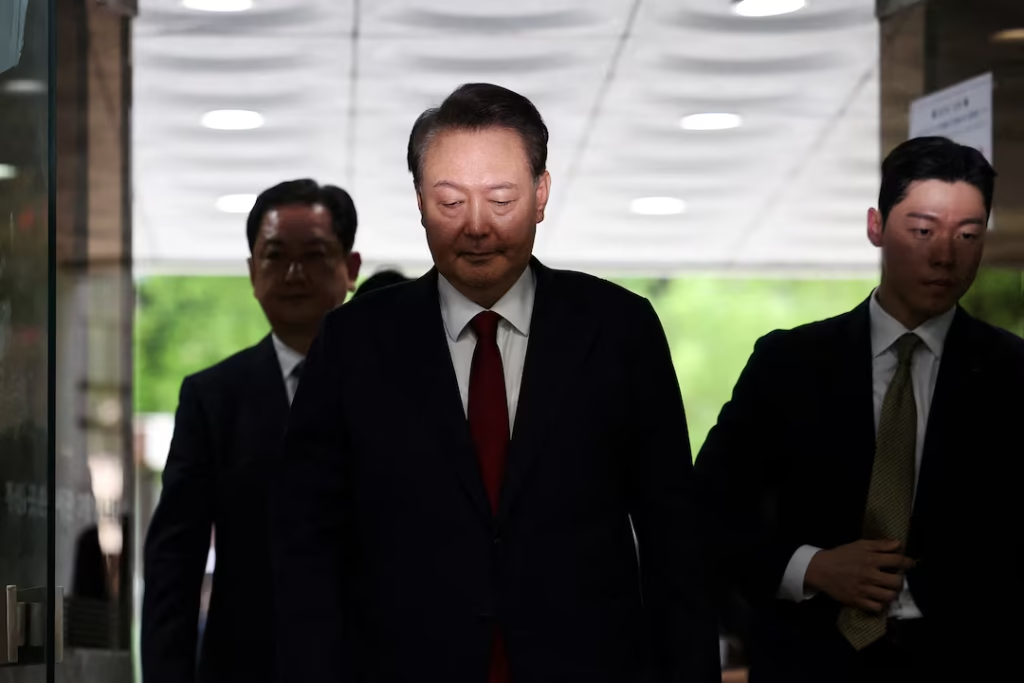
In a historic and dramatic ruling, a South Korean court on Thursday sentenced former President Yoon Suk Yeol to life imprisonment after finding him guilty of masterminding an insurrection linked to his controversial December 2024 martial law attempt.
The decision marks one of the most consequential political trials in modern South Korean history.
Why Yoon Was Handed Life In Prison
The court ruled that Yoon conspired with then-Defence Minister Kim Yong-hyun to undermine the constitutional order by deploying armed troops to the National Assembly.
Judge Jee Kui-youn said sending soldiers to parliament and attempting arrests amounted to acts of insurrection. The declaration of martial law, which lasted roughly six hours before being overturned by lawmakers, triggered mass protests and a nationwide political crisis.
Prosecutors had sought the death penalty — the maximum punishment under South Korean law — but the court instead imposed life imprisonment. South Korea has not carried out an execution since 1997.
Kim received 30 years in prison, while other former officials were also convicted.
What Yoon Said In His Defense
Yoon denied wrongdoing, arguing that as president he had the authority to declare martial law. He claimed the move was meant to counter what he described as obstruction by opposition parties.
His legal team has indicated plans to appeal the verdict. Yoon remains detained at the Seoul Detention Centre and can challenge the ruling at both appellate court and Supreme Court levels.
Shockwaves Across South Korea
The brief martial law attempt stunned the nation, which is Asia’s fourth-largest economy and a key ally of the United States. The crisis tested the resilience of South Korea’s democracy and deepened political divisions.
Current President Lee Jae Myung, who won a snap election following Yoon’s removal, praised citizens for peacefully resisting the move.
In a post on X, Lee said the outcome was possible “because it was the Republic of Korea,” applauding the public’s defence of democracy.
What Happens Next?
Judicial guidelines suggest the appeals process could stretch up to two years. Yoon is also appealing a separate five-year sentence handed down earlier this year in another case.
For now, South Korea watches as one of its most dramatic political chapters unfolds — a former president sentenced to life for an insurrection that lasted just six hours, but shook a nation to its core.










Politics
Crypto Crusader Lee Jae Myung Elected President as South Korea Embraces a New Future
With a bold crypto-first vision, economic reforms, and democratic revival, Lee Jae-myung wins South Korea’s presidency after an election that captured global attention.

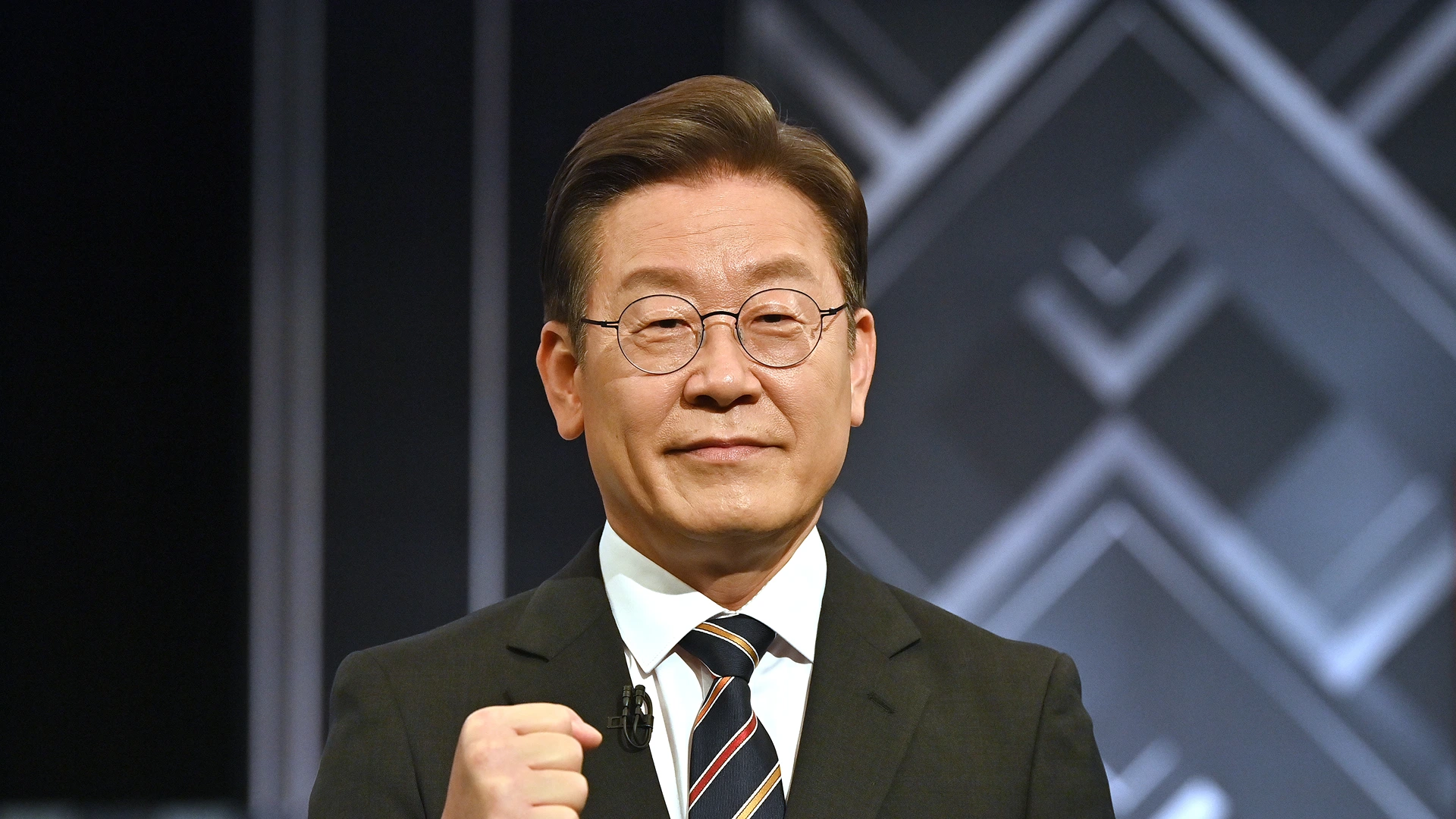
In a historic turn of events that could redefine South Korea’s economic and political landscape, Lee Jae-myung has been officially sworn in as the new President of South Korea following a snap election that saw the highest voter turnout since 1997. Known for his liberal stance and pro-innovation policies, Lee’s victory signals a dramatic pivot not just from the chaos of martial law but toward a futuristic vision led by cryptocurrency, green energy, and economic deregulation.
The center-left Democratic Party leader clinched over 49% of the nearly 35 million votes cast, beating conservative rival Kim Moon-soo who garnered just above 41%. The swift fall of former President Yoon Suk-yeol—ousted amid public fury over a failed martial law declaration—opened the door for Lee’s resurgence as a stabilizing yet progressive force. His immediate assumption of command underscores the urgency of South Korea’s challenges—from inflation and U.S. tariffs to global tech competition.
But what’s captivating both local and international observers is Lee’s ambitious crypto agenda. The newly elected president has vowed to allow the country’s $884 billion national pension fund to invest in Bitcoin and other cryptocurrencies. He also supports approving Bitcoin exchange-traded funds (ETFs) and developing a Korean won-backed stablecoin—a move he claims will “prevent national wealth from leaking overseas.” This strategy places South Korea at the forefront of digital finance in Asia, possibly even globally, should these promises materialize.
According to Satoshi Action Fund founder Dennis Porter, who witnessed the elections firsthand, the pro-crypto wave was undeniable. “The turnout was wild,” Porter remarked, emphasizing the importance of Lee’s commitments to crypto in shaping voter enthusiasm. Following Lee’s win, Bitcoin briefly spiked to over 149,000 won on local exchanges, showcasing the “kimchi premium” and investor optimism toward a deregulated financial future.
However, Lee’s vision stretches far beyond blockchain. He has made it clear that economic recovery, social reform, and diplomatic tact are central to his presidency. He pledged to depoliticize the prosecution system, push for a four-and-a-half-day work week, invest heavily in AI and defense, and maintain peace with North Korea through dialogue rather than confrontation. “It is better to win without fighting,” he said in his inaugural speech, emphasizing diplomacy over force.
Despite his conciliatory tone, Lee inherits a volatile external environment. He must negotiate harsh U.S. tariffs that have weighed down South Korea’s export-driven economy. The White House has already hinted at its eagerness to strike a fair deal while voicing concerns over Chinese influence in democratic nations. Lee has maintained that while China remains a vital trade partner, the U.S.-South Korea alliance will remain the backbone of the nation’s foreign policy.
Markets responded favorably to Lee’s win, with South Korea’s KOSPI index jumping over 2%, marking a ten-month high. Financial and renewable energy stocks led the rally, a strong indication that investors are betting on Lee’s reformist and tech-forward economic agenda.
In a bid to stabilize the political structure, Lee has nominated seasoned lawmaker Kim Min-seok asKim Min-seok—a name already known for forecasting the fall of the previous regime. Together, they represent a government with a clear goal: revive democracy, reboot the economy, and reimagine the nation’s future—all while placing crypto and innovation at its core.

4-Year Time Jump Revealed Spider-Man Brand New Day Book Accidentally Leaks Plot Details

Jon Stewart Seth Meyers Say Trump Venezuela Plan Drags America Into Another Endless Drama

NBC Olympics Broadcasters Break Silence on Savannah Guthrie’s Absence: “We Send Our Love and Prayers”

Super Bowl 2026 Ad Frenzy Goes Hollywood: Sabrina Carpenter, George Clooney, Emma Stone and Bradley Cooper Set to Steal the Spotlight… and That’s Not All

“Everything Was Falling Apart”: Insiders Reveal the Turbulent Year That Nearly Broke Sundance

1-Iran Issues Dire Warning to Israel and Defies Trump on Nukes: “We’re Ready to Strike Deep Inside”

Donald Trump’s net worth reveals the fortune behind the former US President and business mogul

Caitlin Clark Sidelined with Quad Strain, Set to Miss Two Weeks of WNBA Action

“Tomás Rodríguez Net Worth 2025: Panama’s Gold Cup Goal‑Machine’s Surprising Fortune Revealed”

Elon Musk Breaks Ranks with Trump Over ‘Big, Beautiful’ Tax Bill

Miss Jamaica Suffers Terrifying Fall Off Miss Universe Stage; Rushed to Hospital on Stretcher in Viral Video

Moana Live-Action Teaser Sparks Outrage as Fans Call Disney’s Move a ‘Clear Money Grab’ — What Went Wrong?

Ryan Gosling’s Project Hail Mary Trailer Stuns Fans with a Mysterious Alien Ally and a Mission That Could Save Earth

Apple delays Jessica Chastain thriller The Savant about domestic extremism after recent US violence

Avatar 3, Fire and Ash trailer reveals Jake Sully’s family facing terrifying new Na’vi enemies with deadly fire powers
-

 Entertainment7 days ago
Feinberg Forecast Whispering New Year Surprises in Oscar Predictions as Hollywood Changes Its Weather
-

 Entertainment6 days ago
Turning Point USA’s ‘Alternative Halftime’ Sparks Buzz ‘Not Bad Bunny, But a Message…’
-

 Entertainment1 week ago
Where to Stream the 2026 Grammys Online… How to Watch Music’s Biggest Night Live Without Missing a Beat
-
 Entertainment7 days ago
Netflix Becomes the New Weekly Destination for The Bill Simmons Podcast
-

 World News1 week ago
Spain’s Deadliest Rail Accidents Explained… and the Safety Changes That Came After
-

 Entertainment7 days ago
Explosive New Court Document Could Turn the Tupac Shakur Murder Case Upside Down
-

 Business7 days ago
Amazon Says Sports Advertising Dream Gets Bigger in New Year as CES Opens the Stadium Doors
-
 Entertainment1 week ago
‘Melania’ Shocks the Box Office With $8 Million Debut… How a Quiet Documentary Just Outperformed Hollywood Action Films