
Cryptocurrency News
Arthur Hayes Sells All His HYPE Stash for a Ferrari: Did He Cash Out Too Early?
“BitMEX co-founder Arthur Hayes pulls off a $823,000 profit from his HYPE token, but could his bold 126x prediction for the token be derailed?”


Arthur Hayes, the co-founder of BitMEX, has made headlines again, but this time not for his crypto predictions but for a bold move that caught many by surprise. On September 21, Hayes revealed that he had sold off his entire stash of Hyperliquid (HYPE) tokens, netting him a whopping $823,000 in profit. The reason? Hayes said he needed the funds for a Ferrari deposit — specifically, a Rari 849 Testarossa.
ALSO READ : China’s First CNH Stablecoin Makes Debut: The Battle for Digital Currency Dominance Heats Up
The decision comes less than a month after Hayes made a wildly bullish forecast for HYPE, predicting that the token would surge an eye-popping 126x in the next three years. His bold move prompted many in the crypto community to ask: Was he selling at the peak, or did he cash out too early?
HYPE’s Meteoric Rise
For context, HYPE is the native token for Hyperliquid, a decentralized derivatives exchange (DEX) that has experienced explosive growth in recent months. Launched in November 2022 at $6.51, the token has seen a staggering increase of 660%, trading at $49.48 at the time of writing.
The DEX behind HYPE also had an impressive growth spurt in August, with trading volume skyrocketing from around $560 million to an all-time high of $3.4 billion on August 24, according to DefiLlama data. Hayes had pointed to these developments as evidence that the Hyperliquid platform was poised for greater success.

The 126x Prediction: Could Hayes Be Right?
At the WebX 2025 conference in Tokyo, Hayes confidently predicted that HYPE would see a 126x surge over the next three years. His optimism was based on the belief that fiat currency debasement would continue, fueling demand for stablecoins and digital assets like HYPE. He argued that Hyperliquid’s fees could skyrocket, from $1.2 billion annually to an estimated $255 billion, further boosting the token’s value.
But despite this confident outlook, Hayes’ decision to sell off his HYPE stash raises questions. Did he lose faith in his own predictions, or was he just capitalizing on the massive profits while they were available? Only time will tell if his call to cash out was premature.
The Ferrari and Beyond: What’s Next for Hayes?
While Hayes has not yet revealed whether he plans to buy back into HYPE at a later date, his past predictions suggest that he will continue to make bold calls in the crypto space. The 40-year-old entrepreneur has also made headlines for his statements on Bitcoin, predicting that the price of the cryptocurrency will hit $250,000 by the end of 2025.
In a recent post on X (formerly Twitter), Hayes said, “With this liquidity drain complete, up only can resume,” suggesting that he believes the crypto market is entering an “up only” phase, at least for the foreseeable future.
Is It All About the Onchain Moves?
While Hayes’ public statements are grabbing attention, some crypto enthusiasts are urging people to pay closer attention to his on-chain activity rather than just what he says publicly. As Arthur Hayes himself has pointed out in past interviews, making bold predictions is part of the game. “I don’t know why people are hesitant to do it; it doesn’t really matter at the end of the day,” he said in June 2025 while discussing his Bitcoin predictions.
This commentary raises an interesting point: in the volatile world of cryptocurrency, actions often speak louder than words. If Hayes’ recent on-chain moves are any indication, he’s not shy about making big bets when it comes to his investments — whether it’s a Ferrari or a HYPE token.







Cryptocurrency News
House Republicans launch probe into Gary Gensler’s deleted texts… crypto lawsuits at the center of controversy
Lawmakers question whether former SEC Chair Gary Gensler acted with integrity as missing text messages tied to crypto enforcement actions come under scrutiny.
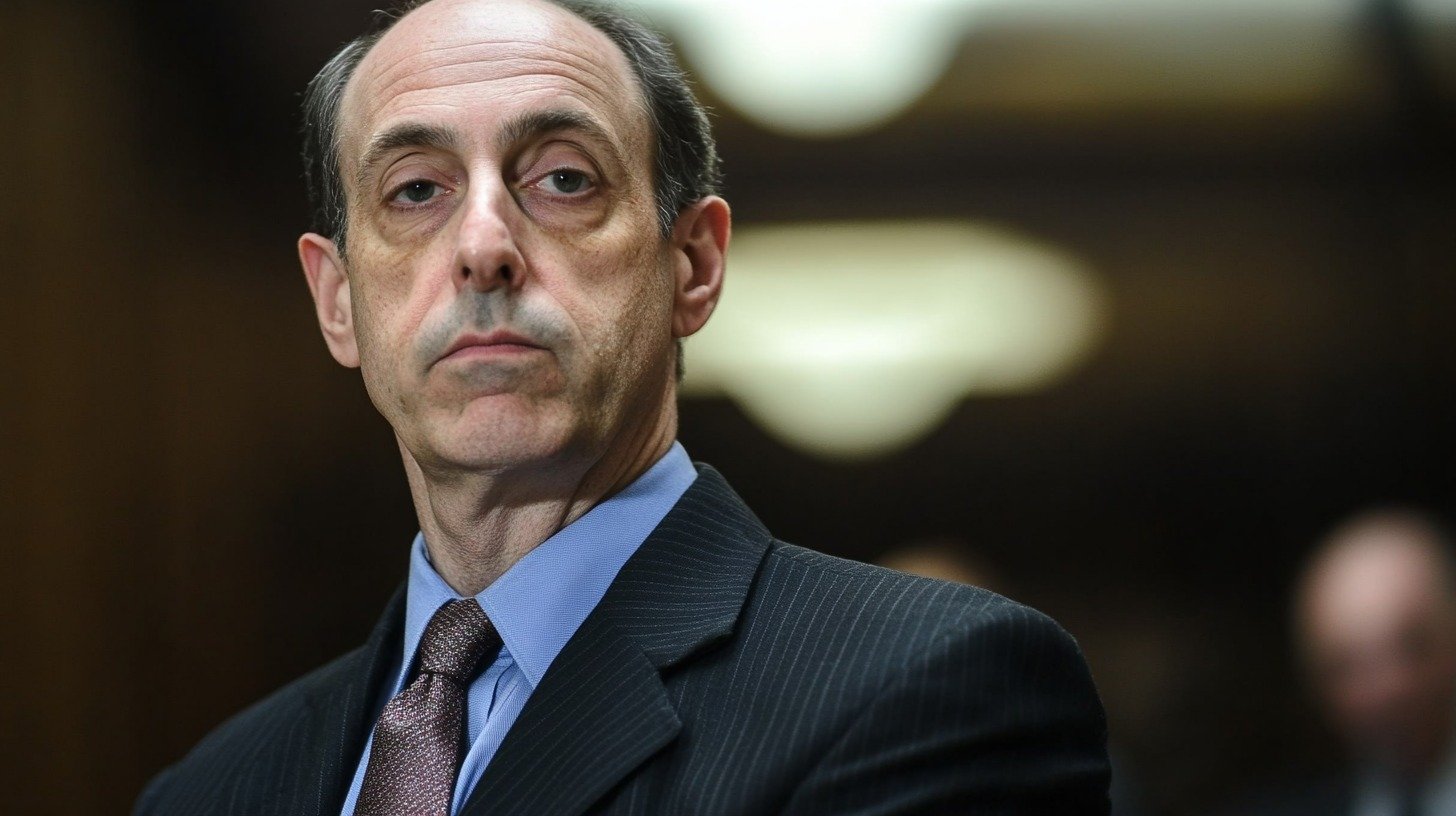
A new political storm is brewing in Washington. House Republicans have announced they are probing the mysterious deletion of text messages from former SEC Chair Gary Gensler, raising fresh concerns about transparency at the regulator during his tenure between 2021 and 2025.
In a letter sent Tuesday to current SEC Chair Paul Atkins, House Financial Services Committee Chairman French Hill said lawmakers are engaging with the agency’s Office of Inspector General (OIG) after its September findings revealed that Gensler’s texts — including those linked to enforcement actions against crypto companies — were lost.
ALSO READ : Aptos strikes surprise deal with Trump family’s World Liberty Finance to launch USD1 stablecoin… here’s what it means
“The Committee is engaging with the OIG to learn more about their report, seek clarity on outstanding questions, and discuss additional areas that require further oversight and investigation,” Hill wrote.
Deleted texts linked to crypto enforcement
The OIG report found that some of the deleted communications were directly tied to SEC enforcement actions against crypto firms and their founders. This revelation has intensified criticism from the digital asset industry, which has long accused Gensler of leading a “war on crypto” under the Biden administration.
Critics allege that the SEC under Gensler pressured banks to restrict services to crypto businesses and launched a barrage of lawsuits against firms like Ripple, Coinbase, and other blockchain players. Many industry leaders argue this approach stifled innovation in the U.S., pushing talent and capital offshore.

Republicans accuse Gensler of double standards
The House Republicans’ letter, co-signed by Ann Wagner, Dan Meuser, and Bryan Steil, accused Gensler of hypocrisy. They noted that under his leadership, the SEC fined several Wall Street firms more than $400 million in 2023 for record-keeping failures — while his own agency suffered from what the OIG described as “poor change management, lack of proper backup devices, ignored system alerts, and unaddressed vendor software flaws.”
The missing texts, Republicans argue, could mean that the public may never know the full context of how and when the SEC decided to pursue certain high-profile cases.
Security failures added to the controversy
This is not the first time the SEC’s internal practices have come under fire. In January 2024, the agency’s official X account was hacked and falsely announced the approval of a spot Bitcoin ETF, triggering market chaos. Later, X confirmed the SEC did not have two-factor authentication enabled at the time — a basic security measure widely expected of government institutions.
For lawmakers already skeptical of Gensler’s leadership, the combination of poor cybersecurity and deleted communications paints a picture of an agency lacking in accountability.
A test for transparency and trust
The investigation underscores the larger battle in Washington over digital assets. For Republicans, probing Gensler’s actions is as much about accountability as it is about shaping future regulatory frameworks for crypto.
Industry voices say the controversy could help accelerate calls for clearer, pro-growth regulation in the U.S. “If the SEC can’t even keep its own house in order, how can it fairly regulate one of the fastest-growing industries in the world?” one blockchain lobbyist remarked.
As the probe unfolds, the unanswered questions remain: Were these deleted texts an innocent case of bad record management, or do they hint at deeper political maneuvering during Gensler’s time in office?
For now, one thing is certain — the clash over Gensler’s deleted texts ensures that the SEC’s role in crypto regulation will stay in the spotlight long after his departure.
Cryptocurrency News
Aptos strikes surprise deal with Trump family’s World Liberty Finance to launch USD1 stablecoin… here’s what it means
Aptos partners with Trump-backed WLFI to roll out USD1 stablecoins, aiming to challenge Tron and Ethereum’s dominance.

The global stablecoin race just took a dramatic turn. Aptos, the high-speed Layer-1 blockchain born out of Meta’s failed Diem project, has announced a major partnership with the Trump family’s World Liberty Financial (WLFI) to deploy USD1 stablecoins — a move designed to carve into the market share currently dominated by Tron and Ethereum.
Speaking at the TOKEN2049 conference in Singapore, Aptos CEO Avery Ching revealed that WLFI had been in talks with Aptos for months. “They view us as some of the best tech partners they could work with,” Ching said, noting that the first priority for WLFI is to launch a stablecoin that gives yield “back to the people.”
ALSO READ : BNB Chain’s official X account hacked CZ warns followers “Do NOT connect your wallet”
The collaboration will see USD1 go live on the Aptos Network on October 6, backed by immediate liquidity pool support across leading Aptos DeFi protocols including Echelon, Hyperion, Thala, and Tapp. Wallets and exchanges such as OKX, Backpack, Petra, Bitget Wallet, Gate Wallet, and Nightly will support the launch from day one.
Why WLFI chose Aptos over rivals
Ching emphasized that WLFI selected Aptos because of its low transaction costs — “less than a hundredth of a cent” — and unmatched speed, with transactions finalizing in under half a second. This speed is critical as WLFI looks to roll out retail and banking products, signaling broader ambitions than just stablecoin deployment.
WLFI, which has ties to Donald Trump’s family, is betting big on DeFi’s future. By aligning with Aptos, it is attempting to build a financial ecosystem that rivals long-established stablecoin networks.
Targeting Tron’s stablecoin empire
The partnership is also a direct shot at Tron, which currently hosts $78.6 billion worth of Tether (USDT). In contrast, Aptos is still relatively small, with $1.3 billion worth of USDT circulating on its network. Ethereum remains the undisputed leader with $94.8 billion in USDT and nearly 60% of total stablecoin market share.
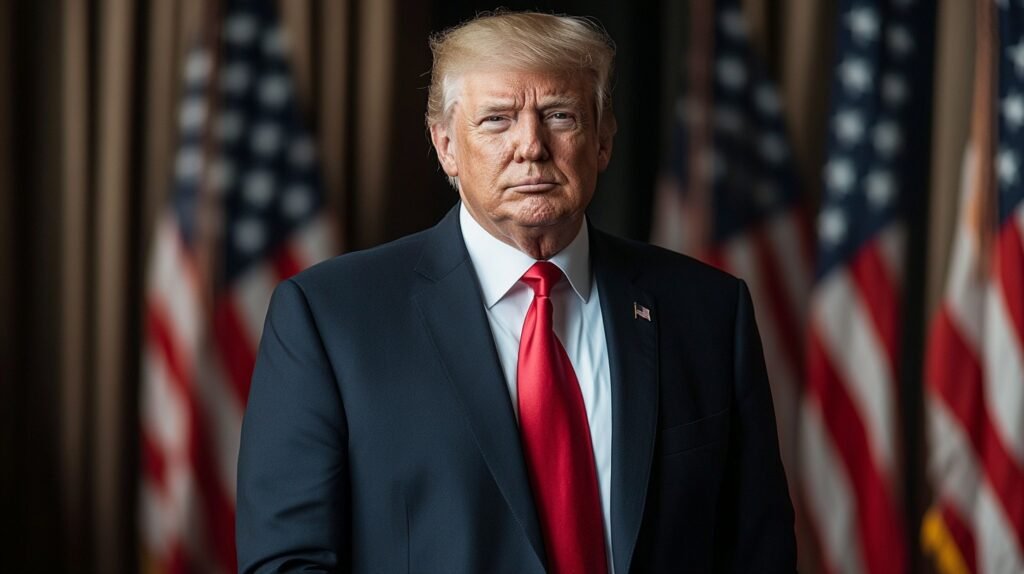
By introducing USD1, Aptos is angling to eat into Tron’s dominance — especially in retail payments, where low fees and speed make a huge difference. According to DefiLlama, USD1 currently has a market capitalization of $2.68 billion, with most liquidity on BNB Chain
Aptos market growth and new products
Despite its small market share of just 0.35%, Aptos is already home to major stablecoins including Tether (USDT), Ethena USD (USDE), and PayPal USD (PYUSD). The network processes more than $60 billion in monthly transactions, and Ching is confident that exponential growth is ahead.
Adding to that momentum, Ching unveiled two major upcoming products:
- Decibel: A high-performance decentralized exchange optimized for stablecoins, perpetual contracts, and spot trading. Testnet launches in October, with mainnet expected before year-end.
- Shelby: A “hot decentralized storage” solution designed in partnership with Jump Crypto for real-time social media apps and AI training data, set for release in 2026.
The bigger picture: Aptos vs Ethereum and Tron
While Ethereum continues to dominate with its layer-2 ecosystem, and Tron thrives in the payments market, Aptos is positioning itself as a fast, cost-efficient alternative with a focus on retail adoption. The Trump-backed WLFI partnership adds political weight and brand recognition, which could help attract both retail users and institutional attention.
As Ching — once the head of Meta’s Diem project — highlighted, Aptos has the backing of powerful venture firms such as Andreessen Horowitz, Apollo, Circle Ventures, and the now-defunct FTX Ventures. This strong investor base may help the blockchain push into mainstream adoption faster than skeptics expect.
A new stablecoin chapter begins
The launch of USD1 on Aptos could be a turning point in the crowded stablecoin market. With backing from the Trump family and liquidity support across DeFi, Aptos is signaling that it’s no longer content with being an underdog.
The real test, however, will be whether USD1 can attract enough adoption to chip away at Tron’s vast share of stablecoin traffic. For now, the October 6 launch will be closely watched across crypto and finance circles — as it may mark the beginning of a new era of politically linked stablecoins.
Cryptocurrency News
BNB Chain’s official X account hacked CZ warns followers “Do NOT connect your wallet”
Hackers linked to the notorious Inferno Drainer group posted phishing links through BNB Chain’s verified account before the team regained control.

The BNB Chain blockchain network, one of the largest ecosystems in the cryptocurrency world, faced a serious security breach on Wednesday after its official X account with nearly four million followers was hijacked by hackers. The attackers used the verified account to spread phishing links disguised as legitimate wallet connection prompts, tricking unsuspecting users into compromising their crypto holdings.
The incident quickly caught the attention of Changpeng “CZ” Zhao, founder of Binance, who confirmed the compromise on his personal X handle. “The hacker posted a bunch of links to phishing websites that ask for Wallet Connect. Do NOT connect your wallet,” CZ wrote, urging the crypto community to remain vigilant.
ALSO READ : Trump family linked American Bitcoin seals Nasdaq debut after merger with Gryphon shareholders say yes
Inferno Drainer suspected behind attack
According to SlowMist’s chief information security officer, known online as 23pds, the attack was linked to the infamous Inferno Drainer group. This group, which first emerged in 2022, is notorious for its “phishing-as-a-service” model, allowing affiliates to deploy pre-built fraudulent sites mimicking official crypto project interfaces.
In this case, the hackers used a subtle but effective trick — swapping the letter i with l in the phishing domain — a classic method to deceive users scanning URLs quickly. “BNB Chain’s English official X account has been hacked! The phishing website changed the letter i into l,” 23pds warned in his post.
The Inferno Drainer has already been linked to multiple wallet-draining scams across different blockchains, raising growing concerns about the security awareness of crypto projects, even those as large as BNB Chain.
Response from BNB Chain team
A BNB Chain spokesperson told Cointelegraph that their team is still investigating how the attackers gained access. “We are working closely with our security partners to identify the root cause and will share confirmed details as soon as they are available,” the spokesperson said.

By 8:26 am UTC, the team confirmed that it had regained control of its X account. A total of 10 phishing links had been posted during the breach, resulting in combined user losses of approximately $8,000 across chains. The team reassured the community that all affected users will be fully reimbursed.
CZ doubles down on security advice
CZ, who often reminds his followers about the importance of security, reiterated that users should never blindly trust posts from verified handles. “Always check the domains very carefully, even from official X handles. Stay SAFU!” he wrote, referencing the popular crypto slang for “Stay Safe.”
The breach has reignited discussions about the vulnerability of official crypto project accounts, which often serve as primary communication channels with millions of investors. Many experts argue that two-factor authentication and stricter access controls should be non-negotiable standards for such high-profile accounts.
A reminder for the crypto community
While the monetary damage in this case was relatively contained, the attack highlights just how easily even official accounts can be compromised. For new investors who may not scrutinize every domain, such scams can cause devastating losses.
The incident is a fresh reminder that phishing remains one of the biggest threats to digital assets. As the crypto industry continues to expand, so too do the tactics of bad actors. The onus now lies on both blockchain projects to secure their channels and on users to practice relentless caution.
As one industry analyst noted, “The moment you think you can’t be fooled is the moment you’re most vulnerable.”

“He-Man Wears a Suit…”: Why Nicholas Galitzine’s Masters of the Universe Trailer Has Fans Talking

Camilla Läckberg Isn’t Done Yet… The Queen of Swedish Noir Eyes Film, TV and a Bold Plan to ‘Conquer America’

“Screaming, Crying, Almost Throwing Up”… Sundance Insiders Reveal the Untold Chaos Behind America’s Most Influential Film Festival
From Swedish Noir to Hollywood Dreams Camilla Läckberg Has a Bigger Plan in Motion
When Sundance Nearly Fell Apart Insiders Recall the Chaos Behind the World’s Most Influential Film Festival

1-Iran Issues Dire Warning to Israel and Defies Trump on Nukes: “We’re Ready to Strike Deep Inside”

Donald Trump’s net worth reveals the fortune behind the former US President and business mogul

Caitlin Clark Sidelined with Quad Strain, Set to Miss Two Weeks of WNBA Action

Elon Musk Breaks Ranks with Trump Over ‘Big, Beautiful’ Tax Bill

“Tomás Rodríguez Net Worth 2025: Panama’s Gold Cup Goal‑Machine’s Surprising Fortune Revealed”

Miss Jamaica Suffers Terrifying Fall Off Miss Universe Stage; Rushed to Hospital on Stretcher in Viral Video

Moana Live-Action Teaser Sparks Outrage as Fans Call Disney’s Move a ‘Clear Money Grab’ — What Went Wrong?

Ryan Gosling’s Project Hail Mary Trailer Stuns Fans with a Mysterious Alien Ally and a Mission That Could Save Earth

Apple delays Jessica Chastain thriller The Savant about domestic extremism after recent US violence

Avatar 3, Fire and Ash trailer reveals Jake Sully’s family facing terrifying new Na’vi enemies with deadly fire powers
-
 Entertainment1 week ago
He-Man Wears a Suit Now… Nicholas Galitzine’s ‘Masters of the Universe’ Trailer Drops a Shock Fans Didn’t See Coming
-
 Entertainment1 week ago
Brazil Eyes Oscar History Again… ‘The Secret Agent’ Scores Best Picture Nomination as Wagner Moura Stuns Hollywood
-

 Entertainment5 days ago
“Comedy Needs Courage Again…”: Judd Apatow Opens Up on Mel Brooks, Talking to Rob Reiner, and Why Studio Laughs Have Vanished
-

 Entertainment1 week ago
Oscars Go Global in a Big Way as This Year’s Nominations Signal a New Era: ‘The Academy Is Finally Looking Beyond Hollywood…’
-

 Entertainment1 week ago
“Dangerously Kinky… and Darkly Funny”: Olivia Wilde and Cooper Hoffman Push Boundaries in ‘I Want Your Sex’
-

 Sports1 week ago
A Strong Night for Caleb Williams Ends With Doubts About the Bears’ Late Decisions
-
 Crime5 days ago
Man Accused in Tupac Shakur Killing Asks Judge to Exclude Critical Evidence
-

 Politics1 week ago
Why Bari Weiss Says Pulling a ‘60 Minutes’ Story Was the Right Call — Even If It Looked Radical
Pingback: Ronin Treasury to Buy Back $4.6 Million Worth of RON Tokens—Will This Push the Price Higher? - Daily Global Diary - Authentic Global News