
Automobile
The 2026 Cadillac Celestiq Just Got Even Pricier — Here’s Why It Costs Over $400,000 Now
General Motors’ ultra-luxury electric sedan, the Cadillac Celestiq, is getting a massive $60,000 price hike for 2026, with new features and exclusive updates meant to cement its status as America’s answer to Rolls-Royce.


The Cadillac Celestiq, the most luxurious and hand-built model ever produced by General Motors (GM), is about to become even more exclusive. As per a report by Automotive News, the 2026 edition of the Celestiq will now start in the low $400,000 range, marking a steep $60,000 increase over the 2025 version’s $340,000 base price.
A Price Tag That Matches Its Ambition
Cadillac says the price hike reflects the inclusion of the smart glass panoramic roof as standard, along with eight years of connected services. These updates aim to position the Celestiq not just as a car, but as a rolling expression of design, technology, and craftsmanship.
While the figure might sound staggering, Cadillac insists this EV isn’t just transportation — it’s a statement of what American engineering can achieve. “No two Celestiqs will ever be alike,” said a GM executive, referencing the bespoke personalization process that lets buyers hand-pick every inch of the car’s design — from custom paint finishes to hand-stitched interiors and even 3D-printed components.

The Most Technologically Advanced Cadillac Ever
Under its sculpted body, the Celestiq rides on GM’s Ultium Platform — the same electric foundation used in vehicles like the GMC Hummer EV. Its dual-motor setup delivers a staggering 655 horsepower and 640 lb-ft of torque, allowing it to hit 0–60 mph in just 3.7 seconds in Velocity Max mode.
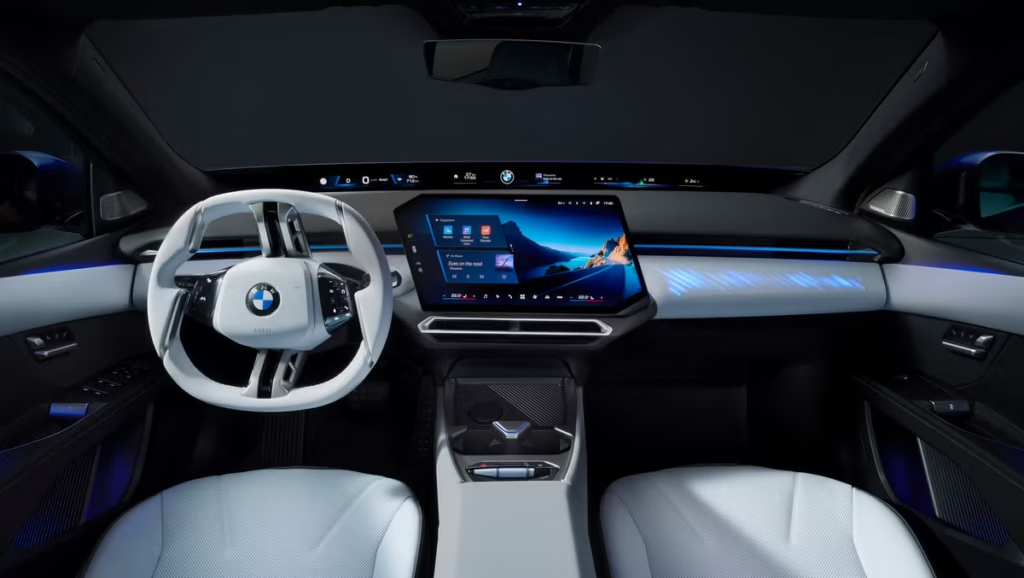
The sedan also features Magnetic Ride Control 4.0, adaptive air suspension, four-wheel steering, and Super Cruise, GM’s semi-autonomous driving system. Inside, you’ll find a pillar-to-pillar HD display, a 38-speaker AKG Studio Reference audio system, and even heated armrests — because why shouldn’t your elbows be as comfortable as the rest of you?
Exclusivity at Its Core
The 2026 Celestiq will continue to be built at the GM Global Technical Center in Warren, Michigan, in extremely limited quantities. Cadillac confirmed that all 25 units of the 2025 model have already been sold, and production for 2026 will remain just as restricted.
Unlike mass-market EVs from Tesla, the Celestiq isn’t meant to dominate sales charts. Instead, it serves as a halo product, showcasing Cadillac’s ultimate potential in electric luxury — a handcrafted rival to the Rolls-Royce Spectre and Bentley Flying Spur.
What Makes It Worth the Money
Every Celestiq undergoes a meticulous artisan-led build process that takes hundreds of hours per unit. Each car can be customized to reflect its owner’s personality — a reflection of Cadillac’s renewed philosophy of “Artful Obsession”.
Owners also receive a dedicated concierge from Cadillac’s bespoke division, ensuring a seamless design-to-delivery experience — something usually reserved for ultra-high-end European marques.
The Bigger Picture
The Celestiq’s steep new pricing signals Cadillac’s confidence in its luxury EV direction. While Mary Barra, GM’s CEO, continues to emphasize an “all-electric future,” the Celestiq stands as a symbol that sustainability and opulence can indeed coexist — at a price, of course.
IMAGE CAPTION:
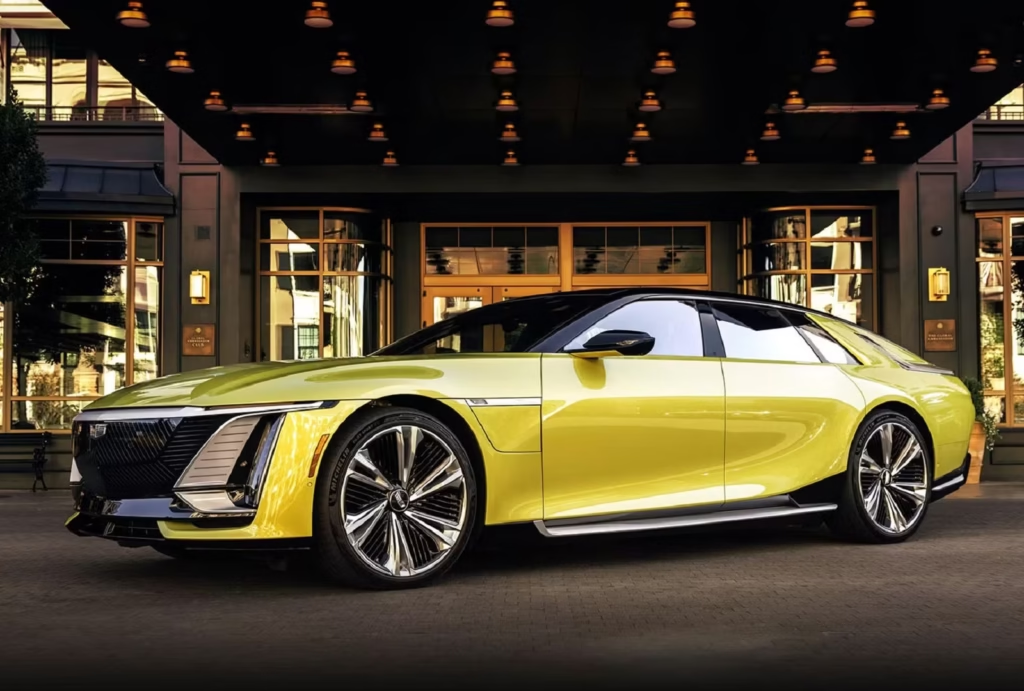
The 2026 Cadillac Celestiq – GM’s handcrafted luxury EV masterpiece, now starting above $400,000, combines technology, elegance, and exclusivity.
For more Update http://www.dailyglobaldiary.com


Automobile
2027 BMW i3 Revealed… But This One Looks Nothing Like You Expected — A Bold New Era Begins
BMW unveils its “Neue Klasse” electric sedan with futuristic design, мощный performance, and a complete rethink of what the i3 stands for
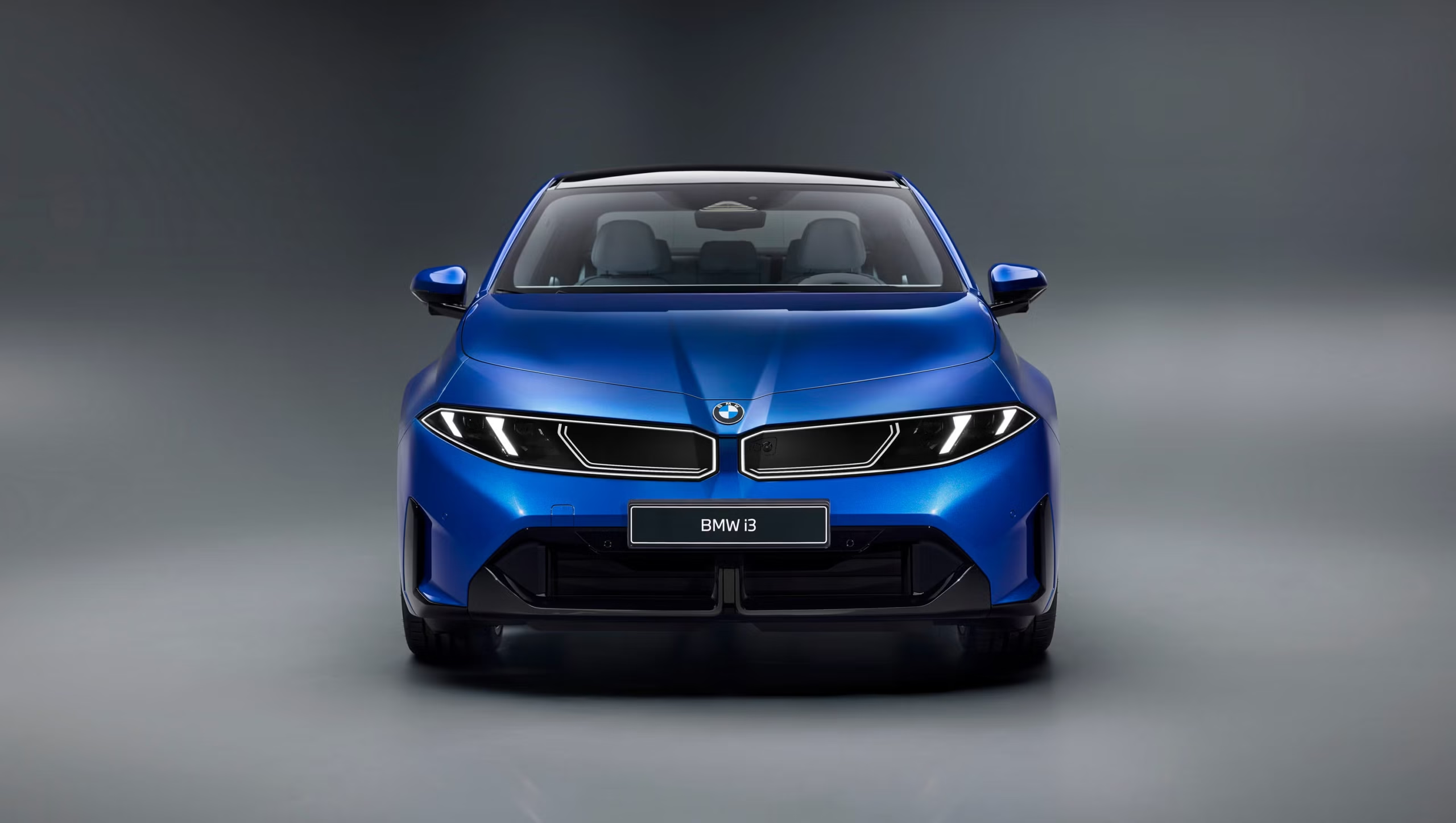
There are moments in the automotive world when a brand doesn’t just launch a car—it resets its identity. That’s exactly what BMW appears to be doing with the all-new 2027 BMW i3.
At first glance, the name “i3” might remind you of the quirky electric hatchback from years ago. But don’t be mistaken—this is an entirely different machine. Sleeker, sharper, and far more aggressive, the 2027 i3 is a mid-size electric sedan designed to rival the best in its class.
A Design Language That Changes Everything
BMW calls this its “Neue Klasse” (New Class) design philosophy—and it shows. The new i3 features a bold reinterpretation of classic BMW styling cues.
The signature kidney grille is still there, but it’s been transformed into a futuristic graphic element. The headlights now feature a four-element design, giving the front fascia a distinctive and almost digital personality.
From the side, the proportions tell a different story. A long wheelbase combined with short overhangs gives the car a dynamic stance—something that has always been a hallmark of BMW’s sporty DNA.
Even at the rear, BMW has broken tradition. The taillights are elongated and minimalistic, moving away from the iconic “L” shape the brand has used for decades. It’s a subtle but powerful signal: BMW is not afraid to evolve.
Performance That Matches the Looks
The new i3 isn’t just about aesthetics—it brings serious performance credentials as well.
The top-spec dual-motor variant, expected to be called the i3 M50, delivers an impressive 463 horsepower. This puts it firmly in performance territory, competing with some of the most exciting electric sedans on the market today.
For those looking for efficiency over outright power, BMW will also offer a single-motor version. This ensures the i3 appeals to both performance enthusiasts and everyday drivers.
Built on a Future-Ready Platform
Underneath the striking design lies cutting-edge engineering. The i3 shares its platform with the upcoming BMW iX3, another key model in BMW’s electric future.
Both vehicles are built on an advanced 800-volt architecture—a technology that allows for faster charging and improved efficiency. This is a crucial step forward as automakers race to eliminate range anxiety and reduce charging times.

More Than Just a Car—A Statement
The 2027 i3 is not just another addition to BMW’s lineup. It represents a shift in philosophy.
For years, BMW has balanced tradition with innovation. But with the Neue Klasse, the brand seems ready to take bigger risks. The i3’s design, performance, and technology all point toward a future where electric vehicles are not just practical—but deeply emotional and engaging.
Why This Launch Matters
The electric vehicle market is more competitive than ever, with established players and new entrants pushing boundaries. By reimagining the i3, BMW is sending a clear message: it intends to lead, not follow.
And perhaps that’s what makes this reveal so exciting. The new i3 doesn’t just look different—it feels like the beginning of something bigger.
As the industry moves rapidly toward electrification, cars like this will define what the next decade of driving looks like.
For More Update – DAILY GLOBAL DIARY
Automobile
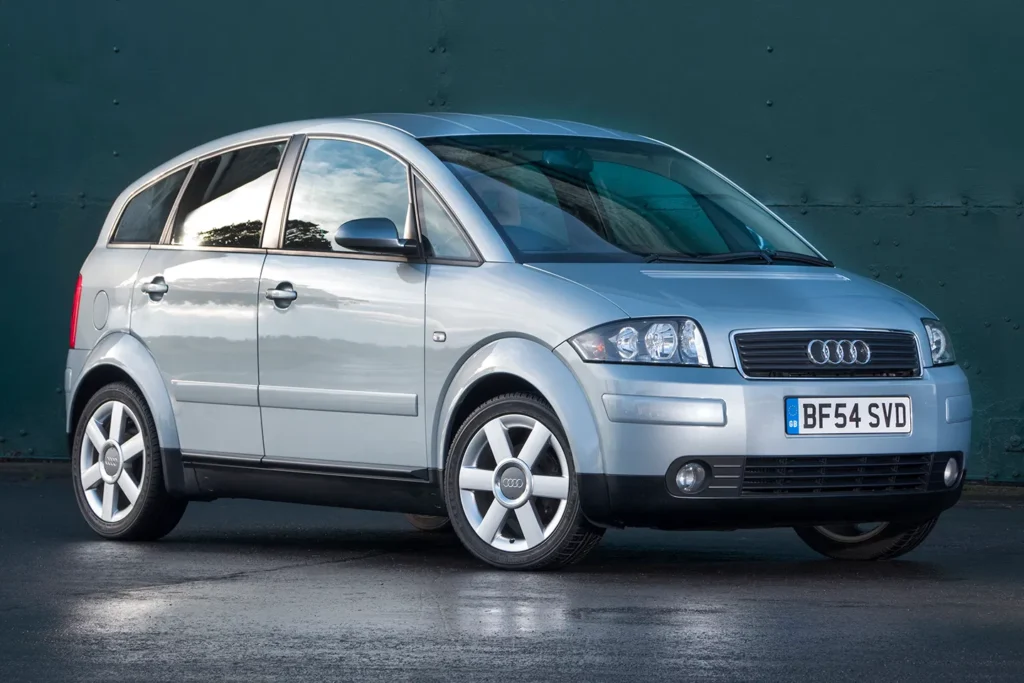
‘Audi Is Bringing It Back…’ Iconic A2 Returns in 2026 as an Electric City Car
Audi confirms the comeback of its cult-favorite A2—this time as a compact, entry-level EV built for modern urban life.
In an era where nostalgia meets innovation, Audi has decided to revive one of its most unconventional—and beloved—models.
Yes, the Audi A2 is officially making a comeback in 2026. But this isn’t just a redesign—it’s a complete reinvention.
The new version, expected to be called the A2 e-tron, will arrive as a fully electric, entry-level car aimed at making premium EV ownership more accessible.
A Modern Take on a Cult Classic
When the original Audi A2 launched over two decades ago, it stood out for its futuristic design and lightweight aluminum body—features that were ahead of their time.
Now, Audi is tapping into that legacy.
CEO Gernot Döllner confirmed the revival, saying the company has been listening closely to customer demands.
“Our customers want electric mobility that works in everyday life,” he said, emphasizing practicality, efficiency, and accessibility as key pillars of the new A2.
Built for the Electric Age
The upcoming A2 e-tron is expected to be based on the MEB platform, the same foundation used by models like the Volkswagen ID.3.
That means proven EV technology, solid range capabilities, and a focus on urban driving efficiency.
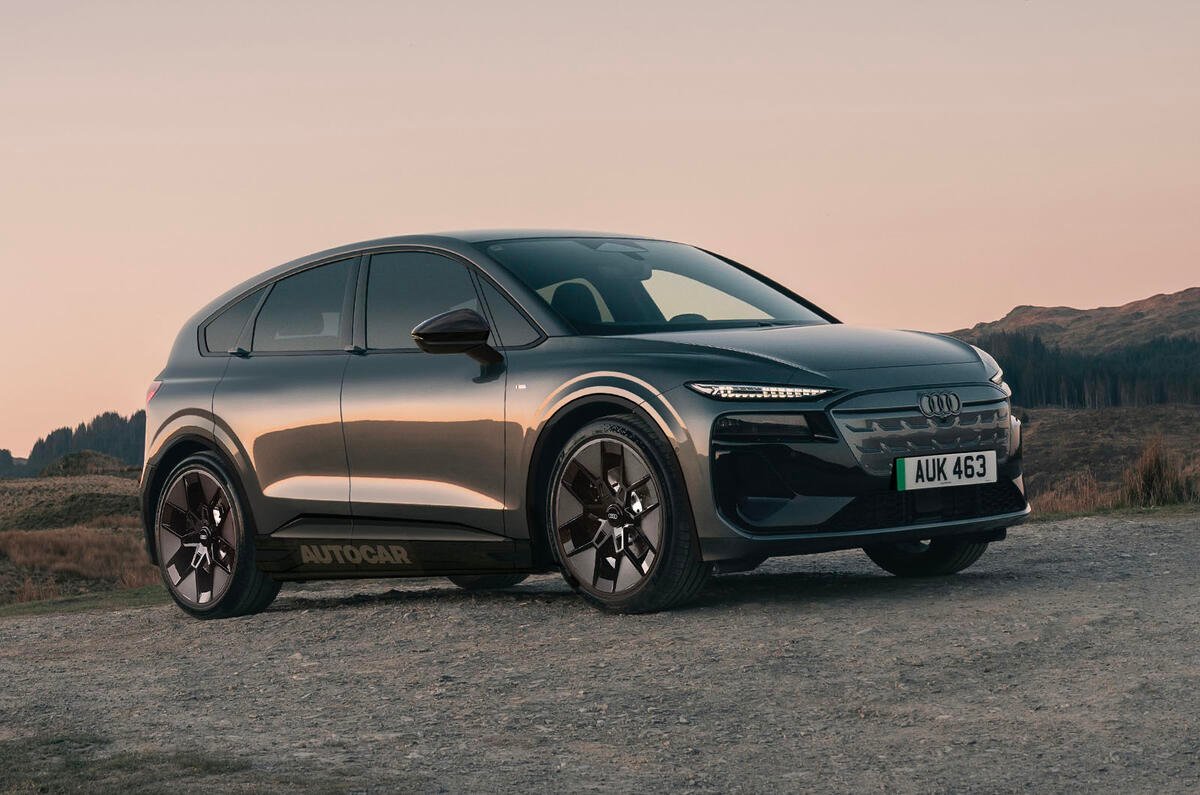
While Audi has kept design details under wraps, early teasers suggest a silhouette that pays homage to the original—compact, aerodynamic, and instantly recognizable.
Why This Move Matters
Audi’s decision to revive the A2 isn’t just about nostalgia—it’s a strategic move.
As competition intensifies in the electric vehicle market, automakers are racing to offer affordable entry points into their EV lineups. The A2 e-tron is expected to play exactly that role for Audi, bridging the gap between premium branding and everyday usability.
In simpler terms, it could become the “first Audi” for a whole new generation of buyers.
Compact, Efficient, and Urban-Focused
The new A2 is being positioned as a city-friendly EV—something designed not for highways alone, but for real-world, daily commuting.
Think tight streets, limited parking, and rising fuel costs—the A2 e-tron aims to address all of it with a smart, compact design and electric efficiency.
And while it may not carry the high-performance badge of Audi’s sportier models, it represents something equally important: accessibility.
The Bigger Picture
This move also reflects a broader shift within the Volkswagen Group, which is increasingly focusing on scalable EV platforms and shared technologies to reduce costs and speed up development.
By leveraging the MEB platform, Audi can bring the A2 e-tron to market faster while maintaining reliability and performance standards.

What to Expect Next
For now, details remain limited.
But one thing is clear—the A2 e-tron is not just a revival; it’s a statement. A statement that even legacy automakers are willing to rethink their past to build a more sustainable future.
And if Audi gets it right, the A2 might once again become one of the most talked-about small cars on the road—only this time, silently powered by electricity.
For More Update – DAILY GLOBAL DIARY
Automobile
“A Tragic Incident Changed Everything…”: Hyundai Halts Sales of Palisade SUVs and Recalls 60,000 Vehicles After Child’s Death
Safety concerns over power-folding seats push Hyundai to pause sales of certain Palisade models while engineers rush a fix and software update.
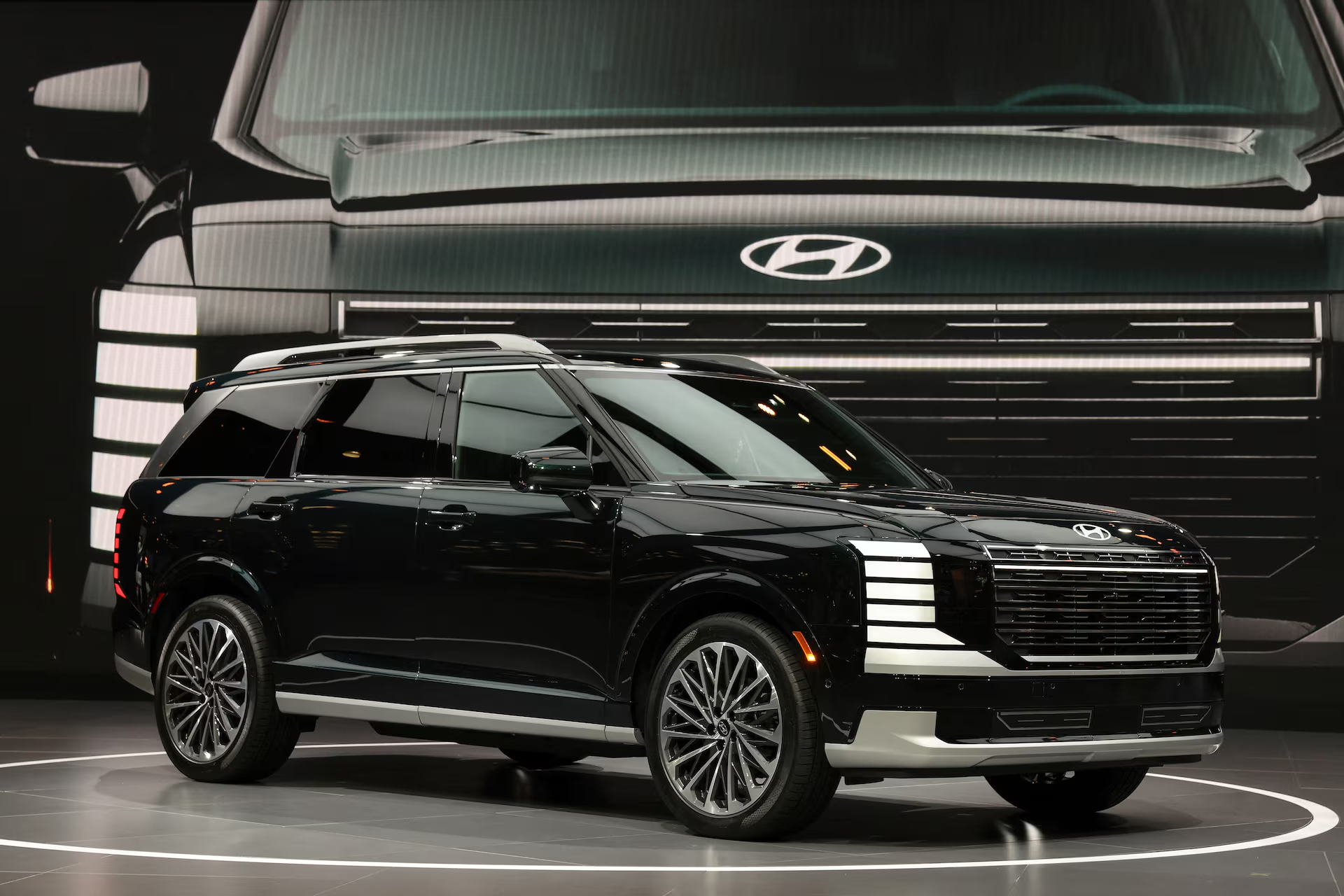
In a move that has shaken the automotive industry and raised fresh questions about vehicle safety systems, <a href=”https://en.wikipedia.org/wiki/Hyundai_Motor_Company” target=”_blank”><b>Hyundai Motor Company</b></a> has halted the sale of some <a href=”https://en.wikipedia.org/wiki/Hyundai_Palisade” target=”_blank”><b>Hyundai Palisade</b></a> SUVs and announced a recall affecting roughly 60,000 vehicles in the United States.
The decision follows a tragic incident involving the death of a child, which the company confirmed is currently under investigation. While full details have not yet been made public, the automaker said the issue may be linked to the power-folding seat mechanisms in certain models.
What triggered the recall?
According to Hyundai, the recall primarily affects 2026 Palisade SUVs in the Limited and Calligraphy trims, two of the most premium variants of the popular family SUV.
The problem centers around the second- and third-row power seats, which under certain conditions may fail to properly detect contact with an occupant or object.
In practical terms, this means the automatic seat-folding system could continue operating even if something — or someone — is in the seat’s path, creating a potentially dangerous situation.
The issue can arise during:
- Second- and third-row power-folding operations, and
- The one-touch tilt-and-slide function used to access the third row.
For a vehicle marketed heavily toward families, the concern is particularly serious.
Hyundai expresses condolences
In a statement released by the company, Hyundai acknowledged the heartbreaking nature of the incident.
“Hyundai is aware of a tragic incident involving a Palisade,” the company said. “While we do not yet have the full details and the incident remains under investigation, a young child lost her life. Hyundai extends its deepest sympathies to her family.”
The company emphasized that it is cooperating fully as authorities and engineers examine the circumstances behind the accident.

Sales halted while solution is developed
As a precautionary step, Hyundai has temporarily stopped sales of affected Palisade models until safety improvements can be implemented.
Owners of impacted vehicles are being urged to exercise caution when using power seat features, especially when children or objects may be in the vehicle’s rear seating area.
The company also advised drivers to visually confirm the seat area is clear before activating any automated seat-folding function.
Software update coming soon
To address the immediate concern, Hyundai engineers are working on an over-the-air software update designed to improve how the seat system detects contact.
The update is expected to be available by the end of March, according to the company.
While this will not be the permanent recall fix, Hyundai says it will:
- Improve system responsiveness when contact is detected
- Introduce additional safety safeguards
- Reduce the risk of unintended seat movement
A complete repair solution is still under development.
Repairs will be free — rental vehicles offered
Hyundai confirmed that once the permanent repair is finalized, owners will be able to bring their vehicles to authorized dealerships for repairs at no cost.
In the meantime, customers who feel uncomfortable driving their Palisade may request temporary rental vehicles, which Hyundai says will be provided while the recall solution is finalized.

A reminder of how critical vehicle safety systems are
The recall underscores the growing complexity of modern vehicles, where advanced electronic features designed for convenience can sometimes introduce unexpected safety risks.
For automakers like <a href=”https://en.wikipedia.org/wiki/Hyundai_Motor_Company” target=”_blank”><b>Hyundai</b></a>, which has built a strong reputation for reliability and family-friendly SUVs, the incident serves as a sobering reminder that even small technical faults can have devastating consequences.
As the investigation continues, regulators and safety experts will likely examine whether similar automated seat systems across the industry require stricter safety detection standards.
For now, Hyundai says its focus remains on supporting affected families, fixing the issue quickly, and ensuring the Palisade remains a safe vehicle for customers worldwide.
For More Update- DAILY GLOBAL DIARY

Iran Bombs Qatar’s Ras Laffan and India Is Counting the Cost — ‘88% Import Dependent on Crude Oil, Half on Gas…’

‘If Only I’d Had a Word With Trump…’ — The Iran War Is Now Causing a Cricket Ball Shortage in England, and the ECB Is Rattled

US F-35 Fighter Jet Makes Emergency Landing After ‘Suspected Iranian Fire’ Mid-Combat Mission — ‘The Aircraft Landed Safely…’

Noida Man Promised Singapore, Europe, Vietnam Tours — Then Pocketed ₹12 Lakh and Cancelled Every Ticket: ‘He Was Doing This for Years…’

Indian-Origin Man Sital Singh Sentenced to 4 Years for Scamming Elderly Americans Out of Millions — ‘They Lost Everything They Saved…’

1-Iran Issues Dire Warning to Israel and Defies Trump on Nukes: “We’re Ready to Strike Deep Inside”

Donald Trump’s net worth reveals the fortune behind the former US President and business mogul

“She Never Made It Out…” Albany House Fire Claims Woman’s Life as Family Pleads for Help to Bring Her Home

Caitlin Clark Sidelined with Quad Strain, Set to Miss Two Weeks of WNBA Action

“Tomás Rodríguez Net Worth 2025: Panama’s Gold Cup Goal‑Machine’s Surprising Fortune Revealed”

Miss Jamaica Suffers Terrifying Fall Off Miss Universe Stage; Rushed to Hospital on Stretcher in Viral Video

Moana Live-Action Teaser Sparks Outrage as Fans Call Disney’s Move a ‘Clear Money Grab’ — What Went Wrong?

Ryan Gosling’s Project Hail Mary Trailer Stuns Fans with a Mysterious Alien Ally and a Mission That Could Save Earth

Apple delays Jessica Chastain thriller The Savant about domestic extremism after recent US violence

Avatar 3, Fire and Ash trailer reveals Jake Sully’s family facing terrifying new Na’vi enemies with deadly fire powers
-

 Entertainment7 days ago
BBC Boss Finally Explains Why the Racial Slur Was Never Cut From the BAFTA Broadcast — “No One in the Truck Even Heard It…”
-

 Entertainment1 week ago
While Her Brother David Ellison Takes Over Paramount, Megan Ellison Is Quietly Building Something at Annapurna That Hollywood Should Be Very Nervous About…
-

 Sports7 days ago
“Last-Minute Heartbreak for Rayados…”: Juárez Snatch 2–2 Draw as Estupiñán Penalty Cancels Monterrey’s Lead
-

 Entertainment1 week ago
Saturn Awards 2026: James Cameron and Tom Cruise Were the Big Winners — But Nobody Predicted What Cameron Would Say When He Took the Mic…
-

 Entertainment1 week ago
Billy Porter Says He Was “Dead for Three Days” During Secret Health Battle — What He Revealed About Coming Back From the Edge Will Break Your Heart…
-

 Entertainment1 week ago
Timothée Chalamet’s awards season heats up as Palm Springs honors him with Spotlight Actor of the Year… ‘one of his finest roles yet’
-

 Business1 week ago
ITV’s Ad Revenue Falls 5% and Analysts Are Worried — But Behind Closed Doors, Sky Deal Talks Are Giving Executives a Reason to Stay Very, Very Calm…
-

 Entertainment1 week ago
“It’s f*ing wrong…” 35 Years Later, Silence of the Lambs Star Ted Levine Speaks Out on Transphobia Criticism**