
Health
FDA recalls over 580,000 bottles of blood pressure drug ‘Prazosin’ after cancer-causing chemical found — patients urged to check immediately
The U.S. Food and Drug Administration has announced a massive recall of Prazosin Hydrochloride capsules produced by Teva Pharmaceuticals and distributed by Amerisource Health Services, citing contamination with a potentially cancer-causing chemical.

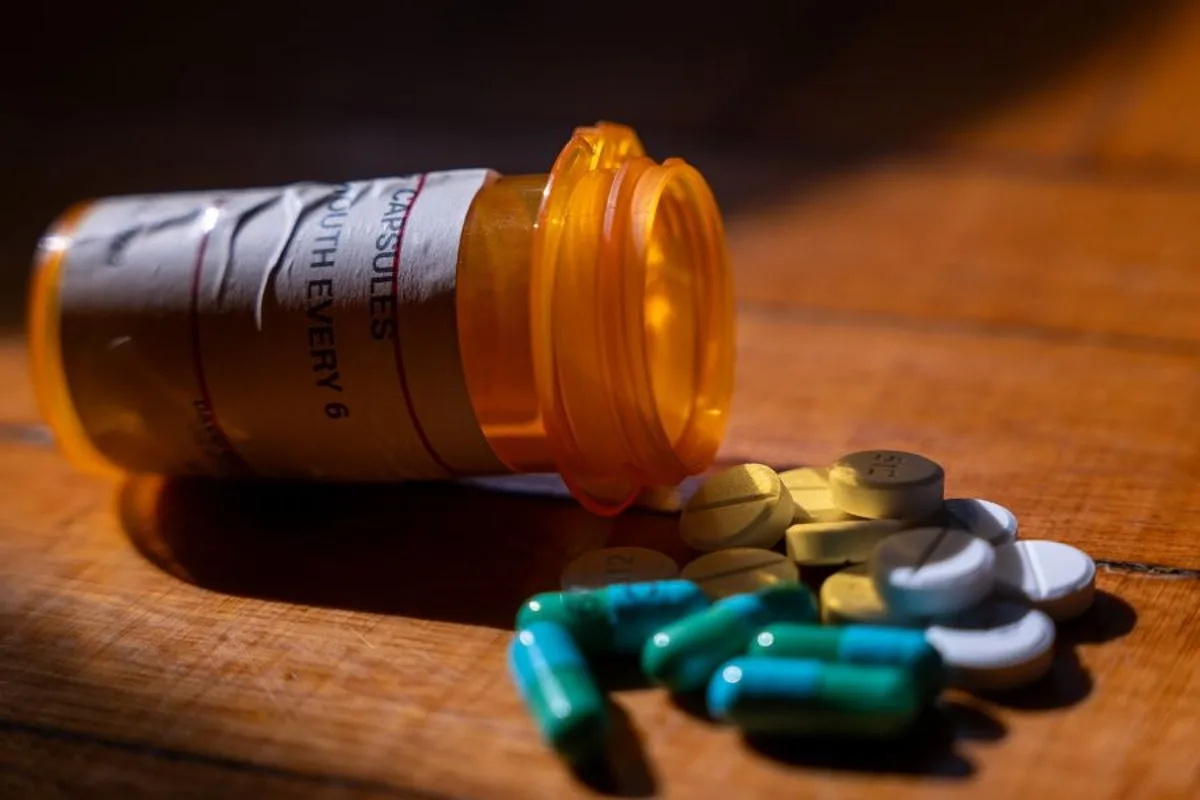
In a concerning development, the U.S. Food and Drug Administration (FDA) has confirmed that more than 580,000 bottles of the popular blood pressure medicine Prazosin Hydrochloride have been recalled nationwide due to contamination fears involving a cancer-causing chemical.
According to the FDA’s enforcement report released this week, Teva Pharmaceuticals USA — a major New Jersey-based drug manufacturer — and Amerisource Health Services issued voluntary recalls of multiple batches of Prazosin capsules in October 2025. The recall affects bottles of various strengths that were being distributed to pharmacies and healthcare centers across the United States.
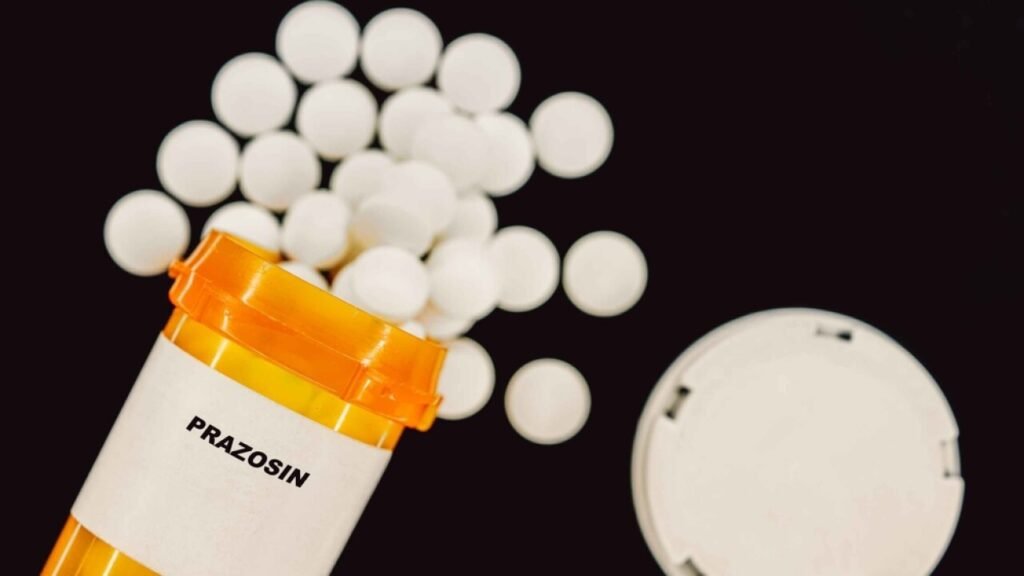
Prazosin Hydrochloride, known for its ability to relax blood vessels and improve blood flow, is primarily used to treat hypertension (high blood pressure). Doctors also prescribe it for patients suffering from post-traumatic stress disorder (PTSD), particularly to reduce nightmares and sleep disturbances. However, the discovery of chemical contamination has now prompted immediate safety actions.
The FDA stated that some of the recalled batches may contain nitrosamine impurities, a class of chemicals known for their carcinogenic potential. These impurities can form during the manufacturing or storage process, especially if the formulation or raw materials are exposed to certain environmental conditions.
The regulator classified the recall as a Class II risk, meaning the use of or exposure to the defective drug could cause temporary or medically reversible adverse health consequences, but the likelihood of serious long-term health issues remains low.
A spokesperson from the FDA said, “We are taking all necessary actions to ensure that contaminated lots are removed from the market immediately and that manufacturers review their production processes to prevent recurrence.”
Nitrosamines have previously been found in several other pharmaceutical drugs, including medications for diabetes and acid reflux, triggering multiple recalls over the past few years. Scientists describe these impurities as a family of chemical compounds that may increase the risk of cancer with prolonged exposure, even at low levels.
This recent recall of Prazosin Hydrochloride once again highlights the ongoing global issue of drug contamination and the challenges faced by manufacturers in maintaining chemical stability during production and storage.
Why Nitrosamines Are Dangerous
According to National Institutes of Health (NIH) studies, nitrosamines can form when specific chemical reactions occur between amines and nitrosating agents during drug manufacturing. If the process is not tightly controlled, trace amounts can contaminate the final product. Once ingested, these impurities can damage DNA and potentially trigger tumor growth in organs such as the liver, kidneys, and lungs.
The World Health Organization (WHO) has classified some nitrosamines as probable human carcinogens, meaning there is sufficient evidence from laboratory tests to suspect cancer risk in humans.
What Patients Should Do
The FDA has advised patients currently taking Prazosin Hydrochloride to check the label on their medication bottles for the manufacturer’s name and batch number. Those who have the affected batches are urged not to stop taking their medication abruptly but to contact their doctor or pharmacist immediately for guidance and replacement options.
Stopping blood pressure medication suddenly can cause serious health complications, including dangerously high blood pressure spikes. Hence, patients should consult their healthcare provider before making any changes to their medication schedule.
Teva Pharmaceuticals has also set up a hotline and website to assist consumers and pharmacies in identifying the affected products. In its official statement, the company emphasized that the recall was a precautionary step, assuring that it is working closely with the FDA to investigate and resolve the contamination source.
Meanwhile, Amerisource Health Services confirmed that it has halted all distribution of the affected drug lots and notified healthcare professionals nationwide.
Previous Incidents and Industry Reactions
This is not the first time nitrosamine contamination has disrupted the pharmaceutical market. Similar issues were previously reported in Valsartan and Losartan — two widely used hypertension drugs — leading to massive recalls and tighter regulatory scrutiny.
Experts from Johns Hopkins University note that while these impurities often appear in minute quantities, the repeated recalls raise concerns about quality assurance in drug manufacturing. “It’s a wake-up call for the pharmaceutical industry,” one pharmacologist commented. “We must invest in better detection systems to ensure these impurities never reach patients.”
FDA’s Continued Efforts
The FDA, established to protect public health, continues to enforce strict testing and compliance protocols to monitor potential impurities in medications. The agency said it is expanding research into analytical methods to detect nitrosamines more effectively.
As the investigation continues, the agency reassured the public that no severe adverse reactions related to this recall have been reported so far.
However, patients are encouraged to report any side effects to the FDA’s MedWatch program — a safety information and adverse event reporting system — to help authorities track and address potential health risks promptly.
The Bottom Line
While the recall has caused alarm, health experts stress that early detection and swift response by regulators and manufacturers reflect the system’s ability to protect patients. Consumers are reminded that vigilance is key — always check the source of your medication and follow official updates from trusted authorities like the FDA.
For more health updates and global news, visit www.DailyGlobalDiary.com — your trusted source for verified, human-written news.





Health
“Tragic Loss: 6-Year-Old Dies From Meningitis Within 24 Hours — Parents Demand Vaccine Access…”
Oliver Hall’s sudden death highlights the urgent need for broader MenB vaccination for children across the UK.


The UK is mourning the heartbreaking death of Oliver Hall, a 6-year-old boy from Halesworth, Suffolk, who succumbed to bacterial meningitis (MenB) within 24 hours of first showing symptoms. His parents, Georgie Hall and Bryan Hall, have given a poignant account of their son’s final day, urging authorities to make vaccines accessible to all children.
Oliver, described by his parents as a bright and loving boy, fell ill during the first day of his half-term holiday. Georgie recounted that although Oliver initially showed no symptoms, within hours he developed sensitivity to light, rashes, and breathing difficulties. Despite calling emergency services and traveling to hospital themselves, Oliver tragically passed away at 2:07 a.m. in the intensive care unit, just five hours after being admitted.
“It’s just changed our whole future. We had hopes for Oliver, for his future… He was a bright, popular lovely boy, and our whole lives have changed,” Georgie said.
Vaccine Controversy and Public Outcry
The MenB vaccine, available through the NHS for infants under 12 months since 2015, protects against meningococcal group B bacteria, the leading cause of bacterial meningitis in young children. However, children older than one year are not routinely vaccinated, a policy that has sparked outrage after tragedies like Oliver’s.
Oliver’s mother explained:
“It’s shocking… children are dying from a disease that can be prevented for as little as £12. Had we known about the private vaccine option, we would have protected both our boys.”
Private clinics and pharmacies, including Boots and Superdrug, offer the MenB vaccine for around £210 for a two-dose course. Yet, the cost barrier leaves many families without access.
Meningitis Now founder Steve Dayman emphasized the devastation caused by the disease:
“We see time and time again the impact of meningitis on families. With no changes to the vaccine programme imminent, it is crucial parents are aware of the symptoms and seek urgent medical attention.”

Symptoms Every Parent Should Know
Meningitis can escalate quickly, often proving fatal within hours. Parents are urged to monitor for:
- Blotchy rashes that don’t fade under pressure
- High fever (38°C or above)
- Headache and neck stiffness
- Nausea, vomiting, and drowsiness
- Muscle and joint aches
Mary Ramsay, Head of Immunisations at UK Health Security Agency, urged vigilance:
“Vaccinating babies at 2, 4, and 12 months helps protect them when they are most at risk. But parents must remain alert — rapid medical attention can save lives.”
Legacy and Advocacy
In honor of Oliver, the Oliver Hall Forever Fund has been established, raising over £4,000 for Meningitis Now. Georgie and Bryan hope their campaign will pressure the government to expand the vaccine programme and protect children nationwide.
“Our main goal is to help Meningitis Now get this vaccination rolled out to more children,” Georgie said, highlighting the urgent public health implications.
Oliver’s tragic story is a stark reminder that meningitis can strike suddenly and fatally, even in modern healthcare systems, and that awareness, vaccination, and swift medical response are vital to saving young lives.
For More Update- DAILY GLOBAL DIARY
Health
“Kent Meningitis Tragedy: Second Student Dies as Outbreak Sparks Hospital Emergency…”
A Year 13 pupil joins a University of Kent student in death after contracting meningitis, while authorities race to contain the outbreak.

The county of Kent is reeling from a sudden meningitis outbreak that has now claimed a second life. A Year 13 pupil from a local school has tragically died, following the death of a University of Kent student earlier this weekend.
According to Kevin Rawlinson of The Guardian, the outbreak has left 11 other people seriously ill in hospital, highlighting the urgent public health challenge facing Kent.
The Deadly Spread
Meningitis, an inflammation of the membranes surrounding the brain and spinal cord, can progress rapidly and is particularly dangerous among young adults and teenagers. Public health officials in Kent have confirmed that both fatalities were caused by bacterial meningitis, a form of the disease known for its fast onset and severe complications.
An MP from the region, who spoke on the condition of urgency, stated:
“This is a tragic time for the community. Our thoughts are with the families affected. It is crucial that everyone recognizes the symptoms early and seeks immediate medical attention.”
Symptoms of meningitis can include high fever, severe headache, stiff neck, nausea, and sensitivity to light, often escalating to more severe conditions within hours.
Students and Young Adults at Risk
The first death involved a student from the University of Kent, and the second was a Year 13 school pupil, highlighting the vulnerability of young adults in shared environments such as campuses and schools.
Health officials have already mobilized vaccination campaigns and awareness programs in local schools and universities to prevent further spread. Hospital wards have increased monitoring for suspected cases, and medical teams are urging students and parents to remain vigilant.

Public Health Response
The Kent Public Health Department has confirmed that they are actively tracing contacts of the infected individuals and providing prophylactic antibiotics to those at risk. Community health centers are also disseminating information on the early warning signs of meningitis, emphasizing rapid medical intervention as critical to survival.
Local MPs and health authorities are urging parents, teachers, and students to report unusual symptoms immediately, as prompt treatment can significantly improve outcomes.
“We are doing everything possible to contain this outbreak and protect our young people,” said a spokesperson for the Kent County Council.
Community Impact
The deaths have sent shockwaves through local communities and the University of Kent, with vigils being held to remember the victims. Authorities have stressed the importance of maintaining calm while following official health guidance.
As the situation develops, Kent residents are being reminded of the severity of meningitis and the importance of vaccination, hygiene, and early medical attention.
The tragic loss of a second young person in Kent underscores the devastating potential of meningitis outbreaks and the need for heightened awareness and immediate response in schools and universities nationwide.
For More Update- DAILY GLOBAL DIARY
Health
“FDA Issues Urgent Recall After Metal Found in Shredded Cheese Sold at Walmart, Target, ALDI… What Millions Need to Know Now”
Over 1.5 million bags pulled after dangerous metal fragments discovered in popular store-brand cheeses across 31 states

A nationwide safety alert has been triggered after the U.S. Food and Drug Administration (FDA) expanded a major recall involving shredded cheese sold at Walmart, Target, ALDI, and dozens of other major retailers. The voluntary recall affects more than 1.5 million bags of cheese produced by Great Lakes Cheese Co., one of the country’s largest suppliers of private-label dairy products.
The FDA upgraded the recall to a Class II hazard, warning that the cheese “may contain metal fragments” originating from supplier raw materials. According to the agency, consuming the affected products could lead to temporary or medically reversible health issues, including:
- Dental injuries
- Cuts inside the mouth or throat
- Intestinal lacerations or perforation
These findings were published in an FDA incident report addressing metal contamination events.
Where the recalled cheese was sold
The cheeses were sold under dozens of store brands at major U.S. retailers—many of which consumers may buy weekly without realizing they share the same manufacturer. Impacted retailers include:
- ALDI
- Target (Good & Gather brand)
- Walmart (Great Value brand)
- Publix
- Sprouts Farmers Market
- H-E-B
- Schnucks
- Brookshire’s
- Stater Bros.
Distribution spanned 31 states, including Texas, Florida, Tennessee, Georgia, Oklahoma, Alabama, and more.
What types of cheese are included?
The recall is massive, spanning a wide range of shredded cheese products such as:

Mozzarella- Mozzarella & Provolone blends
- Italian-style blends
- Pizza-style blends
- Parmesan-infused mixes
- Fine, classic, and thick-cut shredded varieties
Store brands such as Happy Farms (ALDI), Good & Gather (Target), Great Value (Walmart), Lucerne Dairy Farms, Food Lion, Cache Valley Creamery, Laura Lynn, and many others appear on the FDA list.
A complete SKU-level breakdown—with UPC codes, lot numbers, and sell-by dates—is available on the official FDA recall page.
How did metal contamination occur?
According to FDA documentation, the issue originated from raw materials supplied to Great Lakes Cheese, which were later incorporated into shredded cheese production. During routine testing, investigators detected metal fragments, initiating the first recall in October. The hazard level was increased on December 1, prompting nationwide warnings.
What consumers should do immediately
The FDA urges customers not to consume the recalled cheese. Instead:
Throw it away safely, or
Return it to the retailer for a full refund—no receipt necessary at most participating stores.
This recall is still ongoing, and more products could be added as the FDA continues reviewing supply chain data.
Why this recall matters
Shredded cheese is a household staple for millions of American families, used in everything from pizza and quesadillas to casseroles and pasta. With distribution across major retailers, this recall highlights recurring concerns about food safety, third-party suppliers, and the growing complexity of nationwide grocery chains.
Great Lakes Cheese—one of the country’s biggest dairy processors—is a major supplier for private labels, meaning consumers often have no idea the same manufacturer produces cheese for multiple competing grocery chains.
Food safety advocates say this recall serves as a reminder to stay alert to FDA announcements, especially when products are used in children’s lunches and everyday home cooking.
For more Update DAILY GLOBAL DIARY

Iran Bombs Qatar’s Ras Laffan and India Is Counting the Cost — ‘88% Import Dependent on Crude Oil, Half on Gas…’

‘If Only I’d Had a Word With Trump…’ — The Iran War Is Now Causing a Cricket Ball Shortage in England, and the ECB Is Rattled

US F-35 Fighter Jet Makes Emergency Landing After ‘Suspected Iranian Fire’ Mid-Combat Mission — ‘The Aircraft Landed Safely…’

Noida Man Promised Singapore, Europe, Vietnam Tours — Then Pocketed ₹12 Lakh and Cancelled Every Ticket: ‘He Was Doing This for Years…’

Indian-Origin Man Sital Singh Sentenced to 4 Years for Scamming Elderly Americans Out of Millions — ‘They Lost Everything They Saved…’

1-Iran Issues Dire Warning to Israel and Defies Trump on Nukes: “We’re Ready to Strike Deep Inside”

Donald Trump’s net worth reveals the fortune behind the former US President and business mogul

“She Never Made It Out…” Albany House Fire Claims Woman’s Life as Family Pleads for Help to Bring Her Home

Caitlin Clark Sidelined with Quad Strain, Set to Miss Two Weeks of WNBA Action

“Tomás Rodríguez Net Worth 2025: Panama’s Gold Cup Goal‑Machine’s Surprising Fortune Revealed”

Miss Jamaica Suffers Terrifying Fall Off Miss Universe Stage; Rushed to Hospital on Stretcher in Viral Video

Moana Live-Action Teaser Sparks Outrage as Fans Call Disney’s Move a ‘Clear Money Grab’ — What Went Wrong?

Ryan Gosling’s Project Hail Mary Trailer Stuns Fans with a Mysterious Alien Ally and a Mission That Could Save Earth

Apple delays Jessica Chastain thriller The Savant about domestic extremism after recent US violence

Avatar 3, Fire and Ash trailer reveals Jake Sully’s family facing terrifying new Na’vi enemies with deadly fire powers
-

 Entertainment7 days ago
BBC Boss Finally Explains Why the Racial Slur Was Never Cut From the BAFTA Broadcast — “No One in the Truck Even Heard It…”
-

 Entertainment1 week ago
While Her Brother David Ellison Takes Over Paramount, Megan Ellison Is Quietly Building Something at Annapurna That Hollywood Should Be Very Nervous About…
-

 Sports7 days ago
“Last-Minute Heartbreak for Rayados…”: Juárez Snatch 2–2 Draw as Estupiñán Penalty Cancels Monterrey’s Lead
-

 Entertainment1 week ago
Saturn Awards 2026: James Cameron and Tom Cruise Were the Big Winners — But Nobody Predicted What Cameron Would Say When He Took the Mic…
-

 Entertainment1 week ago
Billy Porter Says He Was “Dead for Three Days” During Secret Health Battle — What He Revealed About Coming Back From the Edge Will Break Your Heart…
-

 Business1 week ago
ITV’s Ad Revenue Falls 5% and Analysts Are Worried — But Behind Closed Doors, Sky Deal Talks Are Giving Executives a Reason to Stay Very, Very Calm…
-

 Entertainment1 week ago
“It’s f*ing wrong…” 35 Years Later, Silence of the Lambs Star Ted Levine Speaks Out on Transphobia Criticism**
-

 Entertainment1 week ago
Timothée Chalamet’s awards season heats up as Palm Springs honors him with Spotlight Actor of the Year… ‘one of his finest roles yet’