
Entertainment
Zendaya Reacts After Fake AI Wedding Photos With Tom Holland Fooled Millions: “Many People Have Been Fooled…”
The images looked real enough to break the internet — and Zendaya’s response to finding out just how many people believed them says everything about where AI is taking us.

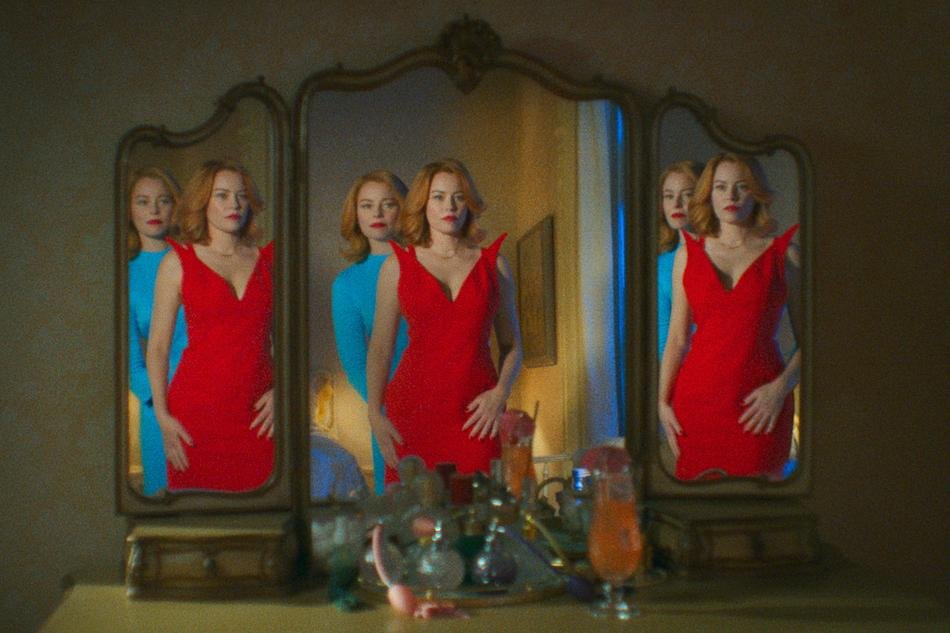
It started, as so many internet moments do these days, with an image that looked just real enough to believe. Zendaya in a wedding dress. Tom Holland in a suit beside her. The two of them, together, apparently having quietly gotten married without telling a single soul on the planet. For a fanbase that has been obsessively tracking this relationship since the couple first confirmed they were together, the photos were everything — beautiful, emotional, and completely, entirely fabricated.
They were AI-generated. And by the time the internet figured that out, the damage — or depending on how you look at it, the spectacle — was already done.
The Photos That Broke the Internet
The viral images circulated across Instagram, X (formerly Twitter), and TikTok with the kind of momentum that only truly irresistible content achieves. At first glance, they were convincing — the lighting, the poses, the emotional register of two people sharing a significant moment. Fans flooded comment sections. Congratulations poured in from accounts that had no idea they were congratulating pixels rather than people.
ALSO READ : “She Never Made It Out…” Albany House Fire Claims Woman’s Life as Family Pleads for Help to Bring Her Home
Celebrity gossip accounts reposted. Entertainment outlets scrambled to verify. And for a brief, chaotic window, a non-trivial portion of the internet genuinely believed that two of the most famous young people on the planet had gotten married without so much as a paparazzi shot to warn anyone it was coming.
The tell-tale signs were there, for anyone looking closely enough — the slightly too-perfect skin texture, the hands that didn’t quite sit right, the background details that dissolved into beautiful nonsense under scrutiny. But most people were not looking closely. They were feeling the image. And the image felt real.
Zendaya’s Reaction
When Zendaya became aware of the photos and the scale of their reach, her response was characteristically grounded. “Many people have been fooled,” she noted — a statement that functions simultaneously as amusement, mild disbelief, and something closer to a genuine warning about the world we are all currently navigating.
It is the kind of reaction that only someone who has spent their entire adult life under the microscope of extreme public attention can deliver with that particular calibration of calm. Zendaya — who has been famous since her Disney Channel days, and who has since built one of the most critically respected careers of her generation through films like Dune, Malcolm & Marie, and the Euphoria series — knows better than most what it means to have your image circulated and interpreted and repurposed by an audience of millions.
But even she, it seems, was struck by just how effectively the AI images had done their work.
Tom Holland and Zendaya: A Relationship the World Won’t Stop Watching
Part of what made the fake photos so potent is the very real emotional investment millions of people have in Tom Holland and Zendaya as a couple. They are, in the genuinely old-fashioned sense of the phrase, a love story the public has been rooting for.
They met on the set of Spider-Man: Homecoming in 2016, spent years carefully navigating the question of their relationship in public, and eventually confirmed what most people had already suspected. Since then, they have become one of the most followed couples in the world — not because they perform their relationship for audiences, but almost precisely because they don’t. The relative privacy they maintain makes every genuine glimpse feel significant. Which, of course, is exactly what made the AI wedding photos feel credible to so many people who wanted them to be real.
Tom Holland — currently one of the most commercially successful actors in the world thanks to the Marvel Cinematic Universe and specifically his tenure as Spider-Man — has spoken openly in recent years about stepping back from the relentless pace of blockbuster filmmaking to protect his mental health and his personal life. That intentional step back from the spotlight, paradoxically, seems only to have intensified the public’s interest in what he and Zendaya are doing when the cameras are not rolling.
The AI Problem Nobody Has Solved Yet
What the viral wedding photos really represent, beyond the celebrity gossip angle, is something the entire internet is still figuring out how to handle. Artificial intelligence image generation has reached a point where the average person, scrolling quickly through a feed, cannot reliably distinguish between a real photograph and a fabricated one. That is not a minor inconvenience. It is a fundamental disruption to the relationship between images and truth that photography has maintained for nearly two centuries.
Platforms like Meta and X have introduced AI labelling policies, but enforcement is inconsistent and the labelled content remains a fraction of what actually circulates. The viral Zendaya and Tom Holland images are a relatively harmless example of what this technology can do — two famous people depicted at a fake wedding, no lasting harm done, the truth corrected within hours.
But the infrastructure that created and spread those images does not care about context. It does not distinguish between a fan’s fantasy and a deliberate smear. The same tools, the same platforms, the same reflexive sharing instinct — they all function identically regardless of what the image is actually claiming.
Zendaya said many people were fooled. She is right. And until the platforms, the policymakers, and the users themselves develop a more reliable immune response to AI-generated imagery, many more people will be fooled by things considerably more consequential than a beautiful, fake wedding photo.




Entertainment
Almodóvar, Lars von Trier, Joel Coen and More — The Films That Could Own Cannes 2026 Are Already Generating Serious Buzz and the List Is…
The 79th Cannes Film Festival hasn’t announced its lineup yet — but the whisper network is already working overtime. Here are the titles that cinephiles, critics, and industry insiders are watching most closely ahead of the world’s most prestigious film festival.

There is a specific kind of anticipation that only Cannes generates.
It is not the anticipation of the Oscars — which arrives wrapped in campaigns, screeners, and the carefully managed machinery of awards season. It is not the anticipation of Sundance — which carries the particular excitement of discovery, of unknown films and unknown filmmakers arriving from nowhere to change everything. The anticipation of Cannes is something older and more specific: the feeling that the world’s greatest filmmakers have spent the past year making the most ambitious work of their careers, and that in May, on the Croisette, in the grand auditorium of the Palais des Festivals, the results will finally be revealed.
The 79th Cannes Film Festival is approaching. The official selection has not yet been announced. But the films generating the most serious pre-selection buzz — the titles appearing on the shortlists of industry insiders, filtering through the whisper networks of international cinema — are already painting a picture of a festival that could be one of the most remarkable in recent memory.
Here is what the conversation looks like right now.
Pedro Almodóvar: The Master Returns
Any conversation about Cannes contenders begins, almost by reflex, with Pedro Almodóvar.
The Spanish auteur has one of the most extraordinary relationships with the Croisette in the history of the festival. His films have competed at Cannes repeatedly across four decades — winning the Palme d’Or for All About My Mother in 1999, the Best Screenplay prize for Talk to Her in 2002, and accumulating a body of Cannes history that is inseparable from his creative biography.
His most recent work — The Room Next Door — marked his first English-language feature and won the Golden Lion at the Venice Film Festival in 2024, demonstrating that at 75, Almodóvar is not coasting on reputation — he is still making films that win the top prizes at the world’s greatest festivals.
ALSO READ : “She Never Made It Out…” Albany House Fire Claims Woman’s Life as Family Pleads for Help to Bring Her Home
The question ahead of Cannes 2026 is whether his next project will be ready — and whether, if it is, he will choose the Croisette over Venice or Berlin as its premiere destination. If the film exists and Almodóvar points it toward Cannes, it immediately becomes one of the most anticipated screenings of the year.
Asghar Farhadi: The Iranian Master and the Weight of Truth
Asghar Farhadi is, by any serious measure, one of the most important filmmakers working anywhere in the world today.
The Iranian director has won the Academy Award for Best Foreign Language Film twice — for A Separation in 2012 and for The Salesman in 2017 — and has competed at Cannes multiple times, winning the Grand Prix for A Separation before its Oscar run.
His films operate in a register that is almost unique in contemporary cinema — intimate domestic dramas that use the specifics of Iranian middle-class life to explore universal questions about truth, guilt, loyalty, and the moral compromises that ordinary people make under pressure. They are films that respect their audience’s intelligence absolutely, that never tell you what to think, and that stay with you for days after watching because the questions they raise have no clean answers.
Farhadi has been working on new material, and his name appearing on the pre-Cannes conversation is neither surprising nor coincidental. The festival’s selection committee watches his work with the closest possible attention — and so does everyone else.
Joel Coen: Flying Solo Again
The announcement that Joel Coen had made The Tragedy of Macbeth — his first solo directorial project, separate from his longtime creative partnership with brother Ethan Coen — was one of the most discussed moments in recent film culture. The resulting film, shot in stunning black and white with Denzel Washington and Frances McDormand, was a bold, formally austere piece of cinema that divided some audiences and electrified others.
Now, with Joel Coen reportedly working on new material as a solo filmmaker, the Cannes whisper network is paying close attention. The Coen Brothers — together and separately — have one of the deepest relationships with international cinema of any American filmmakers of their generation. Barton Fink won the Palme d’Or in 1991. Fargo won Best Director in 1996.
If Joel Coen’s next solo project is ready for Cannes 2026, the selection committee will not need to be persuaded. The only question is whether the film will be finished in time — and whether Coen will want the specific pressure and glory of a Palme d’Or competition premiere.
Lars von Trier: The Provocateur Who Cannot Be Ignored
There is no filmmaker in the world quite like Lars von Trier — and there is no festival in the world quite like Cannes when Lars von Trier is in competition.
The Danish director has been one of the most discussed, most controversial, and most formally radical figures in world cinema for four decades. He co-founded the Dogme 95 movement, which briefly reshaped European filmmaking. He made Breaking the Waves, Dancer in the Dark — which won the Palme d’Or in 2000 — Melancholia, and the extraordinary, difficult, divisive The House That Jack Built.
His relationship with Cannes is, to put it mildly, complicated. He was declared persona non grata at the festival in 2011 after controversial remarks at a press conference — a ban that was eventually lifted. His returns to the Croisette have consistently generated the kind of conversation that the festival, whatever its official position, fundamentally depends on.
Von Trier has been working, and the titles circulating in pre-festival conversations suggest a project that, if selected, will generate controversy, critical debate, and the kind of visceral audience response — love, hatred, bafflement, awe — that reminds you why cinema at its most uncompromising is unlike any other art form.
The Wider Field: Names That Cannot Be Ignored
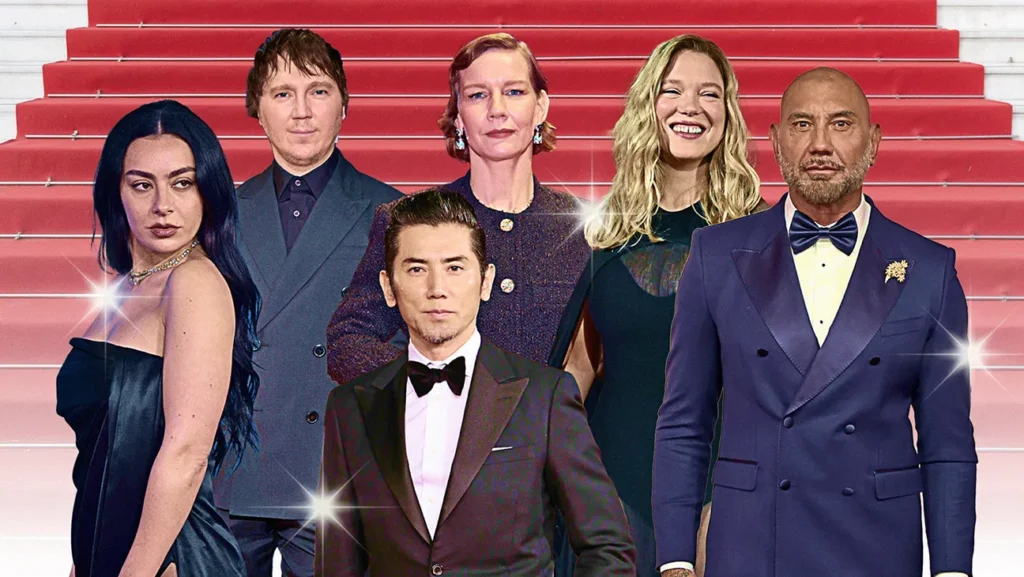
Beyond the headline names, the pre-Cannes 2026 conversation includes a constellation of filmmakers whose presence in any competition would elevate it significantly.
Joachim Trier — the Norwegian director whose The Worst Person in the World was one of the most warmly received competition films in recent Cannes history, winning Best Actress for Renate Reinsve in 2021 — is reportedly working on new material that has generated significant anticipation among those who have heard early details.
Mia Hansen-Løve, the French filmmaker whose Bergman Island and One Fine Morning established her as one of the most consistently brilliant directors working in European cinema, has a new project in development that industry sources consider a serious Cannes candidate.
Hirokazu Kore-eda — the Japanese master who won the Palme d’Or for Shoplifters in 2018 and whose subsequent international work has, if anything, deepened his ambition — is among the names appearing on multiple pre-selection lists.
And there is always the possibility — the Cannes wild card that the festival specialises in — of a filmmaker arriving from a country or a context that nobody was watching, with a film that nobody saw coming, that walks away with the Palme and changes the conversation about world cinema entirely.
That is, after all, what Cannes does best.
Why Cannes 2026 Feels Particularly Loaded
The 79th edition of the festival arrives at a moment when cinema itself is at something of a crossroads.
The theatrical experience is recovering — slowly, unevenly, but genuinely — from the disruptions of the pandemic years. The relationship between festivals and streaming platforms has stabilised into a new, still-contested equilibrium. The conversation about what cinema is for — what it can do that no other medium can, what stories it is the right form to tell — is more alive and more urgent than it has been in a long time.
Cannes, with its fierce commitment to theatrical cinema, its insistence on the primacy of the director’s vision, and its willingness to platform work that challenges and disturbs and refuses easy resolution, remains the festival that sets the terms of that conversation most forcefully.
The films of Almodóvar, Farhadi, Joel Coen, and Lars von Trier — if they arrive on the Croisette in May 2026 — will not just compete for a golden palm-shaped trophy. They will be part of a larger argument about the kind of cinema that the world needs, and the kind of world that cinema can help us understand.
That argument, conducted in a darkened theatre on the French Riviera, in front of an audience of critics and industry figures and passionate cinephiles from every corner of the planet, is one of the most important conversations that happens anywhere in the cultural world.
Cannes 2026 cannot come soon enough.
Entertainment
Cannes 2026 Hasn’t Announced a Single Film Yet — But the Whisper Network Is Already Pointing to These Names and It’s Exciting…
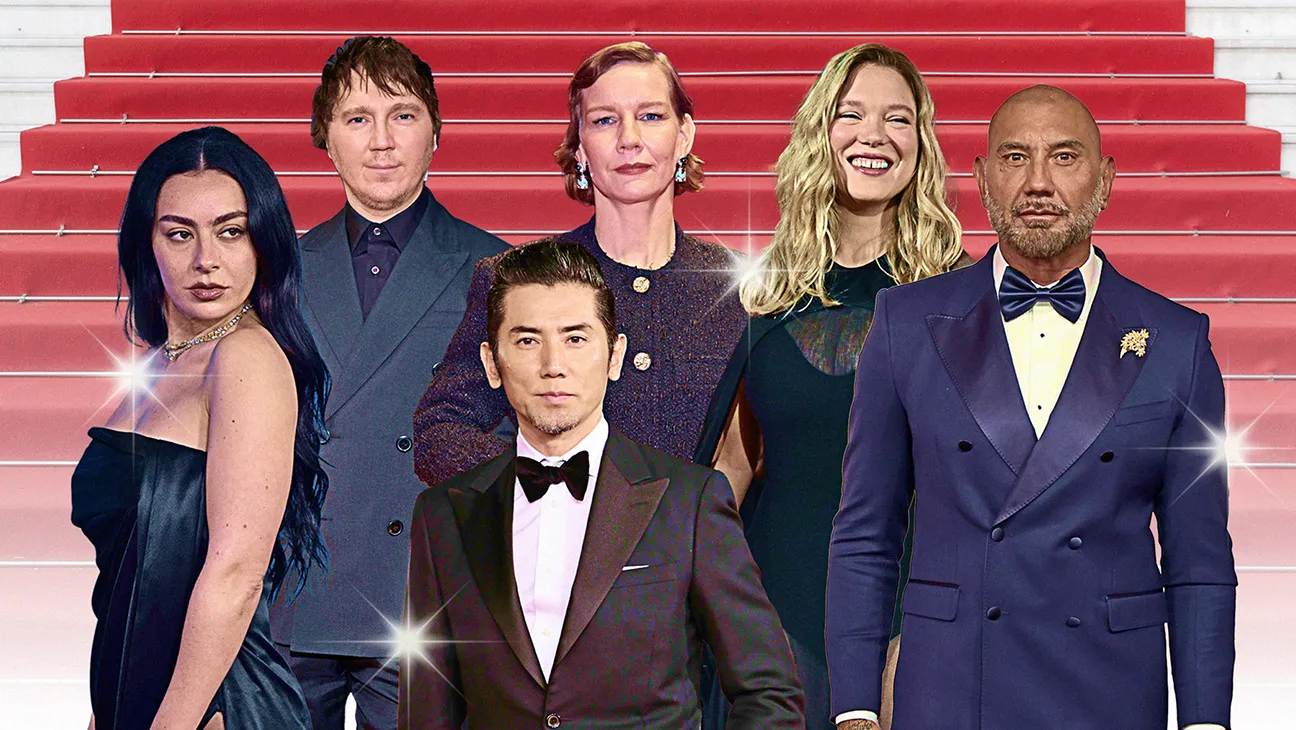
The 79th Cannes Film Festival hasn’t announced its lineup yet — but the whisper network is already working overtime. Here are the titles that cinephiles, critics, and industry insiders are watching most closely ahead of the world’s most prestigious film festival.
There is a specific kind of anticipation that only Cannes generates.
It is not the anticipation of the Oscars — which arrives wrapped in campaigns, screeners, and the carefully managed machinery of awards season. It is not the anticipation of Sundance — which carries the particular excitement of discovery, of unknown films and unknown filmmakers arriving from nowhere to change everything. The anticipation of Cannes is something older and more specific: the feeling that the world’s greatest filmmakers have spent the past year making the most ambitious work of their careers, and that in May, on the Croisette, in the grand auditorium of the Palais des Festivals, the results will finally be revealed.
The 79th Cannes Film Festival is approaching. The official selection has not yet been announced. But the films generating the most serious pre-selection buzz — the titles appearing on the shortlists of industry insiders, filtering through the whisper networks of international cinema — are already painting a picture of a festival that could be one of the most remarkable in recent memory.
Here is what the conversation looks like right now.
Pedro Almodóvar: The Master Returns
Any conversation about Cannes contenders begins, almost by reflex, with Pedro Almodóvar.
The Spanish auteur has one of the most extraordinary relationships with the Croisette in the history of the festival. His films have competed at Cannes repeatedly across four decades — winning the Palme d’Or for All About My Mother in 1999, the Best Screenplay prize for Talk to Her in 2002, and accumulating a body of Cannes history that is inseparable from his creative biography.
His most recent work — The Room Next Door — marked his first English-language feature and won the Golden Lion at the Venice Film Festival in 2024, demonstrating that at 75, Almodóvar is not coasting on reputation — he is still making films that win the top prizes at the world’s greatest festivals.
ALSO READ : “She Never Made It Out…” Albany House Fire Claims Woman’s Life as Family Pleads for Help to Bring Her Home
The question ahead of Cannes 2026 is whether his next project will be ready — and whether, if it is, he will choose the Croisette over Venice or Berlin as its premiere destination. If the film exists and Almodóvar points it toward Cannes, it immediately becomes one of the most anticipated screenings of the year.
Asghar Farhadi: The Iranian Master and the Weight of Truth
Asghar Farhadi is, by any serious measure, one of the most important filmmakers working anywhere in the world today.
The Iranian director has won the Academy Award for Best Foreign Language Film twice — for A Separation in 2012 and for The Salesman in 2017 — and has competed at Cannes multiple times, winning the Grand Prix for A Separation before its Oscar run.
His films operate in a register that is almost unique in contemporary cinema — intimate domestic dramas that use the specifics of Iranian middle-class life to explore universal questions about truth, guilt, loyalty, and the moral compromises that ordinary people make under pressure. They are films that respect their audience’s intelligence absolutely, that never tell you what to think, and that stay with you for days after watching because the questions they raise have no clean answers.
Farhadi has been working on new material, and his name appearing on the pre-Cannes conversation is neither surprising nor coincidental. The festival’s selection committee watches his work with the closest possible attention — and so does everyone else.
Joel Coen: Flying Solo Again
The announcement that Joel Coen had made The Tragedy of Macbeth — his first solo directorial project, separate from his longtime creative partnership with brother Ethan Coen — was one of the most discussed moments in recent film culture. The resulting film, shot in stunning black and white with Denzel Washington and Frances McDormand, was a bold, formally austere piece of cinema that divided some audiences and electrified others.
Now, with Joel Coen reportedly working on new material as a solo filmmaker, the Cannes whisper network is paying close attention. The Coen Brothers — together and separately — have one of the deepest relationships with international cinema of any American filmmakers of their generation. Barton Fink won the Palme d’Or in 1991. Fargo won Best Director in 1996.
If Joel Coen’s next solo project is ready for Cannes 2026, the selection committee will not need to be persuaded. The only question is whether the film will be finished in time — and whether Coen will want the specific pressure and glory of a Palme d’Or competition premiere.
Lars von Trier: The Provocateur Who Cannot Be Ignored
There is no filmmaker in the world quite like Lars von Trier — and there is no festival in the world quite like Cannes when Lars von Trier is in competition.
The Danish director has been one of the most discussed, most controversial, and most formally radical figures in world cinema for four decades. He co-founded the Dogme 95 movement, which briefly reshaped European filmmaking. He made Breaking the Waves, Dancer in the Dark — which won the Palme d’Or in 2000 — Melancholia, and the extraordinary, difficult, divisive The House That Jack Built.
His relationship with Cannes is, to put it mildly, complicated. He was declared persona non grata at the festival in 2011 after controversial remarks at a press conference — a ban that was eventually lifted. His returns to the Croisette have consistently generated the kind of conversation that the festival, whatever its official position, fundamentally depends on.
Von Trier has been working, and the titles circulating in pre-festival conversations suggest a project that, if selected, will generate controversy, critical debate, and the kind of visceral audience response — love, hatred, bafflement, awe — that reminds you why cinema at its most uncompromising is unlike any other art form.
The Wider Field: Names That Cannot Be Ignored
Beyond the headline names, the pre-Cannes 2026 conversation includes a constellation of filmmakers whose presence in any competition would elevate it significantly.
Joachim Trier — the Norwegian director whose The Worst Person in the World was one of the most warmly received competition films in recent Cannes history, winning Best Actress for Renate Reinsve in 2021 — is reportedly working on new material that has generated significant anticipation among those who have heard early details.
Mia Hansen-Løve, the French filmmaker whose Bergman Island and One Fine Morning established her as one of the most consistently brilliant directors working in European cinema, has a new project in development that industry sources consider a serious Cannes candidate.
Hirokazu Kore-eda — the Japanese master who won the Palme d’Or for Shoplifters in 2018 and whose subsequent international work has, if anything, deepened his ambition — is among the names appearing on multiple pre-selection lists.
And there is always the possibility — the Cannes wild card that the festival specialises in — of a filmmaker arriving from a country or a context that nobody was watching, with a film that nobody saw coming, that walks away with the Palme and changes the conversation about world cinema entirely.
That is, after all, what Cannes does best.
Why Cannes 2026 Feels Particularly Loaded
The 79th edition of the festival arrives at a moment when cinema itself is at something of a crossroads.
The theatrical experience is recovering — slowly, unevenly, but genuinely — from the disruptions of the pandemic years. The relationship between festivals and streaming platforms has stabilised into a new, still-contested equilibrium. The conversation about what cinema is for — what it can do that no other medium can, what stories it is the right form to tell — is more alive and more urgent than it has been in a long time.
Cannes, with its fierce commitment to theatrical cinema, its insistence on the primacy of the director’s vision, and its willingness to platform work that challenges and disturbs and refuses easy resolution, remains the festival that sets the terms of that conversation most forcefully.
The films of Almodóvar, Farhadi, Joel Coen, and Lars von Trier — if they arrive on the Croisette in May 2026 — will not just compete for a golden palm-shaped trophy. They will be part of a larger argument about the kind of cinema that the world needs, and the kind of world that cinema can help us understand.
That argument, conducted in a darkened theatre on the French Riviera, in front of an audience of critics and industry figures and passionate cinephiles from every corner of the planet, is one of the most important conversations that happens anywhere in the cultural world.
Cannes 2026 cannot come soon enough.
Entertainment
She Signed at 12, Stayed for 17 Years Now Lorde Has Finally Said Goodbye to Universal, and What She Said Next Will Give You Chills…
The New Zealand pop icon quietly walked away from one of music’s biggest labels — and her raw, unfiltered message to fans reveals everything about what the industry really costs a child star.

There are goodbyes that make headlines, and then there are the ones that make you stop, sit down, and actually feel something. Lorde‘s announcement that she is now a fully independent artist is very much the latter.
On March 18, 2026, the New Zealand pop star — born Ella Yelich-O’Connor — sent a series of community voice notes directly to her fans, the kind of raw, unfiltered communication that no PR team drafts and no label approves. In them, she revealed something that had quietly happened months earlier, almost without the world noticing: her record contract with Universal Music Group had come to an end in late 2025, and she is now operating as an independent artist. Variety
No fanfare. No legal drama. Just a voice note, and the truth.
“A 12-Year-Old Girl Pre-Sold Her Creative Output…”
Lorde told fans that she had been in that contract “in some form since I was 12 years old,” when she signed her first development deal with Universal. The Hollywood Reporter Let that sink in for a moment. Most of us at 12 were worrying about school lunches and weekend plans. Ella Yelich-O’Connor was signing away the rights to her future creative work to one of the most powerful music corporations on the planet.
ALSO READ : “She Never Made It Out…” Albany House Fire Claims Woman’s Life as Family Pleads for Help to Bring Her Home
She was candid — almost painfully so — about what that meant in hindsight: “The truth is that a 12-year-old girl pre-signed and pre-sold her creative output before she knew what it would be like, and before she knew what she was signing away.” IMDb
And yet, to her enormous credit, there is no bitterness in her words. She said of UMG: “I adore them, they’re incredible people, and I have had an amazing experience with them.” LiveJournal This wasn’t a bitter split. This was something more grown-up than that — a woman choosing herself, on her own schedule, with grace.
From “Royals” to Royalty — A Career That Defied Every Expectation
For anyone who needs a reminder of just how extraordinary this artist’s journey has been: Lorde first broke through with her debut album Pure Heroine when she was just 16 years old, powered by the global smash “Royals,” which topped the Hot 100 and won a Grammy for Song of the Year. The Hollywood Reporter
She followed that with Melodrama in 2017 — an album that critics still cite as one of the finest pop records of the decade — then Solar Power in 2021, and most recently, Virgin, which arrived in June 2025 as her last album under this deal. Rolling Stone
Across her career, she has amassed more than 18 billion streams and sold 18 million albums globally. The Music Network Not bad for someone who was still in school when the world first heard her name.
What Comes Next — And Why Her Phone Background Says Everything
In the voice memo, Lorde revealed that her phone background currently reads “I have no master” — and that she’s “really trying to feel what that feels like.” The Hollywood Reporter It’s the kind of detail that hits differently when you consider how young she was when she first entered this system.

She’s not walking into silence, though. Lorde is currently in the midst of her Ultrasound World Tour, and her independence was announced just a day after she was confirmed as a headliner for Lollapalooza 2026. Hit Channel She also revealed that her upcoming Los Angeles shows will be the final dates of the Ultrasound Tour Nylon — leaving fans buzzing with speculation about what a brand-new, label-free Lorde era might actually sound like.
As for what’s creatively stirring inside her right now, she put it simply: “I’m just trying to do weird shit. I’m reading bizarre books at the moment, some of them I don’t even know if I like. But there’s newness coming through everywhere, and it feels good. It feels right.” Rolling Stone
She hasn’t ruled out signing with a label again. “I’m sure I’ll have a deal again, could well be with Universal,” she said — but made clear: “I knew that I needed to take a second to have nothing being bought or sold that comes from me. When I see an opportunity for a clean slate, I try to take it.”
A Bigger Conversation the Industry Can’t Ignore
Lorde’s departure is not happening in a vacuum. Fans online were quick to draw comparisons, with many pointing out that artists like SZA and Raye have also made waves recently — the latter famously winning big as an independent — prompting observers to note that “the Big Three labels are losing their grip on the artists that actually define the culture.” Sportskeeda
There’s something genuinely significant about the timing. In an era where conversations about artist ownership, masters rights, and the exploitation of young talent have never been louder, Lorde’s quiet, dignified exit from a deal she signed as a child speaks volumes — not with outrage, but with something more powerful: self-possession.
She is 29 years old. She has sold 18 million albums. She has a Grammy. She has a Glastonbury headline slot in her history and a Lollapalooza headline slot in her future. And for the first time in her entire adult life, she belongs to no one.
That, more than any album announcement, might be the most exciting chapter yet.

Iran Bombs Qatar’s Ras Laffan and India Is Counting the Cost — ‘88% Import Dependent on Crude Oil, Half on Gas…’

‘If Only I’d Had a Word With Trump…’ — The Iran War Is Now Causing a Cricket Ball Shortage in England, and the ECB Is Rattled

US F-35 Fighter Jet Makes Emergency Landing After ‘Suspected Iranian Fire’ Mid-Combat Mission — ‘The Aircraft Landed Safely…’

Noida Man Promised Singapore, Europe, Vietnam Tours — Then Pocketed ₹12 Lakh and Cancelled Every Ticket: ‘He Was Doing This for Years…’

Indian-Origin Man Sital Singh Sentenced to 4 Years for Scamming Elderly Americans Out of Millions — ‘They Lost Everything They Saved…’

1-Iran Issues Dire Warning to Israel and Defies Trump on Nukes: “We’re Ready to Strike Deep Inside”

Donald Trump’s net worth reveals the fortune behind the former US President and business mogul

“She Never Made It Out…” Albany House Fire Claims Woman’s Life as Family Pleads for Help to Bring Her Home

Caitlin Clark Sidelined with Quad Strain, Set to Miss Two Weeks of WNBA Action

“Tomás Rodríguez Net Worth 2025: Panama’s Gold Cup Goal‑Machine’s Surprising Fortune Revealed”

Miss Jamaica Suffers Terrifying Fall Off Miss Universe Stage; Rushed to Hospital on Stretcher in Viral Video

Moana Live-Action Teaser Sparks Outrage as Fans Call Disney’s Move a ‘Clear Money Grab’ — What Went Wrong?

Ryan Gosling’s Project Hail Mary Trailer Stuns Fans with a Mysterious Alien Ally and a Mission That Could Save Earth

Apple delays Jessica Chastain thriller The Savant about domestic extremism after recent US violence

Avatar 3, Fire and Ash trailer reveals Jake Sully’s family facing terrifying new Na’vi enemies with deadly fire powers
-

 Entertainment6 days ago
BBC Boss Finally Explains Why the Racial Slur Was Never Cut From the BAFTA Broadcast — “No One in the Truck Even Heard It…”
-

 Entertainment1 week ago
While Her Brother David Ellison Takes Over Paramount, Megan Ellison Is Quietly Building Something at Annapurna That Hollywood Should Be Very Nervous About…
-

 Entertainment1 week ago
Billy Porter Says He Was “Dead for Three Days” During Secret Health Battle — What He Revealed About Coming Back From the Edge Will Break Your Heart…
-

 Sports6 days ago
“Last-Minute Heartbreak for Rayados…”: Juárez Snatch 2–2 Draw as Estupiñán Penalty Cancels Monterrey’s Lead
-

 Entertainment1 week ago
Saturn Awards 2026: James Cameron and Tom Cruise Were the Big Winners — But Nobody Predicted What Cameron Would Say When He Took the Mic…
-
 Entertainment1 week ago
Timothée Chalamet’s awards season heats up as Palm Springs honors him with Spotlight Actor of the Year… ‘one of his finest roles yet’
-

 Entertainment6 days ago
Harvey Weinstein Breaks His Silence From Rikers Island and Says ‘I’m Dying Here’ — But His Shocking Promise About Innocence Will Leave You Speechless…
-

 Business1 week ago
ITV’s Ad Revenue Falls 5% and Analysts Are Worried — But Behind Closed Doors, Sky Deal Talks Are Giving Executives a Reason to Stay Very, Very Calm…