
Entertainment
‘I Found My Voice Playing Her…’ 7 Things Sarah Pidgeon Discovered While Becoming Carolyn Bessette Kennedy in ‘Love Story’
Ahead of Valentine’s Day, the Tony nominee opens up about portraying style icon Carolyn Bessette Kennedy, navigating early backlash and how Ryan Murphy stood firmly in her corner

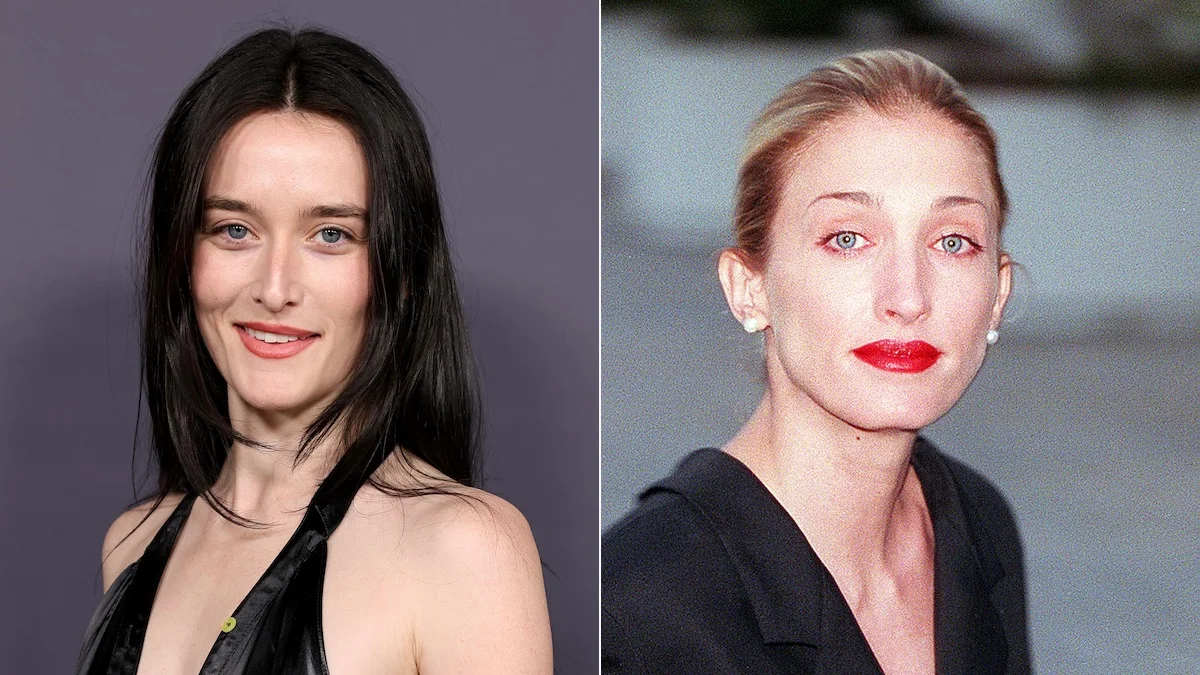
There are roles that challenge an actor technically. And then there are roles that challenge them personally.
For Sarah Pidgeon, stepping into the life of Carolyn Bessette-Kennedy in the upcoming series Love Story wasn’t just about hair, wardrobe, or mastering a certain Upper East Side restraint. It was about learning how to speak her mind — even when the noise around her grew louder.
In time for Valentine’s Day, the Tony-nominated actress reflected on what it meant to portray one of the most photographed, mythologized women of the 1990s — and how executive producer Ryan Murphy supported her through early waves of public scrutiny.
“It’s strange,” Pidgeon has said in interviews. “You prepare for the emotional depth of the story… but not necessarily for the cultural weight.”
ALSO READ : “She Never Made It Out…” Albany House Fire Claims Woman’s Life as Family Pleads for Help to Bring Her Home
And few love stories carry as much cultural weight as that of Carolyn and John F. Kennedy Jr..
Revisiting an American Fairy Tale — and Its Tragedy
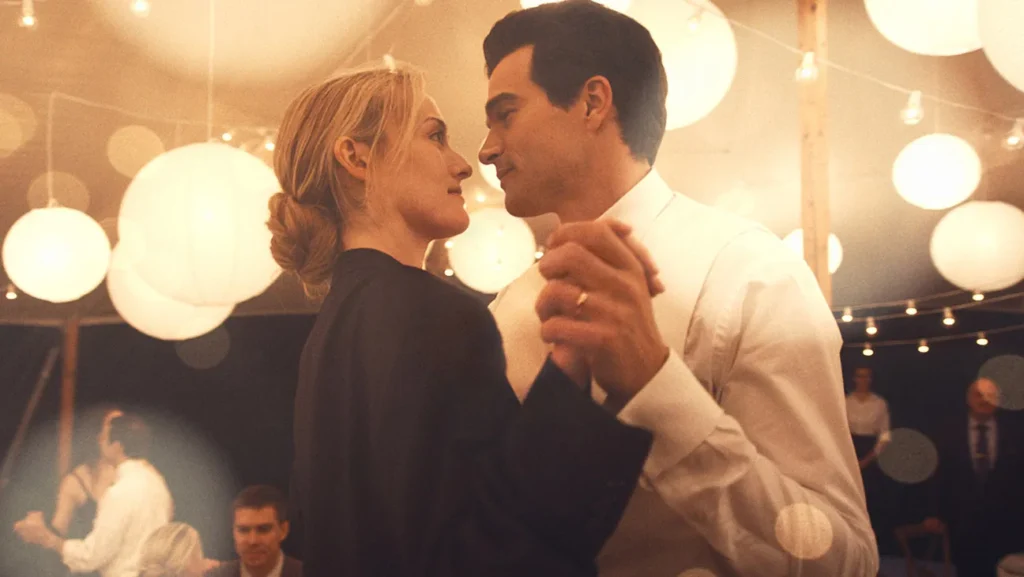
Love Story revisits the whirlwind romance between Kennedy Jr. — son of President John F. Kennedy — and Carolyn, the understated yet magnetic fashion publicist who worked at Calvin Klein.
Their relationship, splashed across tabloids and society pages, was once hailed as a modern American fairy tale. But beneath the flashbulbs lay pressure, expectation and, ultimately, tragedy. In 1999, the couple died in a plane crash off the coast of Massachusetts, a moment that stunned the world and permanently etched their romance into cultural memory.
For Pidgeon, understanding Carolyn meant going beyond headlines.
“What surprised me most,” she revealed, “was her discipline. People remember the style — the sleek silhouettes, the quiet luxury. But she was sharp, strategic, and deeply private.”
That privacy, Pidgeon says, became a guiding principle in her performance.
The Weight of Playing an Icon
Few 20th-century figures have had their personal style dissected quite like Carolyn Bessette Kennedy. Her minimalist aesthetic — bias-cut gowns, crisp tailoring, monochrome palettes — helped define late-’90s fashion.
Yet Pidgeon insists the series aims to present a fuller picture.
“It’s easy to reduce her to an image,” she noted in conversations promoting the series. “But she was a woman navigating immense public scrutiny.”
When casting was announced, online reactions were immediate — and not always kind. Comparisons, criticisms and unsolicited commentary filled social feeds. For a young actress stepping into such an iconic role, the reaction could have been destabilizing.
Instead, Pidgeon credits Ryan Murphy’s steady reassurance.
“He reminded me why I was cast,” she shared. “That support meant everything.”
Murphy, known for creating cultural juggernauts across television, encouraged Pidgeon to trust her instincts — a lesson that extended beyond the set.
Finding Her Voice Through Carolyn
Interestingly, portraying someone so famously reserved pushed Pidgeon in the opposite direction.
“I learned to speak my mind,” she admitted.
Carolyn, despite her quiet public image, was known among colleagues for her clarity and decisiveness. She built her reputation at Calvin Klein through instinct and conviction. Studying that side of her inspired Pidgeon to assert herself more confidently during production.
There’s something poetic about that transformation. Playing a woman often defined by silence helped an actress discover her own voice.
A Valentine’s Day Release With Emotional Weight
Releasing Love Story around Valentine’s Day is both fitting and daring.
The series doesn’t just celebrate romance; it examines the fragility of it — the way love can exist alongside pressure, expectation and tragedy. It peels back the mythology surrounding the Kennedy name and focuses instead on two individuals trying to build a life under extraordinary public attention.
For viewers familiar only with the glamorous photographs, the show promises nuance.
And for Pidgeon, it represents a career-defining chapter.
Beyond Fashion and Flashbulbs
Much of the cultural narrative around Carolyn has centered on her style influence. Fashion historians often credit her with pioneering what today would be labeled “quiet luxury.” But in preparing for the role, Pidgeon immersed herself in archival interviews, professional anecdotes and stories from those who worked alongside her.
What emerged was not just a fashion icon, but a complex woman balancing ambition with emotional vulnerability.
“She wasn’t just standing next to him,” Pidgeon emphasized in promotional discussions. “She had her own life, her own work, her own vision.”
That perspective reframes the love story — shifting it from tabloid spectacle to personal drama.
The Ryan Murphy Effect
It’s impossible to separate this series from its creator. Ryan Murphy’s projects often ignite conversation — sometimes controversy — before audiences even press play.
For Pidgeon, that meant stepping into a media whirlwind almost immediately.
But she also found mentorship in Murphy’s approach. He encouraged her to avoid chasing approval and instead focus on the truth of the character.
In an industry where social commentary can feel relentless, that advice proved grounding.
A Career Turning Point
Before Love Story, Pidgeon had already earned critical acclaim on stage. Now, this role expands her reach to a global audience.
Portraying Carolyn Bessette Kennedy required more than resemblance. It required empathy, research and emotional intelligence. And perhaps most importantly, resilience.
As Valentine’s Day approaches, audiences will decide how this reimagining lands. But for Sarah Pidgeon, the experience has already left its mark.
She didn’t just play a style icon.
She found her voice along the way.








Entertainment
“We Knew the Scrutiny Would Be Brutal…” Inside Love Story’s Search for the Perfect JFK Jr. Among 1,000 Actors
From early backlash to painstaking casting decisions, the creators behind Love Story: John F. Kennedy Jr. & Carolyn Bessette reveal how they navigated pressure, criticism, and legacy.
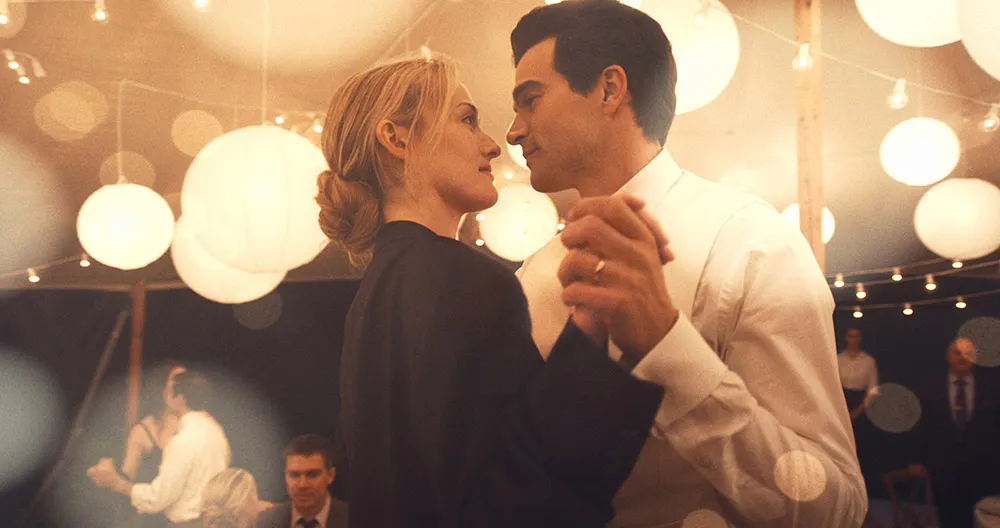
Few modern love stories are as mythologized — or as heavily scrutinized — as that of John F. Kennedy Jr. and Carolyn Bessette-Kennedy. So when a new scripted series set out to dramatize their relationship, the backlash arrived almost immediately.
For the cast and creators of Love Story: John F. Kennedy Jr. & Carolyn Bessette, criticism wasn’t a surprise — it was an expectation.
Casting Under a Microscope
The most intense pressure centered on a single question: Who could possibly play JFK Jr.?
According to the creative team, more than 1,000 actors were considered during the casting process. The challenge wasn’t resemblance alone. JFK Jr. wasn’t just a public figure — he was a symbol, shaped by charisma, tragedy, and relentless media attention.
ALSO READ : “She Never Made It Out…” Albany House Fire Claims Woman’s Life as Family Pleads for Help to Bring Her Home
Finding someone who could embody that complexity without slipping into imitation took months. The creators have acknowledged that early reactions to casting announcements were harsh, particularly online, where comparisons were immediate and unforgiving.
But the team stayed the course.
Early Criticism and Creative Conviction
From the moment the project was announced, skeptics questioned whether the love story could be retold without reducing it to tabloid nostalgia. The creators say that tension shaped every creative decision.
Rather than chasing glamour, the series leans into emotional restraint — portraying a relationship lived under constant observation. Carolyn Bessette-Kennedy, often reduced in public memory to a fashion icon, is given interiority: ambition, isolation, and resistance to fame.
This recalibration, the creators argue, is what makes Love Story necessary rather than exploitative.
Protecting a Legacy, Not Rewriting It
The team behind the series has been careful to stress that Love Story is not an attempt to redefine history, but to humanize it. Both JFK Jr. and Carolyn lived lives shaped by expectation — public fascination colliding with private vulnerability.
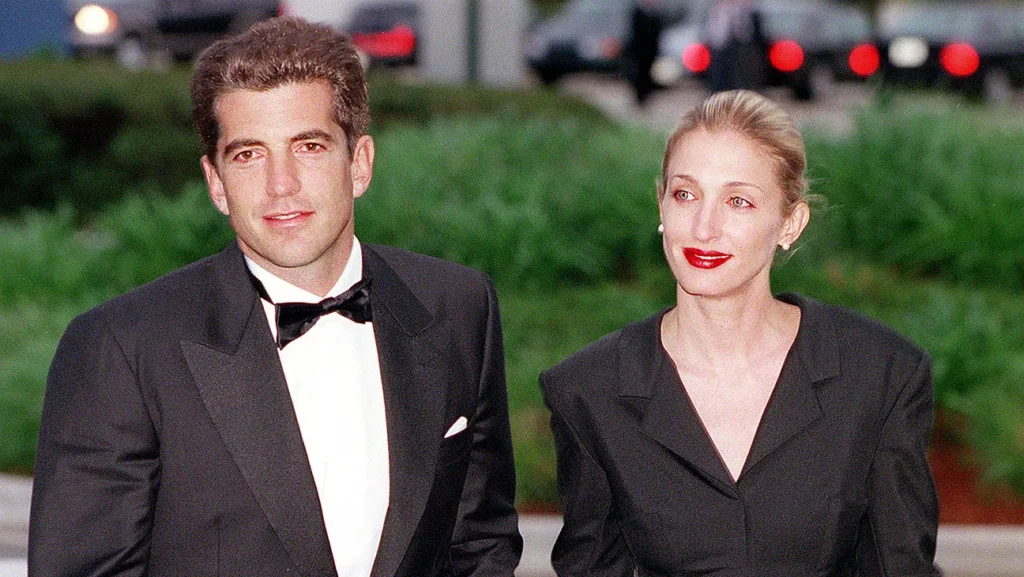
That balance became the guiding principle of the series: portray love without mythologizing it, conflict without sensationalizing it.
The cast has spoken about the weight of portraying real people whose lives still evoke deep emotion. Every scene, they say, carried an awareness of audience attachment — and the responsibility that comes with it.
Why the Story Still Resonates
Decades after their deaths, the fascination with JFK Jr. and Carolyn Bessette-Kennedy endures because their story feels unresolved. It represents a rare intersection of romance, power, and media obsession — themes that feel even more relevant today.
In an era where public figures are dissected in real time, Love Story reflects on what happens when privacy becomes impossible — and love must survive in fragments.
From Backlash to Belief
Early criticism hasn’t disappeared. But neither has the creators’ conviction.
Finding their JFK Jr. among 1,000 actors wasn’t about perfection — it was about emotional truth. And for a story so deeply embedded in cultural memory, that may be the only way forward.
As Love Story prepares to meet audiences, its creators are clear-eyed: the scrutiny will continue. But if viewers come away seeing two people — not icons — the series will have done its job.
Entertainment
Hollywood Must Fight to Survive or Risk Becoming a Gig Economy for Tech Giants
AGC chairman Stuart Ford sounds the alarm on Netflix and Warner Bros’ profit model, saying the disappearance of backend participation is quietly hollowing out the film industry from within.
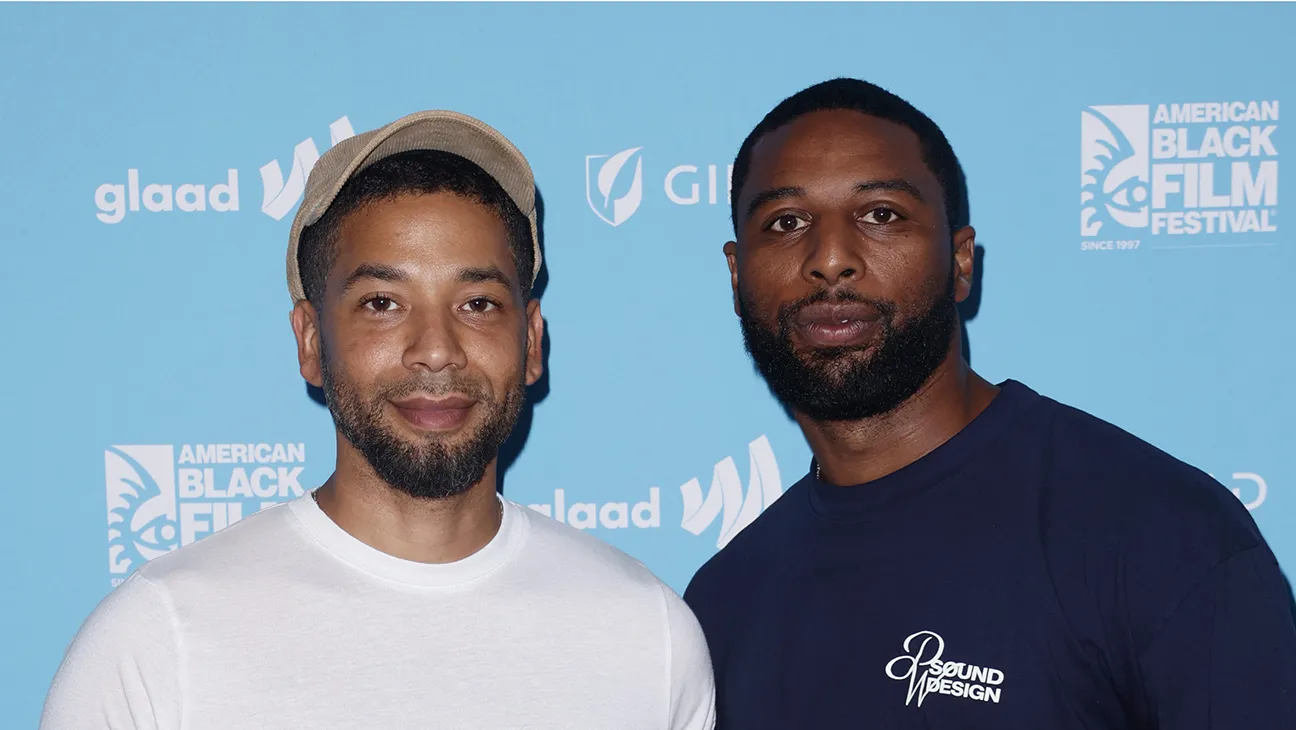
The future of independent cinema, according to Stuart Ford, is standing at a crossroads — and the wrong turn could leave generations of filmmakers scrambling for survival.
Speaking candidly about the shifting power balance in Hollywood, the AGC chairman warned that unless the industry pushes back, film professionals risk becoming nothing more than “Uber drivers” for massive tech-driven studios. His comments come amid growing unease over how streaming platforms, particularly Netflix, structure deals that eliminate backend participation — long considered the financial backbone of creative careers.
A System Quietly Being Dismantled
For decades, backend profit participation allowed writers, producers, actors, and directors to share in a film’s success. It was a system that rewarded risk, talent, and long-term investment. According to Ford, that system is now being steadily dismantled.
ALSO READ : “She Never Made It Out…” Albany House Fire Claims Woman’s Life as Family Pleads for Help to Bring Her Home
Streaming giants increasingly favor flat-fee buyouts, cutting creatives off from any future upside. While such deals may appear generous upfront, Ford argues they erode the ecosystem that sustains filmmaking as a profession.
“If you remove the possibility of backend, you remove the incentive to build a career,” Ford warned, adding that creatives are being reduced to contract labor for tech companies, rather than partners in storytelling.
Netflix, Warner, and the New Economics of Power
Ford’s concerns aren’t aimed at one company alone. Traditional studios adapting to the streaming era, including Warner Bros, are also under pressure to adopt models that prioritize cost control over creative equity.
The result? A widening gap between corporate profit and creative sustainability.
In Ford’s view, the streaming model centralizes wealth while spreading risk downward — a reversal of how Hollywood historically functioned. Independent producers, who once relied on backend revenue to finance future projects, now face shrinking margins and limited leverage.
“This Is an Existential Fight”
Ford didn’t mince words about what’s at stake. He described the current moment as an existential fight for the industry — not just for independent producers, but for everyone who depends on long-term participation to make filmmaking a viable career.
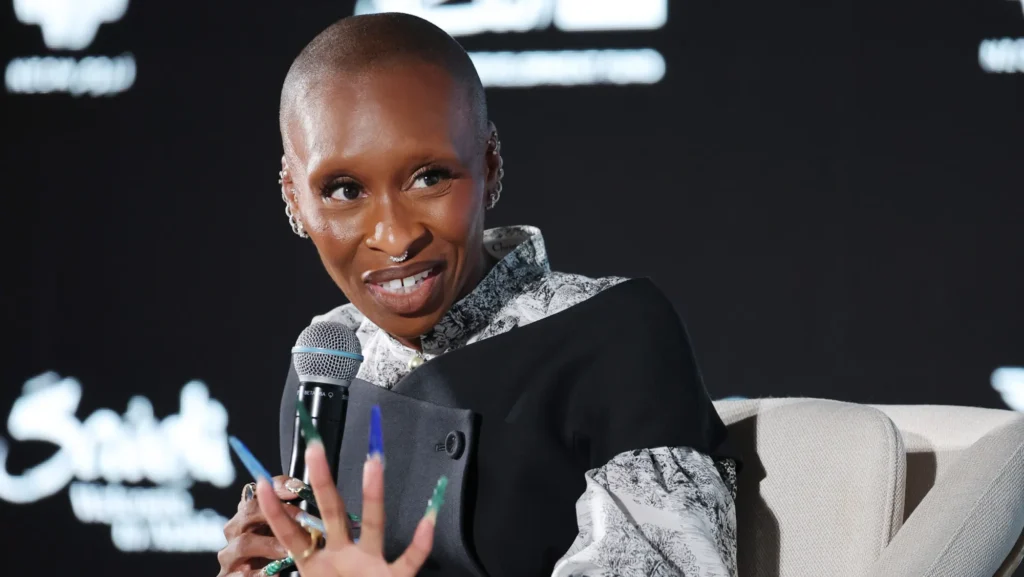
Without backend profits:
- Producers struggle to reinvest in new films
- Writers and directors lose financial stability
- Mid-budget and riskier stories disappear
- The industry becomes dominated by algorithms, not artistry
“Hollywood doesn’t collapse overnight,” Ford noted. “It erodes quietly, deal by deal.”
Why This Matters Beyond Hollywood
The implications extend far beyond Los Angeles soundstages. As global streamers dominate international markets, the same model threatens film industries worldwide. What begins as a Hollywood accounting shift could reshape global cinema into a gig economy — efficient, scalable, and creatively hollow.
Ford argues that unless studios and creatives renegotiate the balance of power, the next generation won’t build careers — they’ll complete contracts.
A Call to Push Back
Ford’s message is ultimately a call to action. He insists that producers, guilds, and creatives must push back collectively, or accept a future where ownership, participation, and legacy are replaced by short-term payouts.
“This business was built on partnership,” he said. “Once that’s gone, it’s no longer an industry — it’s a service.”
As streaming platforms continue to redefine entertainment, Ford’s warning resonates like a quiet siren: the fight isn’t about nostalgia, but about whether filmmaking remains a profession — or becomes just another app-powered gig.
Entertainment
Berlin Through Isabelle Huppert’s Eyes A Place That Still Feels Like Home
From icy red carpets to intimate auteur films, Isabelle Huppert’s decades-long bond with Berlin reveals a rare love story between an actor and a city that never tried to tame her.

There are film festivals that celebrate stars — and then there are cities that quietly understand them. For Isabelle Huppert, Berlin has always been the latter.
As the Berlin International Film Festival continues to define itself as cinema’s most politically aware and artistically uncompromising stage, Huppert’s enduring presence feels less like tradition and more like destiny. Over decades, Berlin has not merely hosted her films — it has mirrored her artistic philosophy.
A Relationship Built on Risk, Not Reverence
Unlike Hollywood, which often frames longevity as legacy, Berlin has always embraced risk. That is precisely where Huppert thrives.
From controversial roles to morally complex women, Huppert’s performances have consistently rejected comfort. Berlin, a city shaped by division, reinvention, and unresolved history, responds to that discomfort with respect rather than resistance.
ALSO READ : “She Never Made It Out…” Albany House Fire Claims Woman’s Life as Family Pleads for Help to Bring Her Home
Industry insiders often note that when Huppert walks the Berlinale red carpet, the reaction is different — quieter, deeper, almost conspiratorial. This is not star worship. It is recognition.
Why Berlin Keeps Calling Her Back
Berlin’s cinema culture values intellectual provocation over spectacle, a sensibility that aligns seamlessly with Huppert’s career. She has never chased box-office dominance or mainstream approval. Instead, she has chosen directors who ask difficult questions — about power, identity, sexuality, and moral ambiguity.
That ethos is precisely why the Berlinale has repeatedly welcomed her not just as an actor, but as a symbol of what European cinema stands for.
In interviews surrounding the festival, Huppert has often hinted that Berlin allows her to “exist without explanation” — a rare privilege in an industry obsessed with narratives and labels.
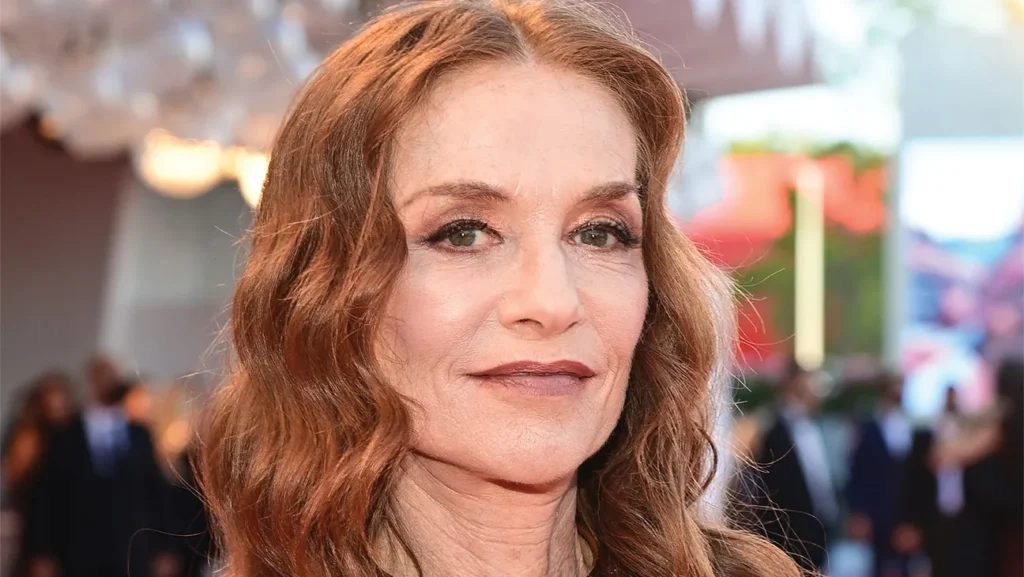
More Than a Festival Fixture
What makes this relationship remarkable is its consistency. Trends change. Cinema politics shift. Generations of actors rise and fade. Yet Huppert’s relevance in Berlin has never felt nostalgic.
She arrives not as a reminder of past glory, but as a working artist — still curious, still daring, still uninterested in playing safe.
For younger filmmakers premiering at the Berlinale, Huppert represents something quietly radical: proof that longevity does not require compromise.
A City That Reflects Her Complexity
Much like Berlin itself, Huppert refuses simplification. She is neither entirely distant nor overtly warm, neither confrontational nor compliant. Berlin understands that duality because it lives it.
This is why their bond endures. Not because of awards or ceremonies — but because both the city and the actor share a belief that art should challenge before it comforts.
In a world increasingly driven by algorithms and applause metrics, Isabelle Huppert’s love affair with Berlin stands as a reminder: true artistic relationships are built on trust, not trends.

“We Knew the Scrutiny Would Be Brutal…” Inside Love Story’s Search for the Perfect JFK Jr. Among 1,000 Actors

Hollywood Must Fight to Survive or Risk Becoming a Gig Economy for Tech Giants

Berlin Through Isabelle Huppert’s Eyes A Place That Still Feels Like Home

Box Office Shock 5 Reasons ‘Wuthering Heights’ Suddenly Needs a Valentine’s Day Rescue

‘I Found My Voice Playing Her…’ 7 Things Sarah Pidgeon Discovered While Becoming Carolyn Bessette Kennedy in ‘Love Story’

1-Iran Issues Dire Warning to Israel and Defies Trump on Nukes: “We’re Ready to Strike Deep Inside”

Donald Trump’s net worth reveals the fortune behind the former US President and business mogul

Caitlin Clark Sidelined with Quad Strain, Set to Miss Two Weeks of WNBA Action

“Tomás Rodríguez Net Worth 2025: Panama’s Gold Cup Goal‑Machine’s Surprising Fortune Revealed”

Elon Musk Breaks Ranks with Trump Over ‘Big, Beautiful’ Tax Bill

Miss Jamaica Suffers Terrifying Fall Off Miss Universe Stage; Rushed to Hospital on Stretcher in Viral Video

Moana Live-Action Teaser Sparks Outrage as Fans Call Disney’s Move a ‘Clear Money Grab’ — What Went Wrong?

Ryan Gosling’s Project Hail Mary Trailer Stuns Fans with a Mysterious Alien Ally and a Mission That Could Save Earth

Apple delays Jessica Chastain thriller The Savant about domestic extremism after recent US violence

Avatar 3, Fire and Ash trailer reveals Jake Sully’s family facing terrifying new Na’vi enemies with deadly fire powers
-

 Entertainment1 week ago
Feinberg Forecast Whispering New Year Surprises in Oscar Predictions as Hollywood Changes Its Weather
-

 Entertainment1 week ago
Turning Point USA’s ‘Alternative Halftime’ Sparks Buzz ‘Not Bad Bunny, But a Message…’
-

 Entertainment1 week ago
Where to Stream the 2026 Grammys Online… How to Watch Music’s Biggest Night Live Without Missing a Beat
-

 Entertainment1 week ago
Mariah Carey’s Unstoppable Journey From a ‘90s Curveball Album to the Crown of Christmas Royalty Honoured at MusiCares
-
 Entertainment1 week ago
‘Melania’ Shocks the Box Office With $8 Million Debut… How a Quiet Documentary Just Outperformed Hollywood Action Films
-
 Entertainment1 week ago
Keke Palmer Takes on Suburbia ‘Saving the Block Is Easy… Surviving the Neighbors Is Not’
-

 Entertainment1 week ago
Bruce Springsteen Drops Fiery Protest Song “Streets of Minneapolis” — Calls Out “State Terror” and Slams ICE… Here’s Why the World Is Talking
-
 Entertainment1 week ago
Netflix Becomes the New Weekly Destination for The Bill Simmons Podcast