
Entertainment
‘Gilmore Girls’ Star Matt Czuchry Reflects on Playing ‘Sully’ for Three Seasons… “That Character Changed Me in Ways I Didn’t Expect”
The beloved Gilmore Girls alum looks back at his emotional three-season journey as Harry “Sully” Sullivan in a romantic drama that helped redefine his career and connected deeply with audiences.

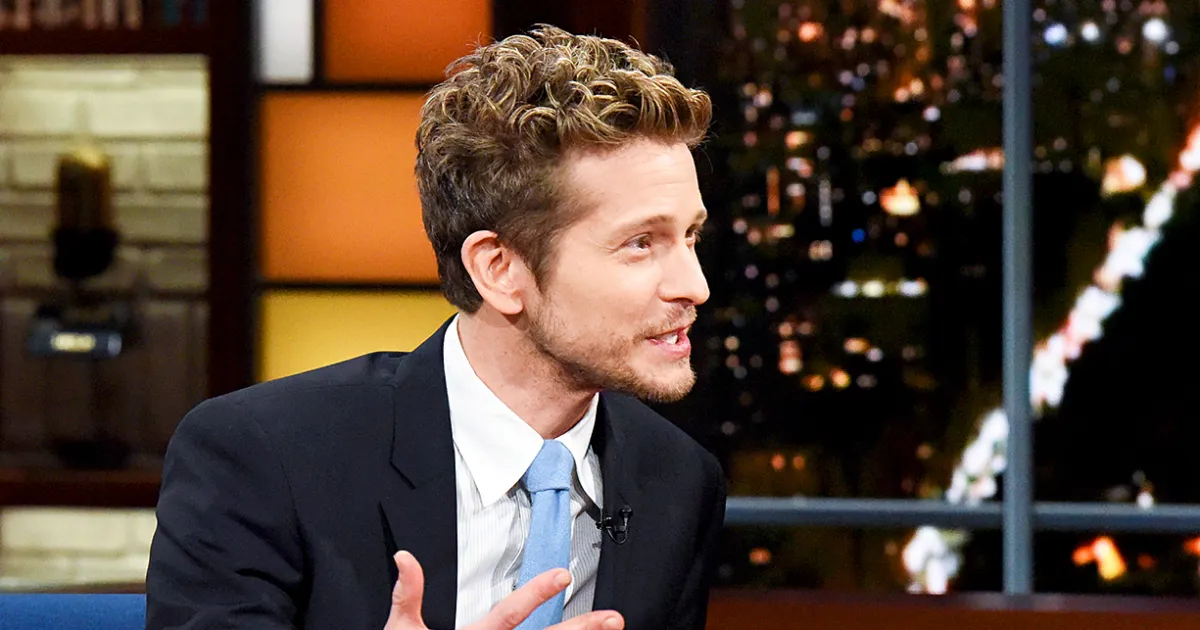
For many television fans, Matt Czuchry will forever be remembered as the charming yet complicated Logan Huntzberger from Gilmore Girls.
But long after his days in Stars Hollow, the actor took on another memorable role — Harry “Sully” Sullivan, a character who anchored a heartfelt romantic drama for three seasons and became one of the most talked-about performances of his career.
Looking back now, Czuchry says the experience was far more meaningful than he expected when he first accepted the role.
“It was one of those characters that stays with you,” he shared in a recent conversation. “Sully wasn’t just someone I played — he became someone I understood deeply.”
From Stars Hollow to a New Chapter
Czuchry first captured global attention during his run on Gilmore Girls, the beloved series created by Amy Sherman-Palladino.
ALSO READ : Younghoe Koo Explains Botched Field Goal After Slip: “The Ball Was Moving So I Pulled Up”
The show, which starred Lauren Graham and Alexis Bledel, became a cultural phenomenon thanks to its witty dialogue, heartfelt storytelling and unforgettable characters.
For Czuchry, joining the cast later in the series was both exciting and intimidating.
Logan Huntzberger quickly became one of the show’s most debated characters — charming, rebellious and deeply flawed.
Yet the role also established Czuchry as a compelling television actor capable of portraying emotional complexity.
After Gilmore Girls, he continued to build a strong résumé with series like The Good Wife and The Resident, proving he was far more than just a fan-favorite romantic lead.
The Emotional Weight of ‘Sully’
When Czuchry stepped into the role of Harry “Sully” Sullivan, the character immediately stood out for its emotional depth.
Unlike some of the actor’s previous roles, Sully was written as someone navigating profound personal challenges — balancing romance, career struggles, and complicated relationships.
Over the course of three seasons, viewers watched the character evolve from a confident romantic lead into someone grappling with vulnerability and self-discovery.
According to Czuchry, that transformation made the role especially rewarding.
“Television allows characters to grow over time,” he explained. “With Sully, the writers gave him space to fail, learn and change.”
For audiences, that authenticity became one of the drama’s biggest strengths.
Why Fans Connected With the Character
Part of what made Sully resonate with viewers was his emotional realism.
While many television romances lean heavily on idealized relationships, Sully’s storylines often explored the messy realities of love and personal growth.
His relationships weren’t perfect. His decisions weren’t always right.
But that imperfection made him feel human.
And for many fans, that honesty turned the character into one of the show’s most relatable figures.
Online fan communities frequently discussed Sully’s journey — analyzing his choices, debating his relationships, and sharing theories about where his story might lead next.
A Career Built on Complex Characters
Throughout his career, Matt Czuchry has demonstrated a clear preference for layered roles.
In The Good Wife, he portrayed Cary Agos, a young lawyer navigating the ruthless world of corporate law.
Later, in The Resident, he played Dr. Conrad Hawkins, a physician determined to challenge corruption within the healthcare system.
Both characters required emotional nuance and moral complexity — qualities that have become Czuchry’s signature as an actor.

Sully, he says, fits perfectly into that pattern.
“I’m always drawn to characters who are trying to figure life out,” he said. “Those are the stories that feel real.”
The End of a Memorable Three-Season Journey
While television fans often hope their favorite shows will run for many years, some stories feel complete after a shorter arc.
For the romantic drama featuring Sully, three seasons proved enough to fully explore the character’s journey.
By the time the show reached its conclusion, viewers had watched Sully experience love, heartbreak and personal transformation.
For Czuchry, saying goodbye to the character wasn’t easy.
“Whenever you play someone for that long, it becomes part of your life,” he admitted.
But he also believes the story ended at the right moment — leaving audiences with a satisfying conclusion rather than stretching the narrative too far.
The Enduring Legacy of ‘Gilmore Girls’
Even as Czuchry continues to take on new roles, the legacy of Gilmore Girls remains an important part of his career.
The series continues to attract new viewers through streaming platforms, introducing younger audiences to its fast-talking humor and heartfelt storytelling.
Its popularity even led to the revival miniseries Gilmore Girls: A Year in the Life, which reunited many of the original cast members.
For Czuchry, that ongoing fan support is something he never takes for granted.
“People still come up to me and talk about the show,” he said. “It’s amazing how much it means to them.”
Looking Ahead
After more than two decades in television, Matt Czuchry has built a career defined by thoughtful performances and memorable characters.
From the charming world of Gilmore Girls to the emotional journey of Harry “Sully” Sullivan, his roles have consistently explored the complexities of relationships and personal growth.
And while Sully’s story may have concluded after three seasons, the character’s impact continues to resonate with viewers who followed his journey.
As Czuchry looks toward future projects, one thing seems certain:
Fans will always remember the characters who made them laugh, cry — and occasionally see a little of themselves on screen.








Entertainment
Hollywood, TV, and Pop Culture Quietly Shaped How We See Iran And Now the World Is Realizing It…
From Oscar-winning Iranian cinema to political thrillers and streaming shows, decades of movies and pop culture have subtly prepared Western audiences to understand Iran beyond headlines and geopolitics.

When global conflicts erupt, Western audiences often scramble to understand unfamiliar countries suddenly dominating the news cycle. History shows that many wars or geopolitical crises catch the public unprepared, leaving people searching for context about cultures they rarely encounter.
But when conversations about Iran appear today, the reaction feels different.
For many viewers across the United States and Europe, Iran isn’t entirely unknown territory. Its culture, politics, and everyday life have quietly entered global consciousness through decades of films, documentaries, TV shows, and pop culture references.
In other words, long before headlines dominated international news, movies and storytelling had already begun shaping how the world sees Iran.
Cinema as a Cultural Window
Much of this understanding comes from Iranian filmmakers whose work gained international recognition over the past three decades.
ALSO READ : Younghoe Koo Explains Botched Field Goal After Slip: “The Ball Was Moving So I Pulled Up”
One of the most influential figures is Abbas Kiarostami, widely regarded as one of the greatest directors in world cinema. His films—minimalist, poetic, and deeply human—offered audiences a rare look at ordinary life inside Iran.
Similarly, filmmaker Asghar Farhadi helped bring Iranian storytelling to the global mainstream. His Oscar-winning film A Separation captured the complexities of family, morality, and modern Iranian society. Later, his film The Salesman won another Academy Award, further cementing Iran’s place in international cinema.
These films didn’t focus on politics or military conflict. Instead, they told deeply personal stories—about parents, children, relationships, and everyday struggles.
For Western audiences, that human perspective quietly reshaped long-held perceptions.
Hollywood’s Political Lens
While Iranian filmmakers offered intimate stories, Hollywood often approached the country through the lens of politics and global conflict.
Movies like Argo, directed by Ben Affleck, dramatized the 1979 Iran Hostage Crisis. The film won the Academy Award for Best Picture and introduced a new generation of viewers to one of the most pivotal moments in modern U.S.–Iran relations.
Other films and series have also explored the region’s geopolitical tensions, often portraying intelligence operations, diplomacy, and international intrigue.
While these stories can sometimes reinforce stereotypes, they also sparked curiosity. Many viewers left theaters wanting to learn more about Iran’s history, politics, and culture.
Streaming Platforms Changed the Conversation
The rise of global streaming platforms has further expanded access to Iranian stories.
Services like Netflix and Amazon Prime Video have introduced international audiences to films and shows from around the world, including Iranian cinema.
Suddenly, stories once limited to film festivals became available to millions of viewers.
This shift has helped audiences discover the diversity of Iranian storytelling—from quiet dramas and social commentary to experimental films and documentaries.
Streaming didn’t just distribute these stories—it normalized them.
Iranian Voices in Global Pop Culture
Iran’s cultural influence extends beyond film.
Writers, artists, and journalists have also played a role in shaping global understanding of the country.
Graphic novelist Marjane Satrapi, for example, brought her childhood experiences during the Iranian Revolution to life in the acclaimed memoir Persepolis, later adapted into an animated film.
The story gave Western readers and viewers an intimate, personal perspective on life during one of the Middle East’s most transformative political moments.
Books, music, and digital media have also contributed to this cultural exchange, helping audiences see Iran not only as a political actor but as a society filled with artists, families, students, and dreamers.
When News Meets Storytelling
Today, when Iran appears in global headlines, many viewers already possess fragments of context.
They’ve seen the streets of Tehran in films, heard Persian music, or read memoirs from Iranian writers.
This doesn’t mean pop culture provides a complete or perfectly accurate picture. But it does offer something important: familiarity.
Instead of a distant, abstract country, Iran becomes a place filled with people and stories.
That difference matters.
The Power—and Limits—of Cultural Representation
Experts often warn that pop culture can both illuminate and distort reality.
Hollywood thrillers may dramatize politics. International films may highlight certain social issues more than others. Even documentaries can reflect the perspective of their creators.
Still, the collective impact of decades of storytelling is undeniable.
Cinema, literature, and television have given audiences emotional entry points into a culture that might otherwise feel remote.
They’ve turned headlines into human stories.
A Cultural Bridge in a Divided World
In an era when geopolitics often dominates international conversations, art continues to play a quiet but powerful role.
Through films by directors like Asghar Farhadi and Abbas Kiarostami, memoirs like Persepolis, and Hollywood productions like Argo, global audiences have gradually built a more layered understanding of Iran.
These stories don’t replace journalism or political analysis.
But they provide something equally important: empathy.
And sometimes, a movie or a book can do what news headlines alone cannot—help people see a country not just through the lens of conflict, but through the lives of the people who call it home.
Entertainment
“Nearly Perfect… But Not Quite”: Anonymous Oscar Voter Reveals Brutally Honest Ballot — Why ‘Sentimental Value’ Won Her Over and ‘Hamnet’ Left Her Exhausted…
An anonymous member of the Academy’s documentary branch opens up about her Oscar ballot, praising Sentimental Value as “nearly flawless” while admitting Hamnet’s intense performance by Jessie Buckley felt “turned up to a 10 the entire time.”
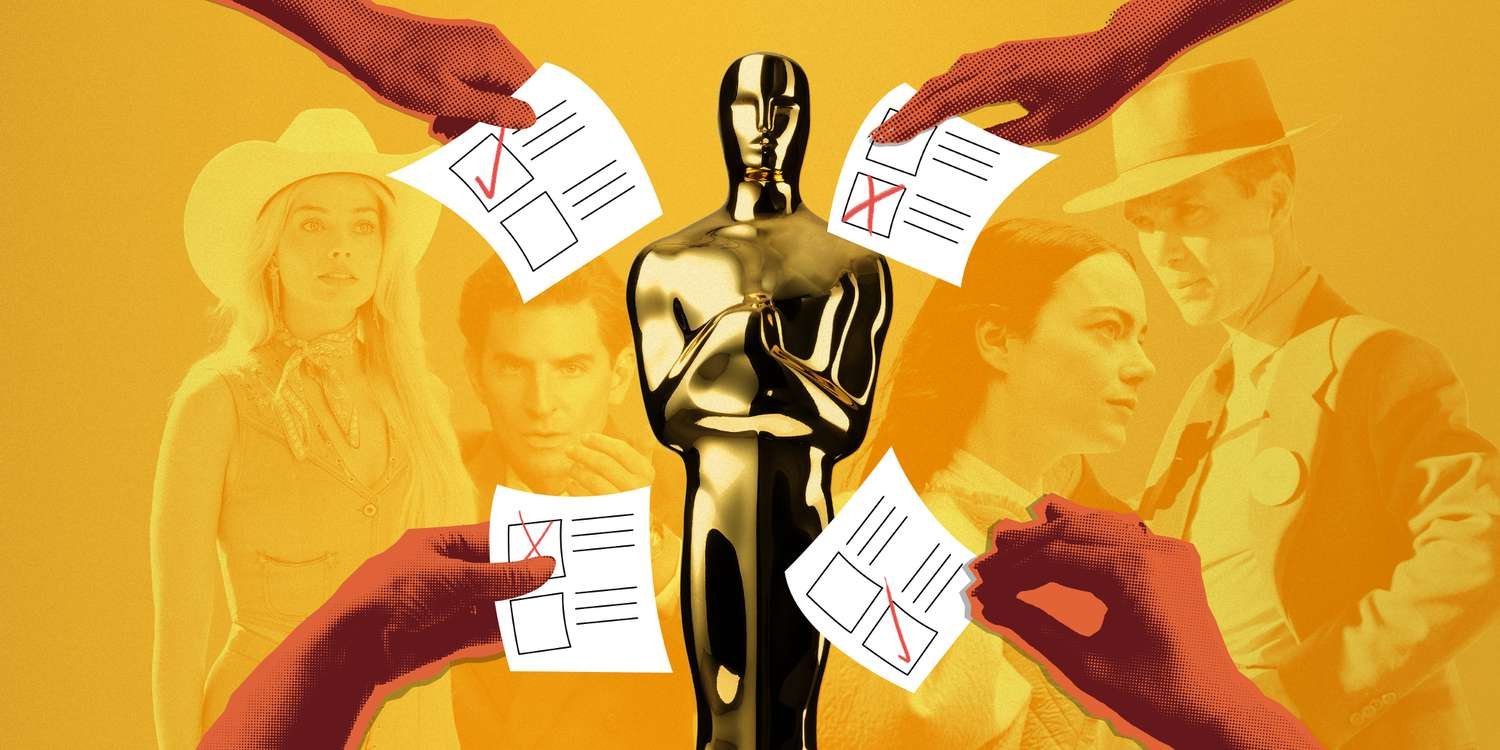
Every year, the world watches the Academy Awards with fascination, speculation, and plenty of predictions. But what really happens inside the minds of the people casting the votes?
A rare glimpse into that process has now emerged through an anonymous ballot from a member of the Academy of Motion Picture Arts and Sciences — the organization behind the Oscars.
The voter, a female member of the Academy’s documentary branch, agreed to speak candidly about her choices on the condition of anonymity. Her brutally honest comments reveal not only which films impressed her most, but also the subtle reasoning that often shapes Oscar voting behind the scenes.
One film in particular stood out.
“Sentimental Value” Wins Big Praise
Among the nominees on her ballot, the voter had particularly strong praise for Sentimental Value.
ALSO READ : Younghoe Koo Explains Botched Field Goal After Slip: “The Ball Was Moving So I Pulled Up”
Calling it “nearly perfect,” she described the film as emotionally resonant and beautifully crafted — the kind of storytelling that stays with audiences long after the credits roll.
In an awards season filled with ambitious productions, the voter said Sentimental Value stood apart because of its balance between artistic depth and emotional sincerity.
“Some films feel like they’re trying too hard to be important,” she reportedly explained. “This one just was important.”
Her comments echo the broader critical response surrounding the film, which many analysts believe could emerge as a serious contender during Oscar season.
A Divisive Reaction to ‘Hamnet’
While some films impressed the voter deeply, others drew more mixed reactions.
One of the most debated performances on her ballot came from Jessie Buckley, whose role in the film Hamnet has received widespread critical attention.
Buckley, already known for powerful performances in films like The Lost Daughter, delivered an emotionally intense portrayal in Hamnet. However, the anonymous voter admitted that the performance sometimes felt overwhelming.
“I didn’t want Jessie Buckley turned up to a 10 the entire time,” she said bluntly.
The comment highlights one of the realities of awards voting: even widely praised performances can divide voters when they feel emotionally relentless or stylistically bold.
In Buckley’s case, the voter acknowledged the talent on display but wished for more subtlety.
Inside the Mind of an Oscar Voter
For film fans, insights like these are rare — and fascinating.
The Academy of Motion Picture Arts and Sciences includes thousands of members from across the entertainment industry, ranging from actors and directors to cinematographers and editors. Each branch typically votes in categories related to its expertise.
This particular voter belongs to the documentary branch, one of the Academy’s smaller but influential groups.
Unlike critics or journalists, Academy members often evaluate films from a technical and artistic perspective shaped by years of industry experience.
Their decisions are not always predictable.
Sometimes a film wins because of emotional impact. Other times it’s the result of subtle craftsmanship or originality.
And occasionally, it simply comes down to personal taste.
The Power of Anonymous Ballots
Over the past decade, anonymous Oscar ballots have become an increasingly popular tradition in entertainment journalism.
Publications like The Hollywood Reporter and Variety regularly publish interviews with voters who speak candidly about their choices once anonymity is guaranteed.
These conversations offer rare transparency into an awards process that is usually shrouded in secrecy.
They also remind audiences that the Oscars are not decided by a single unified opinion — but by hundreds of individual perspectives.

One voter may adore a performance that another finds exhausting.
A film that critics consider groundbreaking might leave an Academy member unmoved.
That unpredictability is part of what makes the Academy Awards both thrilling and controversial.
Why Voters Value Emotional Authenticity
One theme that emerged strongly from the anonymous ballot was the importance of emotional authenticity.
The voter repeatedly emphasized that the films she supported were those that felt genuine rather than calculated.
That may explain why Sentimental Value resonated so deeply with her.
The film’s storytelling approach — subtle, character-driven, and emotionally grounded — appears to have struck the balance that many Academy voters look for when casting their ballots.
In contrast, performances or films that feel overly dramatic can sometimes alienate certain voters, even when critics applaud them.
The Oscars’ Ongoing Evolution
The Academy itself has undergone significant changes in recent years.
Following criticism about representation and diversity, the Academy of Motion Picture Arts and Sciences expanded its membership globally, bringing in more women, international filmmakers, and younger industry professionals.
These changes have subtly influenced Oscar outcomes, leading to more diverse nominations and winners.
Films from around the world now compete more strongly than ever — reflecting the increasingly global nature of cinema.
The Mystery Behind the Ballot
Despite the insights provided by anonymous voters, the full picture of Oscar voting remains something of a mystery.
Each ballot represents just one voice among hundreds.
Some voters prioritize storytelling. Others focus on technical achievement. Some simply follow their emotional instincts.
And that unpredictability is part of what keeps audiences tuning in every year.
As the next Academy Awards ceremony approaches, conversations like this offer a fascinating reminder that behind every golden statue lies a deeply human process — filled with passion, disagreement, and honest opinions.
Just like the anonymous voter who called Sentimental Value “nearly perfect” while admitting that Jessie Buckley’s powerful performance in Hamnet might have been a little too intense.
And in the unpredictable world of Oscars voting, those candid opinions can make all the difference.
Entertainment
‘Rooster’ Review: Steve Carell’s New HBO College Comedy Has a Dream Cast… So Why Does It Feel So Confused?
Created by Bill Lawrence and Matt Tarses, HBO’s half-hour campus comedy brings together Steve Carell, Phil Dunster, Charly Clive, Danielle Deadwyler and John C. McGinley — but the series struggles to decide if it wants to be heartfelt satire or pure comedy.

When audiences hear that a new comedy starring Steve Carell is arriving on HBO, expectations naturally soar.
After all, Carell has built a career playing characters who are simultaneously awkward, hilarious, and surprisingly human — from his iconic role as Michael Scott in The Office to memorable performances in films like The 40-Year-Old Virgin and Little Miss Sunshine.
So when HBO announced “Rooster,” a half-hour college comedy created by Bill Lawrence and Matt Tarses, it sounded like a promising formula: a veteran comedic actor, accomplished creators, and a talented supporting cast.
But after its debut, the show leaves viewers with a lingering question:
What exactly is “Rooster” trying to be?
A Campus Comedy With Big Ambitions
Set on a modern American college campus, Rooster follows a group of professors, administrators, and students navigating the absurdities of higher education.
ALSO READ : Younghoe Koo Explains Botched Field Goal After Slip: “The Ball Was Moving So I Pulled Up”
At the center of the story is Carell’s character — a well-meaning but increasingly overwhelmed academic figure trying to maintain relevance in a rapidly changing university environment.
The show mixes workplace comedy with campus satire, poking fun at academic politics, generational clashes, and the strange rituals of college life.
On paper, the premise has enormous potential. Universities have long served as rich comedic settings, from the irreverent chaos of Animal House to the quirky ensemble humor of shows like Community.
Yet Rooster seems unsure whether it wants to follow that comedic tradition or carve out something more introspective.
A Cast That Deserves Better
One of the show’s undeniable strengths is its cast.
Alongside Steve Carell, the series features Phil Dunster, best known for his scene-stealing role in Ted Lasso, as well as rising British comedian Charly Clive.
The ensemble is further elevated by acclaimed actress Danielle Deadwyler, whose dramatic work in films like Till earned widespread praise, and veteran performer John C. McGinley, remembered by many fans for his iconic role in Scrubs.
Individually, each actor brings energy and charisma.
Carell delivers moments of classic awkward humor. Dunster injects youthful arrogance into his character. Deadwyler provides emotional grounding.
But even with such talent, the show struggles to fully utilize its ensemble.
Characters appear briefly, storylines shift direction, and the tone fluctuates from episode to episode.

The Bill Lawrence Effect
Part of the anticipation surrounding Rooster comes from its creative team.
Co-creator Bill Lawrence has a reputation for blending comedy with heartfelt storytelling. His previous shows — including Scrubs and Ted Lasso — are widely praised for their emotional depth and memorable characters.
Meanwhile, co-creator Matt Tarses has written for popular comedies like The Goldbergs and Sports Night.
With that pedigree, expectations for Rooster were understandably high.
And at times, glimpses of that creative magic appear — particularly in quieter scenes that explore the anxieties of aging, career uncertainty, and the cultural shifts happening inside universities.
Unfortunately, those moments often feel buried beneath uneven storytelling.
Comedy or Commentary?
One of the biggest challenges facing Rooster is its tone.
Some scenes lean into broad, absurd comedy. Others attempt sharp satire about modern academia. And occasionally, the series veers into sincere drama about identity and generational change.
Individually, those elements could work.
But together, they sometimes clash rather than complement each other.
The result is a show that feels like it’s constantly searching for its identity.
Steve Carell Still Shines
Despite the show’s tonal struggles, Steve Carell remains its strongest asset.
His ability to balance vulnerability with humor continues to make him one of the most compelling comedic actors of his generation.
Even in the show’s weaker moments, Carell finds ways to bring depth to his character.
It’s a reminder of why audiences have remained drawn to him since his breakout years on The Office.
And it suggests that if Rooster eventually finds its footing, Carell will be the one leading the charge.
Can ‘Rooster’ Find Its Voice?
The first season of Rooster feels like a show still figuring itself out.
That’s not uncommon for new comedies. Many beloved series — including Parks and Recreation and The Office — took time to settle into their identity.
If the creators lean more heavily into the strengths of their cast and sharpen the show’s tone, Rooster could evolve into something memorable.
For now, however, the series remains a curious mix of potential and confusion.
It has the talent.
It has the platform.
The only thing missing is clarity about what kind of show it truly wants to be.

Hollywood, TV, and Pop Culture Quietly Shaped How We See Iran And Now the World Is Realizing It…

“Nearly Perfect… But Not Quite”: Anonymous Oscar Voter Reveals Brutally Honest Ballot — Why ‘Sentimental Value’ Won Her Over and ‘Hamnet’ Left Her Exhausted…

‘Rooster’ Review: Steve Carell’s New HBO College Comedy Has a Dream Cast… So Why Does It Feel So Confused?

Priyanka Chopra Jonas Reveals Why Playing a Pirate in ‘The Bluff’ Was “Too Exciting to Ignore”… And Teases the Epic Scale of SS Rajamouli’s Next Film

‘Gilmore Girls’ Star Matt Czuchry Reflects on Playing ‘Sully’ for Three Seasons… “That Character Changed Me in Ways I Didn’t Expect”

1-Iran Issues Dire Warning to Israel and Defies Trump on Nukes: “We’re Ready to Strike Deep Inside”

Donald Trump’s net worth reveals the fortune behind the former US President and business mogul

Caitlin Clark Sidelined with Quad Strain, Set to Miss Two Weeks of WNBA Action

“Tomás Rodríguez Net Worth 2025: Panama’s Gold Cup Goal‑Machine’s Surprising Fortune Revealed”

Elon Musk Breaks Ranks with Trump Over ‘Big, Beautiful’ Tax Bill

Miss Jamaica Suffers Terrifying Fall Off Miss Universe Stage; Rushed to Hospital on Stretcher in Viral Video

Moana Live-Action Teaser Sparks Outrage as Fans Call Disney’s Move a ‘Clear Money Grab’ — What Went Wrong?

Ryan Gosling’s Project Hail Mary Trailer Stuns Fans with a Mysterious Alien Ally and a Mission That Could Save Earth

Apple delays Jessica Chastain thriller The Savant about domestic extremism after recent US violence

Avatar 3, Fire and Ash trailer reveals Jake Sully’s family facing terrifying new Na’vi enemies with deadly fire powers
-

 Entertainment6 days ago
Tanzyn Crawford Breaks Silence on Racial Backlash Over Her Role in A Knight of the Seven Kingdoms
-

 Entertainment1 week ago
The SAG Award That Briefly Crowned ‘Apollo 13’ as the Oscar Front-Runner — Before Everything Changed…
-

 News7 days ago
Donald Trump Confirms Attendance at 2026 White House Correspondents’ Dinner After Years of Boycott
-

 Politics1 week ago
Nicki Minaj Stuns AmericaFest Crowd as She Praises Trump and Warns Gavin Newsom ‘It’s the End of the Road…’
-

 Entertainment3 days ago
Patrick Dempsey Breaks Silence on Eric Dane’s Emotional Final Days on Grey’s Anatomy: “We Always Had Mutual Respect…”
-
 Entertainment5 days ago
Susan Sarandon Reveals She Was Told ‘Not to Be Hired’ Even Recently After Gaza Stance: ‘It Became Impossible for Me to Even Be on Television…’
-

 Technology News6 days ago
Amazon’s AWS Cloud Went Dark Over Dubai and Iran’s Drones May Have Just Changed the Internet Forever…
-

 Entertainment1 week ago
Stranger Things and Harry Potter Lead Broadway to Historic Holiday Box Office