
World News
China’s Shock Claim: “The US Never Warned Us…”Beijing Accuses Washington After Iran Strike
A blunt accusation from Beijing adds new tension to an already volatile regional conflict, raising questions about trust, diplomacy, and global power coordination.

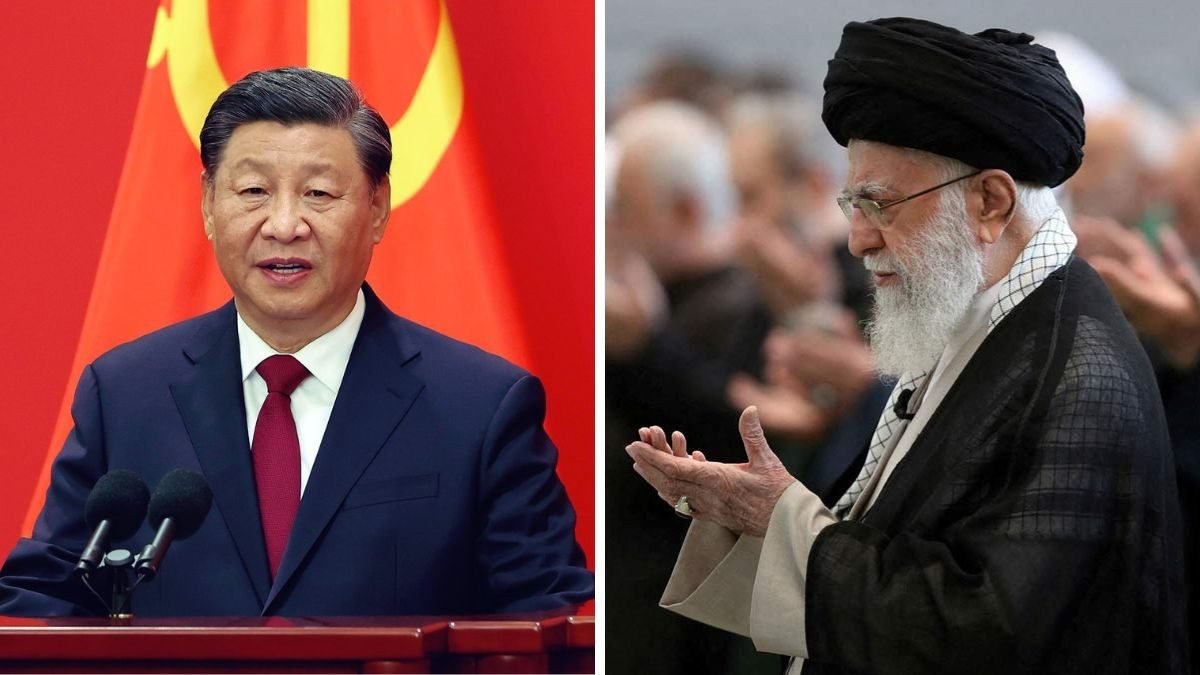
In a sharp and unexpected statement, China has accused the United States of failing to provide any prior notice before launching its recent attack on Iran—a disclosure that has intensified global debate over transparency among major powers.
A spokesperson for China’s Foreign Ministry said Beijing learned of the strike “only after it had already taken place,” describing the situation as “deeply concerning” given the region’s fragile state and China’s growing presence in West Asian diplomacy.
The United States, led by President Joe Biden, has not commented directly on China’s claim, though U.S. officials have previously stated that the military action was part of a coordinated effort to limit Iran-backed threats across the region.
China’s foreign minister Wang Yi emphasized that Beijing expects “major global actors to uphold responsible communication, especially during wartime operations that risk spiraling into wider conflict.”
ALSO READ : “She Never Made It Out…” Albany House Fire Claims Woman’s Life as Family Pleads for Help to Bring Her Home
A Wave of Frictions Amid Ongoing Violence
This diplomatic strain comes as Israel and the U.S. continue operations believed to target strategic Iranian assets. China has repeatedly called for immediate ceasefire talks, warning that the region is “on a dangerous edge.”
The lack of communication, Chinese experts argue, undermines Beijing’s ability to protect its citizens and monitor global economic exposure—especially crucial as one Chinese national was recently killed in Tehran during ongoing strikes.
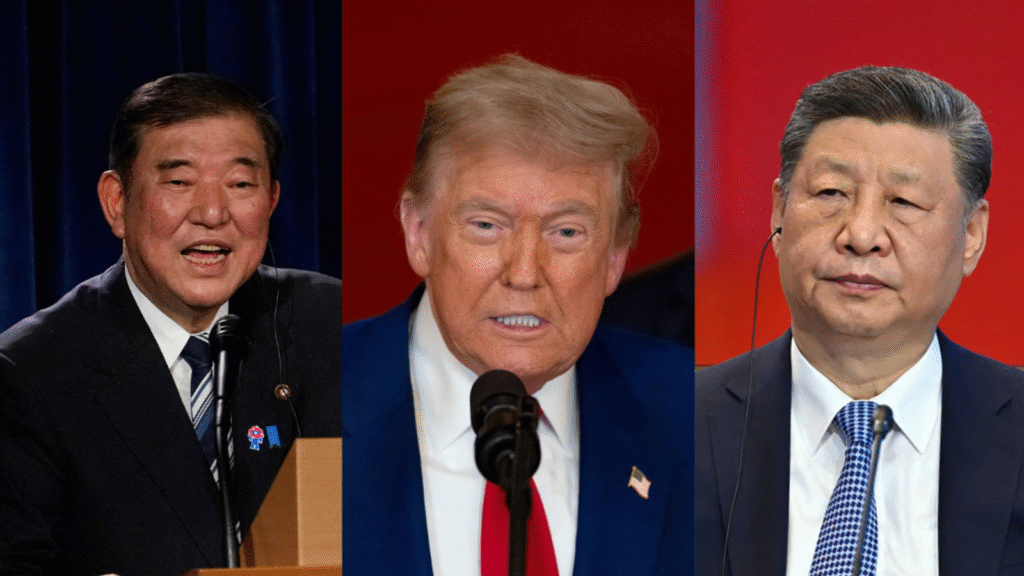
Is Global Trust Eroding?
Analysts say China’s statement represents more than a complaint—it signals a shift.
“For China to openly accuse the United States like this is rare and intentional,” said a Beijing-based geopolitical scholar. “It reflects frustration that global security decisions are being made without multilateral consultation.”
Washington’s traditional allies have yet to comment on Beijing’s claim, but diplomatic observers warn that the widening gulf between the world’s two largest powers could complicate future crisis-management efforts.
What Comes Next?
With tensions escalating simultaneously on diplomatic and military fronts, China has urged both the U.S. and Israel to halt operations immediately and return to negotiations—though neither nation has publicly responded to Beijing’s latest criticism.
As global markets watch nervously and regional actors brace for possible retaliatory moves, one thing is clear:
Beijing’s declaration has added a fresh layer of intrigue—and tension—to an already combustible conflict.




World News
Won’t Repeat the Mistakes We Made With China : Top Trump Official Speaks on India Trade Deal
US Deputy Secretary of State Christopher Landau says Washington will prioritise American interests while deepening partnership with India

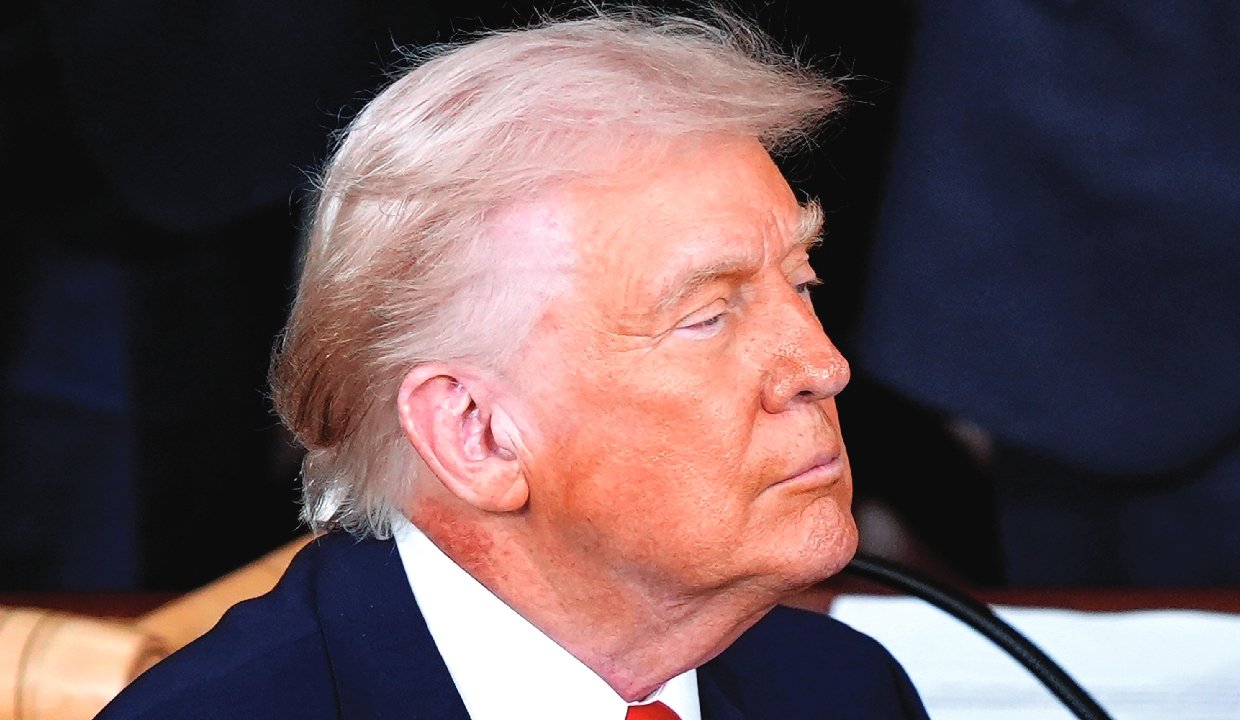
United States Deputy Secretary of State Christopher Landau on Thursday addressed the ongoing US-India trade negotiations, emphasising that any agreement with India will remain beneficial to United States citizens. Speaking at the Raisina Dialogue, Landau made it clear that Washington values cooperation with India but will not repeat past errors made in its trade dealings with China.
“India should understand that we’re not going to make the same mistakes with India that we made with China 20 years ago. We’re going to make sure that whatever we do, it’s fair to our people,” Landau said, adding that accountability to citizens is a universal principle shared by all sovereign nations.
America First and Cooperation with India
Addressing perceptions of the America First doctrine, Landau clarified that it does not imply isolation.
“America First obviously does not mean America alone, because one of the ways that you can accomplish those objectives is through cooperation with other countries,” he noted.
Landau framed national interest as a key principle driving international relations, stating:
“Just as President Donald Trump wants to make America great again, he would expect the Prime Minister of India, Narendra Modi, or other leaders to want to make their countries great again.”
India’s Rise and Strategic Importance
Landau highlighted India’s demographic and economic potential, calling it a defining power of the 21st century:
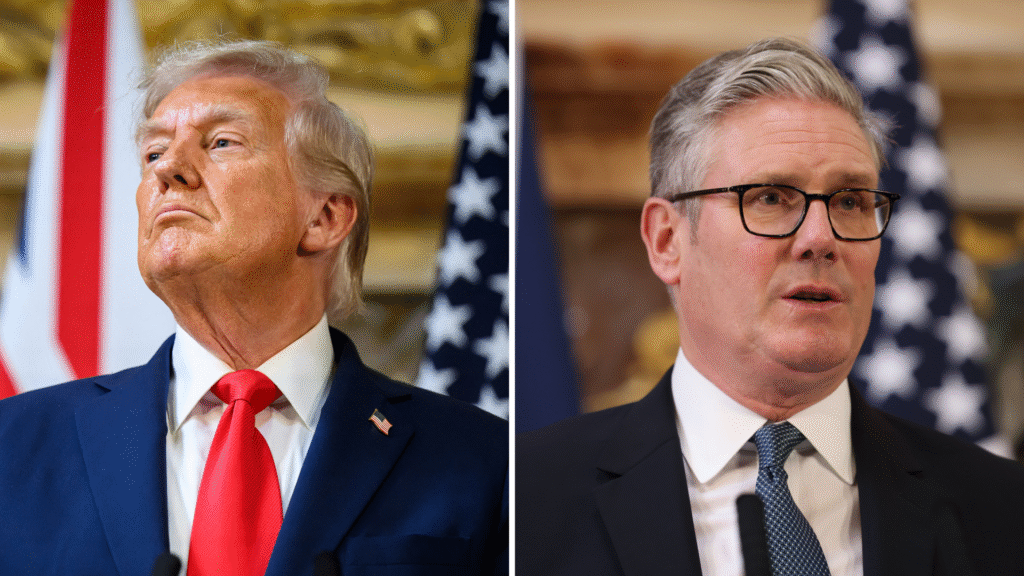
“I think one of the things that is undeniable is that this century is going to be, in many ways, a century in which we expect to see the rise of India…It has incredible economic, human, and other resources that make it one of the countries that’s going to decide the future of this century.”
He also stressed the “win-win” opportunities in expanding US-India ties, noting that the partnership aligns with the strategic and economic interests of both countries.
“I want to highlight the importance of India as we look around the world in the 21st century…We’re not here to do social work or charity. We’re here because it’s in the interest of our country, and we think it’s in the interest of India to deepen our partnership.”
Update on the Trade Deal
Landau provided an update on the negotiations, stating that both sides are nearing the final stages of the agreement:
“We are very excited about the trade deal that is almost at the finish line now.”
Earlier this year, the United States and India announced a framework for an interim trade agreement, while reaffirming their commitment to negotiating a broader Bilateral Trade Agreement initiated by Donald Trump and Narendra Modi.
The deal is expected to significantly expand economic cooperation between the two democracies and strengthen their strategic partnership amid evolving global geopolitics.
World News
Mandana Karimi Says She Is Banned in Iran, Leaving India: ‘I Still Cannot Mourn for Khamenei’
Actor Mandana Karimi clarifies her stance on the US-Israel strike, her Iranian roots, and why the Islamic Republic must end.

Actor Mandana Karimi, born in Iran, has addressed widespread speculation following the death of Ayatollah Ali Khamenei in a joint US-Israel missile strike. Taking to her Instagram, Mandana clarified that although she is leaving India, she will not return to Iran because she was banned from the country a decade ago.
“I have been banned from Iran 10 years ago. I cannot go back to Iran. Yes, I am leaving India; I am moving out of India, but I am not going back to Iran…Everyone can mourn for Khamenei, which I couldn’t do, and I still cannot do it,” Mandana said in a video reel.
She emphasized that her statements had been misrepresented in the media, often cut short or taken out of context, resulting in dramatic headlines.
Mandana’s Message on Safety and Activism
Mandana revealed the personal risks she has faced due to the ongoing conflict:
“Because of security reasons, I have been stuck at one place, and none of my even closest friends have my location…still I am trying to talk to the media to amplify the voices of Iranians, the ones who are still getting killed.”
She also addressed her absence from the film industry over the past six years, noting that her opinion stems from her Iranian heritage and firsthand knowledge of the situation in her home country:

“I have an opinion because I am Iranian. I know what is happening in my country, I was born and raised there and I left at the age of 18.”
In her Instagram caption, Mandana reiterated the importance of truth over sensational headlines:
“What matters is the truth about the Islamic Republic and why this regime must end. What matters is the voice of Iranians who are risking everything for freedom.”
Context: US-Iran Conflict
The recent assassination of Ayatollah Ali Khamenei by a joint US-Israel strike has intensified conflicts in the Middle East. Following the attack, Iran launched retaliatory missile and drone strikes across multiple Arab countries.
Islamic Revolutionary Guard Corps reported the death of several senior officials along with Khamenei. Bandar Abbas, a southern port city, experienced massive explosions near Bandar-e Bahonar, close to the strategic Strait of Hormuz.
Fresh strikes in eastern Tehran overnight caused shockwaves across parts of the city, though specific targets remain unconfirmed. The escalating tensions underscore the precarious security situation in the region and the challenges faced by citizens like Mandana.
World News
“Why Does India Need Trump’s Permission?” Geopolitics Expert Questions US Waiver on Russian Oil
Dr Anas El-Hajji calls the 30-day US waiver for Russian oil purchases a “very sad situation,” highlighting risks to India’s energy security and global shipping routes.
A recent 30-day waiver issued by the United States allowing India to continue purchasing Russian oil has sparked criticism from geopolitical and energy markets expert Dr Anas El-Hajji. Speaking on Hindustan Times Podcast, Dr El-Hajji questioned why a sovereign nation like India should need “permission” from Donald Trump or his administration to buy energy resources.
“This waiver reflects a very sad situation on two fronts. First, why does India, a great country like India, need permission from President Trump or his government to buy Russian oil?” he asked, highlighting deeper structural issues in global energy governance.
Energy Security and Geopolitical Concerns
Dr El-Hajji pointed out that the waiver also exposes broader uncertainties in global energy security and shipping routes, particularly the Hormuz Strait, which he called “very destructive for the world economy.”
“The issue is not the permission itself but what this means for energy trade and shipping. Insurance restrictions and European regulations are central to the disruption,” he explained.
He argued that temporary suspension of certain European laws could stabilize shipments and reduce reliance on indirect workarounds.
Russian Oil in the “Dark Market”
Despite sanctions targeting companies like Rosneft and Luke Oil, Indian refiners such as Reliance Industries have continued to access Russian crude through alternative channels.
“India never stopped buying Russian crude…we’ve seen ships coming to Oman and returning to Russia, then the oil ends up at Indian ports,” Dr El-Hajji said, referring to an informal “dark market” of discounted crude purchases.
US Sanctions and Global Market Impact
Dr El-Hajji also criticised the US sanctions regime, suggesting that insurance and legal restrictions, rather than the waiver itself, are the root of the problem:
“All this can be solved easily if the EU suspends segments in the law for just one month. The tankers are stuck not because India wants Russian oil, but because insurance companies cancelled policies.”
He warned that continuing disruptions in the Gulf could harm India, global energy markets, and shipping lanes, making short-term fixes like the waiver insufficient.
Broader Implications
The expert questioned longstanding US policies regarding energy and oil pricing:
“President Trump has historically been against low oil prices…so why allow India to buy Russian oil if the situation should be resolved?”
He stressed that the waiver underscores persistent geopolitical tensions and the fragility of energy security in the region, calling for immediate, coordinated international action.

Hollywood, TV, and Pop Culture Quietly Shaped How We See Iran And Now the World Is Realizing It…

“Nearly Perfect… But Not Quite”: Anonymous Oscar Voter Reveals Brutally Honest Ballot — Why ‘Sentimental Value’ Won Her Over and ‘Hamnet’ Left Her Exhausted…

‘Rooster’ Review: Steve Carell’s New HBO College Comedy Has a Dream Cast… So Why Does It Feel So Confused?

Priyanka Chopra Jonas Reveals Why Playing a Pirate in ‘The Bluff’ Was “Too Exciting to Ignore”… And Teases the Epic Scale of SS Rajamouli’s Next Film

‘Gilmore Girls’ Star Matt Czuchry Reflects on Playing ‘Sully’ for Three Seasons… “That Character Changed Me in Ways I Didn’t Expect”

1-Iran Issues Dire Warning to Israel and Defies Trump on Nukes: “We’re Ready to Strike Deep Inside”

Donald Trump’s net worth reveals the fortune behind the former US President and business mogul

Caitlin Clark Sidelined with Quad Strain, Set to Miss Two Weeks of WNBA Action

“Tomás Rodríguez Net Worth 2025: Panama’s Gold Cup Goal‑Machine’s Surprising Fortune Revealed”

Elon Musk Breaks Ranks with Trump Over ‘Big, Beautiful’ Tax Bill

Miss Jamaica Suffers Terrifying Fall Off Miss Universe Stage; Rushed to Hospital on Stretcher in Viral Video

Moana Live-Action Teaser Sparks Outrage as Fans Call Disney’s Move a ‘Clear Money Grab’ — What Went Wrong?

Ryan Gosling’s Project Hail Mary Trailer Stuns Fans with a Mysterious Alien Ally and a Mission That Could Save Earth

Apple delays Jessica Chastain thriller The Savant about domestic extremism after recent US violence

Avatar 3, Fire and Ash trailer reveals Jake Sully’s family facing terrifying new Na’vi enemies with deadly fire powers
-

 Entertainment7 days ago
Tanzyn Crawford Breaks Silence on Racial Backlash Over Her Role in A Knight of the Seven Kingdoms
-

 Entertainment1 week ago
The SAG Award That Briefly Crowned ‘Apollo 13’ as the Oscar Front-Runner — Before Everything Changed…
-

 News7 days ago
Donald Trump Confirms Attendance at 2026 White House Correspondents’ Dinner After Years of Boycott
-

 Politics1 week ago
Nicki Minaj Stuns AmericaFest Crowd as She Praises Trump and Warns Gavin Newsom ‘It’s the End of the Road…’
-

 Entertainment3 days ago
Patrick Dempsey Breaks Silence on Eric Dane’s Emotional Final Days on Grey’s Anatomy: “We Always Had Mutual Respect…”
-
 Entertainment5 days ago
Susan Sarandon Reveals She Was Told ‘Not to Be Hired’ Even Recently After Gaza Stance: ‘It Became Impossible for Me to Even Be on Television…’
-

 Technology News6 days ago
Amazon’s AWS Cloud Went Dark Over Dubai and Iran’s Drones May Have Just Changed the Internet Forever…
-

 Entertainment1 week ago
Stranger Things and Harry Potter Lead Broadway to Historic Holiday Box Office