
Entertainment
Donald Trump fumes as Bad Bunny becomes first-ever Spanish-only Super Bowl headliner — NFL says decision was ‘carefully thought through’
NFL Commissioner Roger Goodell defends Bad Bunny amid political backlash from Donald Trump and conservative leaders, calling the artist’s 2026 Super Bowl performance a “bold and thoughtful choice.”


The NFL is standing firm behind its decision to have Bad Bunny perform at the Super Bowl Halftime Show 2026, dismissing the political storm brewing around the announcement.
Amid harsh criticism from former U.S. President Donald Trump and other conservative figures, NFL Commissioner Roger Goodell stated that selecting the Puerto Rican superstar was “carefully thought through.” Speaking at a press conference on October 22 following the NFL’s fall meeting, Goodell emphasized that criticism is nothing new for the league’s entertainment choices.
“I’m not sure we’ve ever selected an artist where we didn’t have some blowback or criticism,” Goodell said. “It’s pretty hard to do when you have literally hundreds of millions of people that are watching.”
ALSO READ : “History made! Purdue Boilermakers grab first-ever No. 1 spot in USA TODAY Sports preseason men’s basketball poll — can they finally win it all?”
At just 31, Bad Bunny, born Benito Antonio Martínez Ocasio, will not only headline the most-watched entertainment event in the U.S. but also make history as the first artist to perform entirely in Spanish on the Super Bowl stage. The decision, though groundbreaking for representation in music and culture, has ignited a fiery political debate online.
Trump and conservatives react with outrage
Donald Trump was among the first to express outrage over the announcement, calling the NFL’s choice “a disgrace” and accusing the league and its entertainment partner Roc Nation — founded by Jay-Z — of promoting a “woke agenda.”
Meanwhile, House Speaker Mike Johnson, a Republican from Louisiana, suggested that country singer Lee Greenwood — famous for “God Bless the U.S.A.” — would have been a more “patriotic and obvious” choice for the halftime show.
Despite the criticism, many fans and cultural analysts are applauding the decision, calling it a reflection of the NFL’s growing diversity and global appeal. Social media has been buzzing since the announcement in September, with hashtags like #BadBunnySuperBowl and #LatinoRepresentation trending worldwide.

Bad Bunny’s response: ‘Everyone is happy about it’
True to his calm demeanor, Bad Bunny appeared unbothered by the backlash. During his Saturday Night Live appearance earlier this year, the Grammy winner even took a subtle jab at critics, joking that “everyone is happy about it,” in reference to his upcoming Super Bowl performance.
His comments followed weeks of politicization by certain media outlets, notably Fox News, which criticized the NFL’s choice as “un-American.” Yet, industry insiders argue that Bad Bunny represents the new face of American music — one that transcends language and borders.
Music producer and cultural critic Tomás Rivera-Schatz wrote on X, “It’s ironic that the same country that celebrates cultural freedom finds it hard to accept a Puerto Rican artist performing in his own language at its biggest national event.”
A cultural milestone for the Latin community
From dominating Billboard charts to headlining Coachella, Bad Bunny’s rise has been nothing short of meteoric. The artist has consistently blended reggaeton, trap, and Latin pop to bridge cultural divides and bring Latin music to global prominence.
The NFL’s partnership with Roc Nation has also been at the center of discussions since Jay-Z joined forces with the league in 2019 to reimagine its entertainment strategy and boost cultural inclusivity. Past halftime show performances by Rihanna and Shakira have already hinted at a more globalized approach to the event — but Bad Bunny’s 2026 performance may mark a new era in representation.
Goodell noted during the conference that “music is universal,” emphasizing that the NFL’s goal is to unite audiences rather than divide them.
“Our decisions aren’t about politics,” he said. “They’re about culture, creativity, and connection.”
Why this Super Bowl may be one for the history books
The 2026 Super Bowl, scheduled to take place at Levi’s Stadium in California, could become one of the most-watched broadcasts of all time. Marketing experts predict that the halftime show — historically a highlight for global viewers — will attract record-breaking international audiences due to Bad Bunny’s massive Latin American and European fan base.
While critics continue to clash online over patriotism and “cultural fit,” fans see the move as long overdue recognition for Spanish-language music and its growing influence in mainstream pop culture.
As one social media user wrote, “Bad Bunny doesn’t just represent Puerto Rico — he represents millions who finally feel seen.”
Whether or not political circles approve, one thing is certain: the 2026 Super Bowl halftime show will be unlike any before it.


Entertainment
Saturn Awards 2026: James Cameron and Tom Cruise Were the Big Winners — But Nobody Predicted What Cameron Would Say When He Took the Mic…
Hollywood’s biggest night for sci-fi, fantasy, and horror crowned some familiar legends and a few surprising newcomers — but the real story was what happened when Cameron and Cruise took the stage…

Some awards nights feel like going through the motions. The Saturn Awards — Hollywood’s longest-running genre awards ceremony, handed out by the Academy of Science Fiction, Fantasy & Horror Films — rarely feel that way. This is the room where genre loyalists gather, where a filmmaker who spent a decade building a world gets recognized by people who actually watched every frame. And this year, the night belonged to two names that need absolutely no introduction: James Cameron and Tom Cruise.
Both men walked away as big winners from a star-filled ceremony that reminded everyone why Hollywood’s genre space — science fiction, fantasy, horror, action — continues to produce some of the most technically daring and emotionally gripping storytelling in the world.
The King of the World, Still Winning
There is something almost poetic about James Cameron still collecting major awards hardware decades into a career that has already rewritten the rules of cinema — twice. The director behind Titanic and the Avatar franchise has never been a filmmaker who plays it safe, and the Saturn voters have long recognized that.
ALSO READ : “She Never Made It Out…” Albany House Fire Claims Woman’s Life as Family Pleads for Help to Bring Her Home
Cameron’s win at this year’s ceremony wasn’t just a nod to a legacy — it was an acknowledgment that the man is still operating at a level few directors can touch. Whether it’s the scale of his productions, the technological boundaries he insists on pushing, or simply the stubborn ambition that keeps him returning to projects most studios would never greenlight, Cameron remains a singular force in the industry.
When he wins in a room full of genre devotees, it means something different than winning at the Oscars. These are the fans. These are the people who grew up on his films, who memorized the dialogue, who watched the making-of documentaries and understood what went into every shot. For Cameron, a Saturn Award is personal in a way a golden statuette on a television broadcast can never quite be.
Tom Cruise: The Last Real Movie Star Does It Again
If Cameron is the architect of modern blockbuster filmmaking, then Tom Cruise is its most committed performer — a man who has spent the last two decades proving, stunt by dangerous stunt, that the theatrical moviegoing experience is worth protecting.
Cruise’s recognition at the Saturn Awards this year is the latest chapter in a remarkable late-career renaissance. The Mission: Impossible franchise has evolved from a reliable action series into something critics and audiences treat almost like a cultural institution. His work in Top Gun: Maverick — which became one of the highest-grossing films in history — proved that Cruise’s brand of committed, practical, you-really-cannot-believe-he-just-did-that filmmaking still has an enormous audience hungry for it.
Saturn voters understand this intuitively. In a genre space increasingly dominated by CGI spectacle and franchise fatigue, Cruise represents something almost countercultural: a movie star who insists on doing it for real. That philosophy aligns perfectly with the Saturn Awards’ deep respect for craft and commitment to genre filmmaking done right.
A Star-Filled Night
Beyond Cameron and Cruise, the ceremony drew a genuinely impressive gathering of Hollywood talent — a reminder that the Saturn Awards, while sometimes flying under the mainstream radar, pull serious names into the room. Genre filmmaking has never been more culturally central than it is right now, and the awards reflect that.

The Academy of Science Fiction, Fantasy & Horror Films has been handing out these awards since 1972, which makes the Saturn Awards older than the modern blockbuster era they helped celebrate. The ceremony has recognized everything from 2001: A Space Odyssey to The Dark Knight, from Alien to Everything Everywhere All at Once. When your legacy includes that list, the winners on any given night carry genuine weight.
This year’s gathering felt particularly charged — an industry that has been through enormous upheaval, from streaming disruptions to labor strikes to the ongoing debate about what theatrical cinema even means anymore, coming together to celebrate the films and filmmakers that remind everyone why any of this matters.
Why This Moment Matters More Than You Think
It would be easy to look at a Cameron and Cruise sweep and shrug — of course those two won, they always win, they’re legends. But that reading misses the point entirely.
Both men have, at various moments in their careers, been written off. Cameron spent over a decade between Avatar and Avatar: The Way of Water being quietly doubted by an industry that wondered if he’d lost his touch. Cruise spent years navigating tabloid turbulence that threatened to overshadow his actual work. Both kept their heads down. Both kept making films on their own uncompromising terms. Both, repeatedly, proved the doubters wrong.
A Saturn Awards night where they’re both big winners isn’t just a celebration of two careers. It’s a statement about what endures in Hollywood — genuine craft, genuine commitment, and the rare ability to make an audience feel something they genuinely didn’t expect to feel when they sat down in the dark.
The genre space has always understood that better than anywhere else. That’s precisely why nights like this still matter.
Entertainment
“It’s f*ing wrong…” 35 Years Later, Silence of the Lambs Star Ted Levine Speaks Out on Transphobia Criticism**
As the Oscar-winning thriller turns 35, the team behind Silence of the Lambs reflects on regret, representation and the complicated legacy of Buffalo Bill

Thirty-five years after it first unsettled audiences, The Silence of the Lambs remains one of the most celebrated psychological thrillers in cinematic history. Directed by Jonathan Demme, adapted from the novel by Thomas Harris, and powered by unforgettable performances from Jodie Foster and Anthony Hopkins, the film swept the “Big Five” Academy Awards — a rare achievement.
But alongside its accolades, the film has long carried controversy.
Now, as the thriller marks its 35th anniversary, actor Ted Levine, who portrayed the serial killer Buffalo Bill, is reflecting candidly on the criticism that has followed the film for decades — particularly accusations that it contributed to harmful portrayals of transgender individuals.
And his words are unflinching.
“It’s unfortunate that the film vilified that,” Levine has said in recent interviews. “And it’s f***ing wrong.”
ALSO READ : “She Never Made It Out…” Albany House Fire Claims Woman’s Life as Family Pleads for Help to Bring Her Home
A Landmark Film With a Complicated Shadow
When The Silence of the Lambs premiered in 1991, audiences were captivated by its psychological intensity. The cat-and-mouse dynamic between Clarice Starling and Hannibal Lecter entered pop culture instantly. Lines were quoted. Scenes were dissected. The film earned its place in Hollywood canon.
Yet even at the time of its release, advocacy groups raised concerns about the depiction of Buffalo Bill — a character who murders women and attempts to fashion a “suit” from their skin. Critics argued that the character’s gender confusion narrative risked reinforcing damaging stereotypes about transgender people.
Defenders of the film have long pointed out that the script includes dialogue clarifying that Buffalo Bill is “not really” transgender. However, many activists and scholars contend that the nuance was overshadowed by imagery that associated gender nonconformity with violence.
That tension has never fully disappeared.
Ted Levine’s Personal Reckoning
For Levine, the role was never intended as a statement about gender identity. It was, at the time, an acting challenge — a descent into psychological darkness.
“I was playing a human being who was profoundly damaged,” Levine has explained. “It was about pathology, not identity.”
But with the benefit of hindsight, the actor acknowledges that intent does not erase impact.
“It’s unfortunate that the film vilified that,” he reiterated, expressing regret over how the portrayal may have been interpreted or internalized by audiences.
Levine’s reflection arrives in a different cultural climate than 1991. Conversations around representation, LGBTQ+ visibility and media responsibility have evolved dramatically over the past three decades.
Art, Intent and Cultural Context
One of the ongoing debates surrounding The Silence of the Lambs is whether art should be judged solely by the standards of its time — or reexamined through modern understanding.
Director Jonathan Demme reportedly met with LGBTQ+ advocacy groups during the film’s release, attempting to clarify the character’s narrative. Yet protests occurred, and discussions around representation continued.
Today, the film is often taught in cinema studies programs not only for its craft — its editing, performances and narrative tension — but also for its cultural implications.
The question isn’t whether the film is influential. It undeniably is.
The question is how that influence is understood.
A Film That Changed Careers — and Conversations
For Jodie Foster, the role of Clarice Starling cemented her as one of her generation’s most formidable actresses. For Anthony Hopkins, Hannibal Lecter became an iconic character studied and referenced across decades of film and television.
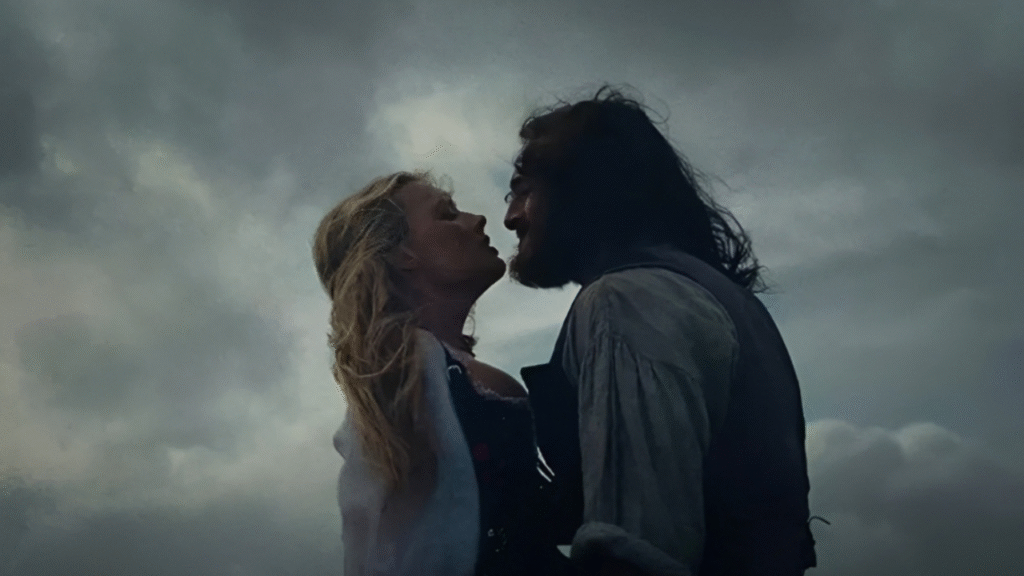
And for Levine, Buffalo Bill became a performance that audiences could never quite forget.
Yet fame can come with weight. Levine has spoken before about how the role followed him, how viewers struggled to separate actor from character.
Now, that weight includes cultural responsibility.
Representation Then and Now
In 1991, mainstream Hollywood offered limited and often stereotypical portrayals of LGBTQ+ characters. Visibility was sparse, and nuanced storytelling rarer still.
In 2026, audiences are more attuned to the impact of representation. Filmmakers face greater scrutiny — and rightly so, many argue — regarding how marginalized identities are portrayed.
Levine’s recent comments don’t attempt to rewrite history. Instead, they reflect an awareness that even landmark films can have blind spots.
“It’s unfortunate,” he said plainly. “And it’s wrong.”
Those words carry more weight than defensiveness ever could.
Can a Classic Be Both Great and Flawed?
As The Silence of the Lambs turns 35, its legacy feels layered.
It remains a masterclass in suspense, character development and psychological tension. Few thrillers have matched its cultural footprint. The film’s Oscar sweep — Best Picture, Best Director, Best Actor, Best Actress and Best Adapted Screenplay — still stands as a milestone.
Yet acknowledging artistic achievement does not mean ignoring criticism.
In fact, part of a film’s endurance may lie in its ability to provoke ongoing discussion — even uncomfortable ones.
The Ongoing Dialogue
Cinema evolves. So do audiences.
Levine’s willingness to engage with criticism underscores how cultural conversations have shifted. Instead of dismissing concerns outright, he has chosen reflection.
That doesn’t erase the film’s controversy. Nor does it diminish its achievements.
But it does open space for nuance — a reminder that art exists within social context, and that context changes.
Thirty-five years later, The Silence of the Lambs is still being talked about.
And perhaps that, more than anything, explains its enduring power.
Entertainment
“I Owe a Large Part of My Career to Him…” How Rob Reiner’s Quiet Genius Still Shapes Today’s Comedy
From When Harry Met Sally to Jury Duty, filmmakers say Rob Reiner’s people-first storytelling continues to guide modern comedy — even decades later.

In an industry that often chases the next loud joke or viral moment, the most enduring influence sometimes comes from something far quieter: character. That lesson, many of today’s comedy creatives say, was mastered by Rob Reiner — and it’s one they’re still carrying forward.
For Jake Szymanski, the director behind the breakout comedy experiment Jury Duty, Reiner’s impact isn’t abstract. It’s personal. Growing up with Reiner’s films looping at home, Szymanski recently found himself revisiting that legacy in a very modern way — by directing the widely talked-about 2025 Super Bowl commercial that reunited Meg Ryan and Billy Crystal at New York’s iconic Katz’s Delicatessen.
The ad paid affectionate tribute to one of cinema’s most quoted scenes from When Harry Met Sally, and for Szymanski, it became something more than a nostalgic callback.
“The best part for me was getting to ask them questions and hear stories about making When Harry Met Sally — and about Rob,” Szymanski shared. “He was incredibly collaborative. He let comedians do their thing.”
ALSO READ : “She Never Made It Out…” Albany House Fire Claims Woman’s Life as Family Pleads for Help to Bring Her Home
That philosophy, Szymanski believes, explains why Reiner’s work doesn’t age out. Rather than overpowering performers with rigid direction, Reiner trusted them — allowing individual voices to breathe within a singular vision. “He made movies that could only be his,” Szymanski says, “while still letting performers fully sound like themselves.”
A Legacy Built on People, Not Punchlines
Hollywood has recently been forced into reflection following the tragic deaths of Reiner and his wife, Michele Reiner, who were found at their Brentwood home. The loss has reopened conversations about Reiner’s creative footprint — not just among those who worked with him, but among writers, directors, and performers shaped by his films from afar.
Across genres and decades, Reiner’s filmography reads like a masterclass in human-centered storytelling. Whether it was the mock-rock authenticity of This Is Spinal Tap, the romantic sincerity of When Harry Met Sally, the fairy-tale warmth of The Princess Bride, or the moral gravity of A Few Good Men, his projects were anchored in recognizable emotions.
Comedy writer Andy Jones, known for his work on It’s Always Sunny in Philadelphia, puts it simply: Reiner’s films endure because they’re about people first.
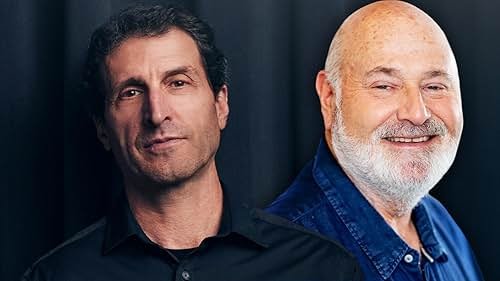
“Movies like When Harry Met Sally and The Princess Bride are timeless because they’re built around people, not punchlines,” Jones explains.
That focus, he argues, quietly rewired modern television comedy.
The Blueprint for Modern Rom-Coms and Sitcoms
The central dynamic of When Harry Met Sally — a man and woman trying (and failing) to remain platonic despite undeniable chemistry — became a storytelling template. Decades later, it resurfaced in shows like New Girl, where Zooey Deschanel’s Jess and Jake Johnson’s Nick danced around the same emotional tension.
The connection wasn’t accidental. Reiner even appeared on New Girl as Jess’s father — a subtle reminder that the genre’s present was still conversing with its past.
What makes Reiner’s influence especially striking is how seamlessly it adapts. Shows like Jury Duty — blending reality, scripted comedy, and empathy — echo his belief that humor lands best when it grows organically from character behavior rather than forced gags.
Why Rob Reiner Still Matters
In an era dominated by algorithms, short attention spans, and hyper-polished content, Reiner’s approach feels almost radical. He trusted audiences to care about people. He trusted actors to shape moments. And he trusted that sincerity would outlast trends.
For creators like Szymanski, that lesson is career-defining. “I owe a large part of my career to him,” he admits — a sentiment quietly shared by countless writers and directors who may never have met Reiner, but learned from him all the same.
As Hollywood continues to mourn, it’s clear that Rob Reiner’s true legacy isn’t just a collection of beloved films. It’s a philosophy — one that insists comedy works best when it listens, observes, and ultimately, understands the human heart.

Saturn Awards 2026: James Cameron and Tom Cruise Were the Big Winners — But Nobody Predicted What Cameron Would Say When He Took the Mic…

“It’s f*ing wrong…” 35 Years Later, Silence of the Lambs Star Ted Levine Speaks Out on Transphobia Criticism**

“I Owe a Large Part of My Career to Him…” How Rob Reiner’s Quiet Genius Still Shapes Today’s Comedy

2026 Emmys Calendar Gets a Twist as TV Academy Reveals Two Nomination Dates ‘This Changes Everything’

“Once You See That on the Big Screen, You Don’t Go Back…” Why Cinematographers Say VistaVision Is Saving Theaters Again

1-Iran Issues Dire Warning to Israel and Defies Trump on Nukes: “We’re Ready to Strike Deep Inside”

Donald Trump’s net worth reveals the fortune behind the former US President and business mogul

Caitlin Clark Sidelined with Quad Strain, Set to Miss Two Weeks of WNBA Action

“Tomás Rodríguez Net Worth 2025: Panama’s Gold Cup Goal‑Machine’s Surprising Fortune Revealed”

Elon Musk Breaks Ranks with Trump Over ‘Big, Beautiful’ Tax Bill

Miss Jamaica Suffers Terrifying Fall Off Miss Universe Stage; Rushed to Hospital on Stretcher in Viral Video

Moana Live-Action Teaser Sparks Outrage as Fans Call Disney’s Move a ‘Clear Money Grab’ — What Went Wrong?

Ryan Gosling’s Project Hail Mary Trailer Stuns Fans with a Mysterious Alien Ally and a Mission That Could Save Earth

Apple delays Jessica Chastain thriller The Savant about domestic extremism after recent US violence

Avatar 3, Fire and Ash trailer reveals Jake Sully’s family facing terrifying new Na’vi enemies with deadly fire powers
-

 Entertainment1 week ago
Tanzyn Crawford Breaks Silence on Racial Backlash Over Her Role in A Knight of the Seven Kingdoms
-

 Entertainment1 week ago
The SAG Award That Briefly Crowned ‘Apollo 13’ as the Oscar Front-Runner — Before Everything Changed…
-

 World News6 days ago
‘If There Were More Cameras… We Might Have Solved It’: Ring CEO Jamie Siminoff Sparks Backlash After New DNA Twist in Nancy Guthrie Case
-

 News1 week ago
Donald Trump Confirms Attendance at 2026 White House Correspondents’ Dinner After Years of Boycott
-

 Entertainment4 days ago
Patrick Dempsey Breaks Silence on Eric Dane’s Emotional Final Days on Grey’s Anatomy: “We Always Had Mutual Respect…”
-

 Technology News1 week ago
Amazon’s AWS Cloud Went Dark Over Dubai and Iran’s Drones May Have Just Changed the Internet Forever…
-
 Entertainment6 days ago
Susan Sarandon Reveals She Was Told ‘Not to Be Hired’ Even Recently After Gaza Stance: ‘It Became Impossible for Me to Even Be on Television…’
-

 Politics1 week ago
Nicki Minaj Stuns AmericaFest Crowd as She Praises Trump and Warns Gavin Newsom ‘It’s the End of the Road…’